/ By The Thyolo House
Best Mulanje Hotels: A Ranked Guide from Budget to Boutique
A journal from a boutique lodge in the Thyolo highlands. These are notes from our corner of Malawi — places we love, walks we've done ourselves, operators we've watched do good work. The mountain treks, tea-estate tours, and day trips are all run by independent operators in Malawi; book those directly with them. Come stay with us before or after — we'll do the room, the meal, and the quiet.
Finding the best Mulanje hotels is not as straightforward as browsing a booking site. The area around Mount Mulanje — southern Malawi's most dramatic landscape — has a limited but genuinely interesting range of places to stay. Some sit at the foot of the mountain, built for hikers. Others are tucked into tea estates with histories stretching back a century. A few are simple guesthouses in town, perfectly fine for a night or two. This guide ranks them all, from budget beds to boutique stays, so you can match your accommodation to the kind of trip you actually want.
How We Ranked the Best Mulanje Hotels
We evaluated every option based on four things that matter most to travellers in this part of Malawi: comfort (hot water, clean rooms, decent beds), food (because restaurant options outside your hotel are limited), location (proximity to hikes, tea estates, or transport), and value (what you get for what you pay). Star ratings are almost meaningless here — a well-run five-room guesthouse can outperform a 30-room lodge with a pool. We've stayed at, visited, or spoken to recent guests at every property listed below.
Prices are quoted in US dollars and reflect 2025–2026 rates. Most places accept cash (Malawian Kwacha or USD) and some now take mobile money. Very few accept credit cards reliably, so carry cash as a backup.
Best Boutique Stay — The Thyolo House (Thyolo Highlands)
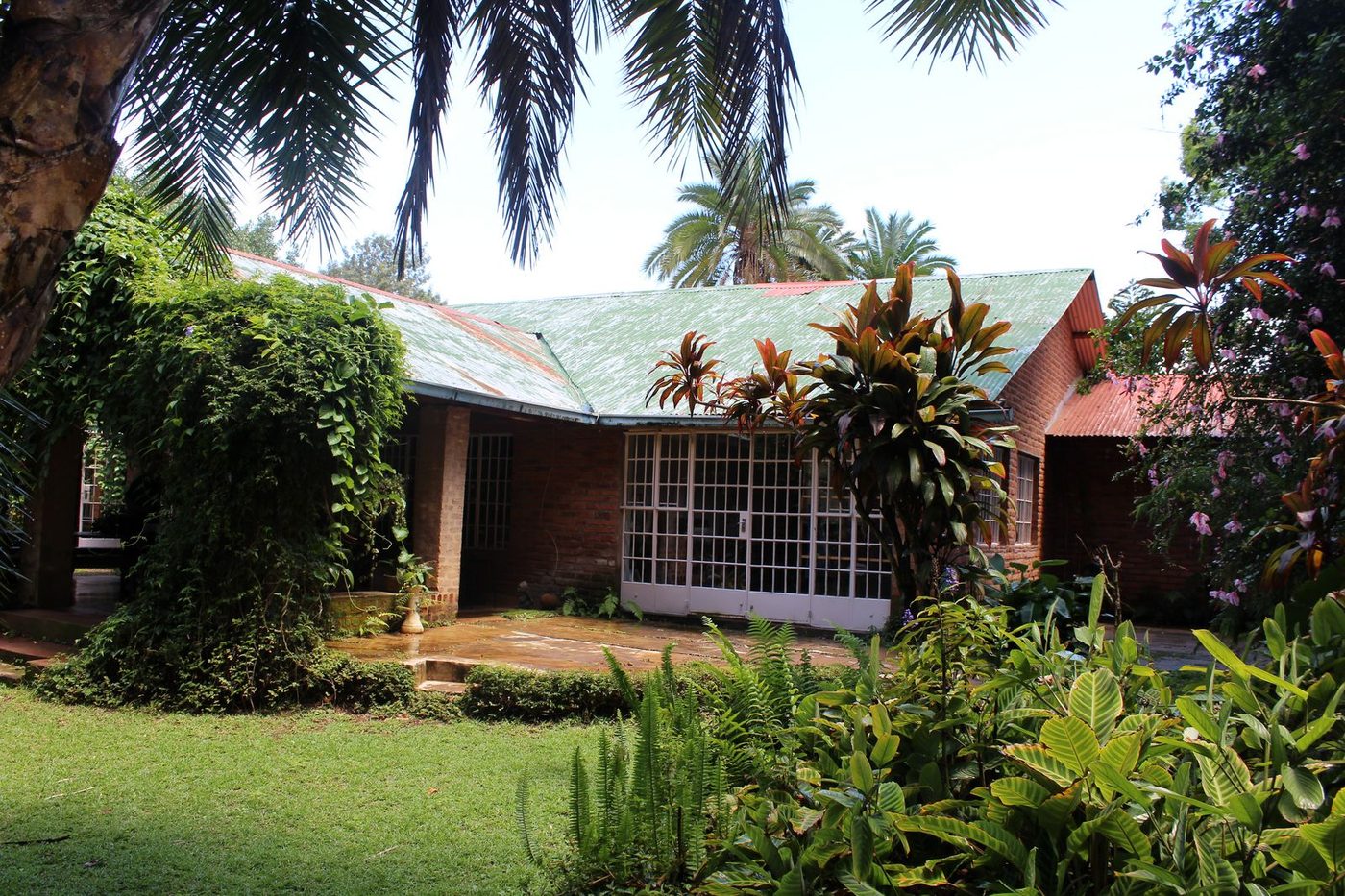
If your priority is atmosphere, food, and a sense of place, The Thyolo House is the standout option in the wider Mulanje–Thyolo region. It is a five-room boutique hotel set on a historic property that was once part of the Conforzi Tea Estate, surrounded by working tea plantations and indigenous forest. The property is owned by Flavia Conforzi, an Italian-Malawian artist whose family has farmed this land for generations, and that personal history shows in every detail — from the art on the walls to the garden-grown ingredients on your plate.
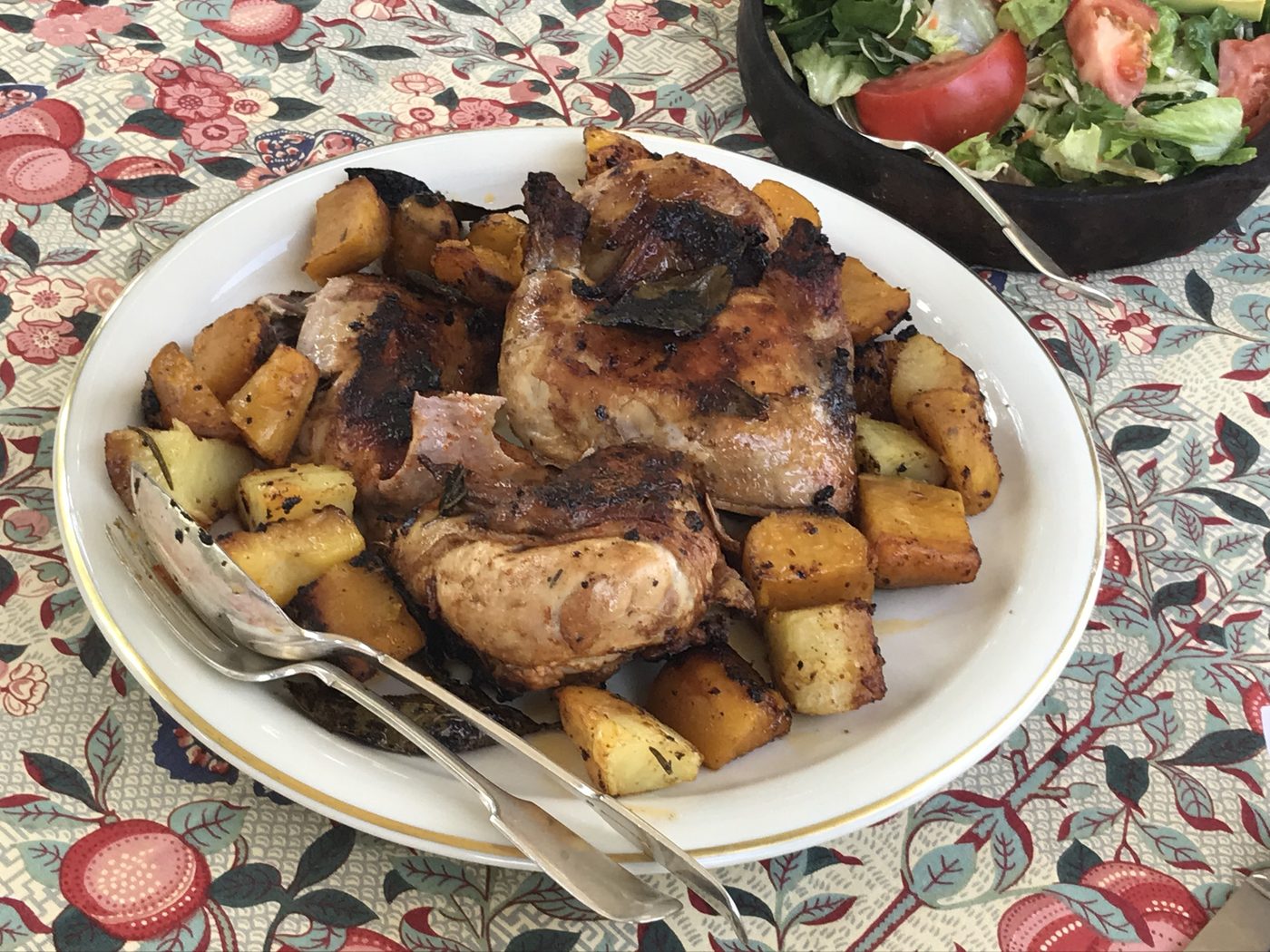
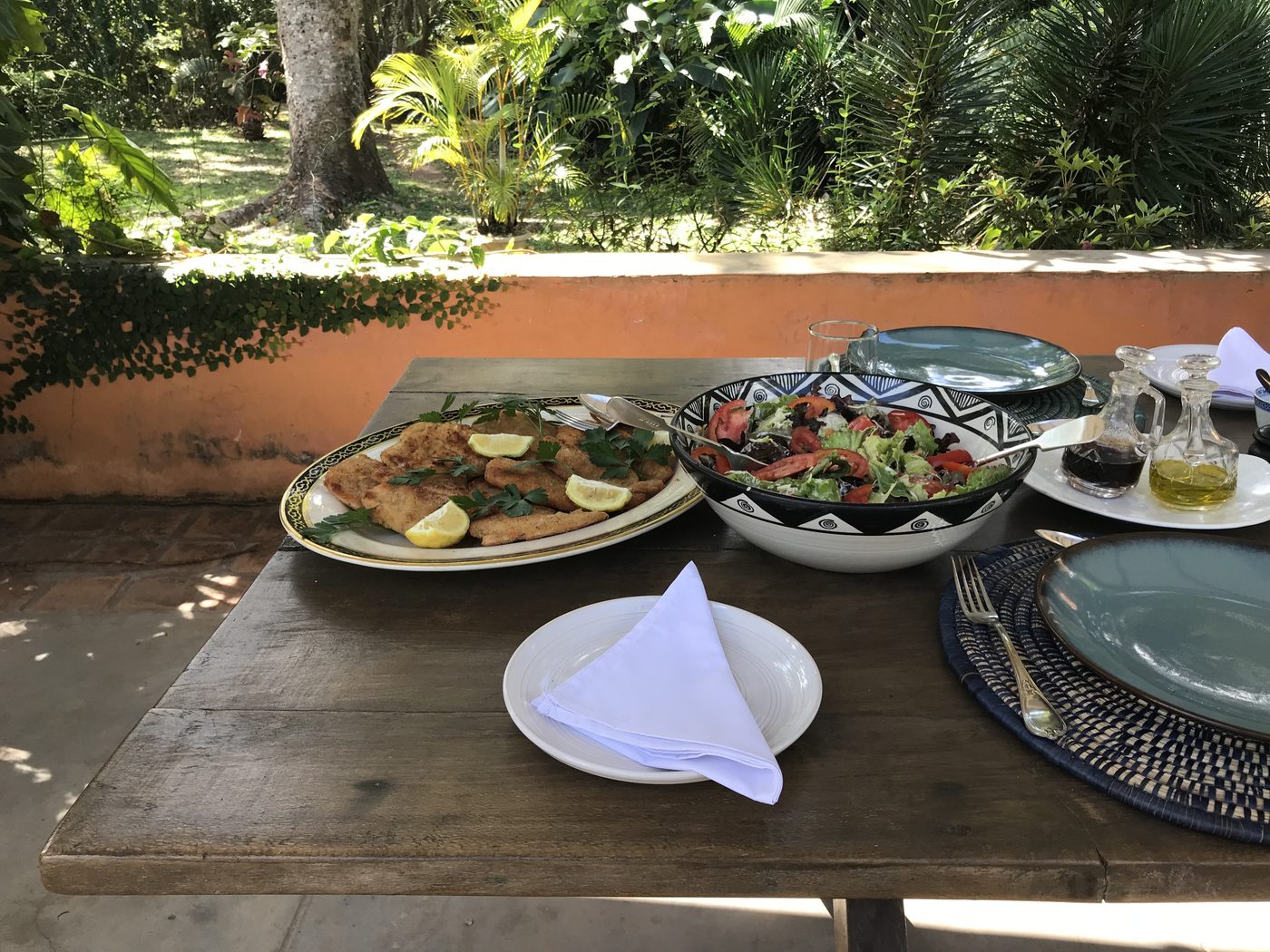
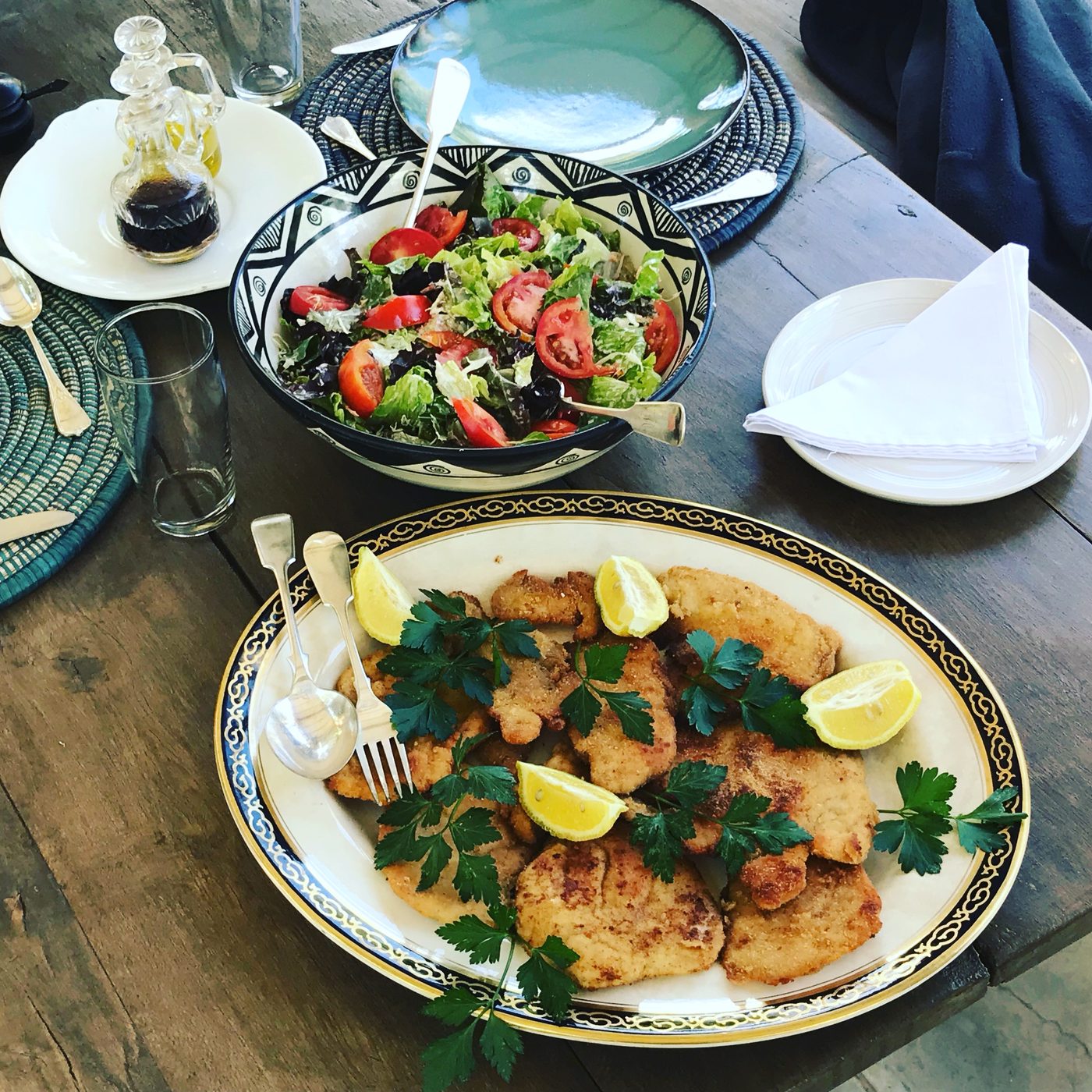
The restaurant is arguably the best in southern Malawi — Italian fusion cuisine made with herbs, vegetables, and fruit grown in the highlands. Think handmade pasta, wood-fired dishes, and fresh salads that would hold their own in a European bistro. Dinner here is a genuine highlight, not an afterthought.
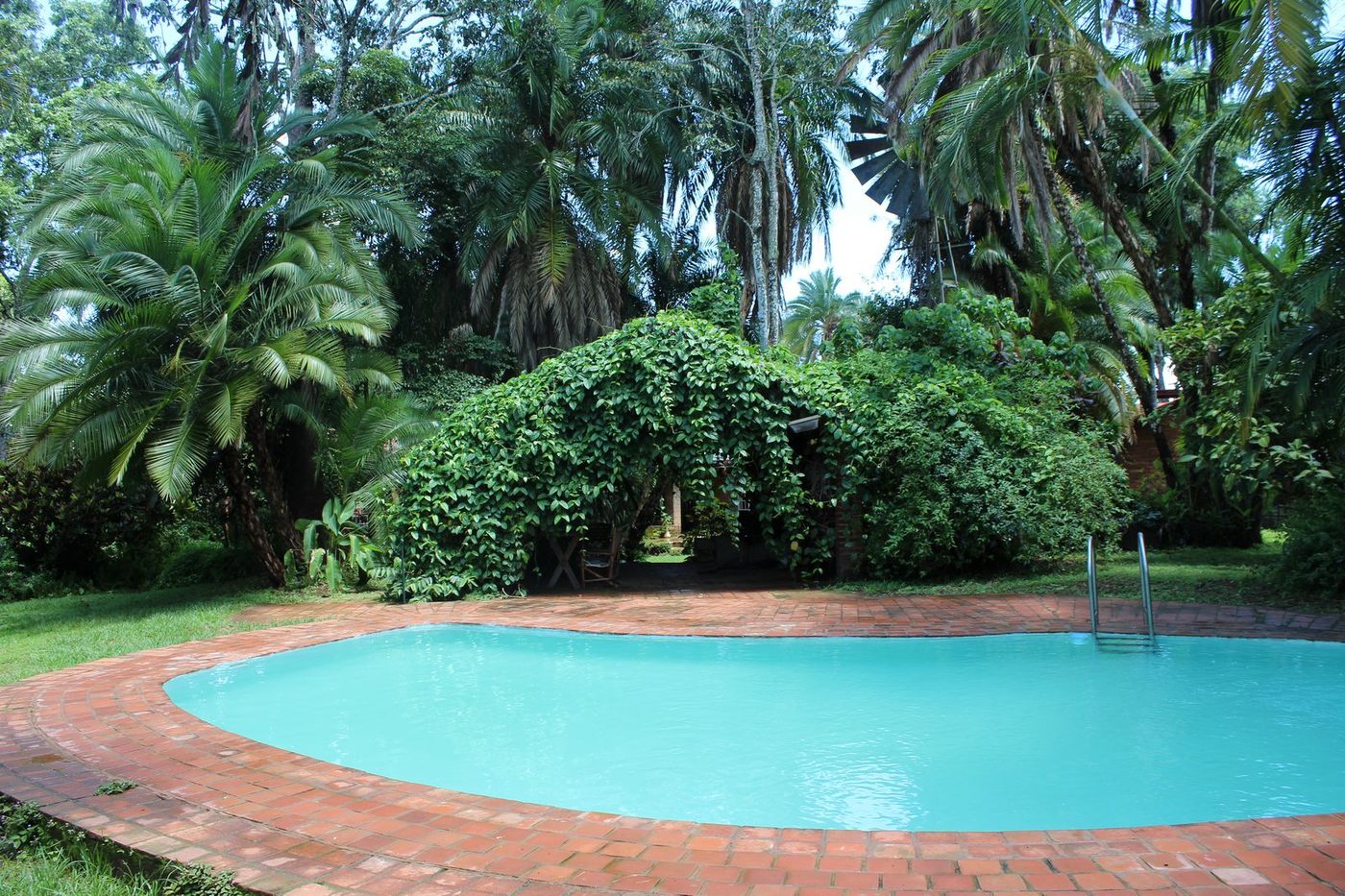
Beyond the rooms and food, The Thyolo House offers garden spaces, a swimming pool, and art workshops when available. Forest access, estate walks, tea activities, guides, drivers, transfers, and third-party activities are not arranged through The Thyolo House.
Why it works for a Mulanje trip
Many travellers use The Thyolo House as a comfortable bookend to a Mount Mulanje hike. You arrive a day early, sleep well, eat well, then head to the mountain rested. After two or three days on the trails, you return to the estate for a hot shower, a proper meal, and a pool. It is a far more pleasant recovery than a basic guesthouse in town. For those not hiking at all, it works as a standalone destination — the tea country experience and garden paths are worth the visit on their own.
Best for Hikers — Lodges Within Walking Distance of Trailheads
If you are hiking Mount Mulanje, proximity to the trailheads matters. The main access point is Likabula Forest Station, 65 kilometres east of Blantyre, where you arrange permits, guides, and porters. Two lodges stand out for their location near the mountain.
Kara O'Mula Country Lodge
The most established hotel in the Mulanje area, Kara O'Mula sits within walking distance of waterfalls (5–10 minutes) and a short drive from Likabula. It has 27 rooms with free WiFi, rainfall showers, and private balconies — unusual amenities for this part of Malawi. There are two bars, a restaurant, an outdoor swimming pool, and genuinely lush gardens with mountain views.
Rates: Around $60–65 per night including breakfast (approximately 18,000 MWK). Extra beds cost about $20 per night. This is solid value for what you get.
Strengths: Spacious rooms, reliable hot water, friendly and helpful staff, good location for waterfall walks and mountain access. The gardens and pool are well maintained.
Weaknesses: Multiple reviews note that dinner quality can be inconsistent. Breakfast is generally good; dinner is hit-or-miss. If food matters to you (and it should — there are not many alternatives nearby), this is worth knowing.
Best for: Hikers who want a comfortable, affordable base with easy access to trails. Good for families or groups who need multiple rooms.
AfricaWildTruck Camp & Lodge
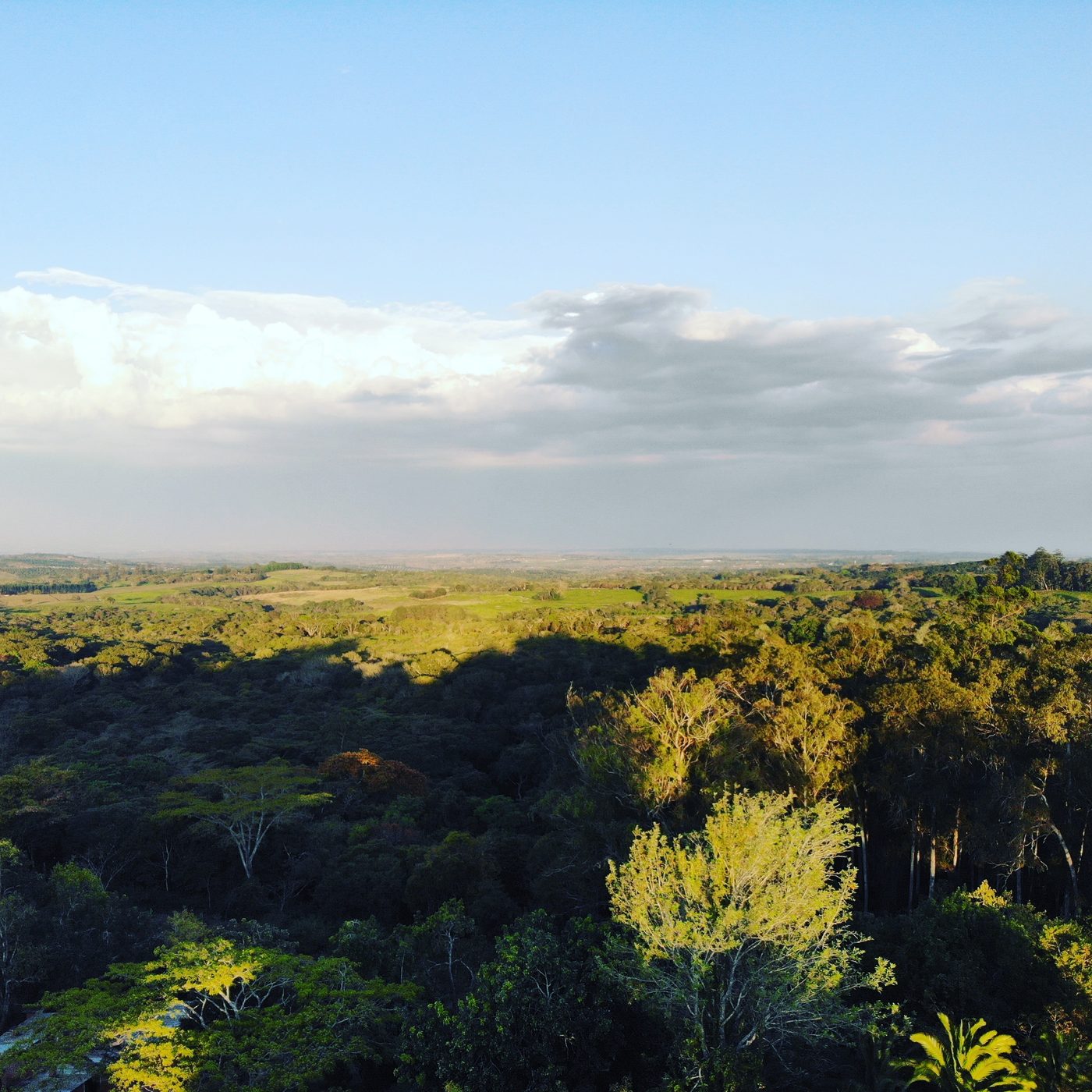
Ranked the number one specialty lodging in Mulanje on TripAdvisor, AfricaWildTruck is an Italian-run lodge that feels more like a bush camp with good taste. It is immersed in nature, with views of the mountain and a genuinely exclusive atmosphere — the restaurant serves only hotel guests, and the Italian-influenced cuisine is a significant draw.
Rates: Approximately $100 per night for a double (bed and breakfast) and $60 for a single. These rates may have increased since 2023 — confirm directly before booking.
Strengths: Excellent organised activities including day hikes, multi-day Mulanje treks, garden time, village visits, botanical walks, and market tours. The staff are knowledgeable about trails; guides and porters must be arranged directly with the relevant operator. The food is notably good for the area.
Weaknesses: Some guests find the food pricey relative to local standards. The exclusivity that makes it charming also means limited availability — book ahead in peak season (June–September).
Best for: Hikers who want a guided, organised mountain experience with good meals included. Also good for nature-focused travellers who are not necessarily hiking Sapitwa.
Best Budget Options — Guesthouses and Hostels in Mulanje Town
Mulanje town itself has a handful of basic guesthouses. These are functional, not charming — clean enough rooms, intermittent hot water, simple meals. They serve a purpose: if you are arriving late and heading to the mountain early, or if you need to keep costs under $20 per night, a town guesthouse does the job.
What to expect
- Price range: $10–25 per night for a basic room
- Facilities: Bed, mosquito net, shared or private bathroom. WiFi is unlikely. Power cuts are common — bring a torch.
- Food: Basic local meals (nsima, chicken, beans) available at the guesthouse or at market stalls in town. Do not expect menus or much choice.
- Location: Close to transport links (minibuses to Blantyre and Likabula), markets, and mobile money agents.
We would not recommend spending more than one night in Mulanje town itself unless logistics demand it. The scenery is in the hills, and the better food and accommodation is at the lodges or on the tea estates.
Mountain huts — the real budget option for hikers
If you are actually climbing Mount Mulanje, the 10 mountain huts operated by the Department of Forestry and the Mount Mulanje Conservation Trust are the most affordable option on the massif. Huts include Sombani, Chinzama, Minunu, Tuchila, Chombe, Lichenya, Chambe, Chisepo, and France's Cottage. They are rustic — think concrete floors, bunk platforms, no electricity, and limited water. First-come, first-served. Bring your own sleeping bag, food, and cooking gear, or hire a porter to carry supplies from Likabula.
For a full breakdown of routes, hut locations, and what to pack, read our beginner's guide to Mount Mulanje.
Mid-Range Picks — Comfortable Lodges with Good Value
Between the town guesthouses and the boutique stays, a few properties offer decent comfort without the premium pricing.
Palm Valley Lodge
Located about 29 miles from Mulanje, Palm Valley Lodge is a 3-star property that leans more corporate than charming. It has reliable rooms, a restaurant, and the kind of facilities (conference rooms, parking) that make it popular with NGO workers and business travellers. Rates hover around $80–110 per night depending on the season.
Best for: Travellers who want reliable mid-range accommodation and do not mind being further from the mountain. Useful if you are driving between Blantyre and Mulanje and want a comfortable stop.
General mid-range pricing
The average hotel cost around Mulanje sits at roughly $110–125 per night for mid-range properties with decent facilities. Budget-friendly months — when rates drop and availability opens up — are February, May, and October. Peak season (June–September) commands higher prices and fuller lodges, particularly at the hiker-oriented properties near the mountain.
When to Book and What to Expect (Seasons, Prices, Transport)
Best time to visit
May to October is the dry season and the best time for both hiking and general sightseeing. Skies are clear, trails are dry, and the views from the massif are at their best. June through August is peak season — book accommodation at least two to four weeks ahead, especially at smaller properties like AfricaWildTruck or The Thyolo House.
November to April is the rainy season. Trails can be slippery and cloud cover obscures the peaks, but the landscape is vividly green, waterfalls are at full force, and rates are lower. Some hut routes become difficult or inadvisable in heavy rains — check with guides at Likabula before setting out.
Getting there
Mount Mulanje is approximately 65 kilometres east of Blantyre, Malawi's commercial capital. The drive takes about 90 minutes on a decent tar road. From Lilongwe, it is roughly five to six hours by car. Most travellers fly into Chileka Airport (Blantyre) and arrange a taxi or transfer.
- From Blantyre to Mulanje town: 90 minutes by car, or 2–3 hours by minibus
- From Blantyre to Thyolo: 40 minutes by car
- From Mulanje town to Likabula Forest Station: 20 minutes by car
- From Lake Malawi (Cape Maclear/Mangochi): 4–5 hours by car
There is no Uber or reliable ride-hailing in this area. Arrange transfers through your hotel or hire a driver in Blantyre. A private driver for the day typically costs $40–70 depending on the distance.
Pricing summary
| Category | Price Range (per night) | What You Get |
|---|---|---|
| Mountain huts | $5–15 | Roof, bunk, stunning views, no electricity |
| Town guesthouses | $10–25 | Basic room, local meals, transport access |
| Hiker lodges (Kara O'Mula) | $60–65 | Comfort, pool, gardens, breakfast included |
| Specialty lodge (AfricaWildTruck) | $60–100 | Guided activities, Italian food, nature immersion |
| Mid-range (Palm Valley etc.) | $80–125 | Reliable rooms, restaurant, conference facilities |
| Boutique (The Thyolo House) | Contact for rates | 5 rooms, tea-country setting, best restaurant in the region |
How to Combine a Mulanje Hike with a Tea Country Stay
The best Mulanje itineraries combine the mountain with the lowlands. Here is a practical five-day plan that gives you both the hike and the tea country experience without rushing.
Sample 5-day itinerary
Day 1 — Arrive at The Thyolo House. Fly into Blantyre, drive 40 minutes to the Thyolo Highlands. Settle in, see the tea country landscapes, swim. Eat an unhurried dinner at the restaurant — you will appreciate this meal even more after a few days on the mountain.
Day 2 — Transfer to Mulanje, hike to Lichenya Plateau. Drive to Likabula Forest Station (about an hour from Thyolo). Arrange Your guide and porter, then hike the Boma Path to Lichenya Plateau — 15 kilometres, moderate difficulty, with Linje pools and panoramic views. Sleep at Lichenya Hut.
Day 3 — Hike to Chisepo Hut or attempt Sapitwa. For experienced hikers, push toward Sapitwa Peak (3,002 metres — the highest point in Malawi and Central Africa). The route from Lichenya via Chisepo takes a full day and requires a guide. For a less demanding option, explore the Chambe Basin loop — 12 kilometres, about five to six hours, with a 1,000-metre altitude gain and some of the most picturesque scenery on the massif.
Day 4 — Descend and return to Thyolo. Hike back down to Likabula via the Skyline or Chapaluka Path. Return independently to The Thyolo House. Hot shower. Pool. Dinner. This is the day you understand why bookending a mountain trek with a boutique stay makes the whole trip better.
Day 5 — Slow morning, then onward. Rest in the garden, visit the art studio if available, or simply sit with coffee before departing for Blantyre, Lake Malawi, or your next destination. Any external trips, tours, drivers, guides, estate visits, or forest access must be arranged directly with the relevant provider.
Why this combination works
Mount Mulanje is extraordinary but demanding. The huts are basic, the trails are steep, and you will be carrying (or having portered) everything you need. Starting and finishing at a comfortable base transforms the experience. You arrive rested and well-fed. You return to comfort, not another night on a concrete bunk. It is the difference between enduring the visit and enjoying it.
Practical notes for combining the visit
- Transport: Arrange a driver directly with a transport provider. A return trip from Thyolo to Likabula and back costs approximately $50–80 depending on waiting time.
- Permits and guides: Arranged at Likabula Forest Station. A guide for Sapitwa costs roughly $15–20 per day; porters are similar. Bring cash — there are no card machines on the mountain.
- What to bring for the mountain: Sleeping bag, warm layers (it drops near freezing at altitude), headlamp, water purification, rain gear, sturdy boots, and enough food for your days on the massif. Porters can carry up to 20 kilograms.
- What to leave behind: Your heavy luggage can stay at The Thyolo House or your Mulanje lodge. Hike light.
Final Thoughts
The best Mulanje hotels are not competing on thread count or lobby size. They are competing on experience — how well they connect you to the mountain, the highlands, and the food of southern Malawi. Whether you choose a hiker's lodge at the base of the massif or a boutique room on a historic highland property, the key is matching your accommodation to your visit.
For hikers, Kara O'Mula and AfricaWildTruck put you close to the trails with good facilities. For travellers who want the full southern Malawi experience — mountain, highlands, food — The Thyolo House offers something genuinely rare in this part of Africa: a small, personal hotel where every detail has been thought through.
For Thyolo House room availability, Message us on WhatsApp. The Thyolo House can confirm its own room availability; routes, transfers, guides, hikes, and external activities must be arranged directly with the relevant operators.