/ By The Thyolo House
Birdwatching Mount Mulanje: Dawn Routes a Tea Country Host Walks
A journal from a boutique lodge in the Thyolo highlands. These are notes from our corner of Malawi — places we love, walks we've done ourselves, operators we've watched do good work. The mountain treks, tea-estate tours, and day trips are all run by independent operators in Malawi; book those directly with them. Come stay with us before or after — we'll do the room, the meal, and the quiet.
Why Dawn Is the Only Hour That Matters for Birdwatching Mount Mulanje
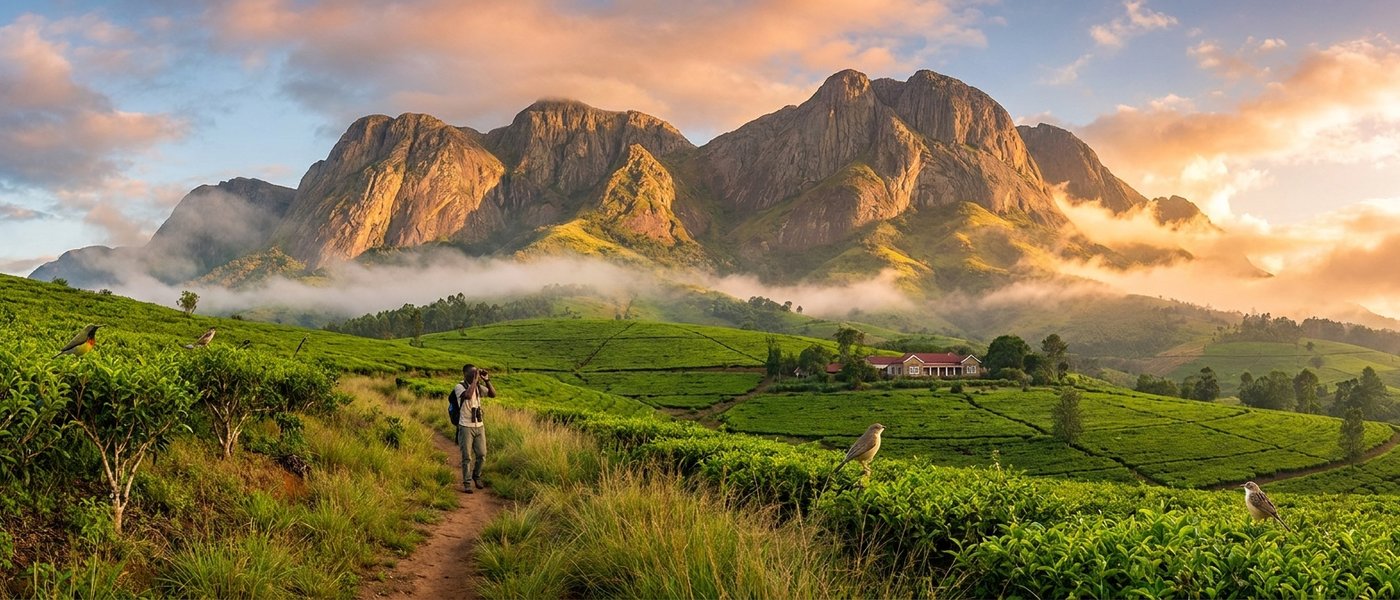
If you ask me when to go birdwatching Mount Mulanje, the honest answer is: before the mountain wakes up. I run a small tea country house an hour from the massif, and I have driven guests to its foothills in every season and at every uncivilised hour. The pattern never changes. The forest belongs to the birds between roughly 5:15 and 7:30 in the morning, and after that it belongs to the wind, the woodcutters, the day-hikers, and the heat shimmer. Miss the window and you are not really birding — you are walking with binoculars.
Mount Mulanje is one of the largest inselbergs on the planet, rising to 3,002 metres at Sapitwa peak, and roughly 180 bird species have been recorded across its miombo woodland, mid-altitude forest, and Afro-montane zones. BirdLife International designates the Mount Mulanje Forest Reserve as an Important Bird Area, and in July 2025 UNESCO inscribed the Mulanje Cultural Landscape as a World Heritage Site under criteria (iii) and (vi) — Malawi's third UNESCO listing. What that means for visitors is that the mountain is finally getting the conservation attention its bird communities have needed for decades. What it means for birders is that more guides, more access, and more interest are coming. The early-rising birder still has the edge.
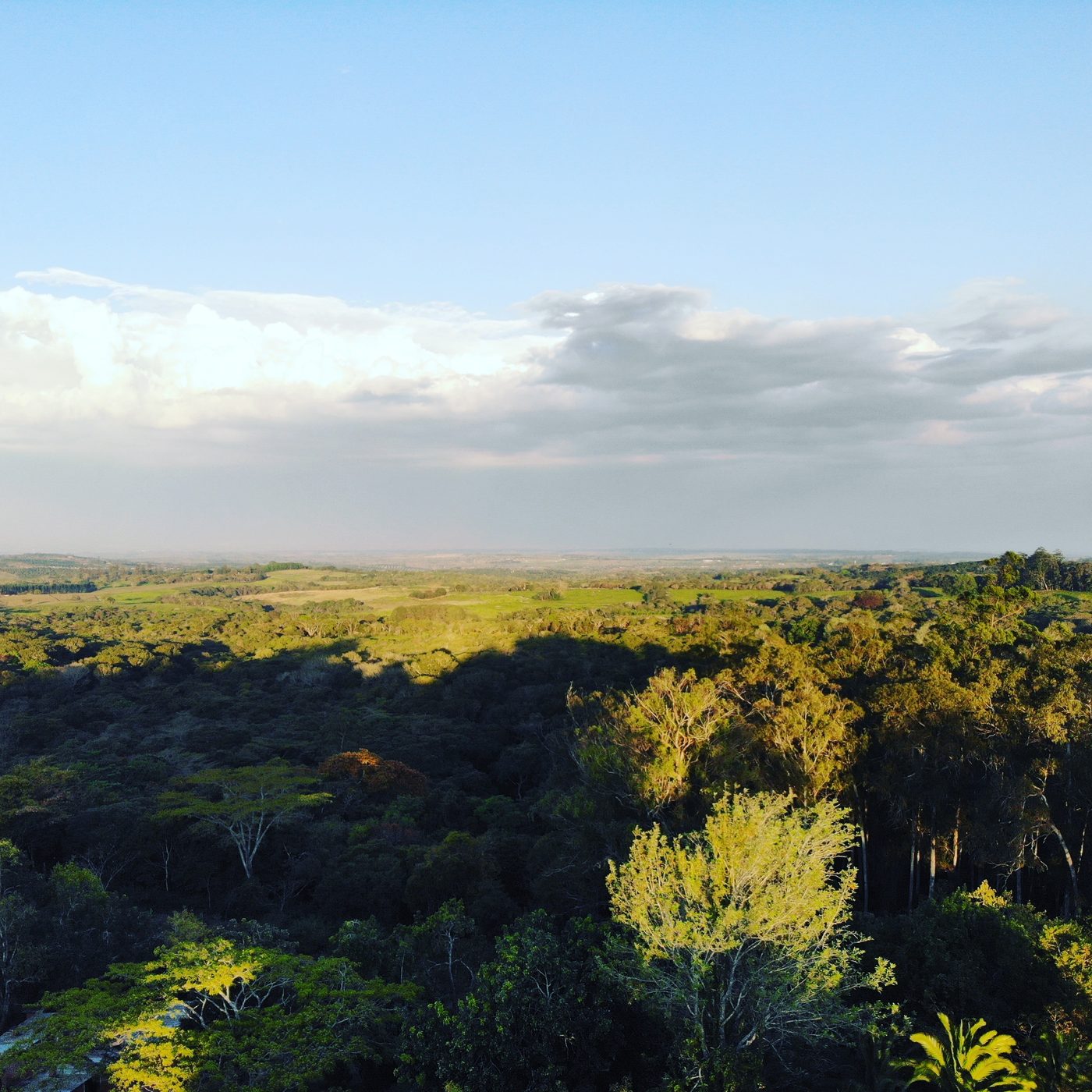
I am going to walk you through what we tell guests when they arrive with binoculars and a quiet kind of ambition: the trailheads I send them to, the species that show up at each, the sound map you need to keep in your head as the light comes up, and the practical mechanics of staying at the boutique rooms on a tea country and slipping out of the gate at 4:30 a.m. with a thermos of coffee. None of this is theoretical. We do it most weeks.
The Three Trailheads I Send Birders To (And the Species at Each)
People talk about Mulanje as though it were a single mountain with a single path. It is not. It is a sprawling massif with multiple forest pockets, and which gate you choose dictates the bird list you come home with. For birdwatching Mount Mulanje without wasting a morning, I narrow guests down to three options.
Likhubula — The Default, and Rightly So
Likhubula is the base for almost every serious Mulanje trip, and for good reason. The forest along the Likhubula River and the lower slopes toward the CCAP Forestry Cottage holds the highest concentration of forest specialists you can reach without an overnight climb. This is where I send first-time birders, and this is where the flagship species sits: the Thyolo Alethe (Chamaetylas choloensis), a globally endangered forest thrush restricted to a handful of southern-Malawi and northern-Mozambique hills. It is shy, brown, low to the ground, and it sings like it owes you something. Hearing one is common. Seeing one means standing still for twenty minutes longer than your group wants to.
The Likhubula forest also holds White-winged Apalis, Yellow-throated Apalis, Little Greenbul, and the reliable forest understorey crowd. Above the canopy, you can pick up Black (Verreaux's) Eagle hunting the granite cliffs and Peregrine Falcon on the updrafts.
Lichenya Plateau — Worth the Climb
If guests are fit and willing to overnight in a hut, I send them up to Lichenya. The plateau forest patches hold Green-headed Oriole, which Mulanje is one of the most reliable sites for in the region, and the higher-altitude forest edges produce Lazy Cisticola and various sunbirds working the proteas. Lichenya is also where you start running into the cedar forest remnants and the broader Afro-montane character of the mountain.
This is currently the area at the centre of the bauxite-mining controversy — Akatswiri Mineral Resources Limited holds an exploration licence for bauxite on the Lichenya and Linje plateaus, and MMCT, Traditional Authority Chikumbu, and senior chiefs have publicly opposed it through 2025 and into 2026. As of writing, the ESIA is still underway and the public message remains "No Bauxite Mining in Mulanje Mountain." I tell birders this not to be political but because it is the kind of thing you want to know before you photograph a Green-headed Oriole on a plateau that may or may not look the same in five years.
Chambe Basin and the Western Approaches
For a different mix — more miombo edge, more raptor work, more open-country species — the western approaches toward Chambe basin reward patience. Martial Eagle, Crowned Eagle, and Lanner Falcon all turn up here, and the miombo belt gives you the woodland species you simply will not find at Likhubula. This is the route for a second or third morning, not a first one.
What You Hear Before You See: A Tea Country Host's Sound Map
I have stood in Mulanje forest with experienced South African and British birders who could not separate the alethe's whistle from the robin-chat's. There is no shame in this — the acoustic world of an Afro-montane forest is dense and unfamiliar. But you cannot find Mulanje's best birds with your eyes. You find them with your ears, and then you raise your binoculars to confirm.
Here is the rough order of things, as I have learned them after years of guests' shared notes and my own walks:
- 5:15–5:45 a.m. — the first robin-chats and bulbuls. This is your tuning-fork. Get used to the common voices before the rare ones start.
- 5:45–6:30 a.m. — the alethe window. A low, fluted, almost melancholy phrase from the leaf litter. If you hear it, freeze. The bird will move if you move.
- 6:00–7:00 a.m. — apalis chatter in the mid-canopy. Both White-winged and Yellow-throated. The White-winged is the priority — it is rare and declining.
- 6:30–7:30 a.m. — the Green-headed Oriole's slow, liquid call from higher up. On Lichenya you can sometimes track one for half an hour by sound alone.
- 7:00 a.m. onward — raptors lift off the cliffs. This is your sky-watching hour.
I send our guests a one-page version of this sound map the night before, printed on the kitchen printer, folded into their thermos pocket. It does not replace a good field guide or a recording app, but it tells you when to stop talking. Which on Mulanje, I cannot overstate, is most of the morning.
Gear, Guides, and the Quiet Etiquette of Mulanje's Forest Edges
You do not need much for a Mulanje birding morning, but what you do need, you need to get right. Binoculars in the 8x42 range are the sweet spot — high enough magnification to pull a Thyolo Alethe out of the gloom, wide enough field of view to track an apalis through the canopy. A monocular is not enough. Phone binoculars are a waste of a morning.
A field guide to the birds of southern Africa is the standard reference. The Roberts and Sasol guides both work; a Merlin or eBird app with the Malawi pack downloaded is the modern equivalent and frankly more useful for call identification in the field. Bring it offline-loaded — you will not have signal on the mountain.
On guides: I strongly recommend hiring one through the Mount Mulanje Conservation Trust's network at the Likhubula gate. Rates vary but expect to budget the equivalent of US$15–25 for a half-day birding guide, plus the small park entry fee. MMCT is back to leading the reserve as of 2025 — the African Parks incubation partnership concluded after running from February 2020 — and the local guides have been part of that system for years. Carl Bruessow is the Executive Director if you want the institutional reference point. You can reach the Trust on +265 (0) 1 466 179, at info@mountmulanje.org.mw, or via mountmulanje.org.mw.
On etiquette: speak in a whisper from the moment you leave the car, do not play call recordings to lure rare birds (the alethe is endangered — pressure on it matters), and stay on the marked trails. The mountain's forest edges are surprisingly fragile, and the same guides you hire today will be guiding someone else tomorrow.
Basing Yourself at The Thyolo House: The 40-Minute Pre-Dawn Drive
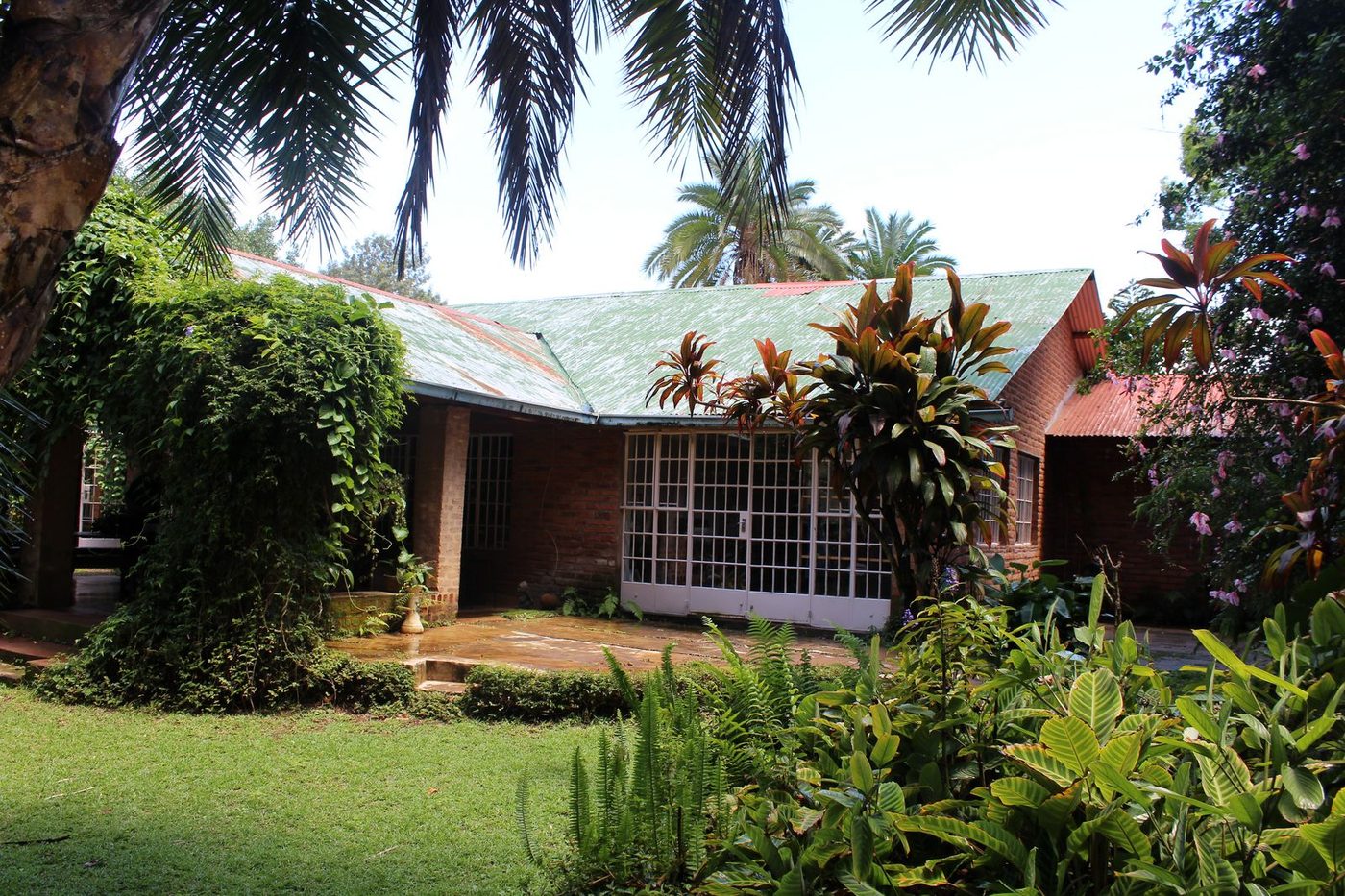
Here is the practical reason I keep telling birders to stay at The Thyolo House. Mulanje village is roughly 40 minutes from The Thyolo House on a quiet tarred road through the tea estates — one of the more pleasant pre-dawn drives in southern Africa, frankly. From the property to the Likhubula gate is a manageable run if you leave at 4:45 a.m., which puts you on the trail at first light. There are accommodations closer to the mountain — basic chalets, the CCAP Forestry Cottage, the Likhubula campsite — and they serve a purpose if you are doing a multi-day Sapitwa climb. But for birders who want a real bed, a proper coffee at 4:30 a.m., and a kitchen that will pack you a sandwich, the calculus shifts.
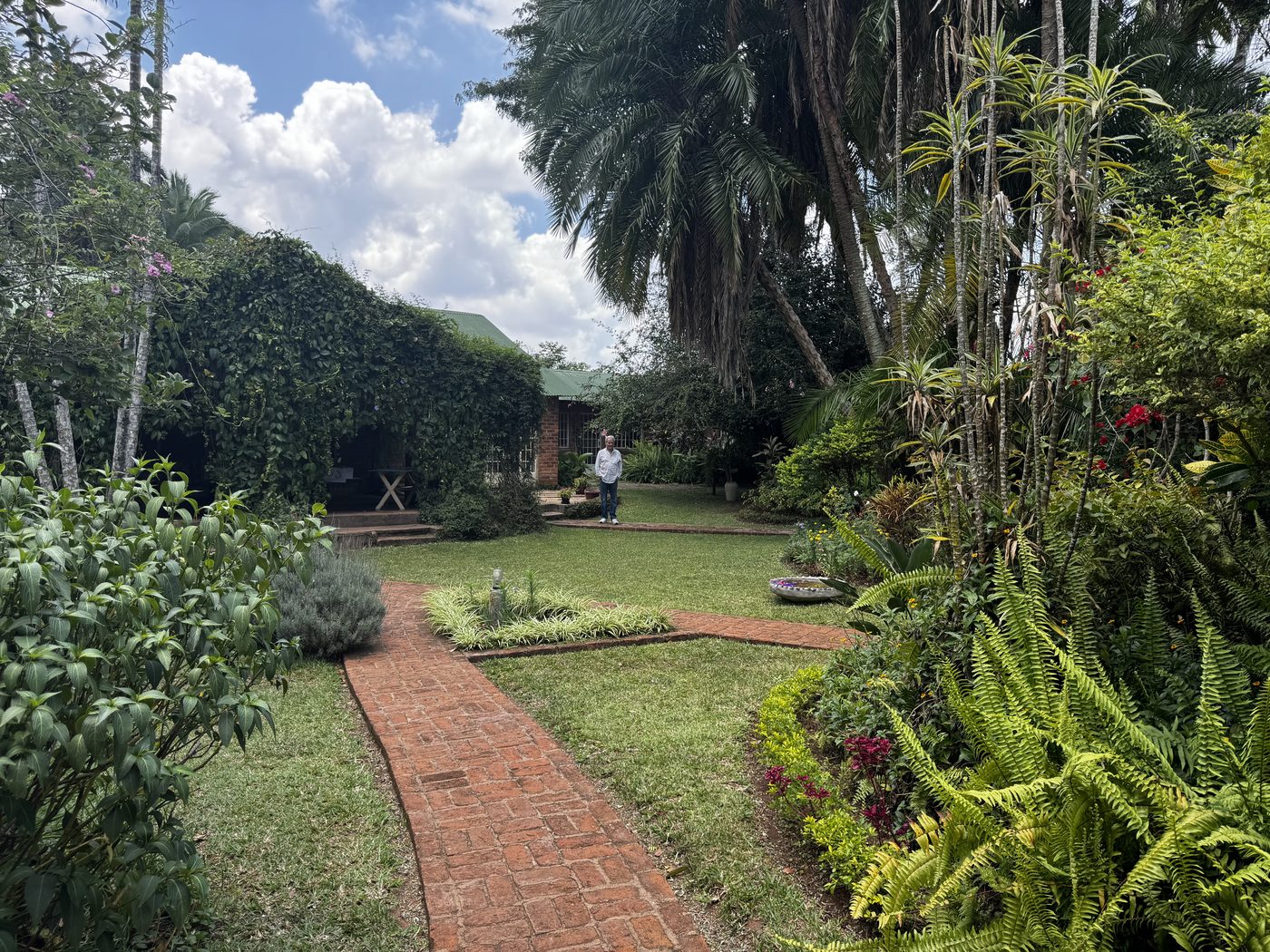
We are a five-room boutique hotel on a historic property that was once part of the Conforzi Tea Estate. The owner, Flavia Conforzi, is an Italian-Malawian artist, and the restaurant is Italian fusion using ingredients from the garden you walk through on your way to breakfast. We are 20 minutes from Limbe, 40 from Blantyre, and about four hours from Lake Malawi if you are stringing together a longer trip. For the specific business of birdwatching Mount Mulanje, what matters is that staying nearby can make an independent dawn start easier, with breakfast waiting when you return.
If you want a fuller picture of the bird life on our side of the hills before you come, the birdwatching in Thyolo guide is a good primer, and the morning I wrote up about the Green-headed Oriole in nearby forest gives you a sense of what an unhurried Thyolo walk looks like.
Pairing Mulanje Mornings with Thyolo Afternoons — A Two-Day Rhythm
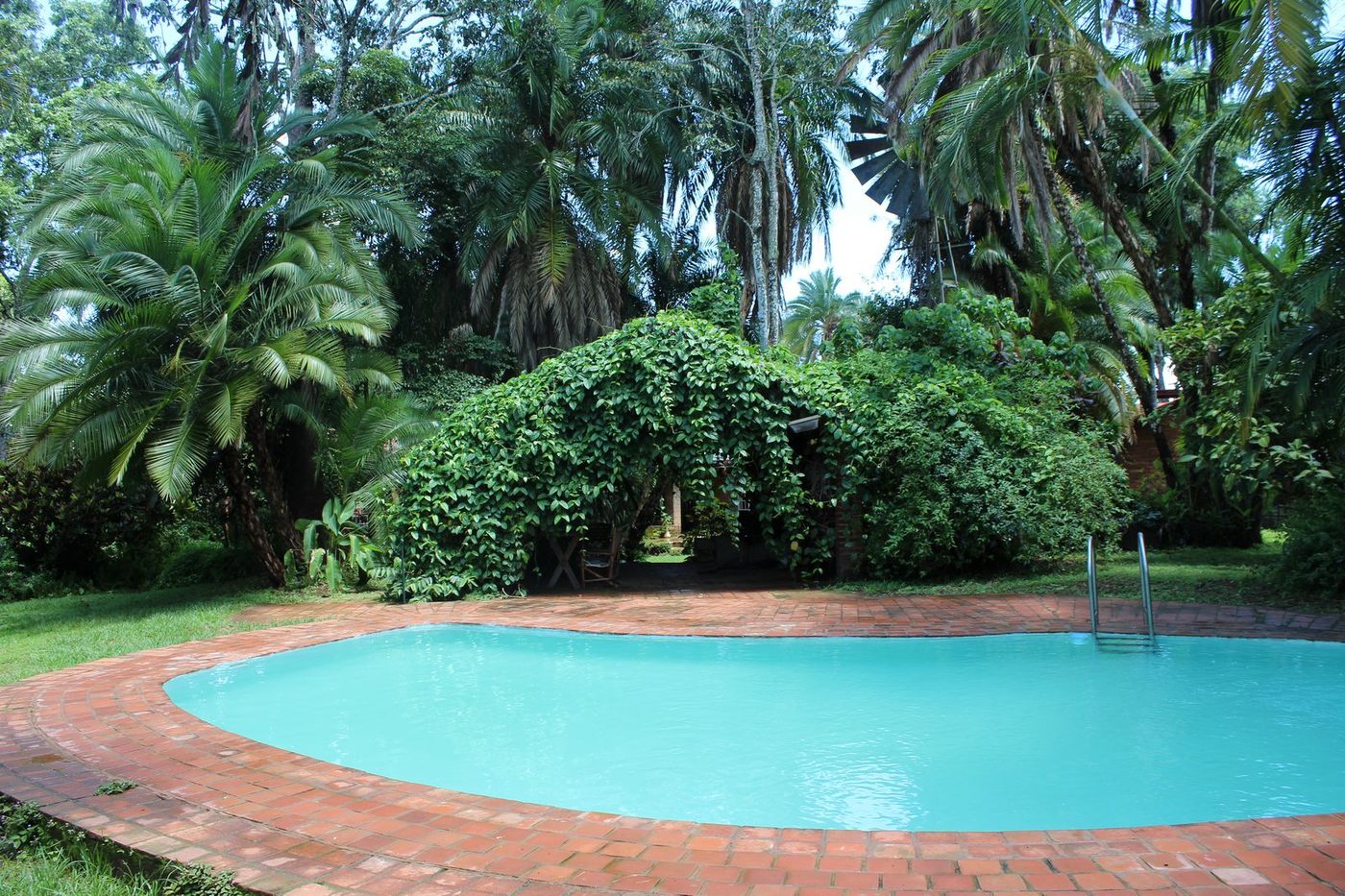
The pattern that works best for our birding guests is a simple two-day rhythm. Day one: pre-dawn drive to Mulanje, half-day birding from Likhubula, back to the estate by lunch. Afternoon for the pool, a walk through the gardens, a nap. Day two: late start, slow morning on our own highland forests, lunch, and then the option of a Lichenya overnight if the legs are willing or another Mulanje dawn if they are not.
The reason this works is biological as much as logistical. The Thyolo Alethe is named for Thyolo, not Mulanje, and our indigenous forest patches hold the same species mix at smaller scale. Spending an afternoon walking the nearby forest edges trains your ear for the morning ahead. The bulbuls, the robin-chats, the apalises — they all sing on our side of the road too, just in different concentrations. I have had British birders tell me they got better Thyolo Alethe views on our estate than on Mulanje, simply because the forest is more accessible and the birds less harassed by foot traffic.
If you want a wider context for what Mulanje has become in the last year, the UNESCO World Heritage field notes from our side of the valley give some of the political and conservation backdrop. Useful reading on the long drive back.
A Practical Calendar: Months, Weather, and What Shows Up When
Malawi's seasons matter for Mulanje birding more than people expect. Here is the rough calendar as I have come to understand it from hosting birders year after year.
- May to August (cool dry season) — the easiest months. Clear mornings, low mist, comfortable temperatures, and the forest specialists are settled on territory. This is when most international birders come, and it is when I recommend a first visit. Pack a fleece for the 5 a.m. car ride.
- September to early November (hot dry) — still good birding, but the heat builds quickly after 8 a.m. and the forest dries out. Push your start earlier and finish earlier.
- Late November to March (wet season) — the mountain is at its most beautiful and most difficult. Trails are slick, mist can shut down a morning entirely, and Sapitwa attempts are out. But for forest birds, the wet season is rich — breeding activity is high and the soundscape is at its loudest. Bring waterproofs and accept that some mornings will be rained out.
- April — transition month. Variable. Worth a try if you happen to be in country.
No specific new birding tours have been announced for the 2025/2026 season beyond the standing operator programmes — Birding Ecotours, Birding Africa, Cedarberg, and Land & Lake Safaris all run Malawi itineraries that include Mulanje, and Land & Lake is expanding its female-only tours into 2026. None of which prevents you from simply showing up and hiring an MMCT guide at the gate, which is what most of our independent guests do.
If you want to talk through dates, trailhead choice, or whether to attempt a Lichenya overnight, the easiest thing is to message us on WhatsApp or email thethyolohouse@gmail.com. The Thyolo House can confirm room or restaurant availability. Birding guides, routes, transport, and external birding outings should be arranged directly with licensed local guides or specialist operators.
The mountain has been here, more or less, for the entire history of birds. It will outlast the bauxite debate, the tour operators, the UNESCO plaque, and certainly this article. What changes — and what matters to a visitor — is whether you are standing in the right forest patch at the right hour with your mouth closed. Do that, and Mulanje gives you a morning you will keep going back to in your head for years. That is the only real review I can offer of birdwatching Mount Mulanje. Get there before it wakes up.