/ By The Thyolo House
Boutique Lodges Malawi: A Tea Country Host's Off-Season Guide
A journal from a boutique lodge in the Thyolo highlands. These are notes from our corner of Malawi — places we love, walks we've done ourselves, operators we've watched do good work. The mountain treks, tea-estate tours, and day trips are all run by independent operators in Malawi; book those directly with them. Come stay with us before or after — we'll do the room, the meal, and the quiet.
Why Off-Season Is the Right Lens for Boutique Lodges Malawi
If you ask a tea-country host when to visit, you'll get a different answer than the brochures give. The standard guidance for boutique lodges Malawi travelers favor — Thyolo highlands, Lake Malawi shorelines, the Shire River safari corridor — pushes everyone toward July through September. That's peak. Rates climb, the good rooms book six months out, and the roads carry more traffic than you'd guess from a country this quiet. The off-season here doesn't mean compromised weather or shuttered kitchens. It means the same lodges at lower prices, with staff who have time to talk, and landscapes that look different — greener, mistier, more themselves.
The Thyolo House is a five-room boutique on a historic property that was once part of the Conforzi Tea Estate in Thyolo, and the months we love most as hosts are the ones travelers tend to skip: late October into early December, and again February through mid-May. These windows aren't secret. They're just under-marketed. This guide is an editorial view of how to use them — which boutique lodges Malawi has worth your time in the soft shoulder weeks, what the rates actually do, and how to string a route together that doesn't feel like work.
Thyolo House — A Tea Country Base for the Quiet Months
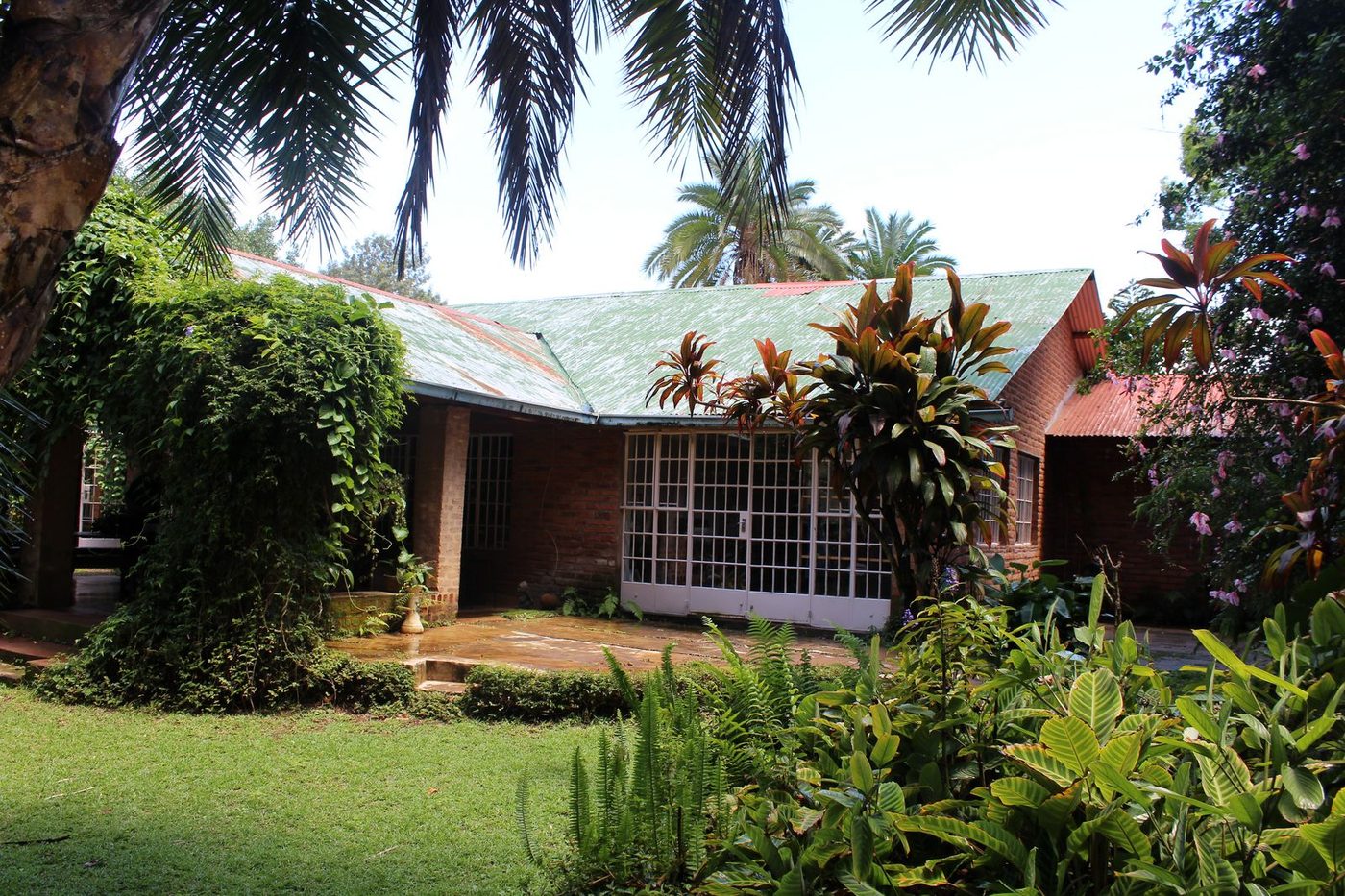
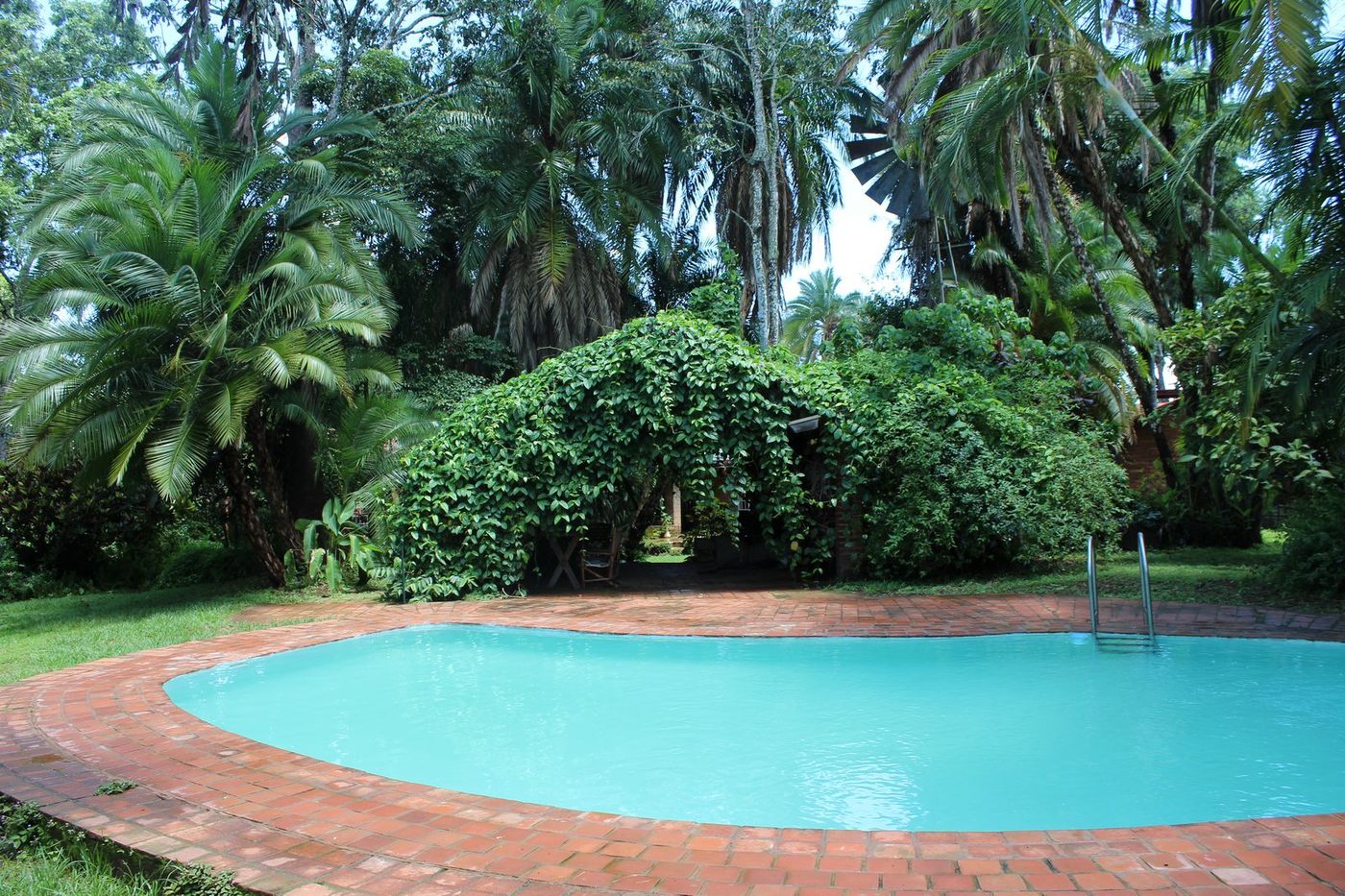
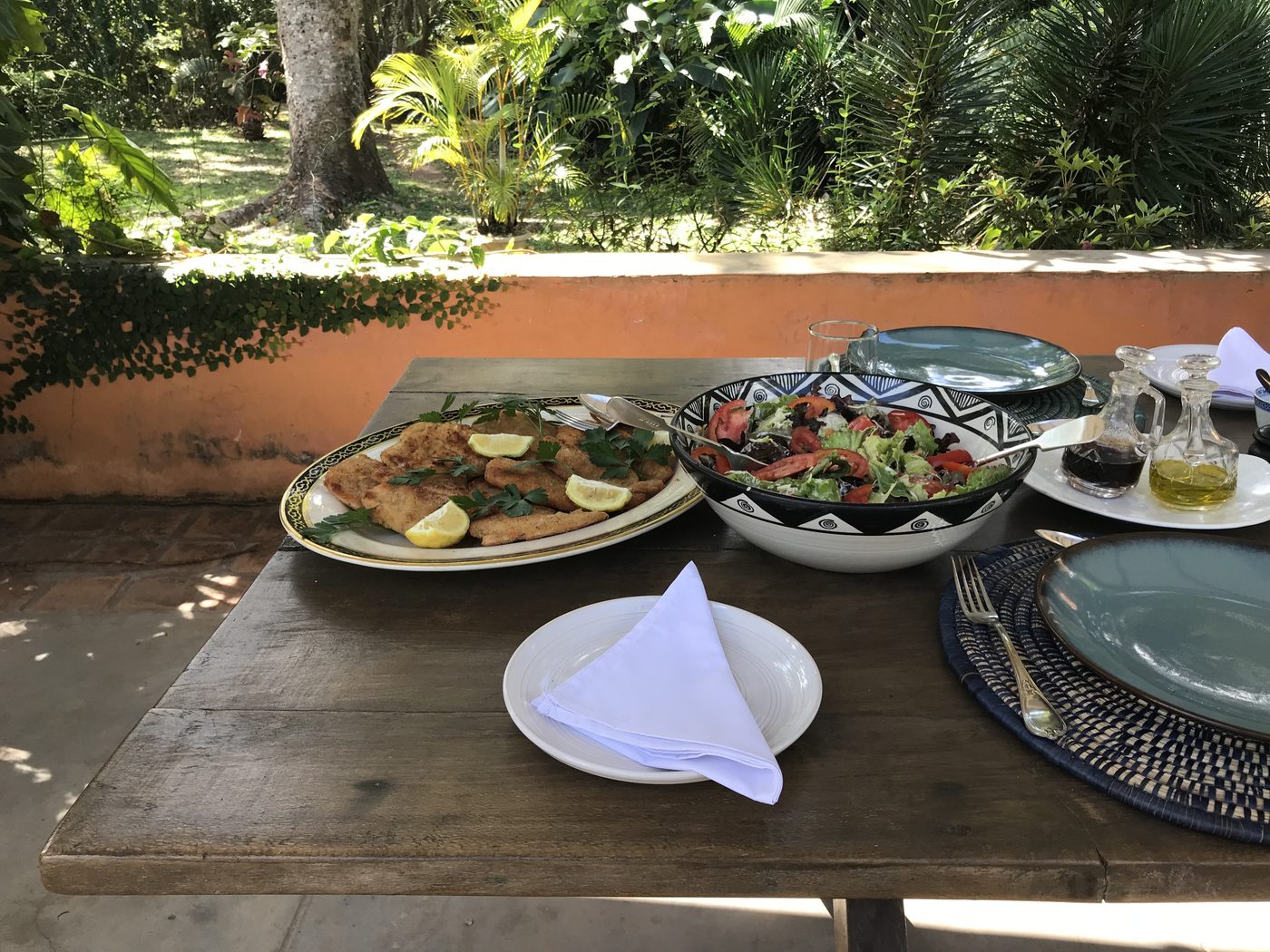
The Thyolo House is one useful southern highlands base. The Thyolo House sits on a historic property that was once part of the Conforzi Tea Estate, about 40 minutes south of Blantyre and 20 minutes from Limbe. Five rooms, an Italian fusion restaurant that leans on what the garden hands us that week, a pool, and garden and forest-edge areas around the property. We're mid-range in the boutique tier — breakfast is included, and half-board or full-board can be requested for meals at The Thyolo House, and we don't do dynamic pricing the way the safari lodges do.
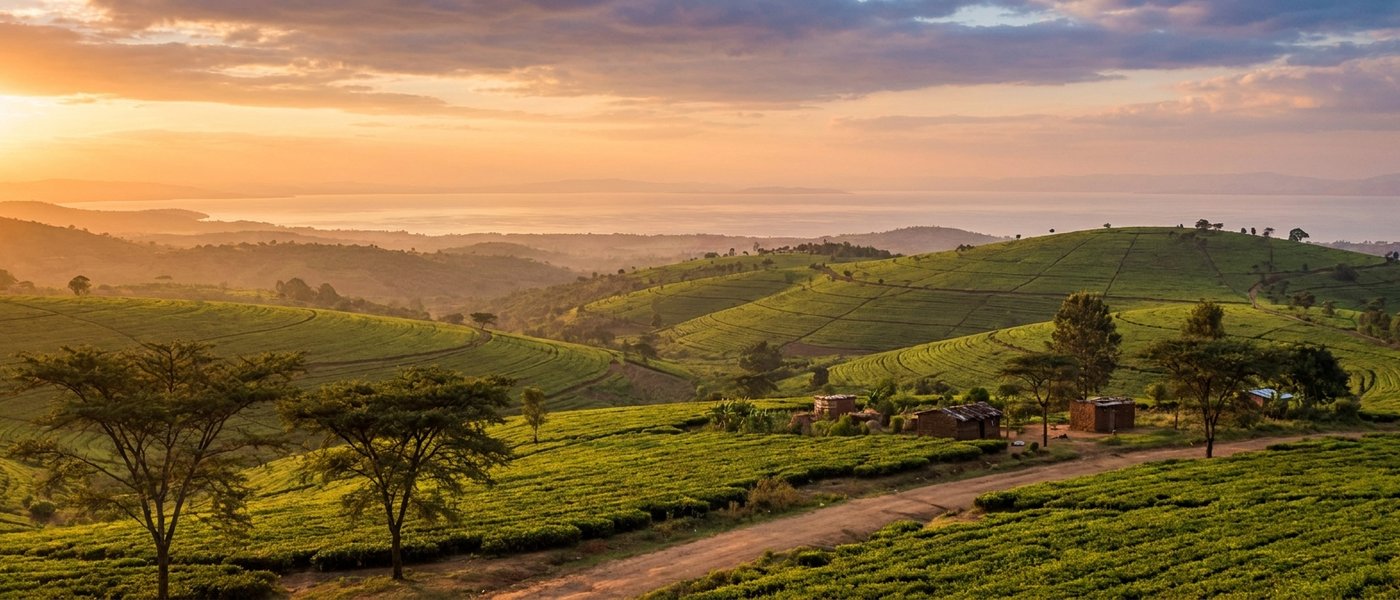
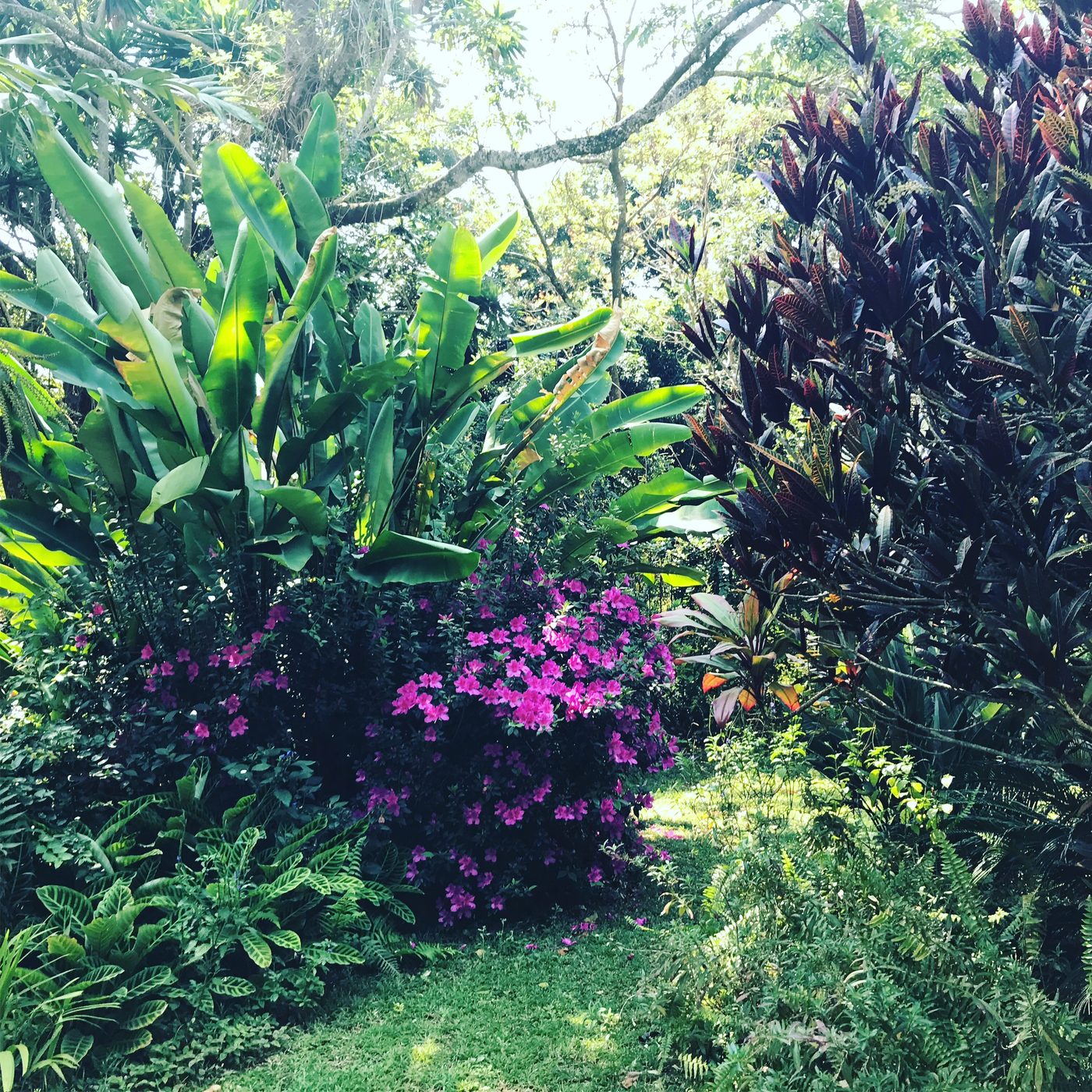
The reason the off-season matters here is texture. In July and August the working tea fields are dry-cropped and the light is hard. In late February the bushes are at full flush, the bougainvillea is climbing the walls of the main house, and the forest-edge areas around us is loud with turacos and Thyolo alethes. The food shifts with it — passion fruit and avocados from the estate in the wet months, mushrooms after the first rains, citrus in May. If you're choosing between Easter weekend and a long weekend in August, Easter is the better stay. Same room, lower rate, more interesting plate.
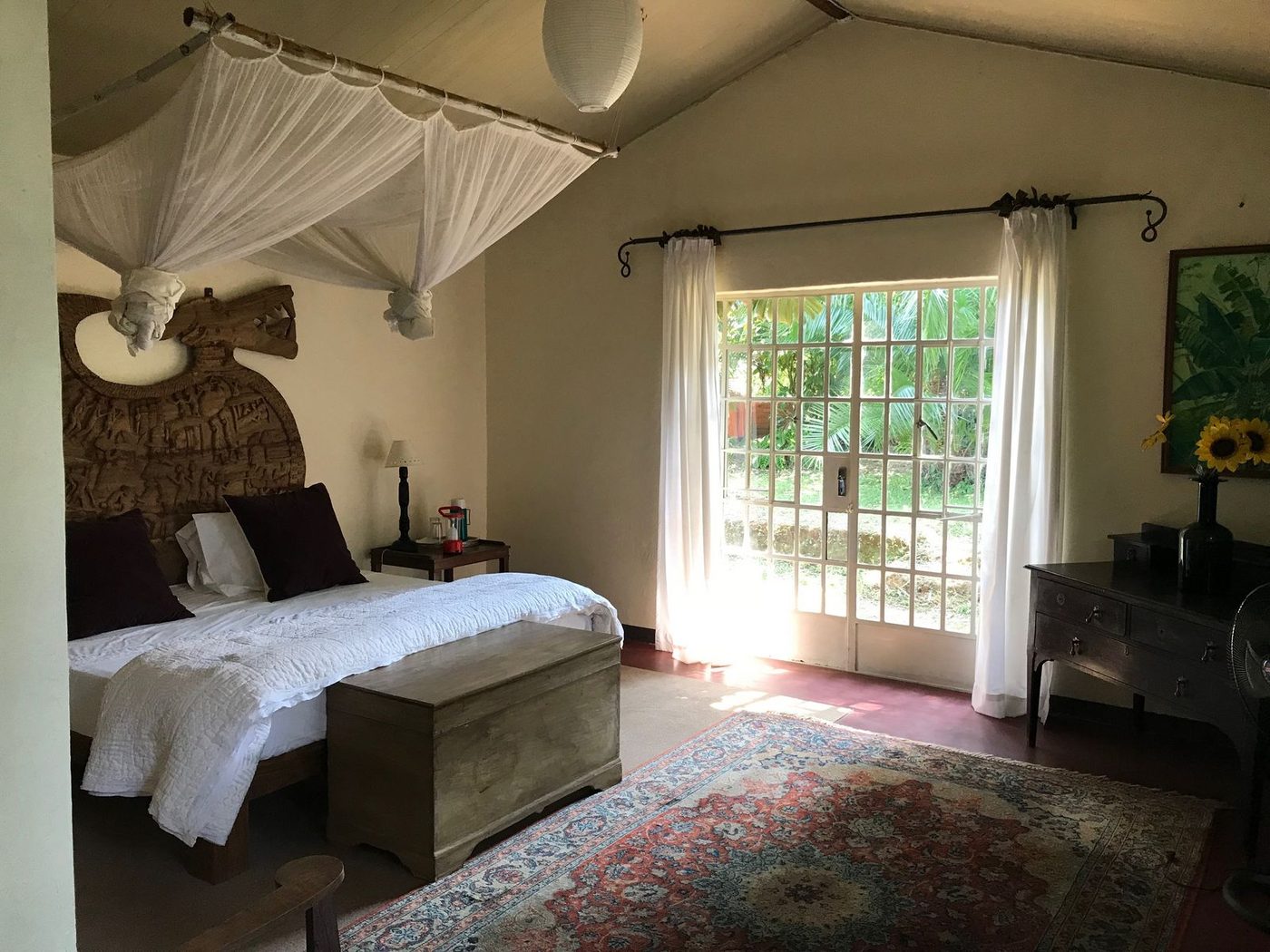
For travelers building a southern Malawi loop, The Thyolo House works as a two- or three-night base. the boutique rooms range from a heritage suite in the original 1930s structure to garden-facing rooms near the pool, and most guests use the days for garden time, an art workshop with Flavia, or a half-day excursion to Mulanje for Chambe Peak views.
Highland Lodges Worth the Detour When the Crowds Have Gone
Thyolo's other anchor property is Huntingdon House on the neighboring Satemwa Tea & Coffee Estate — a restored 1930s colonial planter's home with five individually styled suites, claw-foot tubs, ceiling fans, and a tier of country-house formality that we don't pretend to. Rates start around US$260 per night in 2026, which puts it firmly in the premium boutique band. Off-season here means the months when the estate's 105+ miles of roads and trails belong to you and a guide, not a clutch of safari overflow guests. February through April is particularly good — the coffee trees are still in fruit, mountain biking on the access roads is genuinely pleasant, and birding is at its richest before the migrants leave.
If you want exclusive-use, Satemwa also runs Chawani Bungalow — a historic planter's bungalow rented as a whole property. Four bedrooms, sleeps nine or ten, US$150 per night midweek and US$175 on weekends for the entire house. For a family group or a small writing retreat in March or April, it's one of the better-value boutique propositions in the region.
Mulanje itself — the massif and the small town at its base — trends toward guesthouses and self-catering rather than true boutique. Kara O Mula Country Lodge and Palm Valley Lodge are the two business-friendly options worth naming, but for the actual boutique experience most travelers double back to the Thyolo highlands, which sit thirty minutes away. Many visitors who climb Chambe Peak from a Mulanje base and then come to us for the recovery half of the visit.
Lake Malawi Boutique Stays in the Soft Shoulder Weeks
From Thyolo, the lake is about four hours north — manageable as a stretched driving day if you start at sunrise. The boutique cluster on Lake Malawi has three names worth knowing: Pumulani Lodge in the national park at the southern end, Blue Zebra Island Lodge on Nankoma Island in Marelli, and the smaller bush-end of the lake fed by the safari operators further north.
Pumulani runs ten hillside villas with a long, well-furnished operating season of March through January — they close only in February for the heaviest rains. The villas themselves are designed to take in the lake without taking it for granted; long verandas, simple lines, and the kind of staff continuity you only get when a lodge has been running for a decade or more. Rates aren't published in the way Mkulumadzi's are, so the move is to email or message directly. The window I'd push hardest for here is mid-March through late April. The lake is bath-warm, the rains have lifted, and the bilharzia risk in the southern park is well-managed by snorkel area selection.
Blue Zebra is the island option — kayaking, snorkeling, sunset cruises, hiking on Nankoma. It works best as a three-night reset rather than a one-night stop, because the boat transfer from Senga Bay eats both your arrival and departure days. November is a beautiful month here: the water clarity is at its annual peak, and the cichlid colour is something you remember.
Liwonde and the Lower Shire: Game-Viewing Rooms Without the Peak Markup
The serious safari boutique in Malawi sits in three reserves: Liwonde National Park, Majete Wildlife Reserve, and Nkhotakota Wildlife Reserve further north. Of these, Majete's Mkulumadzi Lodge is the property whose rate card tells the cleanest story about why off-season matters.
Mkulumadzi runs eight chalets on the Shire River. Their 2025–2026 per-person-sharing rates open at US$385 from November through early January, hold at US$385 through mid-March to late May, lift to US$430 from late May into the end of June, peak at US$520 from July through September, and ease back to US$430 in October. The gap between low and peak is US$135 per person per night. Two travelers across three nights is US$810 saved by choosing late March instead of late August. The wildlife isn't gone — Majete's elephants, lions, and black rhino don't migrate out. You just see them with fewer vehicles around.
Tongole Wilderness Lodge up in Nkhotakota Wildlife Reserve runs five river-facing suites over the Bua River, set inside 180,000 hectares of miombo woodland. They don't publish rates publicly, but they run a similar peak/shoulder logic to Mkulumadzi. The drive from Blantyre is long — call it eight hours — so most travelers fly in or build it as a one-way leg ending at the lake.
For travelers who want a single safari property in the southern half of the country, Mkulumadzi in mid-March is the value pick. For those who want safari plus boutique base, Mkulumadzi paired with three nights at The Thyolo House gives you the river, the rhino, and the working tea fields without retracing your route.
Practical Off-Season Notes — Roads, Rates, and Booking Windows
The off-season in Malawi splits into two distinct windows, and they behave differently. Late October to mid-December is the green-up. First rains, the dust settles, the country looks like itself again. Roads are mostly fine — the main M1 and M2 corridors are tarred and managed — but the dirt access roads into Liwonde and the Nkhotakota reserves can churn after a heavy storm. February to mid-May is the recovery. Heavy rain peaks in January and February, then tapers. By March the access roads have re-firmed, the bird list is at its richest, and the light through the working tea fields is the kind painters chase.
For broader pacing notes on the wider calendar, the seasonal guide to visiting Malawi walks through month-by-month conditions in more detail. The short version: avoid late January if you're driving yourself, treat July and August as the premium booking that they are, and use the shoulders aggressively.
On rates, the pattern across the boutique tier is consistent: tea country boutiques like The Thyolo House and Huntingdon hold rates fairly flat year-round (The Thyolo House is a per-room B&B model), while safari lodges using per-person-sharing FBA or all-inclusive pricing show the biggest swings. The arithmetic favours combining one of each on the same trip — a flat-rate boutique base in Thyolo, and a safari lodge timed into a shoulder window.
Booking windows for boutique lodges Malawi runs: six weeks ahead is usually enough for off-season, with the exception of Easter weekend and the Christmas-New Year window which book three to four months out. Peak July–September is a six-month-ahead conversation for the named properties.
Building a 5-Night Boutique Loop From Blantyre
If you are sketching a five-night Malawi boutique loop, this is an editorial example. It is not a package offered by The Thyolo House; external stays, transfers, safaris, estate visits, and activities must be booked directly with the relevant operators.
- Nights 1–2: The Thyolo House. Arrive from Blantyre in the late afternoon, dinner in the restaurant, slow highland morning the next day, art workshop or pool in the afternoon, second dinner outdoors if the weather holds.
- Night 3: Huntingdon House or Chawani Bungalow on Satemwa for a contrast in tone — colonial-house formality, claw-foot bath, a tea or coffee visit booked directly with Satemwa.
- Nights 4–5: Mkulumadzi in Majete for the safari closer. Two nights is the minimum that justifies the drive; three is better if you have the time.
That's five nights, three boutique lodges, two distinct landscapes, and one safari. Done in late March or early November the total comes in well below the same trip in August, and you'll see more of what makes the south of the country quietly remarkable. For travelers wanting a broader comparison set, the guide to boutique hotels in Malawi covers properties we don't slot into this off-season cut.
For dates, rooms, and restaurant bookings at The Thyolo House, message us on WhatsApp or write to thethyolohouse@gmail.com. Transfers, third-party bookings, safaris, estate visits, outside dinners, and activities must be arranged directly with the relevant operators.
The off-season in Malawi isn't a compromise. It's the country at its most candid — wetter, greener, slower, and considerably more affordable across the boutique tier. Used well, the shoulder weeks give you the same rooms at the same standard, with more time from the people running them. That's the version of the visit we'd take ourselves.