The Complete Guide to Thyolo, Malawi — Tea Country, Forest Trails & Hidden Gems

/ By The Thyolo House

The Complete Guide to Thyolo, Malawi — Tea Country, Forest Trails & Hidden Gems

ThyoloMalawi TravelGuide

Why Thyolo?

Most visitors to Malawi head straight for the lake. It is understandable — Lake Malawi is one of the great natural wonders of Africa. But if you stop there, you miss something entirely different and, in its own way, just as remarkable: the Thyolo highlands.

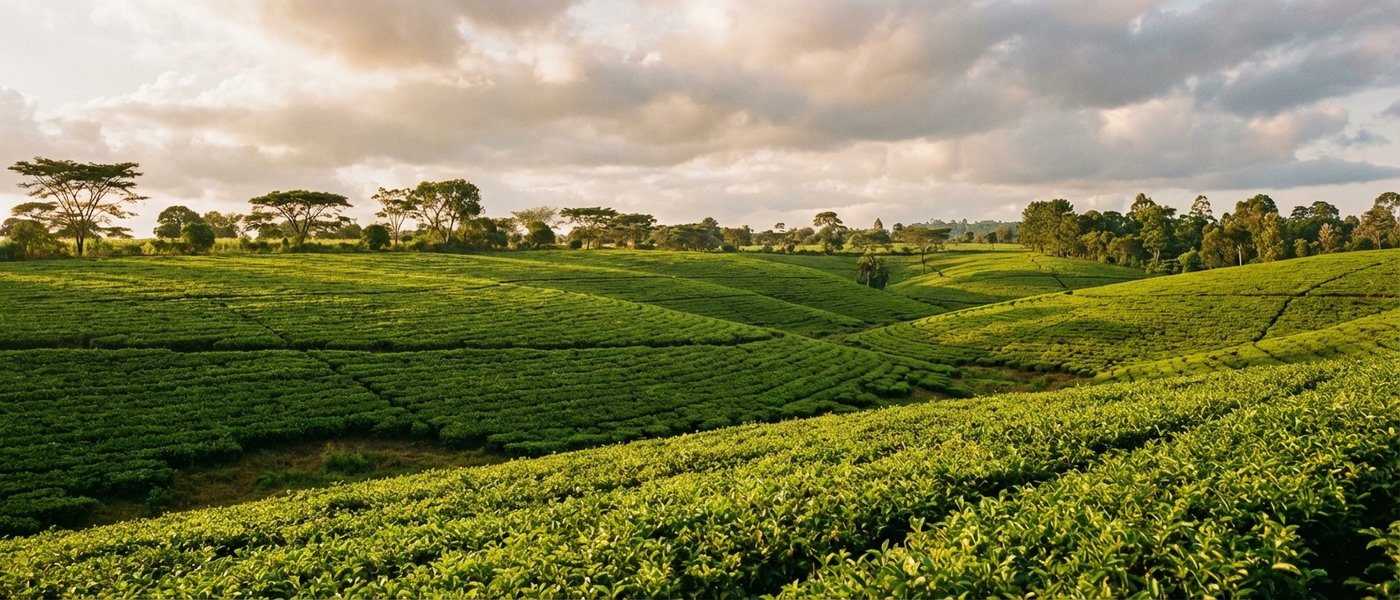
Thyolo (pronounced "cholo") is a district in southern Malawi defined by tea. Mile after mile of neatly clipped bushes carpet the hillsides in vivid green, broken by pockets of indigenous forest, old colonial estates, and red dirt roads that wind through some of the most beautiful countryside in the region. It sits at around 1,000 metres above sea level — high enough to take the edge off the lowland heat, low enough to keep things lush and tropical. The air smells of damp earth and wood smoke and, in the mornings, of tea being processed at the nearby factories.

This is not a place that appears on many tourist itineraries. That is precisely what makes it worth visiting.

A Brief History of Tea Country

Tea was introduced to Malawi in the late 1800s, and Thyolo — along with neighbouring Mulanje — became the heartland of the industry. Scottish and Italian settlers established estates across the Shire Highlands, and the landscape was transformed. Where there had been woodland and subsistence farming, there were now orderly rows of Camellia sinensis stretching to the horizon.

Today, Malawi is one of Africa's largest tea producers. The industry employs tens of thousands of people in the southern highlands, and the estates — some over a century old — remain a defining feature of the Thyolo landscape. Walking through them is like stepping into a green cathedral: quiet, ordered, and immensely peaceful.

The Tea Estates

Three estates in particular are worth knowing about if you are visiting Thyolo.

Satemwa Tea Estate

The most well-known of Thyolo's estates, Satemwa has been in the Kay family since 1923. It produces some of Malawi's finest teas and coffees, and has opened its doors to visitors with guided tours, tea tastings, and a popular on-site cafe called Huntingdon House. The estate is beautifully maintained, and the tours — which take you through the growing, picking, and processing stages — are genuinely informative. If you have time for only one tea experience in Thyolo, this is the obvious choice.

Conforzi Tea Estate

A smaller, family-owned property with roots going back to the early days of Italian settlement in the Shire Highlands. The Conforzi estate is more intimate than Satemwa, and less geared toward mass tourism. It is home to The Thyolo House, a boutique hotel and restaurant set in the original colonial farmhouse. Walking through the tea gardens here feels unhurried and personal — you are on a working estate, not a visitor attraction, and that distinction matters.

Lujeri Tea Estate

One of the largest tea producers in Malawi, Lujeri operates across both Thyolo and Mulanje districts. While it is primarily a commercial operation, the sheer scale of the estate is impressive. The drives through Lujeri land — particularly the stretch between Thyolo and Mulanje — offer some of the most dramatic tea-country scenery in the region, with rows of bushes climbing steep hillsides and disappearing into the mist.

Thyolo Forest Reserve

If tea defines Thyolo's economy, the forest defines its ecology. The Thyolo Forest Reserve is a fragment of mid-altitude rainforest — one of the last remaining patches of its kind in Malawi. It sits on the slopes above the town, a dense tangle of indigenous trees, creepers, ferns, and mosses that feels a world away from the ordered geometry of the tea gardens below.

The forest is small — roughly 7 square kilometres — but ecologically significant. It harbours species found nowhere else, including the Thyolo Alethe (Chamaetylas choloensis), a shy, ground-dwelling bird that has become something of a holy grail for visiting birdwatchers. The alethe is critically endangered, with an estimated population of only a few hundred individuals, almost all of them in this forest and on neighbouring Mount Mulanje.

What Else to See in the Forest

  • Birdlife: Beyond the alethe, the forest supports green-headed oriole, white-winged apalis, olive-headed weaver, and a rich community of sunbirds and barbets. Bring binoculars.
  • Butterflies: The forest is a hotspot for butterflies, particularly during the wet season (November to April). The diversity is remarkable for such a small area.
  • Trees: Look for towering specimens of Newtonia buchananii, strangler figs, and the buttress-rooted giants that give the forest its cathedral-like canopy.
  • Trails: Several paths wind through the reserve. They are not always well-marked, so hiring a local guide is advisable — and it supports the community-based conservation effort.

Mount Thyolo

Rising to about 1,462 metres, Mount Thyolo is the highest point in the district. The hike to the summit is not particularly strenuous — a fit walker can manage it in a morning — but the reward is a panoramic view over the tea estates, the forest canopy, and on clear days, the distant bulk of Mount Mulanje to the east.

The trail passes through tea gardens and patches of woodland before reaching the more exposed upper slopes. Early morning is the best time to go, before the heat builds and the clouds roll in. There is no formal infrastructure at the top — just the view and the wind.

Local Culture and Community

Thyolo town itself is small and functional — a market town that serves the surrounding tea-growing communities. The main market is worth a wander for its colour and energy, particularly on busy mornings. You will find stacks of tomatoes, dried fish from the lake, bundles of sugarcane, secondhand clothing, and the unmistakable buzz of a Malawian trading centre.

The people of Thyolo are predominantly Lomwe, one of Malawi's ethnic groups with roots stretching across the border into Mozambique. Chichewa is the lingua franca, but Elomwe is widely spoken in the rural areas. The culture here is agricultural and communal — life revolves around the land, the seasons, and the tea.

If you are interested in community-based tourism, ask locally about village visits and craft markets. Several women's cooperatives in the area produce beautiful hand-woven baskets and textiles.

Where to Stay

Accommodation options in Thyolo are limited, which is part of the charm. This is not a place that has been overrun by tourism.

  • The Thyolo House — A boutique hotel on the Conforzi Tea Estate, with five individually designed rooms in a century-old colonial farmhouse. The house has a swimming pool, indigenous forest on the doorstep, and an Italian fusion restaurant run by resident artist and host Flavia Conforzi. It is the most characterful place to stay in the district, and a destination in its own right. See rooms and availability.
  • Huntingdon House (Satemwa) — A restored colonial house on the Satemwa estate, offering comfortable rooms and excellent food. Popular with tea tourists and birdwatchers.
  • Mulanje as a base: If Thyolo accommodation is full, the nearby town of Mulanje (about 45 minutes by road) has several lodges and guesthouses, and makes a reasonable base for day trips into Thyolo.

Where to Eat

Restaurant options in Thyolo town are basic — local eateries serving nsima (the Malawian staple of maize porridge) with relish, chicken, and beans. For something more refined, the dining rooms at The Thyolo House and Huntingdon House are your best options. The Thyolo House restaurant serves Italian-Malawian fusion cuisine — handmade pasta, wood-fired dishes, and garden-fresh salads — with an emphasis on local, seasonal ingredients. It is open to non-residents, but booking ahead is strongly recommended.

Getting There

From Blantyre

Thyolo is roughly 50 kilometres southeast of Blantyre, Malawi's commercial capital. The drive takes about an hour on a tarmac road that winds through the southern highlands. You will pass through the busy trading centre of Limbe (effectively a twin city to Blantyre) before the landscape opens up into tea country. The road is generally in fair condition, though potholes are a constant companion on Malawian roads.

From Lilongwe

The drive from Lilongwe to Thyolo is roughly 350 kilometres and takes five to six hours depending on road conditions. Most visitors fly into Chileka Airport near Blantyre, which receives domestic flights from Lilongwe and occasional international services.

Getting Around

Within Thyolo, a 4x4 vehicle is advisable but not always essential. The main roads are tarmac, but estate roads and forest tracks can be rough, especially during the rainy season. If you do not have your own transport, minibus services run between Blantyre, Thyolo town, and Mulanje — they are cheap, frequent, and crowded. For visiting the estates and forest, you will want private transport or a pre-arranged pickup.

Best Time to Visit

Thyolo is pleasant year-round, but the seasons do shape the experience:

  • May to October (dry season): Clear skies, cooler temperatures, and the best conditions for hiking and birdwatching. June and July can be chilly in the mornings — pack a fleece. This is peak visiting season.
  • November to April (wet season): The landscape is at its most lush and green. Afternoon thunderstorms are common but usually brief. Roads can be muddy. Butterflies and wildflowers are at their best. Tea picking is in full swing.
  • March to April: The tail end of the rains brings spectacular cloud formations and the most vivid greens. The forest is alive with birdsong.

What to Pack

  • Layers: Highland mornings can be surprisingly cool, but afternoons warm up quickly. A light fleece or jacket and a sunhat will cover most situations.
  • Sturdy shoes: For forest trails and estate walks, closed-toe shoes with some grip are essential. Proper hiking boots for Mount Thyolo.
  • Binoculars: Non-negotiable if you have any interest in birds. Even casual observers will appreciate them in the forest.
  • Rain jacket: Year-round, but especially from November to April. A compact, packable waterproof will save you more than once.
  • Camera: The light in Thyolo — particularly in the early morning and late afternoon — is extraordinary. Golden, soft, and endlessly photogenic.
  • Cash: There are no ATMs in Thyolo town. Bring enough Malawian kwacha from Blantyre to cover incidentals, tips, and market purchases. Some lodges accept card payments, but do not rely on it.

A Place Worth Slowing Down For

Thyolo will not overwhelm you with bucket-list attractions. There is no national park gate to queue at, no Instagram-famous viewpoint, no zip line over the canopy. What it offers instead is something harder to find and more rewarding once you do: a genuine sense of place.

The tea estates are working landscapes with a century of human effort woven into them. The forest is a rare surviving fragment of a world that is disappearing across southern Africa. The people are warm, the food is honest, and the pace of life is set by the seasons rather than by a tourist timetable.

Come for a night, stay for three. Walk the tea gardens in the early morning. Spend an afternoon in the forest listening for the alethe. Eat well. Sleep with the windows open and the sound of the highlands drifting in.

Thyolo is one of those places that quietly gets under your skin. Give it the chance to.