/ By The Thyolo House
Fort Lister Mulanje: A Tea Country Cook's Picnic Route
A journal from a boutique lodge in the Thyolo highlands. These are notes from our corner of Malawi — places we love, walks we've done ourselves, operators we've watched do good work. The mountain treks, tea-estate tours, and day trips are all run by independent operators in Malawi; book those directly with them. Come stay with us before or after — we'll do the room, the meal, and the quiet.
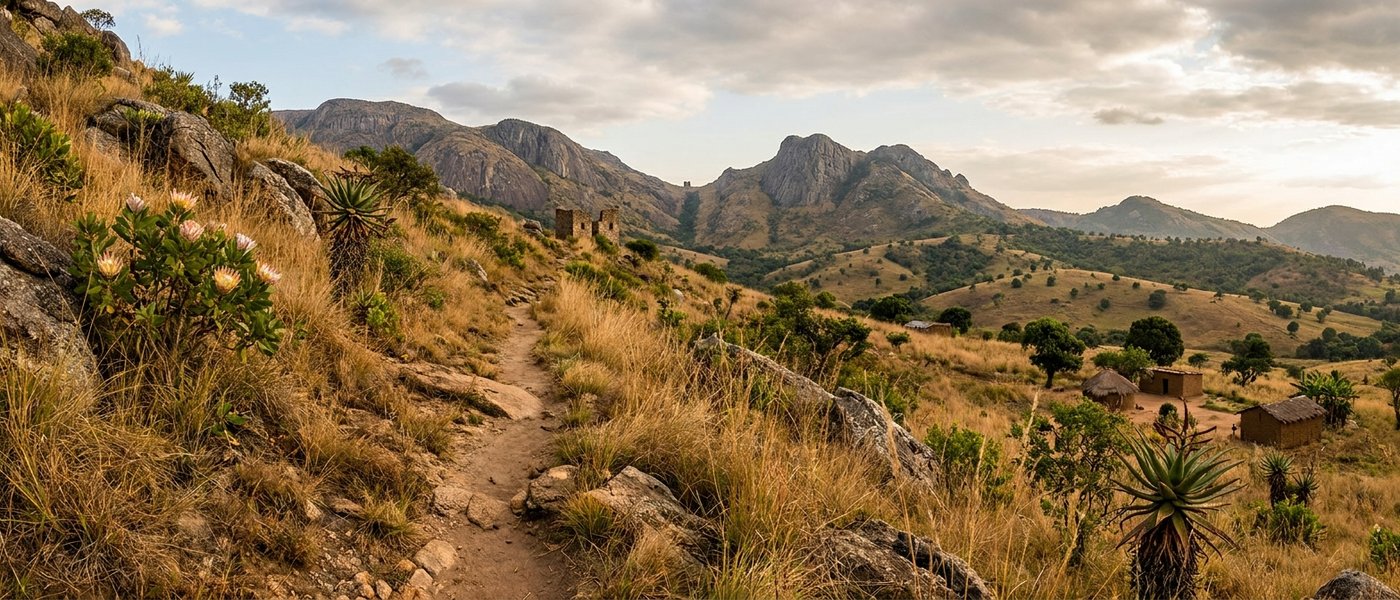
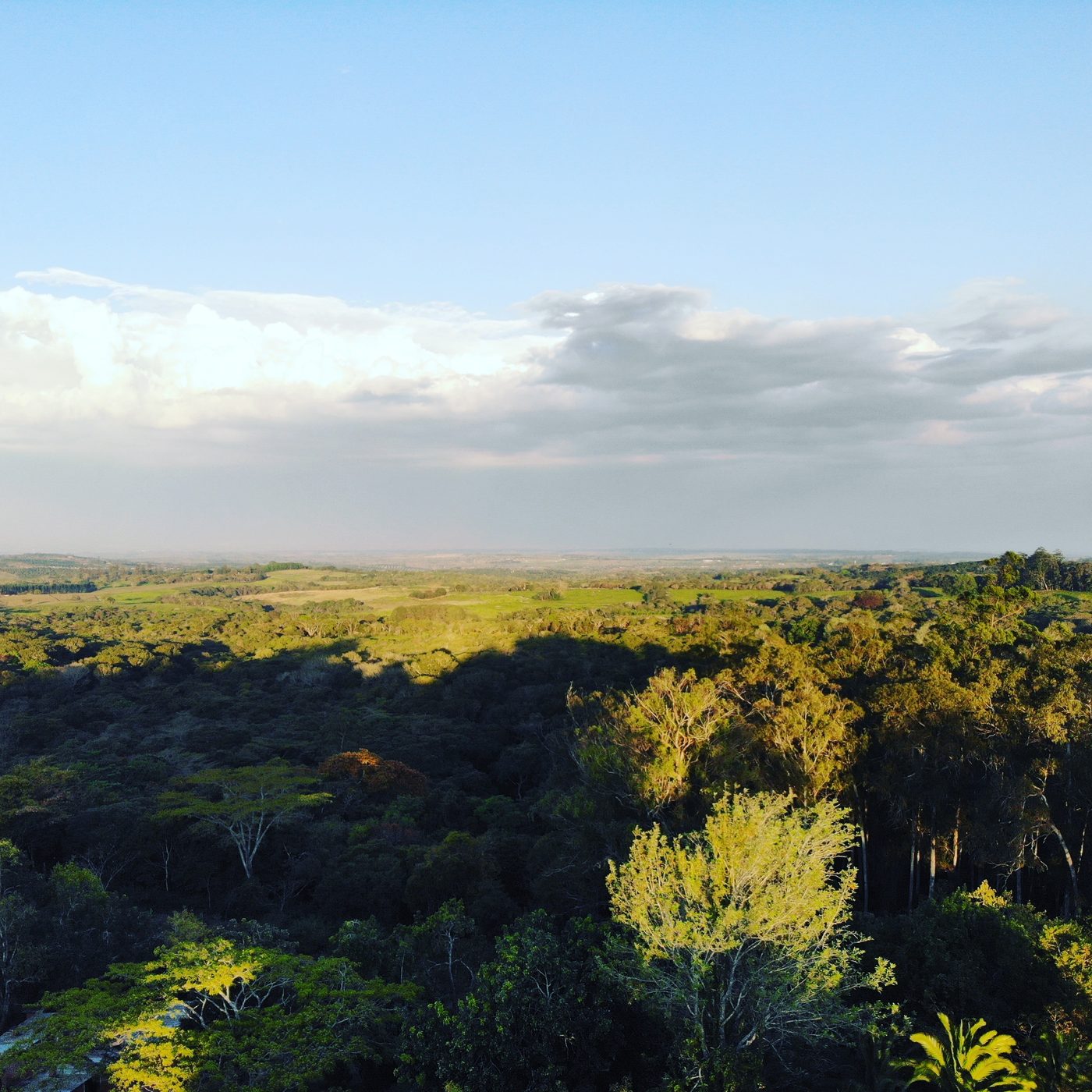
The first time I drove a packed lunch arranged independently up to Fort Lister Mulanje, I was certain I had taken a wrong turn. The road from the tea country had narrowed into a red dirt ribbon, the mountain had risen up on either side like a green cathedral, and I had not seen another vehicle for twenty minutes. Then the trees parted, the gap opened, and there it was — a quiet saddle of land at 1,106 metres, the old colonial fort site half-swallowed by indigenous forest, and the kind of silence you only get when you are properly between two massifs. I unpacked the basket on a flat rock, poured tea from a flask, and understood why the older cooks at the estate had been keeping this place to themselves.
I am the cook at The Thyolo House, our boutique hotel on a historic property that was once part of the Conforzi Tea Estate, and Fort Lister Mulanje has quietly become my favourite half-day escape. Not the dramatic Sapitwa summit attempt. Not the Likhubula tourist scramble. Just a gentle drive, a gentle walk, a proper hamper, and a clearing under the trees where the only sound is wind in the cedars and the occasional turaco. This is the route I pack for, the picnic I lay out, and the weekend plan I recommend to guests who want Mulanje at its quietest.
Why Fort Lister Mulanje is the Picnic Spot Locals Keep Quiet
Most visitors to Mount Mulanje arrive on the south-western side, at Likhubula, where the Forestry Office sits, the porters gather, and the famous Grand Traverse begins. Fort Lister is the opposite end of that story. It is the north-eastern gap — a pass that separates the main Sapitwa range from the Mchese sub-range, sitting at roughly 1,106 metres above sea level. Named after a colonial-era British outpost, the site has bones of old history under it, but what you actually see is forest, footpaths, and the occasional kabaza motorcycle rider passing through on the road to Phalombe town.
For hikers, Fort Lister Mulanje is best known as the eastern exit point of the Grand Traverse — the place where multi-day trekkers stumble down from Sombani Hut after crossing the whole massif, roughly three hours and 5.7 kilometres of shaded descent. But for those of us who live on the tea estates below, Fort Lister has another use entirely. It is a picnic spot. A quiet, biodiverse, properly forested picnic spot, with a moderate 3 to 5 hour standalone trail nearby if your legs feel like it, and clearings that have not been trampled by tour groups because nobody thought to put it in the guidebook that way.
One more thing worth knowing before you go. In July 2025, the Mount Mulanje Cultural Landscape was inscribed on the UNESCO World Heritage List — Malawi's third such site, after Lake Malawi National Park and the Chongoni Rock Art. The inscription recognises the mountain's cultural and spiritual significance to the Yao, Mang'anja, and Lhomwe peoples. Fort Lister sits inside that landscape. You are not just having a picnic in a pretty place. You are eating sandwiches in a globally recognised cultural and ecological treasure, and the air is doing something to you because of it.
What We Pack from The Thyolo House Kitchen (the Hamper, Item by Item)
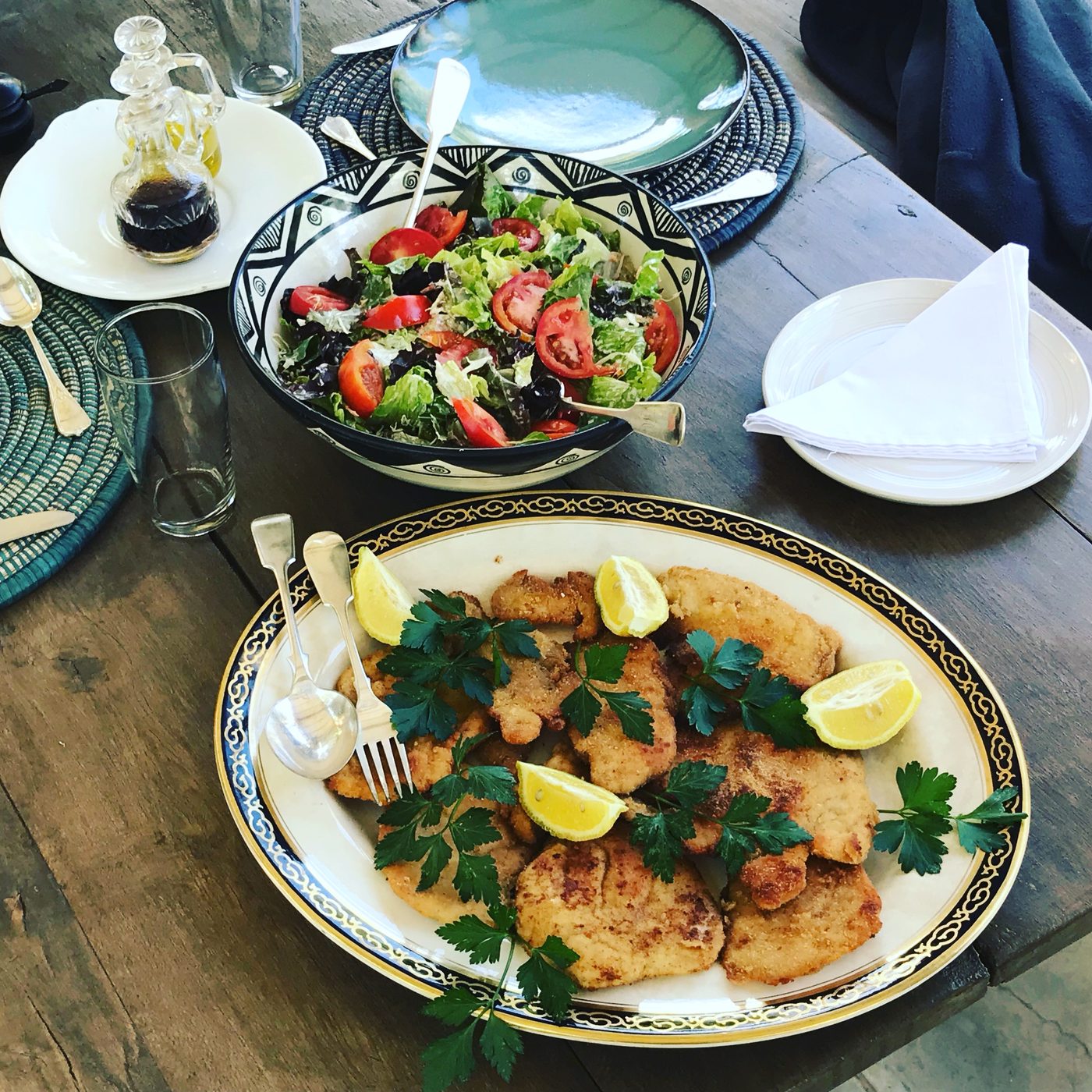
A picnic at Fort Lister Mulanje is not the place for fussy plating. But it is also not the place for limp service-station sandwiches. The drive is too good, the air is too clean, and the rocks are too flat and inviting for that. Here is what I actually pack, with quantities that work for two people for a long lunch.
The Savoury Half
- Focaccia, cut into squares — baked the morning of, brushed with estate olive oil and rosemary from the garden. Wrapped in a clean cloth, not foil. Foil sweats and ruins the crust.
- A cold frittata — eggs from the estate, leftover potatoes, a handful of spring onions, parmesan. Cooked the night before and sliced into wedges. Travels better than any sandwich.
- Cold meats — usually a small board of prosciutto and salami, wrapped in baking paper so they don't sweat against plastic.
- A jar of caponata — aubergine, tomato, capers, vinegar. The kind of thing that gets better in the sun. Bring a spoon.
- A wedge of pecorino or a young local cheese — whatever is in the cold room. Cheese loves a picnic; do not skip this.
- Cherry tomatoes from the kitchen garden — washed, dried, packed loose in a tin.
The Sweet Half
- A slice of olive oil and lemon cake — sturdy, will not collapse in the basket.
- Estate honey in a small jar — for the cheese, for the bread, for everything.
- A flask of strong black tea — Conforzi tea, naturally, brewed double-strength so it holds up to milk an hour later.
- A bottle of cold water per person, frozen the night before and wrapped in a tea towel. By the time you reach Fort Lister it will be perfect drinking temperature.
The hamper itself is a flat wicker basket lined with a checked cotton cloth. Underneath the cloth, a folded wool blanket — the gap can be ten degrees cooler than the estate, and the rocks are unforgiving on bare legs. I also bring two enamel plates, two small glasses, real cutlery, a sharp knife wrapped in cloth, salt and pepper in tiny jars, and a small rubbish bag because you carry out what you carry in. That is non-negotiable inside a UNESCO landscape.
If you want to read more about how we cook at the estate and where the Italian-Malawian fusion comes from, I have written a longer piece on the kitchen approach and ingredient sourcing. The hamper is essentially that food, made portable.
Driving from the Tea Country to Fort Lister Gap: The Route We Use
From The Thyolo House, the drive to Fort Lister Mulanje takes roughly two and a half hours, depending on the state of the dirt road in the final stretch. It is not a difficult drive, but it is one that rewards leaving early. Here is the route I take, written out the way I would tell a guest at breakfast.
Leave the estate by 7am if you want to be unpacking the hamper by 10. Head south through Thyolo town, then east towards Mulanje town along the main M2 road. This stretch is tarred, well-maintained, and gives you the slow reveal of the mountain on your left — first as a blue silhouette, then as a wall of granite and forest filling the windscreen. Stop in Mulanje town if you need fuel, water, or a final SIM top-up. The town is the last reliable supply point.
From Mulanje town, instead of turning towards Likhubula and the Forestry Office (which is where the bulk of hiker traffic goes), continue east and then north on the road that loops around the base of the massif towards Phalombe. This is the quieter side of the mountain. The road is paved for most of the way and then transitions to a well-graded dirt road in the final fifteen kilometres. Any vehicle with moderate ground clearance — a small SUV, a high-clearance saloon, certainly a 4x4 — will manage it comfortably in the dry season. After heavy rain, the dirt section can rut, so check at reception before setting out.
The Fort Lister Gap itself is signposted — modestly, but it is there — on the road between Mulanje and Phalombe town. You will know you have arrived when the road levels into a saddle, the trees close in, and you start to see the eastern face of the Sapitwa range rising on your left. There is space to pull off the road in two or three obvious spots, and a small clearing where the old fort once stood. From here, you walk.
One important note on transport. If you are not driving yourself, you cannot reach Fort Lister Mulanje by minibus. The minibuses run between Mulanje town and Phalombe town, but they do not stop at the gap reliably. Most visitors without a car arrange a kabaza (motorcycle taxi) from Phalombe, which costs a few thousand kwacha and takes about thirty minutes. Honestly, though, if you are coming from the estate, I would recommend asking us about a private driver. The road is too good to rush, and a hamper is hard to balance on a kabaza.
Where to Lay the Blanket — Three Quiet Clearings Near the Old Fort
Once you have parked at Fort Lister Gap, there are three picnic spots some visitors choose, depending on how far they feel like walking and what they want from the view.
1. The Fort Clearing (5 minutes from the car)
The most accessible spot. A flat, grassy clearing where the colonial-era outpost once stood, ringed by indigenous trees. There are flat rocks you can use as a table, the ground is dry except in the height of the wet season, and you can still see your vehicle from here, which matters if you have brought a lot of equipment. This is where I take older guests, or anyone who wants the picnic without the walk.
2. The Cedar Stand (25 minutes along the eastern trail)
Walk east from the gap along the marked footpath. After about twenty minutes of gentle uphill through indigenous forest, you reach a small grove of Mulanje cedars — the endemic, endangered tree that is one of the reasons this mountain matters. There is a soft, needled floor, the light is dappled, and the air smells faintly of resin. Unfold the blanket here. The cedars do not mind.
3. The Sombani View Rock (45 minutes, moderate climb)
For the more energetic. Take the footpath that climbs north-west from the gap, signposted towards Sombani Hut. About forty-five minutes up, before any serious altitude, the trail crosses a granite slab with a clean view back down towards Phalombe plain. This is where I lay the blanket when I have brought a slow lunch and a book. The view is worth the climb, and the descent back to the car gives you that just-right tired feeling.
The Walk: A Gentle Hour Through Indigenous Forest
If you only have time for one short loop, this is the one I recommend. From the Fort Clearing, take the eastern trail through the cedar stand, continue for another twenty minutes until you reach a small stream crossing, then loop back via the parallel footpath to the gap. The whole circuit is about an hour, mostly shaded, with gentle gradients. You will see indigenous hardwoods, the occasional Mulanje cedar, and — if you are quiet enough — Livingstone's turaco flashing red and green through the canopy.
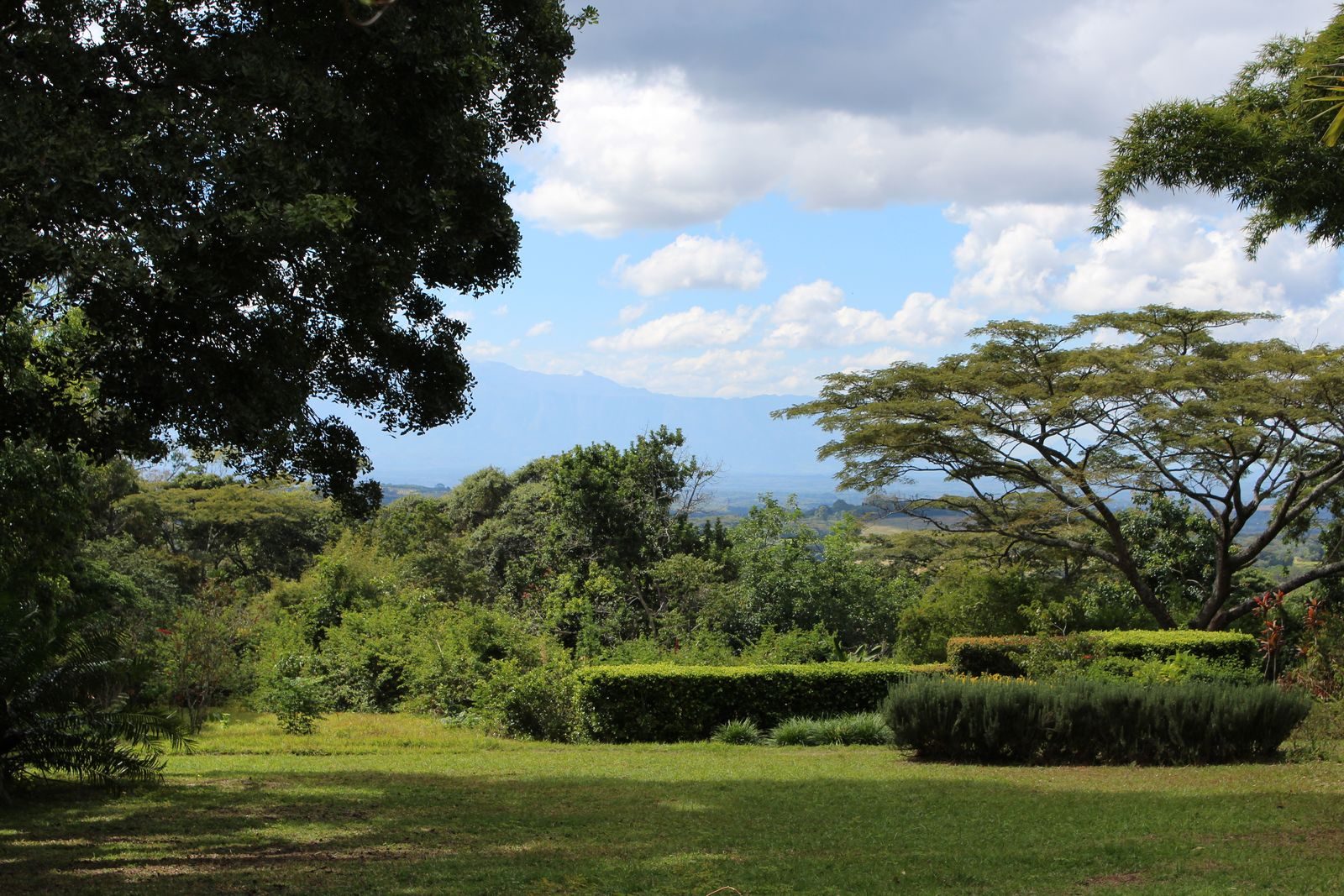
The trail is well-trodden but not paved. Wear closed shoes with grip — the surface can be slippery on the descent if there has been recent rain. Long trousers are wise; there are stinging nettles in places. Take water, even on a cool day. The altitude is modest at 1,100 metres, but the sun is strong, and you are still on a mountain.
If you want a more ambitious day, the standalone trail near Fort Lister Gap that runs deeper into the biodiverse forest is a moderate 3 to 5 hour walk, well worth it for keen hikers but not what I would do with a hamper. Save that for a separate trip and pair it with one of our half-day Mulanje loops from the estate if you want a fuller weekend on the mountain.
Best Months to Go (and the Mornings to Avoid)
Fort Lister Mulanje is a year-round destination, but the picnic experience changes dramatically with the season. Here is the cook's honest calendar.
- May to August (cool dry season) — My favourite months. Crisp mornings, clear afternoons, no mud, no insects. Pack a jumper. The gap can be ten degrees cooler than the estate, and at 1,100 metres in June you will want long sleeves until the sun is properly up.
- September to early November (hot dry season) — Excellent for picnics, but leave early. By midday the granite holds heat and the walk back to the car can feel long. Bring extra water.
- Late November to March (wet season) — Beautiful, dramatic, and trickier. The dirt road can get slick, the trails muddy, and afternoon thunderstorms common. If you go in the wet, go early, be back by 1pm, and check the road condition before setting out.
- April (transition) — Often the most underrated month. The landscape is still green from the rains, the air is washed clean, and the road has usually dried out.
Mornings to avoid: any morning after heavy overnight rain (the dirt road), and any morning where there is heavy low cloud sitting on the gap. The view, the picnic clearings, and the trails all suffer in thick mist. Better to swap the day and use the time for a long lunch at the estate instead.
Making a Weekend of It — Staying at The Thyolo House After
The best way to do Fort Lister Mulanje, in my experience, is not as an independent visit from Blantyre but as part of a weekend on the tea country. Drive up Friday afternoon, have dinner at the restaurant, sleep properly, leave at dawn with the hamper, picnic at the gap, walk the gentle loop, and be back at the estate in time for a swim, a long shower, and a slow Saturday evening on the terrace.
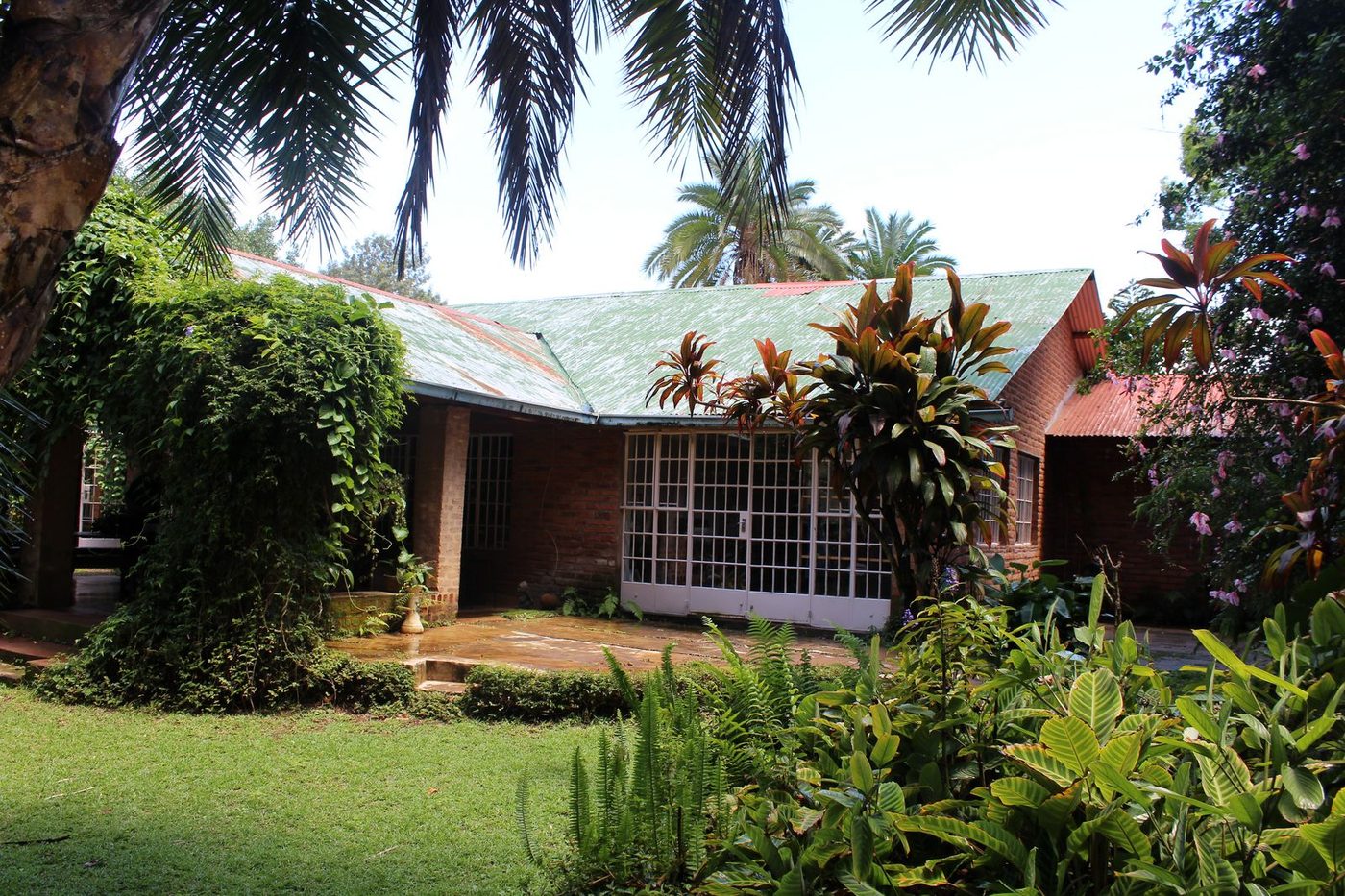
The Thyolo House is a five-room boutique hotel on a historic property that was once part of the Conforzi Tea Estate in Thyolo, about two and a half hours from Fort Lister. We are 20 minutes from Limbe, 40 minutes from Blantyre, and four hours from Lake Malawi — which makes us a natural base for the southern half of the country. Flavia Conforzi, the Italian-Malawian artist who owns the house, has built the place around a simple idea: that the tea country is one of the most beautiful corners of Malawi, and that guests should be able to stay properly inside it rather than just visit. the restaurant is Italian fusion, the produce is mostly from our own garden, and the property includes a pool, Highland Forests, art workshops, and highland forests.
For a Fort Lister weekend, I usually recommend a two-night stay. Friday evening to settle in. Saturday for the picnic and the mountain. Sunday for a slower morning — pool, garden, a long breakfast, maybe a walk through the gardens fields before driving home. If you want the fuller history of the gap itself, I have written a more detailed Fort Lister Mulanje guide that covers the colonial background, the hiking exits, and the practicalities in more depth.
To book a room or restaurant table at The Thyolo House, message us on WhatsApp or email thethyolohouse@gmail.com. Picnic routes, road checks, guides, transport, and external visits should be confirmed directly with the relevant local providers. The Thyolo House can confirm its own room and restaurant availability; picnic plans, routes, guides, and transport must be arranged directly with the relevant operators.
Fort Lister Mulanje is one of those places that rewards going slowly. Pack the basket properly, leave early, take the gentle loop, find your clearing, and let the mountain do the rest. The cedars have been there for centuries. The fort has been quiet for decades. The picnic is up to you.