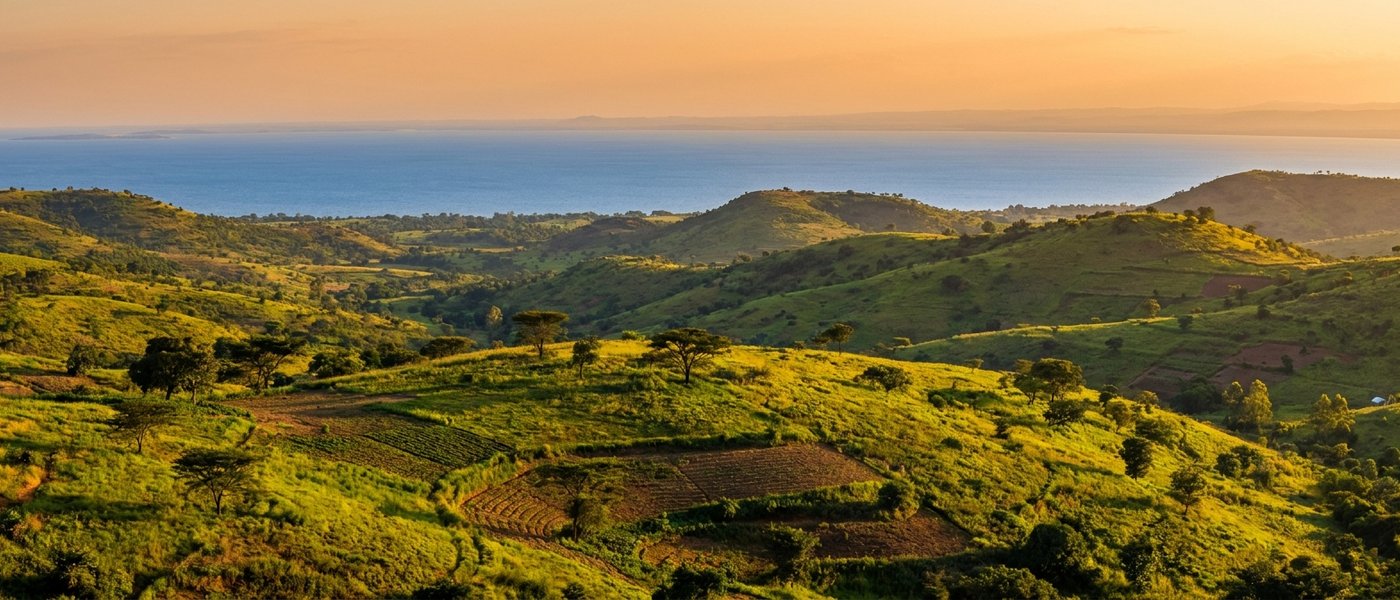
/ By The Thyolo House
Hotels Malawi: A Personal Map of Where I'd Send My Friends
A journal from a boutique lodge in the Thyolo highlands. These are notes from our corner of Malawi — places we love, walks we've done ourselves, operators we've watched do good work. The mountain treks, tea-estate tours, and day trips are all run by independent operators in Malawi; book those directly with them. Come stay with us before or after — we'll do the room, the meal, and the quiet.
The question comes by WhatsApp, usually on a Sunday: "We're coming to Malawi in July — which hotel should we book?" I've answered it enough times now that I've stopped giving a single name. Because the truth about hotels Malawi gets right is that the right room depends entirely on the kind of trip you're trying to have, and most people don't know that yet when they ask. So instead of a list, I ask questions. Are you flying in tired? Are you here for the lake, or the bush, or the mountains, or the tea? Are you travelling with children? Do you want a pool, or do you want a fire? The answers reshape the map.
What follows is the map I draw for friends — not a ranking, not a top-ten, just a personal account of where I'd send you depending on what you actually want. I live and work at The Thyolo House in the southern highlands, so I write from one corner of the country, but I've stayed in most of the others, and I'll tell you when I'm sending you somewhere I love and when I'm sending you somewhere I respect.
The Question I Get Asked Most (and Why "Best Hotel" Is the Wrong Frame)
"Which is the best hotel in Malawi?" is the most common version of the question, and it's the wrong one. Malawi is long and narrow — nearly 900 kilometres top to bottom — and the country changes character every two hours of driving. A hotel that's perfect for a honeymoon at Cape Maclear would feel pointless if you're here to climb Mulanje. A safari camp at Liwonde is wasted on someone who came for the tea estates. The "best" hotel is whichever one matches the day you're trying to have, and that's a different calculation every time.
The other reason the frame is wrong: Malawi's hospitality sector is small enough that the international booking sites don't tell the full story. Tripadvisor lists a handful of properties per region and inflates the apparent starting price by only showing the higher-end inventory. Expedia shows nightly rates from around $23 in some southern towns, but those are budget guesthouses that won't appear on a curated map. The genuinely good places are often the ones that don't run paid ads — they fill by word of mouth, by WhatsApp, by a friend forwarding a number.
What a Hotel in Malawi Is Actually For
I think of hotels here as falling into five honest categories, and the trick is to match the category to the leg of the visit you're on rather than to a brand name.
- Lake rooms — for stillness, water, swimming, doing nothing.
- Safari rooms — for game drives, early mornings, a different rhythm of light.
- Mountain rooms — for hiking, altitude, the kind of cold that makes a fire worth lighting.
- Tea country rooms — for slowness, gardens, food, the long view across an estate.
- City stops — for transit, for one night before or after the rest.
Most good Malawi itineraries combine three of these. The mistake is to spend your whole week in one category, because the country's actual gift is the contrast — the way the heat at the lake feels different after a cold night on Zomba, the way the bush at Liwonde reads differently if you've come down from the mountains the day before.
The Lake Rooms — When You Want the Sound of Water and Nothing Else
Lake Malawi is the country's most photographed feature, and rightly so — it's the third-largest lake in Africa, freshwater, with white sand beaches and clear shallows full of cichlids. The hotels along its shore range from backpacker camps to genuine luxury, and the choice of where to stay is really a choice of which stretch of shoreline you want.
Cape Maclear, in the south of the lake, is the most accessible from Blantyre and gets the most tourist traffic. It's where Mumbo Island and Domwe Island operate from, both of which are minimal eco-camps on offshore granite islands — no electricity, lamplit dinners, kayaks to your cabin. They're not for everyone but they're unforgettable for the right traveller.
Nkhata Bay, further north, is more bohemian, more diving-focused, and feels less polished — which is its appeal. Boats leave from here for Likoma Island, which sits closer to the Mozambican shore and is home to Kaya Mawa, the only genuinely high-end lodge on the lake and the one I'd send a honeymooning couple to without a second thought.
One thing to know: the southern lake is changing. Tourism Update reported significant 2026 upgrades at Makokola Retreat — 21 new luxury family suites and a refurbished pool — and a wave of similar investment elsewhere on the lake. The lake hotels are where the money is going. The southern highlands, where I live, are not seeing the same.
The Safari Rooms — Liwonde and Majete, and Why One Night Isn't Enough
Malawi's "big" parks aren't big by East African standards, but they are exceptionally well-run. Liwonde National Park, on the Shire River roughly two hours from Blantyre, has been transformed under African Parks management — black rhino reintroduced, cheetah back, healthy elephant population, excellent guiding. Majete Wildlife Reserve, further south, is the country's Big Five park and the quieter of the two.
The camps to know are Mvuu Lodge and Mvuu Camp inside Liwonde (the lodge is the upscale option, the camp the tented one), and Mkulumadzi in Majete, which is the most luxurious safari property in the south. They are not cheap — expect $300–$600 per person per night fully inclusive — but they are doing real conservation work and the experience is genuine.
The mistake people make is booking one night. One night is a long drive in, a single game drive, a meal, a sleep, a single morning game drive, a long drive out. You won't see what you came to see. Two nights minimum, three is better.
The Mountain Rooms — Mulanje Huts, Zomba Forest Lodges, and the Question of Altitude
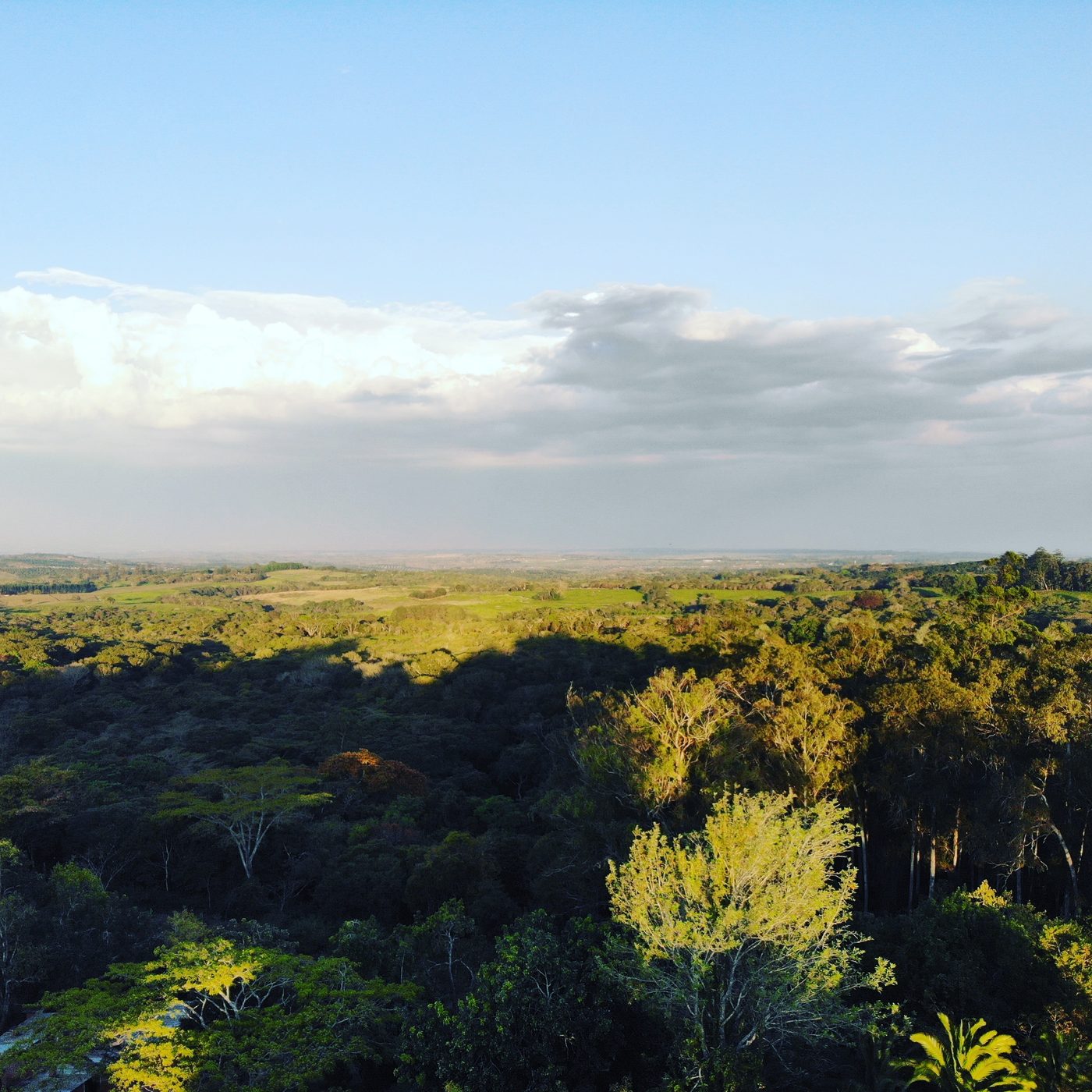
If you've come for mountains, the south is where you want to be. Mount Mulanje rises straight out of the plain to nearly 3,000 metres, and Zomba Plateau is its smaller cousin to the northwest — both wildly different from anywhere else in the country.
On Mulanje, the iconic accommodation is the network of basic mountain huts maintained by the Mountain Club of Malawi. They're cold, simple, often shared with porters and other hikers, and they're the only proper way to spend a night on the massif itself. At the foot of the mountain, Likhubula Forest Lodge is the trailhead lodge most hikers use the night before they walk up. In Mulanje town, AfricaWildTruck Camp and Lodge occupies an old 1912 red-brick colonial building about an hour's drive from Chileka Airport — a charming, character-filled base. Kara O'Mula Country Lodge is the boutique option with personal service. You'll see Sunbird Ku Chawe listed for Mulanje on some sites — it's actually on Zomba Plateau, a common conflation; don't be misled.
On Zomba Plateau, the proper Sunbird Ku Chawe sits at the top of the road with views down across the plain. The plateau itself is laced with trails, a trout dam, an old colonial road network, and the kind of high-altitude pine forest that doesn't exist anywhere else in southern Malawi.
The Tea Country Rooms — Why I'd Send Most First-Timers to Thyolo
This is the section where I'm biased, so take it with the appropriate grain of salt. But I genuinely believe Thyolo is the best place in southern Malawi to base a first trip — and I thought that before I moved here.
Tea has been grown on these slopes since 1908, when the first Conforzi and Maclean Kay families planted bushes on what are now Conforzi and Satemwa estates. The landscape that produced — endless green corduroy across the hills, broken by indigenous forest pockets and old colonial houses — is unlike anywhere else in the country. The altitude (around 900 metres) means it's cool at night without being cold. The food is good because the soil is good. And it's an hour from Blantyre, two from the lake, three from Liwonde — which makes it the natural hub of a southern circuit.
The accommodation options in Thyolo are small in number and high in character. On Satemwa Tea Country, Huntingdon House is the most famous — a 1928 colonial family home with five suites, ranked the top-rated property in Thyolo on Tripadvisor (4.7/5 across 148 reviews) and offering factory visits arranged directly with the estate, estate visits, mountain biking, and birding. Chawani Bungalow is the self-catering option further up Thyolo Mountain. Satemwa Mountain Lodge offers luxury chalets with fine dining. Between Thyolo and Blantyre, Game Haven Lodge at Chimwenya Game Park combines a wildlife reserve with a golf course.
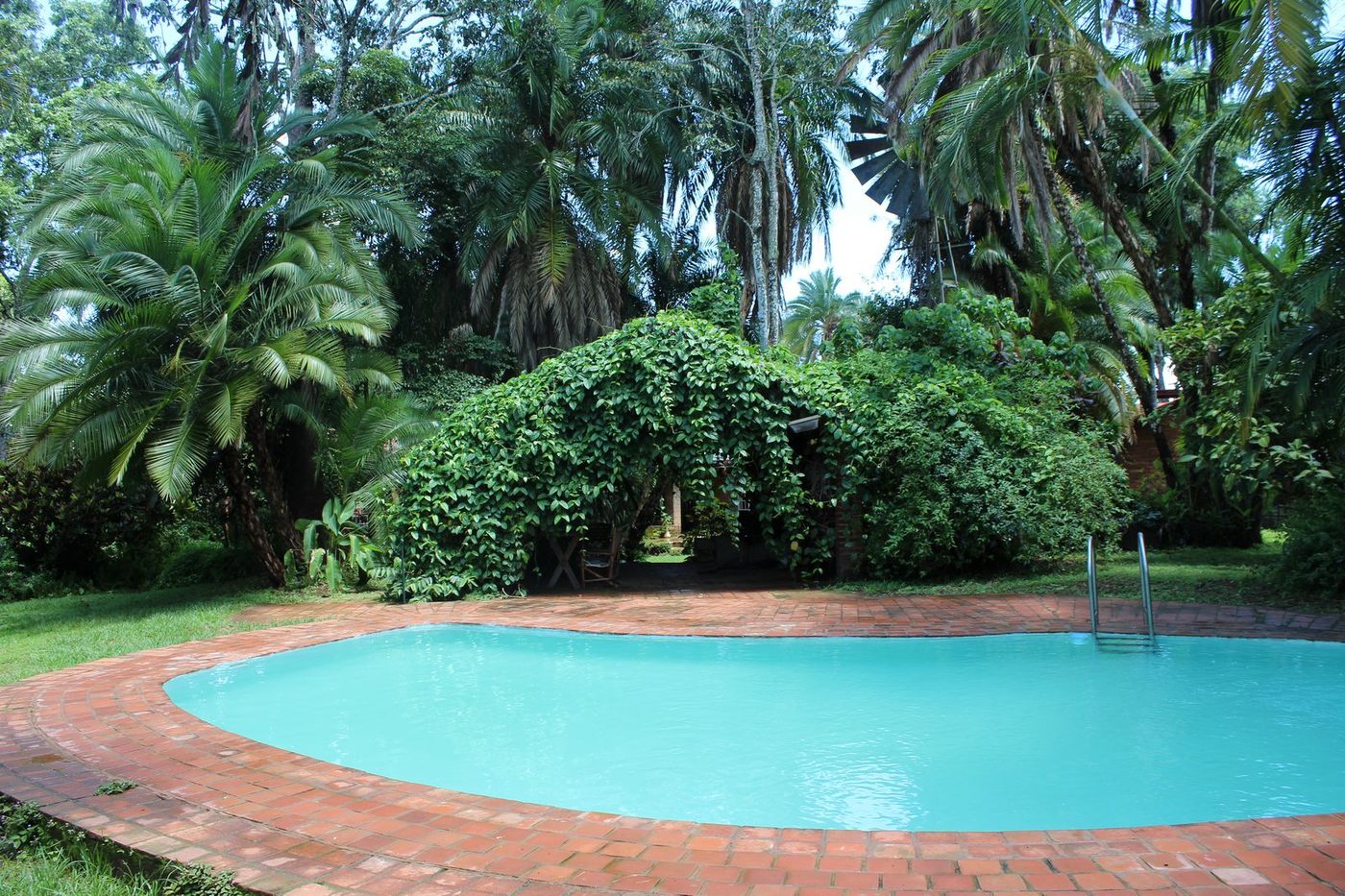
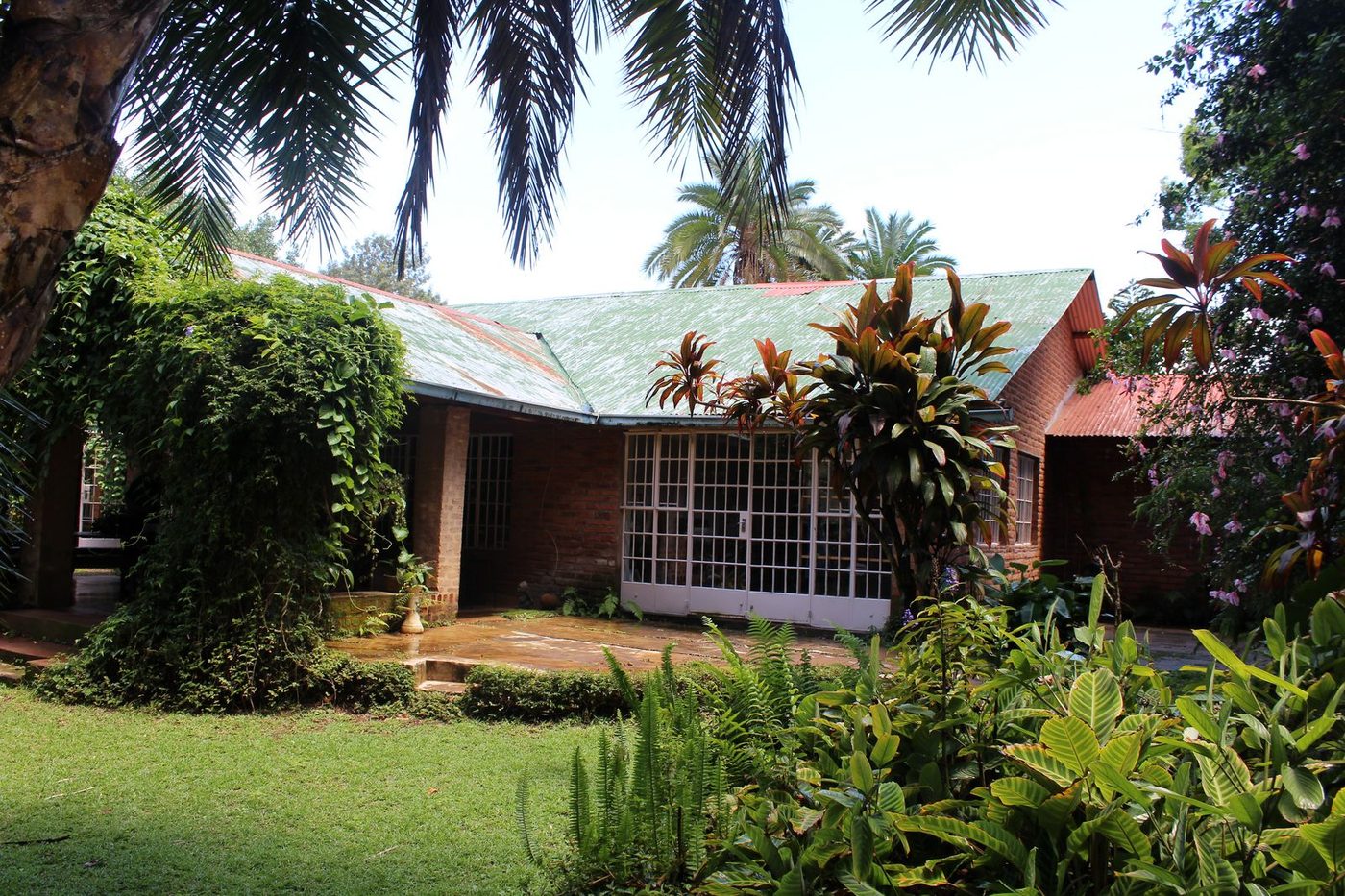
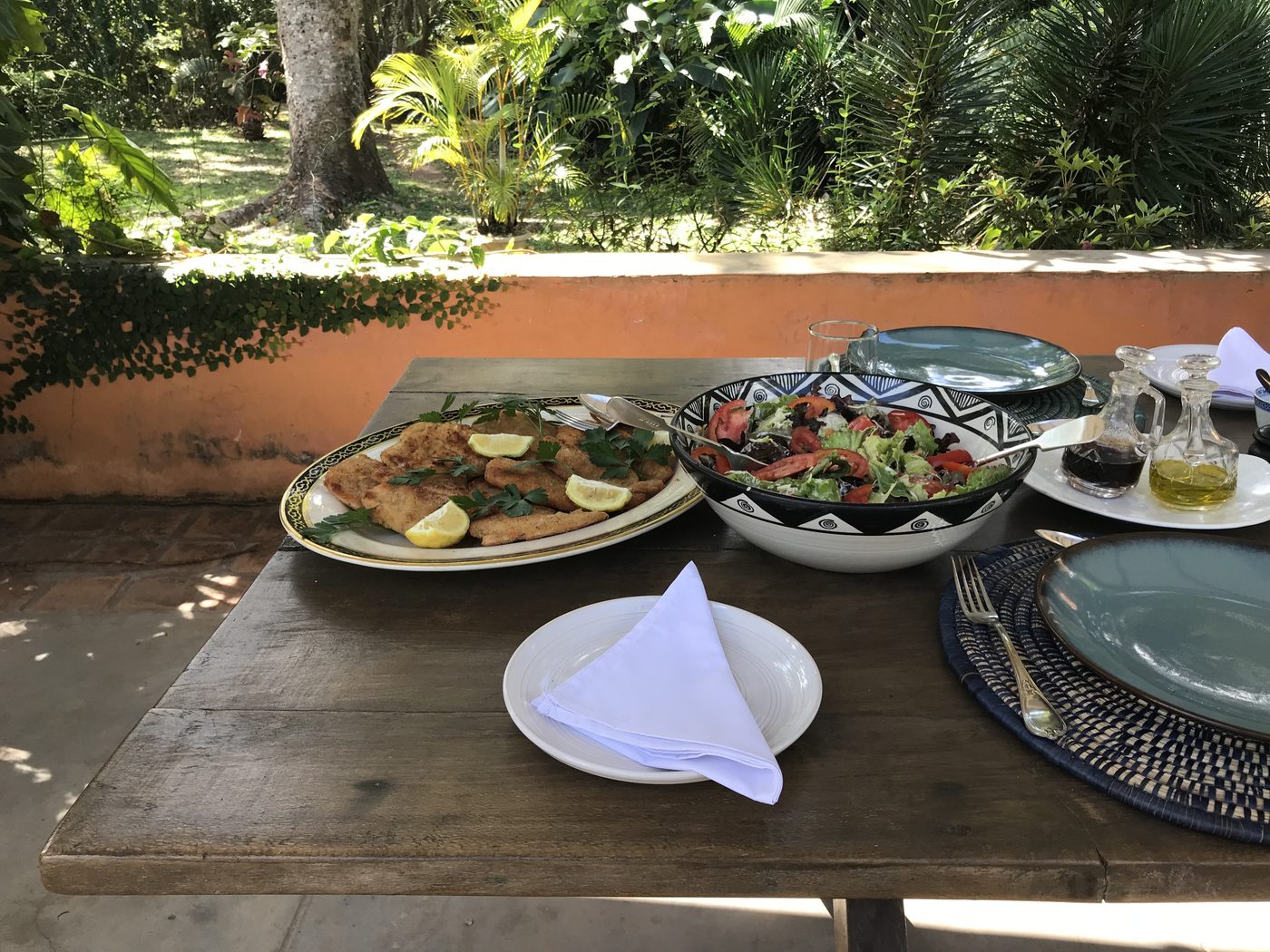
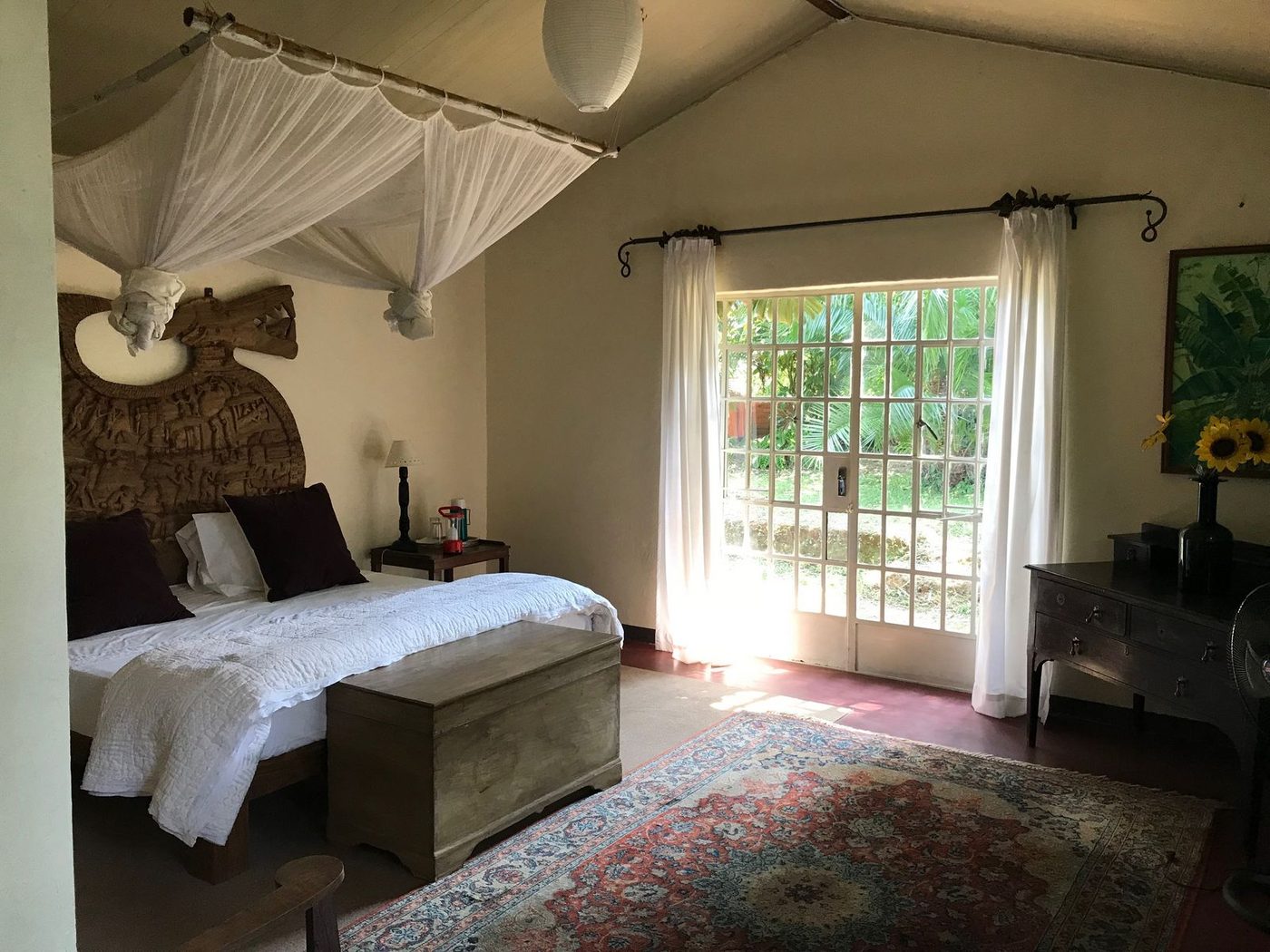
And then there's where I work. The Thyolo House sits on a historic property that was once part of the Conforzi Tea Estate, the neighbouring estate to Satemwa, and the difference between us and the others is mainly one of scale and intention. We have five rooms. The whole property is run by Flavia Conforzi, an Italian-Malawian artist whose family planted the tea here in the 1930s, and the food comes out of an Italian fusion kitchen using vegetables and herbs grown in the gardens you can see from the dining veranda. There's a pool, quiet garden areas around the house, quiet mornings, and an art studio where Flavia runs occasional workshops.
I send most first-timers to Thyolo because it gives you the whole story of the south — the historical depth of the colonial estates, the agricultural rhythm that built the modern economy, food and weather you can actually live in, and access to everything else within a half-day's drive. Whether you choose the boutique rooms or one of the larger estates next door, the region itself is the gift.
The City Stops — Blantyre and Lilongwe as Transit, Not Destination
I'll be direct: Blantyre and Lilongwe are cities to land in and leave from, not cities to spend a week in. They each have one or two good hotels for an overnight stop, and that's the function I'd use them for.
In Blantyre, the Protea Hotel by Marriott Blantyre Ryalls is the international-brand option — four-star, fitness centre, dependable. Sunbird Mount Soche is the local-chain alternative and has the better views from the upper floors. In Lilongwe, the Latitude 13 and Bingu Wa Mutharika International Convention Centre Hotel are the two I'd consider. Expedia inventory in Blantyre starts around $32 a night for budget options if you're after something simple near the airport.
Use these for the night you fly in tired, the night before you fly out early. Don't build days around them.
What I Tell People to Book First — a Five-Night Skeleton
If you're putting together a southern Malawi trip and you've got five nights to spend, this is the shape I'd suggest:
- Night 1: Blantyre or direct to Thyolo. If you land late, sleep at the Protea. If you land early enough, drive straight up.
- Nights 2–3: Thyolo — tea country base. Eat, swim, recover from the flight, and plan any Mulanje, Zomba, estate, or outside visits directly with the relevant providers.
- Nights 4–5: Liwonde safari (two nights at Mvuu) OR Cape Maclear for the lake. Pick one, don't try to do both in five nights.
With seven or eight nights you can fold in both the bush and the lake. With ten you can add Likoma Island or Mulanje hiking. Less than five and I'd just stay in tea country — you'll have a better trip slowing down than you would chasing distances.
For more depth on the regional breakdown, I've written a longer companion piece — a slow-traveller's regional shortlist — and a separate guide to the smaller end of the market in boutique hotels Malawi. If you're coming specifically from Blantyre for a short break, the weekend escape post has the specific drive.
Practical Notes — Distances, Roads, WhatsApp, and the Rainy Season
A few things people don't read until they arrive:
- Distances: Blantyre to Thyolo is about 40 minutes (Limbe is 20). Blantyre to Mulanje is around an hour. Blantyre to Liwonde is two hours. Blantyre to Cape Maclear is four hours. Lilongwe to Blantyre is around four to five hours on the M1.
- The road from Blantyre to Thyolo is tarred the whole way and in reasonable condition. The last few kilometres into individual estates are dirt roads, fine in dry weather, sometimes slippery in the rains.
- WhatsApp bookings: Most of Malawi's smaller hotels — including ours — book best by WhatsApp rather than email or booking engines. You'll get a faster answer and often a better rate.
- The rainy season runs roughly mid-November to mid-April. It's green and beautiful and the birdlife is at its peak, but some lake roads and bush tracks become difficult. The dry months — May to October — are the standard tourist window for a reason.
If you're trying to figure out which room in which region, the easiest thing is to ask. Message us on WhatsApp at +265 884 202 040, or email thethyolohouse@gmail.com, and I'll send back the same kind of map I've sketched here — but tuned to your dates, your party, and the kind of trip you're actually trying to take. The hotels Malawi does best are the ones that fit the traveller. Half the work is finding the fit.