/ By The Thyolo House
Hotels Malawi: A Tea Country Host's Honest Shortlist
A journal from a boutique lodge in the Thyolo highlands. These are notes from our corner of Malawi — places we love, walks we've done ourselves, operators we've watched do good work. The mountain treks, tea-estate tours, and day trips are all run by independent operators in Malawi; book those directly with them. Come stay with us before or after — we'll do the room, the meal, and the quiet.
If you've ever typed "hotels Malawi" into a search bar and felt the results blur together — Tripadvisor stars, Expedia thumbnails, a dozen places called "Lodge" or "Country Hotel" — you're not alone. I run a small property in Thyolo, and the question I'm asked most by people planning their first trip is some version of: which hotel should I actually book? Not the most reviewed, not the cheapest, not the one with the prettiest website. The one that won't leave them with regrets after a long flight.
This is my honest shortlist. I've tried to keep it the way I'd tell it to a friend over coffee — by region, by what the place actually feels like, and by what kind of trip you're putting together. I've also included the small properties that don't show up on the booking aggregators, because some of the best hotels Malawi has aren't on Booking.com at all.
The question I get asked more than any other
"I'm coming to Malawi in [insert month]. Where should we stay?" That's it. That's the question. And the honest answer is that it depends on three things almost nobody mentions: how long you're staying, how comfortable you are on bumpy roads, and whether you actually want to be in a city, near a mountain, or with your feet in the lake. Hotels Malawi covers a much wider spectrum than a search engine implies — the gap between a four-star business hotel in Blantyre and a five-room estate house in Thyolo isn't a star rating, it's two completely different holidays.
I'll be upfront: I run The Thyolo House, a small boutique place in Thyolo tea country. I tried to write this list without including us, and I couldn't, for reasons I'll explain. But everything else here I'd recommend to my own family, and there are a few I'd quietly steer them away from too.
What 'hotel' actually means in Malawi (and why the word misleads)
Malawi doesn't really do hotels the way Nairobi or Cape Town do. There are a handful of proper four-star city hotels — the Protea Ryalls in Blantyre is the obvious one — but most of what you'll book under "hotels Malawi" is closer to a lodge, an inn, or a small estate house. That's not a bad thing. It just means the experience is different.
A few things worth knowing before you book anywhere:
- Most properties are family-owned. You'll often meet the owner. The trade-off is that systems (online check-in, dynamic pricing, instant booking confirmations) are less polished than you might expect.
- WhatsApp is the booking channel. The booking sites will quote you a starting rate, but the real conversation about Thyolo House room availability, dietary needs, and restaurant bookings happens on WhatsApp. Transfers, drivers, guides, trips, tours, tea visits, and external activities are not arranged through The Thyolo House. I'll come back to this.
- "Hotel" includes lodges with two rooms. A "country lodge" might be a charming six-room place run by a couple, or a sixty-room conference venue. The label tells you almost nothing.
- Prices are honest but seasonal. Rates I've seen quoted across the country in 2025–2026 run from around $20 a night for basic guesthouses up to $260+ for the curated Tripadvisor set. The cheapest months tend to be January, August, and November.
If you read a one-line review that says "the wifi was slow" — that's true everywhere outside the major hotels. Plan around it. Bring a local SIM. Don't book on the assumption that a tea country two hours from Blantyre will have fibre.
The shortlist I give to friends — by region, not by star rating
Here's how I split it, because Malawi is long and narrow and you'll regret driving the whole thing in one trip. Pick a region. Two at most.
Blantyre — the southern hub you'll probably land near
Most southern itineraries pass through Blantyre because of the airport at Chileka. You don't need to spend more than a night here, but if you do, two places are doing it right.
- Protea Hotel by Marriott Blantyre Ryalls — The four-star benchmark. Reliably scored around 8.8 by guests. Spacious rooms, a working gym, fine dining, the kind of breakfast buffet that helps after a long flight. This is the safe choice for a business traveller or a first night before heading south.
- The President Hotel — Also four-star, around 8.6 in ratings, leans business-traveller. Functional rather than charming, but it does what it says.
For a deeper breakdown of city options, I've written a separate piece on the best hotels in Blantyre, ranked that gets into the small differences between them.
Thyolo — tea estates, cool air, the quiet south
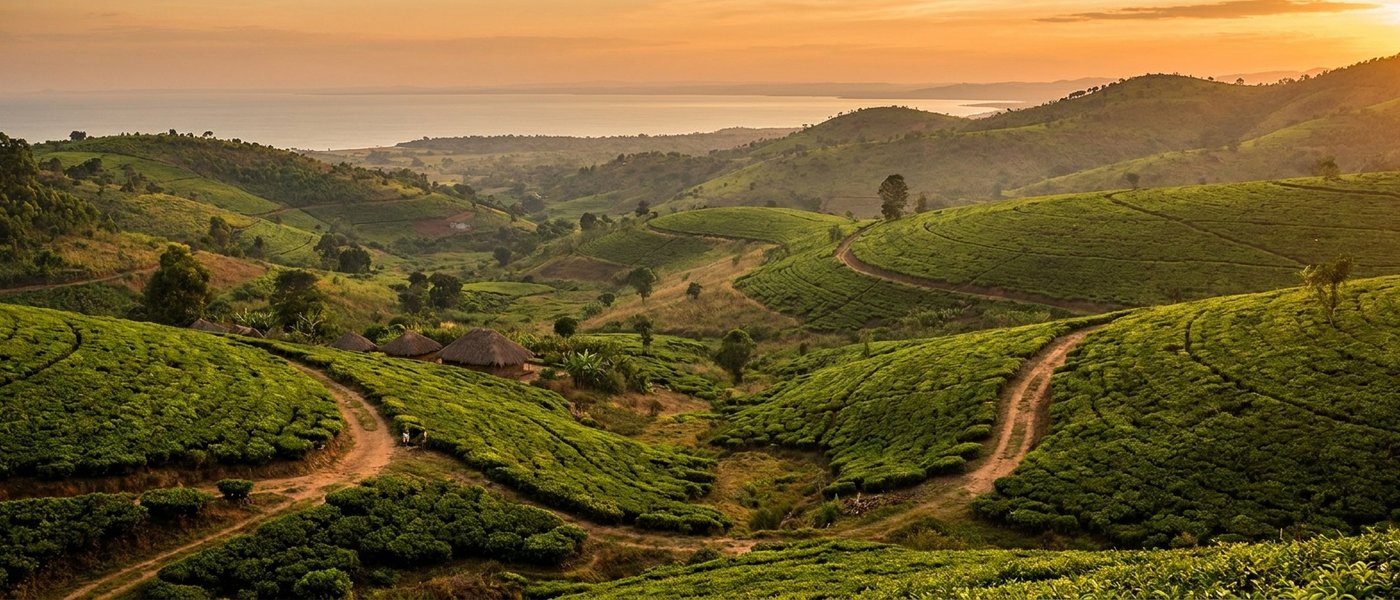
This is my home patch, so I'll declare the bias up front. Thyolo sits on the plateau between Blantyre and Mulanje, covered in tea, around 20 minutes from Limbe and 40 from Blantyre. The air is cool, the road is good, and the estates have been here for a century.
- Huntingdon House on the Satemwa Tea Country — A 1928 family property house, now run as a small inn. Currently ranked top of Thyolo's B&Bs on Tripadvisor (4/5). Famous for its estate visits; the rooms are old-colonial in character, which some guests love and others find quaint.
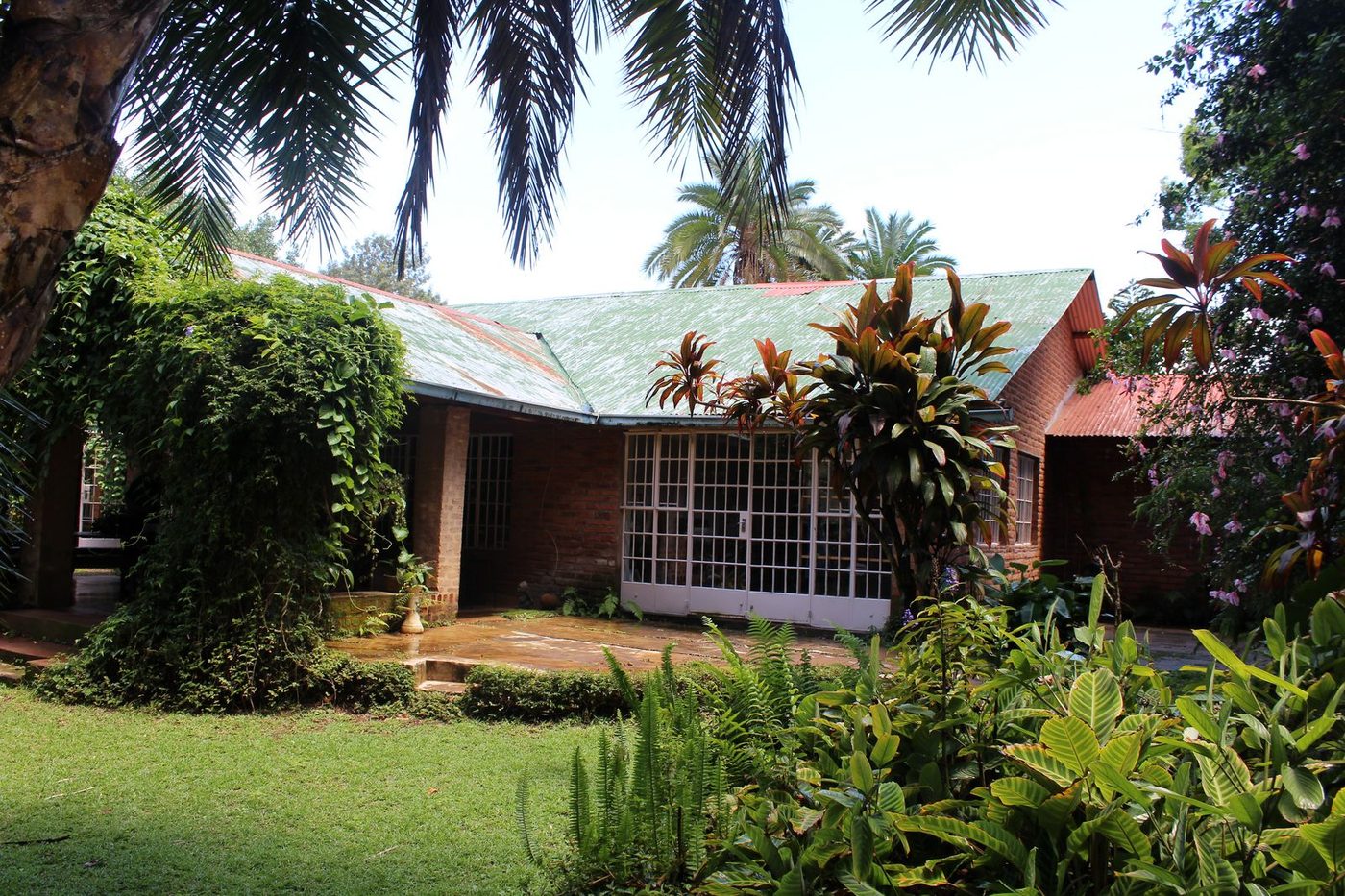
- The Thyolo House — The Thyolo House, on a historic property that was once part of the Conforzi Tea Estate. Five rooms, an Italian fusion restaurant, a pool, a stretch of indigenous forest. I'll explain in the next section why I couldn't leave it off.
- Game Haven Lodge — On the Thyolo Road, 25 km from Blantyre, set inside the Chimwenya private game park. Good if you want a small-game element to your stay.
Mulanje — for the mountain
If your visit has Mount Mulanje on the list (and it should), you'll want to sleep close to the trailheads, at least the first or last night.
- Likhubula Forest Lodge — Right at the foot of the mountain, near the main trailhead. Walk out of your room and onto the path. Simple, forested, perfectly placed for guided hikes to the waterfalls.
- Kara O Mula Country Lodge — A three-star in central Mulanje town. It has a conference centre, so it pulls a mix of business and leisure guests. Comfortable, dependable, but you're in town rather than in the forest.
Lake Malawi — the big finish
The lake is what almost every visitor wants to see, and rightly so. The southern shores are reachable from Blantyre (about four hours from Thyolo, longer if the road is wet).
- Pumulani — Ten villas on the southern shore, pitched at couples and the post-safari unwind crowd. Quiet, exclusive, expensive.
- Mumbo Island Lodge — A small eco-camp on a Lake Malawi National Park island. No electricity in the romantic sense, freshwater snorkelling, an experience rather than a hotel.
- Blue Zebra Island Lodge — Four-star, near Salima, more activity-focused: kayaking, boat tours, snorkelling, scuba. Good for families that want something to do.
- Kaya Mawa — On Likoma Island, far north. The "I want the most remote, most beautiful version of this trip" choice. Honeymoons and milestone trips.
Why The Thyolo House ended up on this list (and how I tried not to include it)
I drafted this article three times without us on it. It felt cleaner. But every version read dishonestly — because if a friend asked me where to stay in Thyolo, I'd tell them the truth, which is that we built the kind of place I'd want to stay in myself.
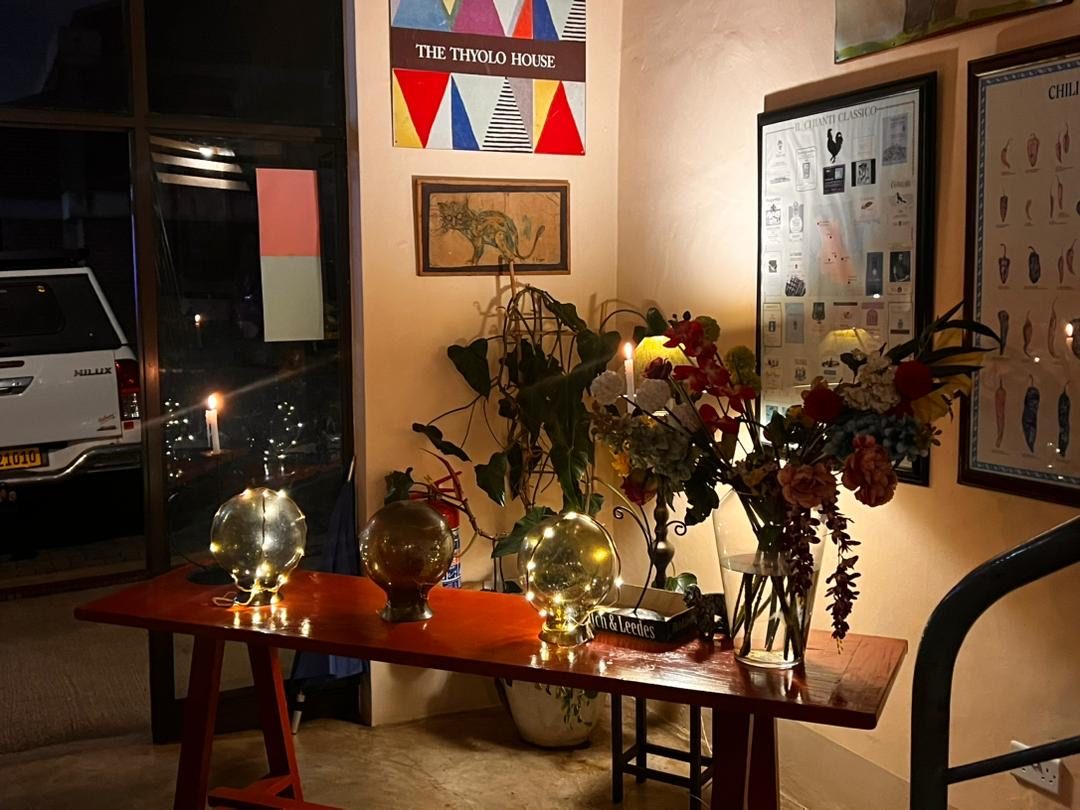
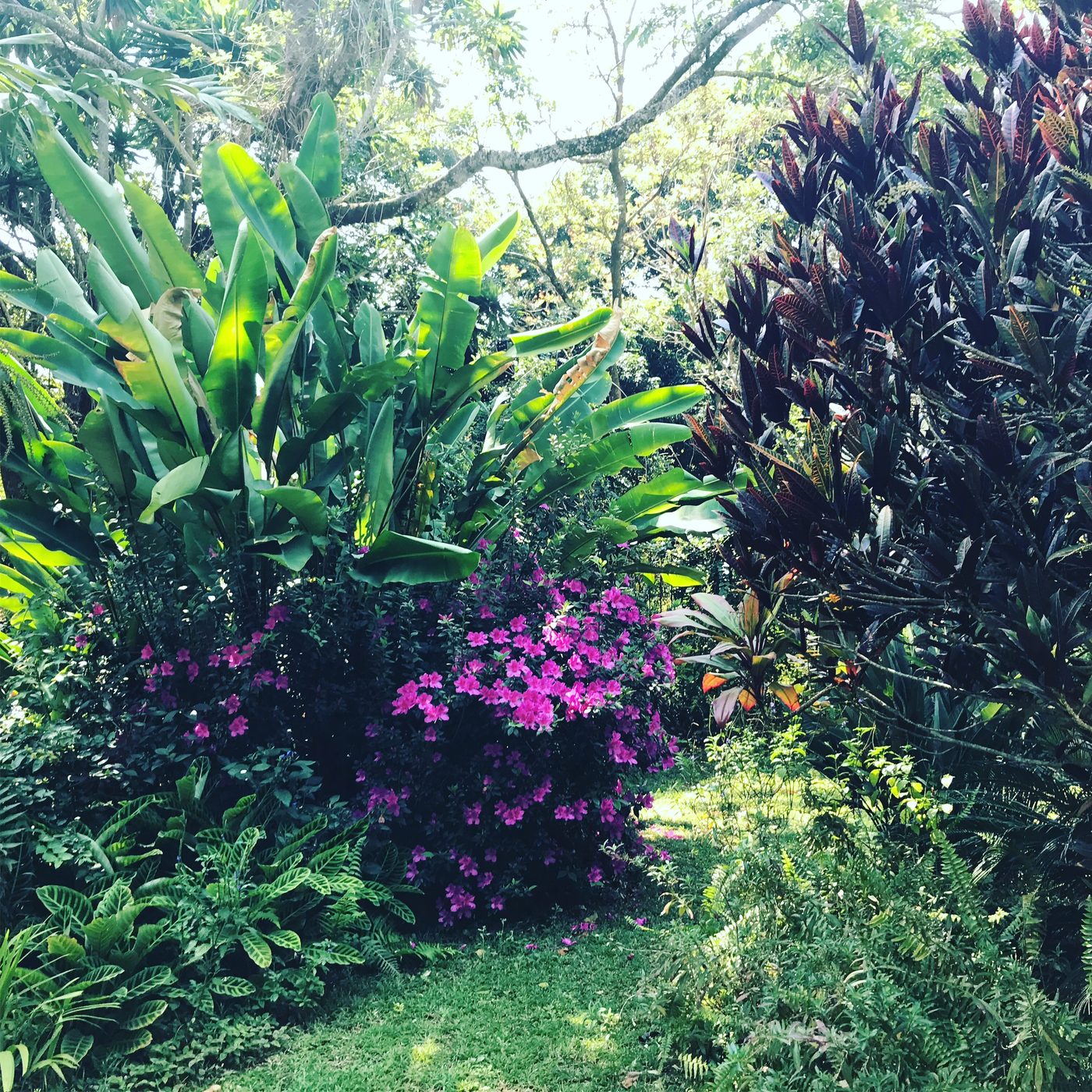
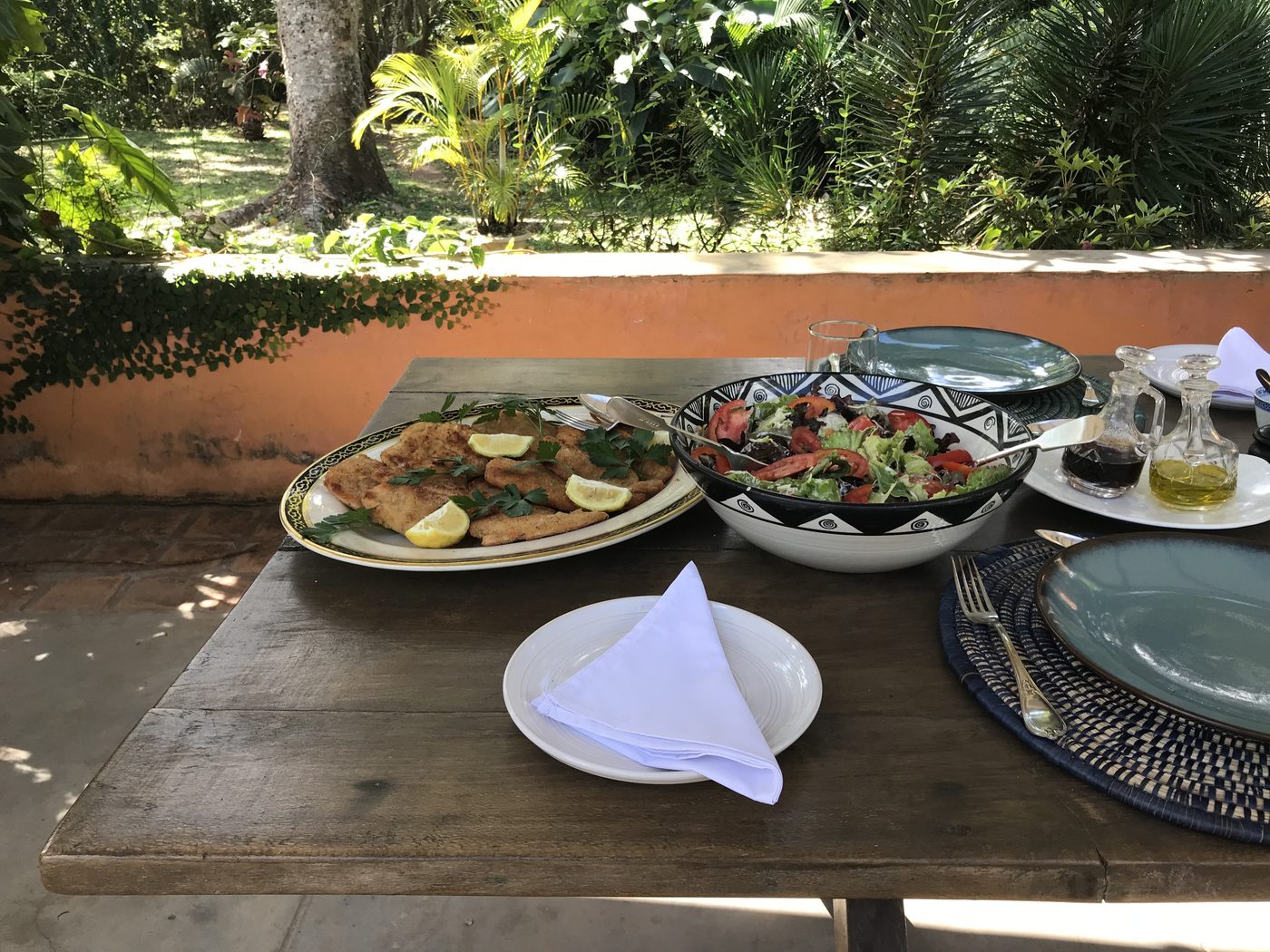
The Thyolo House is five rooms, an Italian fusion restaurant, and a pool, sat on a historic property that was once part of the Conforzi Tea Estate. The property has been in my family since the 1930s. I'm an Italian-Malawian artist by background, and the house leans on both sides of that — terracotta and indigo, garden-grown produce on the menu, art on the walls that I painted or my friends did. We do garden paths, forest-edge scenery, and occasional art workshops.
What makes it work as a base, more than anything we built, is the geography. Twenty minutes from Limbe. Forty minutes from Blantyre and the airport. About an hour and twenty to the Mulanje trailheads. Four hours to the lake. You can do a southern Malawi loop and come back here every other night without it feeling like a sacrifice.
If you want to see the rooms themselves, they're on the boutique rooms page. For the wider context of small properties like ours, I've put together a guide to boutique hotels Malawi that explains the category in more detail.
The hotels I quietly steer guests away from
I won't name names — that's not useful and it ages badly, because management changes hands and a poor property can be turned around in eighteen months. But there are patterns I tell friends to watch for.
- "Resort" properties that have been resort properties for thirty years. Some of the older lake hotels are tired in ways the photos hide. If the latest review is glowing and the one before it is from 2019 and complains about plumbing, trust the older review more.
- City hotels labelled "luxury" without staff numbers to match. A four-star rate with a two-star front desk is a long evening waiting for towels.
- Anywhere whose only photos are the pool. Show me the rooms. Show me the breakfast. If they won't, there's a reason.
- New properties with no online presence at all. Romantic in theory; in practice you can lose two days of your visit to a place that turns out to be half-built.
The other thing I'd say — and this is gentler — is that some perfectly good properties are mismatched to international guests. They serve the local conference market beautifully and are great at that. You arrive expecting a getaway and find yourself sharing the dining room with thirty delegates and a projector. Read the website. If it lists "conference facilities" first, that's who they're set up to host.
How to think about booking — seasons, distances, and the WhatsApp problem
A few practical notes I'd give anyone planning their hotels Malawi shortlist.
Seasons
May to October is the cool, dry season — best for hiking, comfortable for the lake but the water is cooler. November to April is warmer and wetter; the country is greener, the lake is bathwater, but heavy rain can wash out roads to the more remote lodges. The aggregated data shows January, August, and November as the cheapest months, which roughly tracks: January is mid-rains, August is between the post-cool peak and the hot build-up, November is the awkward shoulder before serious rain.
Distances
Don't trust Google Maps drive times completely. They're roughly right on paved roads (Blantyre–Thyolo–Mulanje is well-paved), and roughly wrong on dirt roads, where weather, fuel stops, and police checks add up. Build in an extra hour per major leg. Don't drive after dark if you can avoid it.
The WhatsApp problem
Most of the small properties — us included — confirm bookings and answer questions over WhatsApp, not email. This catches some international guests off guard. If you've sent an email and not heard back in 48 hours, switch channels. WhatsApp will get you an answer within an hour during business hours.
If you're trying to thread together a longer trip, I'd point you at our 7-day itinerary guide — it sketches a realistic loop and saves you the worst geographic mistake first-timers make (which is trying to do the lake, Mulanje, and the central region in a week).
A two-stop loop that works for almost every first visit
If I had to suggest one structure for a first trip, it's this:
- Nights 1–3: Tea country (Thyolo). Land at Chileka, drive 40 minutes south. Settle in. Enjoy the gardens, eat properly, recover from the flight, and plan any estate visits separately. Day-trip to Mulanje for a half-day hike to the waterfalls.
- Nights 4–6: Lake Malawi. Drive up (about four hours from Thyolo). One of the southern shore lodges or an island camp. Snorkel, kayak, watch the storms come in across the water.
- Night 7: Back via Blantyre. One quiet night near the airport, fly out fresh.
This loop works because you've got tea, mountain, lake, and city in seven nights without backtracking. You can do it in reverse if your flights demand it. You can stretch nights 1–3 to four or five and it gets better, not worse.
If The Thyolo House is on the shortlist for nights 1–3, we'd love to host you. The easiest way to check dates and ask room, allergy, and menu questions is to message us on WhatsApp. We answer within the hour during the day. You can also reach us at thethyolohouse@gmail.com if you prefer email, but WhatsApp is faster.
Wherever you end up booking, my one piece of advice is this: don't optimise for the highest star rating. Optimise for the place where the owner will remember your name and ask if you slept well. That, more than anything, is what hotels Malawi does better than almost anywhere else.