/ By The Thyolo House
Lichenya Plateau Mulanje: A Food Lover's Trail Notes from Tea Country
A journal from a boutique lodge in the Thyolo highlands. These are notes from our corner of Malawi — places we love, walks we've done ourselves, operators we've watched do good work. The mountain treks, tea-estate tours, and day trips are all run by independent operators in Malawi; book those directly with them. Come stay with us before or after — we'll do the room, the meal, and the quiet.
Why Lichenya Plateau Mulanje Tastes Different From Every Other Hike in Malawi
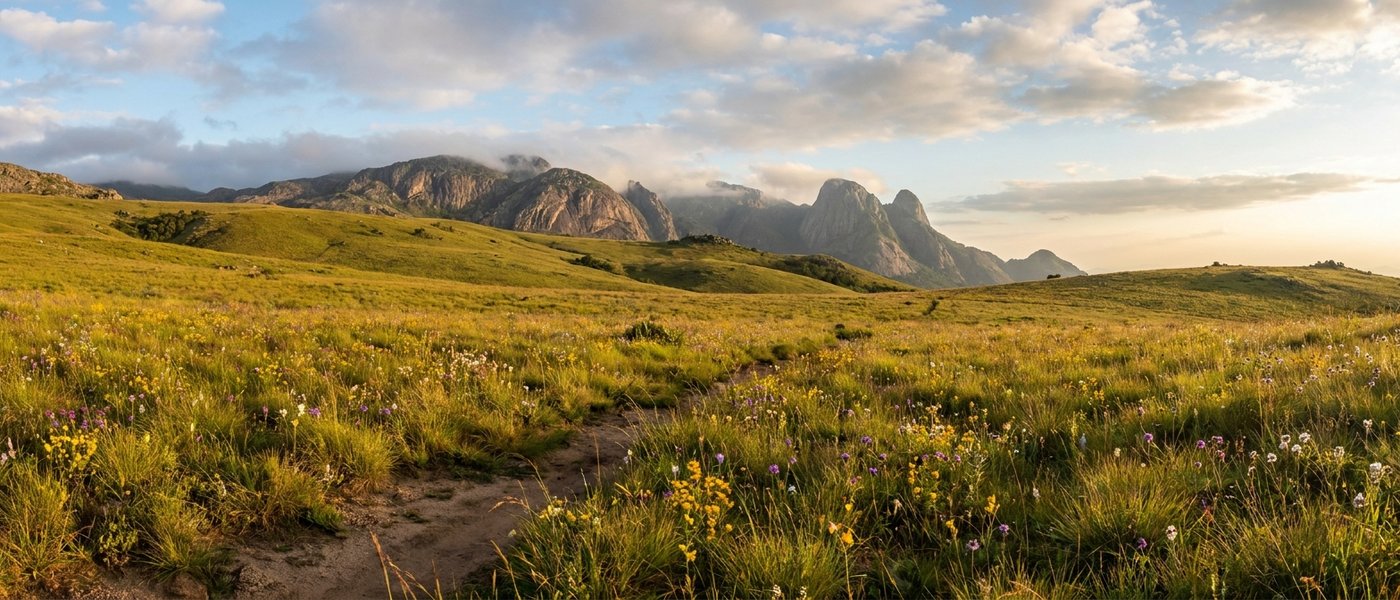
The first time I climbed up to Lichenya Plateau Mulanje, I was carrying a tea-country kitchen's idea of trail food — focaccia wrapped in muslin, a wedge of pecorino we'd been ageing in the cold room, dried mango from the trees behind the staff houses, and a thermos of bush tea sweetened with our own honey. I came down two days later convinced that no other hike in Malawi rewards the eater quite like this one. Lichenya isn't the highest plateau on Mulanje, and it isn't the most photographed. What it is, quietly, is the most edible — a 1,840-metre shelf of alpine grassland, cedar groves, and wildflower meadows where the air smells of resin and crushed herbs, and where every meal you carry up tastes about thirty percent better than it should.
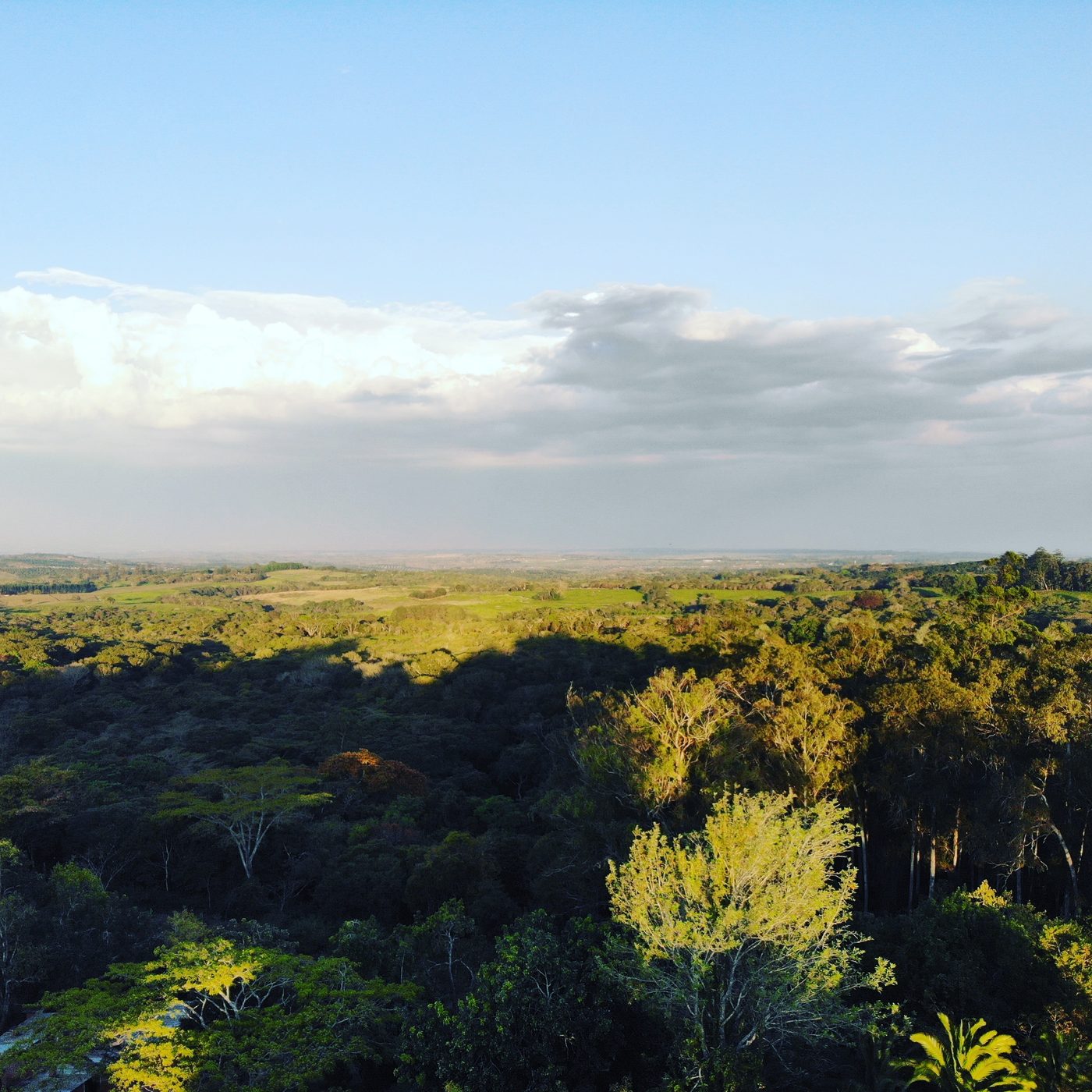
The Thyolo House is, a five-room boutique hotel on a historic property that was once part of the Conforzi Tea Estate about forty minutes by road from the Likhubula trailhead. Many visitors asking about Mulanje first think of Chambe, the dramatic granite face seen on postcards, then discover Lichenya as a quieter alternative. Chambe is theatre. Lichenya is supper. The plateau rolls instead of soaring, the huts sit in a clearing of Mulanje cedar that perfumes everything you cook, and the descent — if you time it right — drops you back at our garden table just as Flavia is plating the first course.
This guide is the one I wish someone had handed me before that first climb. It's a food-first set of trail notes — what to pack from a tea-country kitchen, what works at altitude and what collapses, which wild flavours the plateau gives you for free, and how to come down hungry enough to do justice to the table you'll find waiting. If you want the pure logistics of the overnight — pack list, route timings, hut fees, what the toilet situation is actually like — start with the Lichenya Plateau overnight guide and come back here for the eating.
What We Pack For Guests Heading Up From Thyolo House — A Tea-Country Kitchen's Trail Menu
For independently arranged Lichenya hikes, food should be planned carefully with whoever is handling the climb. The Thyolo House does not organize hikes, guides, porters, transfers, or mountain catering.
Here is an example of the kind of food that travels well on the mountain:
- Day one breakfast (eaten at the trailhead car): hard-boiled estate eggs, focaccia rubbed with garlic from the kitchen garden, a tomato cut into the bread, sea salt. Wrapped in beeswax cloth so it survives the first hour of the bamboo path.
- Day one lunch (eaten at the first stream crossing, roughly halfway up): cold frittata with wild rocket and the last of the season's chilies, two oranges, a small jar of olives. Frittata is the trail food. It doesn't crumble, it doesn't melt, and it tastes better at 1,400 metres than it does at the kitchen counter.
- Day one supper (cooked at Lichenya Hut): dry pasta, a 200ml jar of slow-cooked tomato and capers, a hunk of parmesan, fresh basil sealed in a damp tea towel inside a ziplock. Twenty minutes, one pot, no waste.
- Day two breakfast: porridge oats with milk powder, a small bag of toasted estate macadamias, dried banana, honey in a tiny screw-top jar, a sachet of Conforzi green tea.
- Trail snacks: dried mango, the macadamias again, dark chocolate that survives because Lichenya nights are properly cold.
The weight, including water for the climb, comes in under four kilograms per person. The unspoken rule we follow in the estate kitchen: pack nothing that needs refrigeration overnight, nothing that leaks, and nothing that smells loudly enough to bother the baboons. (The cedars are full of vervets near the hut, and they have opinions about Italian cheese.)
The Lichenya Hut Kitchen: What Actually Works at 2,000 Metres (and What Doesn't)
Lichenya Hut, run by the Forestry Department, is a stone and timber building with a wood-burning stove, a long communal table, and bunks for around twenty. The CCAP Cottage, fifteen minutes further into the cedars, is more comfortable — separate rooms, proper mattresses, a fully furnished kitchen — and worth the small premium if it's available. We tend to book whichever has space and let our guests pick on the day; both are charming, both leak smoke into your hair, both wake you up to grass-frost mornings that turn the meadow silver.
Here's what nobody tells you about cooking at 1,840 metres:
- Water boils at around 94°C up there. Pasta takes longer. Rice takes much longer. If you're hungry and tired, this matters more than you'd think. Plan dishes that cook below boiling — frittatas done in a covered pan, lentils that have been pre-soaked, anything that just needs to be warmed through.
- The wood stove is hot, fast, and uneven. A cast-iron pan you bring up yourself is worth its weight. The communal pots at the hut have seen everything.
- You will be cold, even in October. Soup is the dish that pays back every gram of effort. We carry a small thermos of bone broth concentrate from the estate — two teaspoons in a mug of boiled water, a torn leaf of sage, and the inside of you finally agrees with the outside.
- Salt is more important than you think. Altitude dulls flavour. The trail snacks that win are aggressively seasoned — the ones that taste slightly over-salted in ythe kitchen are the ones you'll reach for at the hut.
What doesn't work: anything precious. Don't carry the burrata. Don't carry the heritage tomato. Save those for the Tuesday-night menu when you're back at the restaurant. The plateau wants robust food — cured, dried, pickled, fermented, brined — because that's the food that can survive a 600-metre climb in a rucksack and still taste like itself.
Cedar Smoke, Tea Leaves, Wild Herbs — The Flavours You'll Only Find on the Plateau
The reason Lichenya is the most edible plateau on Mulanje isn't really what you carry up. It's what's already there. The Mulanje cedar — Widdringtonia whytei, Malawi's national tree — perfumes the cooking smoke with something between juniper and pencil shavings. Sit beside the hut stove for an hour and your jumper will smell of it for a week. We've tried for years to recreate that flavour in the estate kitchen and haven't quite managed it. You have to climb for it.
The grasslands of Lichenya Valley hold the densest concentration of wildflowers anywhere on the mountain. In the wet months — November through March — the plateau is a meadow of helichrysum (the everlasting flower, called "khundi" locally), wild orchids, red-hot pokers, and small alpine herbs that smell, when you crush them between your fingers, of thyme and mint and something I can never quite place. The MMCT-trained guides know which ones are edible. Don't experiment without one. Do ask, though — a good guide will pluck a leaf, hand it to you, and tell you which of your suppers it would suit.
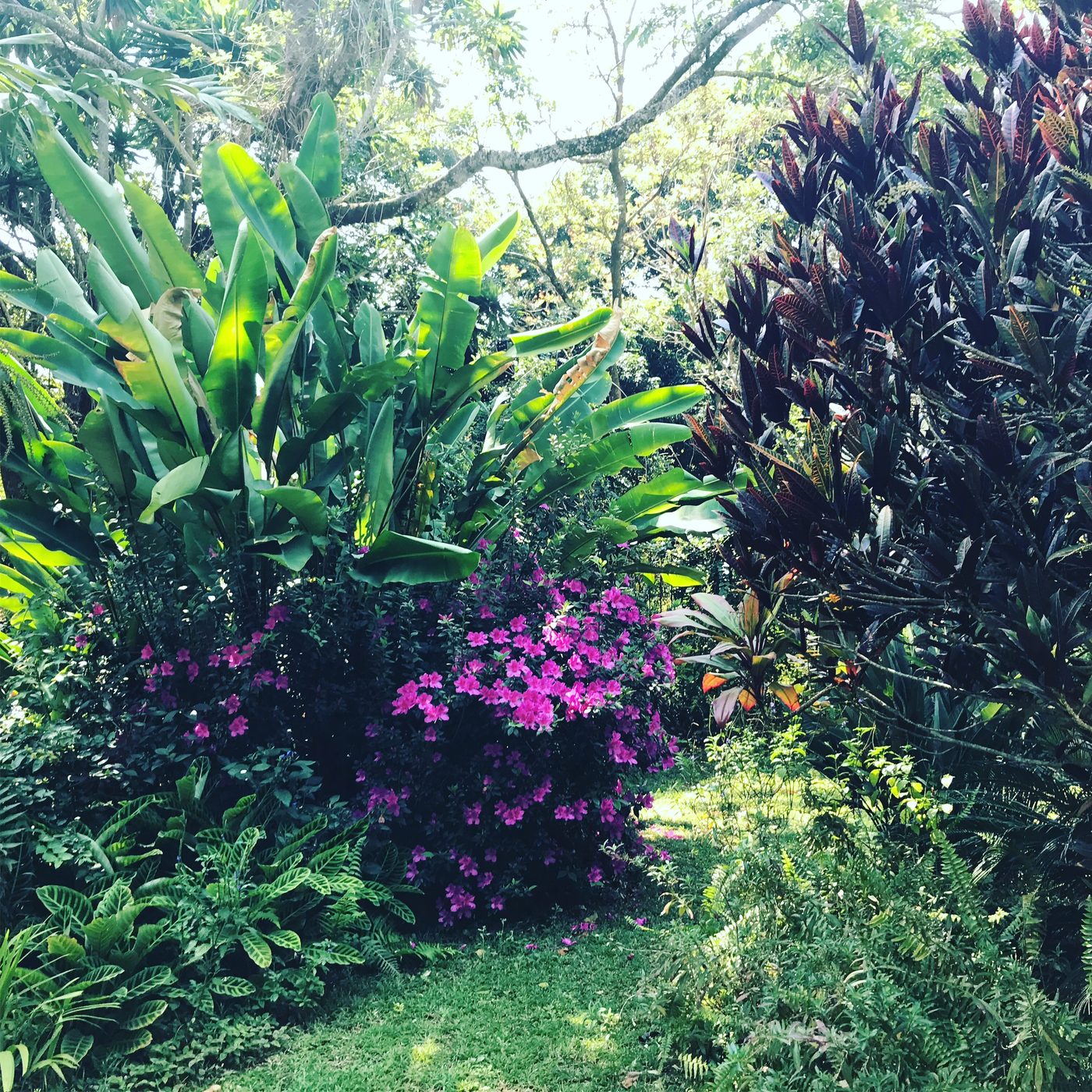
Then there's the tea-country connection. Conforzi has grown tea on these foothills since 1936, and the lowland working tea fields you pass on public roads are kin to the wild Camellia oddities you can sometimes find higher up. Tea visits, mountain logistics, guides, porters, packed supplies, and trail support must be arranged directly with the relevant providers.
The Route Up: Likhubula Forestry to Lichenya Hut, With Eating Stops
The standard ascent to Lichenya leaves from Likhubula Forestry Station, about forty minutes' drive from The Thyolo House. You park, stop at InfoMulanje — MMCT's one-stop booking office, where you'll pay your forest reserve permit and confirm your hut booking — and meet your guide. The fees move from season to season; we'd rather you got the current numbers from InfoMulanje directly than quote you a figure that's six months stale. Budget roughly $25–30 per day for a guide (covers up to ten people), and $20 per day for a porter if you're using one. Most guests use one porter between two — enough to carry the food and water and let you walk lightly.
The Bamboo Path from Nnesa village is the route I'd recommend for a first ascent to Lichenya. It rises through pineapple smallholdings — yes, you can buy a pineapple from a farmer on the way up; yes, it will be the best pineapple you've ever eaten — then climbs steep and sun-exposed for the first three hours. There's no forest cover on the lower half, which is why independent hikers should start before 7am and pack a wide-brim hat and oral rehydration salts.
Eating stops, in the order they make sense:
- Trailhead (hour 0): The focaccia and egg breakfast. Eat it before you start; you won't want it once the climb begins.
- The first stream (hour 2 to 2.5): A short break with oranges and a handful of macadamias. Refill water if Your guide says it's safe at that point.
- The forest line (hour 3 to 3.5): This is where the climb mellows and the Mulanje cedars start. Sit. Have the frittata. The view back down toward Phalombe is the one most guests photograph.
- Lichenya Hut (hour 5 to 6): You're there. Boots off, wood stove on, water for tea before you do anything else.
If you want the deeper logistics on bookings and which hut suits which kind of traveller, our Mulanje mountain huts booking guide walks through the whole network of nine Forestry cottages plus the CCAP option.
Coming Down Hungry — The 40-Minute Drive Back to a Garden-to-Table Supper
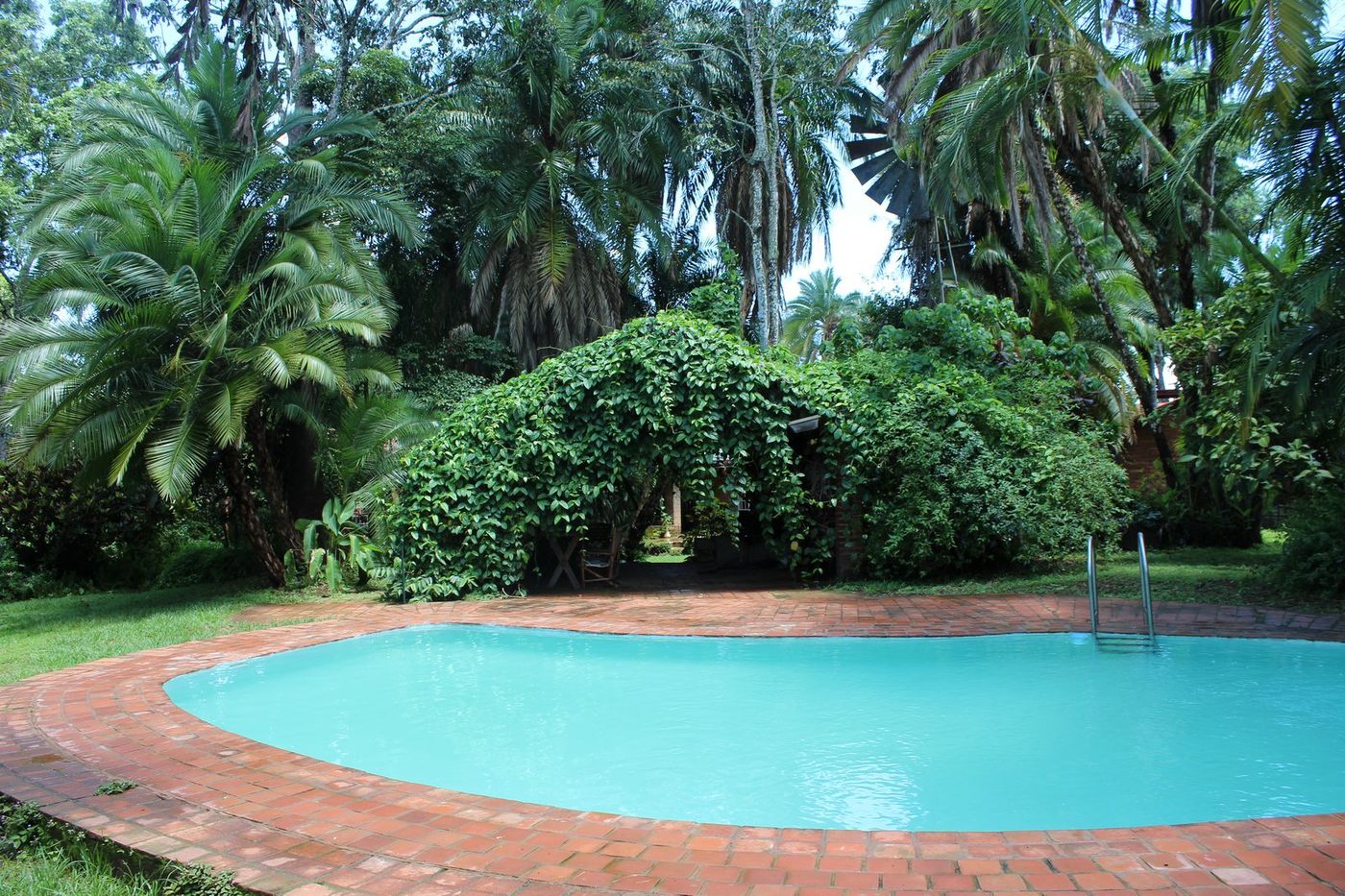
The descent from Lichenya, if you take the same route, is around four hours. We tell guests to leave the hut by 9am, which puts them back at the Likhubula car park around 1pm, back through the highlands gates by 2, and into a hot shower by 2.15. The pool is open. The garden is shaded by then. And the kitchen — this is the part I love — has been quietly cooking for them since lunchtime.
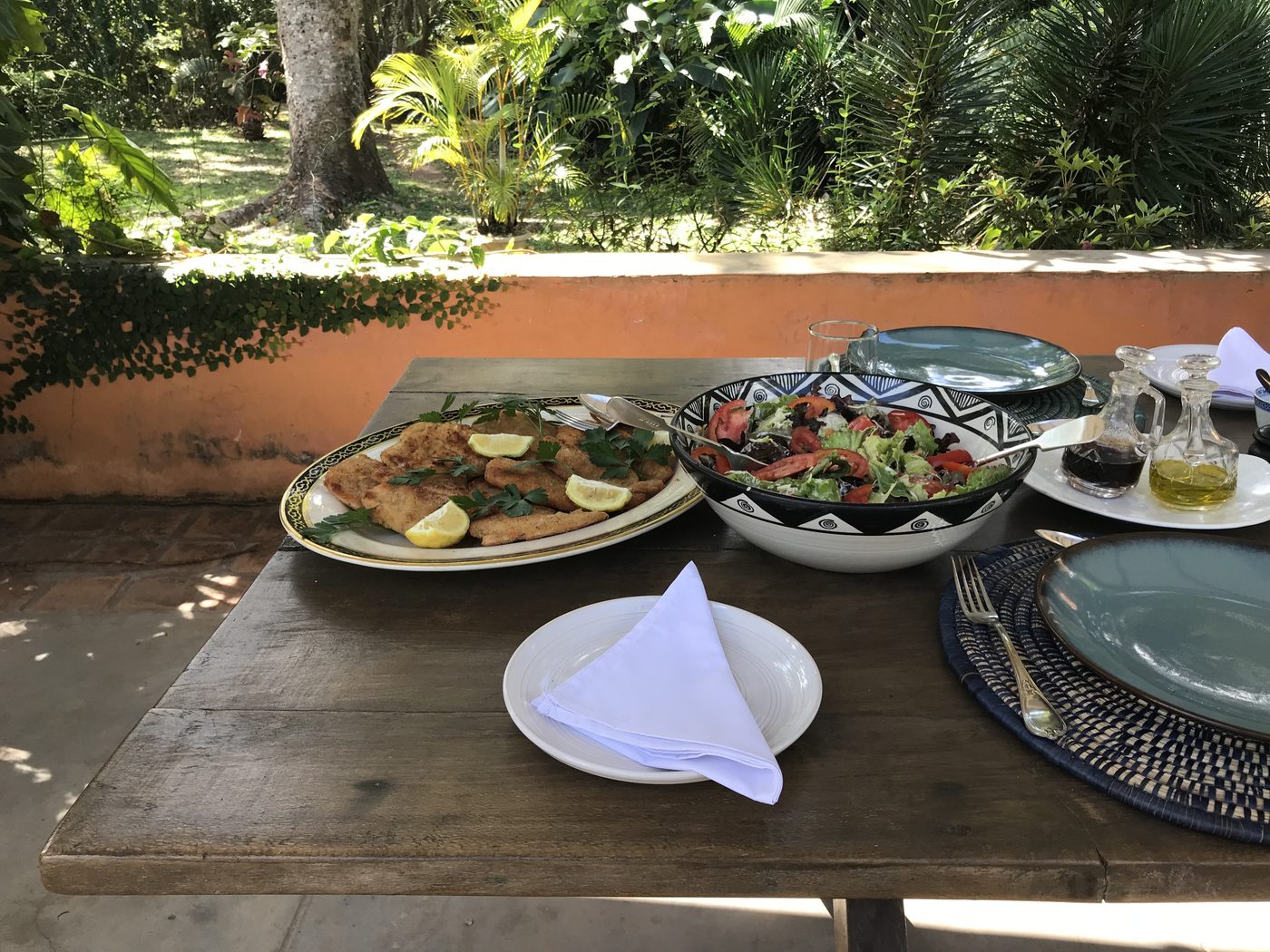
There is no meal that tastes better than the one you eat after Lichenya. The descent strips your appetite back to its bones. You want flavour, salt, fat, acid, and something green that isn't a grass blade. Flavia's Italian fusion menu, built around what the gardens gave us that morning, was almost designed for this moment. A bowl of handmade pasta with garden-grown tomato and basil. A pork chop from the smallholding two villages over, brined and grilled. A salad of leaves that were in the soil when you were on the plateau. A glass of wine that you didn't have to carry anywhere.
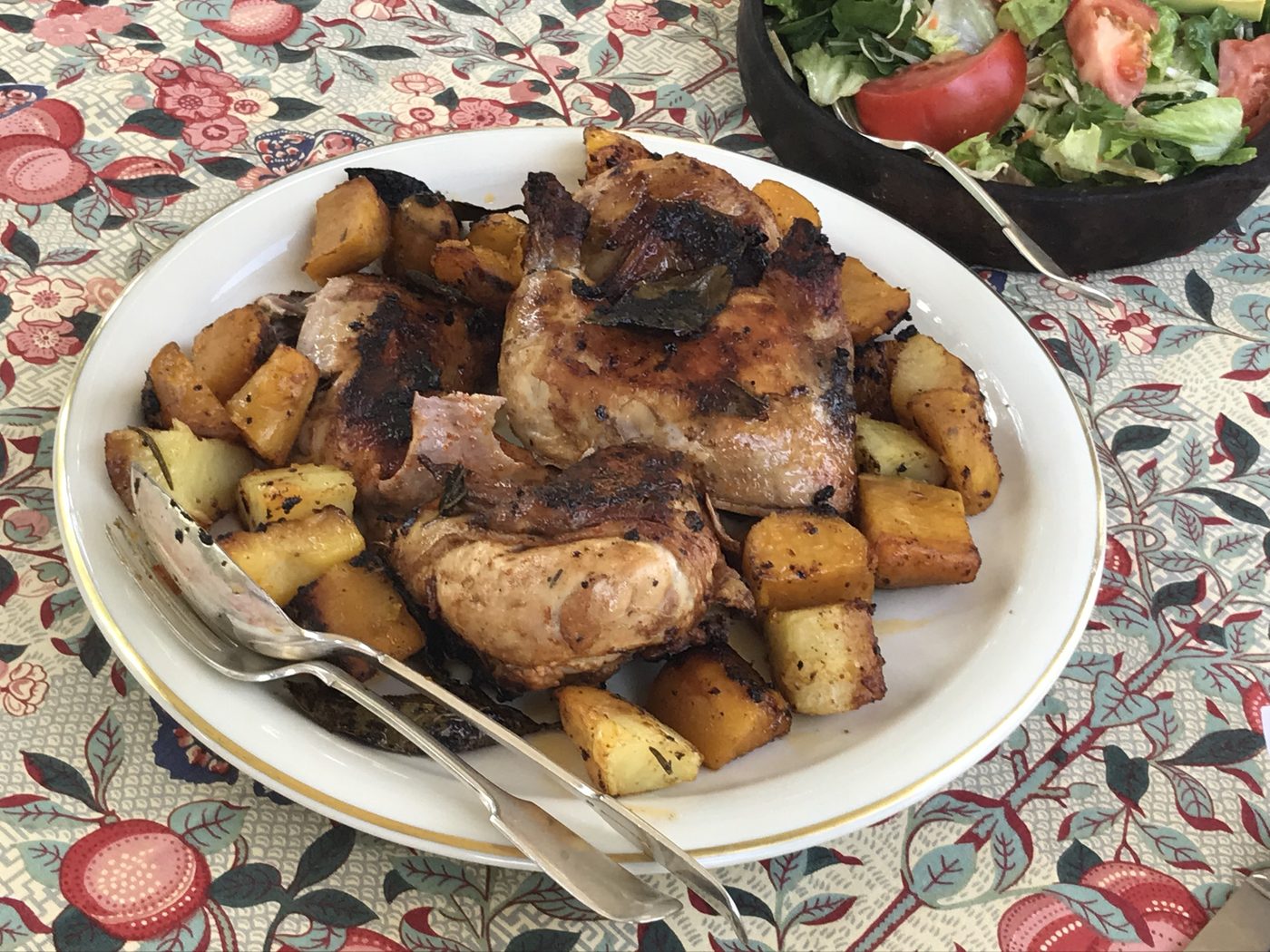
If you're curious about how Flavia builds the menu from what the region produces — and how an Italian-Malawian kitchen runs on Conforzi soil — our piece on Italian food in Malawi from a tea-country kitchen walks through the philosophy.
Best Months, Booking the Hut, and How to Reach Lichenya Plateau Mulanje From Thyolo House
The Lichenya Plateau Mulanje hiking window is, in practical terms, May through October. The cool dry months (May to August) give you crisp air, clear views, and grass-frost mornings at the hut. September and October are warmer but still dry and good for flowers. November through March is the wet season — the plateau is at its most lush, the wildflowers are extraordinary, but the climb is slippery and the views often clouded in. April is the cleanest of the shoulder months, when the rains have stopped but the green hasn't gone yet.
A note on the bigger picture: Mount Mulanje Cultural Landscape was inscribed as a UNESCO World Heritage Site in July 2025. The trails have been getting more attention since — the annual Porters' Race ran the Chambe-to-Lichenya-to-Likhubula route in July 2025, which is the best assurance you can ask for that the paths are actively maintained. There's an ongoing public debate about a proposed bauxite mine on the mountain, which MMCT has been vocal in opposing. If the topic comes up at the hut, the guides will tell you what they think; it's worth listening to.
Booking the hut: Go through InfoMulanje at Likhubula, or through one of the recognised local operators (Trek Mulanje and Mulanje Mountain Guides are the names we trust). The booking should be handled directly with InfoMulanje, MMCT, licensed guides, porters, and transport providers; The Thyolo House does not arrange mountain logistics, guides, porters, transport, or external activities.
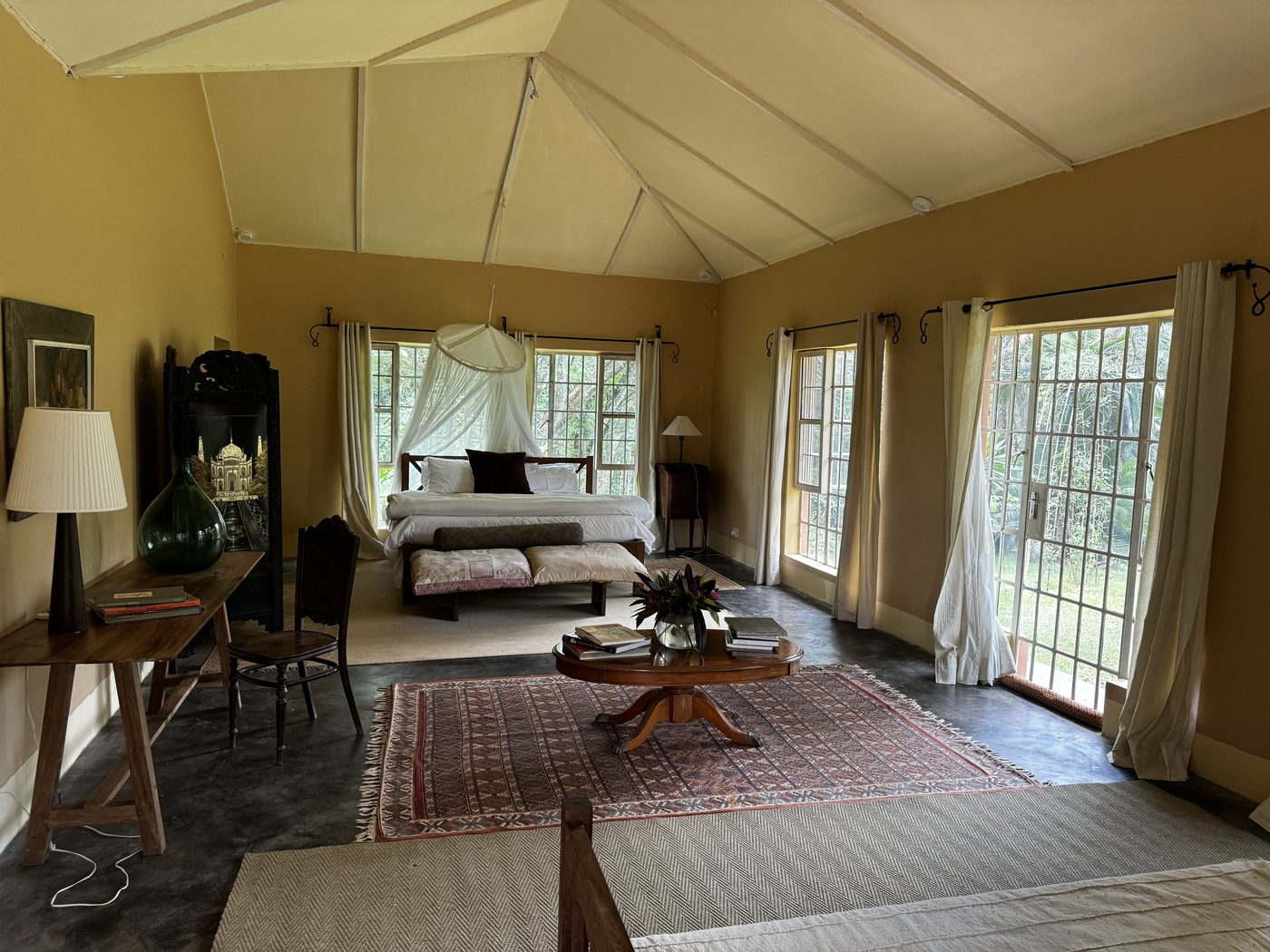
Getting to The Thyolo House from Lichenya: Likhubula Forestry to the property is about 45 kilometres — figure forty minutes on the tar road via Mulanje town. From Limbe airport you're twenty minutes from us; from Blantyre, forty. Most Lichenya guests we host book two nights at The Thyolo House — one before the climb to pack and rest, one after the climb to eat and float in the pool. A few stay three and keep the extra day quiet. Any tea-country activity must be arranged directly with the relevant estate or operator.
For Thyolo House rooms or restaurant availability before or after an independently arranged Lichenya climb, message us on WhatsApp at +265 884 202 040, or write to thethyolohouse@gmail.com. For current hut fees, guides, porter arrangements, and route planning, contact InfoMulanje, MMCT, or licensed local providers directly. The Thyolo House can confirm rooms, restaurant availability, and what the kitchen is cooking that week.
Lichenya Plateau Mulanje is the kind of hike that rewards eaters. Come hungry, climb slowly, and let the cedars and the tea and the garden do the rest.