/ By The Thyolo House
Likabula Falls Malawi: A Complete Visitor's Guide for 2026
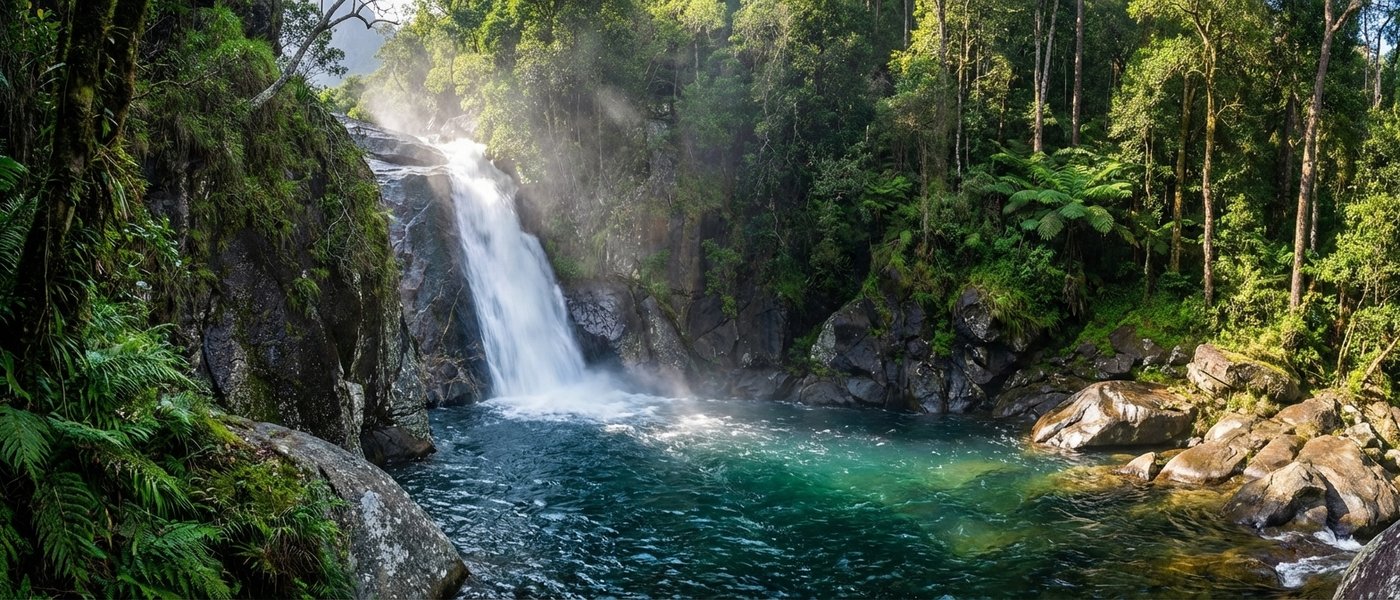
There is a sound you hear before you see it. Somewhere ahead, past the boulders and the river-polished stones, past the canopy of indigenous trees that filters the highland sun into shifting columns of green light, the water is falling. You have been walking for about an hour along the Likhubula River gorge, the trail narrowing as the valley walls close in, and now the air is cooler, the mist thicker, and the roar unmistakable. Then the forest opens and there it is — Likabula Falls Malawi, a curtain of white water crashing into a deep, clear pool at the foot of Mount Mulanje, one of southern Africa's most dramatic mountains and a UNESCO World Heritage Site since July 2025.
Likhubula Falls — the local spelling you will see on signs and maps — is the kind of place that rewards the traveller willing to leave the main road. There is no visitor centre, no gift shop, no cafe at the trailhead. What there is: a forested gorge, a river carving its path through granite, a waterfall with a swimming pool at its base that locals call Dziwe la Nkhalamba — the Pool of the Old People — and a trail that takes about three hours round trip from the Likhubula park gate. If you are looking for a nature experience in Malawi that feels earned rather than packaged, this is it.
The Trail: What to Expect on the Hike
The walk begins at the Likhubula park gate, the main western access point for Mount Mulanje. The trail is approximately 8 kilometres round trip and follows the Likhubula River upstream through a gorge that grows progressively more dramatic.
Forest, Gorge, and Falls
The first section is gentle — tall indigenous trees draped in mosses, dappled light, the path crossing the river at several points via boulders and stepping stones. Bird calls echo off the valley walls. If you are quiet, you might catch the flash of a Livingstone's turaco or the call of a Green-headed Oriole, one of the specialty birds that draws birders to this mountain from across the continent.
After roughly 45 minutes, the trail enters the gorge proper. Valley walls narrow, boulders grow larger, and the path becomes less defined. You pick your way over rocks, following the sound of water upstream. Not technically difficult, but it demands attention — rocks are uneven and can be slippery after rain. Good footwear is essential.
The Swimming Pool
Then you arrive. The main falls drop into a large, deep pool — genuinely deep, the water a dark blue-green even at the edges. Boulders of various sizes surround it, some flat enough to spread a towel on. This is Dziwe la Nkhalamba, and swimming here is one of the best things you can do in southern Malawi. The water is cold — bracingly so — but after an hour of hiking through a humid gorge, the shock is precisely what you need.
Beyond the main falls, a short scramble upstream brings you to a secondary, smaller waterfall with its own pool — quieter, more secluded, and often empty even when the main pool has other visitors. Worth the extra five minutes of boulder-hopping.
The Legend of Dziwe la Nkhalamba
The name means "Pool of the Old People" in Chichewa, and it carries a story that local guides will tell you — sometimes without being asked. The legend speaks of a mysterious old woman who would appear at the pool and pull unsuspecting swimmers into the water. Some versions say she was a spirit guardian of the mountain; others describe her as an ancestor watching over the falls.
Mount Mulanje has always been sacred to the communities around its base, and the falls are one of its most potent spiritual sites. Whether you take the legend literally or simply appreciate the cultural depth, knowing the story changes how you experience the pool. You swim a little more respectfully.
Mount Mulanje: The UNESCO World Heritage Backdrop
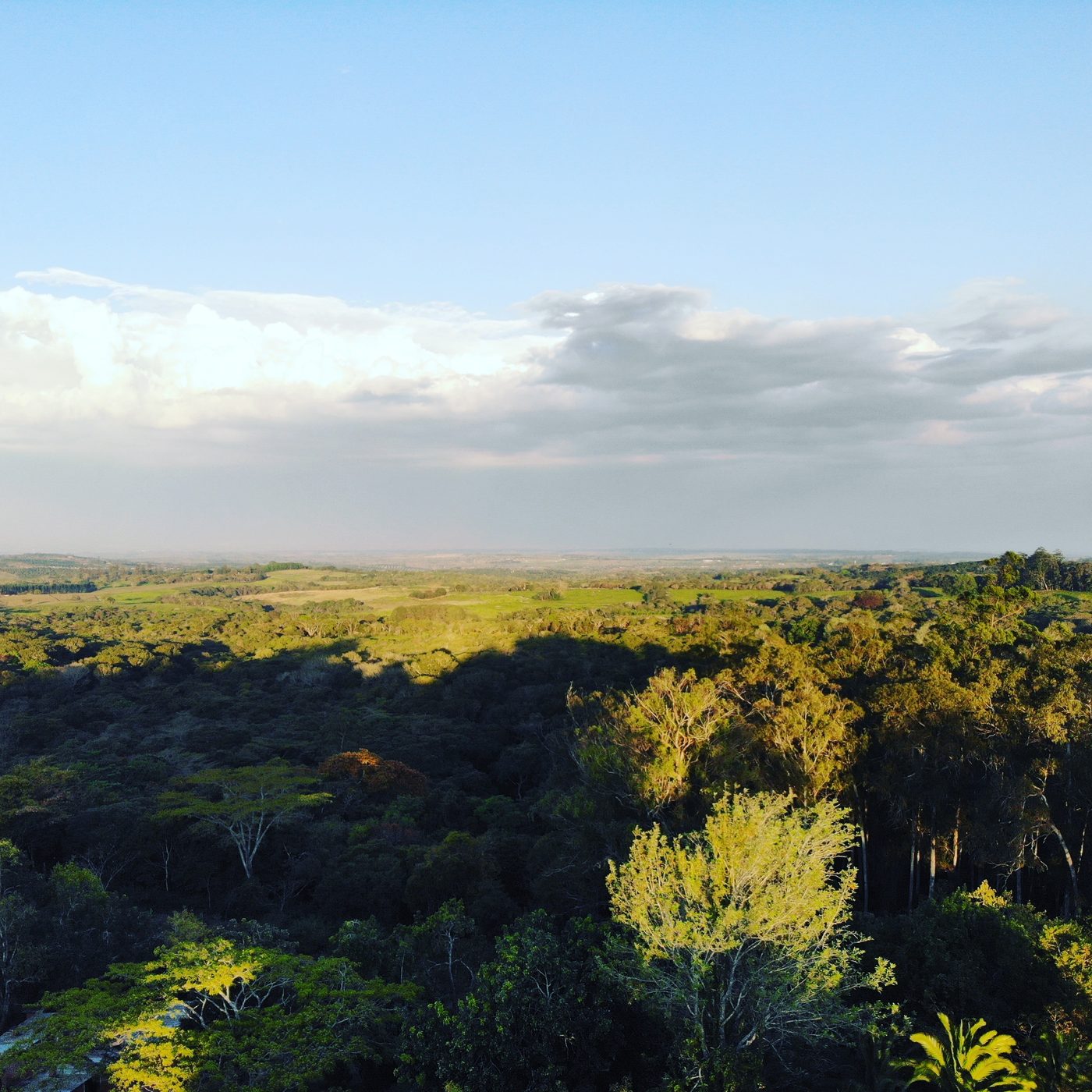
It is impossible to talk about likabula falls malawi without talking about the mountain. Mount Mulanje is a massive granite inselberg rising to 3,002 metres at Sapitwa Peak. In July 2025, it was inscribed on the UNESCO World Heritage List for its outstanding geological, ecological, and cultural value.
The massif supports ecosystems found nowhere else on earth, including the Mulanje Cedar (Widdringtonia whytei) — Malawi's national tree and one of the most critically endangered conifers on the planet. The Mount Mulanje Conservation Trust (MMCT) manages the trails and entry gates, including the path to the falls. The UNESCO designation is bringing new attention to this corner of Malawi, but for now the falls remain uncrowded. That will not last forever.
Practical Information: Fees, Guides, and Entry
Entry fees are approximately MK 3,000 for foreign visitors and MK 500 for Malawian residents, paid at the Likhubula park gate. Carry cash in kwacha — there are no card facilities.
Local guides can be hired at the gate. For the falls trail, a guide is recommended but not required — the path is reasonably well-defined. But a guide adds context — the plants, the birds, the stories — and fees are modest. If you plan to continue beyond the falls to the higher trails and mountain huts, a guide becomes essential.
The trail is moderate difficulty: easy forest walking followed by boulder-hopping in the gorge. Suitable for reasonably fit adults and older children.
How to Get There
From Blantyre
The drive takes approximately 1.5 hours. Take the M2 southeast through Limbe and the Thyolo highlands toward Mulanje town. Before town, turn off at the signpost for Likhubula. The final stretch is graded dirt — passable in a standard vehicle in the dry season, though higher clearance helps. A 4x4 is advisable in the rains.
From The Thyolo House
The drive from The Thyolo House to the park gate is approximately 30 minutes, making Likabula Falls Malawi one of the easiest half-day excursions from our doorstep. We can provide directions or help arrange transport.
From Lilongwe
Approximately 350 kilometres. Most visitors fly into Chileka Airport near Blantyre and drive from there (five to six hours on the M1). There is no direct public transport to the park gate — you will need a private vehicle, hired driver, or taxi from Mulanje town.
What to Bring
- Sturdy shoes with grip — hiking boots or trail shoes. Flip-flops are a recipe for a bad time on wet boulders.
- Swimsuit and a quick-dry towel — the pool is too good to skip.
- At least 1.5 litres of water — no drinking water on the trail.
- Sunscreen, hat, and a light rain jacket — the mountain makes its own weather.
- Snacks or a packed lunch — a picnic on the boulders beside the falls is an underrated pleasure.
- Cash in Malawian kwacha — for entry fees and guide fees.
- Binoculars — the Green-headed Oriole, Thyolo Alethe, and Livingstone's turaco are all possible along this trail.
- A dry bag — for your phone during river crossings.
Best Time to Visit
Dry season (May to October) is the most comfortable: clear skies, dry trails, easy river crossings, mild temperatures of 15 to 25 degrees. The falls carry less water but the pool stays full and swimmable.
Rainy season (November to April) brings the falls to their most dramatic — thundering water, lush forest, wildflowers on the mountain slopes. But trails are slippery, river crossings can become dangerous after heavy rain, and the gorge may be partially submerged. Go with a guide and be prepared to turn back.
The sweet spot is May and November — the transitional months when the falls still carry good volume but trails are manageable. May mornings are crisp, golden, and the forest is still lush from the rains.
Where to Stay: The Thyolo House as Your Base
Accommodation near the Likhubula gate is limited to basic lodges and a campsite. For a stay that matches the quality of what you have just experienced on the trail, The Thyolo House on the historic Conforzi Tea Estate is the natural choice — roughly 30 minutes from the falls.
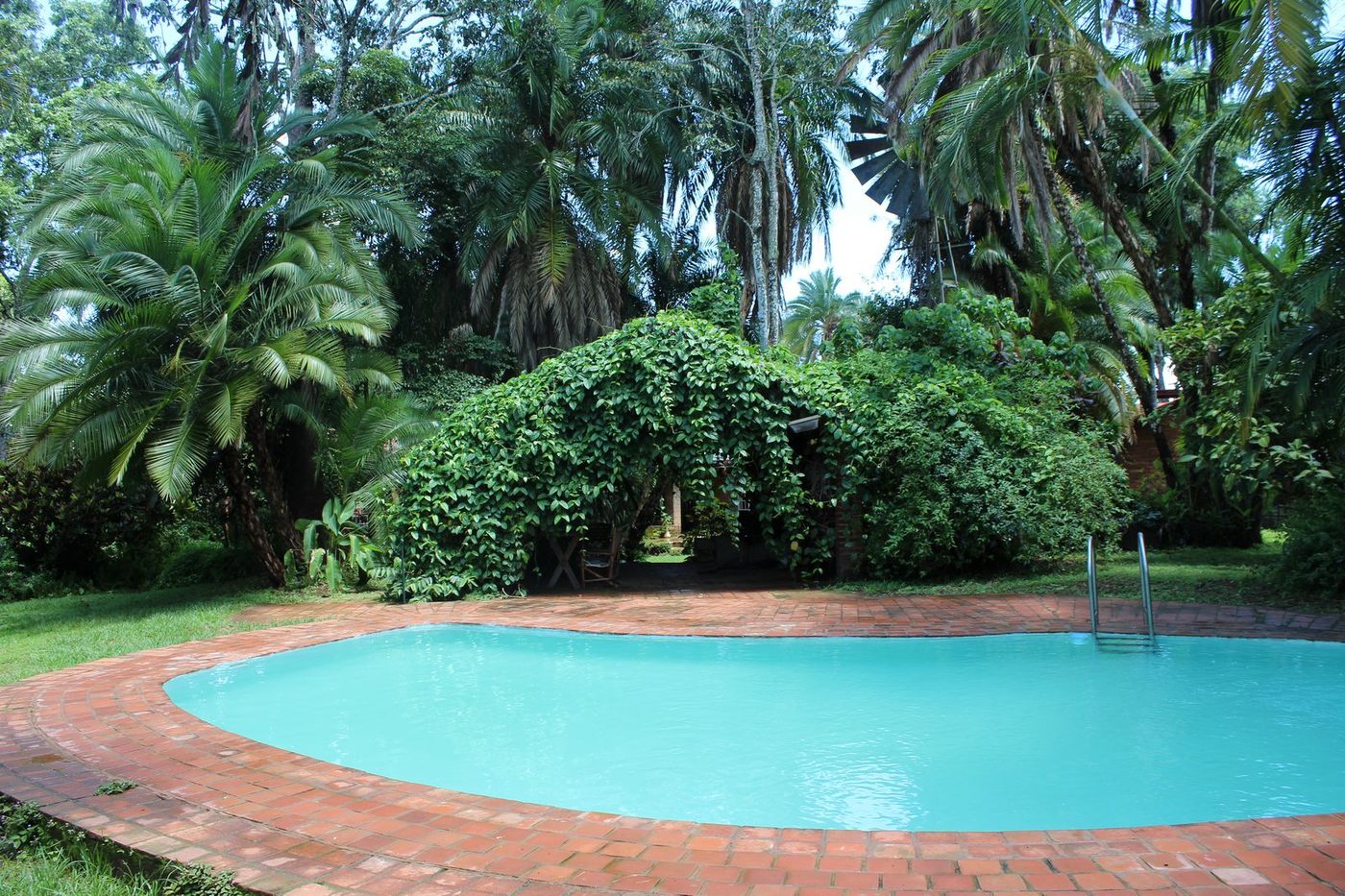
Five boutique rooms in a century-old farmhouse, surrounded by tea gardens and indigenous forest. A swimming pool for when you have had enough of cold mountain water. Flavia Conforzi's Italian-Malawian kitchen, where dinner after a day at the falls is worth looking forward to all afternoon. And tea plantation walks right from the door for days when you want to explore without driving.
The rhythm works beautifully: stay at The Thyolo House, drive to the falls in the morning, hike and swim, return for a late lunch and the pool. Adventure and comfort, same day.
Sample Itinerary: Two Days in the Highlands
Day 1: The Falls
Morning: Drive to the Likhubula park gate (30 minutes). Hire a guide, begin the hike. Allow 1.5 hours for the walk in.
Midday: Swim in Dziwe la Nkhalamba. Explore the secondary falls. Picnic on the boulders.
Afternoon: Hike back. Stop at Mulanje market for macadamia nuts and local fruit. Return to The Thyolo House for dinner on the veranda.
Day 2: Tea Country and Birding
Morning: Walk the tea plantation trails from The Thyolo House. Visit a tea estate — Satemwa, Lujeri, or Conforzi — for a factory tour and tasting.
Afternoon: Forest birding for the critically endangered Thyolo Alethe, or drive to the Zomba Plateau (1.5 hours) for a different highland landscape. With a third day, consider the Sapitwa Peak trail or the Chambe Plateau — see our complete guide to Mulanje hikes for details.
Plan Your Visit
Likabula falls malawi is one of those places that stays with you — the sound of water in the gorge, the cold shock of the pool, the forest light filtering through the canopy, the sense of having found something most visitors never discover. It is not a long hike and not a difficult one, but it is deeply rewarding.
If you want a comfortable base in the highlands, The Thyolo House is 30 minutes from the trailhead. We can arrange transport, recommend guides, pack you a lunch, and have a cold drink waiting when you return.
Message us on WhatsApp or email thethyolohouse@gmail.com to start planning. The mountain is waiting. The pool is cold. The pasta is handmade. Come.