/ By The Thyolo House
Malamulo Hospital Malawi: A Visiting Doctor's Guide to Thyolo
A journal from a boutique lodge in the Thyolo highlands. These are notes from our corner of Malawi — places we love, walks we've done ourselves, operators we've watched do good work. The mountain treks, tea-estate tours, and day trips are all run by independent operators in Malawi; book those directly with them. Come stay with us before or after — we'll do the room, the meal, and the quiet.
For visiting doctors, residents, and medical volunteers heading to southern Malawi, Malamulo Hospital Malawi is often the first destination on a long, winding road through the tea hills of Thyolo District. Set in the village of Makwasa, the hospital has been part of Malawi's medical landscape since 1915 — a Seventh-day Adventist mission hospital that has grown into one of the most respected referral and teaching centres in the south. If you're arriving for a clinical rotation, a surgical residency placement, or a short volunteer stint, this practical guide walks you through what to expect on the wards, how to get there, where to live, and how to spend your time off in one of the most beautiful corners of the country.
Malamulo Hospital Malawi at a Glance: History, Mission & Setting
Malamulo Mission was founded in 1902 as the first Seventh-day Adventist base in what was then Nyasaland, and the hospital itself traces its medical work to 1915, when American hydrotherapist Irene Fourie opened a small clinic for the surrounding villages. A turning point came in 1925 with the arrival of South African physician Dr. Carl Birkenstock, under whom Malamulo became a regional leprosarium — at that time one of the most significant centres for leprosy treatment in central Africa. By 1953 it had developed into a full referral hospital, and today, more than a century after the first patients walked through its gates, Malamulo Adventist Hospital serves around 5,000 clients per month from a roughly 270-bed campus.
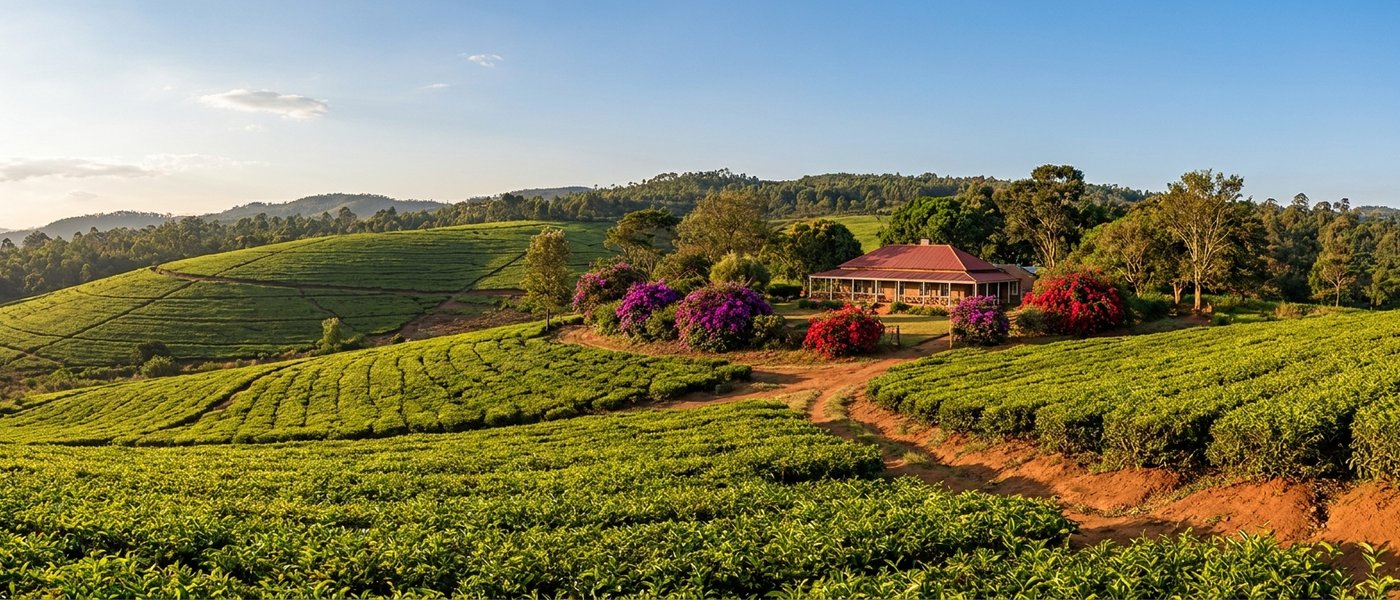
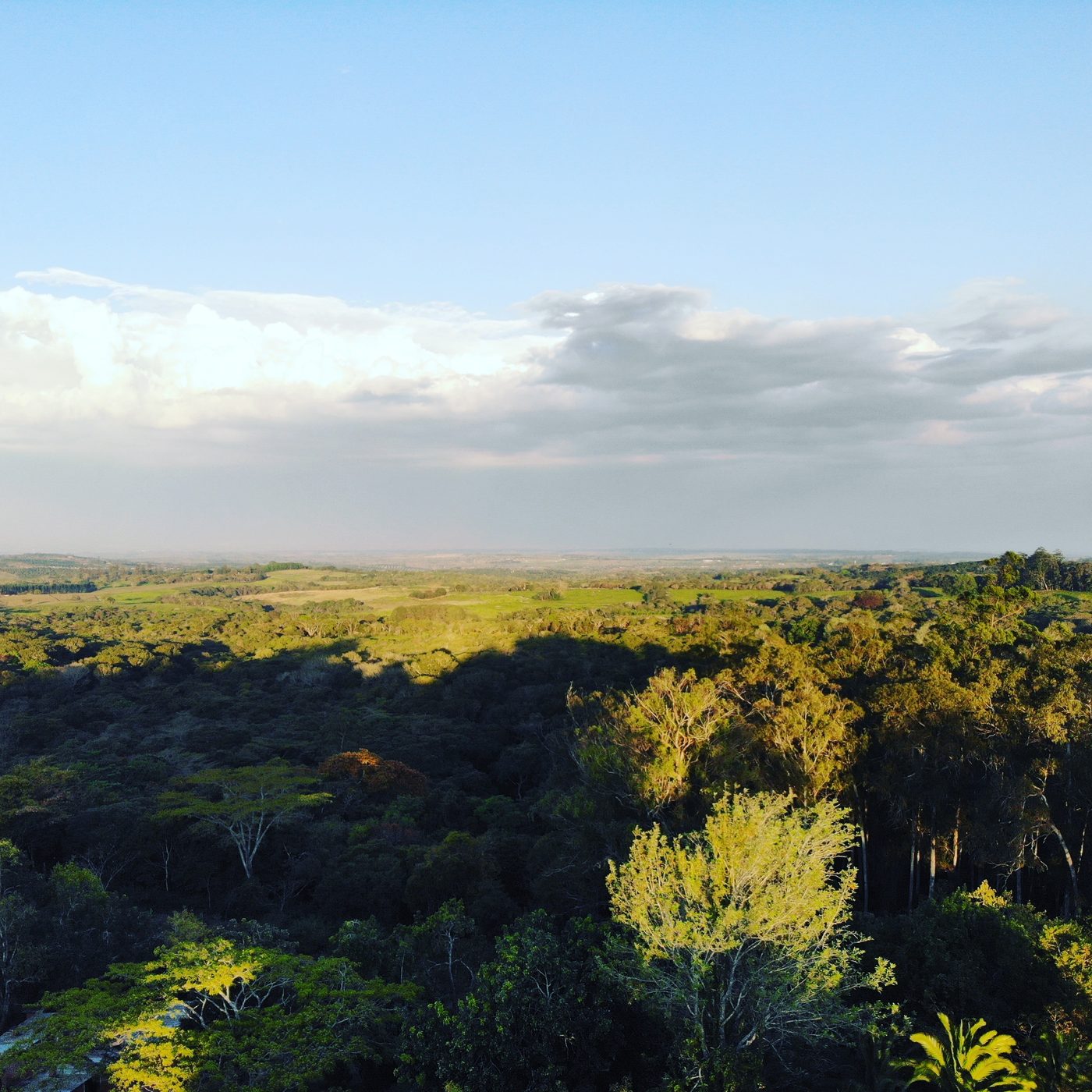
The hospital sits on a wide green campus in Makwasa, surrounded by tea estates, smallholder farms, and the rolling, often misty terrain of the Thyolo highlands. The Malamulo College of Health Sciences (MCHS), a constituent college of Malawi Adventist University, shares the same campus and trains nurses, clinical officers, laboratory technicians, and other health professionals — meaning teaching, mentorship, and ward rounds with students are woven into the daily rhythm.
The ethos at Malamulo Hospital Malawi is unmistakably mission-oriented. Sabbath (Saturday) is observed across the campus, the cafeteria is largely vegetarian, and morning worship often opens the working day. None of this is required of visiting clinicians, but understanding the rhythm helps you settle in.
What Visiting Doctors and Residents Can Expect on the Wards
Clinicians arriving at Malamulo will find a hospital that punches above its rural weight. The departments cover general medicine, surgery, obstetrics and gynaecology, paediatrics, maternity, dental services, and a busy outpatient department. HIV and TB care, malnutrition treatment, antenatal care, family planning, cervical cancer screening, and palliative care all run as established programmes.
The surgical service is particularly notable. Malamulo is a recognised training site for the Pan-African Academy of Christian Surgeons (PAACS), hosting full-time surgical residents working towards a regionally accredited surgical qualification. It also runs an ACGME-approved two-month rotation for PGY-4 surgical residents from Loma Linda University in California — meaning that on any given month you may find a mixed team of Malawian, American, and other international surgeons operating side by side.
What this looks like in practice for a visiting doctor:
- Broad case mix: from advanced infectious disease and obstetric emergencies to general surgery, orthopaedics, and chronic disease management.
- Resource constraints: diagnostic imaging is limited to ultrasound and X-ray on site. CT, dialysis, and chemotherapy require referral to Blantyre, about an hour away.
- Teaching-heavy environment: students from MCHS rotate through almost every ward, and visiting senior clinicians are warmly welcomed into mentoring roles.
- Procurement pressure: the 2025 USAID funding withdrawal hit Malawi's health sector hard, and Malamulo, like every hospital in the country, has felt the squeeze on basic supplies. A K2.5 billion donation of equipment in November 2025 — wheelchairs, hospital beds, mattresses, and theatre equipment, coordinated by The Patriots International and partners — eased the pressure considerably, but resourcefulness remains essential.
For a wider perspective on how clinical placements in Malawi are typically structured, our guide to volunteering in Malawi covers visa, ethical, and practical considerations across medical, conservation, and teaching placements.
Getting to Malamulo: Flights, Roads & the Drive from Blantyre
Most international visitors fly into Malawi via Chileka International Airport (BLZ) in Blantyre — not Lilongwe. Chileka is the gateway to the Southern Region and sits roughly 90 minutes by road from Makwasa. Flying into the capital, Lilongwe, adds a five-to-six-hour overland transfer and is best avoided unless your routing requires it.
From Blantyre, the drive to Malamulo Hospital Malawi takes about an hour, depending on traffic through Limbe. The route runs south on the M2 toward Thyolo town, then turns off through the tea estates toward Makwasa. The road is sealed and in reasonably good condition, but slow trucks, pedestrians, cyclists, and unmarked speed bumps mean you should never plan to travel at night. If yThe Thyolo Housement is being arranged through PAACS, Loma Linda, or directly with the hospital, airport pickup is usually offered or easy to organise.
Practical pointers for the journey:
- Carry small denominations of Malawian Kwacha for tolls, snacks, or roadside fruit.
- Mobile signal is generally available across the route; Airtel and TNM are the main networks.
- If you're driving yourself, fuel up in Limbe or Thyolo town — petrol stations between estates can be unreliable.
Living in Makwasa: Accommodation On-Campus and What's Nearby
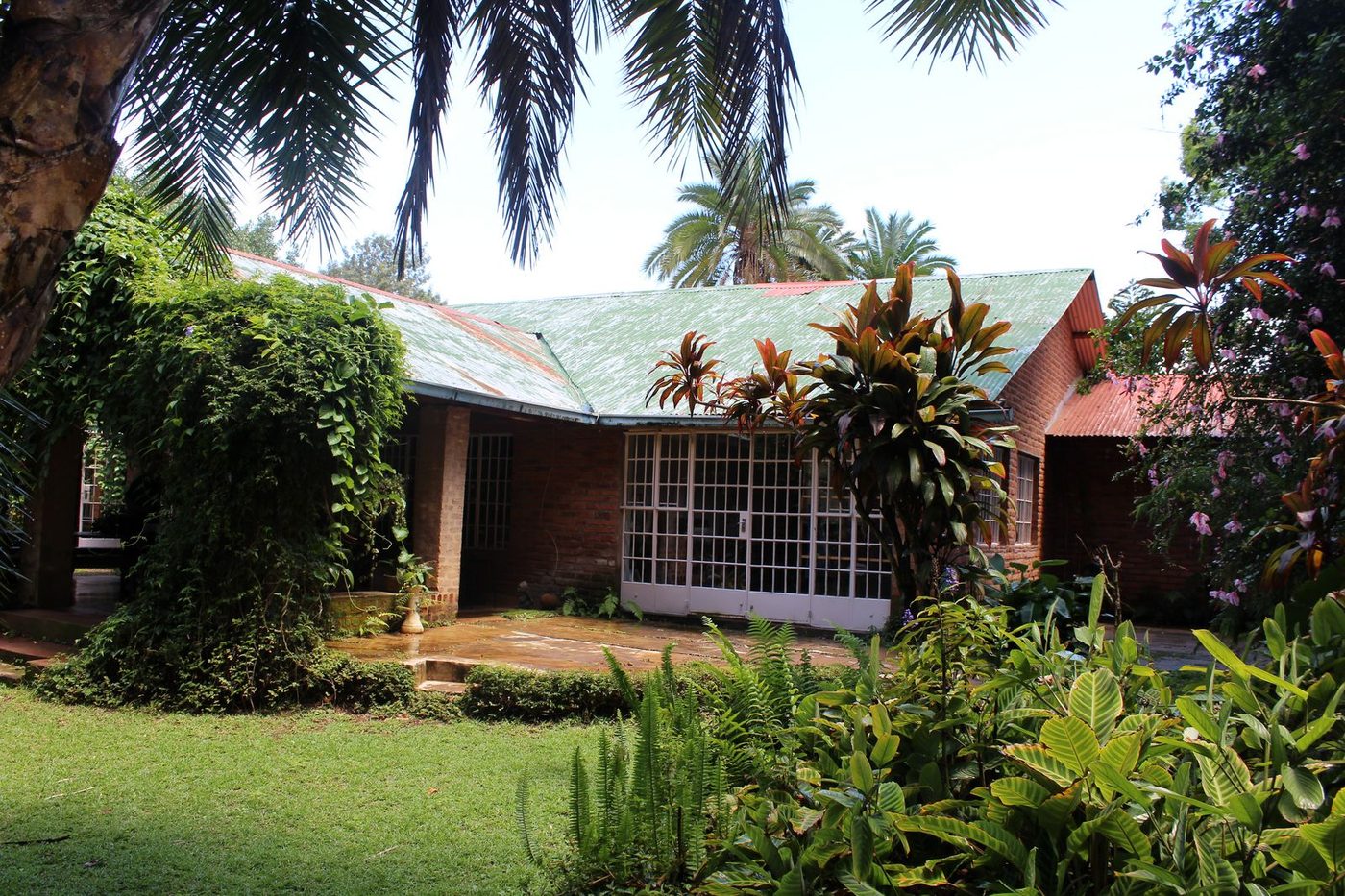
Most visiting doctors and residents stay in the Malamulo guest houses on or near the hospital campus. These are simple, clean, mission-style accommodations with kitchens, hot water, and the basics you need for a short or extended placement. The on-campus food culture is largely vegetarian, alcohol-free, and quiet — perfectly comfortable for a working week, but it does shape the social rhythm.
To arrange guest house accommodation directly with the hospital, the coordinator is Memory Katsoka (+265 99 457 6641 / +265 88 44 8687). For longer-term, family, or off-campus stays, many visiting clinicians look for somewhere within an easy weekend drive that offers a different pace — somewhere to read, swim, eat properly, and decompress.
That's where Thyolo's small but excellent hospitality scene comes in. The Thyolo Highlands, just 20 minutes from Malamulo by road, is home to The Thyolo House — a boutique hotel and restaurant run by Italian-Malawian artist Flavia Conforzi. With only five rooms set among bougainvillea gardens, indigenous forest, and tea plantations, it's the kind of place where visiting medical teams quietly book a Saturday night to remember they have a life outside the wards.
Weekends Off — A 20-Minute Drive to The Thyolo House for Dinner and Rest
One of the great quiet pleasures of a Malamulo placement is the discovery that, after a long week of ward rounds and surgical lists, dinner at a proper Italian-fusion restaurant is just a short drive away. The Thyolo House sits on a historic property that was once part of the Conforzi Tea Estate, which has been in the Conforzi family since the 1930s. The restaurant uses ingredients grown in the house gardens — herbs, tomatoes, leafy greens, citrus — alongside Malawian beef, fish from Lake Malawi, and home-style Italian cooking the family has refined over decades.
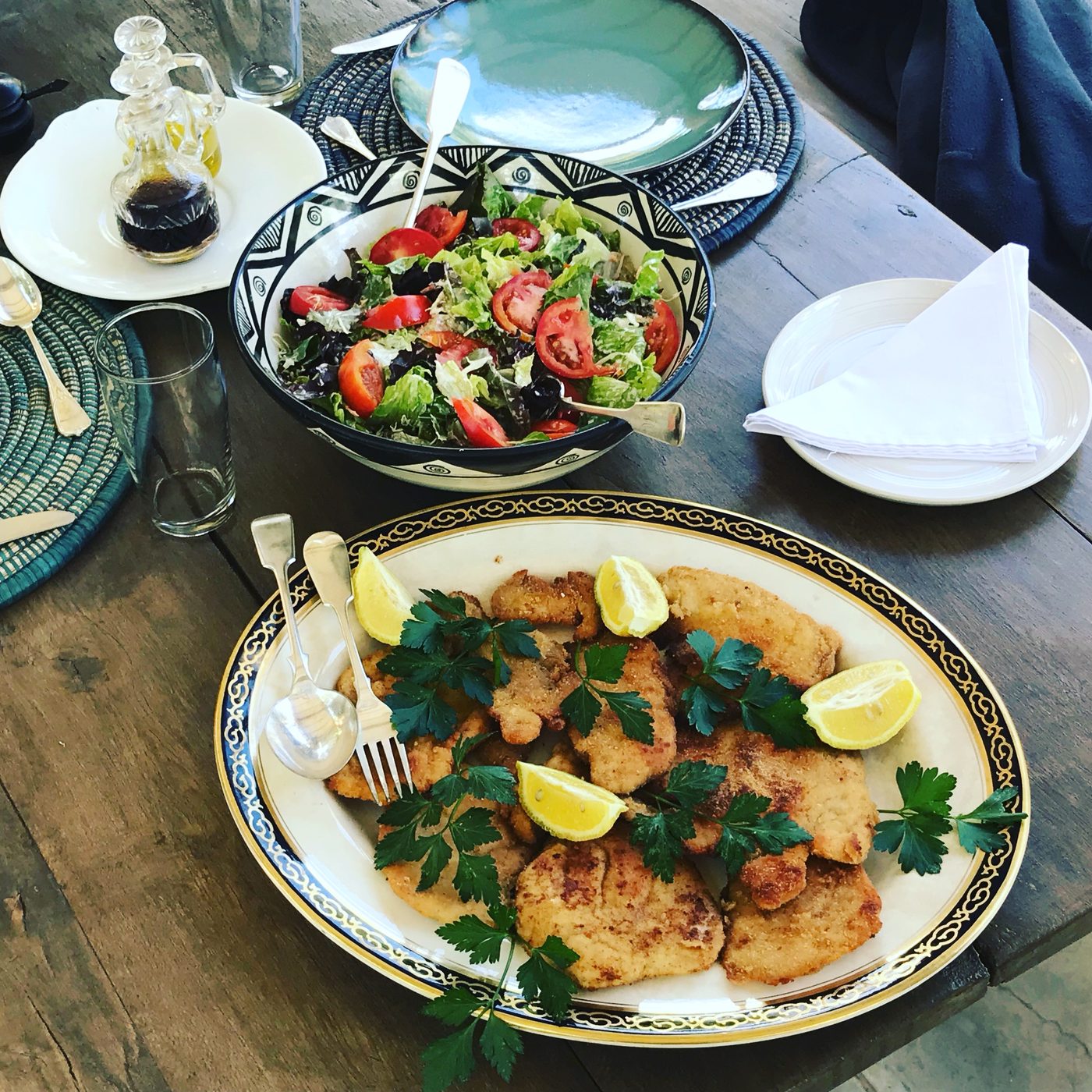
For visiting clinicians, the value isn't just the food — it's the change of pace. After a week of Sabbath observance, vegetarian cafeteria meals, and the constant low hum of mission-campus life, a glass of South African red and a plate of slow-braised pork or fresh handmade pasta is a quietly therapeutic thing. Our restaurant dining guide covers the menu and what to expect across the seasons.
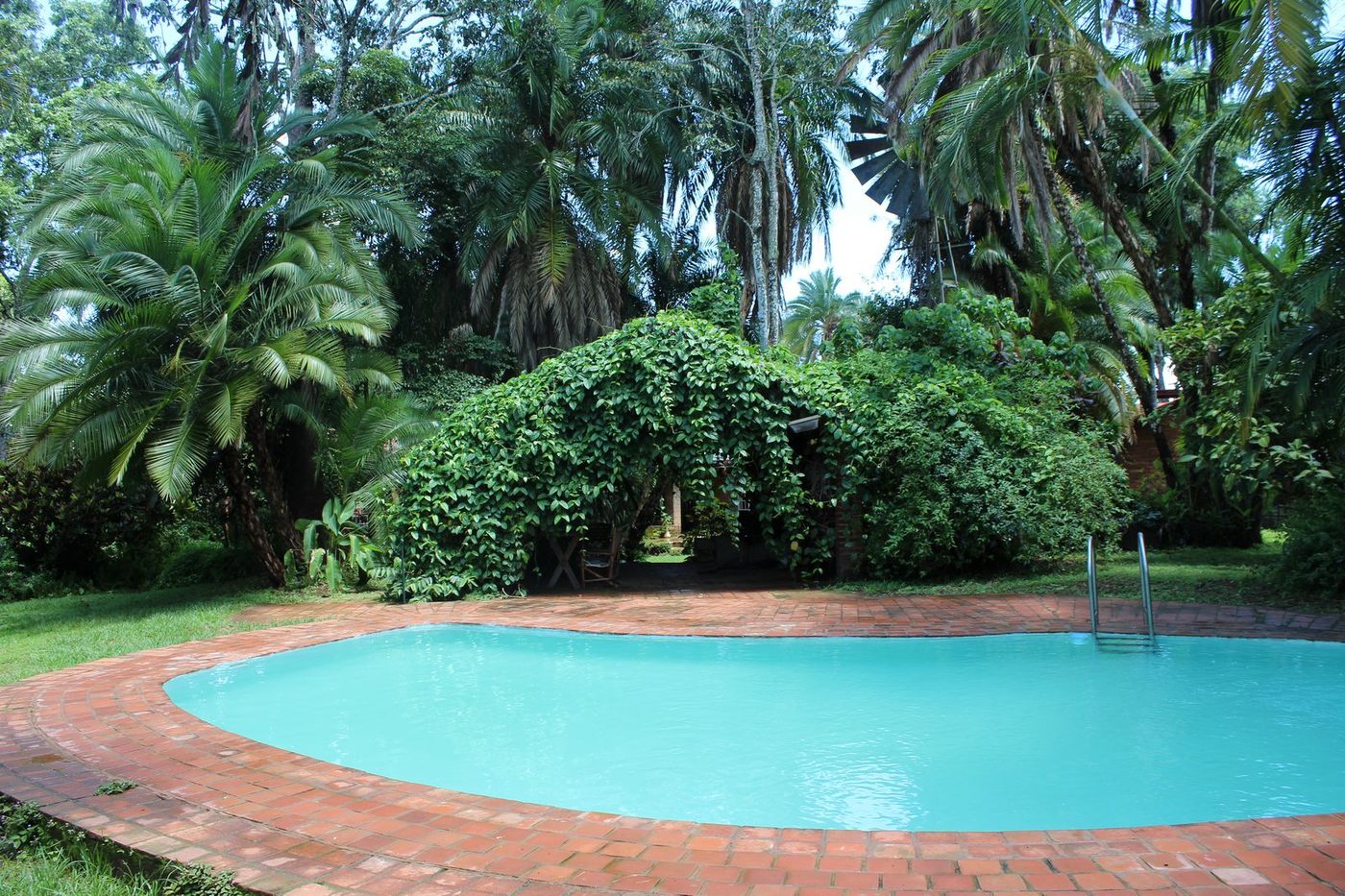
For couples, families, or solo doctors who want to actually sleep in on Sunday morning, the boutique rooms are also available — five rooms ranging from the Pool Cottage to the Heritage Suite, all shaped by Flavia's eye as a working artist. The pool, the garden paths and highland setting, and the long, slow breakfasts on the verandah are usually what people remember most. Our weekend escape guide walks through how a typical two-night stay tends to unfold.
Things to Do in Thyolo District on Your Days Off
Beyond a quiet meal or a weekend stay, Thyolo District genuinely rewards exploration. The landscape is shaped by tea — endless, deeply green plantations climbing the slopes — and by pockets of indigenous Afromontane forest that hide some of southern Africa's rarest birds. Realistic options for a Saturday or Sunday off:
- Tea country walks: the Thyolo highlands offers garden time, often led by long-serving local staff who can explain how tea is grown, plucked, and processed.
- Birdwatching in indigenous forest: Thyolo's surviving forest patches are home to the critically endangered Thyolo alethe, the green-headed oriole, and a long list of montane species.
- Mount Mulanje: roughly 90 minutes east, Mulanje Massif rises dramatically from the plains and offers anything from a half-day picnic at Likhubula to multi-day hut hikes for those with extended time off.
- Lake Malawi: about four hours' drive north — a stretch for a single weekend, but a brilliant longer-break destination if you have a public holiday attached.
- Art workshops at The Thyolo House: Flavia occasionally runs small painting and printmaking sessions for guests, and her studio is part of what makes the property unusual.
Practical Tips: Currency, Connectivity, Health & Safety for Medical Visitors
Malawi is generally welcoming and safe for international medical visitors, but a handful of practical points will save you time and frustration:
- Currency: the Malawian Kwacha (MWK) is the local currency. ATMs in Limbe and Blantyre are reliable; carry a Visa card as your primary, with Mastercard as backup. USD cash is useful for larger purchases — bring crisp, recent notes.
- Connectivity: SIM cards from Airtel or TNM are cheap and easy to buy at the airport with a passport. Data is the cheapest reliable form of communication; WhatsApp is the default messaging app for almost every business and contact in the country.
- Health precautions: Malawi is a malaria-endemic country. Bring prophylaxis, use repellent, and sleep under a treated net. Yellow fever vaccination certificates are required if arriving from a yellow-fever endemic country.
- Power: outages occur. Most hospital and hotel facilities have generators or solar backup, but a power bank and a reliable headlamp are worth their weight.
- Driving: Malawians drive on the left. Roads are generally fine in daylight and difficult after dark — never drive between towns at night if you can avoid it.
- Sabbath: the entire Malamulo campus observes Saturday Sabbath. Plan errands, shopping, and travel logistics accordingly.
Planning a Longer Stay or a Family Visit
Longer placements at Malamulo Hospital Malawi — three months, six months, or a full surgical residency rotation — change what you need from your time off. The visiting doctors and residents who thrive tend to do three things well: they build a steady rhythm with the hospital community on weekdays, they get out into Thyolo's landscape regularly, and they pick one or two restful places they can return to whenever the work gets heavy.
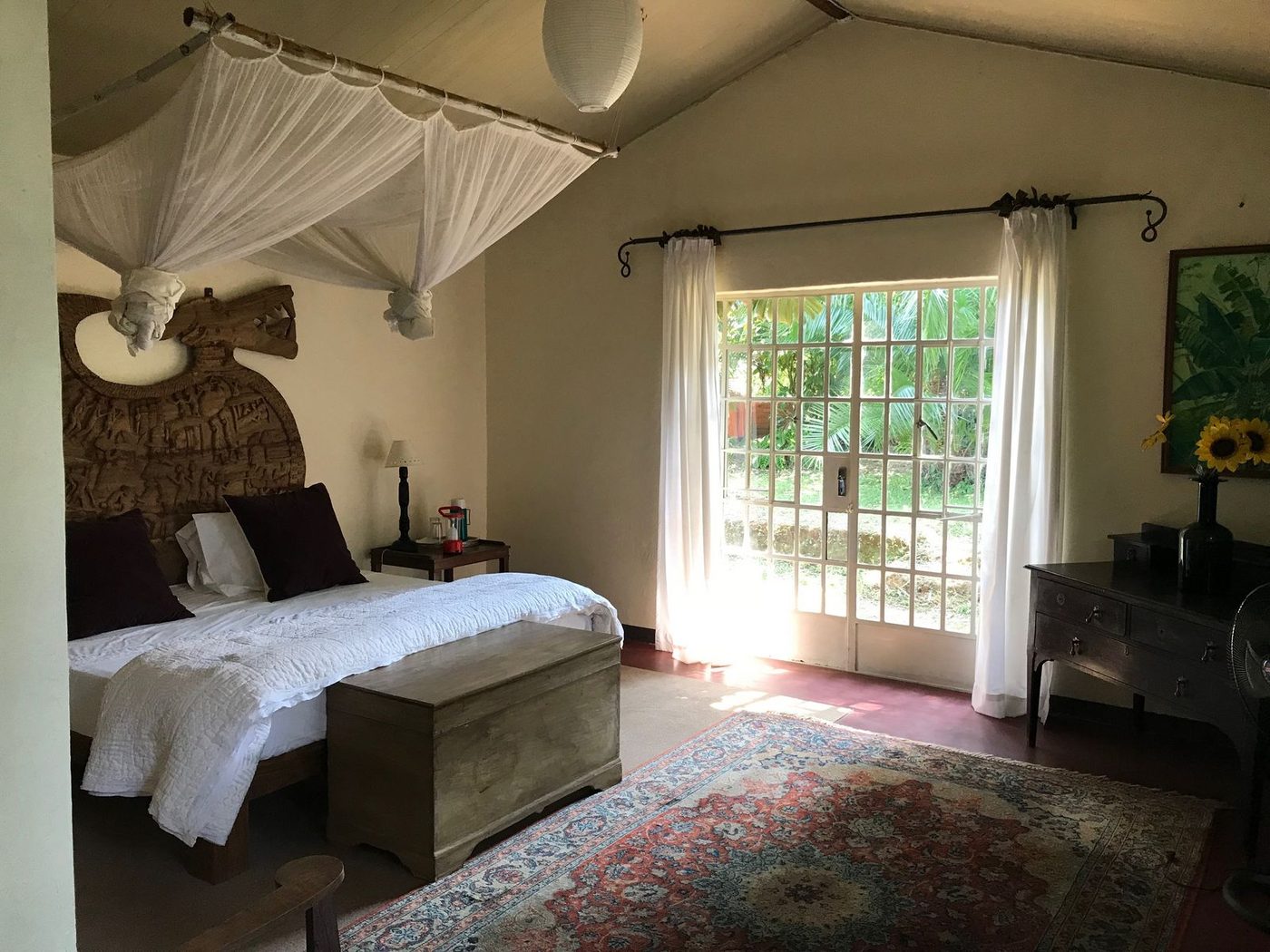
If you're arriving with a partner or with children, off-campus accommodation tends to make the difference between an enjoyable stay and a stretched one. Families have used The Thyolo House as a weekend base, a place to host visiting parents, or simply somewhere to bring a tired colleague after a particularly hard week. We can confirm longer bookings, multi-room arrangements, or quiet weekday stays during the slower months.
For administrative and clinical questions about the hospital itself, the most direct contacts are Hospital Administrator Austin Dice (+265 99 238 0079) and the Malamulo College of Health Sciences registrar (+265 999 730 136, registrar@mchs.adventist.org). For accommodation enquiries about The Thyolo House — whether for a single Saturday dinner or a longer rotation-end stay — you can message us on WhatsApp or email thethyolohouse@gmail.com, and we can confirm room, restaurant, pool, garden, and on-site availability. External transport, guides, trips, and activities should be arranged directly with the relevant providers.
Malamulo has shaped the lives of hundreds of visiting clinicians over the past century, and the work continues. Thyolo District, with its tea hills, highland forests, and small but warm hospitality scene, has a way of looking after the people who come to look after others. We hope to see you on a quiet Saturday evening, when the wards have settled, the road from Makwasa is clear, and the bougainvillea is in flower.