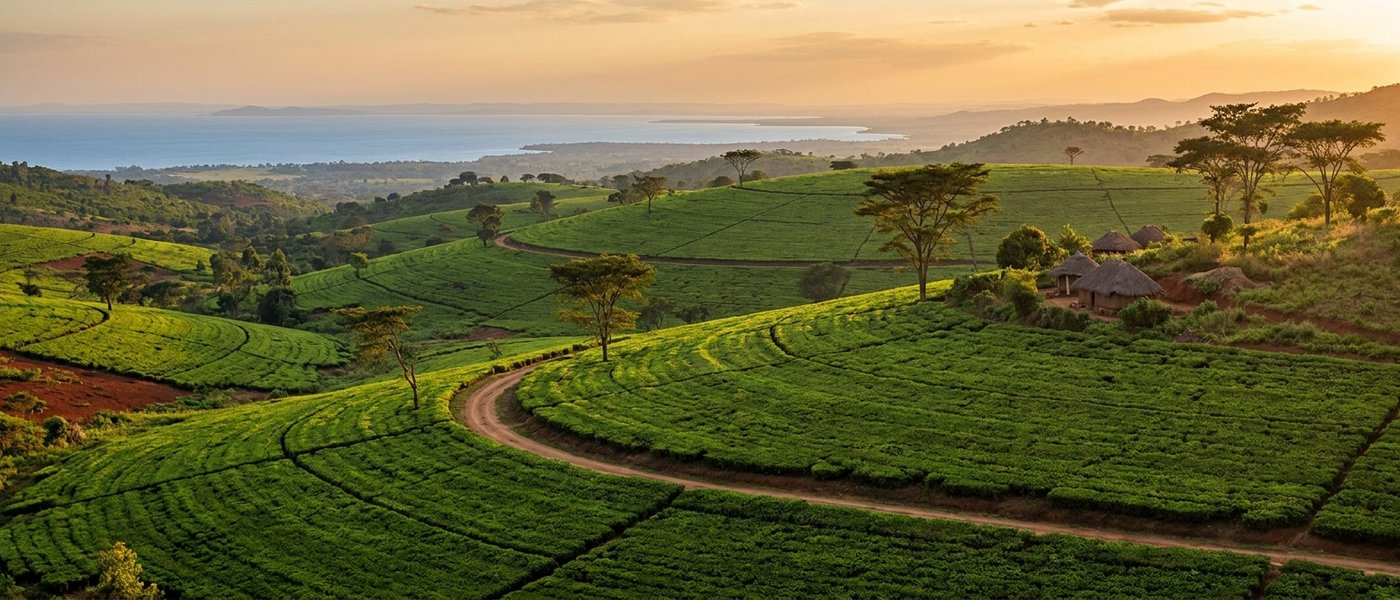
/ By The Thyolo House
NGOs Malawi: A Southern Region Guide for Aid Workers
A journal from a boutique lodge in the Thyolo highlands. These are notes from our corner of Malawi — places we love, walks we've done ourselves, operators we've watched do good work. The mountain treks, tea-estate tours, and day trips are all run by independent operators in Malawi; book those directly with them. Come stay with us before or after — we'll do the room, the meal, and the quiet.
For the thousands of development professionals, humanitarian workers, and field consultants posted to Malawi each year, the southern region is both workplace and waiting room — the place where the actual programmes run, and the place you retreat to when the week has taken more out of you than you expected. This guide is written for NGOs in Malawi operating in or visiting the Southern Region: where to base yourself, where the decent coffee is, and where to send a visiting board member so they leave with a favourable impression of the country and a genuine understanding of what your team is up against.
Malawi punches above its weight in the non-profit sector. The country hosts hundreds of organisations registered with the NGO Regulatory Authority of Malawi (NGORA), from global names like UNICEF, WFP and Concern Worldwide to locally-founded outfits such as the Chipembere Community Development Organization in Thyolo and ArtGlo's Tiyambe Project running theatre-for-development work across Thyolo and Mulanje. If you're new to the country, start by confirming any partner or prospective employer is on the NGORA register at ngora.mw — and cross-reference against NGOBase, NGO Explorer, or GlobalGiving's Malawi directory before committing to anything.
Why Southern Malawi Is the Country's NGO Heartland
Lilongwe may be the capital, but the south is where the implementation happens. Blantyre is the commercial hub; the districts of Thyolo, Mulanje, Phalombe, Chiradzulu, Chikwawa, Nsanje and Zomba contain most of the country's rural poverty indicators, its tea and sugar estates, the fragile Mulanje and Thyolo forest ecosystems, and the climate-vulnerable Lower Shire floodplain. If your logframe mentions smallholder agriculture, girls' education, climate resilience, GBV programming, nutrition, or WASH, you will almost certainly spend time in this quadrant of the country.
A quick map of who does what in the south:
- Chipembere Community Development Organization (CCDO) — Thyolo-based, youth-led, founded in 2006, headquartered at Bvumbwe Trading Centre. GBV, girls' education, and child marriage. A Girls Not Brides partner.
- ArtGlo — Art & Global Health Center Africa — runs the Tiyambe Project across Thyolo and Mulanje, training local actors to lead community dialogues on GBV, early marriage and school dropout.
- Green Malata Entrepreneurial Village (The Children's Fund of Malawi) — vocational training village just outside Luchenza on the M2, about 75 minutes from Blantyre. Over 920 graduates since 2014 in trades from welding to hospitality. Open Monday to Saturday and genuinely welcomes visitors.
- Mulanje Mountain Conservation Trust (MMCT) — the endowment trust managing biodiversity, forest co-management and environmental education on Mulanje. Originally seeded by the Global Environment Facility through the World Bank; IUCN member.
- Msuwadzi Tea Association — smallholder tea cooperative in Thyolo district running youth entrepreneurship programming, profiled by UN Malawi.
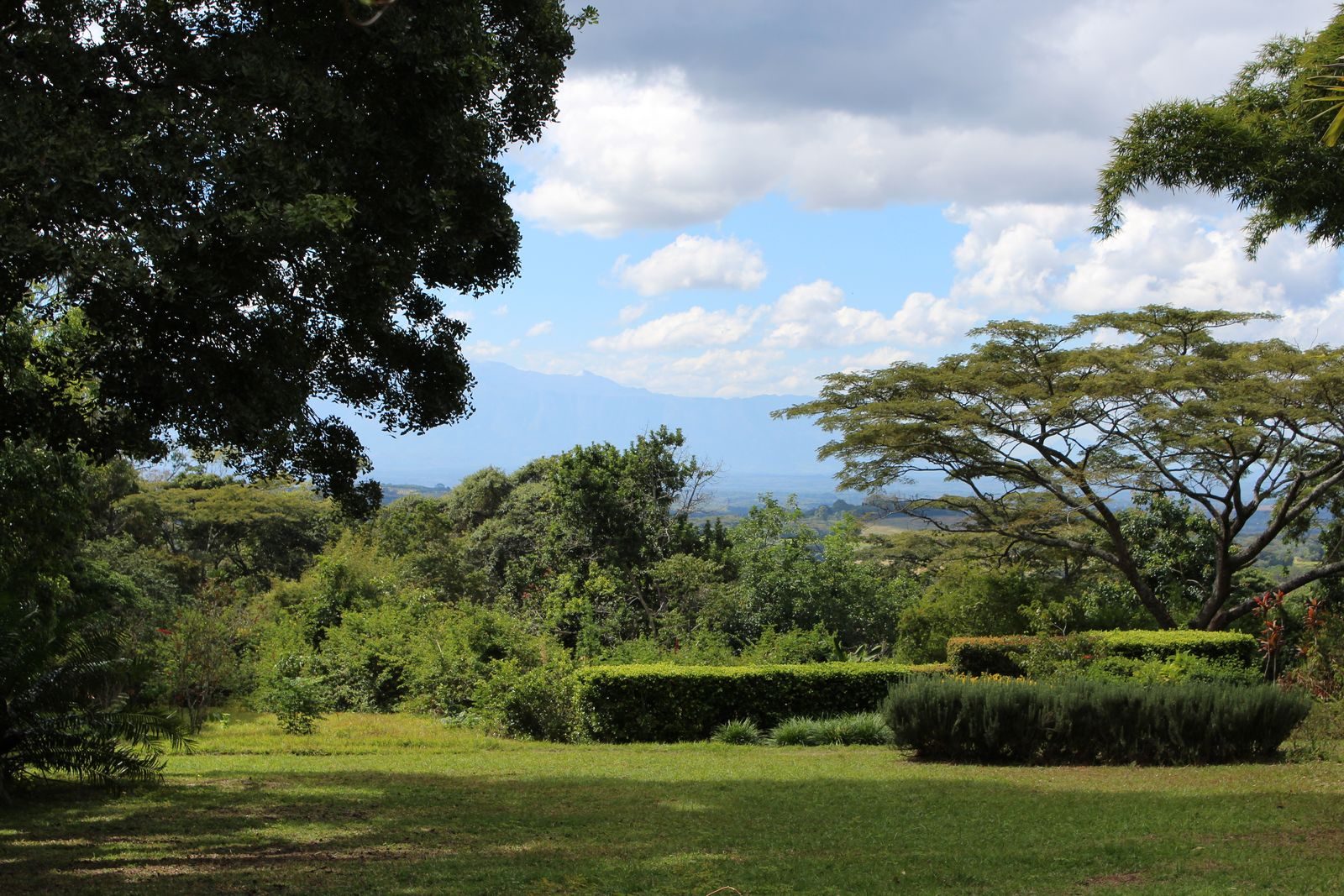
The Reality of Living and Working for NGOs in Malawi
If you're researching NGOs in Malawi from an office in Nairobi, Geneva or Washington, here's the on-the-ground reality nobody puts in the country briefing pack. Blantyre has reliable ATMs and passable supermarkets. Fibre internet works but load-shedding is a fact of life — invest in a solar inverter for your house and a good power bank for the field. Fuel shortages come in waves; never let your tank drop below half. The road network in the south is genuinely decent on the main trunk roads (M1, M2, M3) but district roads degrade fast in the rainy season (December to April).
Expect field days that start at 5am for a 7am community entry and don't end until a 200km drive home in the dark. Expect the quarterly grant-reporting cycle to eat entire weekends. Expect to fall in love with the country and then, periodically, find it infuriating. The people who last here build deliberate routines for recovery — a Saturday at the pool, a long lunch somewhere green, a weekend walk into the tea. Without those routines, burnout is a question of when, not if.
That rhythm is the reason places like The Thyolo House have become quiet fixtures in the Southern Region NGO calendar. Not because they're cheap (they're not the cheapest), but because they solve a specific problem: the need to be genuinely off-duty within an easy drive of the office.
Where to Base Yourself: Blantyre, Limbe, Zomba and Beyond
Most international staff for NGOs in Malawi's Southern Region live in Blantyre, Limbe, or Zomba. Each has a personality.
Blantyre
The commercial capital. Sunnyside, Mandala, Namiwawa and Nyambadwe are the residential neighbourhoods where most international staff settle. You'll find the major supermarkets (Shoprite, Chipiku, Sana), the private hospitals (Mwaiwathu, Blantyre Adventist, Queens for the public side), and the bulk of the international school seats (Saint Andrew's International). Rents for a secure three-bedroom house with a garden run roughly US$1,500–$3,000 a month depending on compound and finish.
Limbe
Blantyre's twin city, ten minutes down the road, traditionally more commercial and industrial but increasingly where field-focused teams base themselves because it's closer to the Thyolo/Mulanje programme areas. Quieter, cheaper, and the M2 south runs straight out of it.
Zomba
The old colonial capital, still home to Chancellor College and a good chunk of the country's academic and research community. If your work involves partnerships with the University of Malawi, researchers at Kamuzu University of Health Sciences, or the Ministry of Education field offices, Zomba is a natural base. It's about an hour north of Blantyre up the M3. Cooler, leafier, more relaxed — but further from the international airport at Chileka.
The districts
Some field programmes require you to be genuinely in-district — Mulanje town for MMCT partners, Thyolo boma for Ministry of Agriculture district office work, Nsanje for Lower Shire climate programming. Accommodation in these places is basic: a handful of guesthouses, sometimes a mission compound. This is why weekend escapes matter so much.
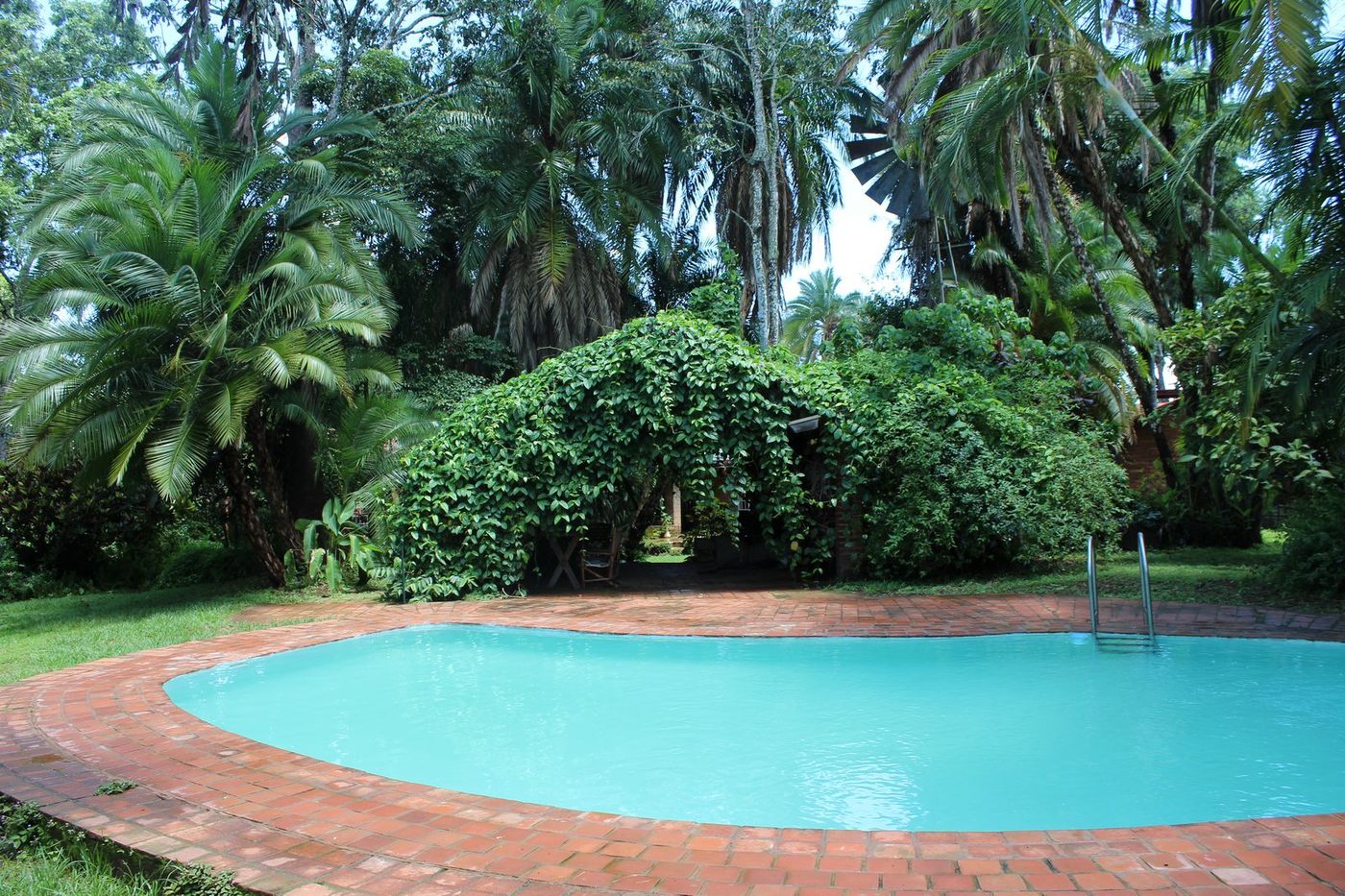
Weekend Escapes Within Two Hours of the Office
One of the quiet advantages of working for NGOs in Malawi — versus, say, South Sudan or the Eastern DRC — is that genuine decompression is geographically close. From Blantyre, you can reach most of the south's best escape options inside two hours:
- Thyolo tea estates — 40 minutes via the M2. Conforzi, Satemwa, Nchima. Rolling tea country, cool air, proper walks.
- Mount Mulanje — 90 minutes. Day hikes to Likhubula Falls or Dziwe la Nkhalamba, or multi-day traverses staying in the CCAP mountain huts booked through MMCT.
- Zomba Plateau — 90 minutes. Cooler than anywhere else in the south, with garden paths and a few surviving colonial-era hotels.
- Liwonde National Park — 2 hours. Now under African Parks management, fully stocked with elephant, lion, cheetah and black rhino. Mvuu Camp and Kuthengo Camp are both inside the park.
- Lake Malawi (Cape Maclear / Monkey Bay) — 4 hours, so more a long weekend than a Saturday. Worth the drive three or four times a year.
For a half-day reset the journal includes about extensively, see our weekend escape from Blantyre guide.
The Thyolo House — Why It Became the Expat Community's Standing Reservation
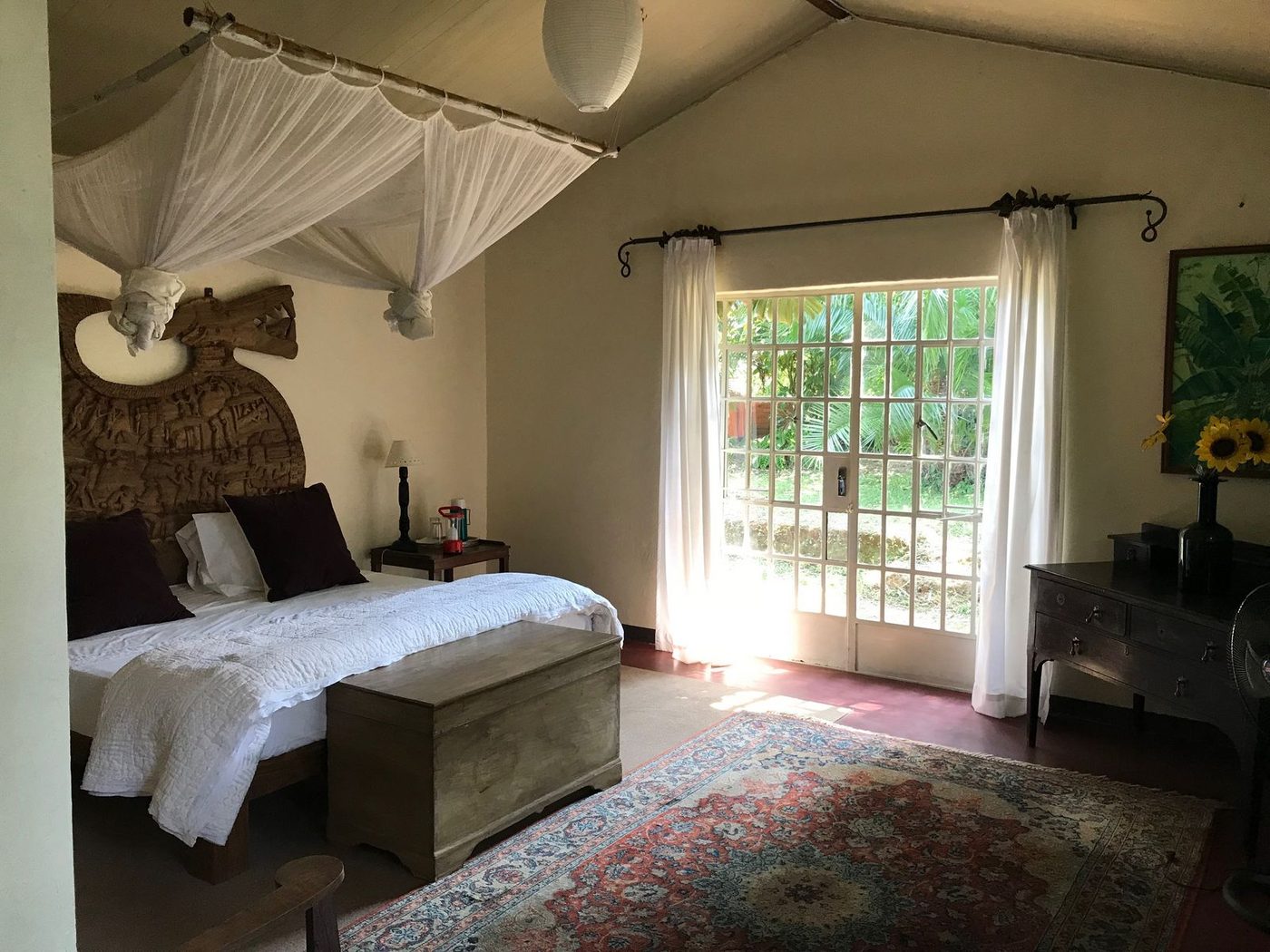
We can't pretend to be objective about this, so let us just describe what happens. The Thyolo House is a five-room boutique hotel and restaurant set on the historic Thyolo Highlands, 40 minutes from Blantyre and 20 from Limbe. It's run by Flavia Conforzi, an Italian-Malawian artist whose family has farmed tea here for generations. The restaurant is Italian-fusion, built around a kitchen garden, with a wood-fired oven and a wine list that takes its job seriously.
Most of our weekend guests fall into three categories: Blantyre-based NGO staff on a Saturday-lunch-and-pool independent visit, international staff from Lilongwe or further afield who have driven down for a two-night weekend, and visiting donors or board members whose in-country contact has decided — correctly — that seven meetings in an air-conditioned conference room is not a complete picture of the country.
What works for the NGO crowd specifically:
- It's genuinely off-duty. No flaky wifi excuses for checking work email — though the wifi does work.
- The food is good enough that a visiting line manager will remember it. The Italian-fusion menu pulls from the house garden and is widely regarded as one of the best restaurants in Thyolo, and arguably in the Southern Region.
- Five rooms means you can book the whole place for a team retreat without it feeling corporate.
- Forest paths, Highland Forests, a pool, and Flavia's art studio if you're the kind of guest who needs something to do.
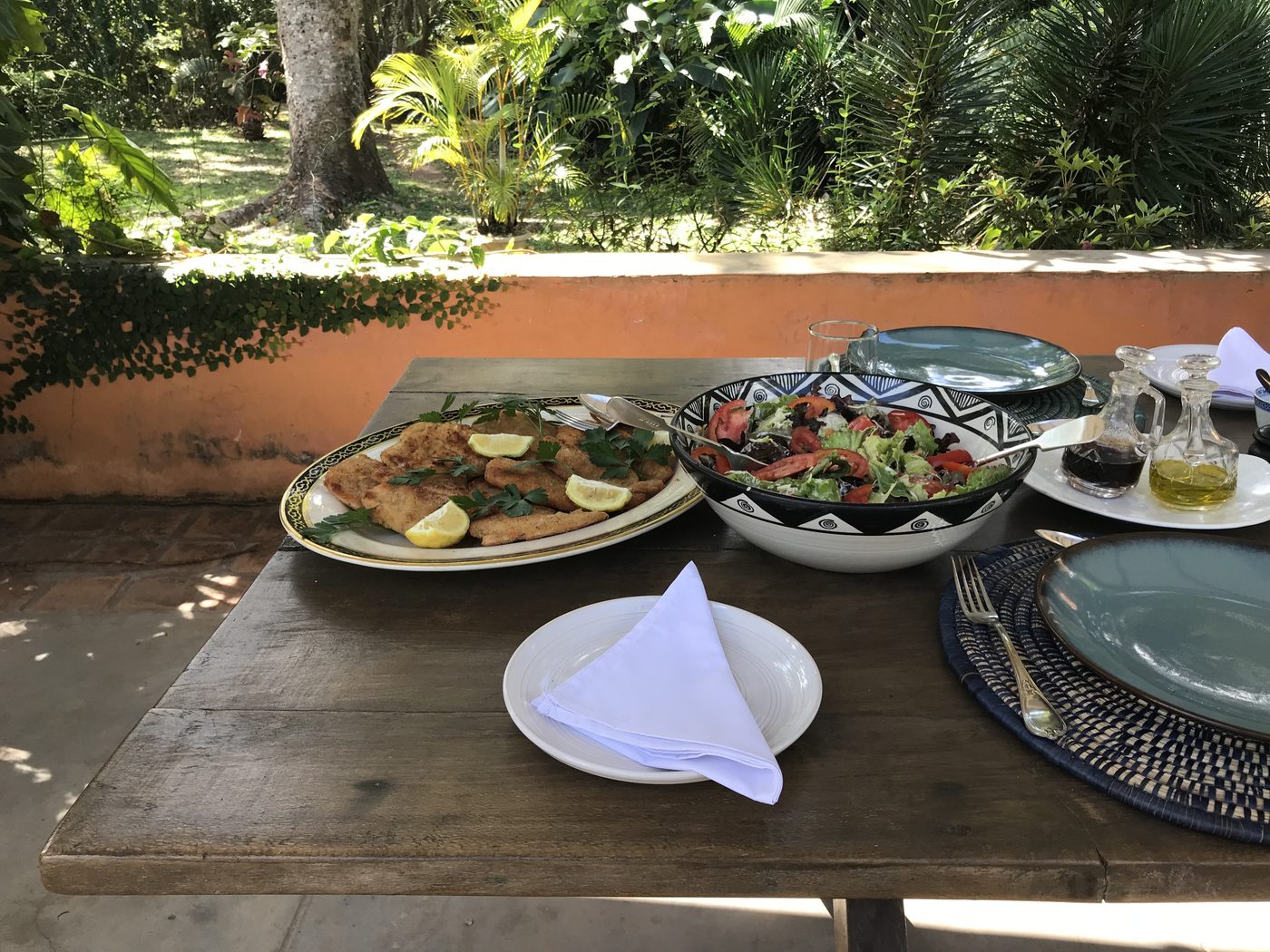
Hosting Visiting Donors, Board Members and Field Teams
Every programme manager in Malawi has been through the visiting-donor experience. The head of programmes at HQ is landing Tuesday. You need three days of field visits, a debrief, a dinner they'll remember, and somewhere they can sleep that doesn't require an apology. Here are the patterns we've seen work:
The one-night field retreat
Collect visitors from Chileka Airport, drive direct to Thyolo (40 minutes), check in, spend time in the garden, long dinner. Next morning: site visits to CCDO in Bvumbwe, Green Malata in Luchenza, or an MMCT forest co-management site up in Mulanje. Back to Blantyre in the evening for donor meetings Thursday/Friday. Visitors leave having seen countryside, met beneficiaries, and eaten well.
The board retreat weekend
Book out the full five rooms Friday–Sunday. Governance sessions around the dining table, field visits to partner organisations Saturday afternoon, strategic planning Sunday morning, lunch and wrap. Boards that have done this weekend tend to approve budgets.
The team morale weekend
Nobody writes a line item called "preventing staff attrition" but everybody should. A Friday-Sunday for your Malawi team — driven up together, cooking together, no laptops — pays for itself in retention.
If any of these fit, we'd rather talk through your dates and numbers directly. It's a small property and flexibility matters. Message us on WhatsApp — Flavia or our front-of-house will reply personally.
Practical Logistics — Drives, Distances and What to Pack
Distances for planning from Blantyre:
- Chileka Airport — 30 minutes
- Limbe CBD — 10–15 minutes
- Thyolo boma — 45 minutes via the M2
- The Thyolo House — 40 minutes
- Luchenza (Green Malata) — 75 minutes
- Mulanje town — 90 minutes
- Zomba — 60 minutes
- Liwonde NP main gate — 2 hours
Pack for everything. Southern Malawi's weather swings from 12°C on a Mulanje evening in July to 38°C on a Lower Shire afternoon in November. A fleece, a rain jacket, reliable walking shoes, sun protection, and a plug adapter (UK three-pin here) cover most situations. A paper road atlas is still worth carrying — Google Maps gets district roads wrong surprisingly often.
Building a Sustainable Rhythm in the Field
The colleagues we see staying happy in Malawi for three, five, seven-year postings are the ones who treat their weekends as non-negotiable. Not every weekend. But enough of them that the work doesn't colonise every waking hour. A pattern that seems to work: one full weekend a month somewhere genuinely away — Thyolo, Zomba, Liwonde, the lake — plus a Saturday pool-and-lunch independent visit two or three weeks out of four.
"I used to think taking a Saturday off was indulgent. After my second burnout I realised the indulgent thing was pretending I didn't need one." — A country director, over lunch on our verandah, last year.
If you're newly posted to an NGO in Malawi's Southern Region and still finding your rhythm, our guide to boutique hotels in Malawi covers the broader regional options. For a quicker reset, Thyolo is on your doorstep.
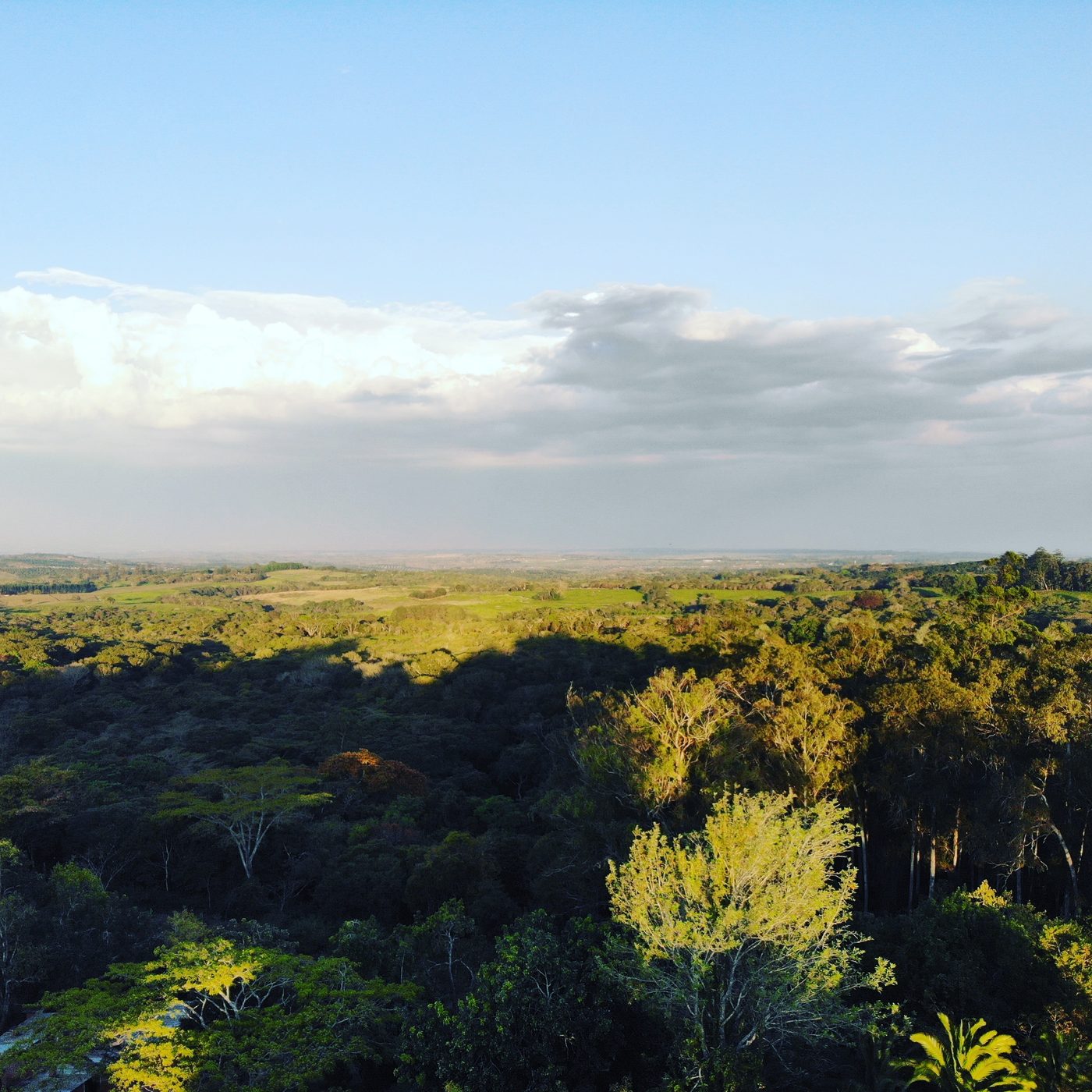
Whenever you're ready, we have five rooms, a kitchen garden, a pool, and a long verandah looking out over the tea. Drop us a line on thethyolohouse@gmail.com or message us on WhatsApp — we'll hold a table, a room, or the whole house depending on what your week looks like. The work will still be there on Monday. Come and breathe first.