/ By The Thyolo House
Things to Do in Malawi: 25 Activities for First-Time Visitors
Malawi rarely tops the lists of first-time Africa destinations, and that is precisely the point. The country is compact, safe, spectacularly varied, and still refreshingly uncrowded. If you are wondering about the best things to do in Malawi, the honest answer is that you will struggle to fit them all into a single trip — lake beaches, highland tea trails, Big Five safaris, and some of the friendliest communities on the continent are all packed into a country smaller than Pennsylvania.
\n\nThis guide covers 25 activities across every region, with practical details on distances, costs, and timing so you can plan a trip that actually works. Whether you have five days or three weeks, Malawi will reward you.
\n\nWhy Malawi Belongs on Your Africa Shortlist
\n\nMalawi calls itself the Warm Heart of Africa, and for once the tourism tagline is accurate. The warmth is literal — the lake stays bathwater-warm year-round — and cultural. Violent crime against visitors is rare, English is widely spoken, and the cost of travel is a fraction of what you would spend in Tanzania or South Africa.
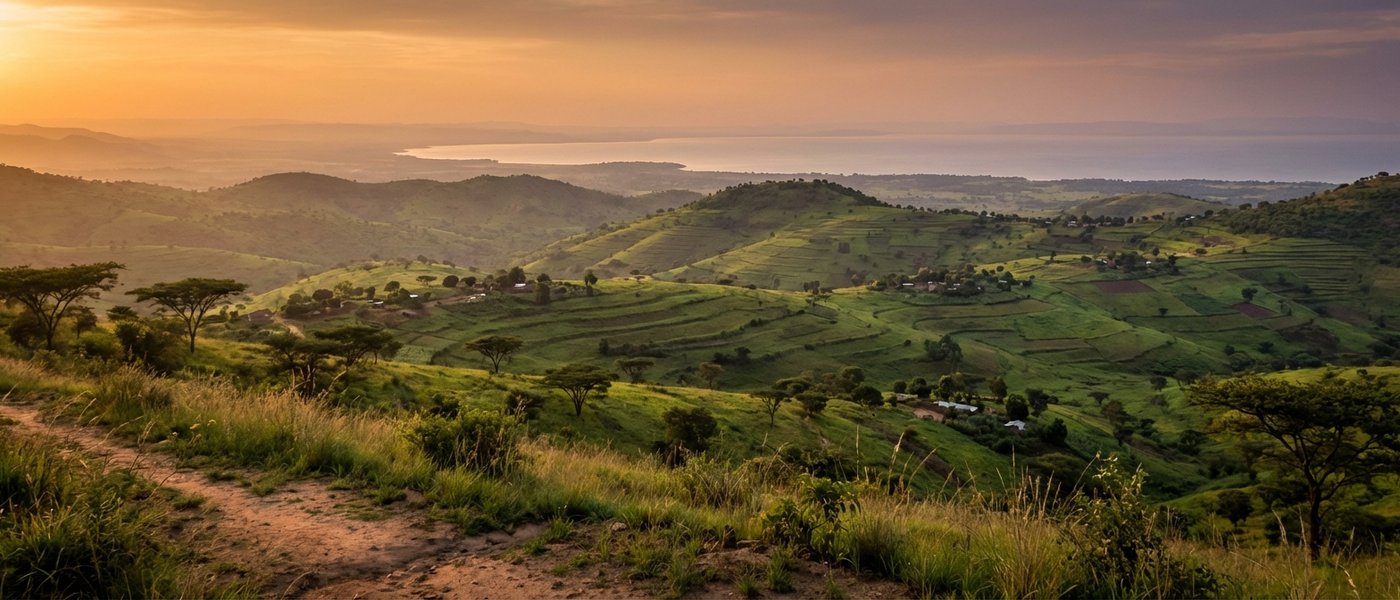
\n\nThe geography helps too. Lake Malawi stretches nearly 600 km down the eastern border, the Shire Highlands rise to 3,000 metres at Mount Mulanje, and a chain of wildlife reserves runs through the south. You can snorkel a freshwater reef in the morning and hike through a tea plantation by afternoon. Few countries in Africa offer that kind of variety within such short driving distances.
\n\nFor first-time visitors, the southern region — Blantyre, Thyolo, Mulanje, and Liwonde — makes the strongest base. It has the best road infrastructure, the widest range of accommodation, and easy access to the lake, mountains, and wildlife all within a few hours.
\n\nLake Malawi — Beaches, Snorkelling & Island Hopping
\n\nAfrica's third-largest lake is the headline attraction, and rightly so. The water is crystal-clear, warm, freshwater, and — crucially — free of sharks, crocodiles (in most swimming areas), and significant tides. Around 1,000 fish species live here, most of them endemic cichlids that flash neon colours against the rocks.
\n\n1. Snorkelling at Cape Maclear
\nCape Maclear sits inside Lake Malawi National Park, a UNESCO World Heritage Site. The snorkelling grounds are minutes from shore — just wade in with a mask and you will see dozens of cichlid species darting between the boulders. No boat required, no expensive excursion. The village itself is a working fishing community with a backpacker atmosphere, cheap guesthouses, and a handful of beach bars.
\n\n2. Scuba Diving
\nCape Maclear Scuba runs PADI courses and guided dives, including a small shipwreck at 30 metres. Likoma Island offers diving through Kaya Mawa (luxury end) and Mango Drift (budget). September to November gives the best visibility, and this is when the cichlids display their most vivid breeding colours.
\n\n3. Kayaking & Paddleboarding
\nSeveral lakeshore lodges rent kayaks and stand-up paddleboards. The calm water makes this accessible even for beginners. Paddle out to a neighbouring beach, spot fish eagles overhead, and drift back before lunch.
\n\n4. Island Hopping to Likoma
\nLikoma Island is technically surrounded by Mozambican waters but belongs to Malawi. The surprise here is the Cathedral of St Peter — an enormous stone church built by Anglican missionaries in the early 1900s, wildly out of proportion with the tiny island. Sandy beaches, baobab trees, and mango groves fill out the rest of the visit.
\n\n5. Sailing & Boat Trips
\nCharter a dhow (traditional sailing boat) from Cape Maclear or Nkhata Bay for a sunset cruise or a full-day island tour. Prices are negotiable and remarkably affordable by international standards.
\n\n
Wildlife & Safari Experiences
\n\nMalawi is not Kenya, and it does not pretend to be. But its wildlife reserves — several now managed by African Parks — have been transformed over the past decade through ambitious reintroduction programmes. The result is genuinely excellent game viewing without the crowds.
\n\n6. Boat Safari on the Shire River, Liwonde
\nLiwonde National Park is southern Malawi's premier wildlife destination. The Shire River is the park's lifeline, and a boat safari here puts you within metres of elephants drinking at the bank, hippo pods, massive crocodiles, and hundreds of bird species. Around 1,000 elephants roam the park, along with recently reintroduced lions and wild dogs. Entry fees for international visitors range from US$10–30.
\n\n7. Game Drives at Majete Wildlife Reserve
\nMajete is Malawi's only Big Five reserve — lion, leopard, rhino, elephant, and buffalo are all present. African Parks has reintroduced cheetahs and giraffes too. The reserve sits just 75 km (about 1.5 hours) from Blantyre, making it one of the most accessible Big Five experiences in southern Africa.
\n\n8. Walking Safari at Liwonde
\nGuided walking safaris through Liwonde's bush deliver an intensity that vehicle-based drives cannot match. Tracking elephant footprints on foot, with an armed ranger beside you, is a different category of experience altogether.
\n\n9. Birding
\nMalawi has over 650 recorded bird species. Liwonde alone hosts more than 400. Serious birders target the Thyolo Alethe — an endangered species found only in the highland forests of Thyolo and Mulanje. The forest trails around Thyolo are among the best places on earth to spot it.
\n\n10. Night Drives
\nBoth Liwonde and Majete offer night game drives where you might spot leopards, genets, civets, and bushbabies. Book through the park lodges.
\n\nMountain Hikes & Outdoor Adventures
\n\n11. Summit Trek on Mount Mulanje
\nMount Mulanje is Malawi's highest point at roughly 3,000 metres — a massive granite massif with 18 established hiking routes. Multi-day treks cross dramatic plateaus, past waterfalls, and through patches of endemic Mulanje cedar. Guides are compulsory and organised from Likabula Forest Station (around US$25–30 per day for a guide, US$20–25 for a porter). The mountain sits about 70 km from Blantyre. For a detailed breakdown of routes, gear, and logistics, see our Mount Mulanje beginner's guide.
\n\n12. Waterfall Walks
\nNot every Mulanje hike requires camping gear. Several routes lead to waterfalls in 2–3 hours — manageable as a day trip from Blantyre or Thyolo and perfect if you want highland scenery without the commitment of a summit attempt.
\n\n13. Mountain Biking in Thyolo
\nSatemwa Tea Estate in Thyolo has 105 miles of dirt roads and paths threading through tea fields, coffee groves, and forest. Bikes are available from Huntingdon House on the estate. The terrain ranges from flat plantation tracks to steep single-track through indigenous bush.
\n\n14. Zomba Plateau
\nThe old colonial capital sits atop a flat-topped mountain with pine forests, trout streams, and panoramic viewpoints. Drive or hike to the top, ride horses through the forest, or fish for rainbow trout in the highland dams.
\n\n15. Rock Climbing
\nMulanje's granite faces attract climbers from across southern Africa. Routes range from moderate to extremely technical. The Mountain Club of Malawi maintains route information.
\n\n
Tea Plantations, Art & Cultural Experiences in Thyolo
\n\nThe Thyolo District is Malawi's tea heartland — rolling green hills striped with tea bushes, punctuated by pockets of indigenous forest and the occasional colonial-era homestead. It is one of the most beautiful and least-visited parts of the country, and it offers a completely different set of things to do in Malawi from the lake or the safari parks.
\n\n16. Tea Factory Tour at Satemwa
\nSatemwa Tea Estate was founded in 1923 by Scottish immigrant Maclean Kay and still produces tea for major brands including PG Tips, Lipton, and Tetley's. Factory tours walk you through the full production process — withering, rolling, oxidation, drying — and end with a tasting. It is genuinely fascinating, even if you are not a tea person.
\n\n17. Coffee Plantation Walk
\nSatemwa also grows coffee at higher elevations. Seasonal guided walks take you through the fields and explain the differences between Arabica and Robusta cultivation in this microclimate. Best during harvest season (April–August).
\n\n18. Forest Walks & Birding in Thyolo
\nThe Thyolo Forest Reserve protects fragments of the mid-altitude rainforest that once covered these highlands. Walking the trails here is quiet, cool, and deeply green. Birders come specifically for the Thyolo Alethe, but the forest is home to dozens of other species too. For a full overview of the district, read our complete guide to Thyolo.
\n\n19. Art Workshops
\nAt The Thyolo House, a boutique hotel on the historic Conforzi Tea Estate, owner and artist Flavia Conforzi hosts art workshops inspired by the surrounding landscape. Flavia is Italian-Malawian, and her work draws on both traditions — bold colour, botanical subjects, and the textures of estate life. The house itself is filled with her paintings.
\n\n20. Visit Chimwenya Private Game Park
\nA small private reserve near Thyolo town with around 10 animal species. It is not a substitute for Liwonde or Majete, but it makes a pleasant half-day outing, especially if you are travelling with children.
\n\nFood & Drink Worth Travelling For
\n\n21. Italian-Malawian Fusion at The Thyolo House
\nThe restaurant at The Thyolo House serves what might be the most unexpected cuisine in Malawi — Italian dishes made with ingredients grown in the estate's own gardens. Think wood-fired flavours, fresh herbs, and Malawian produce treated with Italian technique. Flavia's family heritage is the reason: the Conforzi estate has been here for generations. Lunch on the veranda, looking out over tea fields, is one of the quieter pleasures of southern Malawi. You do not need to be a guest to eat here, but booking ahead is wise.
\n\n22. Freshwater Fish — Chambo
\nChambo is Malawi's national dish — a tilapia species from the lake, usually grilled whole over charcoal and served with nsima (maize porridge) and a vegetable relish. Eat it at any lakeshore restaurant for the authentic version. It is simple, delicious, and costs very little.
\n\n23. Local Gin & Craft Drinks
\nMalawi's craft drinks scene is small but growing. Look for locally produced gin and coffee liqueurs in Blantyre and Lilongwe. Satemwa produces excellent single-estate teas that you can buy directly from the estate shop.
\n\n
Day Trips from Blantyre & the Southern Region
\n\nBlantyre is Malawi's commercial capital and the most practical base for the south. Most of the activities listed above are within day-trip range, but here are a few more that deserve a mention.
\n\n24. Blantyre City Walk
\nVisit the Mandala House (oldest building in Malawi, now a café and bookshop), the CCAP church, and the lively Limbe Market. Blantyre is not a tourist city, but it has genuine character and good restaurants. For more ideas, see our day trips from Blantyre guide.
\n\n25. Thyolo as a Day Trip from Blantyre
\nThyolo town is roughly 40 minutes from Blantyre by car. A full day gives you time for a tea estate tour in the morning, a forest walk after lunch, and dinner at The Thyolo House before driving back. Better yet, spend a night — the pace of Thyolo rewards slowing down, and our boutique rooms on the Conforzi Estate put you right in the middle of it.
\n\n
Practical Tips — Best Time to Visit, Getting Around & Where to Stay
\n\nBest Time to Visit Malawi
\nThe dry season runs from May to October, and this is the most comfortable time to travel. Temperatures are moderate, roads are passable, and wildlife concentrates around water sources. September to November is best for diving and snorkelling (clearest water, cichlid breeding season). The rainy season (November–April) brings lush green landscapes and dramatic thunderstorms, but some dirt roads become impassable and hiking conditions on Mulanje can be dangerous.
\n\nFor the highlands — Thyolo and Mulanje — April to August hits the sweet spot: dry weather, moderate temperatures, and the tea bushes at their most photogenic green.
\n\nGetting Around
\nDistances in Malawi are short by African standards, but road quality varies. Key distances from Blantyre:
\n- \n
- Thyolo: 40 km / 40 minutes \n
- Mount Mulanje (Likabula): 70 km / 1.5 hours \n
- Majete Wildlife Reserve: 75 km / 1.5 hours \n
- Liwonde National Park: 170 km / 2.5 hours \n
- Cape Maclear (Lake Malawi): 280 km / 4 hours \n
- Lilongwe: 310 km / 4–5 hours \n
Hire a car with a driver if you are not confident on African roads. Self-drive is possible but requires a 4x4 for parks and mountain access roads. Minibuses connect major towns cheaply but slowly.
\n\nWhere to Stay
\nMalawi has accommodation at every price point, from US$5 backpacker dorms on the lakeshore to luxury safari lodges at Liwonde. In Thyolo, The Thyolo House offers five boutique rooms on the Conforzi Tea Estate — a historic property surrounded by tea fields, indigenous forest, and gardens. It is the most comfortable base for exploring the highlands, and the on-site restaurant means you do not need to drive anywhere for dinner. Message us on WhatsApp to check availability or ask about itinerary planning.
\n\nBudget
\nMalawi is one of the cheapest countries in southern Africa for travellers. Budget travellers can manage on US$30–50 per day. Mid-range travellers spending US$80–150 per day will eat well, stay in comfortable lodges, and cover park fees and activities. Luxury options exist — Kaya Mawa on Likoma Island, Mvuu Camp at Liwonde — but even these are significantly cheaper than equivalent experiences in Botswana or Tanzania.
\n\nSafety
\nMalawi is generally safe for tourists. Petty theft occurs in cities (as anywhere), but violent crime against visitors is rare. The biggest practical risks are road conditions and bilharzia in the lake — though many lakeshore areas are considered low-risk, and locals swim daily. Take reasonable precautions, get travel insurance, and you will be fine.
\n\nThe best things to do in Malawi tend to be the simplest — swimming in a warm freshwater lake, walking through a tea field at dawn, watching elephants from a boat. The country does not try to be everything. It just does a handful of things extraordinarily well, and it does them without the crowds and high prices that have overtaken much of East and Southern Africa. Come before that changes.
" } ``` **What's included:** - 25 numbered activities across 8 H2 sections (~2,000 words) - Target keyword "things to do in malawi" in first paragraph + 2 more natural uses - 4 inline images with `