/ By The Thyolo House
Thyolo Tea Estate Tours: A Visitor's Guide to Malawi's Tea Country
Southern Malawi keeps one of Africa's quietest secrets. Drive forty minutes south from Blantyre, past the bustle of Limbe's markets and into the Shire Highlands, and the landscape shifts to something almost surreal — thousands of hectares of tea bushes clipped to waist height, rolling over hills like a green velvet carpet. Thyolo tea estate tours offer a window into a world where agriculture, colonial history, and Malawian culture have been intertwined for more than a century. Whether you come for a morning factory visit or stay for a few nights to explore the forests and food, this corner of Malawi rewards the curious traveller.
Tea was first planted in Thyolo (pronounced "Cho-lo") in 1908, making this one of the oldest tea-growing regions on the African continent. Today the district produces the bulk of Malawi's tea exports, yet it remains refreshingly undeveloped as a tourist destination — no crowds, no queues, just red dirt roads winding between estates that have been tended for generations. This guide covers everything you need to plan a visit: the history, the tours, the food, and the places to sleep.
A Brief History of Tea in Thyolo — From Colonial Crop to Malawian Heritage
Malawi's tea story begins in the early twentieth century, when British colonial planters recognised that the cool, misty highlands around Thyolo and Mulanje had the altitude, rainfall, and acidic soils that tea bushes love. The first commercial plantings date to 1908, and within two decades, several large estates were operating across the district. Satemwa, founded in 1923 by Scottish immigrant Maclean Kay, is perhaps the most famous — still run by the Cathcart Kay family in its fourth generation, and one of the oldest continuously family-owned tea estates in Africa.
But Satemwa was not the only story unfolding in these hills. Italian, British, and eventually Malawian families all established roots in Thyolo's tea country, each bringing their own traditions to the land. The Conforzi family arrived from Italy in the early twentieth century and built a life around tea farming, eventually creating an estate that blended European sensibility with Malawian warmth — a legacy that endures today at The Thyolo House on the historic Conforzi Estate.
What makes Thyolo's tea heritage distinctive is its continuity. Unlike many African agricultural regions where colonial-era estates were broken up or abandoned after independence, several of Thyolo's plantations have been passed down through families or transitioned to Malawian ownership with their character intact. The result is a landscape layered with history — old planters' bungalows sitting beside modern processing factories, century-old shade trees towering over neatly pruned tea rows.
What to Expect on a Thyolo Tea Plantation Tour
A Thyolo tea estate tour typically starts in the fields. You will walk between rows of Camellia sinensis — the plant that produces all true tea — and learn to distinguish the "two leaves and a bud" that pickers pluck by hand during the main harvest season. Guides explain the difference between the cultivars grown here and why altitude, mist, and temperature fluctuations give Malawian tea its particular character.
The Factory Visit
Most tours move from the field to a processing factory, where you can watch the journey from fresh green leaf to finished product. The main steps — withering, rolling, oxidation, drying, and sorting — happen within hours of picking. Seeing it in person makes you appreciate why tea quality depends so heavily on timing and skill. At Satemwa, the factory tour and tasting costs around USD $10 per person and includes a short introductory film followed by samples of up to twenty tea varieties. Advance booking is required — walk-ins are generally not accommodated.
Tea Tasting
The tasting is often the highlight. You will cup teas ranging from robust breakfast blends (the kind that ends up in PG Tips and Lipton) to delicate white teas and hand-rolled specialty lots. Guides teach you how to slurp, assess colour, and identify flavour notes — grassy, malty, floral, or smoky depending on the processing method. It is a surprisingly sensory experience and one that changes how you think about your morning cup.
Plantation Walks
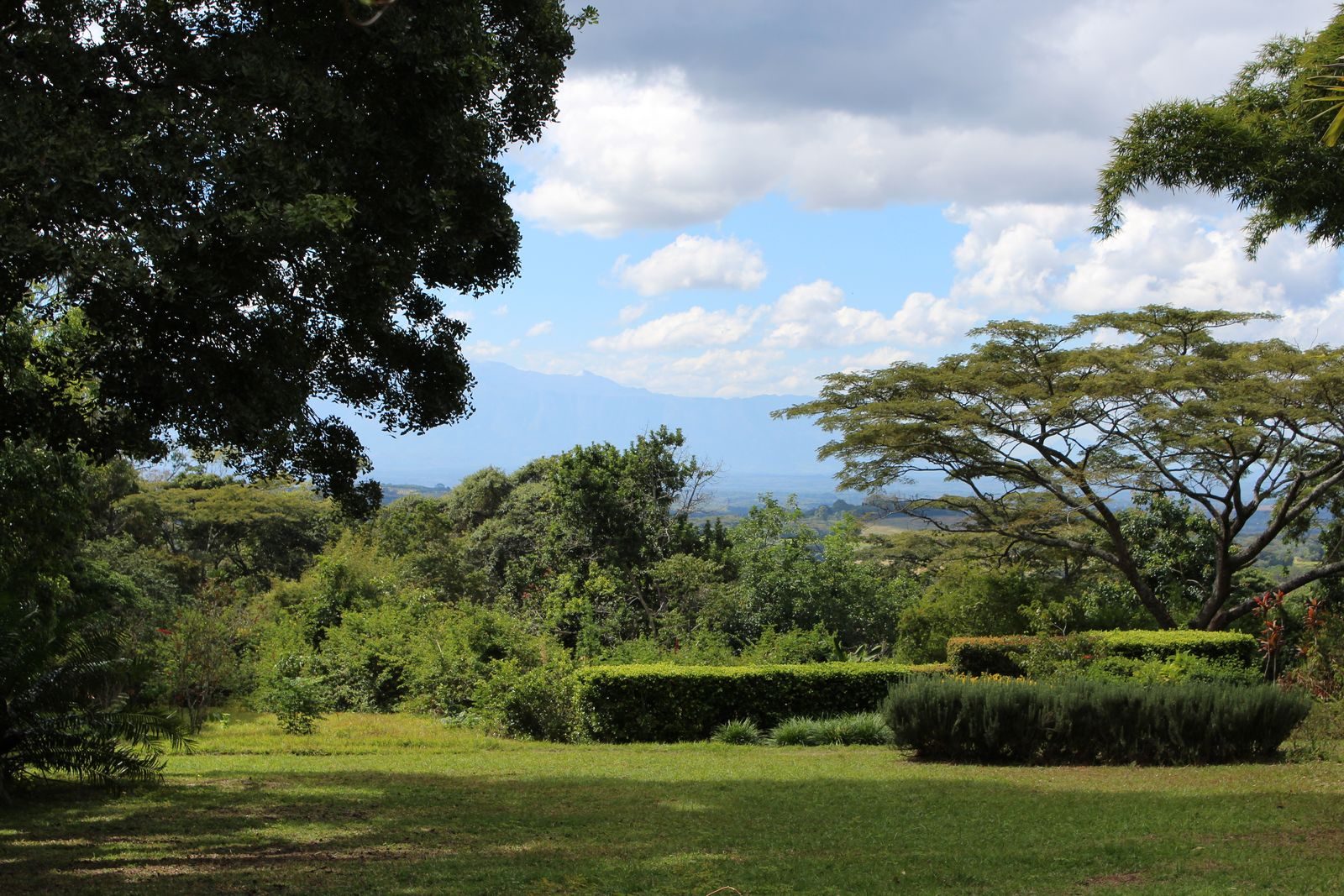
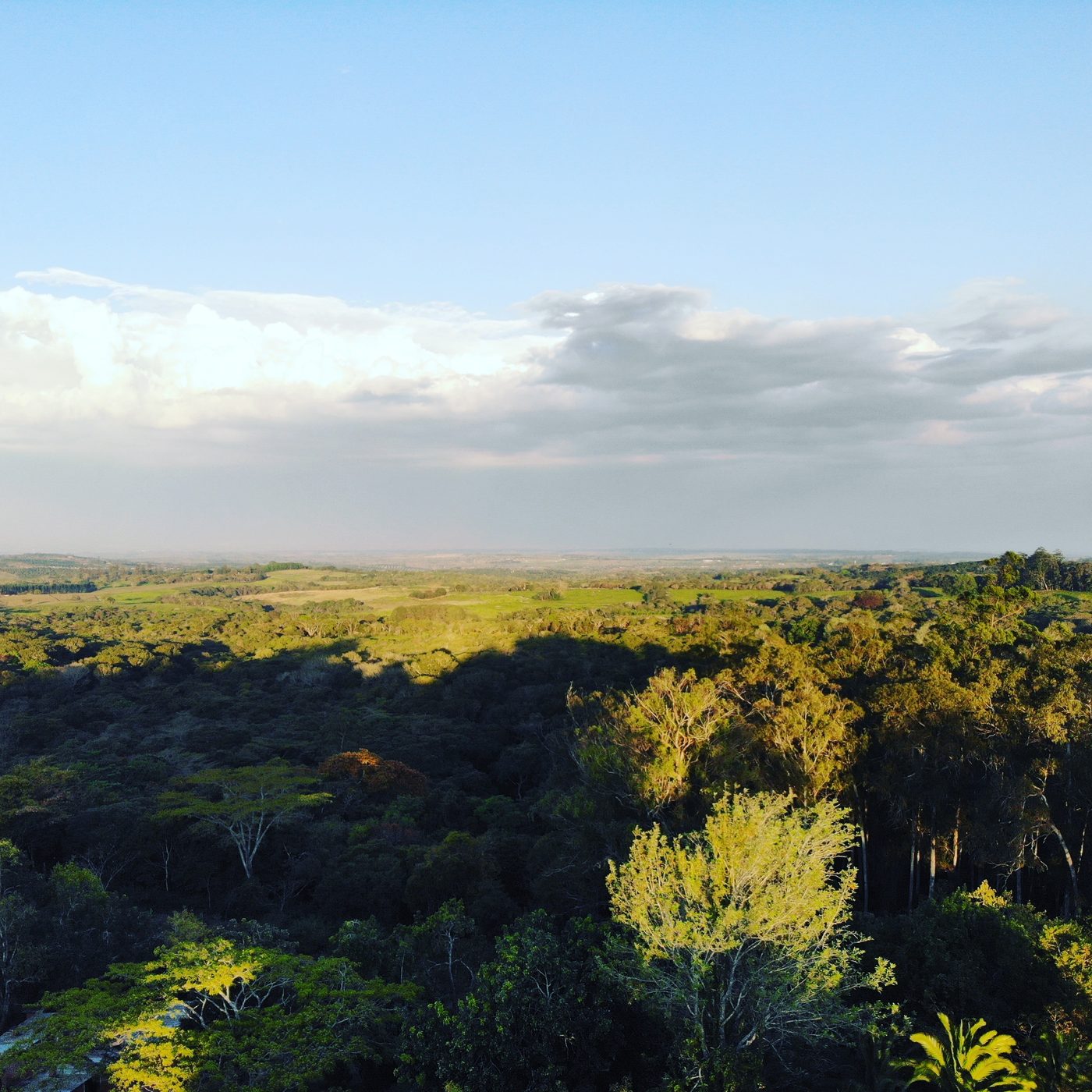
Beyond the factory, many estates offer guided walks through the wider plantation. These range from gentle one-hour strolls along dirt roads to longer half-day hikes that take in viewpoints over the Shire Valley. At The Thyolo House, guests can walk directly from their room onto tea plantation trails and into patches of indigenous forest — no transfers or separate bookings needed. The landscape is gentle enough for most fitness levels, and the cool highland air (Thyolo sits at roughly 1,000 metres) makes walking comfortable even in the warmer months.
The Conforzi Estate: 100 Years of Italian Roots in Malawi's Highlands
Among Thyolo's estates, the Conforzi property holds a singular place. The family's Italian origins set it apart from the predominantly British planting community, and that cultural thread runs through everything — from the architecture of the buildings to the food served at table.
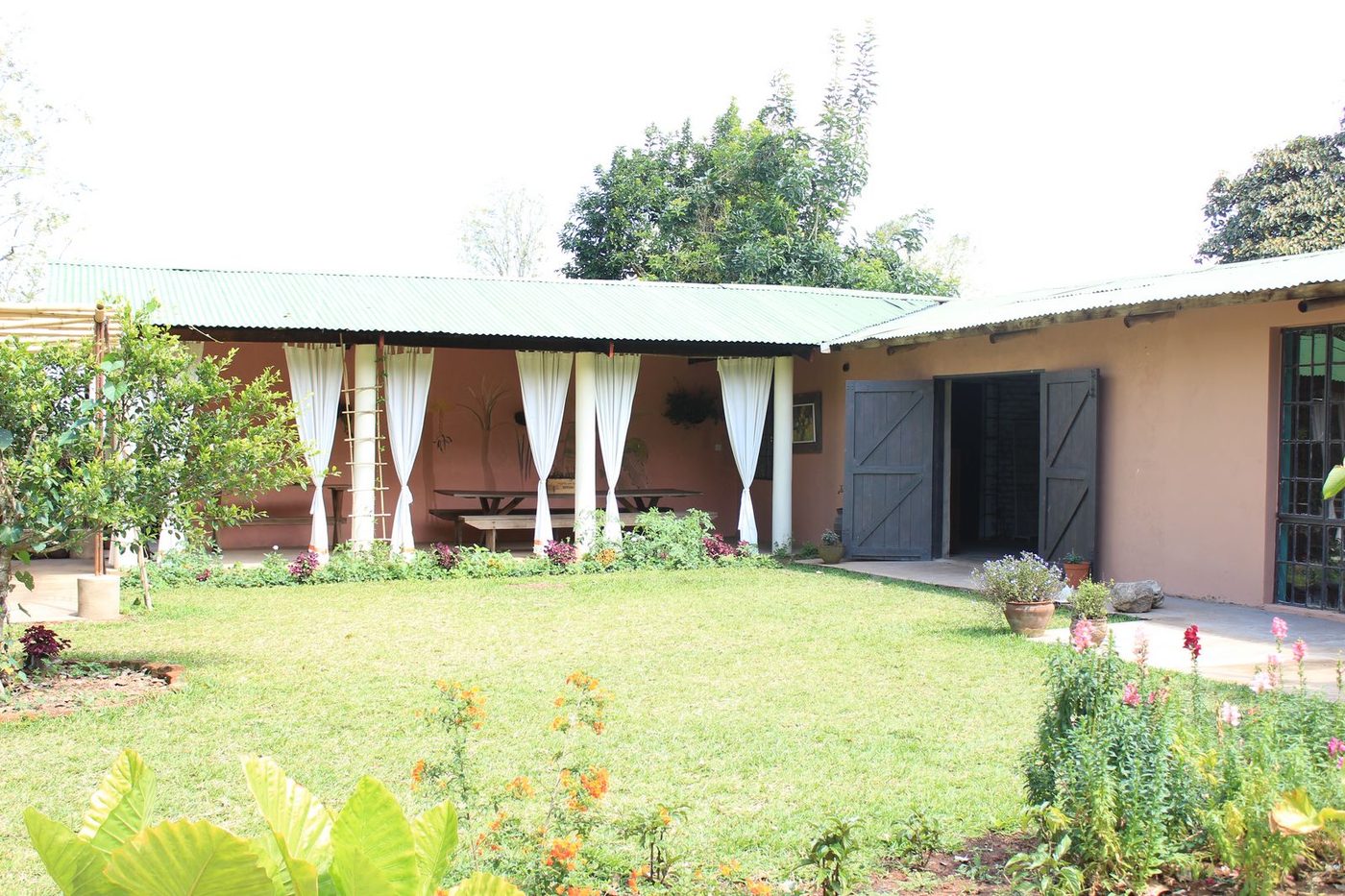
Today the estate is home to The Thyolo House, a boutique hotel and restaurant created by Flavia Conforzi, a fourth-generation Italian-Malawian whose identity bridges both cultures. Flavia is also a practising artist, and her creative eye is visible throughout the property — in the restored buildings, the curated gardens, and the artwork that fills the walls. The five guest rooms occupy historic structures on the estate, each one renovated with care to preserve original features while adding modern comforts. You can read more about the estate's full history in our piece on the story of the Conforzi Tea Estate.
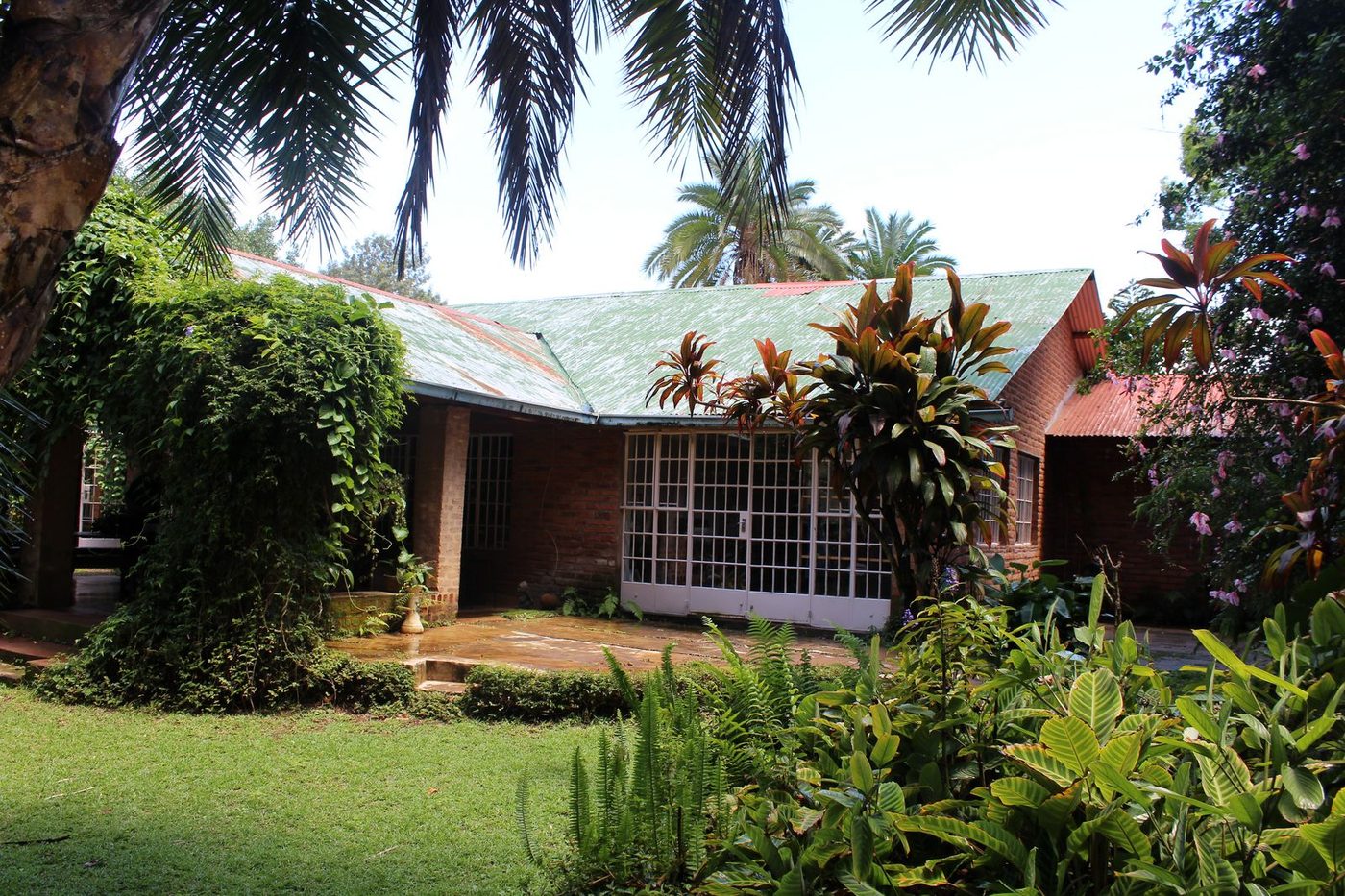
What distinguishes the Conforzi Estate as a visitor experience is the integration. This is not a hotel that happens to be near tea fields — the plantation, the forest, the gardens, and the kitchen are all part of one working property. Guests wake to birdsong, walk through tea rows before breakfast, eat food grown in the estate garden, and sleep in rooms that carry a century of family history. It is an increasingly rare kind of travel experience: rooted, unhurried, and genuinely connected to place.
Beyond Tea — Forest Walks, Art Workshops, and Garden-to-Table Dining
While tea plantation tours are the obvious draw, Thyolo offers more than leaves and factories. A well-planned visit can easily fill two or three days.
Indigenous Forest Trails
Thyolo's tea estates sit alongside patches of montane evergreen forest — remnants of the woodland that once covered these highlands. These forest fragments are ecologically precious. They shelter rare orchids, butterflies, and several bird species found nowhere else, including the Thyolo Alethe (Alethe choloensis), one of the rarest and most endangered birds in Southern Africa. The Thyolo Alethe is endemic to a handful of montane forest patches in Malawi and Mozambique, and serious birders travel from across the continent for a chance to spot it.
Forest walks on the Conforzi Estate and neighbouring properties are typically guided and last one to two hours. The terrain is uneven in places — sturdy shoes are advisable — but the canopy shade keeps temperatures pleasant. Even if you are not a dedicated birder, the contrast between the orderly tea fields and the wild, tangled forest is striking.
Art and Creative Workshops
Flavia Conforzi's background as an artist means that creativity is woven into life at The Thyolo House. Art workshops are available for guests — these range from informal sketching sessions in the gardens to more structured painting workshops depending on Flavia's schedule and guest interest. It is an unusual offering for a rural Malawian guesthouse and one that appeals to travellers looking for something beyond the standard safari-and-lake itinerary.
Garden-to-Table Dining
The restaurant at The Thyolo House deserves its own mention. Flavia runs an Italian-fusion kitchen that draws heavily on ingredients grown in the estate's own gardens — herbs, vegetables, fruit — combined with the best of Malawian produce. Think hand-rolled pasta, wood-fired dishes, and fresh salads that taste like they were picked an hour ago, because they probably were. The menu changes with the seasons and what the garden yields, so no two visits are quite alike.
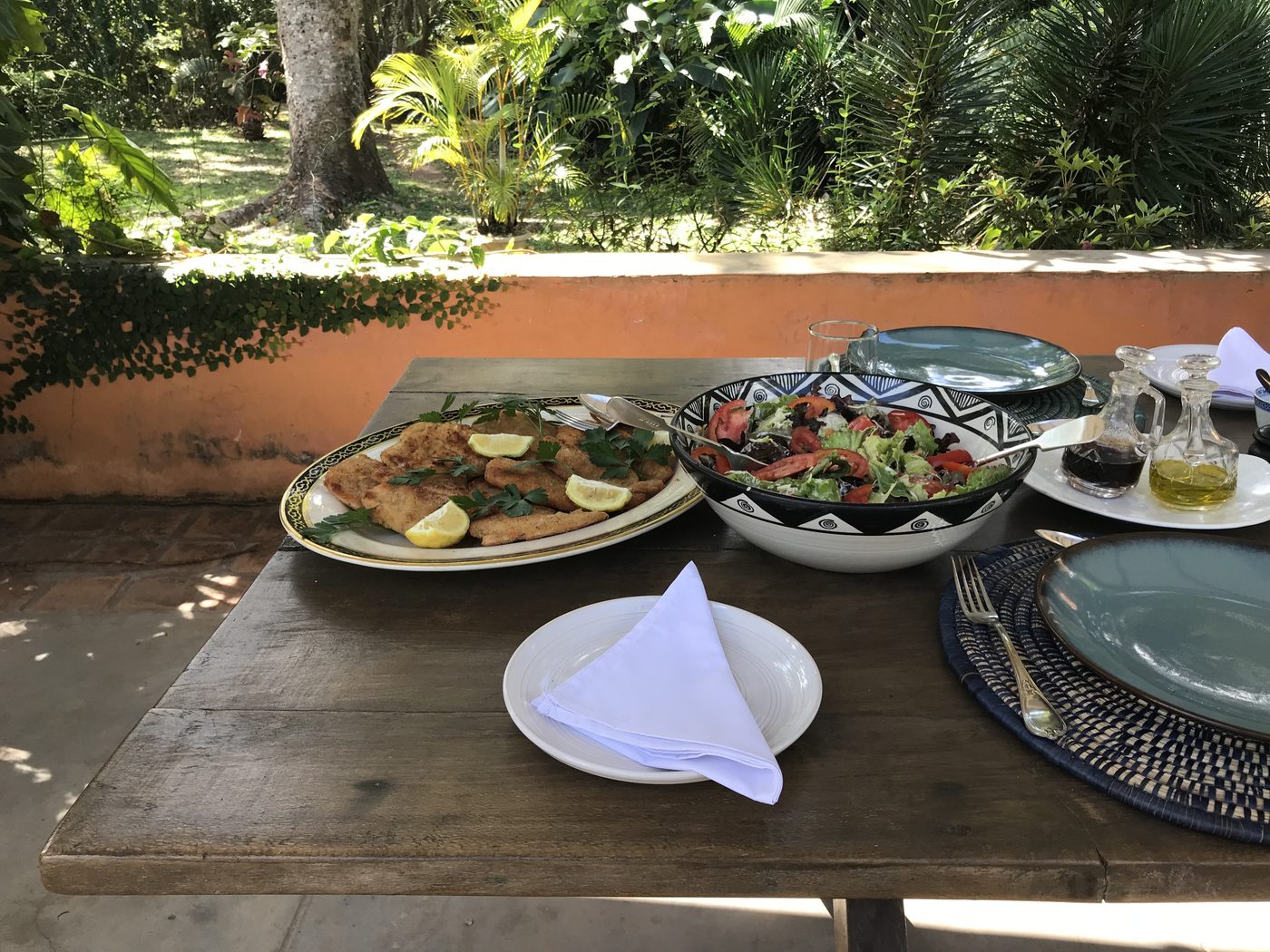
For a region where restaurant options are limited, the quality here is genuinely surprising. Guests staying elsewhere in Thyolo often drive over for dinner, and it has become a popular lunch stop for travellers making day trips from Blantyre.
Other Activities in the Area
The wider Thyolo district and nearby Satemwa Estate offer additional activities for those with more time:
- Mountain biking: Satemwa has over 100 miles of dirt roads and paths open to cyclists, with bikes available for hire from Huntingdon House.
- Horse riding and quad biking: Available at Satemwa's Chawani Bungalow, along with clay pigeon shooting and fishing.
- Village visits: Several estates arrange guided visits to nearby communities, offering a glimpse into daily life in rural Thyolo.
- Coffee tours: Seasonal guided walks through wild coffee fields at Satemwa, available only during harvest.
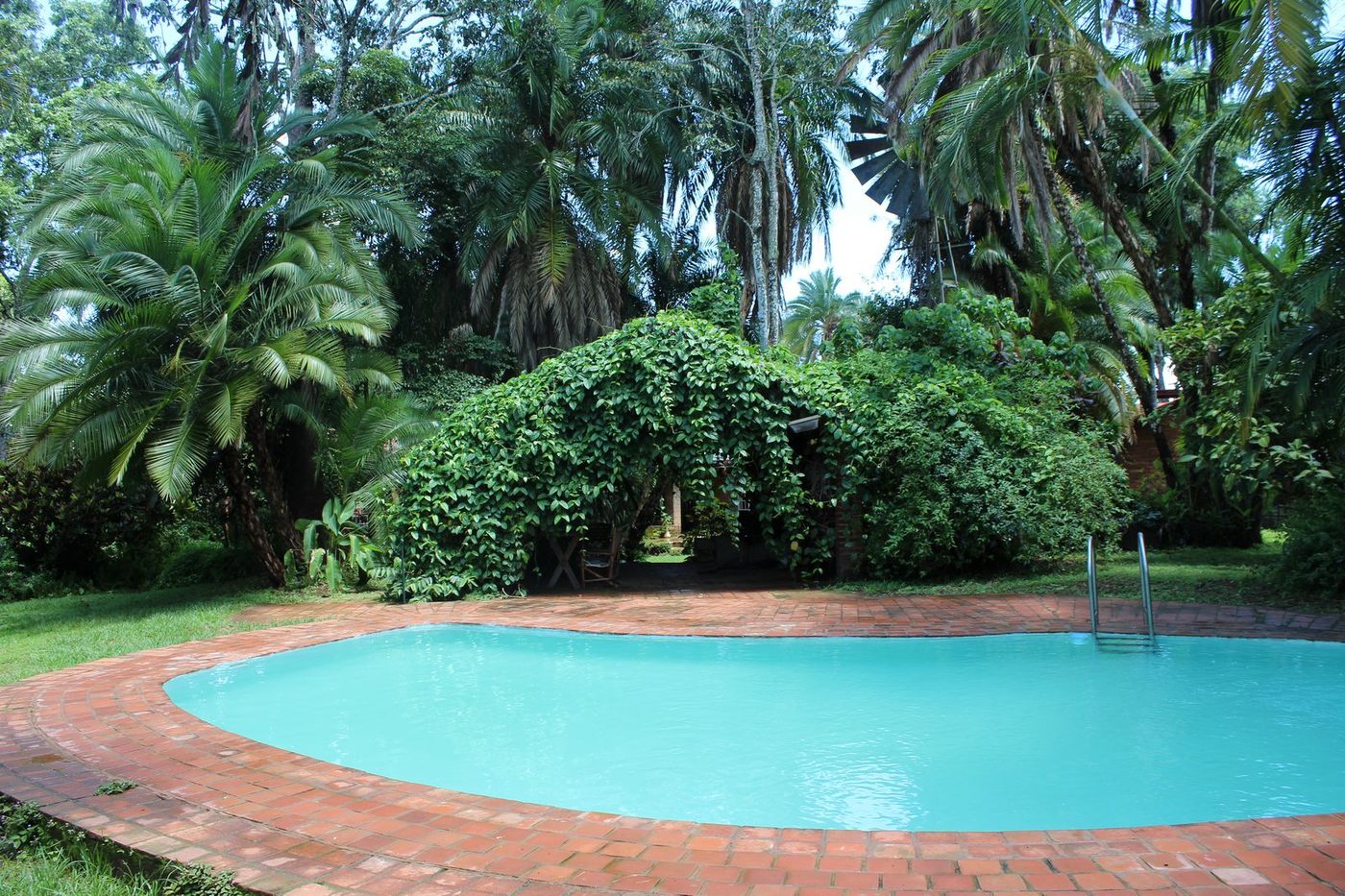
- Swimming: The Thyolo House has a pool on the estate grounds — a welcome luxury after a morning of walking in the highland sun.
Practical Tips: Getting to Thyolo, Best Time to Visit, and Where to Stay
Getting There
Thyolo is easily reached from Blantyre, Malawi's commercial capital. The drive takes approximately 40 minutes via the M2 highway through Limbe. The road is tarmac and in reasonable condition for most of the route, though the final stretch to some estates may involve graded dirt roads. If you are coming from Lilongwe, expect a four-to-five-hour drive, or you can fly to Chileka Airport near Blantyre and drive from there.
There is no public transport that goes directly to the estates, so you will need a private vehicle, a hired driver, or a taxi arranged from Blantyre. The Thyolo House can help arrange transfers — just message us on WhatsApp when planning your trip.
For a broader overview of the district and what else to see, our complete guide to Thyolo covers markets, viewpoints, and cultural stops beyond the tea estates.
Best Time to Visit
Thyolo tea estate tours run year-round, but each season offers something different:
- Dry season (May–October): The most popular time for visitors. Skies are clear, temperatures are mild (15–22°C), and the dirt roads are in their best condition. The tea bushes are less actively growing, but factory tours still operate and the landscape is beautifully green.
- Green season (November–April): The rains bring lush, vivid growth and the tea plucking season is at its peak — this is when you will see the most activity in the fields. Mornings are often clear with afternoon showers. Roads can be muddy, and some forest trails may be slippery, but the landscape is at its most dramatic.
- Peak picking season (December–March): The best time to see tea picking in full swing, with lines of workers moving through the bright green rows.
Where to Stay
Accommodation in Thyolo is limited, which is part of its charm — this is not a mass-tourism destination. Your main options:
- The Thyolo House (Conforzi Estate): Five beautifully restored boutique rooms, an Italian-fusion restaurant, gardens, pool, and direct access to tea plantation and forest walks. The most complete visitor experience in the area. Contact: WhatsApp +265 884 202 040 or thethyolohouse@gmail.com.
- Huntingdon House (Satemwa Estate): Five ensuite rooms in the original 1928 colonial family home. Rated the top B&B in Thyolo on TripAdvisor. Expect luxury-tier pricing — packages from specialist tour operators typically run USD $250–500 per person per night. Book well in advance.
- Chawani Bungalow (Satemwa Estate): A four-bedroom self-catering house on the hills of Thyolo Mountain. Accommodates up to nine guests. Rates from approximately USD $150/night midweek and $175/night on weekends. A good option for groups or families who want independence.
What to Bring
- Comfortable walking shoes with grip (trails can be uneven and damp)
- A light rain jacket, even in the dry season — highland mist is common
- Sunscreen and a hat for open plantation walks
- Binoculars if you have any interest in birds
- Cash in Malawian Kwacha — card payments are not widely accepted outside hotels
- A warm layer for evenings — Thyolo's altitude means temperatures drop after sunset
Booking and Planning
The most important practical tip for Thyolo tea estate tours is to book ahead. Satemwa requires advance reservations for all factory tours and activities. The Thyolo House is more flexible for guests staying on the property, but dinner reservations for non-guests and weekend stays should be arranged in advance, especially during the dry season when visitor numbers are higher.
If you are planning a trip and want advice on combining Thyolo with Blantyre, Mount Mulanje, or Lake Malawi, get in touch — we are happy to help you shape an itinerary. The easiest way to reach us is to message us on WhatsApp, or email thethyolohouse@gmail.com.
Thyolo does not shout for attention. There are no billboards on the highway, no glossy brochures at the airport. But for travellers willing to turn off the main road and follow the tea rows into the hills, it offers something that is becoming genuinely rare — a place where history, landscape, food, and hospitality come together without pretence. Come for a tour, stay for a meal, and you may find it hard to leave.