/ By The Thyolo House
Travel Malawi by the Hour: A Tea Country Host's Pacing Guide
A journal from a boutique lodge in the Thyolo highlands. These are notes from our corner of Malawi — places we love, walks we've done ourselves, operators we've watched do good work. The mountain treks, tea-estate tours, and day trips are all run by independent operators in Malawi; book those directly with them. Come stay with us before or after — we'll do the room, the meal, and the quiet.
To travel Malawi well, you have to unlearn how you read a map. The distances are short. The roads are honest. But the country has a way of stretching time — a 90-kilometre drive becomes a half-day, a "quick stop" turns into a long lunch, and a single afternoon at a tea country can quietly rearrange your itinerary. After hosting guests at The Thyolo House for years, I've watched travellers arrive with timelines built for European motorways and leave with notebooks full of crossed-out plans. This is a pacing guide — hour by hour, drive by drive — for anyone who wants to travel Malawi without arriving home more tired than they left.
1. The 90-Minute Rule: Why Malawi's Map Lies to You
Open any planning app and Malawi looks compact. Blantyre to Lilongwe? 300 kilometres. Lilongwe to Mzuzu? Another 370. On paper, you could cross the country in a single day. In practice, you'll regret trying.
The honest pacing rule for Malawi is this: assume an average of 60 km/h on tar, 30 km/h on dirt, and add 30 minutes for every village you pass through. Goats, school crossings, the inevitable produce truck overtaking a bicycle on a blind bend — they all add up. After 90 minutes behind the wheel, your concentration starts to slip. After three hours, you've stopped noticing the scenery, which is the only reason worth driving in the first place.
The 90-minute rule, then: never drive longer than 90 minutes without stopping. Not for fuel, not for a roadside grilled corn vendor, not for a stretch — for something worth seeing. Malawi rewards the traveller who treats the road as part of the destination, not a thing to endure between hotels.
2. Three Hours from Blantyre: The Thyolo House Pause Most Itineraries Miss
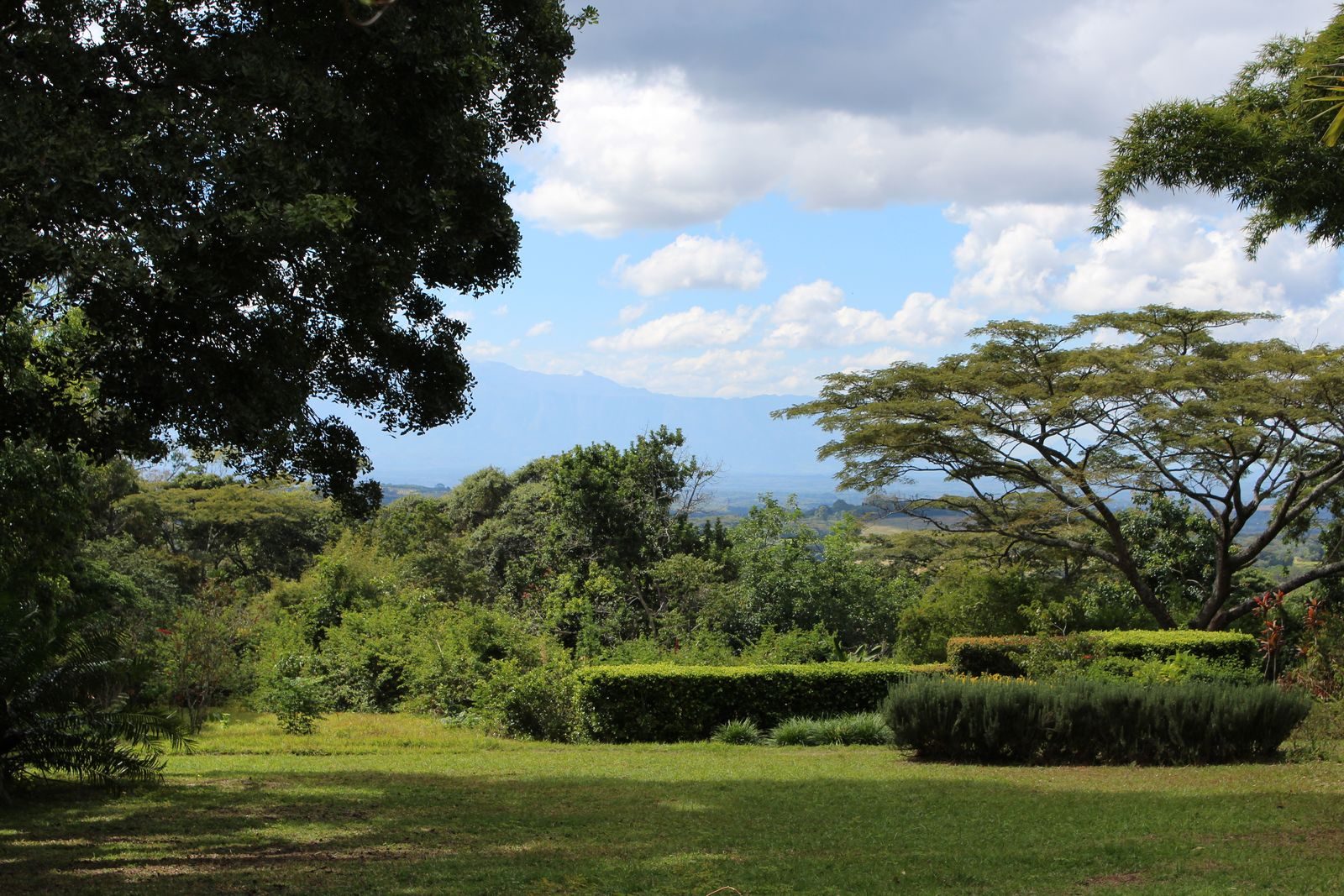
Most travellers landing at Chileka International fly through Blantyre and head straight for Liwonde or the lake. The mistake is in the haste. Forty minutes south of Blantyre, in the high tea country of Thyolo District, sits a landscape that almost no first-time visitor has on their itinerary — and almost every returning traveller insists on.
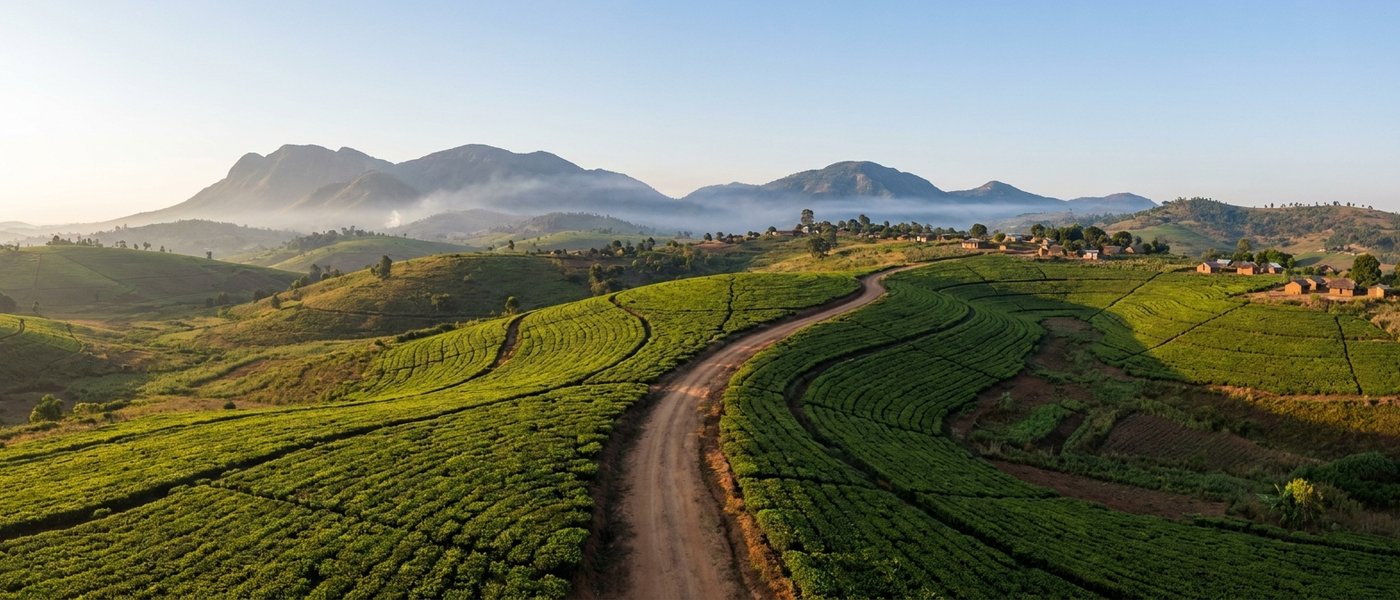
The drive from Blantyre to Thyolo is a textbook 90-minute example. The first 30 minutes are urban — Limbe's markets, the slow climb out of the bowl of the city. Then the road opens into rolling green: tea bushes pruned into geometric carpets, Conforzi and Satemwa estates flanking the M2, and the distant teeth of Mount Mulanje on the eastern horizon. By the time you've reached Thyolo town, you've climbed nearly 600 metres in elevation, and the air is noticeably cooler than the lake-bound humidity you'd find in Mangochi.
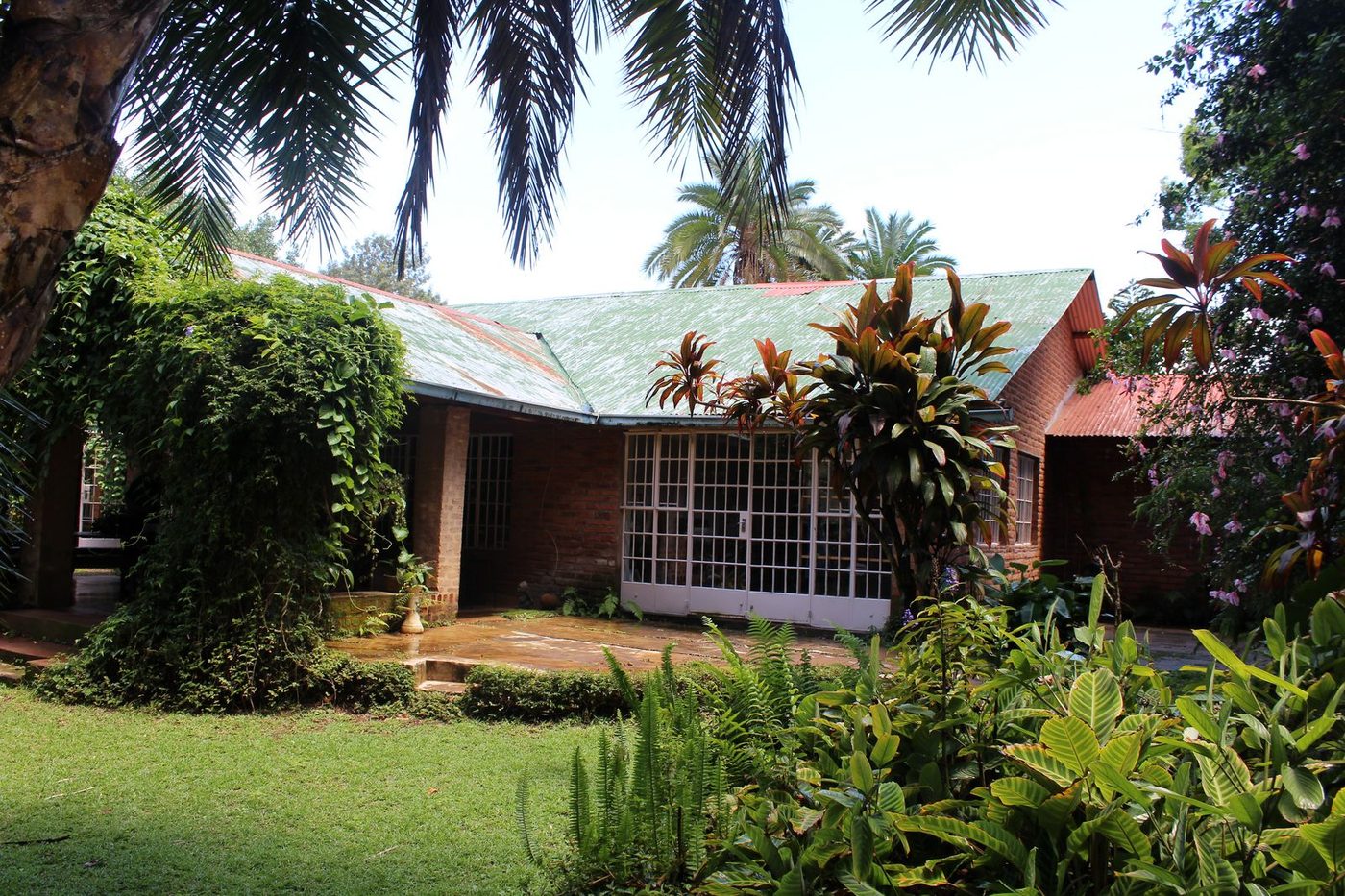
Three hours is the magic window. Long enough for a tea country walk, a slow lunch on a verandah, and a pot of single-estate Satemwa or Conforzi tea. Short enough that you can still reach the lake by sundown if you must. At The Thyolo House — set in the Thyolo highlands — we routinely host travellers for what they planned as a single overnight and ended up extending to two or three. The pause isn't an indulgence. It's a pacing tool.
The minimum-viable Thyolo pause
- Drive: 40 minutes from Blantyre on the tarred M2
- Stay: One night at a tea country lodge
- Do: A garden morning, a swim, a long lunch
- Cost benchmark: Ask directly about any off-site activities before travel
For travellers based in Blantyre, this is also the easiest weekend escape in the south — a route the journal includes about in more detail in our weekend escape guide.
3. Half a Day for Mulanje: What You Can Actually See Without Hiking
In 2025, Mount Mulanje was inscribed as a UNESCO World Heritage Site — Malawi's third, after Lake Malawi National Park and the Chongoni Rock Art. The recognition was for its cultural traditions and spiritual significance to the Mang'anja, Yao, and Lomwe peoples. What it didn't change is the practical reality: a serious Mulanje hike takes three to five days, and Sapitwa Peak at 3,002 metres demands real fitness, a guide, and a stay in one of the ten mountain huts.
Half a day, though, is enough to feel the mountain. From Thyolo, the drive to the Mulanje Mission base takes about an hour — 70 kilometres of slowly rising road through Luchenza. From Blantyre, allow two hours.
What you can do without hiking:
- Visit the Likhubula Forestry Office and walk the lower trails to Likhubula waterfall (45 minutes return, gentle gradient)
- Drive to Lujeri Tea Country — 40 minutes from Thyolo town — for photogenic working tea fields with the mountain massif as backdrop and a small visitor centre
- Stop at Mulanje town's craft cooperatives for cedar-wood carvings (the critically endangered Mulanje cedar is the mountain's endemic signature)
The half-day Mulanje detour pairs naturally with a Thyolo overnight. Leave Thyolo at 8am, be at Likhubula by 9.15, walk to the falls, take lunch back at your tea-country base by 2pm. The mountain becomes the view rather than the climb — and you'll still have an afternoon for the pool.
4. A Full Day on the Lakeshore: The Drive That Decides Your Whole Trip
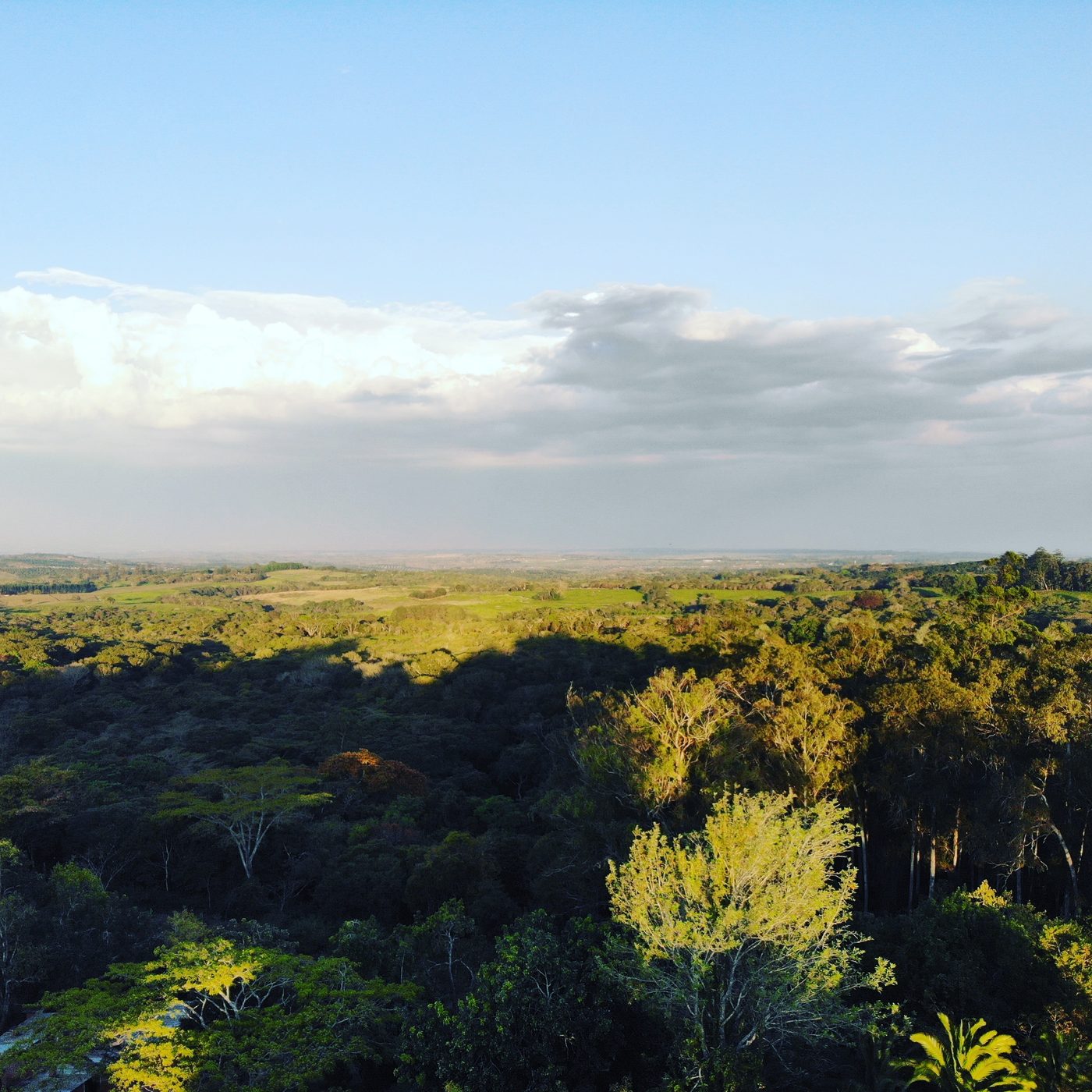
If there is one drive that defines whether your visit through Malawi feels rushed or roomy, it's Thyolo or Blantyre to the lake. The math looks reasonable: 350 to 400 kilometres to Cape Maclear, depending on routing. The reality is six to seven hours including stops, and you do not want to arrive at a lake lodge after sunset.
From Thyolo, the cleanest route is M2 north through Zomba, then M3 east to Mangochi, then the lakeshore road to Cape Maclear or Senga Bay. Budget the day like this:
- 07:30 – Depart Thyolo after a proper breakfast. The 90-minute rule means your first stop is around 9am.
- 09:00 – Zomba Plateau viewpoint stop. The old colonial capital is worth 30 minutes; the plateau itself worth two hours if you can spare them, but for travellers in transit, the lower lookouts are enough.
- 11:00 – Liwonde gate detour (optional). If you're not staying inside the national park, a coffee at one of the gate lodges puts you eye-level with the Shire River.
- 13:00 – Lunch in Mangochi. The fishing town at the southern tip of the lake is your last reliable lunch spot.
- 16:00 – Arrive at the lake. Cape Maclear or Senga Bay — both within an hour of Mangochi on different roads.
The mistake travellers make is treating this as a four-hour drive. It is not. Petrol stops, slow-moving trucks on the Zomba climb, and at least one wrong turn near Mangochi will add two hours. The travellers who arrive at the lake unhurried are the ones who left Thyolo at dawn — or who broke the drive at Liwonde for a night. A more detailed route breakdown is in our road trip routes guide.
5. Two Days in the Highlands: Tea Estates, Forests, and the Slow Lunch
If your itinerary allows two nights anywhere in the south, spend them in the Thyolo–Mulanje highlands. The elevation (around 1,000 metres at Thyolo, higher at Mulanje) keeps daytime temperatures between 18 and 28°C during the dry season, which is the most comfortable climate band in the country. The lake is hot. Blantyre is dusty. The highlands are temperate, green, and quiet.
A two-day pacing template:
Day 1: Arrive and decompress
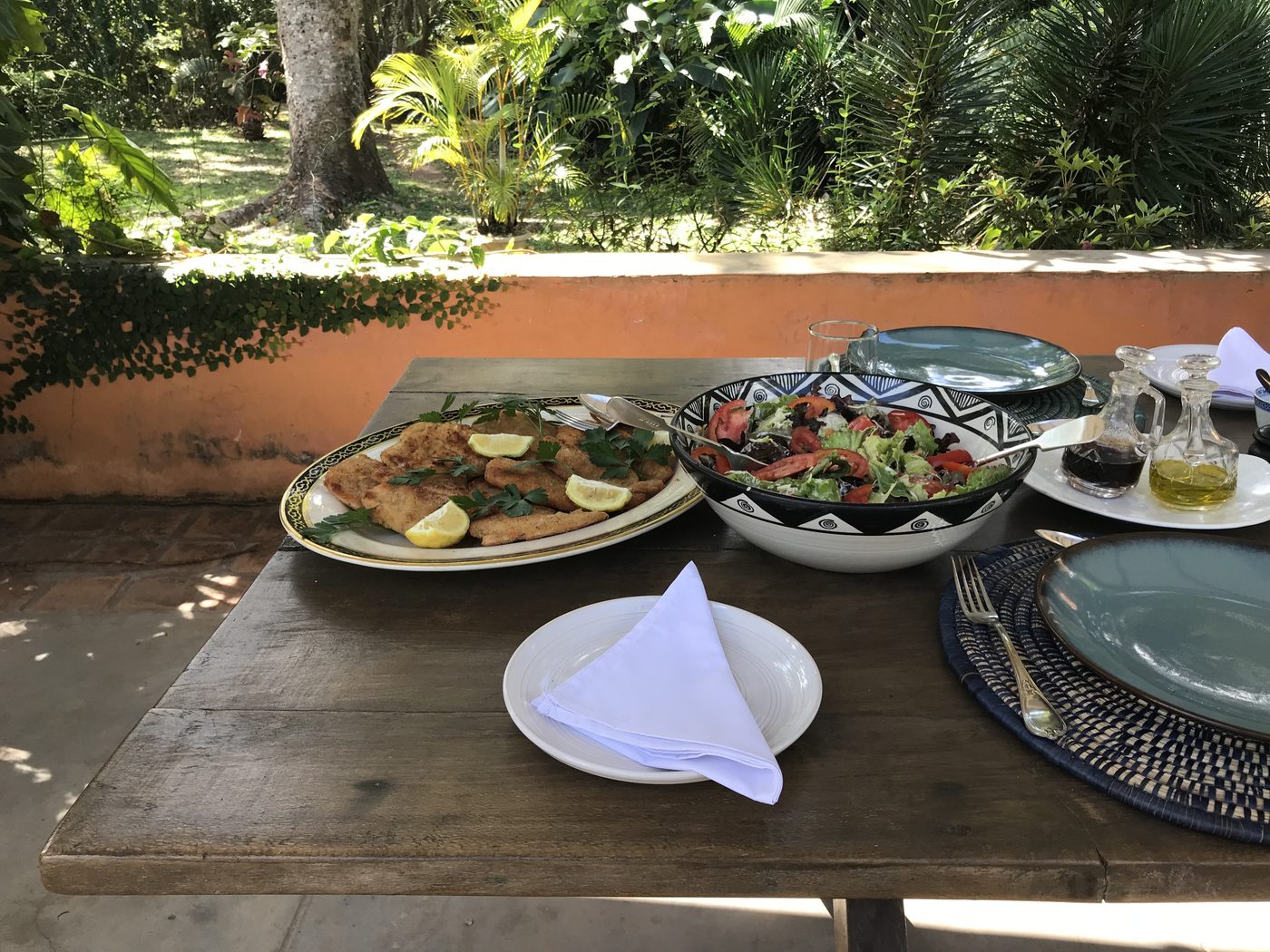
Drive in from Blantyre in the morning. Check into your tea country lodge by lunch. Spend the afternoon on a garden morning — these typically run 90 minutes and cost USD 15–25 per person at estates like Satemwa, Conforzi, Lujeri, and Naming'omba. End with a long dinner. At The Thyolo House, our Italian fusion restaurant uses garden-grown ingredients, which is a way of saying that the salad on your plate was picked an hour before service.
Day 2: Choose your direction
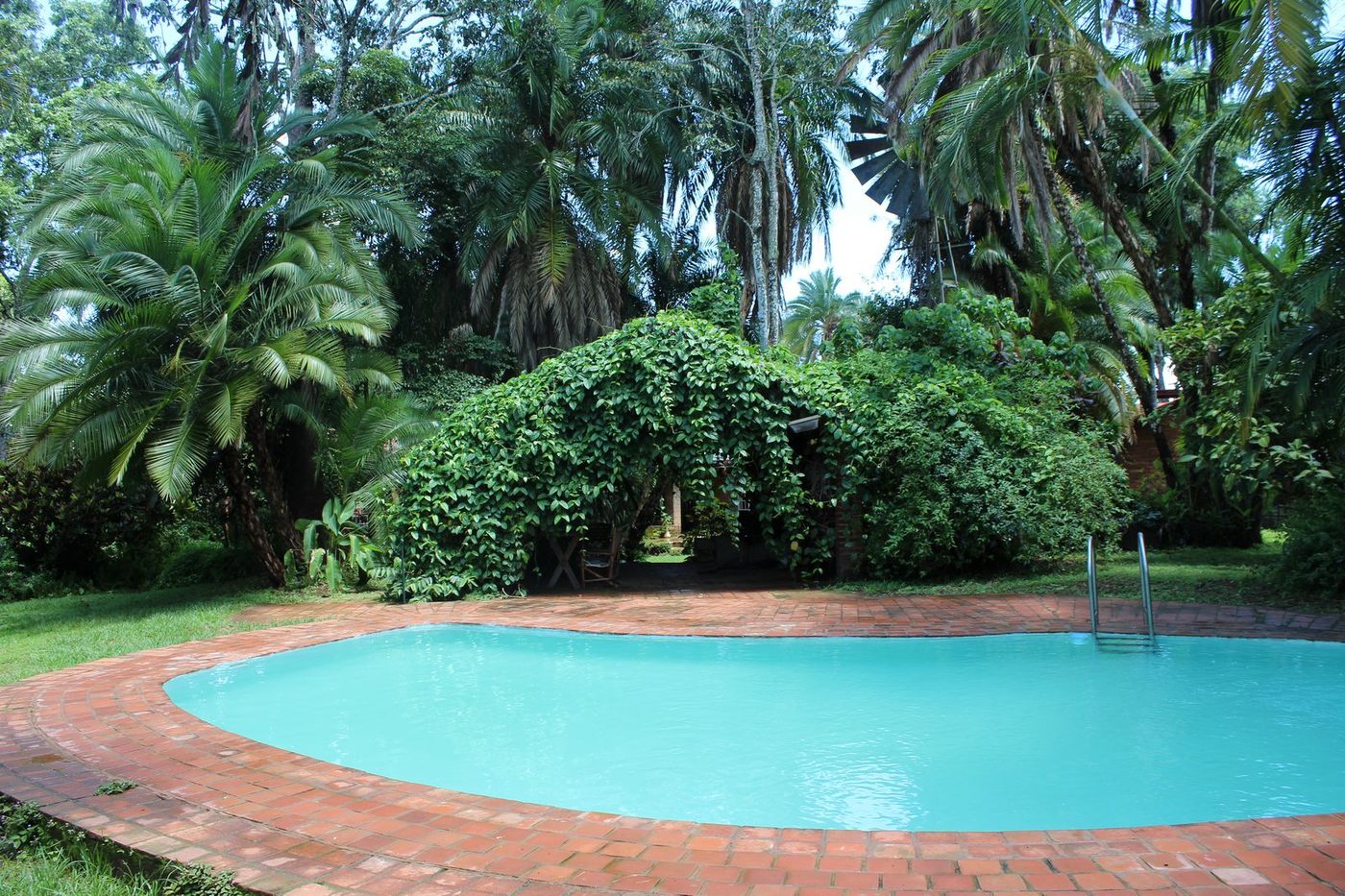
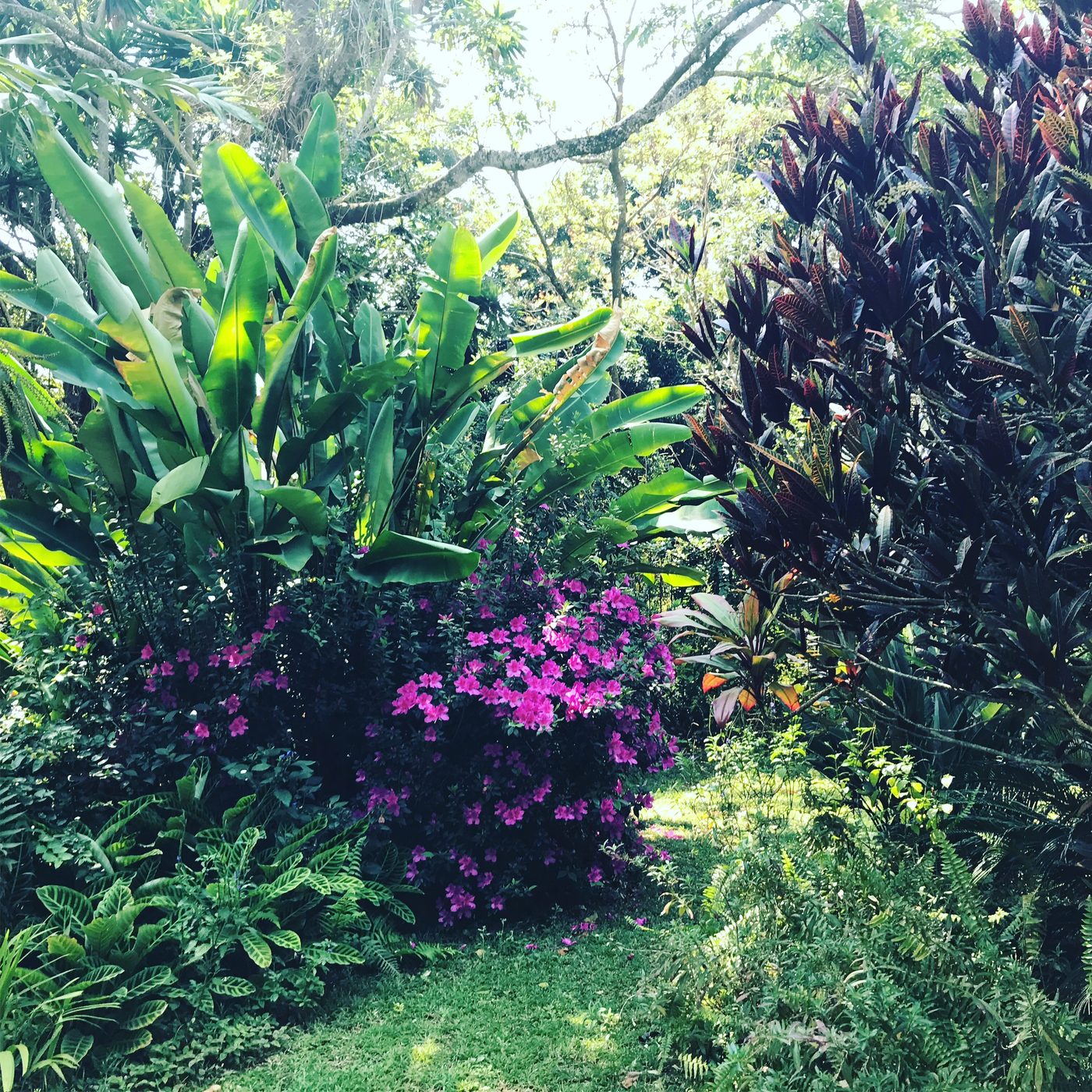
Either drive out to Mulanje for the half-day described earlier, or stay on your estate and do nothing. The "do nothing" option is genuinely worth defending. Two nights at the same address — unpacking once, eating slowly, walking the same highland forest in different light — is how travel becomes rest. Our owner, Flavia Conforzi, runs occasional art workshops for guests who want to fill the afternoon with something more structured.
6. Four Days South-to-North: A Realistic Cross-Country Pace
Four days is the minimum for travellers who want to see both the south and Lake Malawi without resenting the windscreen. Here's a pace that works:
- Day 1: Arrive Blantyre. Drive 40 minutes to Thyolo. Estate walk, dinner, sleep.
- Day 2: Half-day Mulanje detour. Return to Thyolo for a second night, or push north to Zomba for the plateau.
- Day 3: Drive to the lake via Liwonde (consider an overnight in the park — Liwonde's elephants and hippos are best at dawn). Arrive lakeshore by late afternoon.
- Day 4: Full day at the lake — swim, snorkel, boat trip to Otter Point. Land & Lake Safaris launched PADI diving tours in 2025 if you want to certify.
Four days is also the realistic minimum to make a Malawi trip feel worth the long-haul flight. Anything shorter and you're driving through, not into, the country.
7. A Week in Malawi: Where to Spend the Nights You'll Remember
A full week unlocks the country properly. Use the extra days for depth, not distance. The travellers who try to add Nyika Plateau, Likoma Island, and the Zambian border in seven days come home exhausted. The travellers who add a second night at the lake and a second night in the highlands come home glowing.
A seven-night south-focused template:
- Nights 1–2: Thyolo highlands (tea-country base)
- Night 3: Liwonde National Park (riverside lodge)
- Nights 4–6: Lake Malawi — Cape Maclear or Senga Bay
- Night 7: Buffer night in Blantyre before your flight
The cool weather window — May to October — is the strongest case for visiting. Mid-May to August is the coolest stretch and best for wildlife viewing; July and August are peak season at the lake. April is an underrated shoulder month: lush from the rains, fewer crowds, roads accessible. the journal includes a fuller breakdown in our seasonal guide to Malawi.
8. The Buffer Day: Why Every Trip Through Malawi Needs One (and Where to Spend It)
Here is the single piece of pacing advice I give every guest before they head home: build in a buffer day. One night, somewhere quiet, with no driving on either side. Malawi's roads will, at some point, surprise you — a fuel queue, a slow truck, a detour around roadworks. A buffer day absorbs the surprise.
The best place to spend it is wherever you most wanted to slow down on the visit. For many of our guests, that ends up being the highlands — partly because the climate is forgiving, partly because Thyolo sits within striking distance of Blantyre's airport (40 minutes) without the airport-hotel sterility. A buffer day at a tea country looks like a swim, a long lunch, a walk through indigenous forest, and an early night.
A few practical notes for travel Malawi planning that will make any pace easier:
- Visas: As of 2026, most nationalities need a visa. Apply online at evisa.gov.mw — single-entry tourist e-Visa is around USD 75 and takes about three working days. Print before you fly.
- Passport: Valid six months beyond entry, with two blank pages.
- Safety: The US State Department rates Malawi Level 2 — exercise increased caution. Standard urban awareness in Blantyre and Lilongwe; the southern highlands and tea districts are reliably low-incident.
- Cash: Carry small denominations of Malawian kwacha for road tolls, fuel, and tips. ATMs in Blantyre and Mangochi are reliable; rural areas are not.
- Driving: Left side of the road. Avoid driving after dark — unmarked livestock and cyclists make night driving genuinely dangerous.
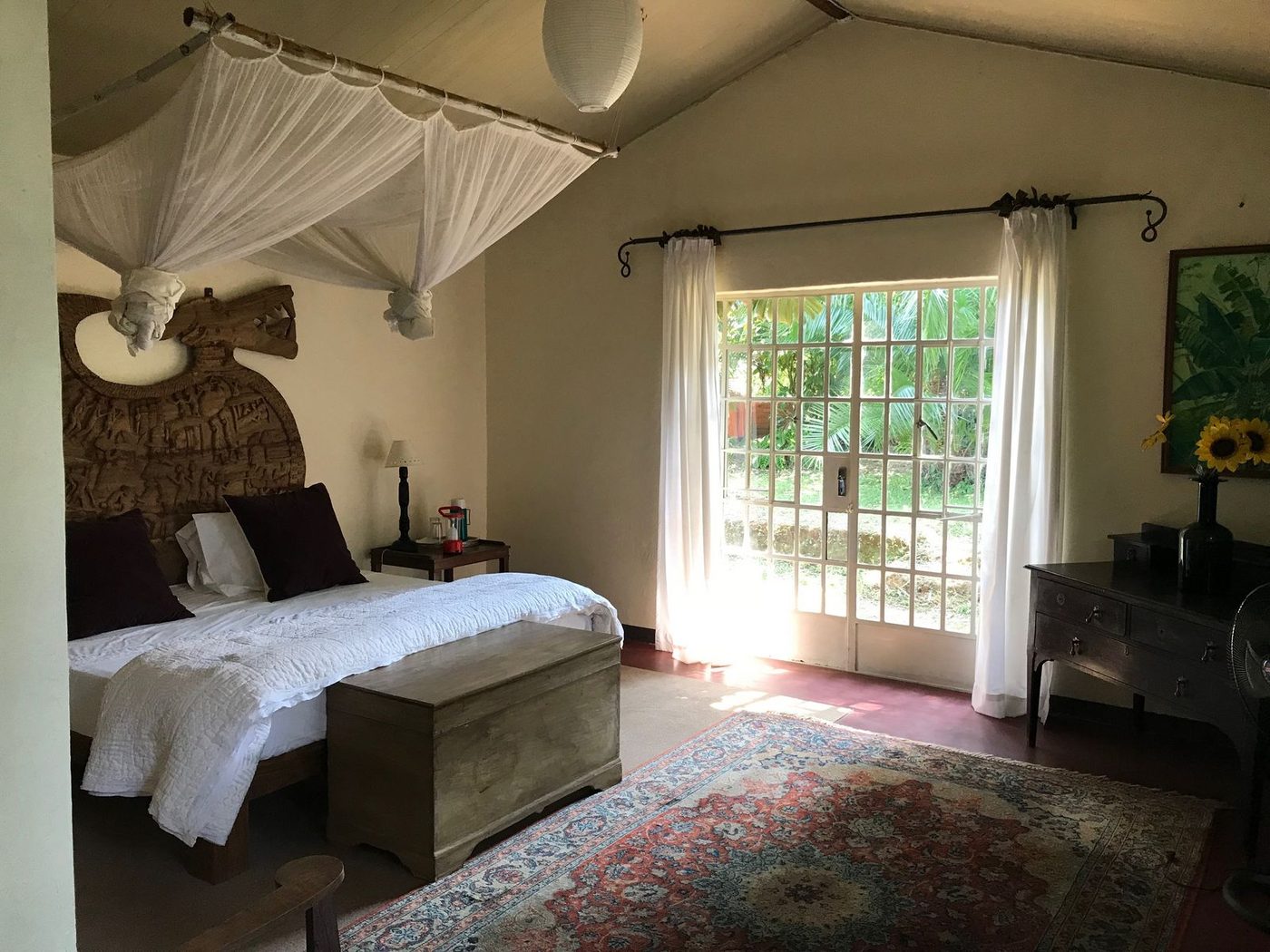
If you'd like help building a pace that fits your dates — or you want to book the buffer night before you commit the rest of the itinerary — message us on WhatsApp or email thethyolohouse@gmail.com. We can talk through routing, suggest stops we trust on the road north, and reserve one of our five rooms for the night you'll remember most.
Travel Malawi by the hour, not the kilometre. The country is small enough to cross in a day — and far too good to.