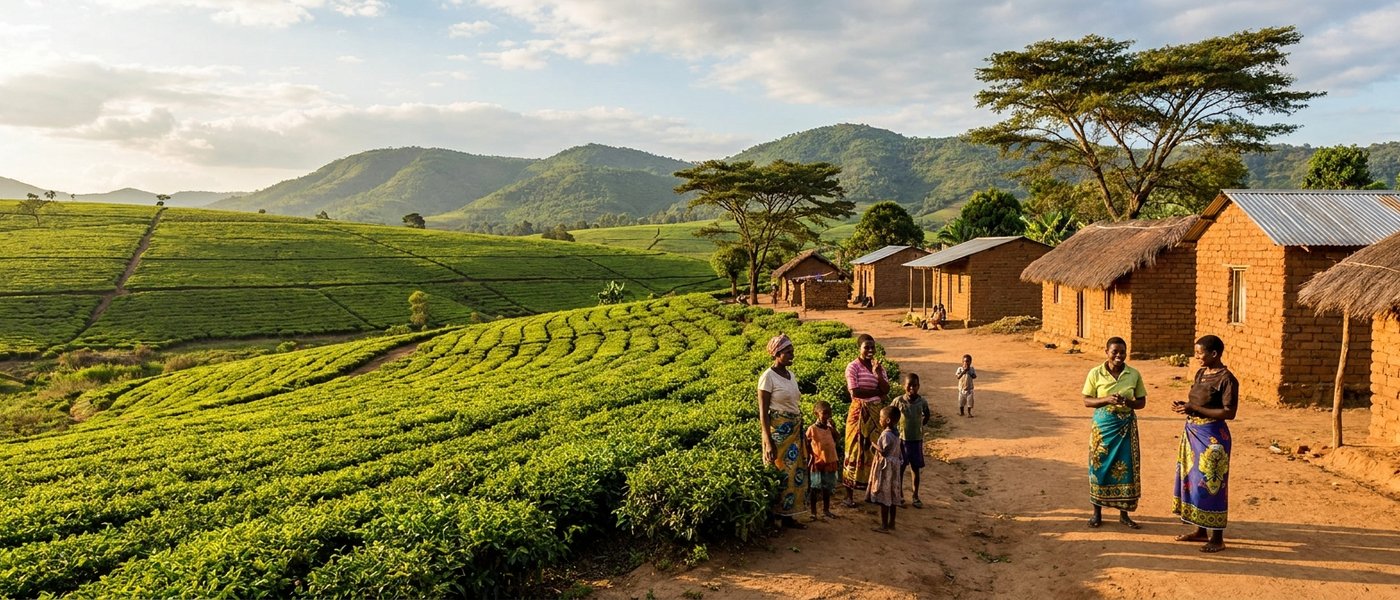
/ By The Thyolo House
Volunteering Malawi: A Tea Country Host's Honest Guide
A journal from a boutique lodge in the Thyolo highlands. These are notes from our corner of Malawi — places we love, walks we've done ourselves, operators we've watched do good work. The mountain treks, tea-estate tours, and day trips are all run by independent operators in Malawi; book those directly with them. Come stay with us before or after — we'll do the room, the meal, and the quiet.
Volunteering Malawi sounds simple from the outside — a flight, a placement, a few months of "giving back." From the inside, sitting on a tea country veranda watching volunteers come through Thyolo for a weekend off, the picture is more complicated and far more interesting. The country genuinely needs skilled hands in specific sectors. It also has a long, well-documented history of being damaged by short, well-meaning trips that solve problems no one asked them to solve. This guide is written from a host's perspective: who actually needs help in 2026, which programmes are running, what to avoid, and how to use Thyolo's tea country as a place to land, rest, and return to yThe Thyolo Housement with something left in the tank.
Why Volunteering in Malawi Looks Different From the Inside
Malawi is called "the warm heart of Africa" in every brochure, and the cliché is mostly true — people will greet you, feed you, and walk you to the bus stop even when they've never met you. But that warmth has been monetised, packaged, and sold back to visitors for two decades, and the resulting volunteer industry is uneven. Some organisations do excellent work. Others exist mainly to give Western teenagers a profile photo. Knowing which is which is the first job of anyone considering volunteering Malawi as a destination.
The structural facts matter. Malawi is one of the world's lowest-income countries, with a fragile health system, a rural majority, and chronic gaps in teaching, conservation, and skills training. Real needs exist. But the country also has a functioning civil society — there are 42 functional NGOs in Mulanje district alone, most run by Malawians, most under-resourced rather than under-staffed. When a foreign volunteer parachutes in for two weeks to "build a school," the school usually gets built more slowly and more expensively than if the same money had been handed to the local committee that was already building it.
The volunteers we host who do the most good tend to share three traits: they stay at least three months, they have a specific skill (medical, technical, teaching with a real qualification), and they work under the direction of a Malawian organisation rather than a foreign one. Everything else in this guide flows from that observation.
The Sectors That Actually Need You (Medical, Conservation, Skills-Based)
If you're qualified, three sectors absorb skilled volunteers well in southern Malawi.
Medical and healthcare
Malawi's health system runs on Health Surveillance Assistants — a cadre of community health workers who do the bulk of primary care in rural areas. Doctors, nurses, midwives, and public-health specialists are genuinely scarce, and visiting clinicians are welcomed at mission hospitals across the south. Malamulo Adventist Hospital, about an hour from us in Makwasa, runs a structured visiting-doctor programme; the journal covers it in detail in our Malamulo Hospital guide for visiting doctors. Dignitas International runs HIV/AIDS services district-wide. If you have a medical qualification, your skills will be used hard and well.
Conservation
The Mulanje Mountain Conservation Trust (MMCT), founded in 2000 and a member of IUCN, manages the Mulanje Biosphere Reserve — one of the most important biodiversity sites in the region. They don't run a published volunteer programme for 2026, but skilled conservationists, ecologists, and GIS specialists who write directly often find a way in. The same is true for the Department of Forestry's Thyolo Mountain protection work. Conservation here is unglamorous — a lot of community engagement, a lot of slow data collection — but it's where the long-term impact lives.
Skills-based teaching and training
Friends of Mulanje Orphans (FOMO) supports around 5,000 children across 13 to 14 centres in Mulanje district, with each centre run by a locally elected volunteer committee. Their tailoring, driving, and computer schools take adult learners and turn them into employable workers. Volunteers with real teaching credentials, trade skills, or IT backgrounds are useful here. Volunteers with a gap-year and good intentions are less so. We've mapped the wider NGO landscape in our southern Malawi NGO guide for aid workers, which is worth reading before you commit to any single organisation.
What to Avoid — Orphanage Tourism and Two-Week Saviour Trips
The single most damaging form of volunteering Malawi tourism is orphanage visits. The research is now overwhelming and the global development community is in agreement: short-term volunteer rotations through residential care homes harm children, full stop. Attachment disorders, behavioural regression, and the perverse economic incentive to keep children in institutions rather than reunite them with extended family are all well-documented outcomes. If a programme advertises "play with orphans" as a daily activity, walk away. Reputable organisations like FOMO deliberately keep children with their families and communities — the model is community-based care, not residential care.
The second pattern to avoid is the two-week construction trip. A foreign team flies in, lays bricks for ten days under the supervision of a local foreman who could have done the job faster and cheaper alone, and flies home. The school gets built, but at three to five times the cost, and the local masons who could have been paid don't get the work. If your goal is to fund a building, fund it. If your goal is the experience of building, that's honest — but call it tourism, not volunteering.
The third red flag is any programme that asks for thousands of dollars for a one-week placement with vague descriptions of where the money goes. Building Malawi, for contrast, runs on a donation model of £150 the first week and £75 each subsequent week — transparent, modest, and structured around staying long enough to be useful. Kusewera charges a fixed $699 for a trip that includes airport pickup, lodging, meals, and a leader. IVHQ's programmes start around $20 per day inclusive. These are the price points to compare against. If a programme is charging $3,000 for ten days and the breakdown is fuzzy, the money is paying for marketing, not impact.
How Long-Term Volunteers Use Thyolo House as a Reset Point
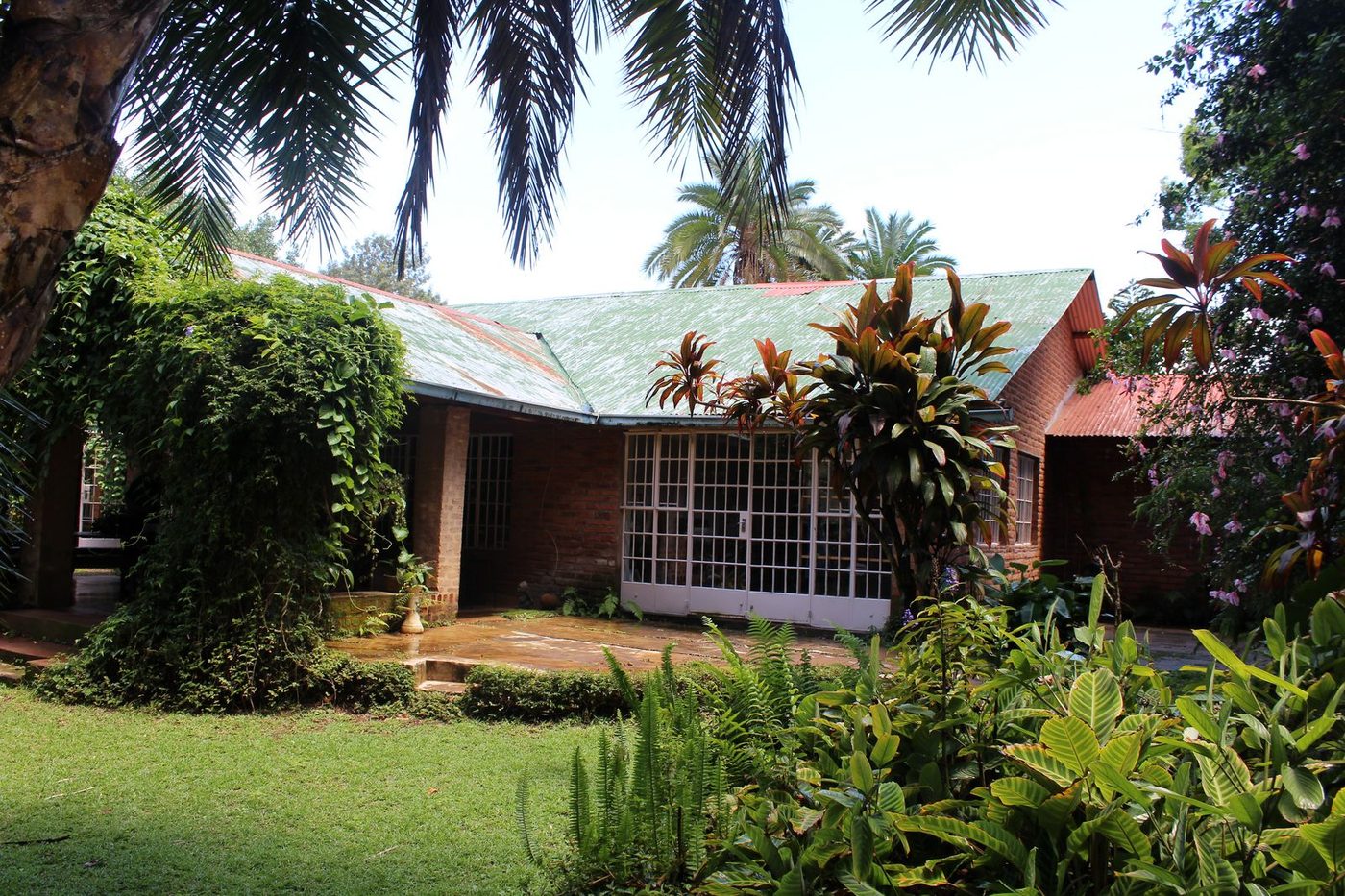
Most volunteers we host aren't the two-week kind — they're the three-month, six-month, and Peace Corps two-year kind, and they come to Thyolo on weekends or between rotations because they need a quiet room, a hot shower, and food they didn't have to think about. We're a five-room boutique hotel on a historic property that was once part of the Conforzi Tea Estate, twenty minutes from Limbe and forty minutes from Blantyre, which makes us an easy reach from most southern-region placements without being so close that you can't fully unplug.
The pattern we see is consistent. A volunteer based in Mulanje town comes for two nights every six weeks. A clinician at Malamulo comes up for a Sunday. A Peace Corps volunteer posted further north arrives wrung out after three months in-village and books five nights to recover. What people want is the same thing every time: a real bed, working WiFi, a meal cooked by someone else, and silence broken only by the wind in the eucalyptus.
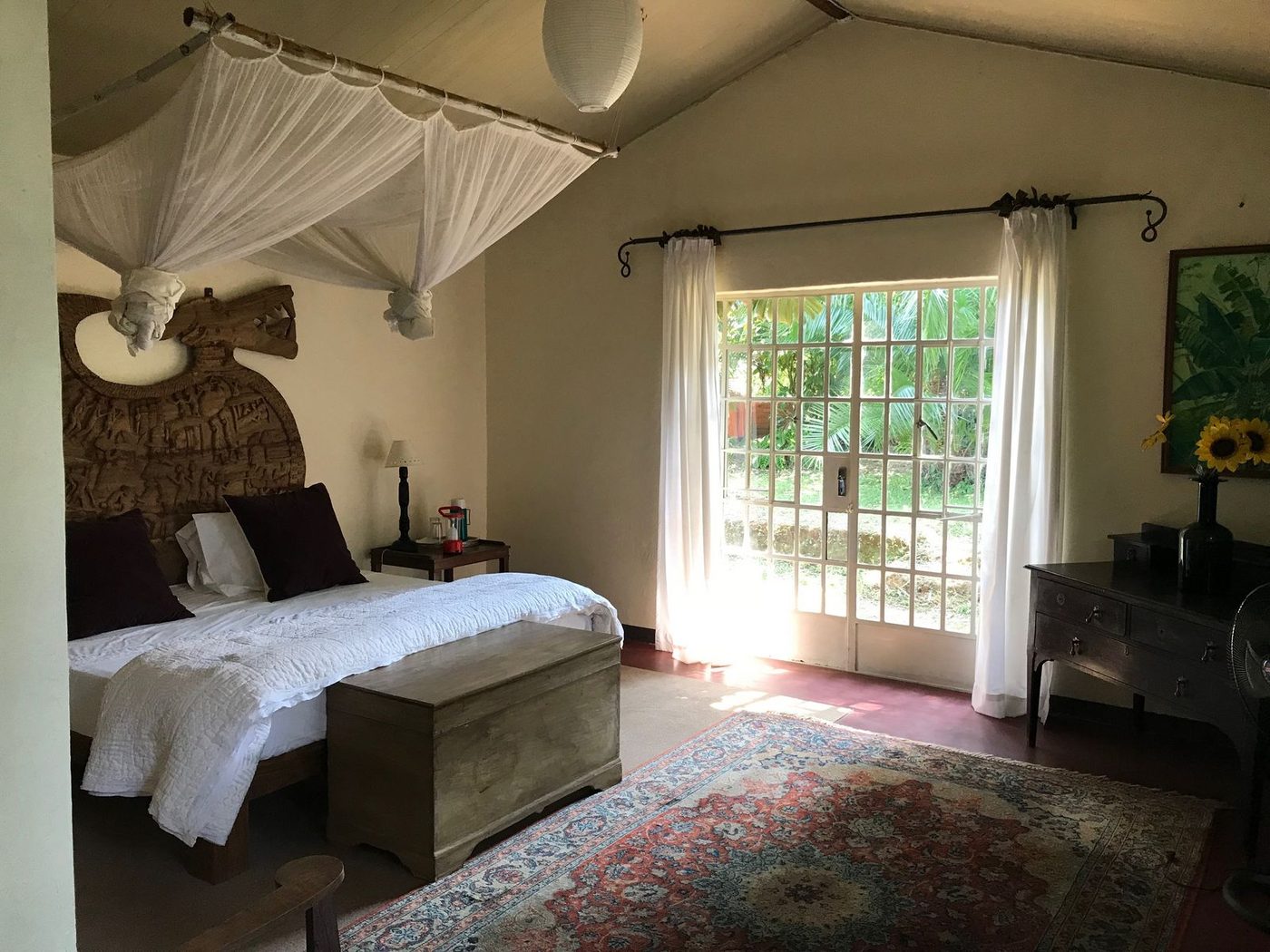
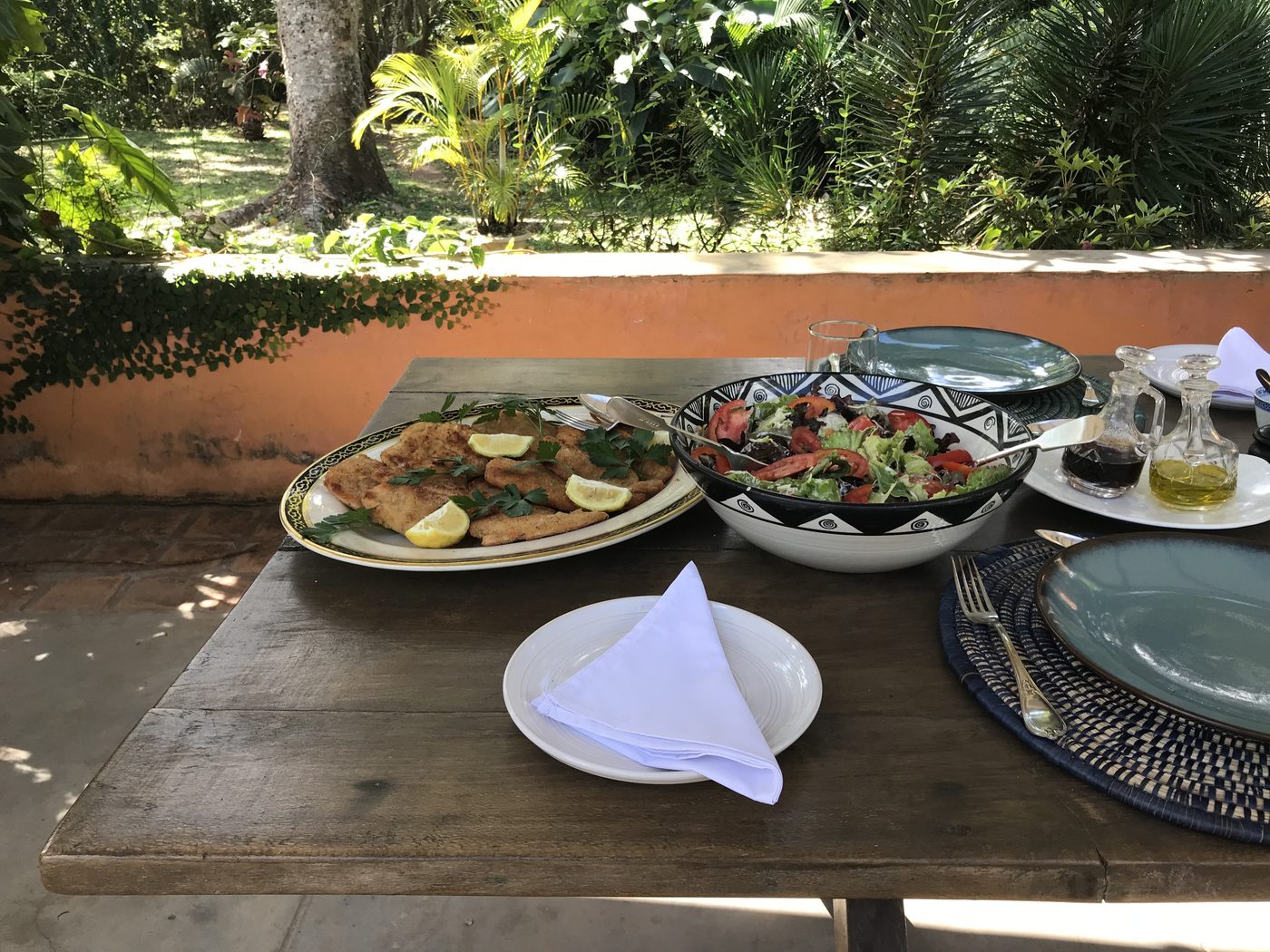
Flavia, who owns the house and runs the kitchen, is an Italian-Malawian artist, and the food is Italian fusion built around what's growing in the garden that week. After three months of nsima and beans (which we love, but you know what we mean), a plate of fresh pasta with a glass of wine on the veranda does something restorative that's hard to overstate. the boutique rooms are deliberately small in number — five — because the point is rest, not turnover.
Pairing a Placement With Real Malawi — Tea Estates, Mulanje, Lake Malawi
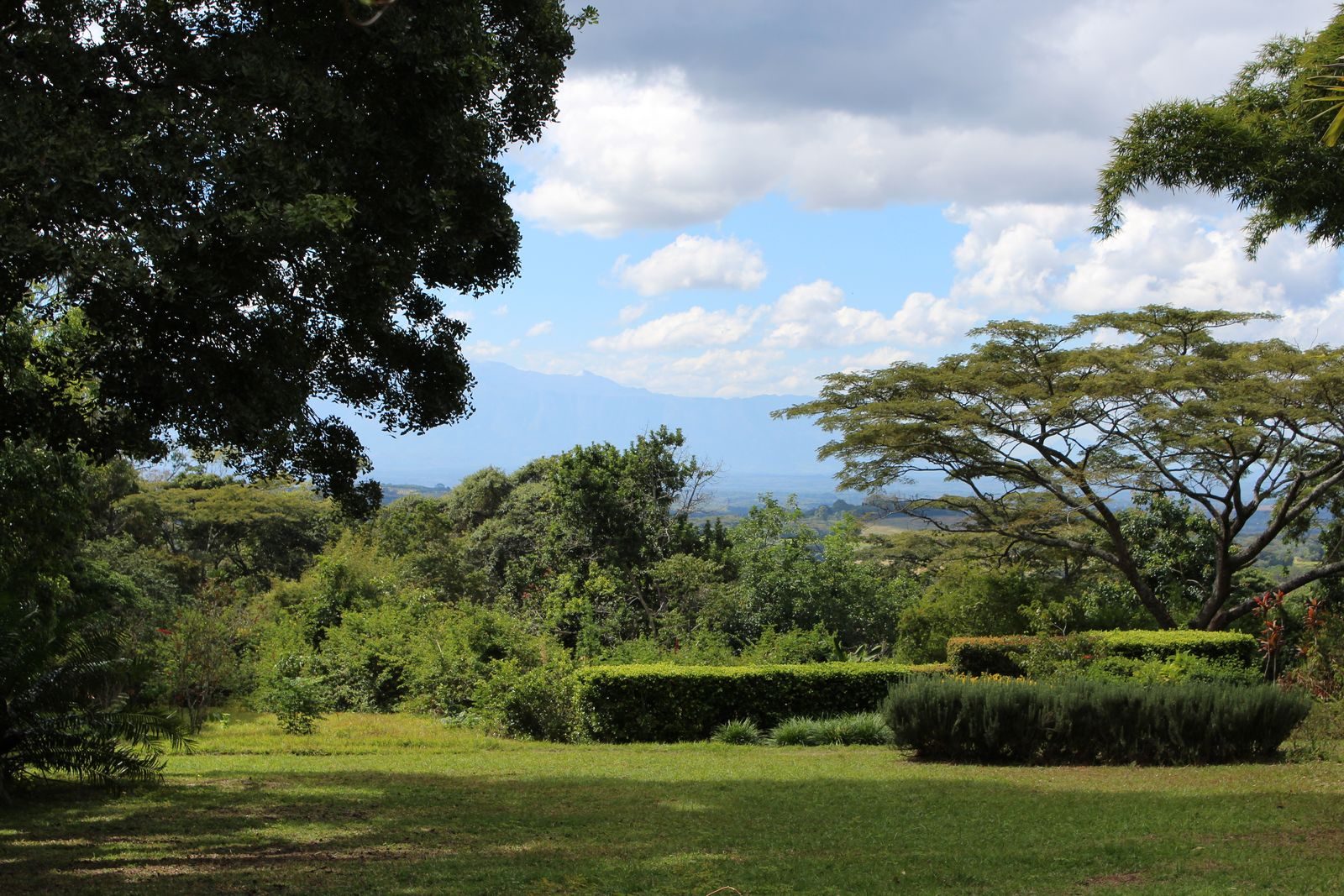
One of the quiet sadnesses of volunteer life is meeting people who have spent six months in Malawi and seen almost nothing of it — placement, town, placement, airport. The geography of southern Malawi makes this especially unnecessary. From Thyolo, Mulanje Massif is roughly an hour east; the Shire Highlands tea country surrounds you on every side; Lake Malawi is four hours north to Cape Maclear or Senga Bay. A long weekend can cover a remarkable amount of ground.
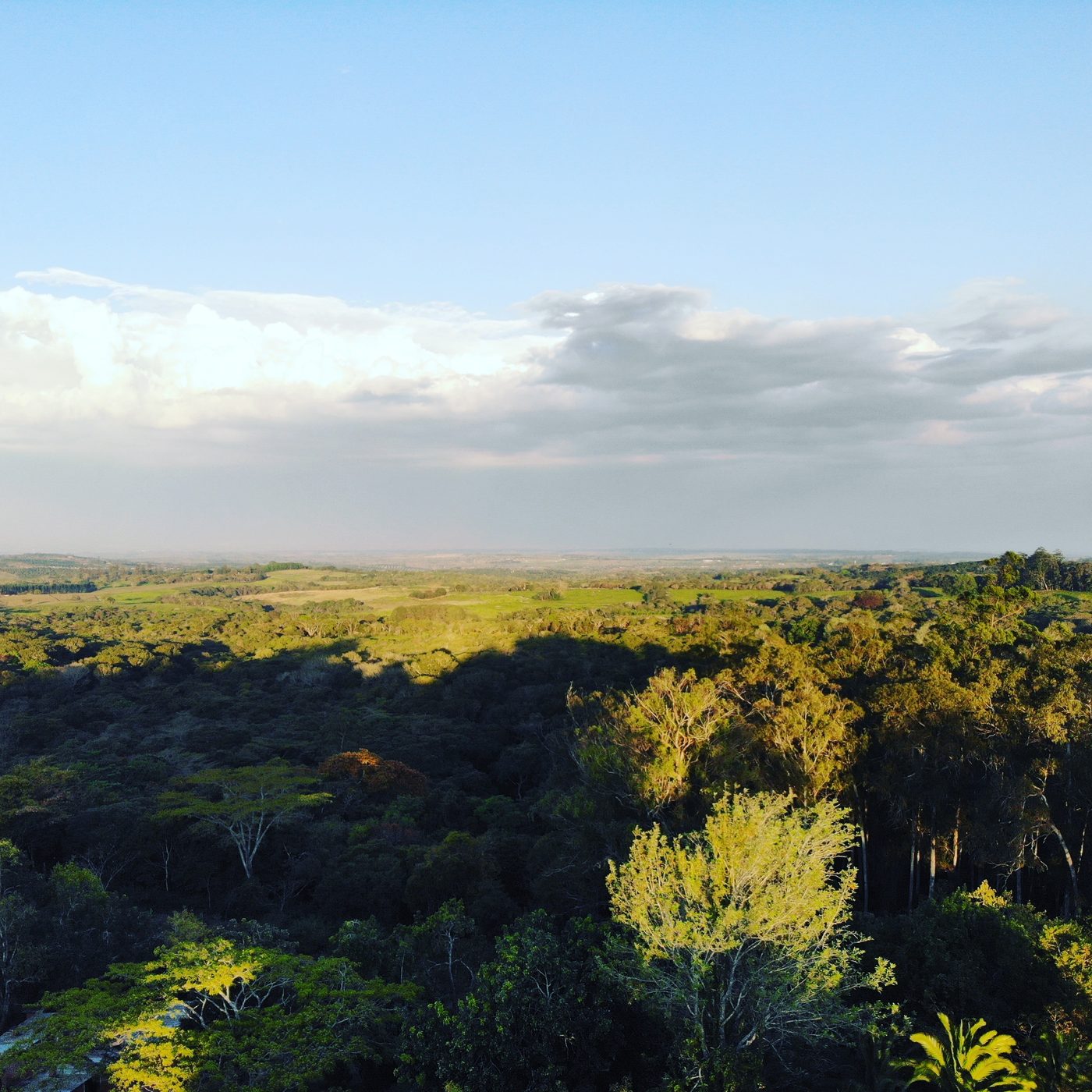
Tea country walks at Conforzi cost nothing and take an hour or two. The indigenous forest around the property holds the endangered Thyolo Alethe and a long list of other forest specials — birders specifically often plan a stop here on the way to or from Mulanje. Mulanje Massif itself is a serious mountain with structured trails, mountain huts, and porter networks coordinated through the Mulanje Mountain Conservation Trust; even a one-day walk to Likhubula gives you a real sense of the landscape. Lake Malawi is its own decision — the southern lakeshore communities at Cape Maclear and Monkey Bay are where most volunteers go to switch off completely for a week.
The thing we'd push back on, gently, is treating Malawi as a backdrop for yThe Thyolo Housement rather than a country you've come to understand. The tea estates have a complicated colonial history. The villages around your school or clinic have their own politics, their own committees, their own quiet competence. Spending time in the country away from yThe Thyolo Housement is part of how you learn to see it.
Practical Logistics: Visas, Vaccinations, Money, Phones
The visa rules changed in 2026, and a lot of older guides are now wrong. All volunteers must apply for an e-visa at least one month before arrival. The single-entry fee is USD $50, and your passport must be valid for at least six months past your return date. Apply early — the system has been processing applications more slowly than it used to, and arriving without a valid e-visa now means being turned around at the airport. Our full Malawi visa and travel tips guide walks through the process step by step.
For vaccinations, your travel clinic at home is the right authority — but expect the standard list (yellow fever if transiting through an endemic country, typhoid, hepatitis A and B, tetanus, rabies pre-exposure if you're going rural). Malaria is endemic in Malawi year-round; doxycycline and Malarone are both common prophylaxis choices. Bring a good DEET-based repellent and use the bed nets that any decent placement will provide.
For money, the Malawi Kwacha (MWK) is the local currency, and you'll want a mix of cash and card. ATMs in Blantyre, Limbe, and Mulanje town work reliably with international Visa cards; rural ATMs are unreliable. Most placements run on cash. Don't bring large quantities of dollars expecting a good rate — bank rates are reasonable and far safer than informal exchange.
For phones, buy a local SIM at the airport from Airtel or TNM. Data is cheap by international standards, coverage is good in Blantyre, Limbe, Thyolo, and Mulanje town, and patchier the deeper rural you go. WhatsApp is the dominant communication tool for everything — placements, taxis, hosts. We run our bookings through WhatsApp for that exact reason.
A Sample Two-Week Reset Itinerary From The Thyolo House
If you're a long-term volunteer with two weeks of leave, here's the rhythm that works for most people who pass directly with the relevant operator.
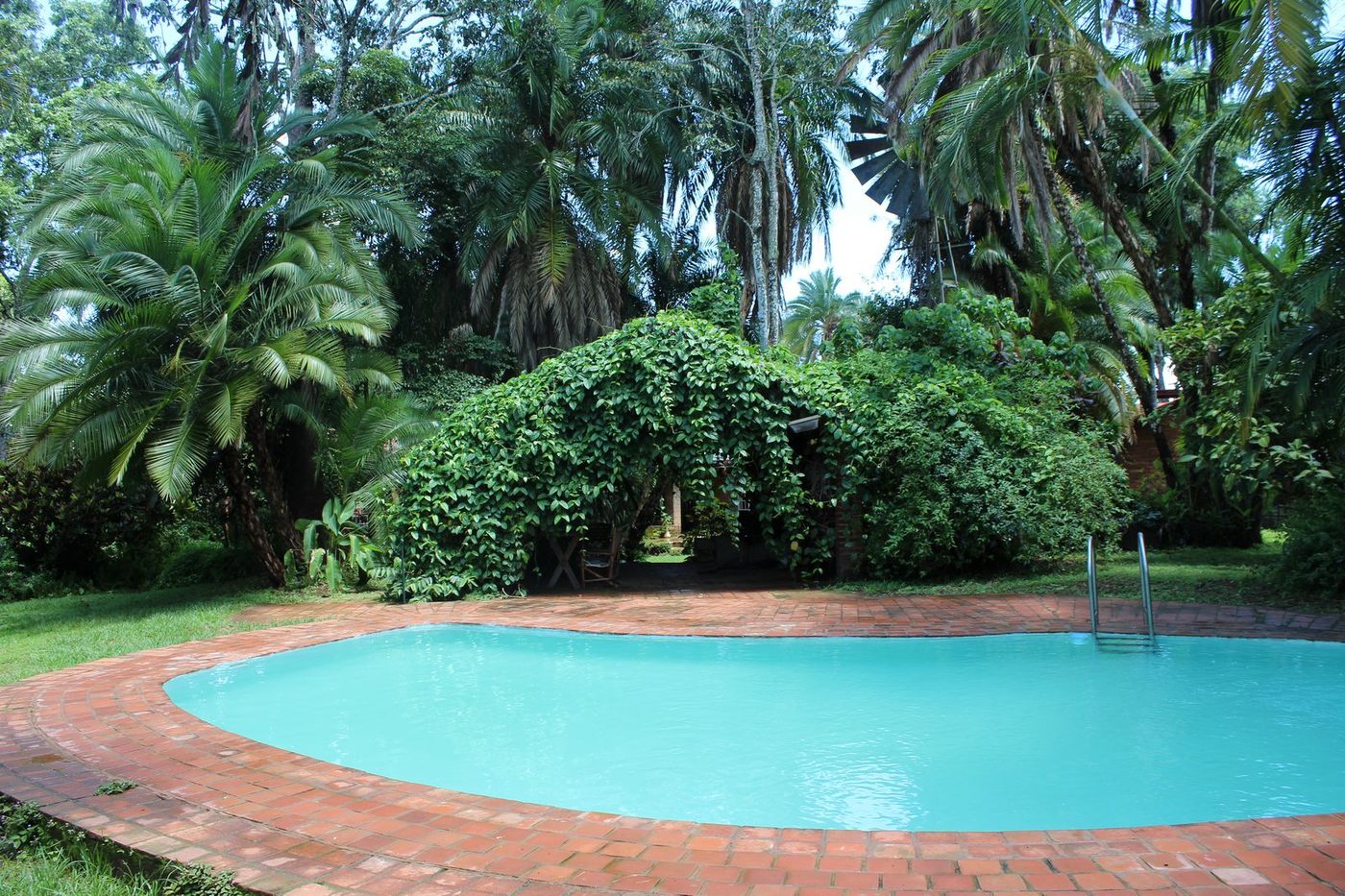
- Days 1–3, Thyolo: Arrive, sleep, eat. Tea country walks in the morning, the pool in the afternoon, dinner on the veranda. Book one of the rooms for the full three nights — the cost of moving around early in a reset week is more than the cost of standing still.
- Days 4–6, Mulanje: An hour east to Mulanje town, then up the mountain with porters arranged through MMCT. One night at Likhubula, one night in a mountain hut, one night back down. Hard walking, clean air, and the satisfaction of a real summit attempt if the weather holds.
- Day 7, back to Thyolo: A laundry day. A long lunch. A nap. Dinner can be booked at The Thyolo House, depending on restaurant availability.
- Days 8–12, Lake Malawi: Drive or shuttle to Cape Maclear or Monkey Bay (around four hours from us). Five nights of swimming, kayaking, and reading. The lake is the most emphatic off-switch in the country.
- Days 13–14, return via Thyolo: Break the drive back to yThe Thyolo Housement with a final two nights here. Re-pack, re-plan, return to work with something in reserve.
None of this is exotic. It's just the unglamorous truth that volunteering Malawi well requires resting Malawi well. The volunteers who burn out, leave early, and write bitter blog posts about the experience are almost always the ones who never built a rest rhythm into the work. The ones who finish a placement intact, write something honest about it, and come back two years later are the ones who learned to take the country seriously as a place to live, not just a place to work.
If you're planning a placement in southern Malawi and want to figure out how Thyolo fits into your schedule, message us on WhatsApp or email thethyolohouse@gmail.com. The Thyolo House can confirm whether rooms or restaurant bookings are available for your dates. External routes, transport, volunteering placements, trips, guides, and activities should be arranged directly with the relevant providers. Volunteering Malawi is worth doing properly. We'd rather help you do that than sell you a room you don't need.