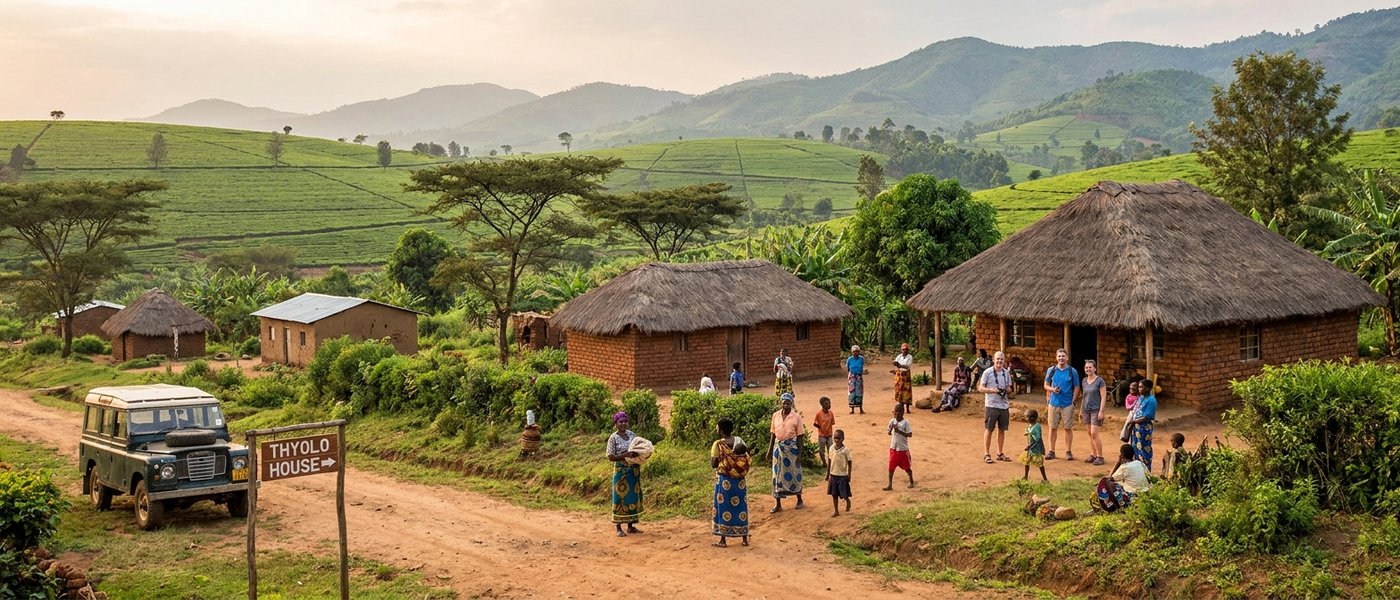
/ By The Thyolo House
Volunteering Malawi: A Tea Country Host's Quiet Weekend Reset
A journal from a boutique lodge in the Thyolo highlands. These are notes from our corner of Malawi — places we love, walks we've done ourselves, operators we've watched do good work. The mountain treks, tea-estate tours, and day trips are all run by independent operators in Malawi; book those directly with them. Come stay with us before or after — we'll do the room, the meal, and the quiet.
If you've been searching for "volunteering Malawi" as yThe Thyolo Housement winds down — or as you stare down a six-month NGO contract and realise you haven't had a proper rest in weeks — this guide is for you. Volunteering in Malawi is rewarding work, but it's also genuinely exhausting work, and the country's southern tea highlands offer something most volunteer guides skip over entirely: a place to actually decompress between placements, eat food that reminds you of home, and reset before heading back into the field. The Thyolo House, a small boutique hotel in Thyolo on a historic property that was once part of the Conforzi Tea Estate, has quietly become a weekend refuge for aid workers, gap-year volunteers, and the Peace Corps crowd looking for a quiet, comfortable base in the highlands.
This isn't a guide to volunteer placements themselves — for that, see our honest guide to volunteering in Malawi, which walks through what to expect, which organisations are reputable, and what a realistic placement looks like on the ground. This is a guide to the in-between time. The Friday-evening-to-Monday-morning window that determines whether you make it through your contract feeling whole, or whether you burn out somewhere around month four.
Why Volunteers in Malawi Need a Proper Weekend (Not Just a Day Off)
There's a particular kind of fatigue that comes with development work in Malawi. It isn't just physical — though the heat, the long drives on rough roads, and the early starts certainly add up. It's the cumulative weight of constantly being "on": culturally adjusting, language-switching, managing expectations, navigating bureaucracy, and absorbing the often-difficult realities of the communities you're serving. Most volunteers we host have been working flat-out for three to six weeks before they take their first real break, and you can see it in the way they walk through the door — shoulders held high, half-apologising for needing rest.
A single day off in Blantyre or Lilongwe doesn't quite do it. You spend half of it doing laundry, half of it answering emails you've been putting off, and the rest worrying about whether your driver will show up on time tomorrow. What aid workers and long-term volunteers actually need is two clear nights somewhere that asks nothing of them. Somewhere quiet. Somewhere with reliable hot water, good food, and Wi-Fi that works if you need it but doesn't follow you around if you don't.
That's the gap Thyolo's tea country fills better than almost anywhere else in southern Malawi. The altitude (around 1,000 metres) takes the edge off the heat. The landscape — endless tea bushes rolling toward Mount Mulanje in the distance — is the kind of view that physically slows your breathing. And the relative remoteness means your phone signal is intermittent enough to give you a real excuse to put it down.
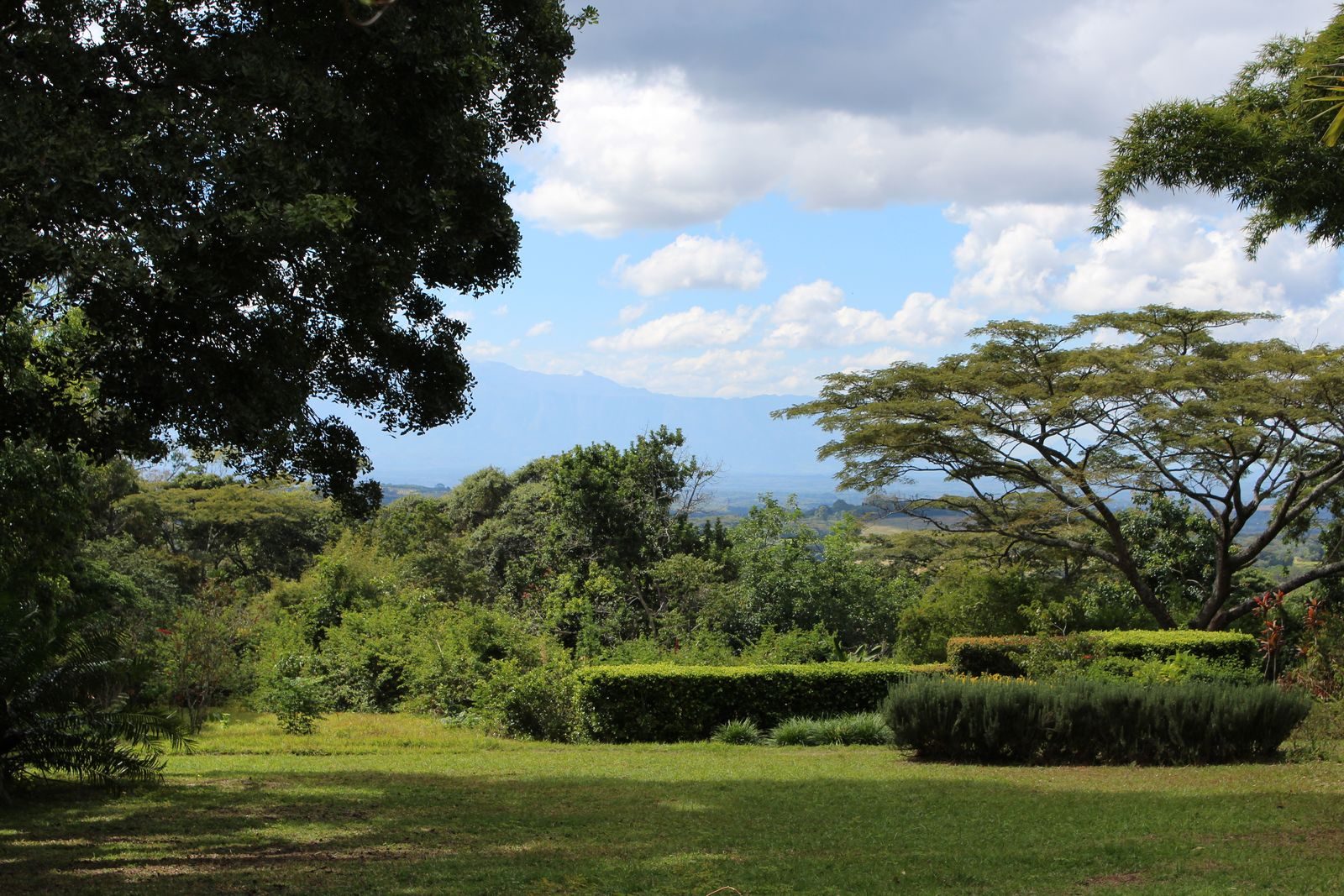
The Geography of Decompression — Where Tea Country Sits on the Volunteer Map
Most volunteer placements in southern Malawi are anchored to one of three hubs: Blantyre (the commercial capital), Zomba (the old colonial capital, now home to several universities and NGOs), or the Lower Shire valley (where much of the rural health and agriculture work happens). Thyolo sits roughly in the middle of all of these — close enough to be reachable in a single afternoon's drive from anywhere in the south, far enough to feel like a genuine change of scenery.
The practical distances matter when you're planning a weekend:
- From Blantyre or Limbe: 40 minutes and 20 minutes respectively on the M2, a tarred road in reasonable condition. Easily doable in a private hire or a borrowed NGO vehicle.
- From Zomba: Around 90 minutes via Blantyre, or just under two hours via the back roads through Chiradzulu if you want a more scenic drive.
- From Mulanje or Phalombe placements: About an hour, with Mount Mulanje visible for most of the journey.
- From Lilongwe: A long day — around 4.5 hours by road, best broken with an overnight in Blantyre on the way down.
- From Lake Malawi (Mangochi/Cape Maclear): Four hours, which makes Thyolo a natural stopover between the lake and Blantyre airport.
The key thing for volunteers to understand is that Thyolo isn't a destination you have to plan a whole trip around. It's somewhere you can decide to go on Wednesday and be sitting on a veranda with a cold drink by Friday evening. That low-friction quality is part of why it works as a reset. For volunteers based in Blantyre specifically, our weekend escape from Blantyre guide covers the journey and route in more detail.
It's also worth understanding the surrounding NGO landscape so you can plan around your work geography. The southern region hosts a particularly dense concentration of health, education, and agricultural NGOs — our guide to NGOs in southern Malawi maps out who's working where and how the Thyolo–Mulanje–Blantyre triangle fits into the broader development picture.
A Weekend at The Thyolo House: What the Rhythm Actually Looks Like
The Thyolo House has only five rooms, which means it never feels busy. There's no organised activity programme, no breakfast bell, no one trying to upsell you on a sunset cruise. The whole place runs on a rhythm that suits people who've been overscheduled for weeks and need permission to do nothing.
A typical weekend looks something like this. You arrive on Friday evening — most volunteers come straight from work, still in their field clothes — and the kitchen has something warm waiting whether you've eaten or not. Flavia, the owner and an Italian-Malawian artist who grew up in the highlands, tends to be around in the early evening, and conversation happens naturally on the veranda if you want it or doesn't if you don't. You sleep. The bed is good. You wake up when you wake up.
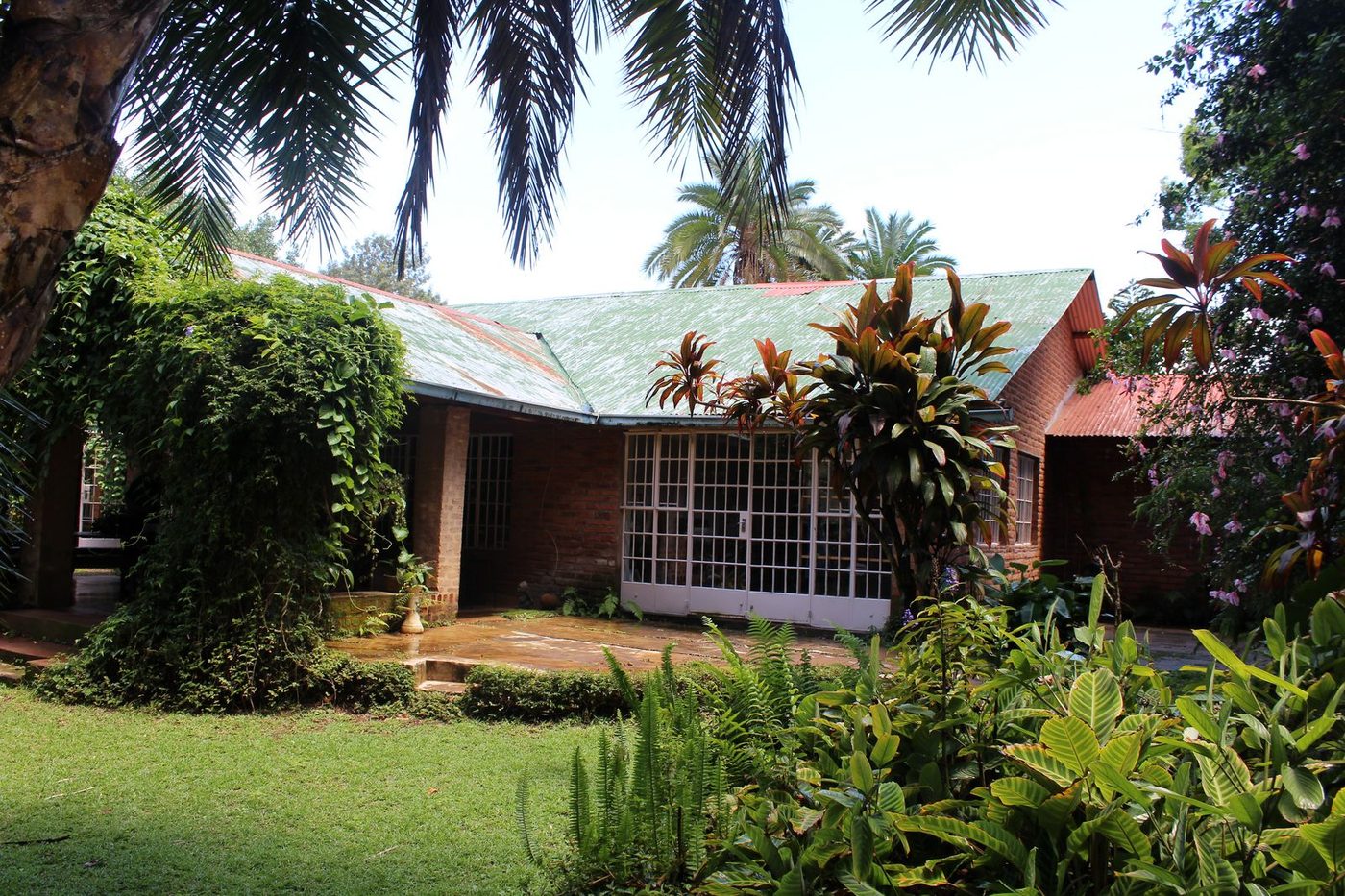
Saturday is when most guests find their rhythm. Some volunteers take a quiet garden morning before breakfast, just to feel the cool air and stillness. Others take a long breakfast, read for two hours, and only emerge by mid-morning. The pool sits in a small clearing surrounded by garden, and it gets serious use by people who haven't swum properly in months. By afternoon, you might wander down to the indigenous forest, or ask locally about estate visits available in the district, or simply read in a hammock until dinner.
Sunday tends to be slower still. A late breakfast. A second swim. A few last photographs of the tea bushes catching the morning light. Then back to yThe Thyolo Housement by mid-afternoon, with enough daylight to settle in before Monday morning. The whole thing costs less than two nights in most decent hotels in Blantyre, and you leave feeling like you've been away for a week.
Eating Your Way Back to Yourself — Garden-to-Table After a Hard Placement
One of the things volunteers in Malawi quietly miss the most is food variety. Nsima and relish are wonderful staples — and learning to eat with your hands at a community gathering is genuinely one of the highlights of placement life — but after three months of the same three or four meals, your body starts asking for something else. Fresh herbs. Real cheese. Vegetables that haven't been boiled into compliance. A glass of wine that isn't warm.
The restaurant at The Thyolo House is Italian fusion, run by Flavia, and most of what comes out of the kitchen has been growing in the garden that morning. The tomatoes are tomatoes you can smell from across the table. The basil is fresh, not dried. The olive oil is good. There's pasta made on-site, slow-cooked pork from local farms, and seasonal vegetables that change every few weeks depending on what's ready in the garden.
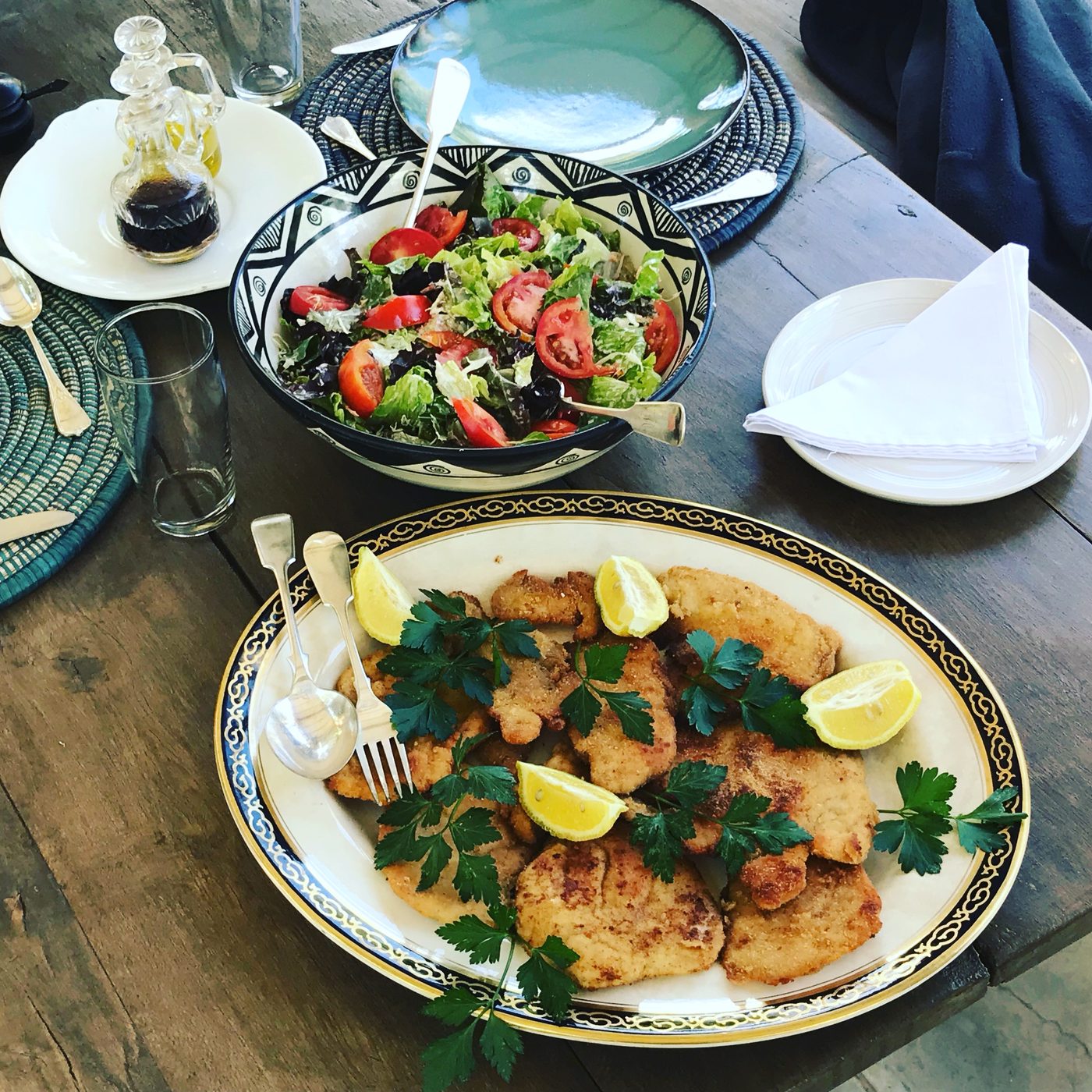
For volunteers who've been eating beans and rice for weeks, that first proper meal can be genuinely emotional. We've watched aid workers go quiet at the table, half-laughing about how a good plate of pasta has somehow become the thing that broke them open. Eat slowly. Order a second course. Have the dessert. This is part of the reset.
The restaurant is small — typically only the guests staying at the house plus a handful of bookings from Blantyre — so the kitchen has the time to make each plate properly. If you have dietary needs, mention them when you book. Vegetarian and gluten-free options are easy. Vegan takes a bit of notice but is straightforward. And if you have a craving for something specific that you've been missing for months — proper bread, a real salad, anything at all — just ask. Flavia tends to take that kind of request as a personal challenge.
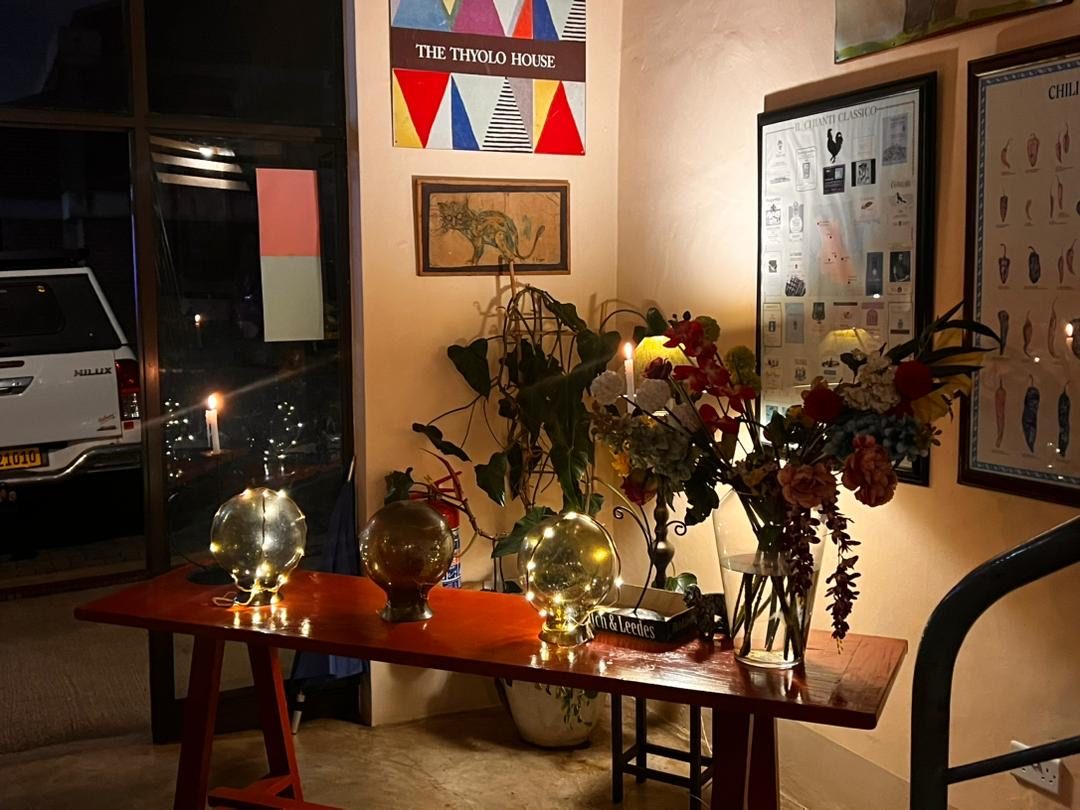
Slow Time That Resets You: Gardens, Pool, Food, and Art
If you want to do something with your weekend beyond eating and swimming, keep it simple at The Thyolo House: garden time, the pool, a long lunch, or Flavia's studio if available. Forest access, tea-country visits, estate walks, guides, drivers, and third-party activities are not provided or arranged by The Thyolo House.
Practical Notes for Volunteers — Getting Here, Costs, and Booking Without Stress
A few practical things worth knowing if you're planning a weekend.
Getting here
The easiest route is from Blantyre or Limbe. From Limbe, take the M2 south toward Thyolo town, then follow signs to the Thyolo highlands — the turn-off is well marked. Private hire from Blantyre is around MWK 40,000–60,000 one way depending on the driver. If you're coming directly from a placement, please book a driver directly before travelling. From Lilongwe, fly to Blantyre (Chileka Airport) and pick up a driver from there — the road journey is long and not always worth doing in one go.
Costs and booking
The Thyolo House is a boutique property — five rooms, restaurant-style dining — and pricing reflects that, but we deliberately keep rates accessible to the volunteer and aid-worker crowd who form a meaningful part of our weekend guests. Long-term volunteers on multi-week stays, and groups of two or three sharing rooms, can usually get a workable rate; just be honest about your situation when you enquire. We'd rather have you here than not.
Booking is intentionally low-friction. WhatsApp is the fastest way to reach us — message us on WhatsApp with your dates and any dietary requirements and we will reply when possible with room or restaurant availability. Email at thethyolohouse@gmail.com works too if you prefer. We don't require deposits for short stays, and we understand that volunteer schedules shift — if yThe Thyolo Housement runs over and you need to move your dates, just tell us.
What to bring
- A warm layer for evenings — the highlands cool down significantly after dark, especially May to August.
- Comfortable walking shoes if you want to use the forest or garden paths.
- Swimwear.
- A book. Or two.
- Whatever you've been craving from home that you couldn't find in your local market — let us know in advance and the kitchen will confirm what is possible.
And if you're reading this in the middle of a hard week and wondering whether you can really justify a weekend away — you can. Volunteering Malawi is long, patient work, and the people who last in it are the ones who learn to rest properly. Tea country is a good place to learn how.