/ By The Thyolo House
Best Mulanje Accommodation: A History of Hospitality Below the Mountain
A journal from a boutique lodge in the Thyolo highlands. These are notes from our corner of Malawi — places we love, walks we've done ourselves, operators we've watched do good work. The mountain treks, tea-estate tours, and day trips are all run by independent operators in Malawi; book those directly with them. Come stay with us before or after — we'll do the room, the meal, and the quiet.
How Mulanje Became a Destination — From Colonial Rest Houses to Modern Lodges
Finding the best Mulanje accommodation means understanding a hospitality tradition that stretches back more than a century. Long before Mount Mulanje earned its UNESCO World Heritage inscription in July 2025, the mountain and the fertile lowlands around it were drawing visitors — colonial administrators, tea planters, botanists, and missionaries who needed somewhere to sleep after days of hard travel from Blantyre or Zomba.
The earliest rest houses were simple government buildings, offering little more than a bed and a paraffin lamp. Travellers arriving at Mulanje Boma in the early 1900s would find a spare room, a shared outhouse, and — if they were lucky — a cook who could prepare nsima and a stew. These rest houses served the same function as coaching inns in Europe: practical waypoints for people moving through the country on foot, by bicycle, or eventually by motor car.
The tea industry changed everything. From the 1920s onward, estates like Lujeri, Satemwa, and Conforzi began planting tea across the slopes between Thyolo and Mulanje, and with the estates came estate houses — graceful colonial buildings with deep verandas, tended gardens, and views that made visitors want to linger. Some of those buildings survive today, reimagined as boutique hotels and guesthouses that combine heritage architecture with modern comfort.
The 2025 UNESCO inscription — recognising Mount Mulanje as a cultural landscape of global significance — has accelerated a shift that was already underway. Tourism operators are expanding services for 2026, with new hiking packages, mountain biking routes, cultural tours, and wildlife excursions. The range of Mulanje accommodation has grown to match, from basic mountain huts at 2,000 metres to tea-estate boutiques with Italian restaurants and swimming pools. Whatever your budget or travel style, there is now a place to stay that fits.
Mountain Huts and Camping — Accommodation on Mulanje Itself
If you want to sleep on the mountain, the network of mountain huts managed by the Mulanje Mountain Conservation Trust (MMCT) is your starting point. There are ten huts spread across the massif, from the popular Likhubula Hut near the main trailhead to remote shelters like Minunu and Sombani that sit at the edge of vast grassland plateaux.
Huts range from basic stone shelters with no facilities to well-maintained buildings with bunk beds, cooking areas, and pit latrines. None have running water or electricity — you carry everything in. Booking is essential during peak season (June to October), and a small fee goes toward mountain conservation. For a full breakdown of all ten huts, including capacity, access routes, and booking details, see our guide to booking Mulanje mountain huts.
What to expect
- Cost: MWK 5,000–15,000 per person per night (roughly $3–$9 USD), payable at the MMCT office in Likhubula
- Facilities: Bunk beds or sleeping platforms, some with mattresses. Bring your own sleeping bag, food, stove, and water purification
- Best for: Hikers tackling multi-day routes, Sapitwa summit attempts, birders and botanists
- Not ideal for: Families with young children, anyone who needs a hot shower after a long day on the trail
Camping is also possible at several sites near the forest reserve entrance and at designated areas on the plateau. Wild camping is discouraged — stick to established sites to protect the fragile montane environment that earned the mountain its UNESCO status.
Lodges and Guesthouses in Mulanje Town — Budget to Mid-Range
Mulanje town sits at the western foot of the mountain, roughly 65 kilometres from Blantyre along a good tar road. It is the natural staging point for hikes and the place where most visitors spend at least one night before or after going up. The town itself is modest — a market, a few shops, fuel stations, and a stretch of guesthouses that cater to a mix of hikers, NGO workers, and business travellers.
Top picks in and around Mulanje town
Kara O Mula Country Lodge is the most established option, a three-star property with 27 rooms at the foot of the mountain. Expect a swimming pool, a restaurant serving Italian, Malawian, and Portuguese dishes, conference facilities, free WiFi, and parking. Rooms start at around $60–$115 per night depending on season and room type. It sits about 1.5 miles from Mulanje Golf Club and is a reliable choice for mid-range travellers who want some comfort without a luxury price tag.
Hapuwani Village Lodge offers 40 air-conditioned rooms with DSTV, mountain views, a fitness room, bar, restaurant, and a kids' club — making it one of the better options for families. Rates start at roughly $60 per night. It is about 45 kilometres from Blantyre, making it an easy drive. Contact them at +265 999 60 61 30 or hapuwani@gmail.com.
AfricaWildTruck Eco Camp & Lodge occupies a beautiful 1912 colonial building with a pool, a guests-only restaurant, and a bar. At around $50–$60 per person for bed and breakfast, it offers some of the best value in the area, especially for hikers — they arrange its own mountain and local activities, which should be arranged directly with AfricaWildTruck. It is about an hour from Blantyre airport.
Budget options
For travellers watching every kwacha, Mulanje has several no-frills guesthouses. Ndangopuma Rest House and Chikumbe Motel offer basic rooms at local prices. Mulanje Vista House is a step up, with free bikes, a garden, and BBQ facilities — a decent option if you want a budget base with a bit of character.
The Tea Country Belt — Boutique Stays Between Thyolo and Mulanje
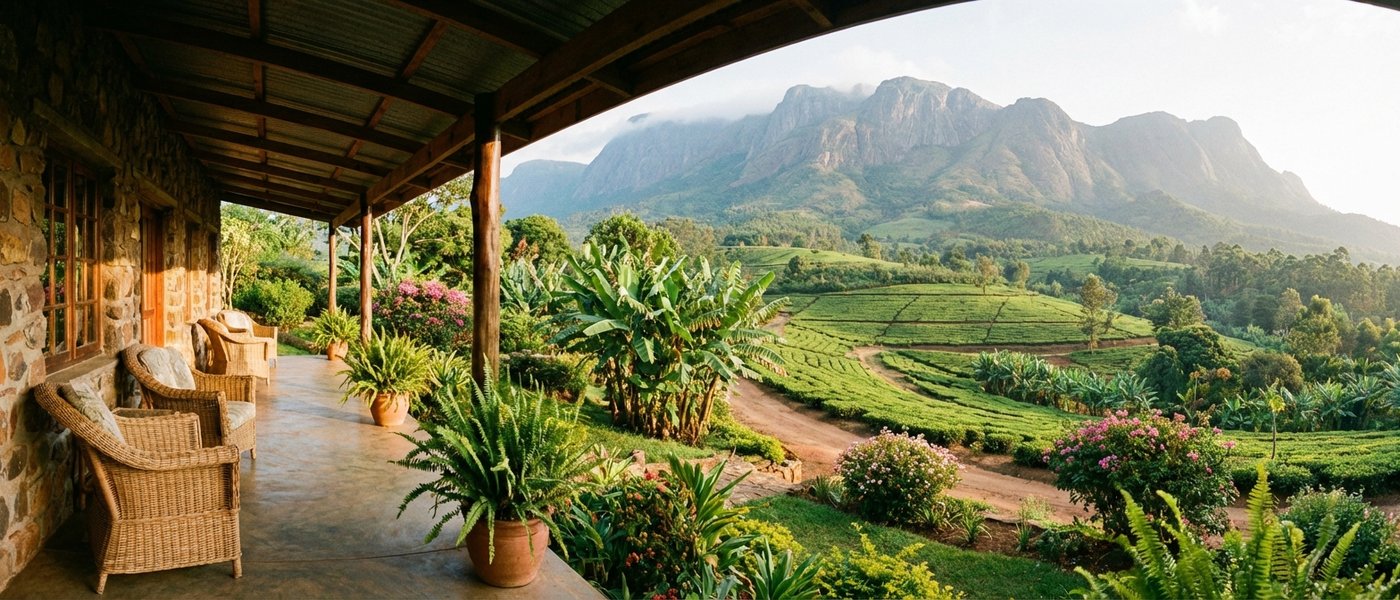
The road from Thyolo to Mulanje runs through some of the most beautiful landscape in southern Malawi. Tea bushes stretch across rolling hillsides, punctuated by stands of indigenous forest, eucalyptus plantations, and the occasional colonial-era estate house with a corrugated iron roof and a jacaranda tree in the yard. This belt of tea country has become the most interesting accommodation story in the region — estate houses converted into boutique lodges that offer something Mulanje town simply cannot: atmosphere, history, and a deep sense of place.
For a deeper look at how tea shaped this landscape, see our guide to Mulanje's tea estates.
The Thyolo House — Thyolo Highlands
Forty minutes from Mulanje and twenty minutes from Limbe, The Thyolo House sits on a historic property that was once part of the Conforzi Tea Estate — one of the oldest family-run estates in the district. The property has been reimagined by owner Flavia Conforzi, an Italian-Malawian artist whose family has farmed tea here for generations. You can read the full story in our piece on the history of the Thyolo highlands.
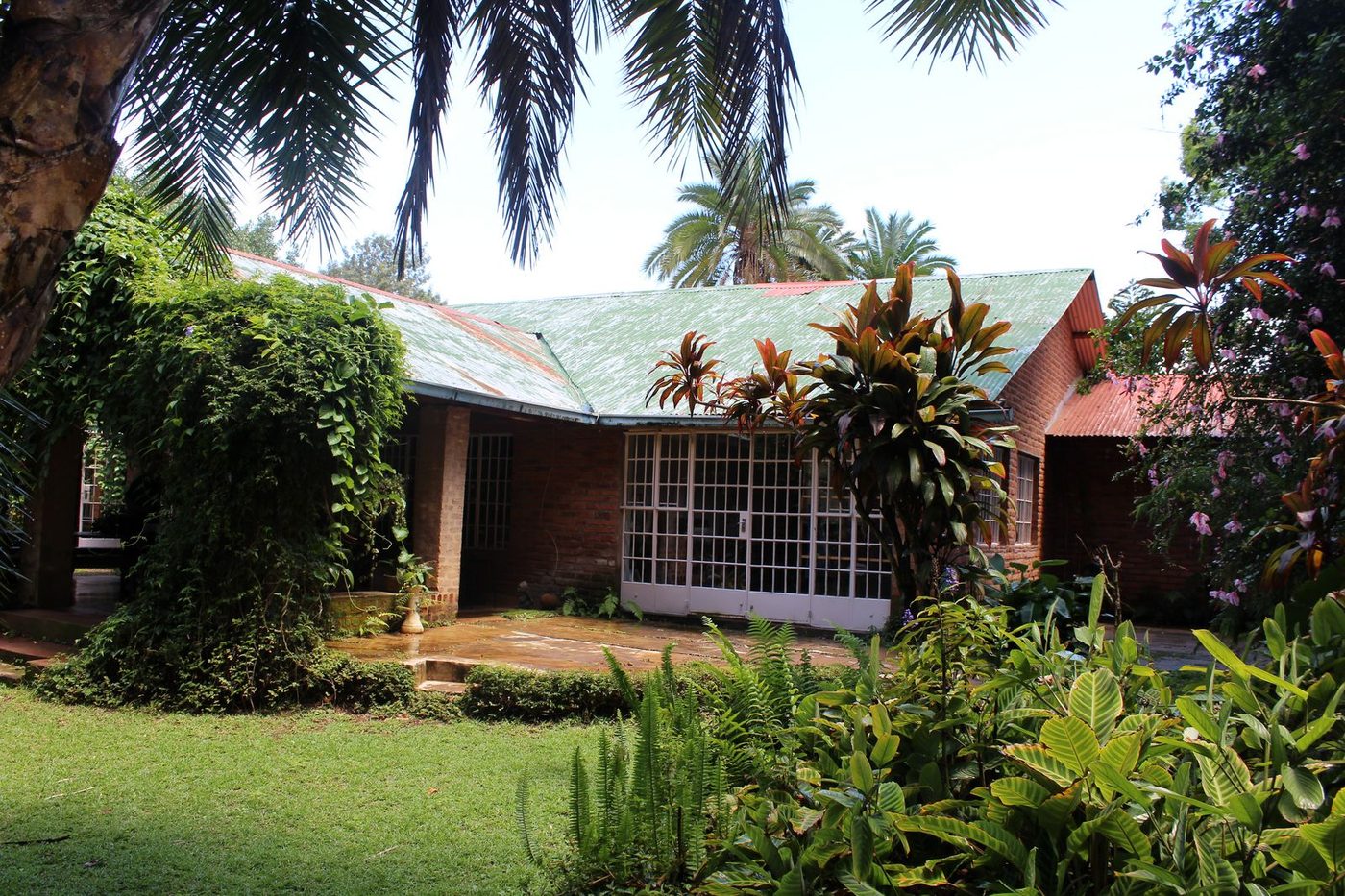
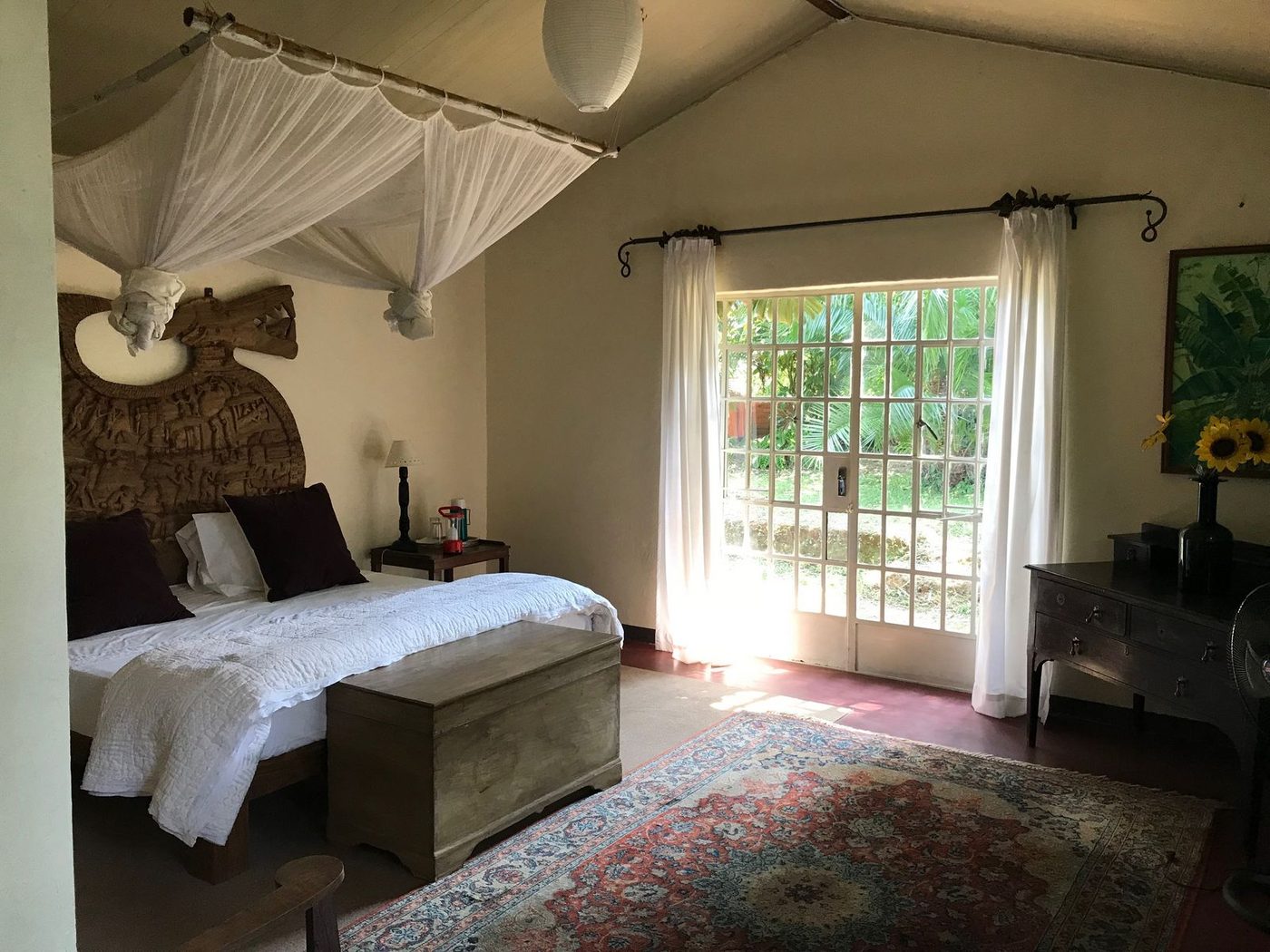
With just five rooms, The Thyolo House operates as a boutique hotel rather than a conventional lodge. The rooms are individually designed, mixing estate-era architecture with contemporary furnishings and Flavia's own artwork. The boutique rooms range from garden-view doubles to a heritage suite in the original estate house.
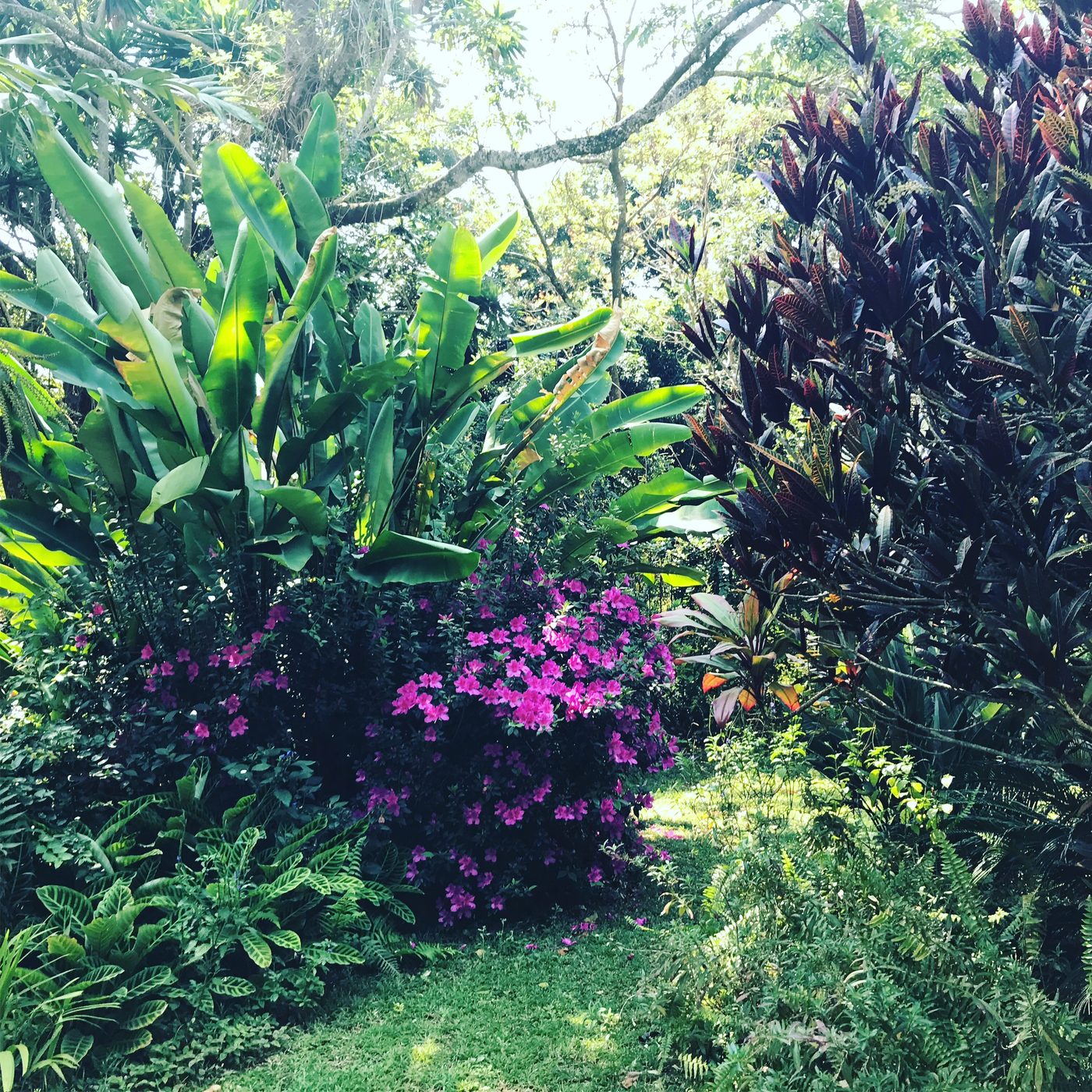
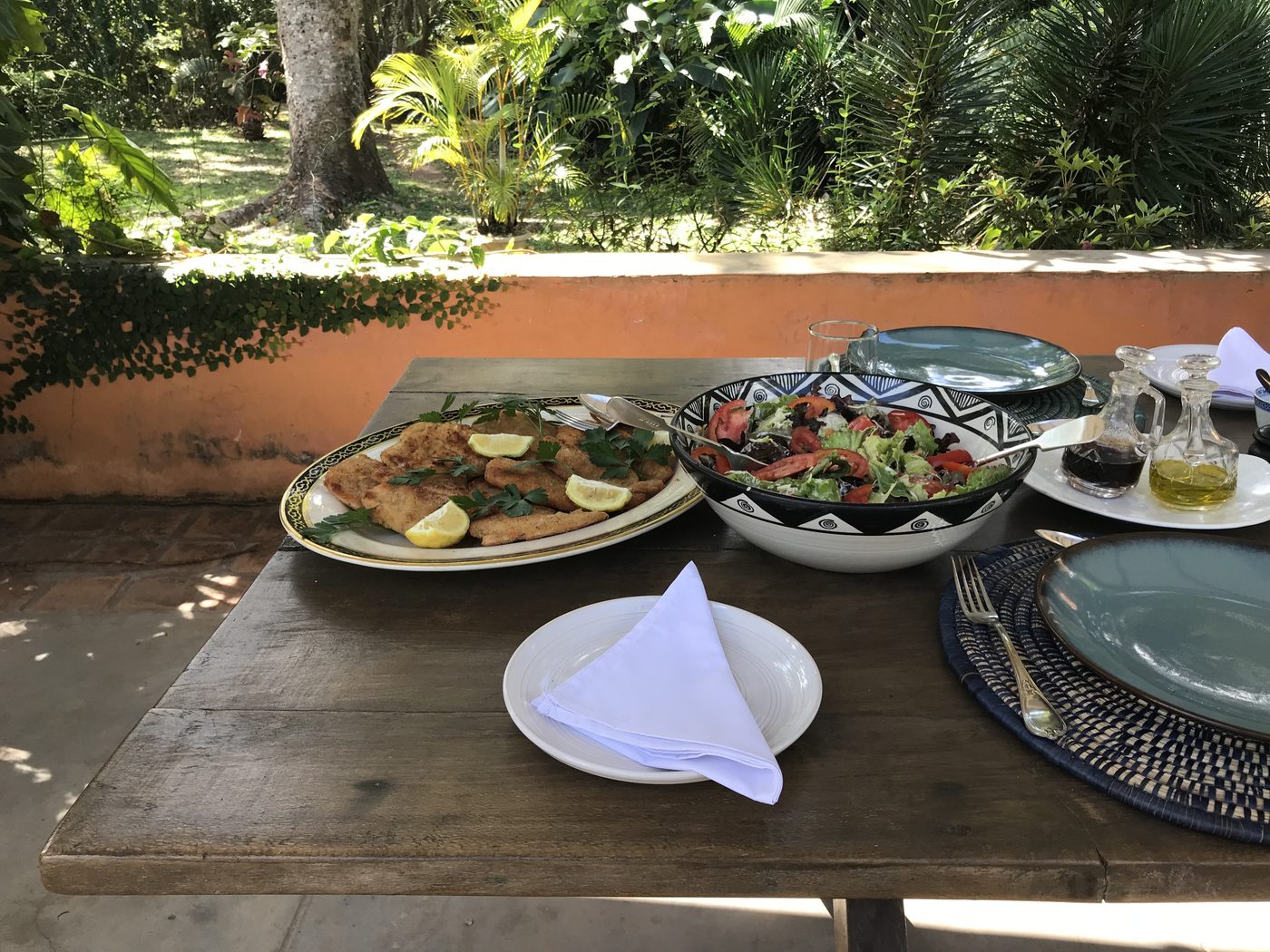
What sets it apart is the combination of setting and substance. The Italian fusion restaurant uses ingredients grown in the house garden — herbs, vegetables, and fruit that travel metres, not miles. The swimming pool looks toward the tea-country landscape. Guests can enjoy the gardens, pool, restaurant, and Flavia's art workshops when available. Plantation walks, forest access, guides, drivers, tea-tasting activities, and external activities are not arranged through The Thyolo House. It is not a resort; it is a tea-country property where hospitality grew naturally out of the landscape.
Other estate-area options
Satemwa Estate near Thyolo has offered estate visits and accommodation in its heritage estate house, though availability is limited and often booked by tour groups. Lujeri Tea Country has historically hosted visitors in a more informal arrangement. For the independent traveller looking to combine a tea country experience with easy access to Mount Mulanje, The Thyolo House is currently the most complete offering — accommodation and dining under one roof, with Mulanje less than an hour's drive away. External hikes, guides, drivers, estate visits, and activities must be arranged directly with the relevant operators.
Comparing the Best Mulanje Accommodation by Budget and Travel Style
Choosing the best Mulanje accommodation depends on why you are visiting, how much you want to spend, and how you feel about cold showers at altitude. Here is a practical comparison.
Budget travellers and backpackers (under $30/night)
- Mountain huts: $3–$9/night. Bring your own gear. Best for serious hikers
- Ndangopuma Rest House / Chikumbe Motel: Basic rooms in Mulanje town. Simple, clean, central
- Mulanje Vista House: Budget with extras — free bikes, garden, BBQ
Mid-range travellers ($50–$120/night)
- Kara O Mula Country Lodge: $60–$115. The safe, comfortable choice with a pool and restaurant. Good for couples and conference travellers
- Hapuwani Village Lodge: From $60. Air-conditioned rooms, mountain views, family-friendly
- AfricaWildTruck Eco Camp: $50–$60 B&B. Colonial character, pool, guided activities. Best value for adventure travellers
Boutique and experience seekers ($80–$150/night)
- The Thyolo House: Five individually designed rooms in Thyolo tea country. Italian fusion dining, pool, garden paths, art workshops. Best for travellers who want more than a bed — a destination in itself
- Satemwa Estate: Heritage accommodation when available. Often booked by groups
Which style suits you?
If your visit is mountain-focused and you want to maximise time on the trails, stay in Mulanje town — Kara O Mula or AfricaWildTruck put you closest to the trailheads. If you are visiting the region for a broader experience — tea country, culture, food, and landscape as much as hiking — a base at The Thyolo House with an independent visit to the mountain gives you the best of both worlds. And if you want to go truly remote, book a mountain hut and spend three days on the plateau with nothing but the wind and the view for company.
Practical Tips — Booking, Seasons, and Getting Between Properties
When to book
The dry season (May to October) is peak time for Mount Mulanje. Huts and popular lodges fill up, especially over South African school holidays in June/July and around Easter. Book mountain huts through MMCT at least two weeks in advance during peak season. For lodges, one to three months ahead is wise for the best rooms.
Lower prices are typically available in February, May, and October — the shoulder months when visitor numbers drop but the weather is still reasonable. February can be wet, but May and October are often excellent: clear skies, green landscapes, and fewer crowds.
Getting around
- Blantyre to Mulanje: About 65 km, roughly 1.5 hours by car on a good tar road. Minibuses run regularly from Limbe bus station
- Blantyre to Thyolo: About 30 km, roughly 40 minutes. The Thyolo House is 20 minutes from Limbe
- Thyolo to Mulanje: About 45 km, roughly 40–50 minutes through the tea estates. A beautiful drive
- Mulanje to Likhubula (main trailhead): About 15 km from town. Taxis and bicycle taxis available
If you are flying into Chileka International Airport (Blantyre), the most comfortable route is to head to Thyolo first — acclimatise, eat well, sleep well — then drive to Mulanje the following morning for your hike. The reverse works equally well: hike first, then retreat to tea country for recovery.
Booking The Thyolo House
With only five rooms, The Thyolo House books up quickly during peak season. The easiest way to reserve is to message us on WhatsApp or email thethyolohouse@gmail.com. Transport from Blantyre or Chileka airport must be booked directly with a transport provider.
A Weekend Itinerary — Pairing Mulanje Hiking with a Tea Country Stay
This itinerary works for a long weekend (Friday to Sunday) and combines a solid Mulanje hike with the best of Thyolo's tea country. It assumes you are starting from Blantyre or Limbe.
Friday afternoon — Arrive at The Thyolo House
Drive from Blantyre (40 minutes) or Limbe (20 minutes) to The Thyolo House. Check in, take a swim, and spend time in the gardens as the afternoon light softens. Dinner at the estate restaurant — the menu changes with what is growing in the garden, but expect Italian-Malawian fusion: handmade pasta, fresh herbs, grilled meats, and vegetables picked that morning.
Saturday — Mount Mulanje day hike
Leave early (6:30 am) for the 40-minute drive to Mulanje. Head to Likhubula Forest Station and hike the Skyline Path to Chambe Hut — a challenging but rewarding route with spectacular views of the Chambe face, one of the largest rock faces in Africa. The round trip takes 6–8 hours depending on fitness.
Alternatively, for a gentler option, take the path to Likhubula Falls — a shorter walk through montane forest that suits families and casual walkers. Either way, you will be back at the car by mid-afternoon.
Drive back to The Thyolo House. The pool will feel earned. Dinner at the restaurant, where a cold drink and a plate of food made with care will remind you why the best Mulanje accommodation is not always in Mulanje itself.
Sunday morning — Forest paths and departure
After breakfast, join a local outing through the Thyolo highlands. Learn how tea is grown, harvested, and processed. Walk the indigenous highland forest and look for birds — the area supports several species found nowhere else. If Flavia is available, an art workshop makes for a memorable final morning.
Check out by noon and drive back to Blantyre, or continue south toward Mozambique, or north toward Lake Malawi — about four hours from Thyolo.
"The mountain gives you the adventure. The tea country gives you the recovery. The best trips to Mulanje include both."
Extending your stay
If you have more time, consider a two-night mountain hut stay — hiking from Likhubula to Chambe Hut, across the plateau to Thuchila or Minunu, and descending via the Fort Lister path on the eastern side. Then loop back through Mulanje and Thyolo for a final night at The Thyolo House before heading home. A four- or five-independent visit like this captures the full range of what the region offers: wild mountain landscapes, tea-country serenity, colonial history, and some of the best food in southern Malawi.
Ready to book a Thyolo House stay before or after an independently arranged Mulanje visit? Message us on WhatsApp, or browse our boutique rooms to find the right fit. We can confirm room and restaurant availability at The Thyolo House; hiking logistics, transport, guides, and external activities must be arranged directly with the relevant operators.