/ By The Thyolo House
Best Restaurants in Malawi: A Historical Dining Guide by Region
A journal from a boutique lodge in the Thyolo highlands. These are notes from our corner of Malawi — places we love, walks we've done ourselves, operators we've watched do good work. The mountain treks, tea-estate tours, and day trips are all run by independent operators in Malawi; book those directly with them. Come stay with us before or after — we'll do the room, the meal, and the quiet.
Ask ten well-travelled Malawians where to find the best restaurants in Malawi and you will get ten different answers, each shaped by which town raised them, which mission school their grandfather attended, and whether their family ever sat down to a proper Sunday lunch on a tea country. Malawi is a small country with an outsized food story — one written by Scottish missionaries in Blantyre, by Italian planters in Thyolo, by Indian merchants along the lake, and more recently by diplomats and aid workers who pulled cooks and ingredients from every corner of the world into Lilongwe. This is a regional, historical guide to where to eat, written from a tea country in the Shire Highlands, where guests still ask us the same question every week: where should we actually go for dinner?
What follows is not a ranked list pulled from review sites. It is the way we ourselves think about restaurants here at The Thyolo House — by region, by the colonial trade route that shaped each town, and by the cuisines that took root because someone in 1925 or 1962 or 2008 decided to stay. If you want a tighter cuisine-by-cuisine breakdown, our companion piece on restaurants in Malawi by region and cuisine goes deeper into specific menus. This guide is the longer story.
A Short History of How Malawi Came to Eat the Way It Does
Malawian dining begins, in any restaurant sense, with the Scottish missions of the 1870s. When David Livingstone's followers established stations at Blantyre and Zomba, they brought puddings, roasts, and tea-drinking habits that fused over decades with local nsima, chambo, and pumpkin-leaf relishes. The Asian dukawallahs who built the trading economy from the 1890s onward layered samosas, curries, and chapatis onto that base. Then came the Italian planters of the 1930s, of whom Mario Conforzi — founder of the tea country where this hotel sits — was one. They brought pasta, espresso, and a Mediterranean approach to gardens and tables that you still taste in Thyolo today.
The country closed in on itself somewhat under Hastings Banda's rule, but the kitchens never stopped layering. By the time multiparty politics arrived in 1994 and the NGOs followed, Lilongwe had begun to absorb Korean, Lebanese, Persian, and Ethiopian kitchens — and a remarkable wine cellar or two. The Malawi you eat in today is the sum of all of this: mission roast lunches, Indian-Malawian fusion lunchrooms, Italian estate kitchens, lakeside chambo grills, and a small but serious fine-dining scene in the capital.
Blantyre and the Shire Highlands — Mission-Era Dining Rooms and Modern Bistros
Blantyre, named after Livingstone's Scottish birthplace, is Malawi's commercial capital and — quietly — its most developed restaurant town. The dining scene here does not advertise itself. Most of the best tables are known by word of mouth, tucked into the leafy residential pockets of Sunnyside, Mandala, and Nyambadwe, and they fill on Friday and Saturday nights with a mix of long-time Blantyre families, NGO staff, and weekending estate owners.
The names that come up most often in serious conversation are 21 Grill in the Mandala area — a steakhouse with a deserved reputation for its chambo served with Irish potato wedges, a dish that quietly bridges the European and Malawian halves of the local palate. Chez Maky in Sunnyside is the city's standing jazz-and-salad room, popular with the expat-and-academic crowd. Café Mandala, set inside the old Mandala House (Malawi's oldest European building, completed in 1882), is the place to take a long lunch under jacarandas. Further into town, Hostaria Restaurant serves the most authentically Italian plates in Blantyre, while La Caverna, Picasso's Brasserie, The Cinnamon Grill, Manda a Mbuzi, and Abby's Kitchen all turn up reliably in 2025–2026 short lists. The Bay Leaf Restaurant remains a dependable choice for travellers who want a single menu that covers both Malawian and international plates without surprises.
If you are staying at The Thyolo House in Thyolo and only have one Blantyre dinner, we usually suggest 21 Grill for the steak-and-chambo crowd, Hostaria if you are missing pasta, or Café Mandala for a long historical lunch. Blantyre is forty minutes from The Thyolo House — manageable as a return trip if you set off by six.
Thyolo and Mulanje — Tea-Estate Tables, Italian Kitchens, and The Thyolo House
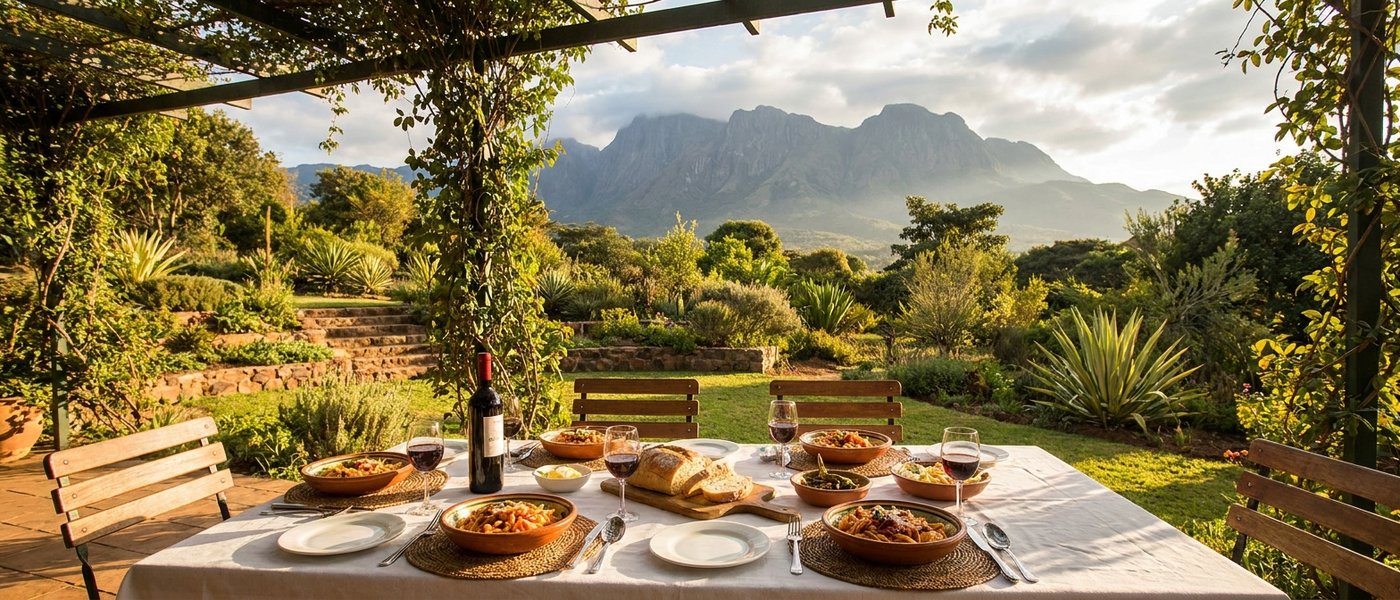
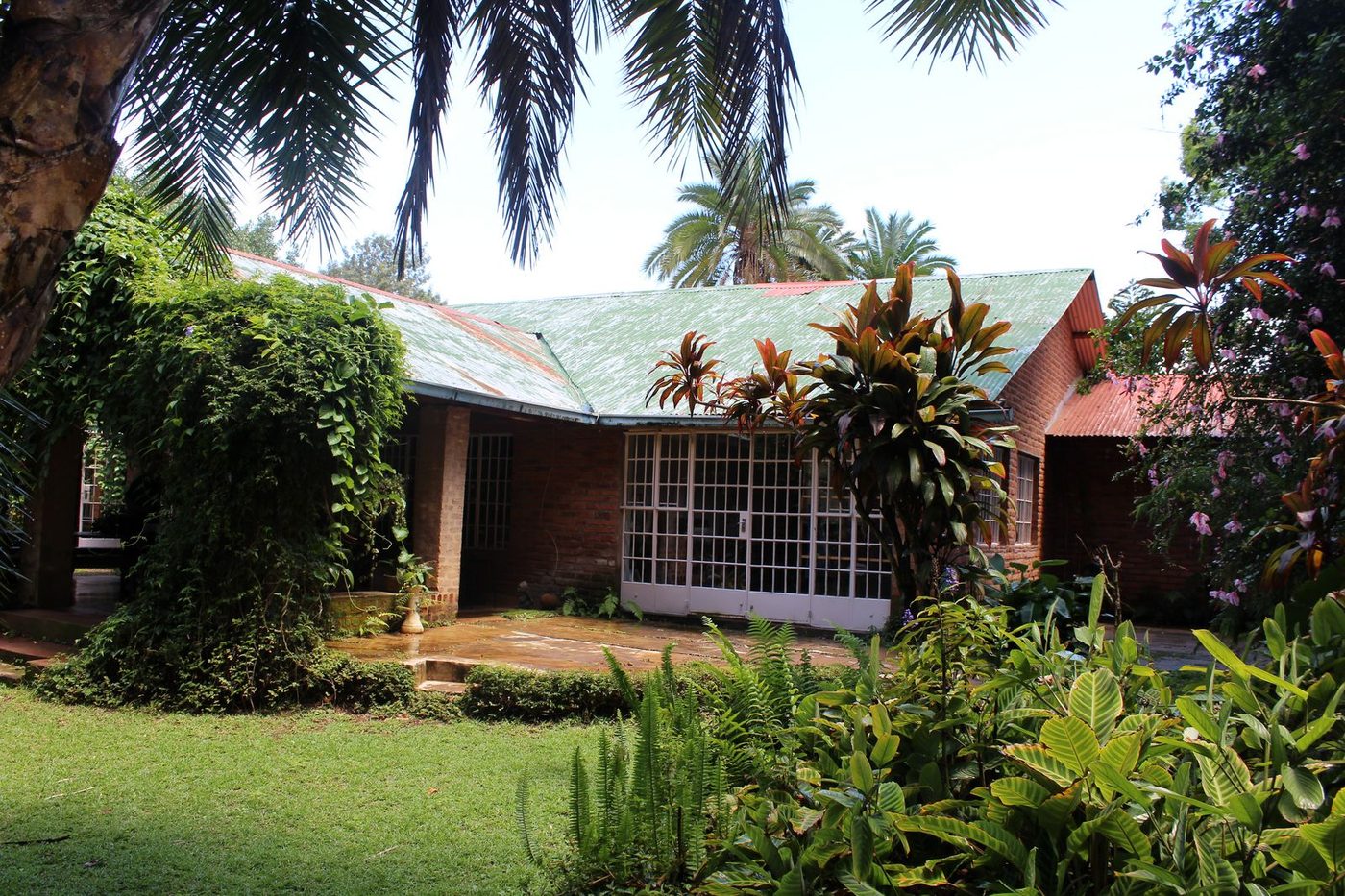
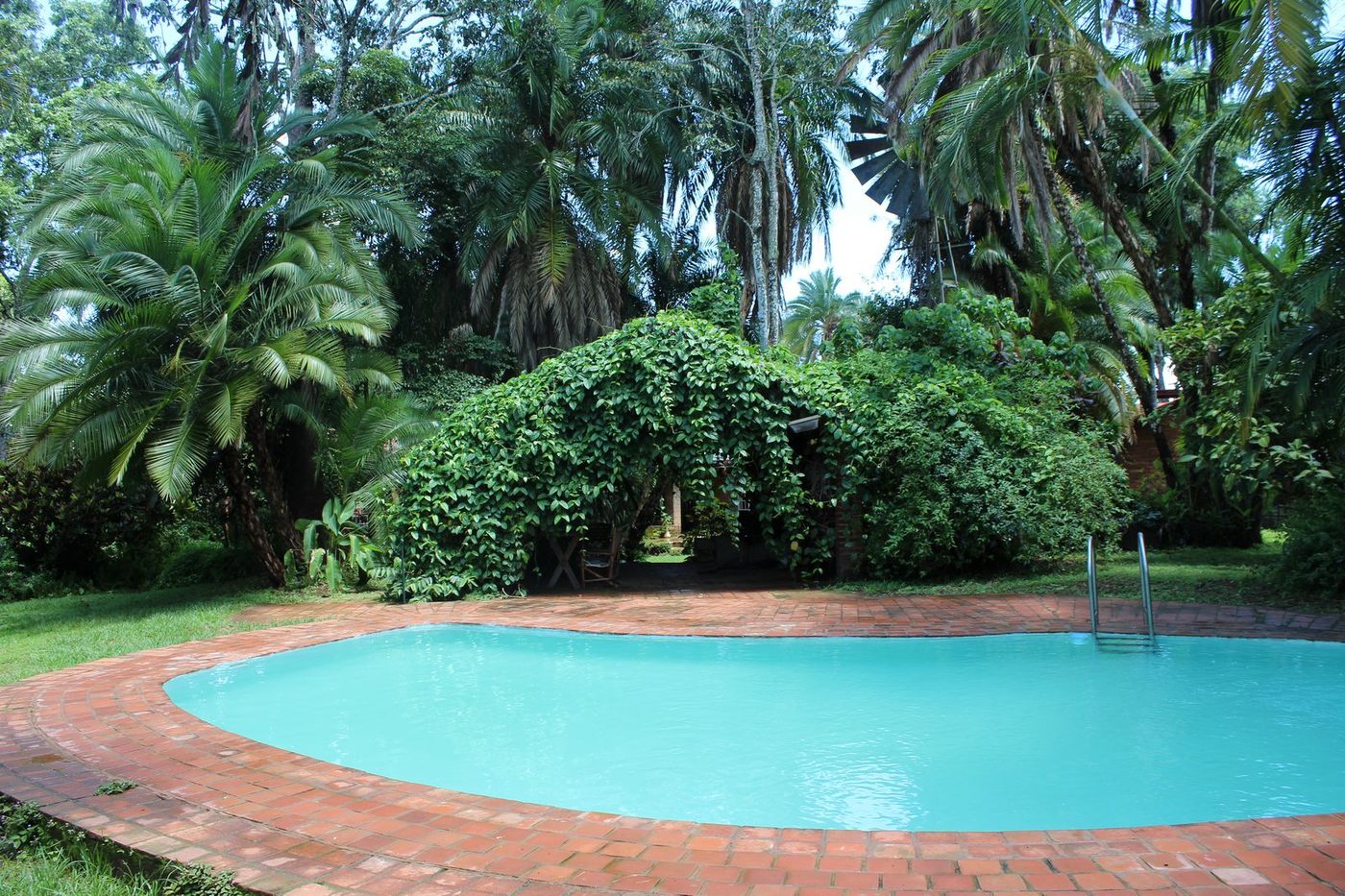
Southern Malawi's tea country has, traditionally, never had much of a standalone restaurant scene. The best meals here are eaten in the highlandss themselves — at planter homes that have been hosting friends, buyers, and visiting agronomists for nearly a century. That tradition is exactly what we have leaned into at The Thyolo House. the kitchen is an Italian fusion one, run from the original Conforzi family home, drawing on a garden that has been planted and replanted by four generations.
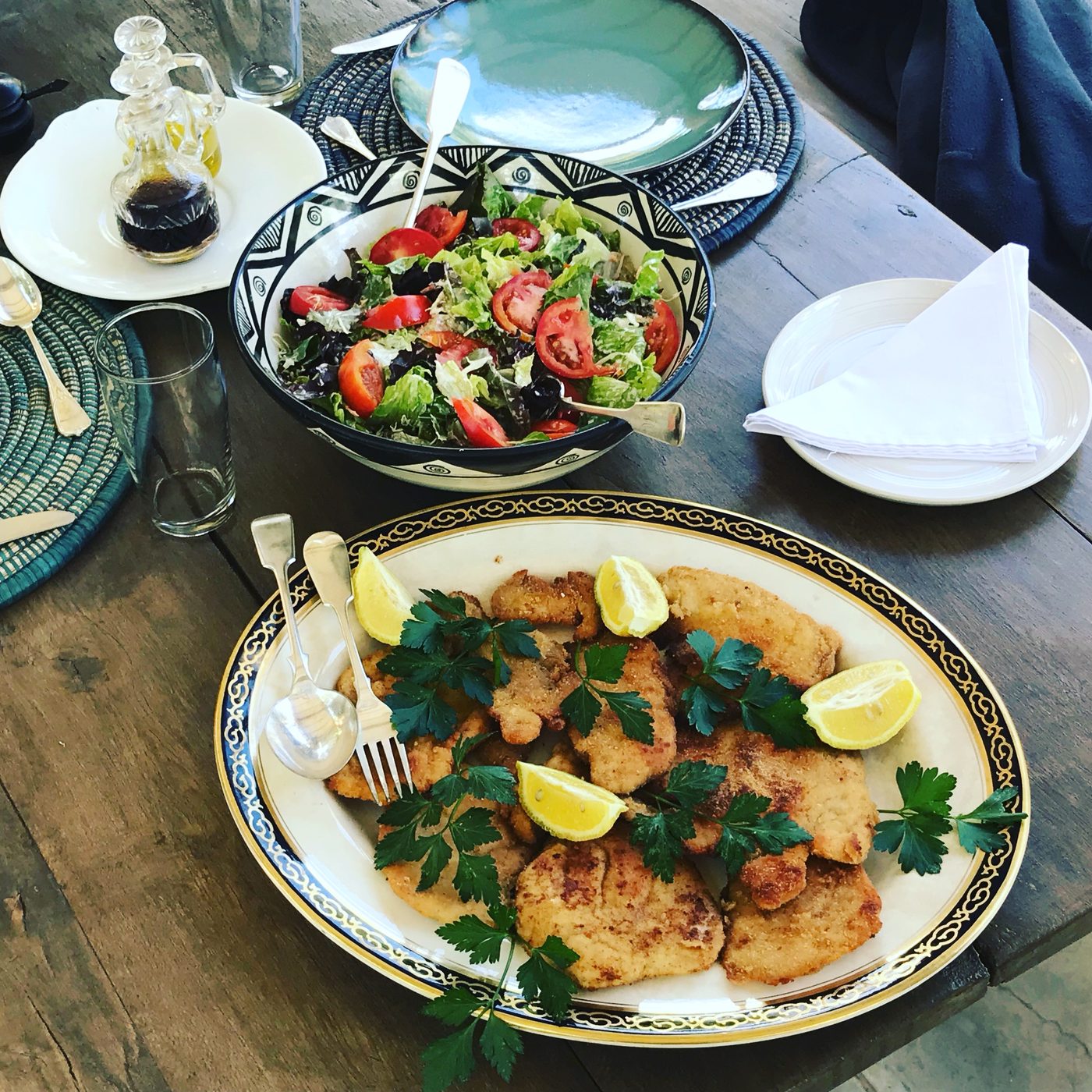
The Italian influence in Thyolo is older than most visitors realise. Mario Conforzi arrived in the 1930s, and the kitchens of the planter homes around Bvumbwe and Thyolo Boma have been quietly cooking risotto, ragù, and panna cotta for ninety years. the journal includes a longer essay on this layer of the country's food history in our piece on Italian food in Malawi, which traces how Lombardy-trained cooks ended up making pasta with Thyolo tomatoes. The companion history of our own estate sits in the story of Thyolo Highlands.
Outside of estate dining rooms like ours, the Thyolo and Mulanje strip is thin on restaurants. Mulanje town has a few honest lodge kitchens that feed climbers coming off the massif — most lean on chambo, chips, and chicken in various competent forms. Thyolo Boma itself has small lunchrooms used by local staff and traders. For travellers, the practical truth is that the best restaurants in Malawi's tea country are the lodges and boutique hotels themselves: book a room and you book a kitchen.
Zomba — The Old Colonial Capital's Plateau Cafés and Verandah Restaurants
Zomba was Malawi's capital until 1975, and its food landscape still carries the bureaucratic-leisure flavour of that era: long lunches on hotel verandahs, plateau cafés set among pines, and the lingering presence of Chancellor College (the country's flagship liberal arts campus) which keeps a small but interesting student-academic dining culture alive. The Zomba Plateau lodges serve trout — yes, trout, stocked into mountain streams during the 1900s — and the town below has a clutch of honest Indian and Malawian lunchrooms inherited from the dukawallah trading families.
If you are driving the Blantyre–Lilongwe corridor, Zomba is the natural lunch stop. Allow ninety minutes from The Thyolo House. The plateau cafés are the picturesque option; the town's older lunchrooms are the more interesting culinary one.
Lilongwe — Where Diplomatic Postings Built a Surprisingly Global Dining Scene
Lilongwe is a capital city built almost from scratch in the 1970s, and its restaurant scene reflects that — younger, more international, and far more responsive to diplomatic tastes than Blantyre's mission-era kitchens. The undisputed top of the pile is The Latitude restaurant at the Latitude 13 boutique hotel, widely cited as having Malawi's best fine-dining menu and, by some margin, the country's best wine list. If you are in Lilongwe for a single dinner, it is the safe answer.
For Italian food in the capital, Mamma Mia at Old Town Mall is the long-running standard — pizzas and pasta that have fed two decades of expat life. Buchannan's Grill, set in the Four Seasons garden complex, is the steakhouse equivalent: tropical-garden tables, a serious meat menu, and one of the most pleasant evenings in Area 3. About twenty-five minutes out of town, Kumbali Village rebuilds a Chewa village setting around a kitchen that serves both comfort food and properly-cooked local dishes — the place to take visitors who want to taste Chewa food without being patronised.
2026 listings also pick out a Korean restaurant run by a Korean couple near the Crossroads hotel, and a small but growing cluster of Persian and Lebanese kitchens — all powered by the embassy and aid-agency populations that keep Lilongwe a more cosmopolitan eater's town than its size suggests.
Lake Malawi Shoreline — Chambo, Mangoes, and the Best Lakeside Tables
The lake is four hours' drive from Thyolo and a different food landscape entirely. Restaurant dining along the shoreline runs through the lodges — Nkhata Bay, Cape Maclear, Senga Bay, Likoma Island — and the best tables are the ones serving freshly-caught chambo (the lake's signature tilapia) within hours of landing. The classic preparations are simple: grilled with lemon, fried whole, or wrapped in banana leaves and steamed. Mango season (November to January) layers in chutneys, salads, and fresh juices that taste like nowhere else in the country.
If you are pairing Lake Malawi with a Thyolo stay — a very natural Malawi itinerary — plan to eat your finest meals at the estate before the lake, and let the lakeside lodges feed you on chambo and cold beer at the water's edge afterwards. The two styles complement rather than compete.
The Cuisines Worth Travelling For — Italian, Indian, Portuguese-Mozambican, and Modern Malawian
Beyond the regional question, four cuisines genuinely reward the traveller in Malawi.
- Italian: A real and historical tradition, not an imported one. Thyolo's estate kitchens and Blantyre's Hostaria are the most authentic experiences; Mamma Mia in Lilongwe is the most accessible.
- Indian-Malawian: Inherited from the dukawallah trading families. Look for samosas, masala chips, and the country's many small Indian-run lunchrooms in Blantyre and Limbe.
- Portuguese-Mozambican: The eastern border with Mozambique has filtered prawns, peri-peri, and a particular grilling style into southern Malawi's menus. Worth asking for at lakeside lodges and in Blantyre.
- Modern Malawian: A small movement of chefs reworking nsima, pumpkin leaves, and chambo with contemporary techniques. Kumbali Village is the most visible example; a handful of Blantyre kitchens are quietly catching up.
How to Plan a Restaurant-Led Trip Through Malawi (Distances, Bookings, Best Months)
A restaurant-driven Malawi trip is more achievable than people assume. Distances are short by African standards: Blantyre to Thyolo is forty minutes, Thyolo to Zomba about an hour and a half, Zomba to Lilongwe roughly four hours, and Lilongwe to the lake at Senga Bay about ninety minutes. A week is enough for a serious eater to sample all four regions.
Practical notes: reservations are essential at The Latitude in Lilongwe, recommended at 21 Grill and Hostaria in Blantyre, and required (a day or two ahead) at any estate kitchen, including ours. Most restaurants accept Malawian kwacha; the better-known places will accept USD and card. Expect main courses in Blantyre to run roughly USD 8–25; fine dining in Lilongwe USD 25–50. The best months for restaurant-led travel are May through September — dry, cool, and free of the rainy-season road closures that complicate the lakeside drives between December and March.
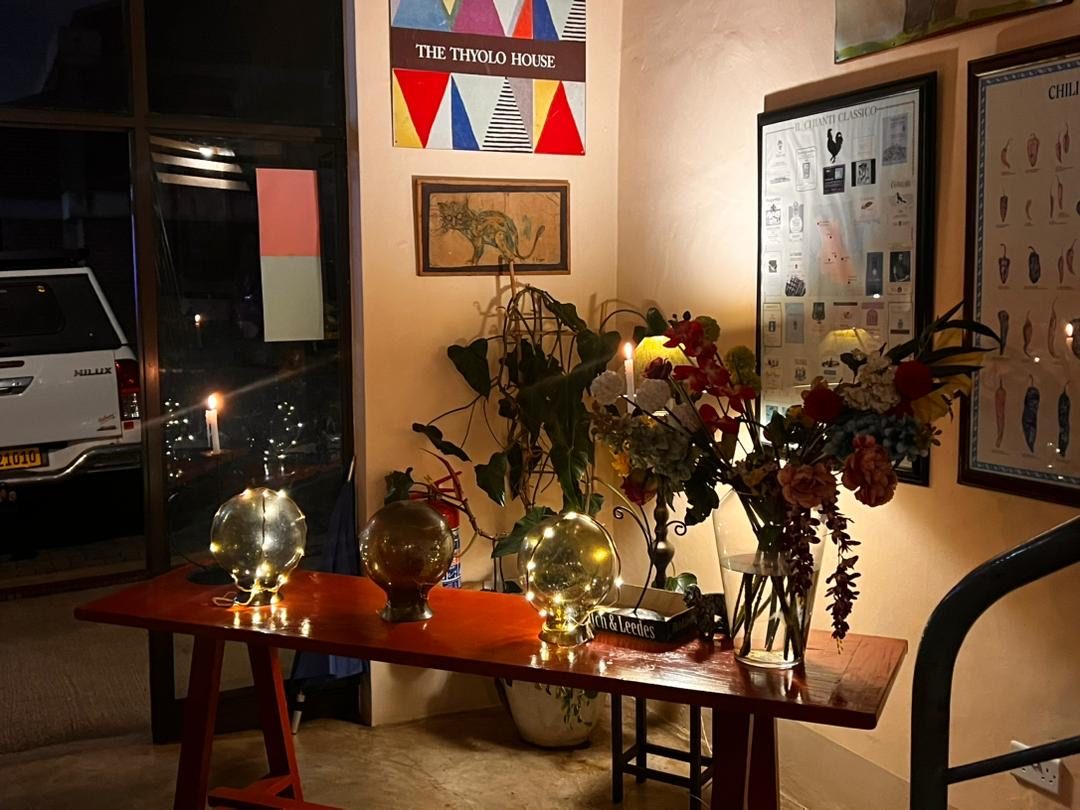
If you would like to plan a Shire Highlands base from which to explore Blantyre, Zomba, and Mulanje by day and return to a quiet estate kitchen at night, we keep five rooms at The Thyolo House and would be glad to help. Take a look at the boutique rooms and our restaurant page, or message us on WhatsApp with your dates to check availability at The Thyolo House. The food story of Malawi is best eaten slowly, region by region — and the tea country is a quiet, generous place to begin.