/ By The Thyolo House
Birdwatching Mount Mulanje: A Cultural Deep Dive into Malawi's Sky Island
A journal from a boutique lodge in the Thyolo highlands. These are notes from our corner of Malawi — places we love, walks we've done ourselves, operators we've watched do good work. The mountain treks, tea-estate tours, and day trips are all run by independent operators in Malawi; book those directly with them. Come stay with us before or after — we'll do the room, the meal, and the quiet.
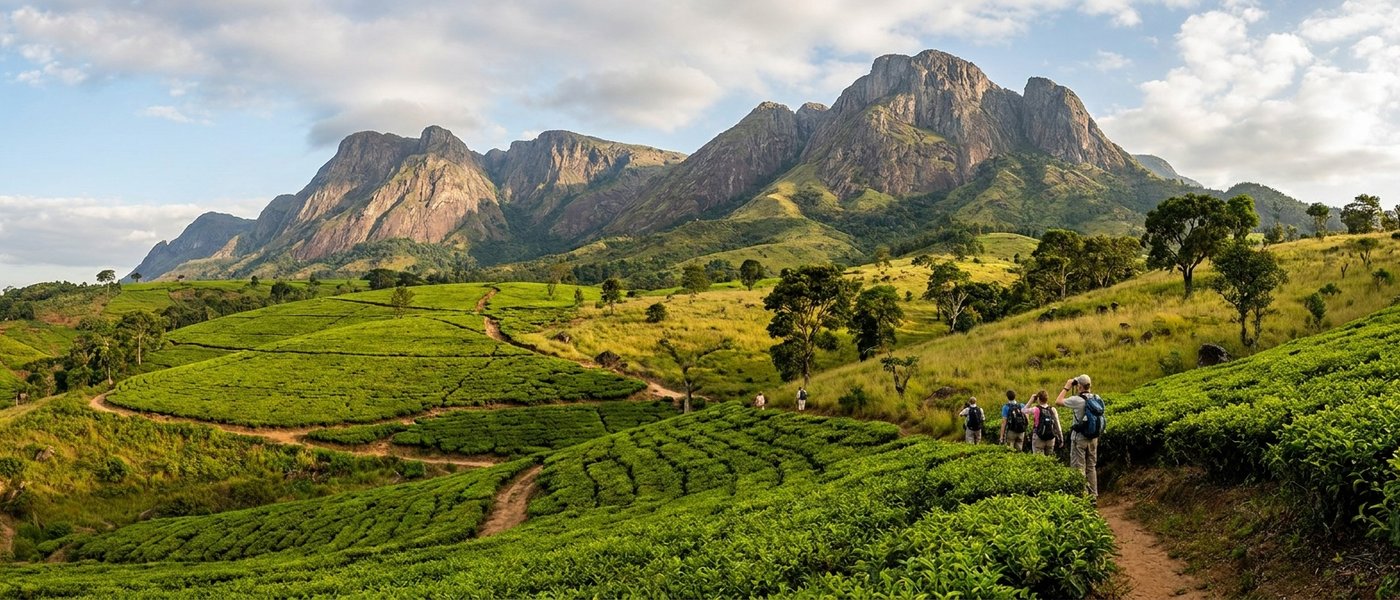
To stand at the foot of Mount Mulanje at dawn, with mist still clinging to the lower forest and a Cholo Alethe whistling somewhere inside the leaf litter, is to understand why birdwatching Mount Mulanje has captivated naturalists for more than a hundred years. This is not a typical safari destination. There are no big cats, no advertised lodges with hides over waterholes. What there is — and what serious birders travel a long way for — is a granite massif rising 3,002 metres out of southern Malawi's tea country, hosting forests so isolated that several species exist nowhere else on earth. Birdwatching Mount Mulanje is, as much as anything, a cultural pilgrimage: a chance to walk forests that local Lhomwe and Mang'anja communities have considered sacred long before any European naturalist ever wrote them down.
This guide is for the traveller who wants more than a checklist. We'll move through the cultural geography of the massif, the endemic and near-endemic species you can realistically hope to see, the layered history of how Mulanje's birds came to be known to science, and how to base yourself comfortably below the mountain — including notes about why The Thyolo House, a boutique five-room hotel on a historic property that was once part of the Conforzi Tea Estate, makes a quiet, well-positioned base for slow birding days.
Why Mount Mulanje Is Called a Sky Island — and Why That Matters for Birds
Biogeographers describe Mount Mulanje as a "sky island" — an isolated mountain surrounded by a sea of dry lowland savanna and tea plantation. Its plateau averages around 2,000 metres, and its tallest point, Sapitwa Peak, reaches 3,002 metres. That elevation traps moisture, supports evergreen forest, and creates conditions found nowhere else for hundreds of kilometres. When the surrounding plain dried out over the last several million years, mid-altitude forest species retreated upward and got stranded. Some, like the Cholo Alethe and the White-winged Apalis, evolved into restricted populations that now hang on in tiny pockets.
For birders this means that within roughly forty kilometres of our front gate, you can move through three completely different bird communities: lowland tea-belt edge species (sunbirds, drongos, paradise flycatchers), mid-altitude evergreen forest specialists (the alethes, apalises, orioles), and high-plateau grassland and rocky-outcrop birds (raptors, cisticolas, rock-loving swifts). Mount Mulanje is also formally recognised by BirdLife International as an Important Bird Area, and in July 2025 UNESCO inscribed the Mount Mulanje Cultural Landscape on the World Heritage List — a designation that explicitly recognises the entanglement of biological and cultural value on the massif.
The Cultural Geography: Napolo, Sacred Pools, and the Birds That Belong to Them
You cannot understand Mulanje birding without understanding Napolo. In Mang'anja and Lhomwe oral tradition, Napolo is a great serpent-being who lives beneath the mountain. When Napolo moves, water bursts from the rock and the mountain weeps — landslides, sudden storms, flash floods. The 1991 Phalombe disaster, in which torrential rain triggered massive mudslides and killed hundreds of people in villages below the eastern face, is still spoken about in those terms. Sacred pools dot the massif: Dziwe la Nkhalamba ("the Pool of the Old Man") below Likhubula is the most visited, where chiefs once placated ancestral spirits and where local belief still asks visitors to behave with respect — no shouting, no swimming naked, no whistling certain whistles.
Several birds belong, in the local imagination, to these places. The Green-headed Oriole, with its high fluting call rolling through closed canopy, is in some villages associated with messengers — a bird whose voice carries between the human village and whatever lives further up the mountain. Trumpeter Hornbills, whose nasal honking echoes off the granite, are sometimes read as harbingers of weather changes. None of this is folklore for tourists; it is living context that a good Mulanje guide will share if you slow down enough to ask. Visitors who book three or four nights at the boutique rooms and spend their days alternating between the mountain and the estate develop a much richer feel for what they're hearing in the forest than visitors who blitz Mulanje as a single short visit from Blantyre.
Endemic and Near-Endemic Species: From Cholo Alethe to the Cedar-Loving Apalis
About 180 bird species have been recorded on Mount Mulanje and its forested flanks. For travelling birders, a handful of these are the reason to make the visit at all.
- Cholo Alethe (Thyolo Alethe, Chamaetylas choloensis) — the headline bird. Endemic to a tiny corner of southern Malawi and adjoining Mozambique, listed as Endangered. Its favourite haunts are mid-altitude evergreen forest with a dense leaf-litter floor, exactly the band you walk through on the lower Likhubula trail and on the indigenous forest above Thyolo highlands.
- White-winged Apalis (Apalis chariessa) — globally threatened, restricted-range, a star bird of Mulanje's evergreen canopy. Mixed-species flocks in the Lichenya basin are the classic place to look.
- Green-headed Oriole — an Afromontane forest specialist, found in good numbers on Mulanje when you find the right canopy.
- Yellow-throated Apalis — locally common in suitable forest.
- Raptors — Crowned Eagle, Martial Eagle, Black (Verreaux's) Eagle on the cliffs, Lanner and Peregrine Falcon over the plateau.
- Forest passerines — Little Greenbul, Lazy Cisticola, and a long supporting cast.
The Cholo Alethe deserves a longer note. It is named for Thyolo (older spelling: Cholo), the very district where The Thyolo House sits, because the type specimens were collected from forest patches in this area in the late nineteenth century. The species has lost most of its original habitat to estate clearance and smallholder cultivation; today its strongholds are the surviving evergreen forest pockets on Mulanje and a handful of forest reserves on Thyolo Mountain itself. Hearing one — that low, ringing two-note song from somewhere in the leaf-litter — is one of southern Africa's quieter birding privileges. The Mulanje cedar (Widdringtonia whytei) stands on the plateau, although severely depleted by historical logging, also support their own particular community of high-altitude birds and are part of why UNESCO took the mountain seriously.
A Century of Observation: Missionary Diaries, Colonial Naturalists & Modern Records
The written record of Mulanje's birds runs back more than 130 years. Scottish missionaries based around Blantyre and Mulanje in the 1880s and 1890s kept journals that mention forest species in passing — usually noting which were eaten, which were trapped, and which were considered ill omens. By the early twentieth century, colonial-era naturalists were collecting more systematically; the type description of the Cholo Alethe dates from this period, as does the first proper survey of the massif's avifauna.
The modern era of Mulanje ornithology really begins in the 1970s and 1980s, when expedition birders started producing trip reports that circulated within the global birding community. By the 1990s, Birding Africa, Birding Ecotours, and Cedarberg Africa had built Malawi itineraries that consistently included a Mulanje leg. Today's research is shifting in important ways: the Mulanje Mountain Conservation Trust (MMCT), in collaboration with the African Natural History Research Trust and local partners, launched a multi-year insect biodiversity study in 2025, and is part of formalised anti-deforestation enforcement with Mulanje Police as of May 2025. There has also been organised opposition to a proposed mining project that surfaced in late 2025 — the very week the mountain was being celebrated as a new UNESCO landscape.
For visiting birders, all of this matters. The species you're hoping to see depend on forest that is actively being defended right now, by named institutions, with named partners. Tourism revenue — guides hired through MMCT at Likhubula, nights spent in local lodges and guesthouses, slow days spent at the restaurant talking with staff who grew up at the foot of the mountain — is part of how that defence is funded.

Where the Forest Meets the Tea: Pairing Mulanje Days with Thyolo House Nights
Most international birders arrive in Malawi via Blantyre's Chileka airport. From there, Mulanje town is roughly 65 kilometres south-east — about an hour and a half on tar. Thyolo, where The Thyolo House sits on the historic Thyolo Highlands, is a little closer to Blantyre (about 40 minutes from the city, 20 minutes from Limbe) and sits roughly in the middle of the tea belt that wraps around the south-western foot of Mount Mulanje. Practically, this means visitors can stay at The Thyolo House and independently drive 40 to 60 minutes to whichever Mulanje trailhead you've chosen for the day, bird until late afternoon, and be back in time for a swim and dinner in the gardens.
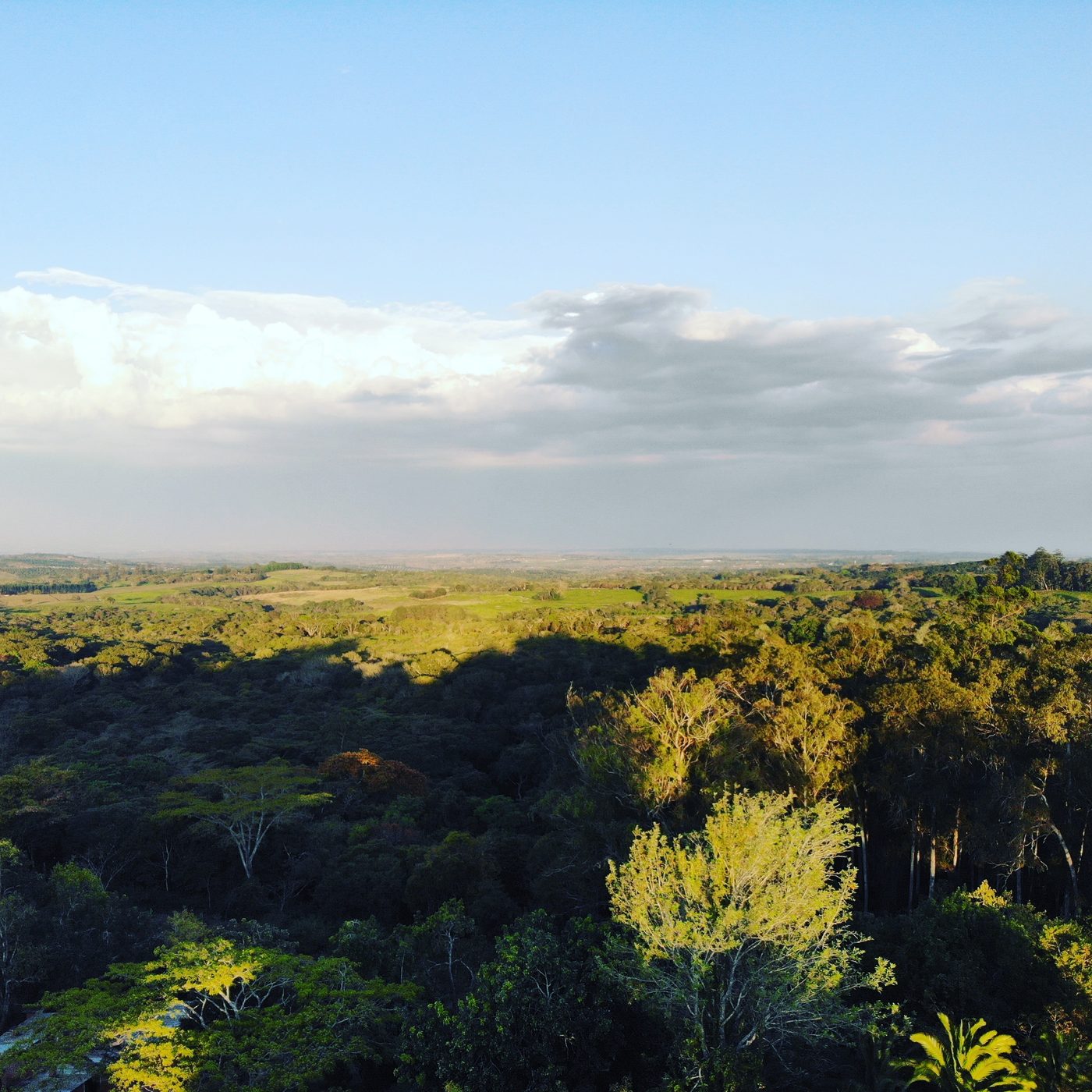
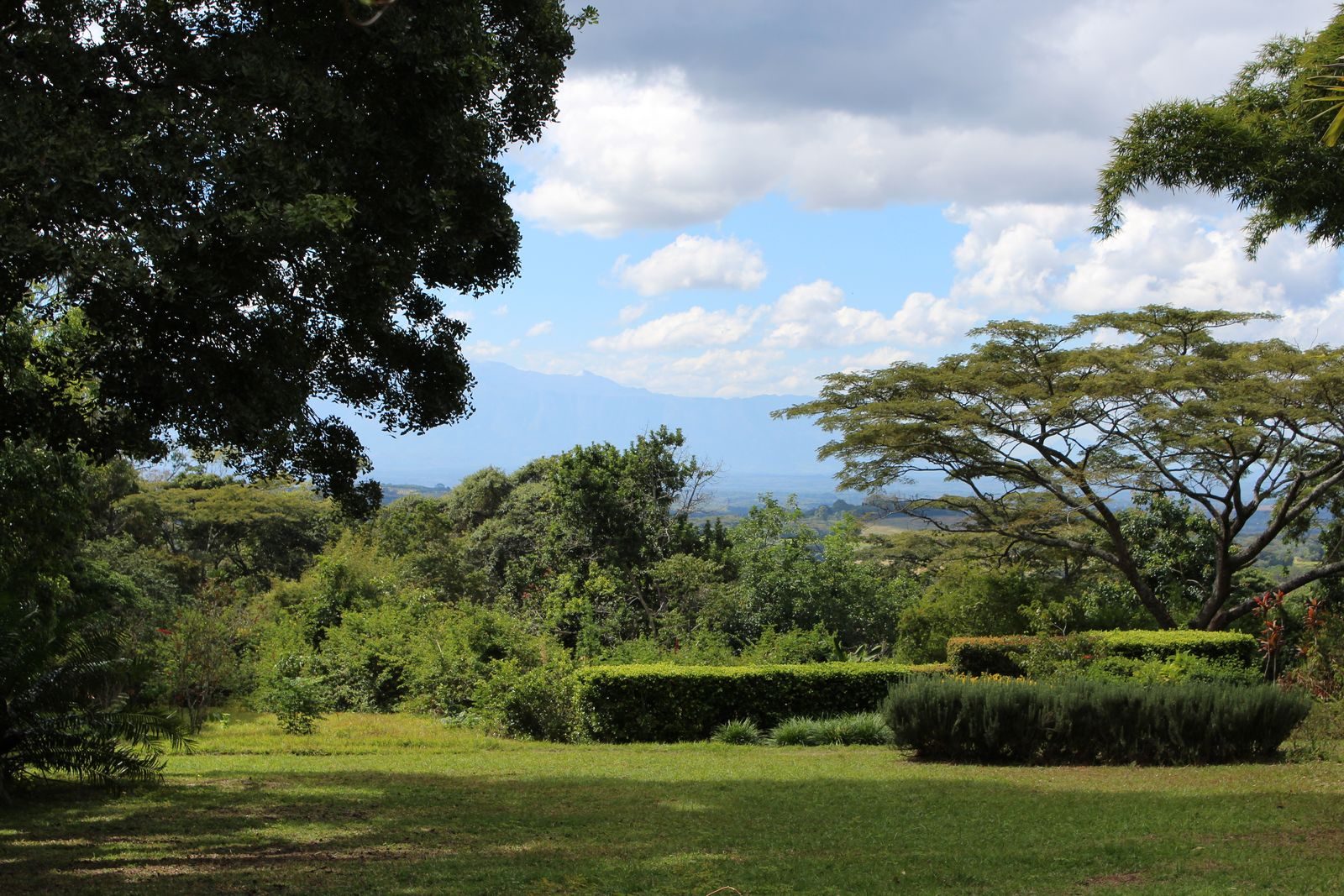
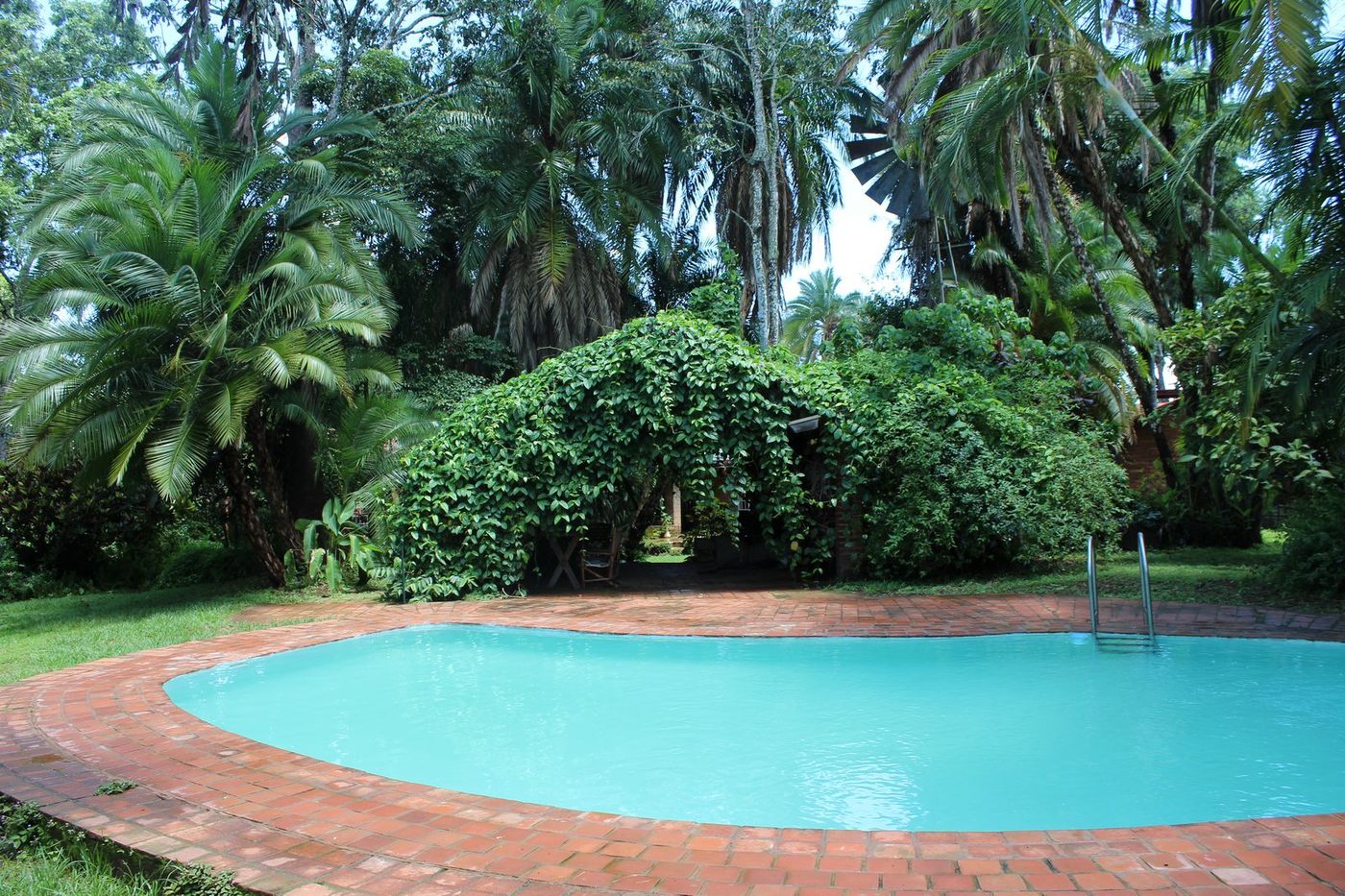
The estate itself adds value to a birding holiday in a way that surprises some visitors. The indigenous forest patches above the working tea fields — described in detail in our companion post on birdwatching Thyolo's forests and tea estates — host species that overlap considerably with the lower-altitude Mulanje community. Sunbirds work the bougainvillea at the main house. Trumpeter Hornbills and African Olive Pigeons cross between forest fragments at first light. The pool deck at dusk is a reliable spot for swifts and the resident pair of African Goshawks. None of this replaces a serious Mulanje day, but it adds material to your visit list and gives you somewhere to recover after a long climb.
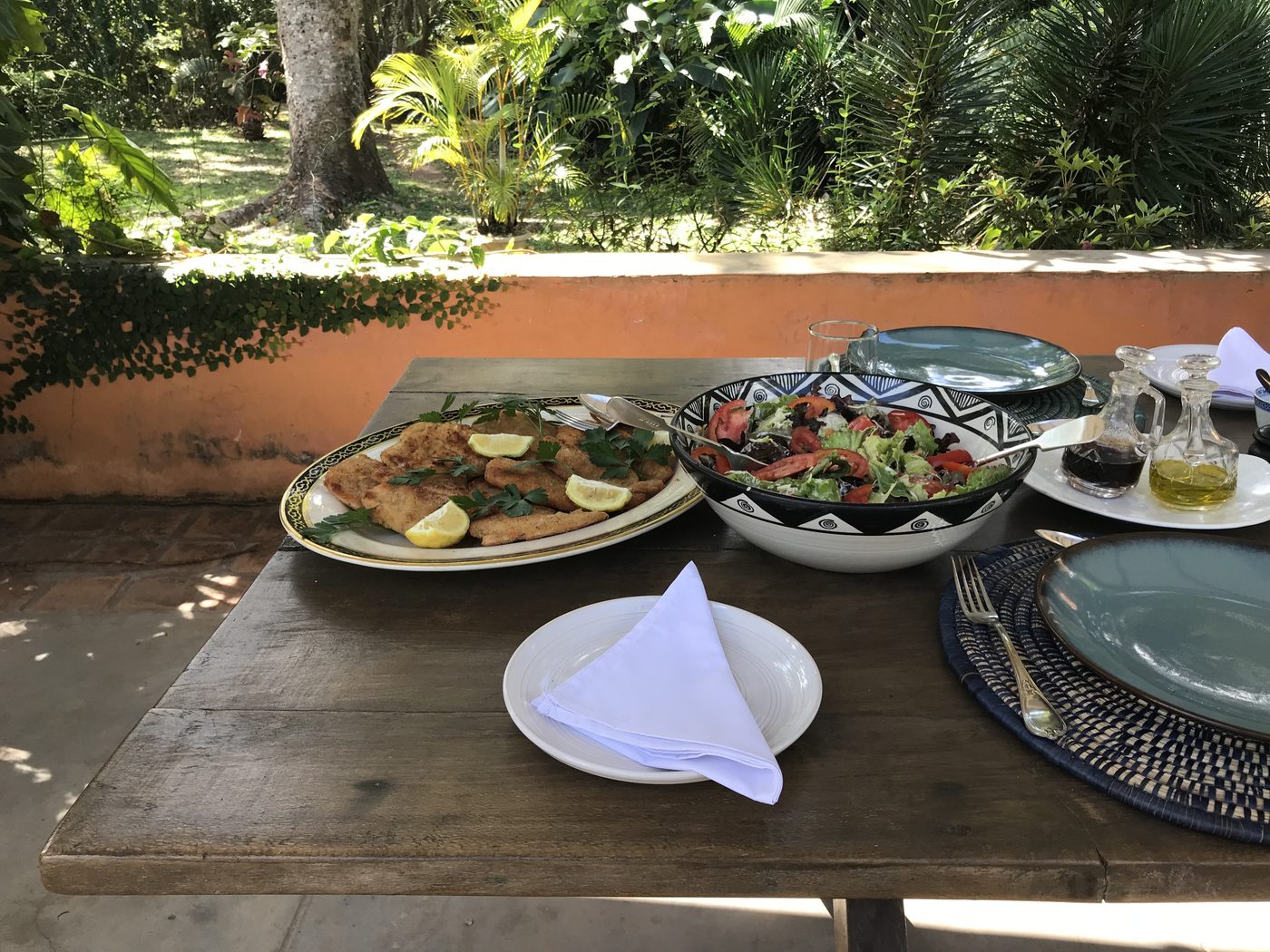
Flavia, our owner, is an Italian-Malawian artist who runs the kitchen along Italian fusion lines, drawing on what's growing in the house gardens. Most birders, after eight hours in the forest, find themselves grateful for a proper meal that isn't another bowl of stew. The dining room is small, the bar has a decent Italian wine list, and the conversations across tables tend to be the right kind for a place that keeps drawing naturalists.
Practical Field Notes — Best Months, Guides, Trails & Gear for the Massif
Best months. The combined wisdom of Mulanje guides and visiting birding leaders points to October through April for sheer numbers, with November and December peaking as Palearctic migrants overlap with breeding residents. April through August offers cooler, drier hiking weather and excellent conditions for finding the resident endemics — the Cholo Alethe is just as findable in dry season, and your boots will thank you. Many visitors choose May, June, September and early October as the sweet spots if comfort matters.
Guides. Hire your guide through the Mulanje Mountain Conservation Trust office at Likhubula, on the western foot of the massif. MMCT keeps a roster of trained, certified guides; rates are clearly posted and the money goes back into conservation work. Expect to pay in the range of MWK 25,000–40,000 per day for a guide (rates change — confirm at the office). For specialist birding, several international operators (Birding Africa, Birding Ecotours, Cedarberg Africa) run Malawi tours that include a Mulanje leg.
Trails to know.
- Likhubula — Lichenya hut route: the classic introduction. Rises through prime mid-altitude forest. Best for Cholo Alethe and White-winged Apalis.
- Likhubula — Chambe Plateau: harder, but rewarding for plateau grassland birds and raptors.
- Lujeri / Madzeka side: south-eastern foot, accessed through tea country roads. Quieter, good edge habitat.
- Fort Lister Gap (north-east): a low pass between Mulanje and Mchese — gentle, beautiful, and excellent for forest-edge birding without a major climb.
Gear. Waterproof boots, a real rain shell (Mulanje makes its own weather), a 8x42 binocular as your primary, a field guide that covers Malawi (Sinclair & Ryan's Birds of Africa South of the Sahara is the standard), and the Roberts or Avibase Mulanje checklist downloaded offline. A small recorder is useful for skulkers — but please don't play back endemic species; the local guides are clear that this stresses already-pressured populations.
A Slow Itinerary: Three Days of Birding from The Thyolo House Base
Day 1 — Estate and forest fringe. Arrive late morning. After lunch in the gardens, enjoy the gardens and permitted paths around the property. Look for Trumpeter Hornbill, Schalow's Turaco, sunbirds, and the resident African Goshawk pair. Early dinner; early night.
Day 2 — Likhubula full day. Leave the house at 5:00am. Drive to Likhubula (about 70 minutes); meet your MMCT guide at the trust office; walk the Lichenya highland forest with a target list of Cholo Alethe, White-winged Apalis, Green-headed Oriole, and whichever mixed flock the guide finds. Arrange food and transport independently. Back at The Thyolo House by 6:00pm for a long dinner and notebook updates.
Day 3 — Fort Lister Gap or Lujeri side. A gentler day. Either head to the north-eastern Fort Lister Gap for forest-edge birding without a major climb, or work the southern Lujeri tea-estate fringe. Return mid-afternoon for a swim and a garden walk to compare what you've found at sea-level versus what you saw on the massif.
MMCT guide booking, packed lunches, drivers, and transfers from trailheads must be arranged directly with MMCT, licensed guides, or transport providers. The Thyolo House does not provide or organize birding trips, guides, drivers, transfers, packed lunches, or third-party activities.
Mount Mulanje rewards patience. The Cholo Alethe will not come to you on a schedule; the White-winged Apalis will not pose. But spend a few days here — properly, slowly, with a good guide and a quiet base — and you'll come away with more than a list. You'll come away with a feel for one of southern Africa's most singular places: a sky island that is sacred, scientifically important, newly UNESCO-listed, and still, against considerable odds, very much alive.