/ By The Thyolo House
Boutique Hotels Malawi: A Day in the Life on a Tea Country
A journal from a boutique lodge in the Thyolo highlands. These are notes from our corner of Malawi — places we love, walks we've done ourselves, operators we've watched do good work. The mountain treks, tea-estate tours, and day trips are all run by independent operators in Malawi; book those directly with them. Come stay with us before or after — we'll do the room, the meal, and the quiet.
Why a Day-in-the-Life Beats a Brochure for Boutique Hotels Malawi
Most write-ups of boutique hotels Malawi keeps tucked into its highlands read like a checklist: thread count, pool dimensions, a paragraph about the chef. They tell you what a place has. They rarely tell you what a day there actually feels like — which is the only thing that matters once you've handed over a card and a long-haul flight.
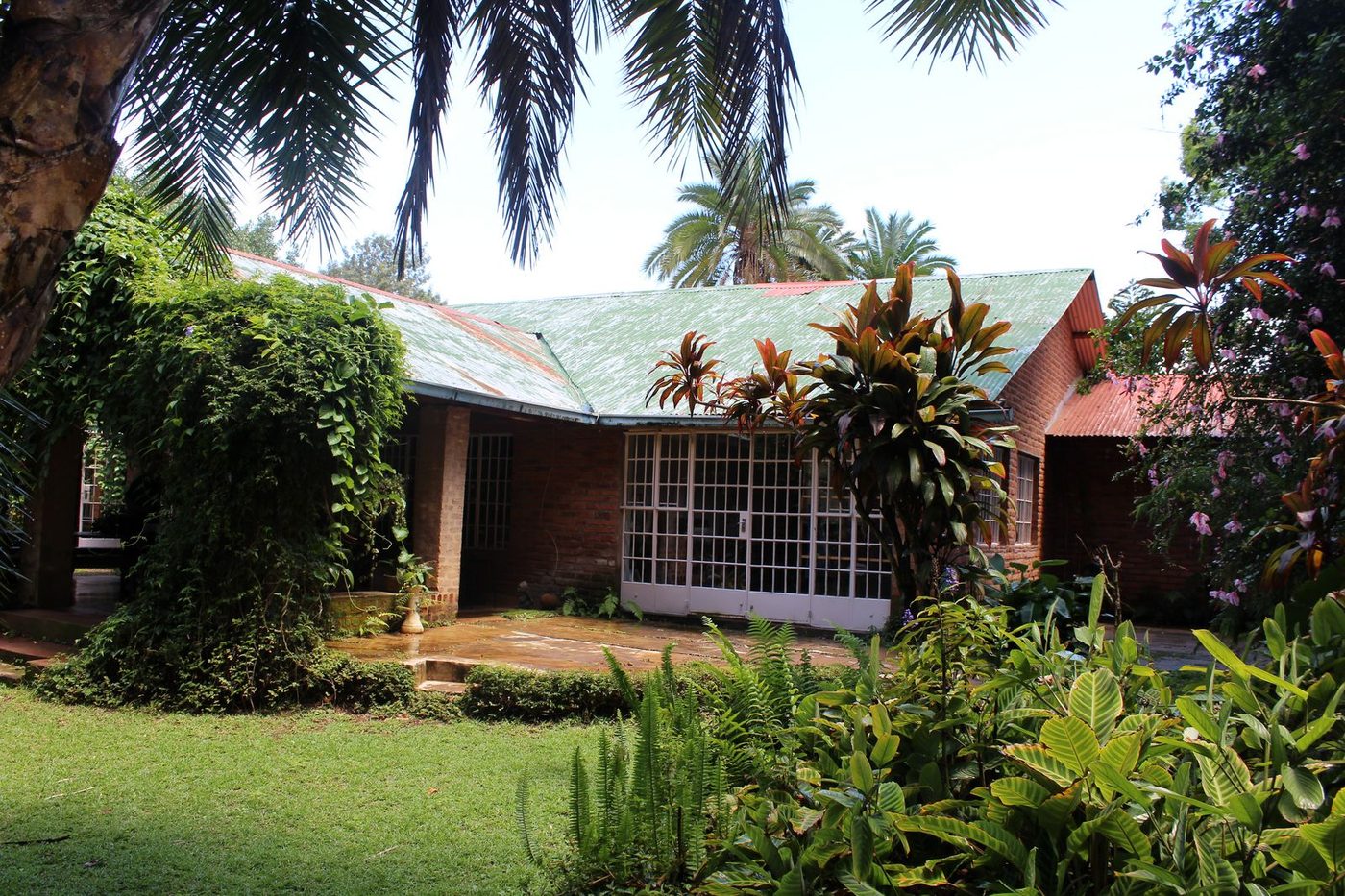
So this is the other version. A real day at The Thyolo House, the five-room boutique hotel and restaurant my family runs on a historic property that was once part of the Conforzi Tea Estate in southern Malawi. Sunrise to stars, with the small pauses that don't make it into glossy copy: the woman who delivers the eggs, the cold-water tap in the garden, the way the working tea fields catch low light at 6:42 in the morning. If you're weighing the country's boutique stays — Huntingdon House at Satemwa, Kaya Mawa on Likoma, Pumulani on the lake, Mkulumadzi in Majete, Latitude 13 in Lilongwe — this will at least give you a feel for what a quiet day in the Thyolo highlands feels like.
6:30 AM — Sunrise Over the Thyolo Highlands
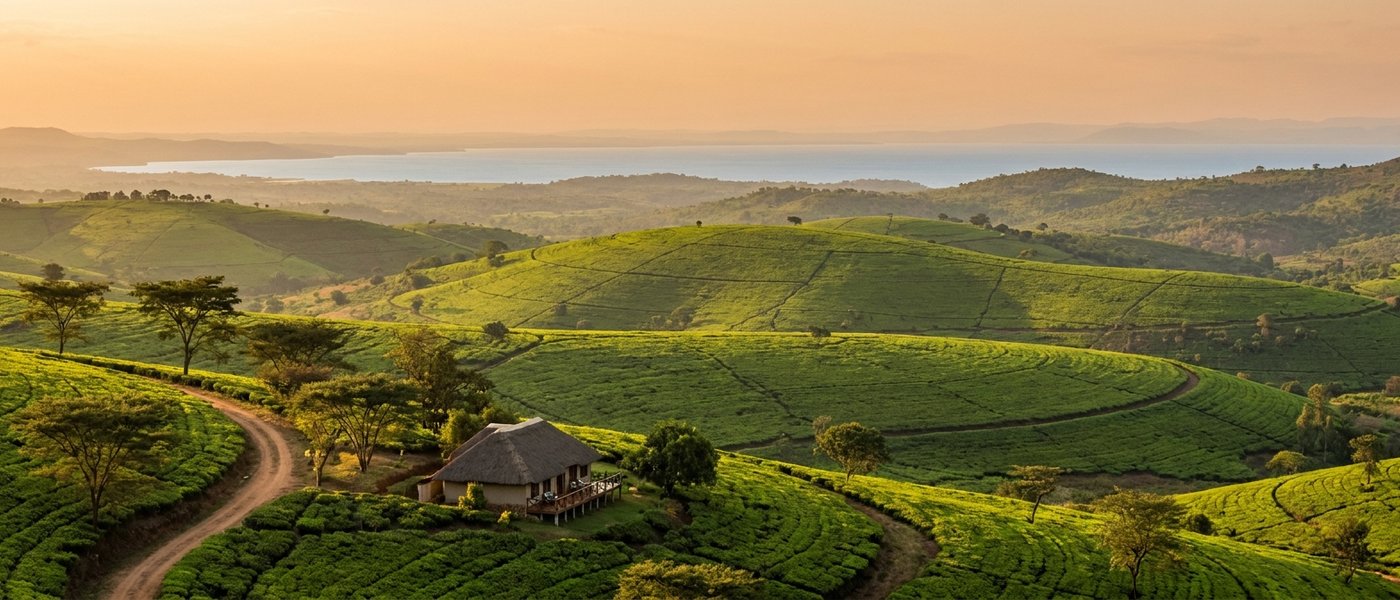
The highlands wake before you do. By 6:30 the light is the colour of weak honey and the mist is still snagged in the gullies between the hills. If you are staying at The Thyolo House, this is the hour for the garden paths, the verandah, and the quiet view across the highlands. Surrounding working tea fields are working farmland, so third-party field access should not be assumed.
8:00 AM — Garden Breakfast and the Italian Side of the Estate
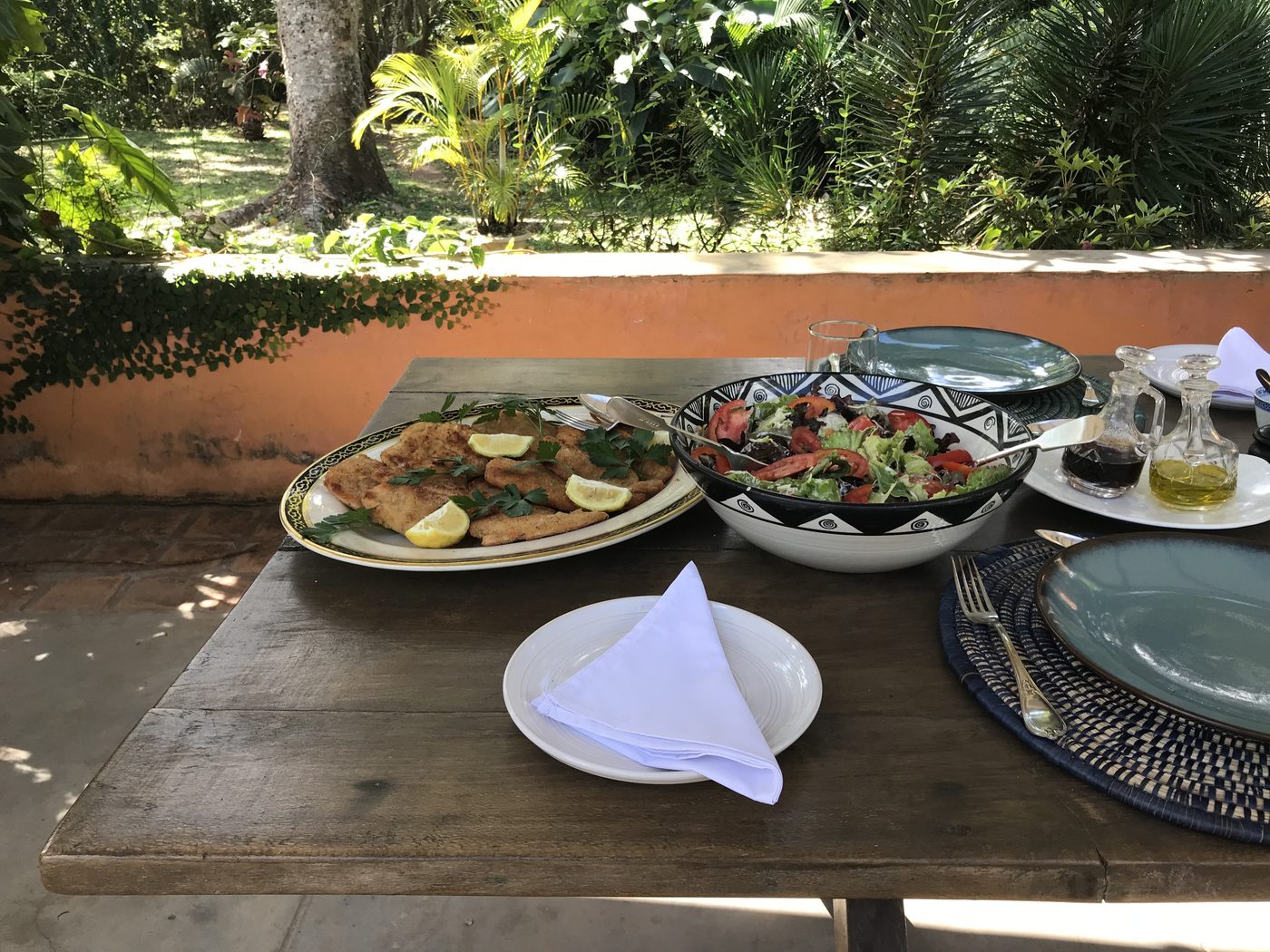
Breakfast at The Thyolo House is not a buffet. There is no chafing dish under a heat lamp. There is a table outside under the bougainvillea, set for however many of us are eating, and Flavia — my mother, who runs the place and paints in the studio — usually decides what's on it that morning depending on what's ripe in the garden and what the chickens produced overnight.
This is where the Italian half of the family shows up properly. The eggs are sometimes a frittata with garden zucchini and the soft white cheese made in the highlands. The bread is baked the day before. There is tea at breakfast because this is Malawi tea country, but The Thyolo House does not provide or organize tea-tasting activities, tea-walk activities, third-party tea-estate visits, or third-party factory access.
The thing worth understanding about Italian food on a tea country in Malawi is that it isn't a theme. My grandfather arrived from Italy in 1929. The kitchen has been speaking both languages — Italian and Malawian — for the better part of a century. If you want to dig into how that actually works in practice, the journal includes about it in our piece on how the Italian kitchen runs on a Malawian estate.
10:00 AM — Gardens, Pool, or Art Studio with Flavia
Mid-morning at The Thyolo House is intentionally simple: garden time, the pool, the restaurant, or Flavia's studio if she is available. The house does not provide guided forest access, tea walks, tea tastings, estate visits, drivers, guides, or third-party activities.
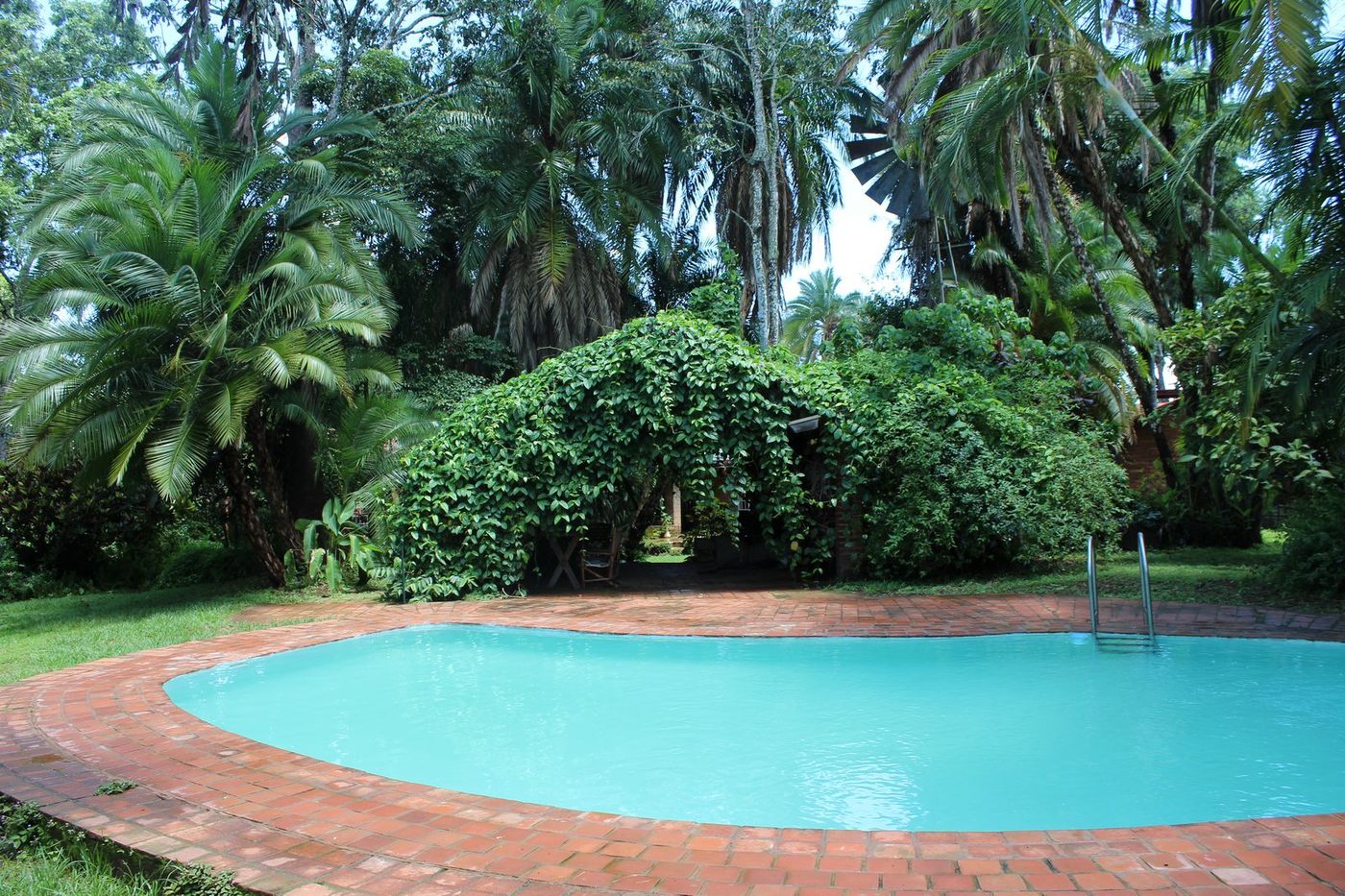
1:00 PM — Garden-to-Table Lunch by the Pool
Lunch is the meal where the kitchen garden does most of the talking. The vegetable beds sit just behind the restaurant — tomatoes, basil, rocket, the long thin Italian zucchini Flavia grows from seed she keeps from year to year, peppers, beans, herbs in every direction. What ends up on the lunch table started fifty metres away that morning.
A typical lunch might be a cold tomato and basil pasta, a salad of garden greens with shaved estate cheese, a plate of bresaola-style cured beef from a neighbour's cattle, and fruit from the orchard for after. The kitchen does not write the menu down at lunchtime. The point of a smaller place — and this is true across the better boutique hotels Malawi has — is that lunch can shape itself around what was good that morning rather than what was pre-printed three weeks ago.
If you've come with kids, lunch is the meal that absorbs them best. There's room to swim between courses. Nobody is checking how long they sit at the table.
3:00 PM — Gardens, Pool, or Studio Time
Afternoon at The Thyolo House is intentionally simple: pool, garden paths, a book, or time in Flavia's studio if she is available. The surrounding tea landscape is part of the view and the history, but tea-tasting activities, tea-walk activities, third-party tea-estate visits, third-party field access, and third-party factory access are not provided, organized, or arranged through The Thyolo House. Visitors who want tea-estate activities should contact the relevant estate directly.
6:30 PM — Sundowners and a Slow Italian Dinner at Thyolo House
Sunset in Thyolo is fast — we're at fifteen degrees south of the equator and the light drops in about twenty minutes — but the half-hour before is the best stretch of the day. Sundowners are on the verandah of the main house: a gin and tonic with garden basil and lime, or one of Flavia's negroni variations, while the working tea fields turn the colour of old copper and the chorus of bullfrogs starts up from the dam below the lawn.
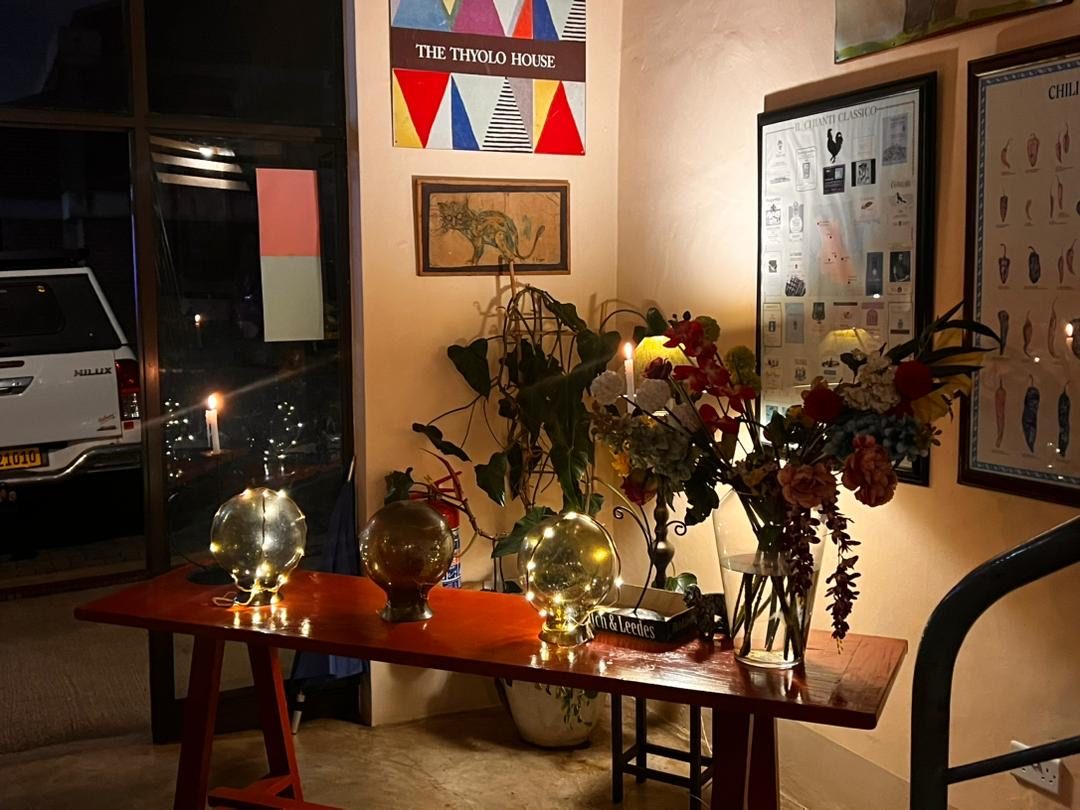
Dinner is the meal the kitchen takes most seriously. The restaurant seats around twenty-five and it's open to non-residents by booking, so most evenings there's a mix of guests staying at The Thyolo House and people who've driven down from Blantyre or Limbe for the night. The menu shifts week to week. Pasta is always handmade — usually a tagliatelle, sometimes ravioli with ricotta and the wild greens that grow along the forest edge. Mains lean on what the estate raises or what the neighbouring smallholders bring to the door: pork from the village butcher cured the Italian way, beef from cattle that have spent their lives in actual grass.
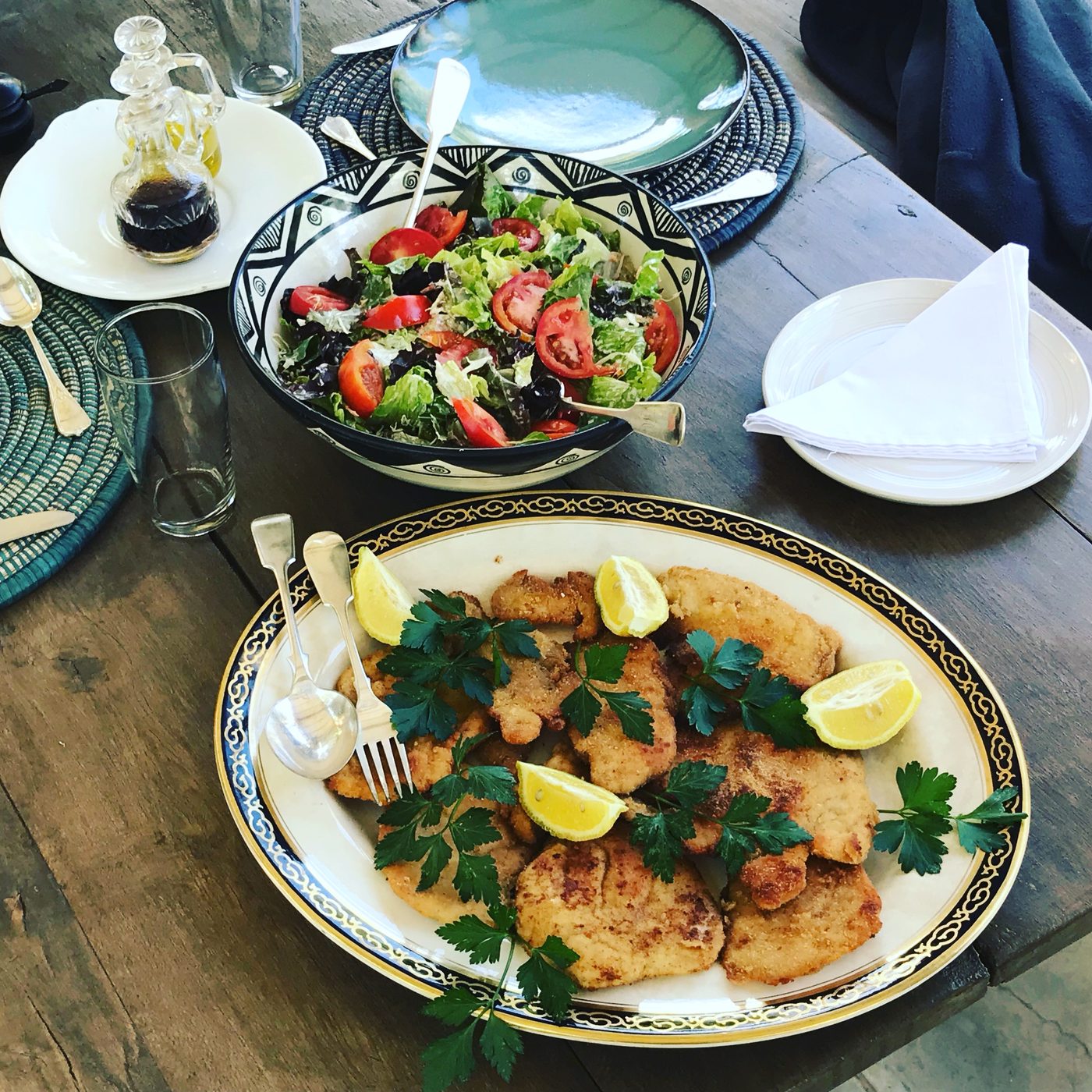
Three courses, two if you'd rather, and the kitchen will happily feed children early if the parents want to eat properly afterwards. Wine list is short and serious — mostly South African, a few Italian bottles for the homesick.
9:30 PM — Stargazing, Silence, and Why People Stay an Extra Night
The thing that surprises first-time visitors most is the silence. Thyolo is rural enough, and the estate large enough, that after about 9 PM the only sounds are crickets, the occasional owl, and once or twice a year the distant cough of a leopard from the forest. There is no light pollution to speak of — Limbe is twenty minutes away by car but invisible at night — and on a moonless evening the Milky Way is so clear it looks photoshopped.
This is the moment, statistically, when guests start asking whether they can extend by a night. it happens often. People arrive thinking two nights, end up wanting four. The pace of a boutique hotel on a tea-country property is slower than a lodge built purely for tourism, and that slowness is most of the point.
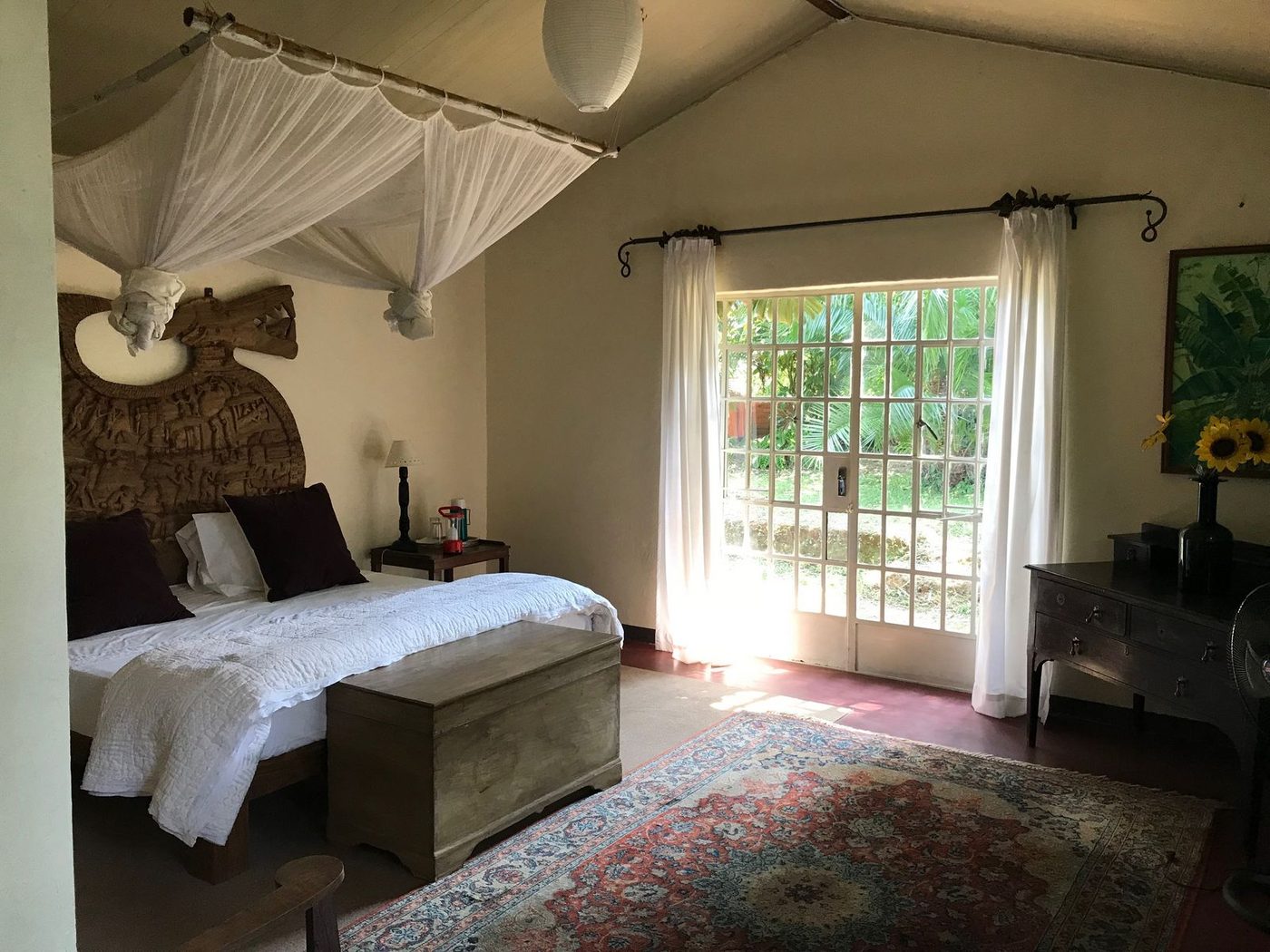
If you're trying to decide between us and the other boutique hotels Malawi keeps in this corner — Huntingdon House at Satemwa, Kara O'Mula at Mulanje, Pumulani on the lake — our piece on the wider boutique lodge landscape in Malawi lays out which property suits which kind of traveller. The honest answer is that most serious Malawi trips use two or three of these as a chain rather than picking one and staying put.
Planning Your Own Day at The Thyolo House (Getting Here, Booking, Best Months)
The practical end of this. Thyolo sits in the southern highlands of Malawi, roughly 20 minutes by car from Limbe, 40 minutes from Blantyre, and about 4 hours from the southern end of Lake Malawi at Mangochi. Chileka International Airport — the main southern entry point — is about an hour's drive. book transfers directly with a transport provider if you'd rather not handle the road yourself, which most first-time visitors prefer.
The best months for a Thyolo stay are May through October — the dry season, when mornings are crisp, afternoons are bright, and Mount Mulanje is climbable. November to April is the green season: the tea is at its most photogenic, the gardens are spectacular, but rain is part of the bargain. We stay open all year. Note that some of the country's other boutique stays do not — Kaya Mawa on Likoma, for instance, closes from early January to the end of March for the cyclone season — so if you're building a multi-stop itinerary across Q1, plan around those windows.
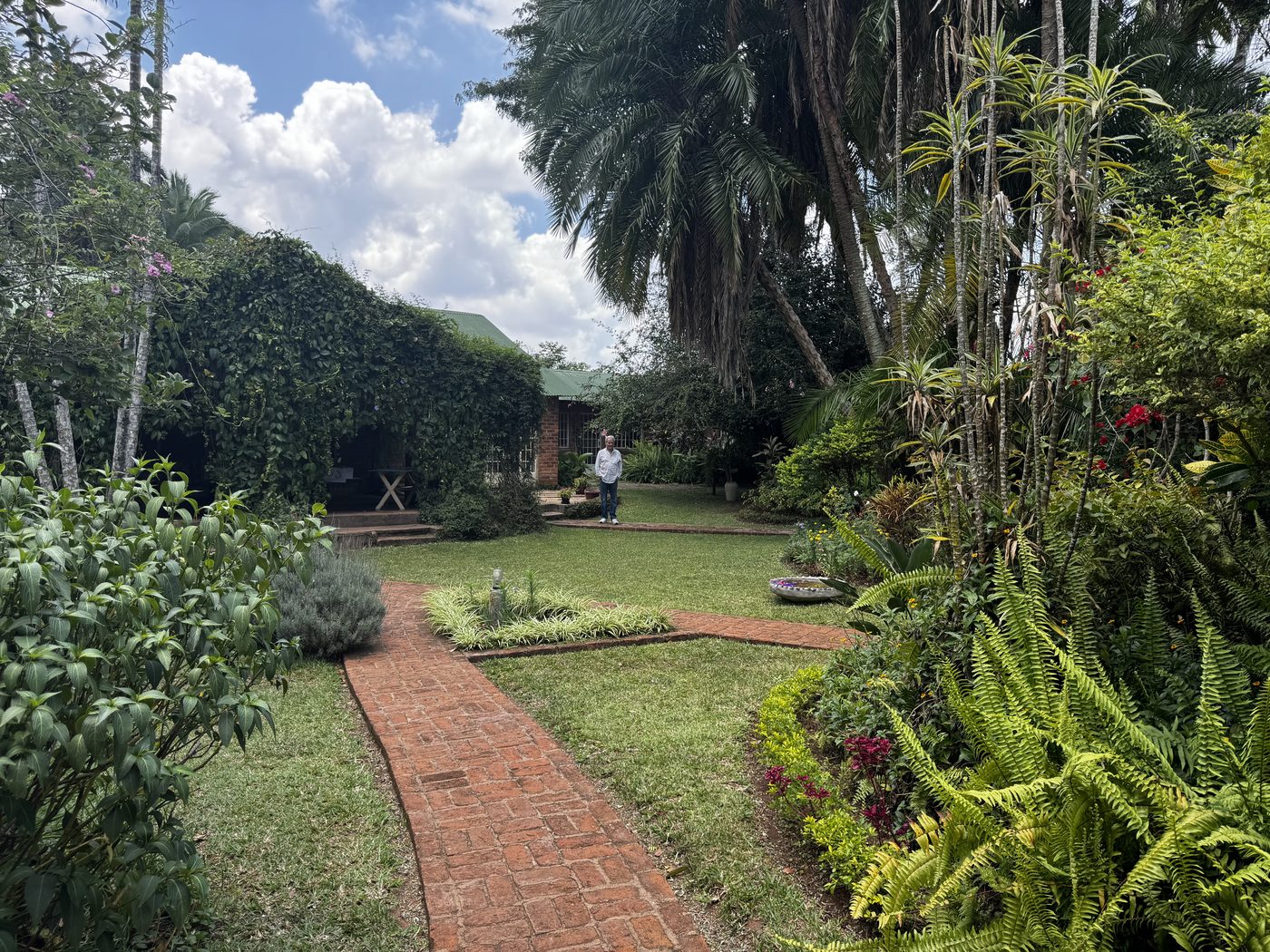
Pricing for true boutique hotels Malawi has at this level — the tea country properties and the safari lodges — typically starts around USD 250 per person per night and climbs from there depending on the room and the season. We sit in that bracket. What's included varies between properties: at The Thyolo House, rates include breakfast and use of the pool and gardens; dinner is extra. Off-site visits are not provided, organized, or arranged through The Thyolo House. We're happy to send a current rate sheet for the dates you're considering.
Booking is best done directly. Five rooms means we sell out quickly during peak season (July, August, and the Christmas–New Year window), and direct bookings let us match you to the right room — the Heritage Suite for a longer stay, the Pool Cottage if you want to be closer to the water, one of the garden rooms if you're travelling as a family. You can see the boutique rooms here, or simply message us on WhatsApp and we'll answer the same day. Email also works: thethyolohouse@gmail.com.
Come for two nights. Most people stay for three.