/ By The Thyolo House
Hotels Malawi: A Slow-Traveller's Shortlist by Region
A journal from a boutique lodge in the Thyolo highlands. These are notes from our corner of Malawi — places we love, walks we've done ourselves, operators we've watched do good work. The mountain treks, tea-estate tours, and day trips are all run by independent operators in Malawi; book those directly with them. Come stay with us before or after — we'll do the room, the meal, and the quiet.
Type "hotels Malawi" into any booking site and the algorithm will hand you a wall of options that all look strangely identical: the same generic pool shots, the same vague "lakeside paradise" copy, the same prices that may or may not be honoured when you actually arrive. For travellers who want more than a bed and a buffet, this approach to hotels Malawi searches is a trap. The country is too varied — and the best places too small — to surface that way. What you actually want is a shortlist, organised by region, written by someone who has stayed in these places or knows the people who run them.
This is that shortlist. It is unapologetically opinionated, geared toward slow travellers who would rather spend three nights in one good place than one night in three average ones, and built around the assumption that you are reading this from a sofa somewhere, several months out, trying to sequence a trip. We will move from Lake Malawi south through the Shire Valley and Zomba into the tea country around Thyolo and Mulanje, where The Thyolo House sits on a historic property that was once part of the Conforzi Tea Estate. Along the way: what to book, what to skip, and the practical realities that hotel pages rarely admit to.
Why "hotels Malawi" is the wrong search — and what to look for instead
The phrase itself is the problem. Malawi is roughly the length of England, and the experience of staying on a Likoma Island beach is nothing like staying in a Lilongwe business hotel or a Mulanje forest cottage. When you search hotels Malawi as a single category, you are asking a global engine to flatten that variety into a price-sortable list, and the listings that win are the ones with the biggest marketing budgets — not the most interesting stays.
A better starting point is to decide what kind of trip you actually want. Slow travellers tend to want three things: a sense of place (not a chain interior that could be anywhere), food that uses what grows nearby, and hosts who will tell you what to do tomorrow rather than handing you a laminated activity sheet. Those three filters eliminate roughly 90% of what comes up under hotels Malawi, and what remains is genuinely worth your time.
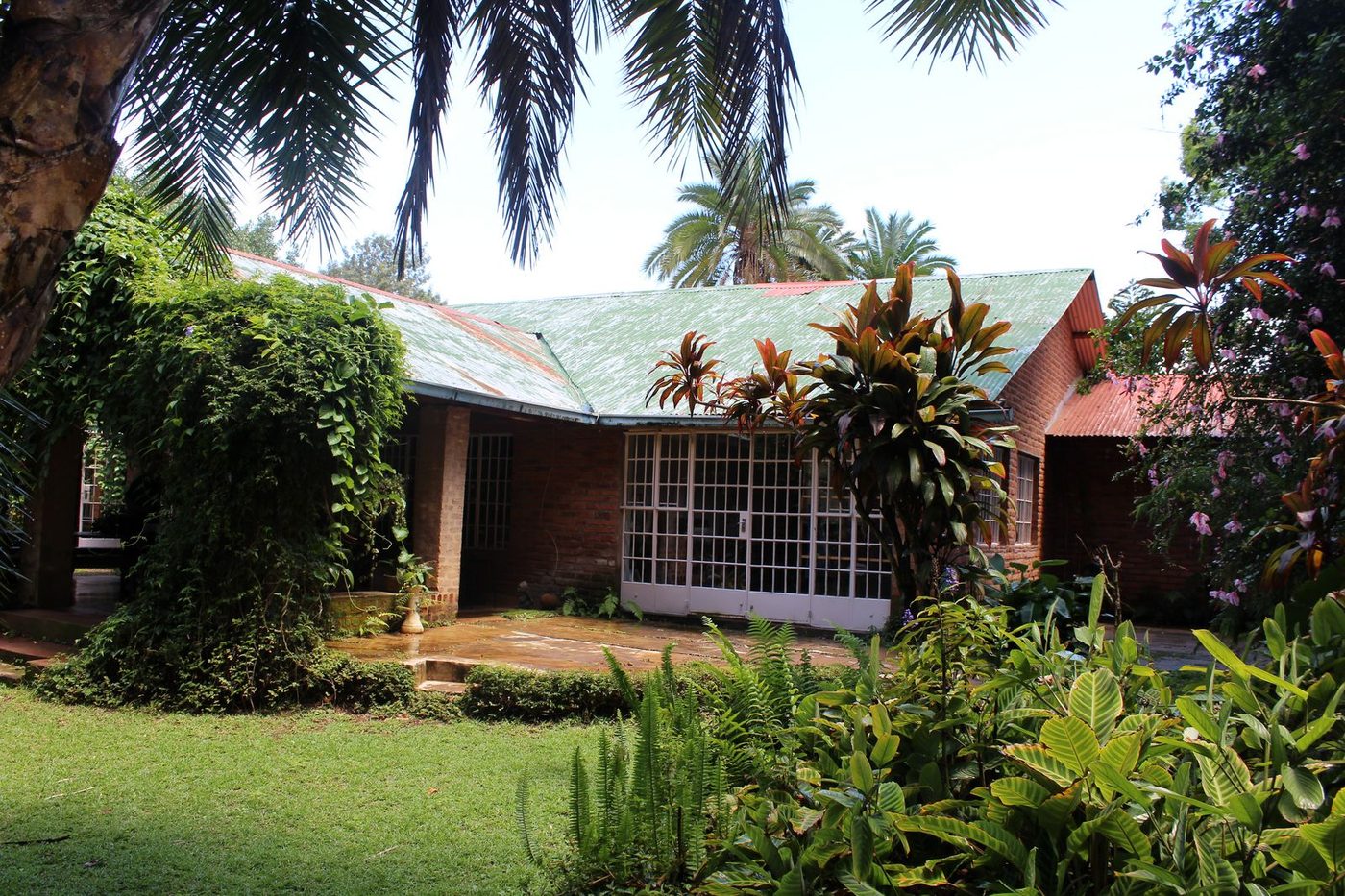
The second filter is region. Malawi divides cleanly into four travel zones: the lake (the country's headline attraction), the central plateau (mostly transit), the Shire Valley and Liwonde (safari country), and the southern highlands (tea estates, Mulanje Massif, colonial-era Blantyre and Zomba). Plan around those zones rather than around a hotel-aggregator map, and the visit writes itself.
Lake Malawi shore: the big-water stays (Cape Maclear, Nkhata Bay, Likoma)
If you have flown halfway across the world, you are going to want at least three nights on the lake. Lake Malawi is large enough to feel like a sea — 580 kilometres long, with clear water and beaches that look more Mediterranean than African — and it sets the rhythm for the whole trip. The choice is which shore.
Cape Maclear, on the southern shore inside Lake Malawi National Park, is the most accessible from Lilongwe (around four hours by road) and the busiest. Lodges here run from backpacker-rate beach huts to mid-range thatched chalets, with rates from roughly $36 a night at the park-adjacent properties up to $250+ at the boutique end. It is the easiest pick if you have only one lake stop and want snorkelling, kayaking and sundowner culture without a long internal flight.
Nkhata Bay, further north, is the bohemian middle option — steep wooded shoreline, dive schools, a slower pace. It pairs well with travellers driving the lakeshore road from south to north over several days.
Likoma Island is the trophy. The boutique lodge most often named in international press, Kaya Mawa, sits on Likoma's southern tip and bills itself as one of the most isolated luxury stays in Africa — popular with honeymooners and willing to charge accordingly. To reach it you fly into Likoma's small airstrip; the island lies closer to the Mozambican shore than the Malawian one. Rates run several hundred dollars a night, but the privacy and the colour of the water at this part of the lake justify the asking price for the right traveller.
If you want a deeper read on the boutique end of the lake, our boutique hotels Malawi guide walks through the small-property options in more detail.
Central highlands & Lilongwe: practical stopovers, not destinations
Be honest with yourself about Lilongwe. It is the capital, it has the country's main international airport, and it is where you will probably land and possibly leave — but it is not where you have flown to Malawi to spend your time. Treat it as a transit point and book accordingly.
The President Hotel at Umodzi Park is the city's first five-star and a reliable choice if you want pre-flight calm — a guaranteed working pool, business-grade Wi-Fi, and a buffet that errs on the side of generic but functional. It tends to score around 8.6 with business travellers, which tells you exactly what it is: comfortable, predictable, slightly soulless.
The Sunbird Capital is the more family-friendly mid-range alternative, rated around 8.0, and works well for one-night airport-adjacent stays. There are also smaller guesthouses in the Area 10 / Area 12 residential zones if you want something more personal — but for slow travellers, the honest advice is the same: one night in Lilongwe, then move. The country's character lives elsewhere.
Kasungu and the central plateau average around $20 a night in budget guesthouses and are mostly useful as overnight stops on a long drive between Lilongwe and the northern lake — not destinations in themselves.
Liwonde & the Shire Valley: safari lodges worth the detour
This is where Malawi quietly punches above its weight. Liwonde National Park, on the banks of the Shire River south of the lake, has been transformed over the last decade into one of the better-kept safari destinations in southern Africa — elephants in real numbers, hippos all along the river, leopards if you are patient, and a level of crowding that compares favourably to anywhere in Kenya or Tanzania.
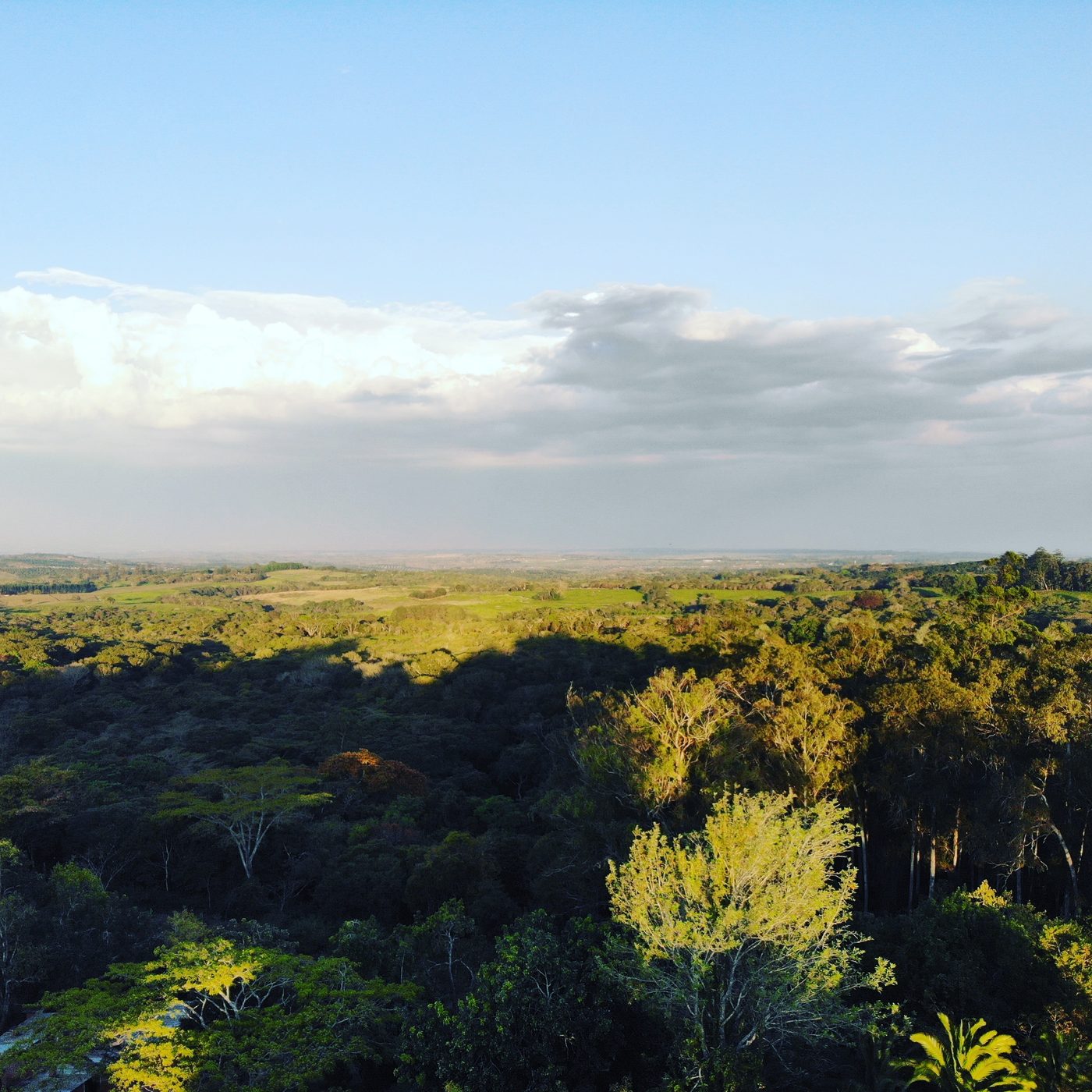
Lodge options inside and adjacent to the park range from tented camps in the $300-500 per person per night range (full-board, game drives included) to more modest park-edge lodges at $100-150. Two nights minimum is sensible — one day is enough to feel rushed, three days lets the rhythm of river walks and dawn drives settle in. Liwonde sits between the lake and Blantyre on most sensible itineraries, so it slots in without backtracking.
The Shire Valley itself, south of Liwonde, is hotter, lower, and less visited — a good route for travellers driving down toward Mulanje and Thyolo rather than flying.
Zomba & Blantyre: colonial-era hotels and modern city beds
Zomba, the old colonial capital, is the most architecturally interesting town in the country — wide jacaranda-lined streets, the old parliament building, and the dramatic granite cliffs of the Zomba Plateau rising directly behind it. There are a small number of hotels and a colonial-era guesthouse or two; for most travellers Zomba is an independent visit rather than an overnight, easily reached from Blantyre or from Thyolo on a long lunch loop.
Blantyre is the commercial capital of the south and the practical jumping-off point for everything in tea country. The Protea Hotel by Marriott Blantyre Ryalls is the most recognisable name — a Marriott Bonvoy property rated around 8.8, with deep history (the original Ryalls Hotel has been operating in one form or another for over a century). It is the most reliable luxury-leaning option in the city, useful for travellers who collect Marriott points or want a guaranteed standard before or after a long flight.
The Malawi Sun Hotel and Sunbird Mount Soche are the mid-range city alternatives — fine for a night, not where you want to spend a week. If you want a closer look at how Blantyre slots into a southern itinerary, our weekend escape from Blantyre piece walks through the 40-minute transition from city hotel to tea country.
Tea country (Thyolo & Mulanje): why The Thyolo House anchors the south
Here is the gap in most hotels Malawi shortlists: the southern tea country barely shows up. Search engines surface Lilongwe, Blantyre, and the lake, then run out of inventory. What they miss is the most interesting part of the country for travellers who already know they prefer hills to beaches and gardens to game drives.
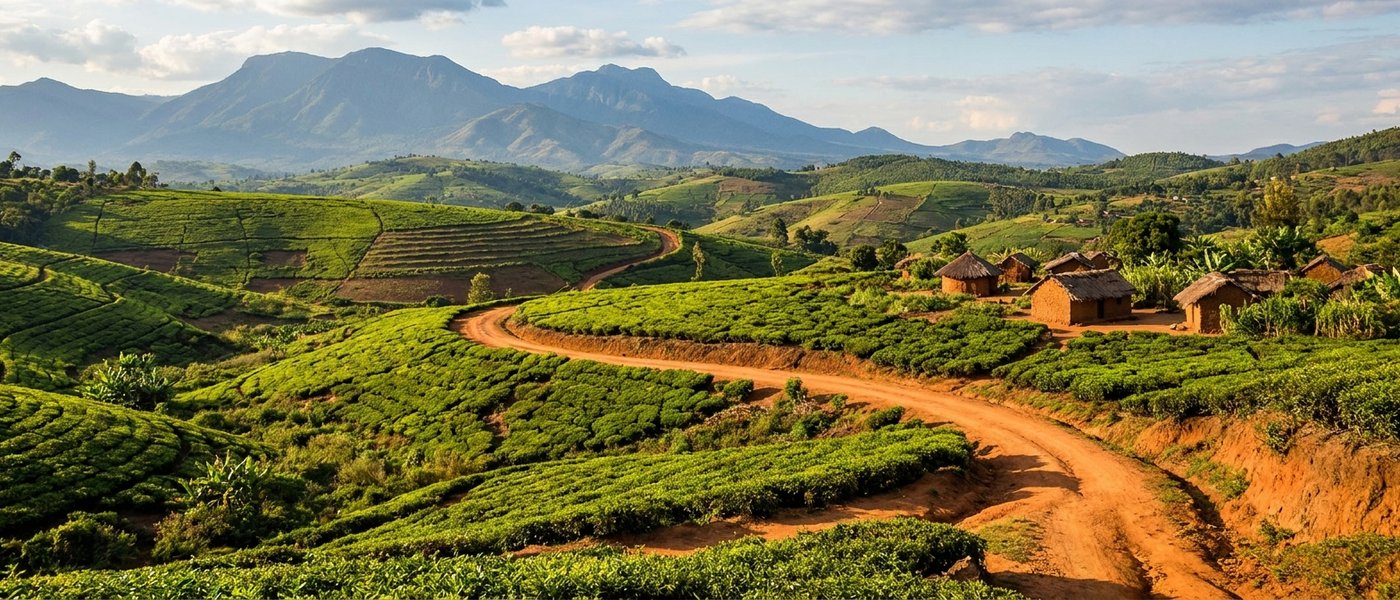
Thyolo (pronounced "Cholo") and Mulanje sit in the cool southern highlands at 800-1,200 metres — green year-round, ringed by working tea and macadamia estates, and dominated to the east by Mulanje Massif, the highest mountain in central southern Africa. The climate is gentler than the lake, the food culture is richer (this is where most of the country's fresh produce is grown), and the pace is genuinely slow rather than performatively so.
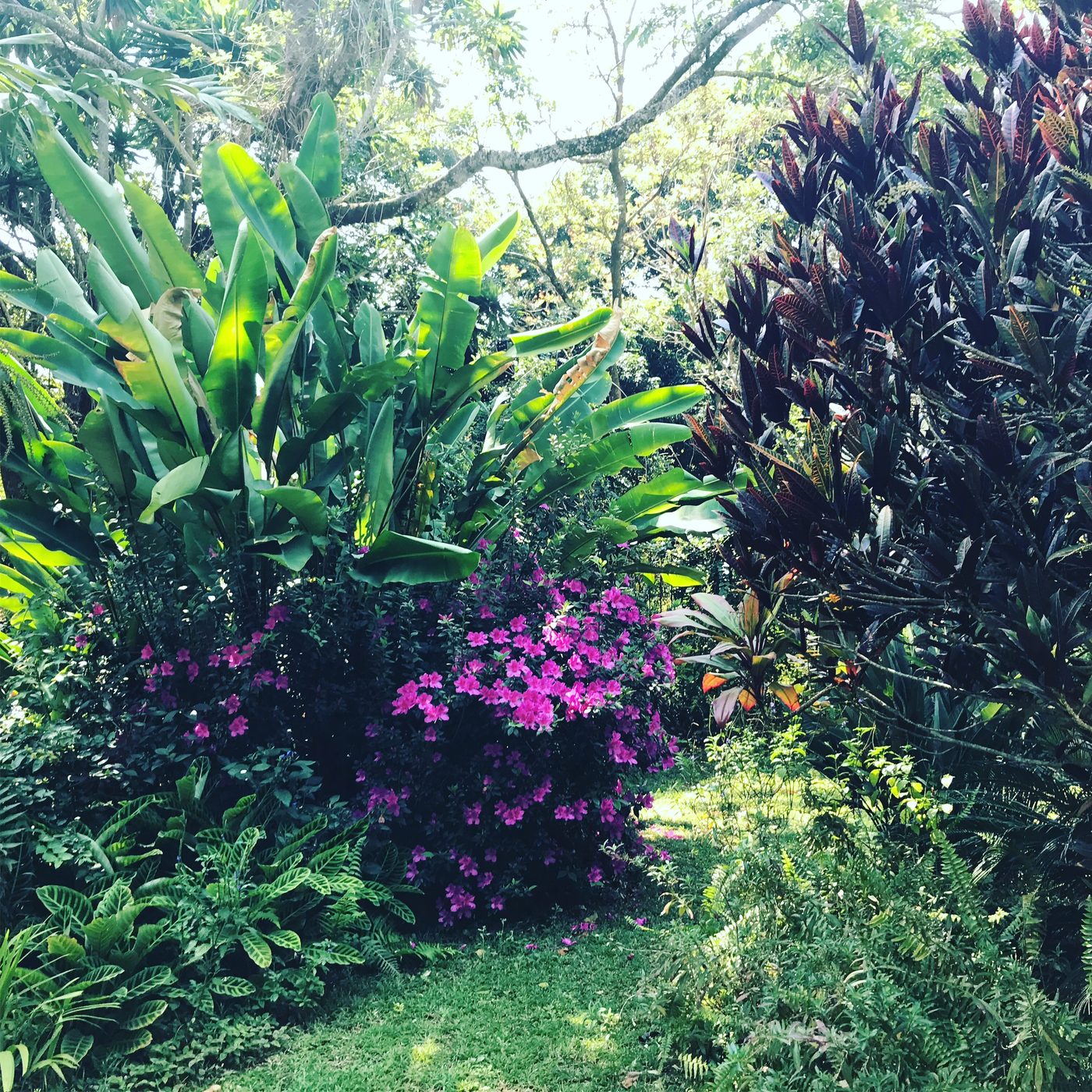
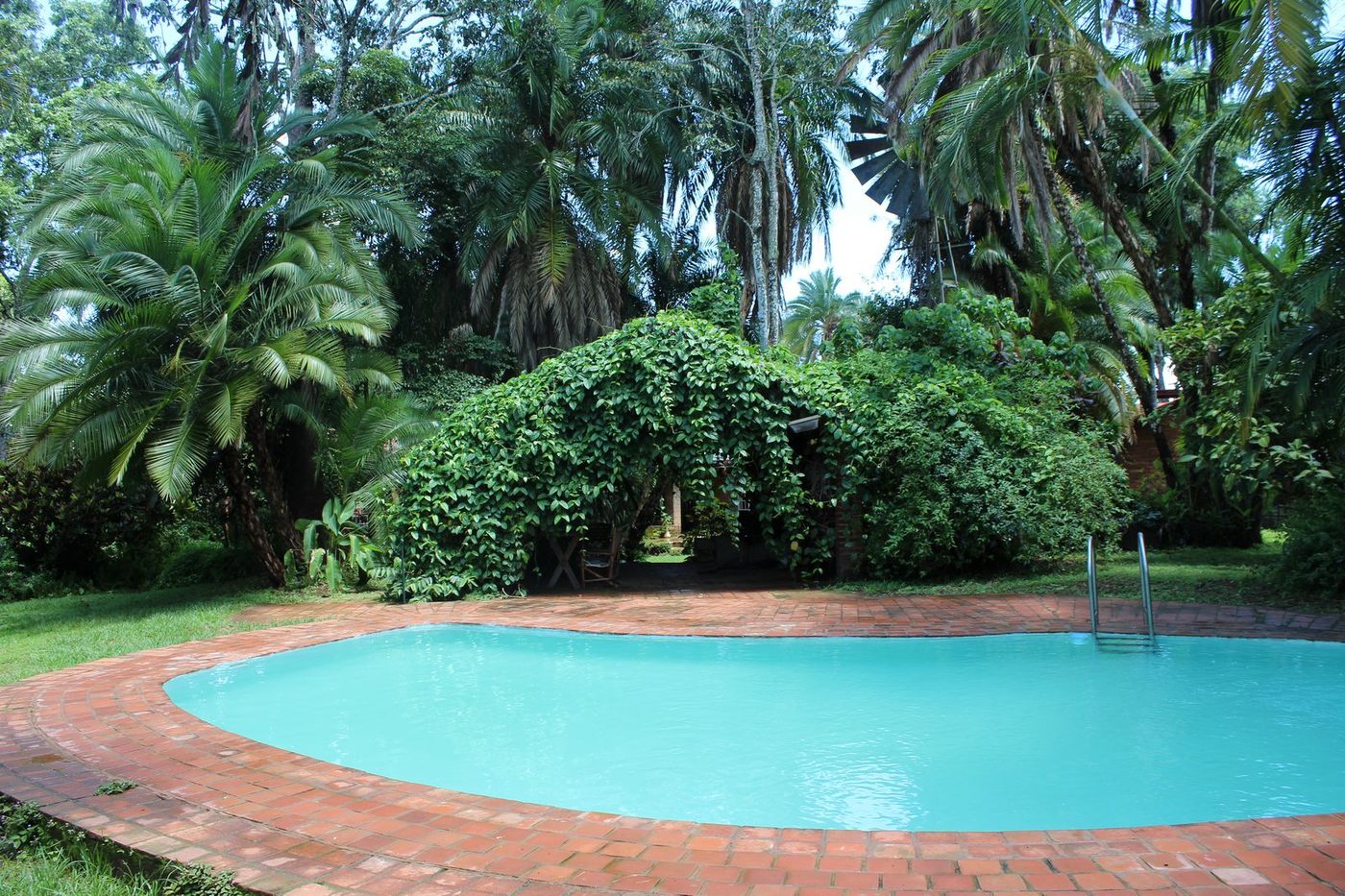
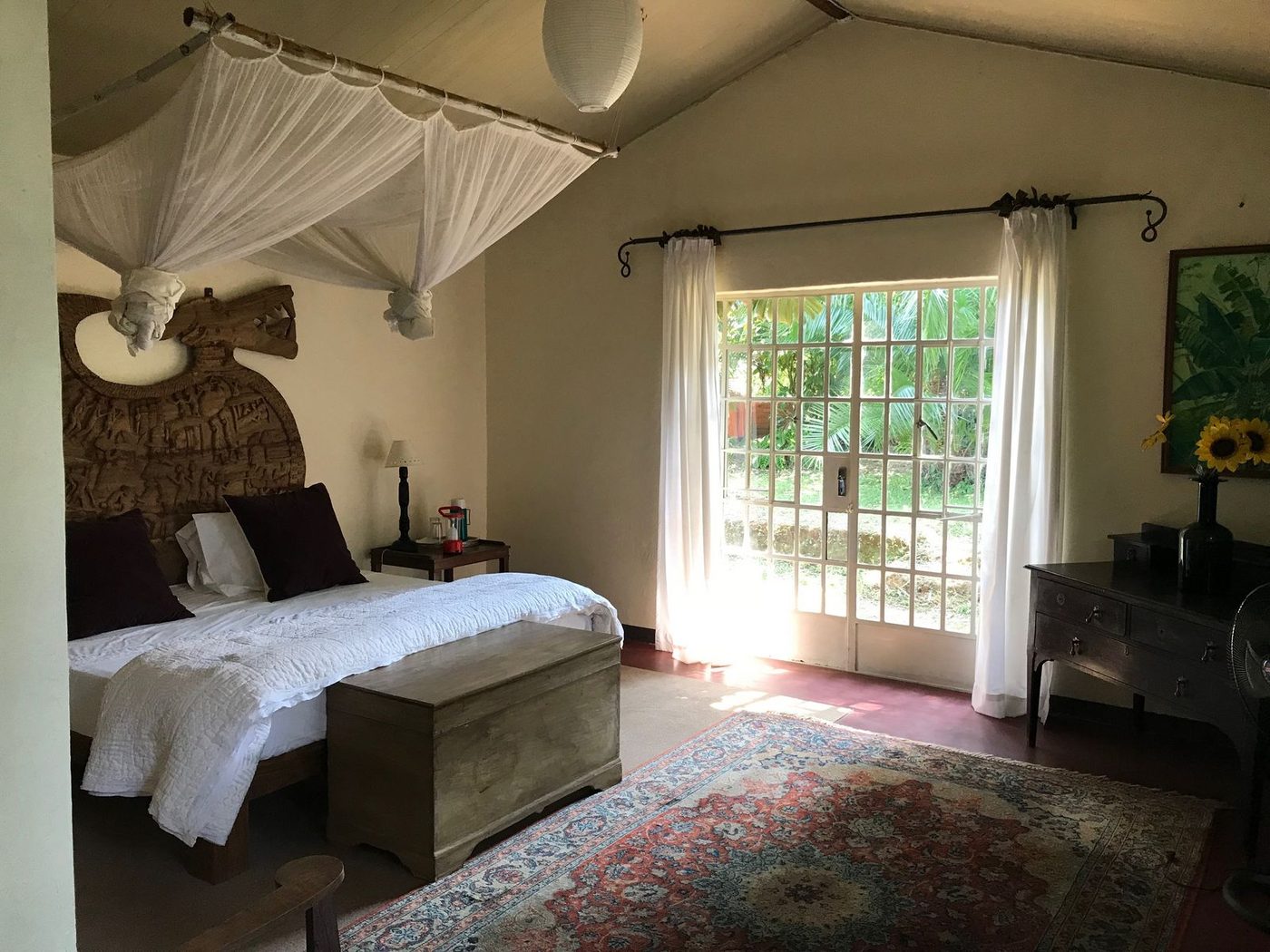
The Thyolo House is a five-room boutique hotel and restaurant set inside the working Thyolo Highlands, twenty minutes from Limbe and forty from Blantyre. The property has been in the Conforzi family since the 1930s; the house itself is run by Flavia Conforzi, an Italian-Malawian artist whose presence shapes everything from the gardens to the menu. The restaurant is Italian-fusion, ingredient-led, drawing from a kitchen garden that supplies most of what arrives on the plate. There is a pool, quiet gardens, a swimming pool, and occasional art workshops in Flavia's studio.
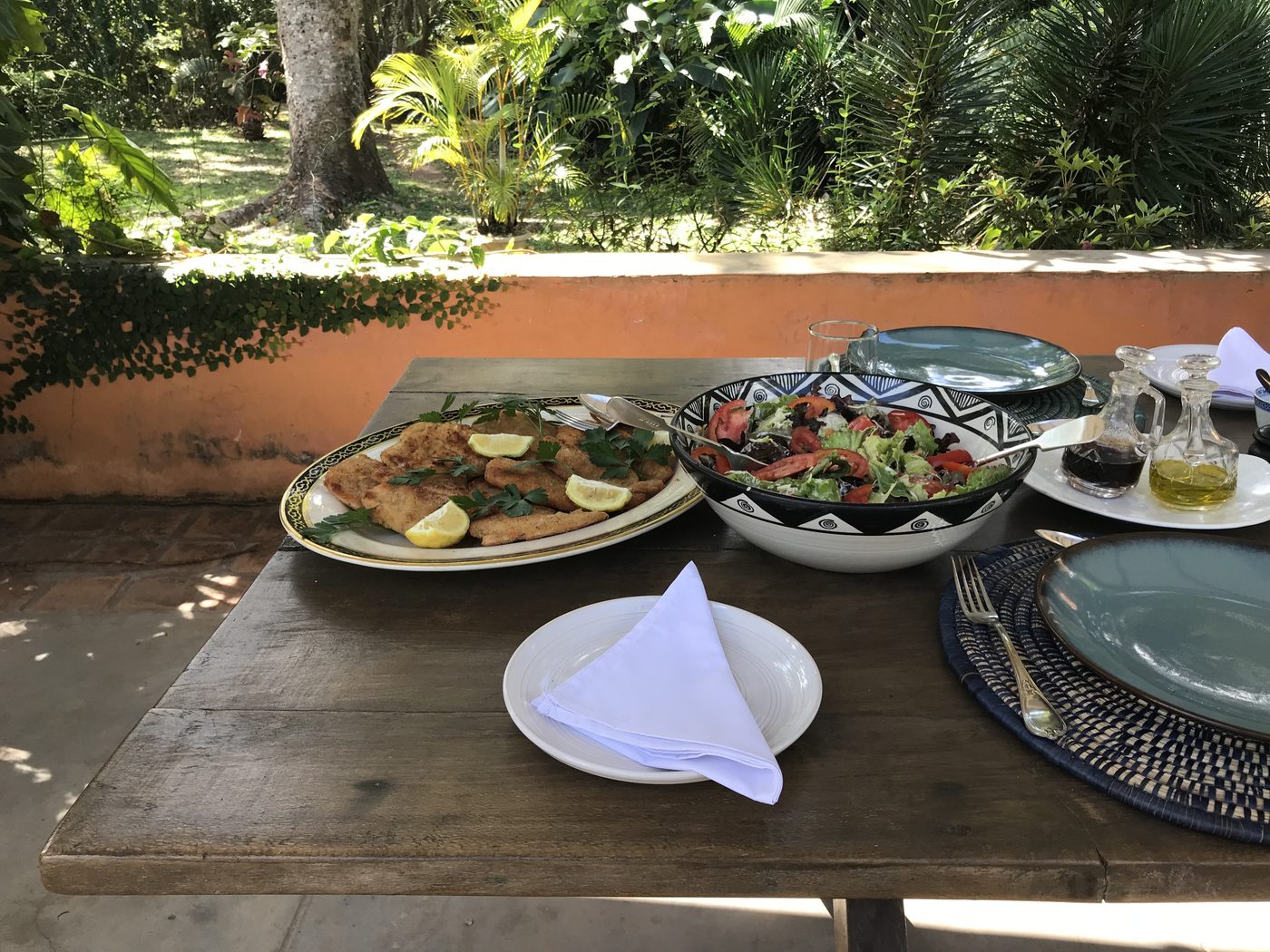
For slow travellers, the calculus is straightforward: it is small enough (five rooms) to feel like a private house, the food is genuinely a destination in itself, and the location works as a base for everything else in the south — Mulanje hikes, Zomba independent visits, Blantyre dinners, and the cluster of older tea-estate properties that fill out the region. Mulanje itself has a handful of small lodges and the Mulanje Mountain Club's huts on the massif for serious hikers, but for travellers who want a comfortable base rather than a bivouac, the Thyolo side of the district is the right call.
Three nights is the sweet spot. One night feels like a tease; three lets you slow down properly — one day in the highlands, one walking or driving Mulanje, one for Zomba or Majete or a long lunch.
How to sequence three or four stays into one trip
A two-week trip drawing on the regions above sequences cleanly. Here is the shape that works for most slow travellers:
- Nights 1–2: Lilongwe transit and short lake taste. One night in Lilongwe to land, then move quickly to a southern lake property — Cape Maclear or Senga Bay — for a couple of nights of acclimatising water time.
- Nights 3–5: Liwonde. Two or three nights at a tented camp. Boats, drives, walking safaris. This is the wildlife portion of the visit.
- Nights 6–9: Tea country. Three or four nights at The Thyolo House or another estate property. Mulanje hike, Zomban independent visit, a long Blantyre dinner.
- Nights 10–13: Likoma or northern lake. The reward at the end — fly into Likoma if budget allows, or drive the northern lakeshore road if you prefer the slower view.
- Night 14: Lilongwe departure.
Reverse the order if you are flying into Blantyre rather than Lilongwe; the logic is the same. The key is not to chase the lake at both ends — pick one shore, do it properly, and use the tea country and Liwonde to vary the rhythm.
For a more granular itinerary across the southern leg, our best accommodation Malawi guide covers the property-by-property choices in finer detail.
Booking, payment & WhatsApp realities most hotel pages won't tell you
A few practical truths that the polished hotel pages tend to leave out:
WhatsApp is the booking layer. The smaller and more interesting the property, the more likely your booking will be confirmed over WhatsApp rather than through an international engine. This is not a sign of disorganisation — it is the most reliable channel in a country where email gets lost and aggregator listings sometimes go stale. Expect to send a message, get a same-day reply from someone who actually owns the place, and finalise in a short exchange.
Cash vs. card varies sharply. Larger urban hotels (Protea, President, Sunbird) take cards reliably. Smaller estate properties and lake lodges may quote in USD and prefer bank transfer for the deposit and card or cash on arrival. Bring USD in clean, post-2013 notes; this is the regional standard.
Quoted rates are usually firm but seasonal. January, August and November tend to be the cheapest months; March–May runs slightly higher. Lakeshore high season is roughly July–October, when South African school holidays push demand. Tea country is quieter year-round and less seasonal.
Distances matter more than they look. Malawi's roads have improved but are not motorways. Blantyre to the southern lake is a fair half-day; Lilongwe to Liwonde is around four hours; Thyolo to Lake Malawi is roughly four hours by car. Build in buffer time.
Ask before you book. If a property's website is sparse, that is often because the owner is busy running the property rather than maintaining the site. A WhatsApp message with specific questions (dietary requirements, transfer logistics, what's actually open in shoulder season) will usually get you a more useful answer than another night spent comparing booking-engine listings.
If you have read this far, you have probably narrowed your shortlist to two or three regions and are ready to ask the practical questions. For the southern leg — tea country, Mulanje, the Blantyre approach — the easiest next step is to message us on WhatsApp or email thethyolohouse@gmail.com. We will tell you honestly what works for the dates you have in mind, and if our five rooms are full we can suggest that you contact neighbouring properties directly. That is what a hotels Malawi shortlist should actually deliver: not a list, but a conversation with someone who has a stake in your visit going well.