/ By The Thyolo House
Italian Food in Malawi: A Tea-Country Kitchen's Winter Menu
A journal from a boutique lodge in the Thyolo highlands. These are notes from our corner of Malawi — places we love, walks we've done ourselves, operators we've watched do good work. The mountain treks, tea-estate tours, and day trips are all run by independent operators in Malawi; book those directly with them. Come stay with us before or after — we'll do the room, the meal, and the quiet.
Italian food in Malawi sounds, at first hearing, like a contradiction — a Mediterranean kitchen tucked under jacarandas and tea bushes, four thousand miles from any olive grove. But spend a June evening on the Thyolo escarpment, with woodsmoke drifting off a pizza oven and a glass of something cold in your hand, and the contradiction softens into something more like inevitability. Italian families have been cooking in this part of southern Malawi for almost a century, and the cool, dry months from May through August are when the food finds its truest shape. This is a winter menu, written from a tea-country kitchen — the kind of notes a host scribbles between bookings, when the garden is heavy with rocket and the nights have started to bite.
Why Italian Food in Malawi Tastes Different in June
In Italy, June is high summer — courgettes, tomatoes piled in crates, the first basil flush. In Malawi, June is the opposite season: dry, bright, mornings cold enough to want a jumper on the verandah, daytime in the low twenties. The whole logic of the Italian kitchen has to invert itself. Tomatoes are nearly out. Basil sulks. But the cool-season vegetables — fennel, leeks, the brassicas, peas, the deep-green leaves like cavolo nero and rocket — come into their own. Lemons hang heavy on the trees. The avocados are still going. And the heavier dishes that feel wrong in March, in the wet heat, suddenly make perfect sense: lasagne, braised meats, baked pastas with cream and cheese, soups with beans and pork.
This is why Italian food in Malawi reads differently in June than it does in any guidebook generalisation. The pasta you ate in Blantyre in February was probably the same on the menu in July, but the kitchen around it had to fight a different battle to make it work. In the cool months, the kitchen stops fighting. The garden cooperates. The pantry empties out the right way. Diners stay for an extra glass because the evening doesn't push them home.
If you want the broader context — who else is cooking pasta and pizza in the south, and how the various kitchens compare — we've kept a running dining guide for Thyolo and the surrounding district. This post stays closer to home, on what the cool season specifically does to a tea-country kitchen.
What the Garden Gives Us in the Cool Season
Most of what arrives on the plate at the restaurant in winter comes from within a hundred metres of the kitchen door. The chemical-free garden behind the main house shifts its character completely between November and May. By the time June starts, the harvest list looks something like this:
- Leafy greens — rocket (peppery and intense in cold mornings), spinach, Swiss chard, the kind of soft butter lettuces that wilt in the heat but thrive now.
- Cool-season vegetables — fennel bulbs, leeks, broccoli, cauliflower, beetroot, carrots pulled small and sweet.
- Alliums — onions and garlic from the dry store, fresh spring onions still going strong.
- Herbs — sage, rosemary, thyme, parsley, oregano. Basil hangs on in protected corners but the kitchen leans on the woodier herbs.
- Citrus and tree fruit — lemons (huge, thick-skinned, the local rough lemon variety that makes the best preserved peel), avocados, the last of the season's mandarins.
- Pulses and grains — beans dried after the rains, the local groundnut harvest in for the year.
What we don't grow ourselves, we source within a tight radius. Tea-estate eggs from neighbours. Mulanje cedar honey from a beekeeper on the lower slopes. Lake Malawi chambo when the road from Mangochi is running well, otherwise we lean into the freshwater fish closer by. The Conforzi family has been doing this kind of close-radius cooking since the 1930s, long before anyone in the West was calling it farm-to-table — for an Italian planter family in Thyolo, it was simply how you ate.
The Winter Plates at The Thyolo House Kitchen
The menu changes — that's the first thing to know, and the reason we always ask guests to book ahead so the kitchen can plan around what's ready to harvest. But the shape of a winter evening here tends to follow a particular rhythm. A starter that's bright and acidic to wake the palate. A pasta course built on something the garden gave us that morning. A main that leans into the heavier proteins. And a dessert that uses the citrus and the eggs we have in abundance.
Starters: Rocket, Lemon, and the Long Cool Light
A typical June starter might be a rocket salad with shaved fennel, our own preserved lemon, toasted almonds, and a curl of estate-aged pecorino-style cheese (made by a small dairy in Lilongwe whose work we've been buying for years). Or a roasted beetroot with whipped goat's curd, walnut oil from the same Lilongwe producer, and a scatter of orange segments. These are dishes that feel right at room temperature on a verandah at six in the evening, when the light is going gold on the tea bushes and the first jumper of the season has come out of the cupboard.
Pastas: Where the Garden Earns Its Keep
This is the course that shifts most with the season. In summer we lean on tomato, basil, and the light, fresh sauces. In winter the kitchen pulls out the cream, the cheese, the long-braised ragu. A few dishes that recur on our June menus:
- Tagliatelle with slow-braised pork — pork from a Mulanje farmer, cooked down for three hours with garden carrots, celery from the kitchen patch, fennel seeds, white wine. The meat falls apart against the wide pasta ribbons.
- Spinach and ricotta gnudi — naked ravioli, essentially, the filling without the pasta around it. Made with garden spinach picked that morning, the local goat curd, a brown butter and sage sauce.
- Fettuccine with mushroom and tea-estate cream — wild mushrooms when the foragers bring them in from the highland greenery around the property, cultivated when not, finished with cream from the local dairy and a grating of nutmeg.
- Baked lasagne — the classic, the dish that the founder of the kitchen learned from her grandmother. Béchamel, ragu, fresh pasta sheets, the top blistered under the wood oven.
Mains: Heavier Plates for Cooler Nights
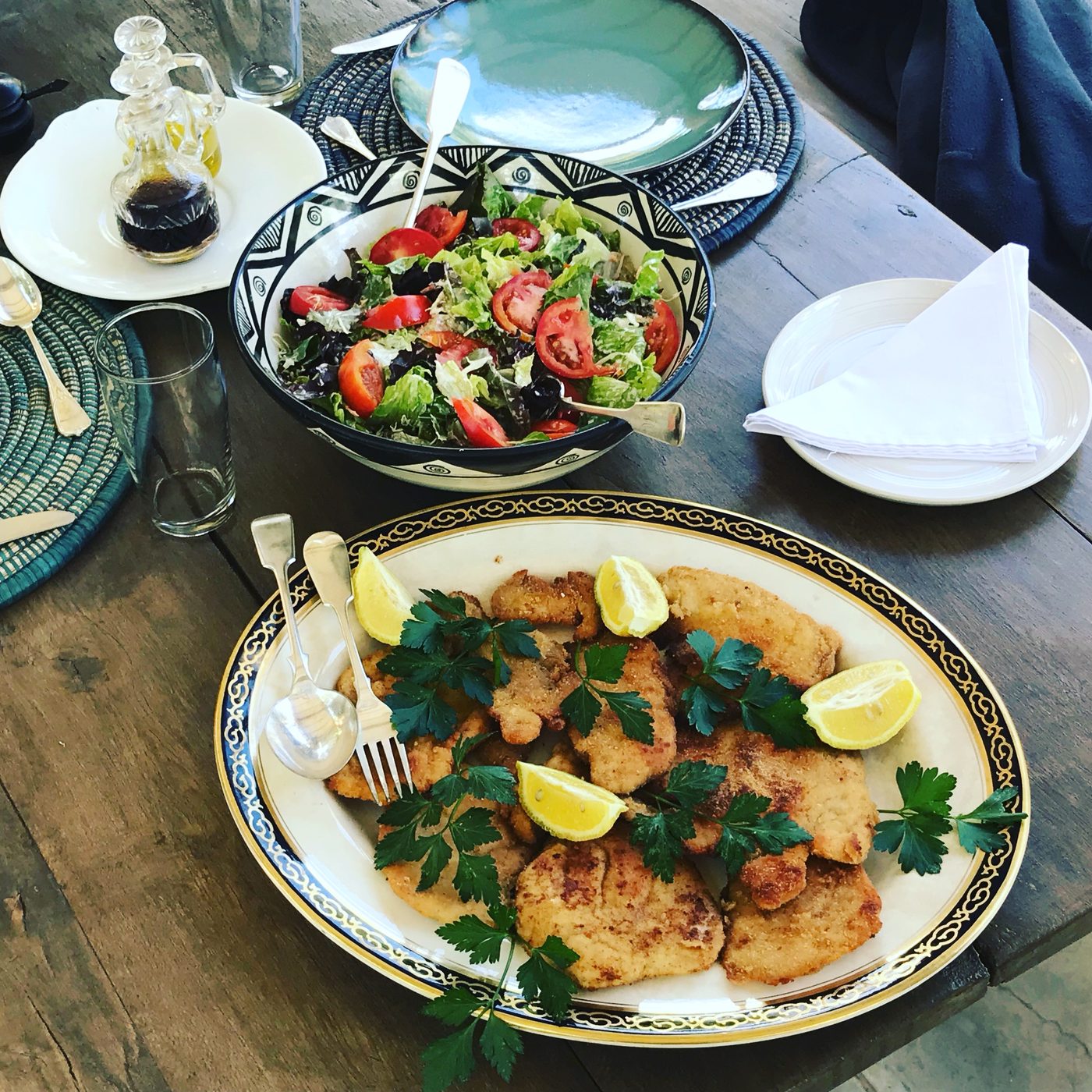
The wood oven that bakes our pizza also roasts whatever the kitchen has been working on. Pork shoulder rubbed with fennel seed and garlic. A whole chambo wrapped in fig leaves and aromatics. Lamb shanks from a farmer in Mulanje, braised with rosemary and the last of the season's young carrots. Cotoletta alla milanese — the breaded veal escalope, here usually with local beef — pounded thin, fried in butter and oil, served with a rocket and lemon salad. These are not dishes designed to impress on a plate; they're designed to feed a table that has been walking in the forest all afternoon and has every intention of staying late.
Pizza from the Wood Oven
The pizza tradition runs deep in southern Malawi — anyone who has been climbing Mulanje will know Mulanje Pepper Pizza at the foot of the massif, and its parent Jungle Pepper in Blantyre, both of which have been baking wood-fired pies for two decades. Our oven sits in conversation with that tradition rather than competing with it. In the cool months we lean into the heavier toppings — caramelised onion and gorgonzola, sausage and rapini, potato and rosemary, a four-cheese with our own preserved chilli. A pizza in the dry season, eaten outside as the light fades, is one of the things about Italian food in Malawi that nobody quite warns you about.
Dessert: Citrus, Eggs, and the End of the Evening
Tiramisu, always. A lemon tart that uses the rough lemons from the orchard. Panna cotta with a stewed-fruit compote, depending on what's still going in the garden. And in deep winter, when the kitchen feels especially Italian, a warm chocolate budino — a baked custard that arrives at the table still wobbling, with a small jug of fresh cream on the side.
A Hundred Years of Italian Cooking on a Tea Country
The reason Italian food in Malawi makes any kind of sense — and the reason it has its strongest expression in Thyolo rather than anywhere else in the country — comes down to a single family arriving in the 1930s. Ignazio Conforzi, an Italian agronomist, was brought to Nyasaland (as Malawi was then called) to develop tea and coffee on the slopes below the escarpment. He stayed. He built a house. He planted tea. His descendants have been working this same estate ever since.
What that means for the food is that there has been an Italian kitchen running on this land for ninety years, not as a novelty but as how the family ate every day. The recipes that turn up on the restaurant menus are not researched. They are inherited. The lasagne is the lasagne the founder's mother taught her to make, which her own mother had taught her, going back to a kitchen in central Italy in the early twentieth century. the journal includes the longer version of this story — the agronomy, the architecture, the migration — in our piece on the history of Thyolo Highlands, for anyone curious about how a Mediterranean kitchen ends up on a southern African mountainside.
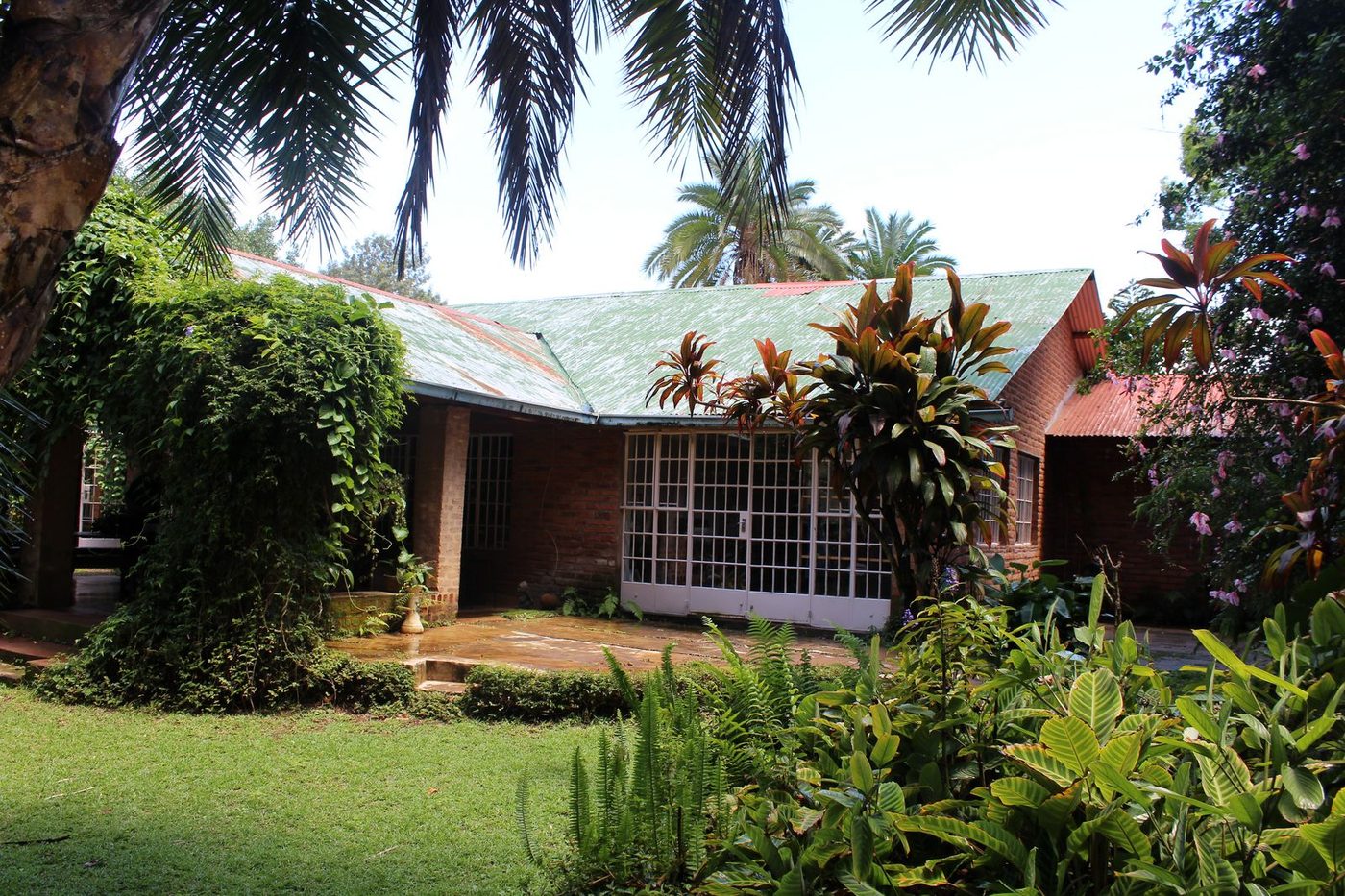
Flavia Conforzi, who runs the place now alongside her work as an artist, has added her own layers. Time spent in different kitchens, an instinct for fusion — a Thai green-curry note here, an Indian spice there, a continental technique somewhere else — that means the menu is never strictly traditional. But the bones are Italian, and the bones are old. If you want a deeper read on how the cool season specifically reshapes the kitchen, we've collected our seasonal notes into a longer guide to the tea country's Italian cooking across the year.
Pairing the Meal with the Place — independently arranged forest visits, Fireside Tables
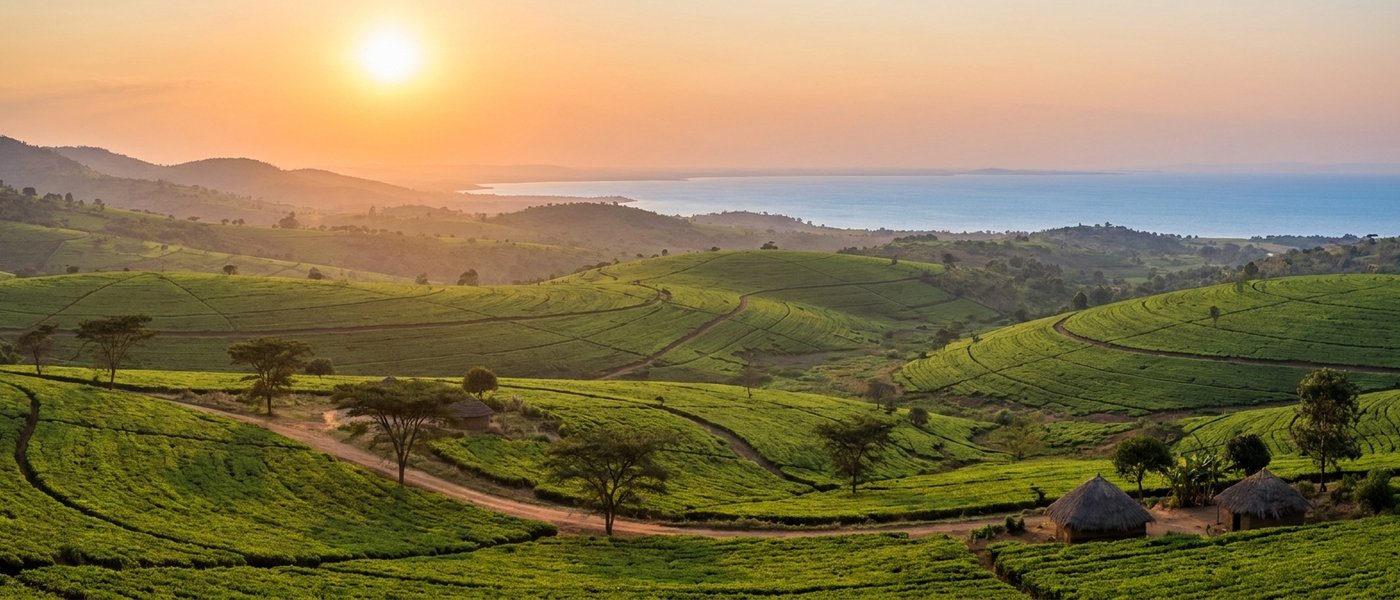
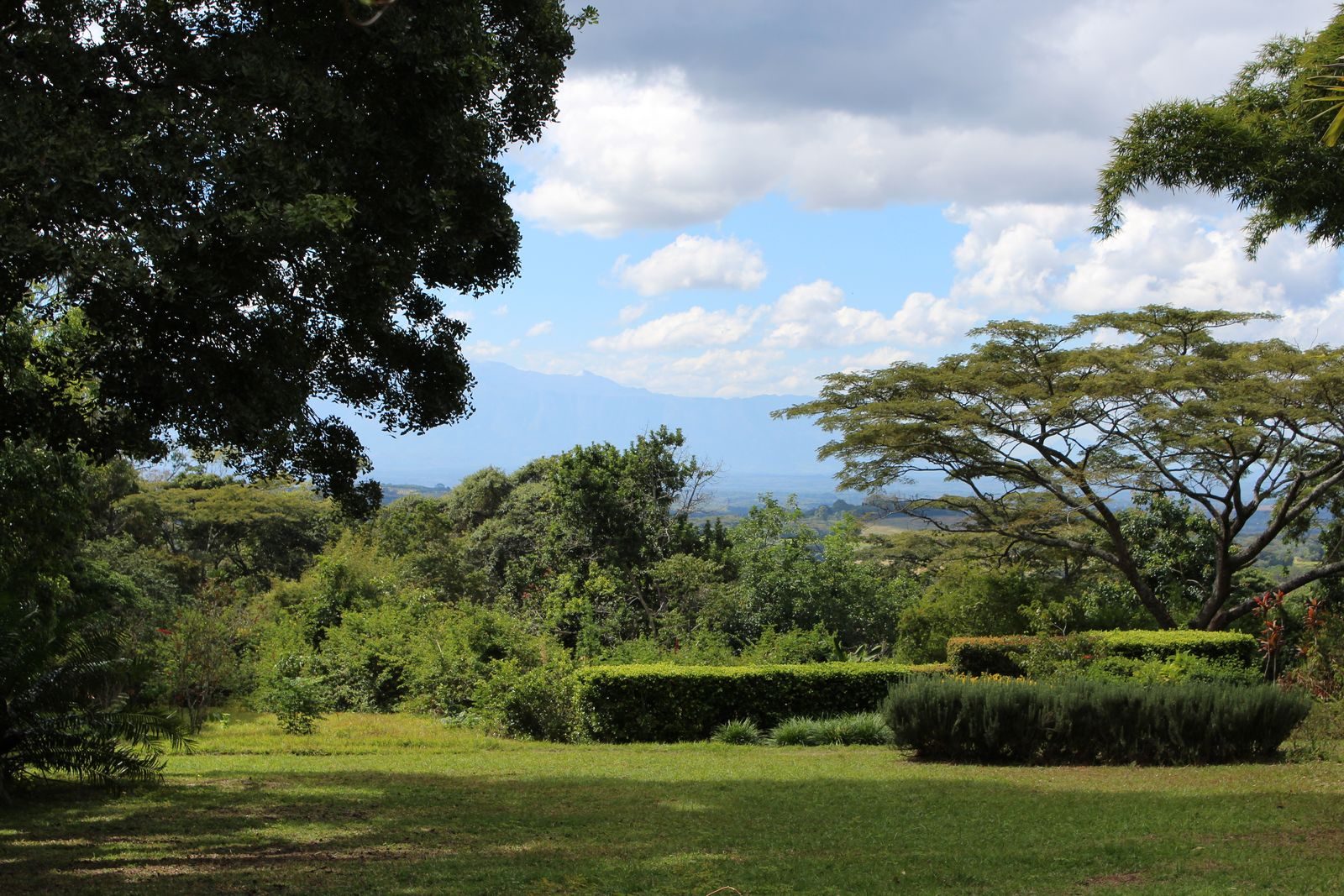
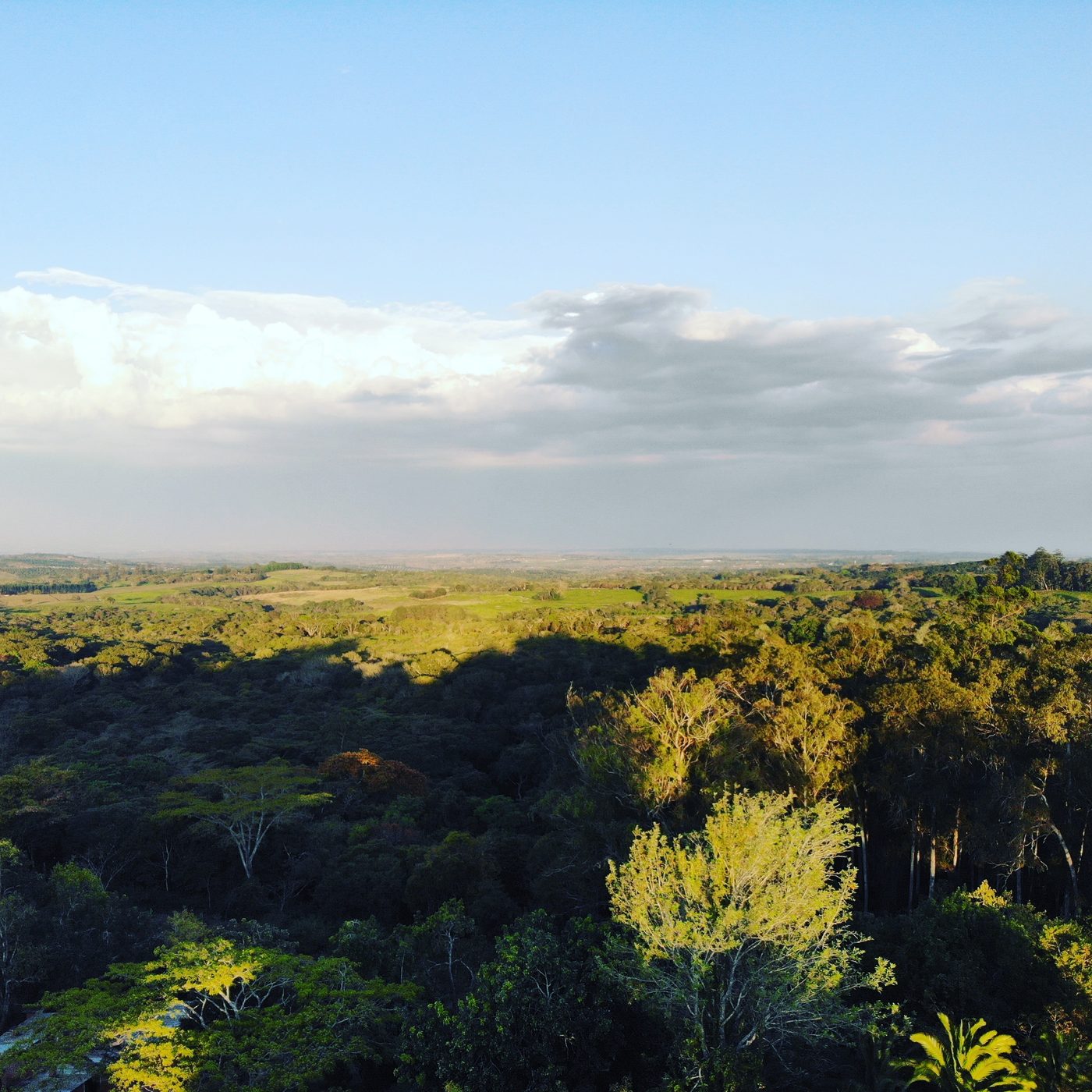
Food eaten well requires the right surroundings. One of the easier sells of a winter visit is that the surroundings are at their best — the air clear enough to see all the way down the escarpment on a good day, the highland greenery around the property cool and quiet, the working tea fields a green so saturated they look painted. The rhythm of a good day here, the one this guide suggests to anyone planning a winter visit, runs something like this:
- Morning: Enjoy the highland views before breakfast, while the mist is still in the valleys. Take a coffee out onto the verandah.
- Mid-morning: A local outing through the indigenous forest patch the family has protected for decades — the bird life alone justifies the visit, particularly in the dry months when the Thyolo alethe and the green-headed oriole are easier to spot.
- Lunch: A light plate, eaten outside if the sun's out. Salad, focaccia, something cold to drink.
- Afternoon: Pool, art studio, a long sit-down with a book.
- Evening: Drinks by the fire (winter nights drop into single digits up here — the fireplace is not decorative), then dinner.
The pool is open year-round but most guests in June use it more as a place to sit with a coffee than to actually swim — the water doesn't warm up much in winter. The art studio runs occasional workshops; Flavia takes small groups of guests through botanical printing, watercolour, or whatever she's currently working on.
Planning Your Visit: Getting Here, Booking, What to Expect
The Thyolo House sits on a historic property that was once part of the Conforzi Tea Estate, off the main road that runs from Limbe down through Thyolo town toward Mulanje. The drive from Limbe is roughly twenty minutes; from Blantyre proper, around forty. Lake Malawi at Cape Maclear is about four hours by road, which makes the estate a natural pairing with a lake stay either before or after — many of our guests build the southern leg of a Malawi trip around two or three nights here and three or four at the lake.
Getting Here
From Blantyre or Limbe, take the M2 south toward Thyolo. The estate turnoff is signed — we send detailed directions and a pin location once you've booked. Most international visitors fly into Chileka (BLZ), about an hour away; some come overland from Lilongwe (four hours) or from Lake Malawi.
Booking the Restaurant
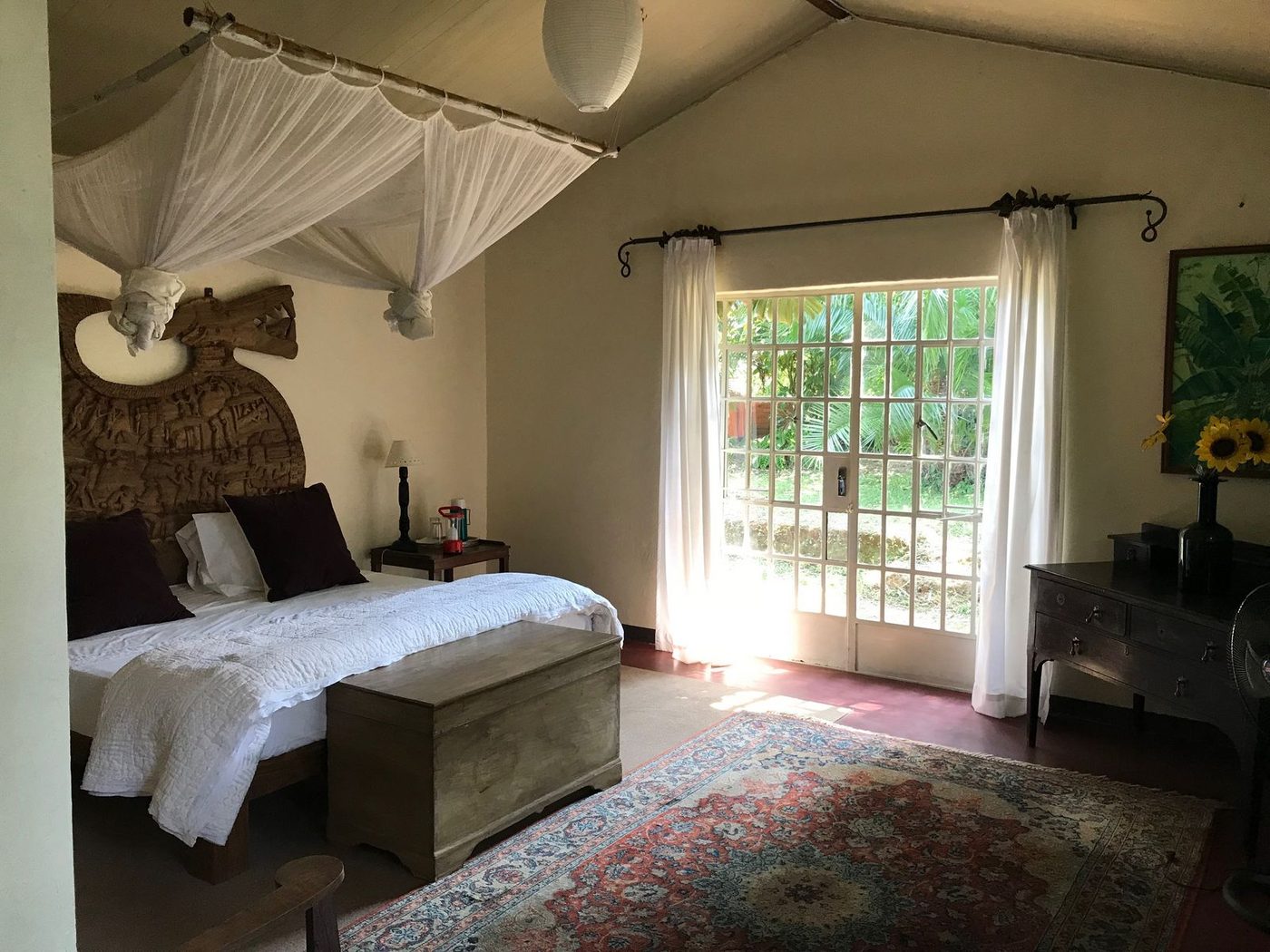
The restaurant is open to non-residents but everything runs on advance booking — the kitchen is small, the menu is seasonal, and we cook for the number of people we know are coming. For dinner, we ask for at least 24 hours' notice; for larger groups or special menus, a few days. For overnight stays in the boutique rooms (we only have five), book as far ahead as you reasonably can — winter weekends fill up first.
What to Pack for a Winter Stay
A warm layer for the evenings. Walking shoes for the working tea fields and the forest. Sun protection — even in winter the high-altitude sun bites. A swimming costume if you're hardy. And an appetite that has cleared a few hours for the table.
How to Reach Us
The easiest way to book either a meal or a room is to message us on WhatsApp — we usually reply the same day. You can also email thethyolohouse@gmail.com. We're happy to suggest itineraries that pair the estate with Mulanje, Lake Malawi, or the Majete reserve, and to talk through whatever the menu is doing in the week you're planning to come.
Italian food in Malawi, in the end, is not a borrowed cuisine. It is — in places like this one, on a tea country that has been Italian-run for almost a century — a local one, with a long memory and a short walk between the garden and the plate. June is when that memory and that walk are at their best. Bring a jumper. Stay for the second glass.