/ By The Thyolo House
Lake Malawi Beaches: A Guide to Pairing Sand with Tea Country
A journal from a boutique lodge in the Thyolo highlands. These are notes from our corner of Malawi — places we love, walks we've done ourselves, operators we've watched do good work. The mountain treks, tea-estate tours, and day trips are all run by independent operators in Malawi; book those directly with them. Come stay with us before or after — we'll do the room, the meal, and the quiet.
If you've spent a few days inland — winding through the tea estates of Thyolo, hiking the granite ridges of Mulanje, or sipping coffee on a verandah surrounded by bougainvillea — there comes a moment when the landscape itself seems to whisper that it's time for water. Fortunately, the Lake Malawi beaches are closer than most travellers realise, and they are the perfect coda to a trip through Malawi's southern highlands. Lake Malawi is the third-largest freshwater lake in Africa and the ninth-largest in the world, stretching nearly 580 kilometres from north to south. Its shores hold some of the cleanest, warmest, most strikingly beautiful freshwater beaches anywhere on the continent, and they pair remarkably well with a few slow days in tea country.
This guide walks through the best stretches of sand on Lake Malawi, what each is good for, and — for those of us based around the Thyolo and Mulanje area — how to fold them into an itinerary that doesn't feel like a forced march. Whether you're after snorkelling with iridescent cichlids at Cape Maclear, a long lunch on a hotel lawn at Mangochi, or the silent coves of Likoma Island, there's a beach for every kind of trip.
Why Lake Malawi's Beaches Belong on Your Africa List
Most travellers picture safari when they picture Africa, and rightly so. But Malawi has a quieter, softer trick up its sleeve. Lake Malawi is so vast that locals call it the "lake of stars" — a phrase coined by David Livingstone for the way fishermen's lanterns shimmer across its surface at night. The southern end is anchored by Lake Malawi National Park, the world's first freshwater nature reserve and a UNESCO World Heritage Site. It protects a remarkable ecosystem of more than 800 endemic cichlid species — small, jewel-coloured fish that flicker through the rocks like tropical reef fish, except this is fresh water and there are no sharks, no jellyfish, no salt sting.
The Lake Malawi beaches are an unusual combination: warm, calm, freshwater swimming with the visual drama of palms, granite boulders, and forested escarpments rising behind the shore. There's no tide. The water is clean enough to drink in places. And outside the rainy season, the sun is dependable.
Cape Maclear: The Lake's Most Famous Stretch of Sand
If you ask any seasoned Malawi traveller for one beach, they'll usually say Cape Maclear. The village of Chembe sits at the western tip of the Nankumba Peninsula, inside Lake Malawi National Park. Its long, palm-lined beach faces a small archipelago of islands strewn with house-sized granite boulders. Sunsets here are particularly cinematic; the sun drops behind the islands and the lake briefly turns copper.
Cape Maclear is also the best base for the lake's signature activities:
- Snorkelling at Otters Point — schools of cichlids in shallow rocky water, ideal for beginners
- independent visits to Mumbo Island — a 30-minute boat transfer to an uninhabited island with hidden beaches and granite outcrops; among the best snorkelling on the lake
- Kayaking, SUP and scuba diving from local operators
- Village walks in Chembe, plus a short hike up Mwala Wamphini (Stone of Stripes) for views over the bay
Accommodation runs the full range. Budget lodges like Mgoza Lodge and Cape Mac Lodge start from around $29–$32 a night. Mid-range options like Thumbi View Lodge offer en-suite doubles from about $70 with breakfast included, and family rooms up to $100 for four people. There are higher-end safari-camp-style stays as well, particularly on Mumbo Island itself.
One caveat: from Thyolo or Blantyre, Cape Maclear is the longer drive. You'll travel north to Mangochi and then west on a final stretch of rougher road — figure roughly four hours each way. It's worth at least two nights to make the journey count.
Mangochi & Club Makokola: Resort Beaches Near the Shire
For travellers based at The Thyolo House, the Mangochi lakeshore is by far the most realistic weekend destination. The drive from Blantyre to Mangochi is about 193 kilometres (120 miles), or roughly two and a quarter to two and three-quarter hours, mostly on tarred road. Add another forty minutes from Thyolo, and you're on a beach lounger by lunch.
Mangochi sits at the southern outflow of the lake, where the Shire River begins its long journey south. The lakeshore north of town has the country's greatest concentration of resort hotels and lodges, ranging from old-school family resorts to genuine eco-luxury. This is the area to come for active beach days: water skiing, wakeboarding, sailing, paragliding, beach volleyball, and even a 9-hole golf course at Club Makokola.
Makokola Retreat has been the headline name for years, and it's evolving. The property completed an eco-luxury enhancement in 2025 and is currently mid-way through a major 2026 expansion adding a new wing of 21 luxury family-style suites. It remains one of the most polished beach hotels in Malawi.
For something quieter, the smaller bays nearby — Nkudzi Bay and Namaso Bay — offer a more private feel without straying far from the main road. These are excellent if you want a lazy two- or three-night beach interlude in the middle of a longer southern Malawi destinations trip.
Senga Bay: The Easiest Beach from Lilongwe
If your visit starts or ends in Lilongwe, Senga Bay is the equivalent of Mangochi for the central region — a manageable drive of around 90 minutes from the capital. It's where Lilongwe-based families come for weekends, with a handful of long-running lakeshore hotels and a quiet, sandy stretch that's good for swimming and casual snorkelling.
Senga Bay isn't the prettiest beach on the lake, and the water near the main resorts can occasionally be silty after storms, but it solves a real logistical problem: it's close to the airport. Many travellers add a single Senga night to recover from international flights before heading south to the highlands or north to the more dramatic shores.
Likoma Island: Remote Coves and Crystal Water
Likoma Island is the prize hidden in the middle of the lake — actually closer to the Mozambican shore than to Malawi's. Reaching it is part of the romance: a small charter flight from Lilongwe, or, for the patient, the legendary MV Ilala steamer.
The island is small enough to walk across in an afternoon. Its centrepiece is the improbably grand Anglican Cathedral of St Peter, built by missionaries in the early 1900s and still in active use. Around it are sandy beaches studded with baobabs and mango trees, a working market, and one of the most coveted lodges in southern Africa: Kaya Mawa, run by Green Safaris. Recent updates include a new "cooling breezer" system in premium rooms and the introduction of an electric dhow for silent sailing on the lake.
Likoma is for travellers who can spend three or four nights in one place and don't mind that "doing something" might mean reading a book in a hammock. It pairs beautifully with a pre- or post-stay in the highlands; a few days of tea estates and indigenous forest, then a flight to the lake.
Nkhata Bay & the Northern Beaches: Quieter, Wilder Shores
Heading further north, Nkhata Bay has long been a backpacker favourite — a small lakeside town built into a steep, forested bay, with a string of family-run lodges clinging to the cliffs. The water here is deep and clear; you can dive straight off the rocks.
The northern lakeshore in general — including Makuzi Beach, Chintheche, and Nkhata Bay itself — is wilder, less developed, and less hot than the south. Makuzi Beach Lodge has been quietly building a reputation for hands-on experiences: spice tours and cooking sessions launched in 2025, with expanded wellness retreats in 2026.
For travellers based in Thyolo, the north is genuinely far — a long internal flight or a multi-day drive. It's best treated as its own trip rather than a side excursion.
Pairing Lake Days with Tea Country: Why Thyolo Belongs on the Itinerary
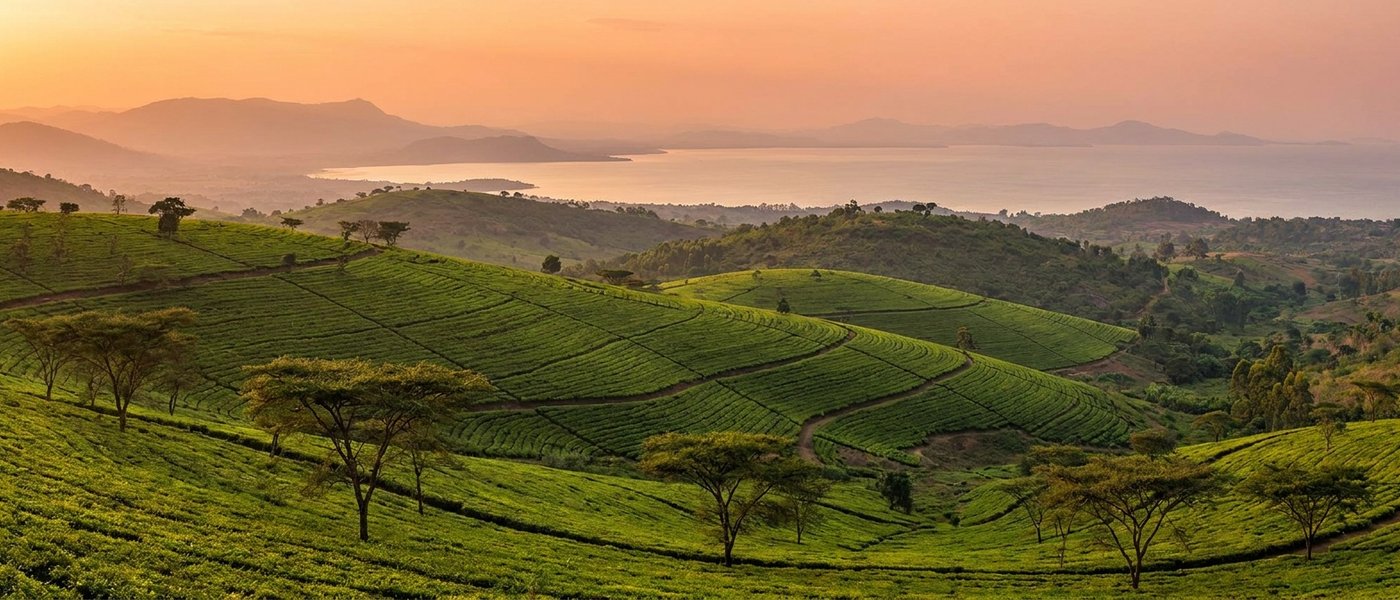
Here's where Malawi quietly outperforms its more famous neighbours. Within four hours of the southern Lake Malawi beaches, you can be in a completely different world: the rolling green tea estates of Thyolo, with Mount Mulanje rising on the horizon and a misty cool that's a relief after the lake heat. Tea has been grown commercially in Thyolo since 1908, and the landscape is shaped by it — manicured rows of waist-high tea bushes, indigenous forest fragments, and a network of dirt roads perfect for slow walks.
The contrast is the point. Lake days are bright, hot, and sociable. Tea-country days are quieter — long breakfasts, walks under jacarandas, afternoon swims, dinners on a verandah lit by candles. After three or four days at the lake, the highlands feel restorative; after a week of cool mornings and forest paths, the lake feels like a celebration.
The Thyolo House, our five-room boutique hotel and Italian fusion restaurant on a historic property that was once part of the Conforzi Tea Estate, is built precisely for that pivot. It sits 20 minutes from Limbe and 40 minutes from Blantyre, on the road between the lake and Mulanje. Many of our guests use it as either a soft landing on the way up from the lake or a final restful stop before flying home.
A Suggested Route: Beach, Bush and Tea Country in One Trip
For a ten-day itinerary that captures the breadth of southern Malawi, here's a route that works in practice — and one many visitors use when planning a longer Malawi trip:
- Days 1–2: Arrive Lilongwe or Blantyre. Transfer to The Thyolo House for two nights — garden time, indigenous forest hike, dinner at the restaurant
- Day 3: independent visit to Mulanje for a half-day hike, returning to Thyolo
- Days 4–5: Drive to Liwonde National Park for a two-night safari — boat trips on the Shire, elephants and hippos at the river's edge
- Days 6–8: Continue to Mangochi or Cape Maclear for three lake nights — snorkelling, kayaking, an island independent visit
- Days 9–10: Return via Zomba Plateau or directly back to The Thyolo House for a final restful night before departure
This route — beach, bush, tea country — is the unofficial classic for anyone exploring the southern Malawi highlands route. The distances are manageable, the scenery transitions every two days, and the Thyolo–Blantyre area gives you a comfortable starting and ending base.
Practical Tips: Bilharzia, Best Season and Getting Between Lake and Highlands
When to go
The dry season runs from April to November and is the best time for the lake. Skies are clear, water is calmest and warmest, and visibility for snorkelling is at its peak. May to August is the absolute sweet spot — lowest rainfall, fresher air, daytime temperatures around 20°C in the highlands and warmer at the lake. The rainy season from December to March brings dramatic afternoon storms and a lush green landscape; it's good for photography but trickier for travel.
Bilharzia and lake swimming
Bilharzia (schistosomiasis) is a freshwater parasite found in parts of Lake Malawi. The risk is real but easily managed. Most travellers who swim regularly take a single dose of praziquantel a few weeks after returning home — it's cheap, effective, and standard practice. Avoid swimming near reed beds and slow-moving shallows, prefer deeper water and rocky shores, and dry off thoroughly.
Driving between lake and highlands
The road from Blantyre to Mangochi is mostly tarred and in reasonable condition. Allow 2.5 hours; longer if you stop for photos along the way. From Thyolo, add another 40 minutes. Cape Maclear adds roughly 90 minutes of rougher road beyond Mangochi. A 2WD car is fine for Mangochi; a higher-clearance vehicle is more comfortable for Cape Maclear.
Where to Stay: The Thyolo House as Your Highlands Base
If you're building a southern Malawi itinerary that includes the Lake Malawi beaches, the practical question is where to anchor. The lake-side lodges are designed for stays of two or three nights — long enough to swim, snorkel, and rest, but not so long that you exhaust the area. That leaves the question of where to stay before and after.
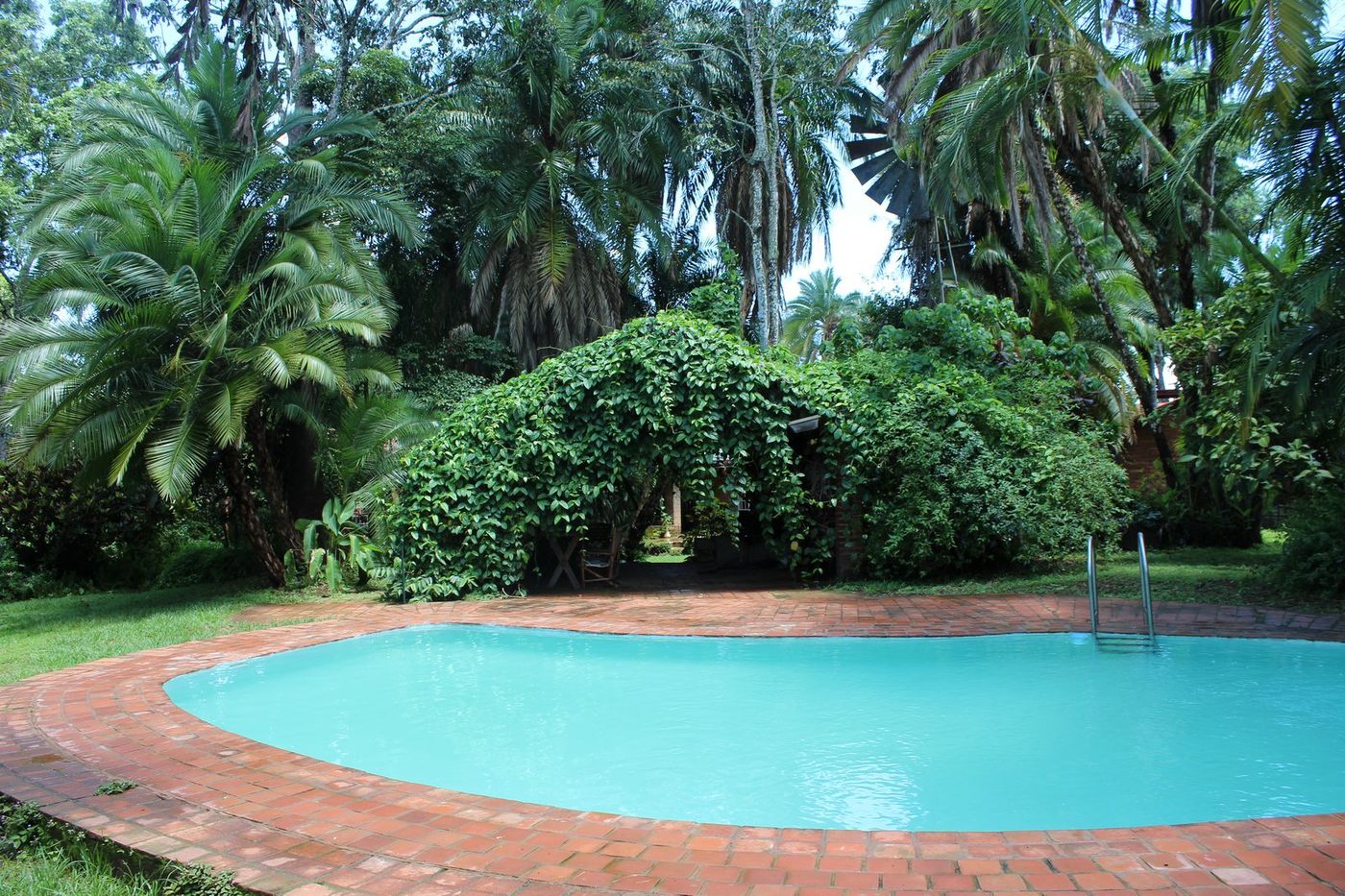
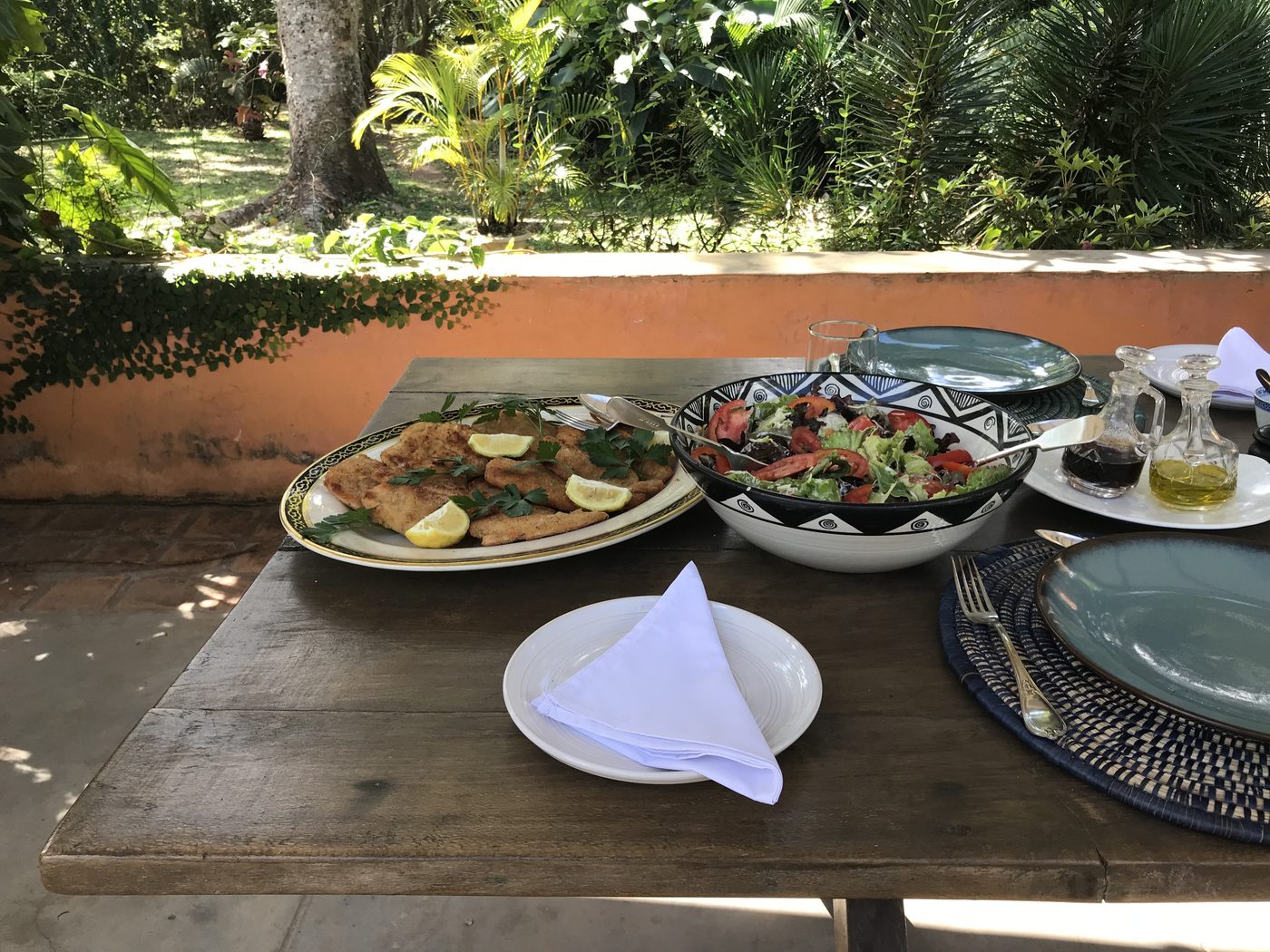
The Thyolo House is a five-room boutique hotel set within the working Thyolo Highlands, owned and run by Flavia Conforzi, an Italian-Malawian artist whose family has been farming tea here for generations. The restaurant is Italian fusion, drawing heavily on the kitchen garden — fresh pasta, slow-braised meats, vegetables picked that morning, and Malawian flavours woven through. Beyond the rooms and food, The Thyolo House offers garden spaces, an art studio when available, and a swimming pool tucked into a hibiscus-edged terrace. Forest access, estate walks, guides, drivers, tea activities, and third-party activities are not arranged through The Thyolo House.
Our guests typically use The Thyolo House at one of three points in their trip: as a first stop after arriving in Blantyre to acclimatise, as a mid-trip rest between Liwonde and the lake, or as a final unwind before flying out. Many do all three.
To plan a stay or ask about combining lake and highlands days, you can message us on WhatsApp at +265 884 202 040 or email thethyolohouse@gmail.com. We can help with room and restaurant availability at The Thyolo House; routes, lake transfers, and beach stays must be arranged directly with the relevant operators.
Lake Malawi's beaches are one of those rare places that quietly exceed expectations. They're beautiful, accessible, and uncrowded by global standards, and the water is genuinely as clear as the photographs suggest. Pair them with a few days in the tea country, and you have a trip that captures something close to the full character of southern Africa — wild, warm, and unhurried.