
/ By The Thyolo House
Lake Malawi Beaches: A Tea Country Historian's Shoreline Notes
A journal from a boutique lodge in the Thyolo highlands. These are notes from our corner of Malawi — places we love, walks we've done ourselves, operators we've watched do good work. The mountain treks, tea-estate tours, and day trips are all run by independent operators in Malawi; book those directly with them. Come stay with us before or after — we'll do the room, the meal, and the quiet.
The first time most visitors to Malawi see the lake, they understate it. They call it a lake the way you'd call the Mediterranean a sea — technically correct, emotionally insufficient. Lake Malawi beaches stretch along 580 kilometres of inland coastline, longer than the entire shore of Wales, with water so clear in the dry months you can count cichlid fish from a pier. From the tea estates of Thyolo, where I host guests at The Thyolo House, the lake feels close enough to plan around — four hours by road to the southern shore, where the missionary boats first landed and the colonial steamers still sail.
This is a historian's guide rather than a resort review. The southern Lake Malawi beaches carry more story than almost any stretch of water in central Africa, and knowing why a place is named what it's named — Cape Maclear, Monkey Bay, Mangochi, Fort Johnston — changes how you stand on the sand. What follows are notes from many drives down the M1 and M3, many conversations with lodge owners, and a fair amount of reading in the colonial archives at Zomba.
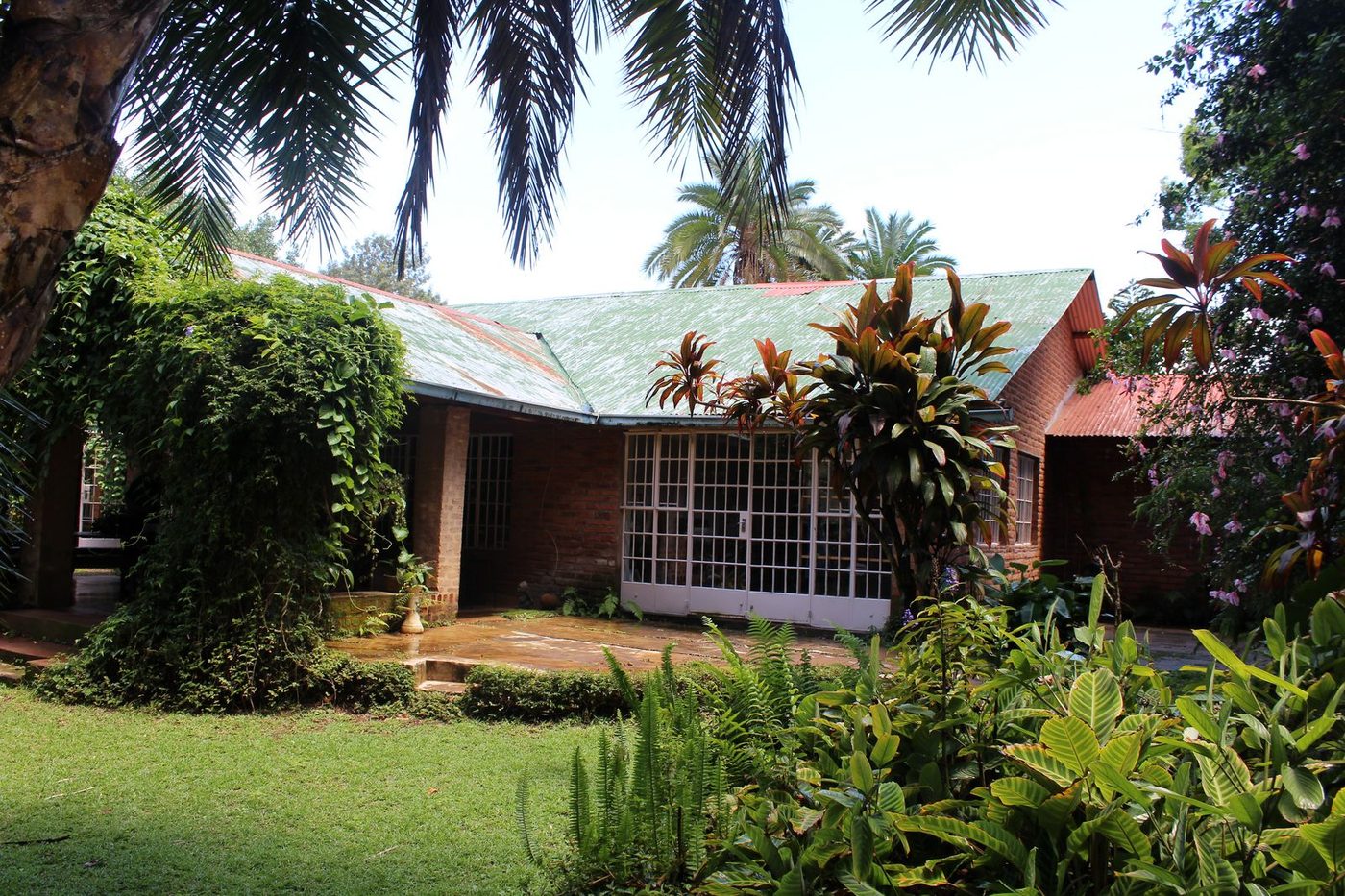
Where the Lake Begins: Livingstone's 1859 Sighting and the Shore That Changed Malawi
On 16 September 1859, David Livingstone walked out of the bush near the Shire Highlands and saw, for the first time, what the Yao traders had been calling Nyasa — "the lake." He was not the first European to know it existed; Portuguese accounts from the seventeenth century mention it. But Livingstone was the first to map it, to write about it for a literate Victorian public, and — more consequentially — to recommend it as the spine of a new mission and trade strategy that would eventually become the British protectorate of Nyasaland.
The shoreline he saw first was the southern end, near what is now Mangochi District. From there, the lake runs north for 580 kilometres, narrow and deep, hemmed in by the Rift Valley escarpment on both sides. The southern third — Mangochi, the Nankumba Peninsula, Cape Maclear, Monkey Bay — is the part most accessible from the tea country where I live. It is also the part with the densest layer of colonial and missionary history, which is why a beach holiday here is never quite only a beach holiday.
Geographically, the southern lake is gentler than the north. The beaches are wider, the granite-boulder islands closer to shore, and the water warmer year-round. Lake Malawi has no coral reefs — it's a freshwater lake — but it holds more species of fish than any other lake on earth, most of them the famously colourful cichlids that snorkellers come to see.
Cape Maclear: The Missionary Beach That Became Malawi's First Backpacker Town
Cape Maclear sits on the western tip of the Nankumba Peninsula, inside Lake Malawi National Park — the only freshwater national park in Africa with UNESCO World Heritage status. The village on the beach is called Chembe, and the beach is one of the most photographed stretches of shoreline in southern Africa: palm trees leaning out over white sand, a small archipelago of granite-boulder islands sitting a kilometre offshore, and sunsets that turn the lake the colour of old copper.
The name comes from Sir Thomas Maclear, a nineteenth-century Astronomer Royal at the Cape Colony, and was bestowed by Livingstone himself. In 1875, the Free Church of Scotland's Livingstonia Mission established its first station here — the first European settlement on the lake. It failed within five years. Malaria killed the missionaries faster than they could be replaced, and the survivors retreated north to Bandawe and eventually to the highlands at Livingstonia.
You can still walk to the missionary graveyard at the western end of the beach. It is one of the most affecting small sites in Malawi — a low stone wall, a handful of weathered headstones, a view across the bay to the islands. The men buried there averaged twenty-eight years old.
Cape Maclear became Malawi's first backpacker destination in the 1980s, when overland trucks on the Cairo-to-Cape route adopted Chembe village as a stop. The character today is mixed: a strip of small lodges and beach bars, a working fishing village, and at the higher end places like Pumulani that pitch themselves at the safari-circuit market. For independent visits by kayak or motorboat, Mumbo Island — a small rocky island in the national park with a single eco-lodge — is the standout. Otters Point, on the way out, is the best snorkelling site for cichlids in the southern lake.
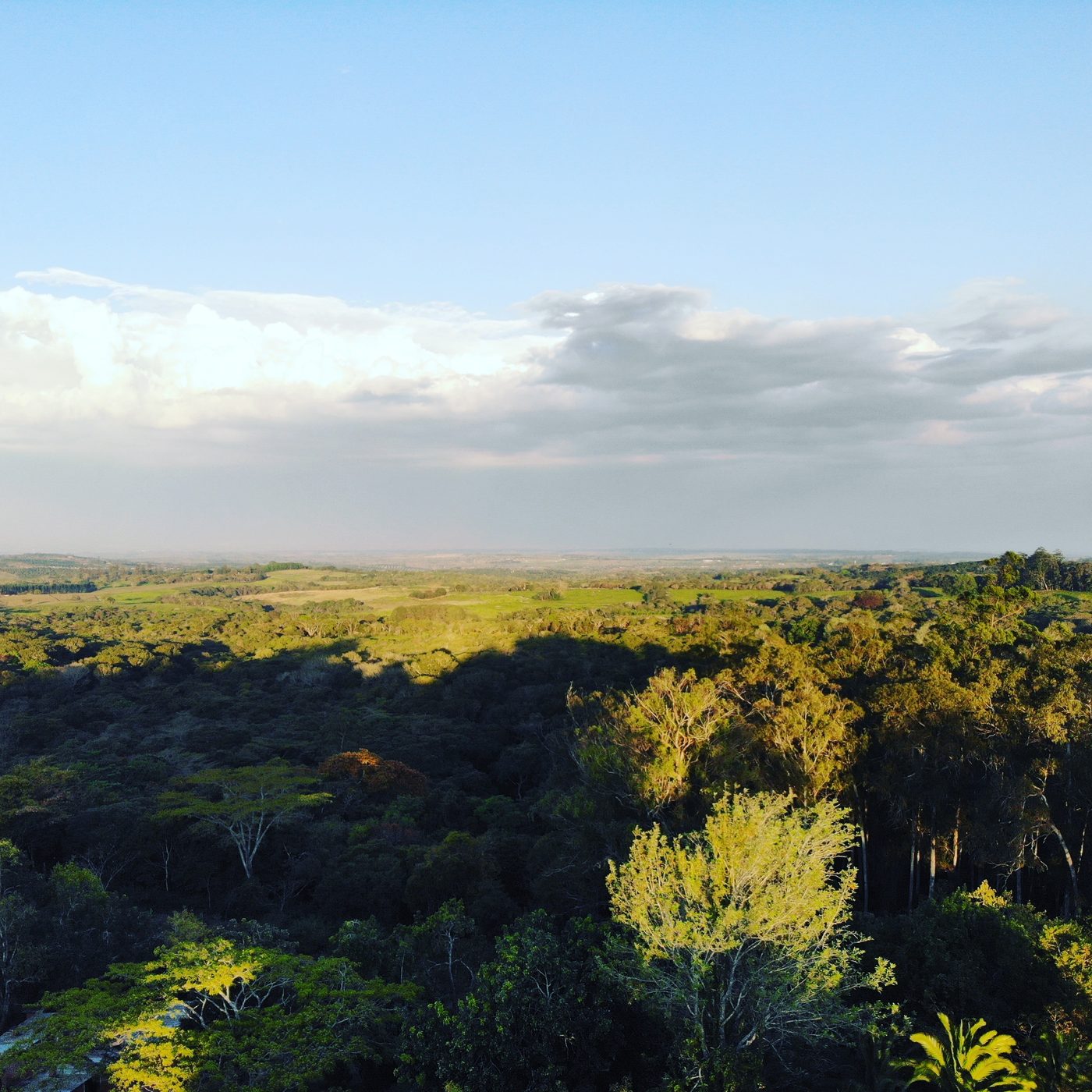
Monkey Bay and the Ilala Steamer: A Colonial-Era Port Still Sailing the Lake
Twenty kilometres east of Cape Maclear, around the headland of the Nankumba Peninsula, is Monkey Bay — Malawi's principal lake port. This is where the MV Ilala docks. The Ilala is a 620-tonne motor vessel built in Yarrow's yard in Scotland in 1949, dismantled, shipped to Mozambique in pieces, hauled up the Shire River, and reassembled on the lake. She has been in service ever since, running a weekly route from Monkey Bay north as far as Chilumba near the Tanzanian border, with stops at Likoma Island, Nkhata Bay, and a dozen smaller villages along the way.
The Ilala is not a luxury cruise. First class is a small cabin and a chair on the upper deck; economy is a place on the lower deck among the chickens and the maize sacks. For travellers with a week to spare and a tolerance for the unpredictable, it is one of the great African journeys — slow, scenic, and unrepeatable elsewhere. Schedules are notional. Confirm at Monkey Bay before you commit.
Monkey Bay itself is not a beach destination. It is a working port, a navy base (Malawi has a small lake navy, mostly engaged in fisheries enforcement), and the place from which most of the southern lake's logistics flow. Travellers passing through almost always stay either at Cape Maclear to the west or at the Mangochi lakeshore strip to the south.
Senga Bay and Salima: The Northern Drive That Traders Used Before the Railway
If you drive north from Thyolo past Blantyre, past Zomba, past Lilongwe, and then east on the M14, you reach Senga Bay — the closest lake beach to the capital. Senga Bay sits on the eastern edge of Salima District and was, in the early colonial period, the terminus of one of the main trade routes from the central African interior. Before the railway from Blantyre to Salima opened in 1935, traders and missionaries reached the lake here on foot or by ox-cart.
For a Thyolo-based traveller, Senga Bay is the longer drive — six hours rather than four — and the beach experience is similar to Mangochi without the historical layering. Unless you are travelling onward to Lilongwe or northern Malawi, the southern lake makes more sense from the tea country. I mention Senga Bay because guests sometimes ask, and the honest answer is: lovely beach, longer drive, less worth it from where we are.
The Quiet Southern Beaches: Mangochi, Club Makokola, and the Old Fort
The Mangochi lakeshore — a 30-kilometre strip running north from Mangochi town along the eastern side of the lake — is where most of southern Malawi's resort hotels cluster. This is the part of the lake that does water-skiing, wakeboarding, sailing, paragliding, beach volleyball, and a 9-hole golf course at Club Makokola. It is the most "developed" stretch in the conventional sense, but the development is low-rise, spaced out, and almost entirely Malawian or British-owned.
Mangochi town itself is worth an hour. It was founded in 1891 as Fort Johnston, named for Sir Harry Johnston, the first commissioner of the Nyasaland Protectorate. The fort was built to suppress the Yao slave trade that had used the lake as a route to the Indian Ocean coast for centuries. You can still see remnants of the colonial-era boma (administrative compound) and a small museum. The town was renamed Mangochi at independence in 1964.
The standout property on this stretch is The Makokola Retreat — a long-established lakeshore resort that launched its "Le-Spa" wellness concept in 2025 and has a 2026 expansion planned, adding a new wing of 21 luxury family-style suites, a renovated swimming pool, and a revamped coffee lounge. For families travelling with children who want lake activities plus a real pool plus reliable food, Makokola is the safe choice on the southern lake.
Other quieter options on the same strip include Norman Carr Cottage and Nkopola Lodge. The character along the Mangochi lakeshore varies from active-resort (Makokola, Nkopola) to small-and-personal (Norman Carr). All are within a 30-minute drive of Mangochi town.
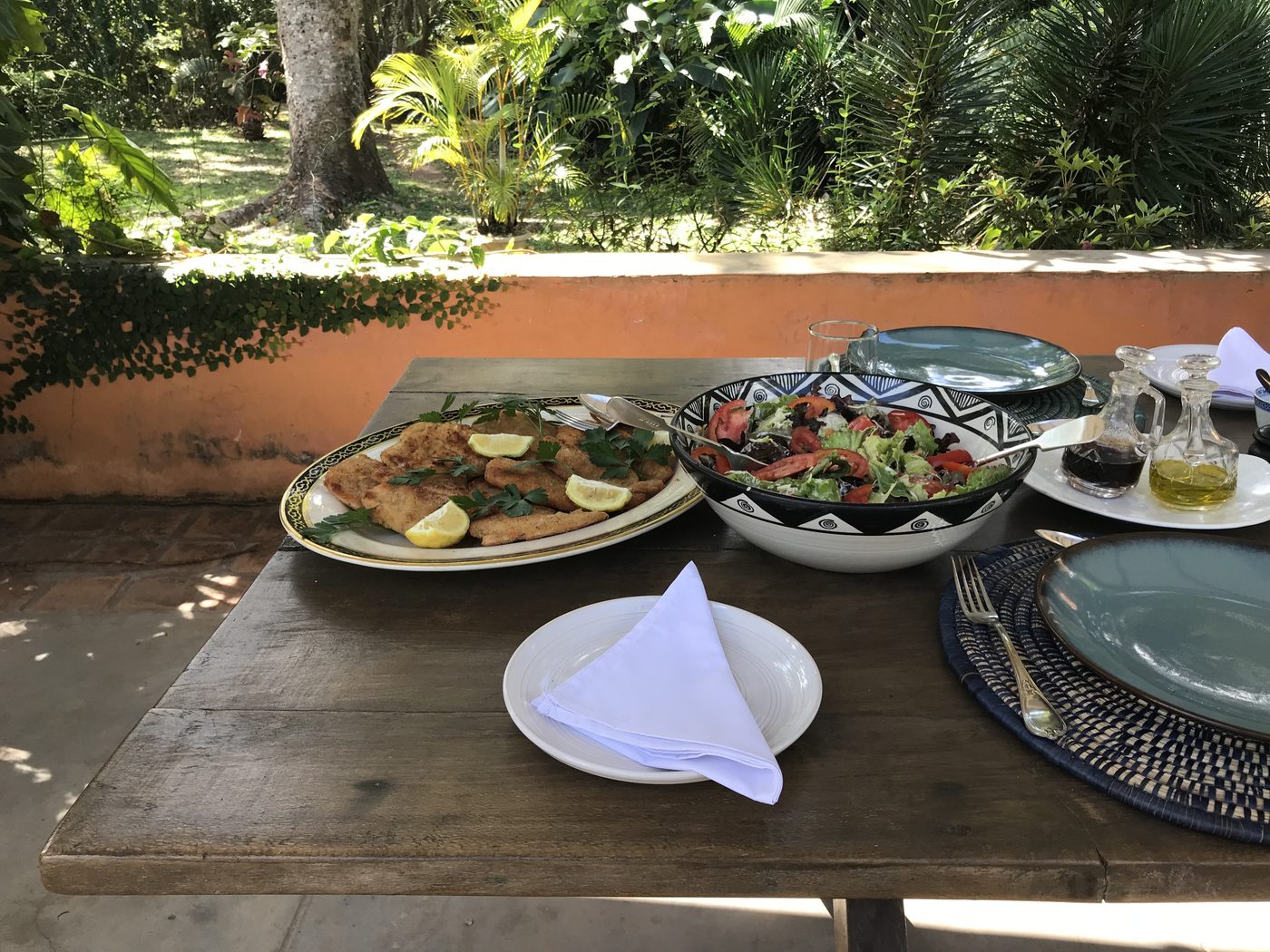
Planning Your Lake Malawi Beach Journey from Thyolo House
The drive from The Thyolo House to Mangochi takes roughly four hours in normal conditions. You leave the estate, drop down through Limbe to Blantyre, take the M3 north to Liwonde, and then the M3 continues north-east to Mangochi town. The road is tarred the whole way, though potholed in places north of Liwonde. Cape Maclear adds another hour from Mangochi — turn left at Monkey Bay and follow the dirt road through the national park to Chembe village.
Most of my guests who want both tea country and lake do it in one of two patterns. The first is a two-base trip: three or four nights at The Thyolo House to spend time in the garden and the indigenous forest, then drive up to the lake for three or four nights at a Mangochi or Cape Maclear lodge, then fly out of Blantyre. The second is a single-base trip with a long lake day, leaving Thyolo at dawn, swimming and eating at Makokola, and returning in the evening — possible but tiring. I generally recommend the two-base approach for anyone who has the time.
For the deeper southern Malawi context — what to see between Thyolo and the lake — this guide to the southern Malawi highlands route covers Mulanje, Zomba, Liwonde, and the road north in detail. For a fuller country-wide picture, the 7-day Malawi itinerary shows how the lake fits with the highlands and the wildlife parks.
The Best Time of Year for Lake Malawi Beaches (and Why Locals Avoid December)
The standard tourism-board answer for visiting the lake is May to August: dry season, low humidity, daytime temperatures around 20°C inland and noticeably warmer at the lake itself. That is the right answer for most travellers. The water is calm, the visibility for snorkelling is excellent, and the lodges are operating at full service.
September and October are the hot months — temperatures climb past 30°C at the lake, the air becomes hazy with bushfire smoke, and the water visibility drops. November is the start of the rainy season; December through March can deliver spectacular storms, lightning across the lake at night, and dirt-road sections that become unreliable. Lodges stay open year-round but the experience changes.
One local note that travel guides rarely mention: many southern-lake lodge owners themselves take their family holidays in May or June. December is the family-and-fishermen month — the lake is full of Malawians from Blantyre and Lilongwe, lodges are at peak prices, and bilharzia risk is higher in the warmer water (it is present at lower levels year-round; treat any lake swim seriously and take praziquantel afterwards as a precaution).
For a full month-by-month breakdown of weather, road conditions, and what's open across the country, see our seasonal guide to visiting Malawi.
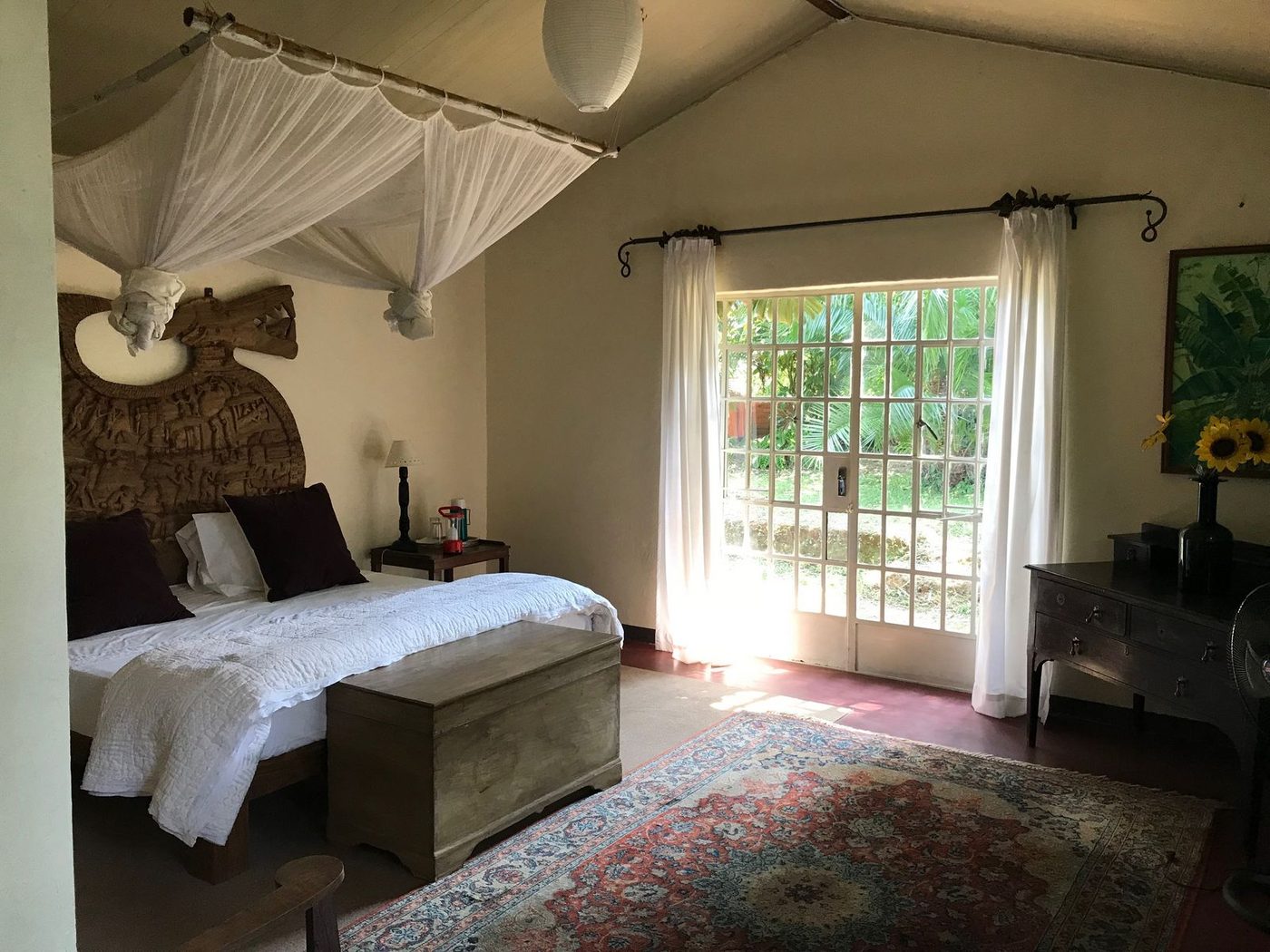
A Two-Base Itinerary: highland mornings, Lake Afternoons
the visit I recommend most often to guests who have a week or more is this: arrive into Chileka Airport at Blantyre, transfer 40 minutes south-east to The Thyolo House, spend three nights settling into tea country. Spend the cool morning in the Thyolo highlands, take an art workshop with Flavia in the afternoon, eat in the garden, sleep with the windows open and the sound of cicadas. Day three: take the Mulanje independent visit — the foothills, the indigenous forest, the cedar.
On day four, drive north early. You'll reach Mangochi by lunchtime, which leaves the afternoon free for a swim. Spend three nights at the lake. If you have the budget and the time, spend two of those nights at Mumbo Island for kayaking and snorkelling, and one at Makokola for the comfort of a real swimming pool and a long dinner.
On the final day, drive back south. The drive feels shorter on the return because you know the road. Spend one more night at The Thyolo House before flying out — this last night, in my experience, is the one guests remember most. The lake's intensity gives way to the quiet of the estate, and the contrast becomes the visit's emotional shape.
If you'd like help planning the lake portion alongside your stay at the estate — or if you want a recommendation for a particular lodge based on your group, season, and budget — message us on WhatsApp at +265 88 420 2040 or email thethyolohouse@gmail.com. We don't run a tour operation and we don't take commission from the lake lodges; we simply know them well, having sent guests to most of them over the years, and the recommendation will be honest.
The Thyolo House has five rooms, a restaurant built around Italian fusion cooking with ingredients from the house gardens, a pool, Highland Forests, and highland forests. Most of our guests come for two or three nights as part of a longer Malawi trip. Many of them pair us with the lake. None of them, in my memory, have ever regretted the drive.