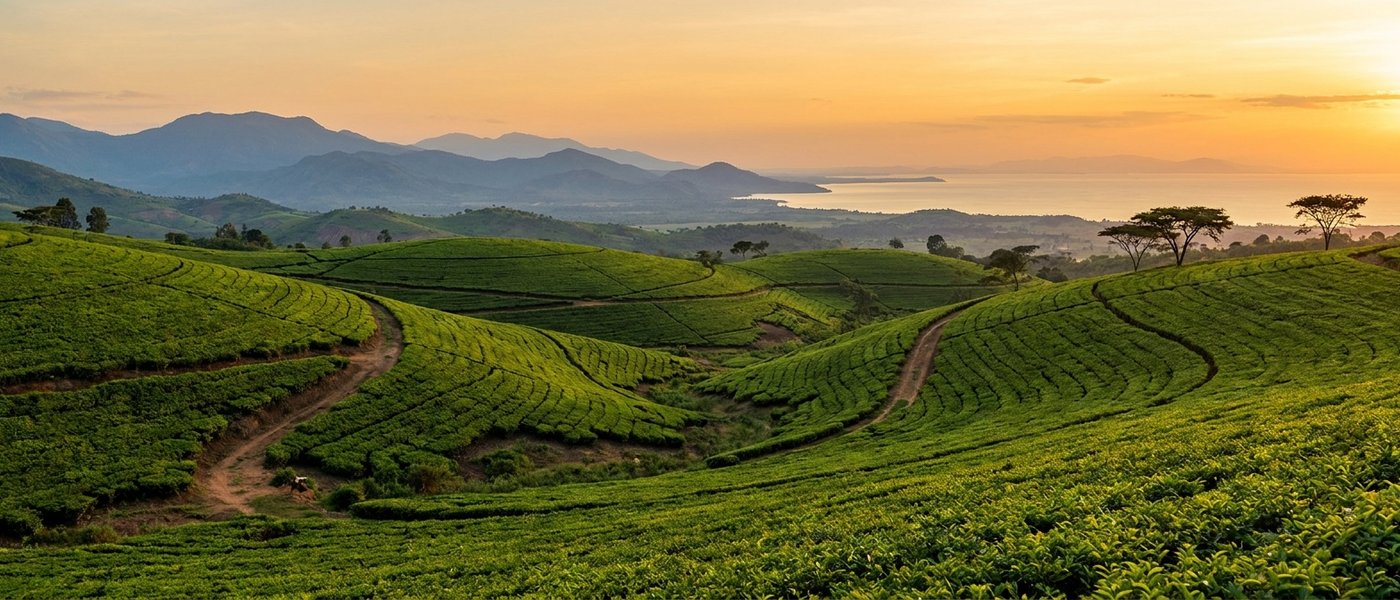
/ By The Thyolo House
Lake Malawi Beaches: A Tea Country Host's Two-Day Pairing
A journal from a boutique lodge in the Thyolo highlands. These are notes from our corner of Malawi — places we love, walks we've done ourselves, operators we've watched do good work. The mountain treks, tea-estate tours, and day trips are all run by independent operators in Malawi; book those directly with them. Come stay with us before or after — we'll do the room, the meal, and the quiet.
Lake Malawi beaches have a way of resetting people. The water is wide enough to look like sea, the sand is fine and pale, and the islands offshore look like they were arranged by someone with a good eye. After enough years of hosting guests at The Thyolo House, I've learned that the trick is not the lake itself — most people manage that part well enough on their own — it's what you do on the way back. Lake Malawi beaches earn their reputation the moment you stand on Cape Maclear at sunset, but the visit only really finishes when you've let the tea highlands close it out for you.
This is the two-day pairing I now suggest by default: one or two nights on the southern lakeshore, then a slow drive south into Thyolo for a independently arranged forest visit, a long dinner, and a quiet morning before you go home. It is the pairing that gets the warmest follow-up messages, and it is the one I'd send my own family on if they flew in tomorrow.
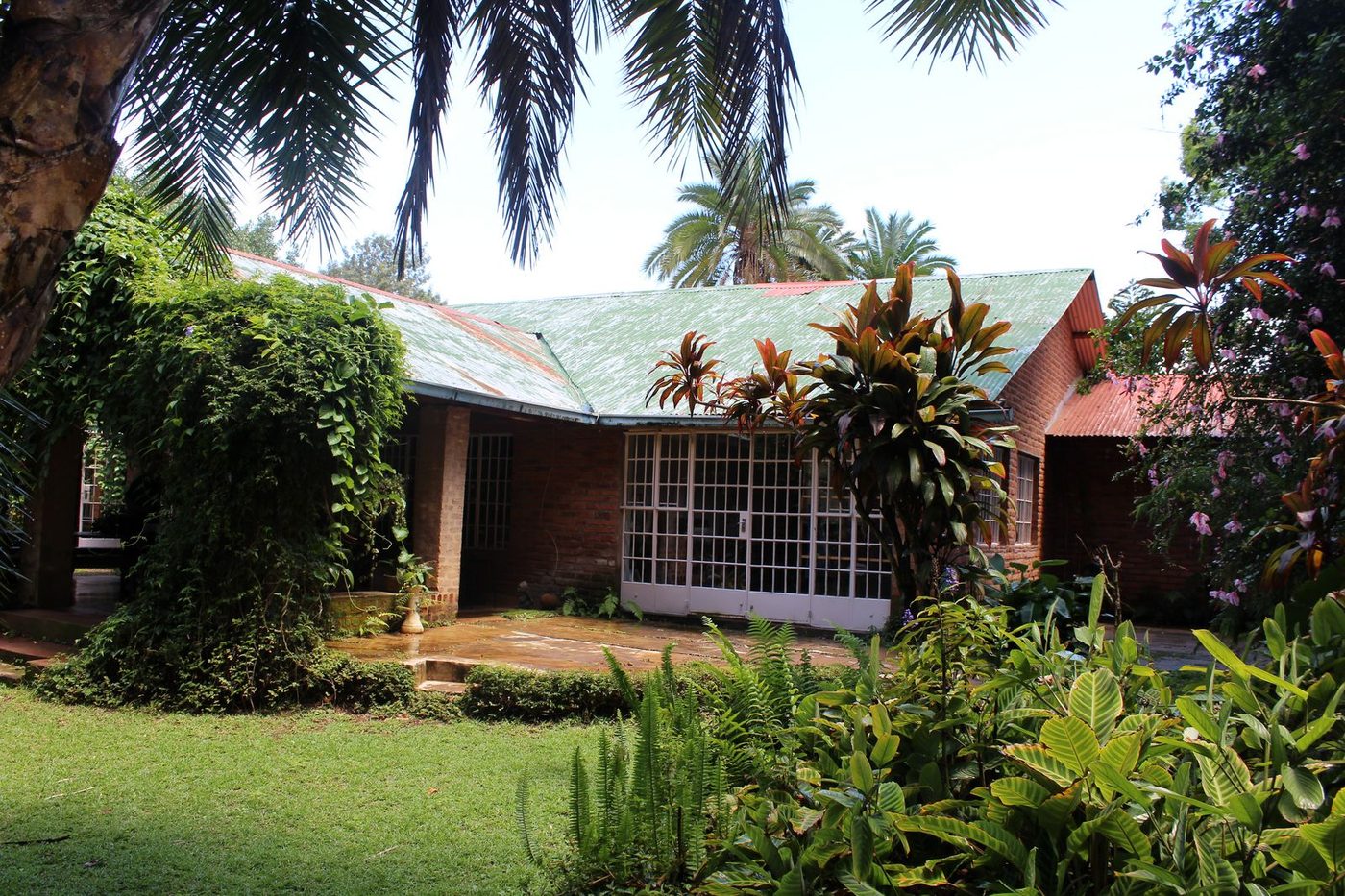
Why I stopped sending guests straight from Lake Malawi beaches back to Blantyre
For a long time the standard advice in southern Malawi was simple: drive up to Mangochi or Cape Maclear, stay two or three nights, then drive straight back to Blantyre for the flight home. It works, technically. But people would arrive at the airport sunburnt, slightly dazed, and quietly disappointed that the visit had ended on a tarmac instead of on a verandah.
What I noticed was that the lake gives you one kind of stillness — wide, bright, horizontal — and the tea highlands give you a completely different one. Greener. Cooler. More vertical, somehow. Putting them back to back, in that order, is what makes the holiday feel finished. You spend a day or two with your feet in the water at Lake Malawi beaches, and then you spend the last night somewhere that smells of woodsmoke and damp leaves. The contrast is the point.
The drive between the two is also short enough to be honest about. From Mangochi back down to Thyolo is around three and a half hours on mostly tarred road. That is a comfortable morning's drive with a coffee stop, not a punishing transfer. And the moment you climb out of the rift valley and the mountains start to show, you can feel the temperature drop through the open window. That is when guests usually go quiet in the back of the car.
The shoreline I actually recommend first — and why the southern beaches suit a Thyolo pairing
Lake Malawi is the third-largest freshwater lake in Africa and the ninth-largest in the world, stretching about 580 kilometres along the floor of the Great Rift Valley. It holds more than a thousand species of freshwater fish — more than any other lake on the planet — and the bright cichlids you see darting around your ankles in the shallows are the same fish that fill aquariums in Europe and North America. For more on choosing a stretch of shoreline, I've written a longer piece on the southern Lake Malawi beaches that's worth reading before you book.
For guests coming through Thyolo, I almost always point them at the southern lakeshore. The drive is the most reasonable, the swimming is reliable, and the cluster of lodges around Mangochi and Monkey Bay has the greatest concentration of accommodation on the whole lake — which means you can find something at almost any budget.
Cape Maclear
Cape Maclear, on the southern shore inside Lake Malawi National Park, is the postcard. Palm-lined beach, translucent green-blue water, and an archipelago of granite-boulder islands sitting just offshore. Chembe village runs along the back of the beach, and the lakeshore bars open onto the sand. Hostels start from around fourteen US dollars a night, budget lodges from twenty-five, and mid-range places like Tranquilo Resorts hover around fifty to sixty-five.
Mangochi and Monkey Bay
If you want a proper lakeside hotel rather than a beach village, the Mangochi–Monkey Bay strip is where the larger lodges sit: Makokola Retreat, Sunbird Nkopola Lodge, Zaburi Beach by Serendib, Norman Carr Cottage. Makokola finished its eco-luxury refresh last year and is mid-way through adding 21 new family suites this season, which gives you a sense of how much investment the southern lakeshore is still drawing. Waterskiing, wakeboarding, paragliding, beach volleyball, even a baobab-lined nine-hole golf course — it's the most active end of the lake.
Mumbo and Domwe Islands
For guests who want quiet over activity, I steer them to the smaller bays — Nkudzi and Namaso — or onto the islands themselves. Mumbo Island, ten kilometres offshore from Cape Maclear, is six solar-powered safari tents under thatch and timber, run by Kayak Africa. Guests reference roughly $106 per person per night for accommodation and around $70 per person per day for catering — confirm directly when you book. Domwe is the more rustic, off-grid sibling. Both feel further from the world than anywhere on the mainland.
Senga Bay, the north, and Likoma
Further afield, Senga Bay is a ninety-minute drive from Lilongwe and an honest swimming beach. The northern lakeshore — Chintheche, Nkhata Bay, Makuzi — is wilder and cooler, and Makuzi Beach Lodge has been quietly building a name with spice tours, cooking sessions and wellness retreats. Likoma Island sits in the middle of the lake closer to the Mozambican shore, reachable by charter flight from Lilongwe or by the MV Ilala steamer, and is home to the early-1900s Anglican Cathedral of St Peter, which is genuinely worth the journey if you have the days. None of these, though, pair as neatly with a Thyolo night as the southern beaches do. The driving simply gets too long.
The drive back through the highlands: what to stop for between the lake and the tea estates
The drive from the southern lakeshore down to Thyolo is around 193 kilometres from Blantyre to Mangochi — call it two and a quarter to two and three-quarter hours — plus about another forty minutes from Blantyre to us at the estate. So three to three and a half hours, door to door, depending on where you stayed.
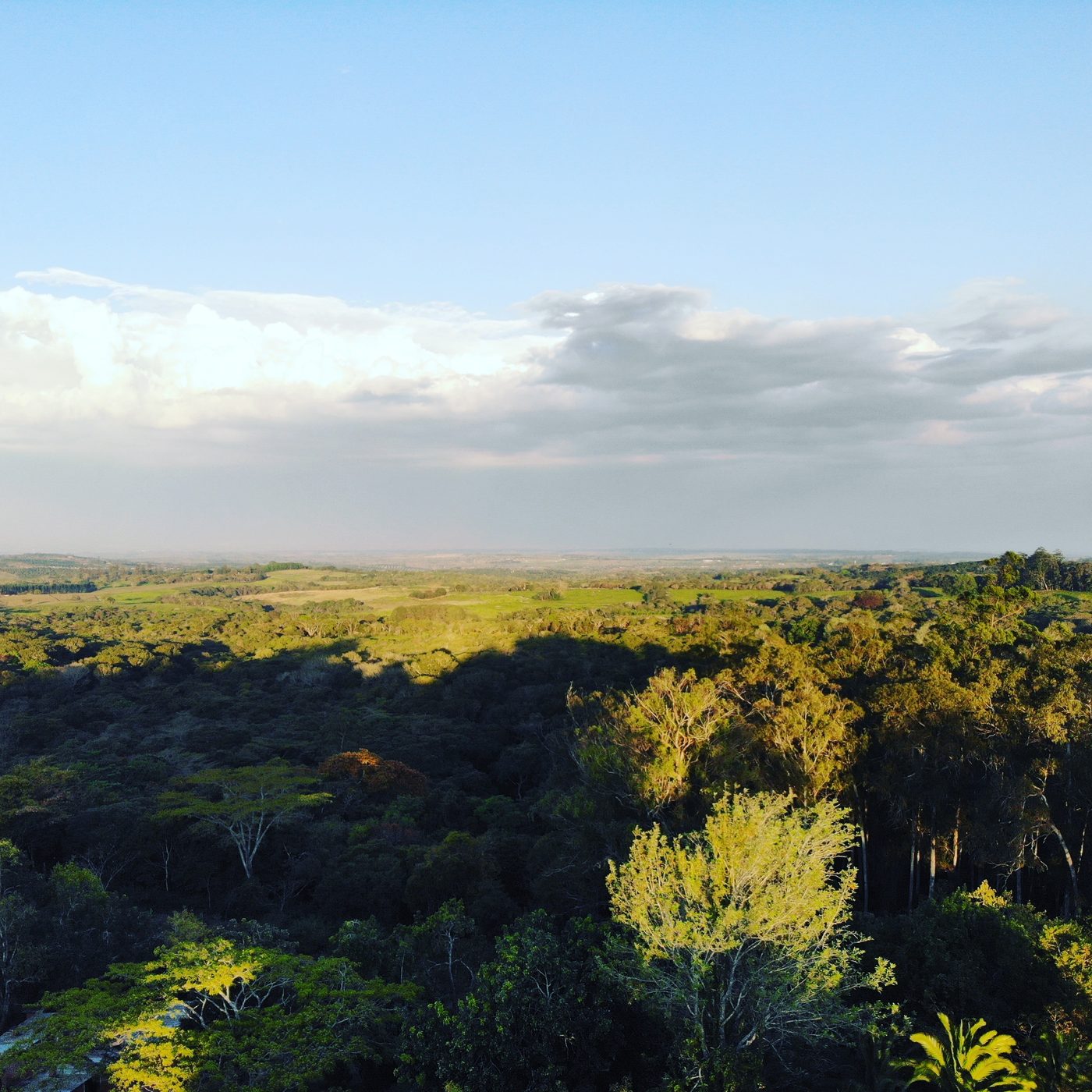
I tell guests to set off after a slow breakfast, not at dawn. The road is mostly tarred and easy. The bit I genuinely look forward to is the climb out of the rift valley as you approach Zomba — the air thins and cools, the trees change, and the landscape goes from dust-coloured to deep green within twenty minutes.
If you want to break the drive properly, three stops are worth considering. The first is Liwonde, which has a roadside café or two and is a sensible coffee point. The second is Zomba town itself, where the old colonial buildings and the market are pleasant for a thirty-minute leg-stretch, and you can look up at Zomba Plateau looming above the road. The third — only if you've left early enough — is a brief detour into the Shire Highlands for a roadside view down into the Shire Valley. None of these add more than an hour, and they break the drive into something restorative rather than a slog.
Arrive at The Thyolo House around three in the afternoon and you will catch the light at its best.
An afternoon on the Thyolo highlands — pool, independently arranged forest visit, and why guests sleep differently here after the lake
I will not pretend to be objective about the Thyolo highlands. My family has farmed tea here for generations, and I grew up walking these tracks. But there is something specific about coming straight from the lake that makes guests' reactions worth describing.
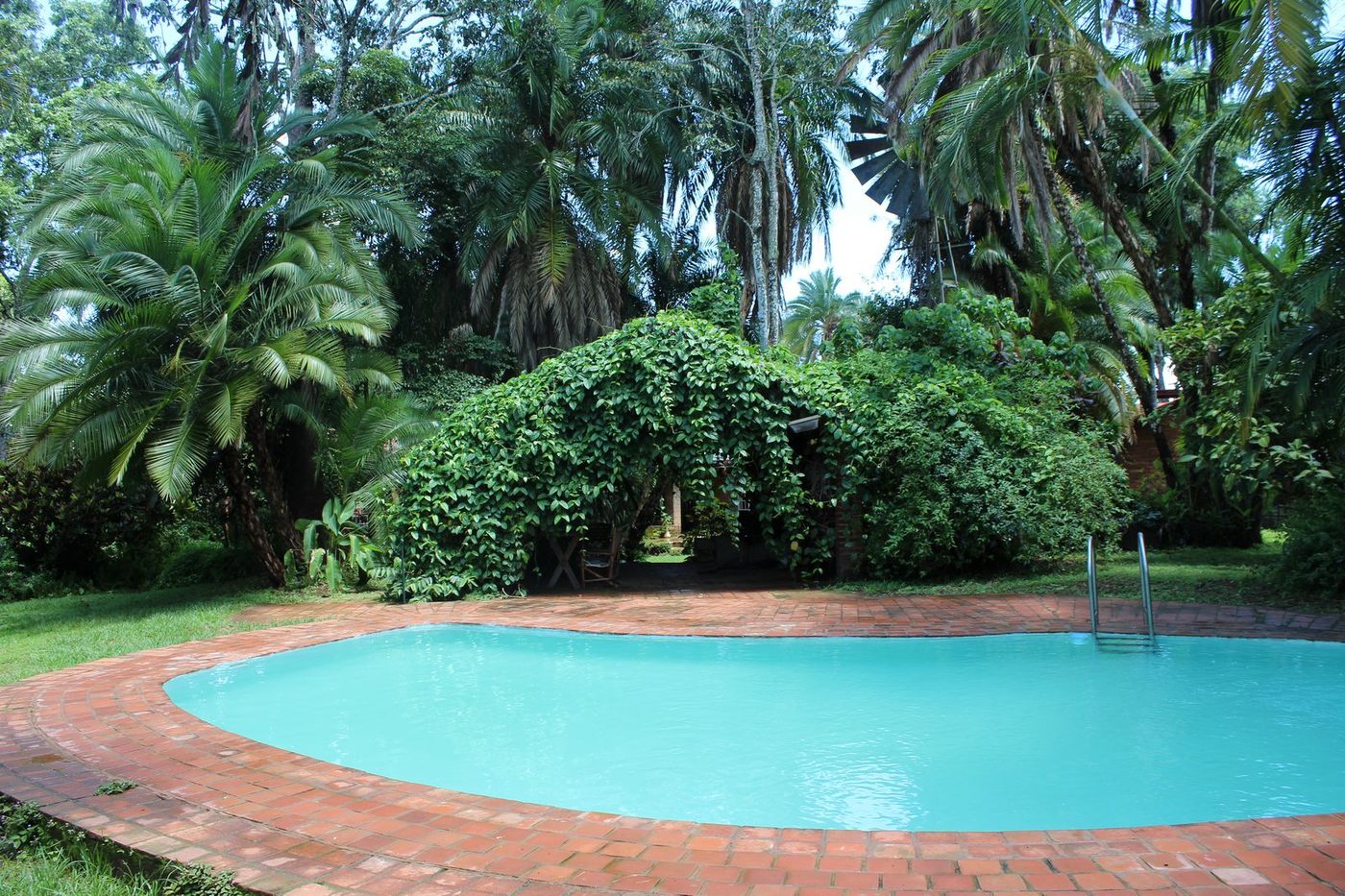
The first thing most people do is drop their bags and walk straight to the pool. The lake water is fresh, but it is warm — pleasantly warm, in the way a bath is warm — and after a few days of that, a cooler highland swimming pool with tea bushes climbing the hill behind it feels almost medicinal. The pool sits with a view across the estate. People float for an hour without saying much.
The second thing I push them toward is the independently arranged forest visit. Most tea estates in this part of Malawi cleared the indigenous forest a century ago. Conforzi kept patches of it deliberately, and the walking trails wind through old-growth trees with butterflies and birds you do not see at the lake. It's about forty-five minutes at a slow pace. You come back warm but not hot, with leaf litter on your shoes, ready for a long shower and a glass of something cold on the verandah.
I think the reason guests sleep so deeply on the first night here, after two or three nights at Lake Malawi beaches, is the temperature. Thyolo is around 1,000 metres higher than the lakeshore, and the nights are cooler. You sleep under a blanket instead of a fan. The body notices.
Dinner at Thyolo House: the garden-to-table meal that closes a lake day properly
The restaurant at The Thyolo House is Italian-leaning by family inheritance — my background is Italian-Malawian — and almost everything that lands on the plate has come from within a few hundred metres of the kitchen. The vegetable garden runs alongside the restaurant, the herbs are picked the morning of service, and the meat and dairy come from farms we have known for years.
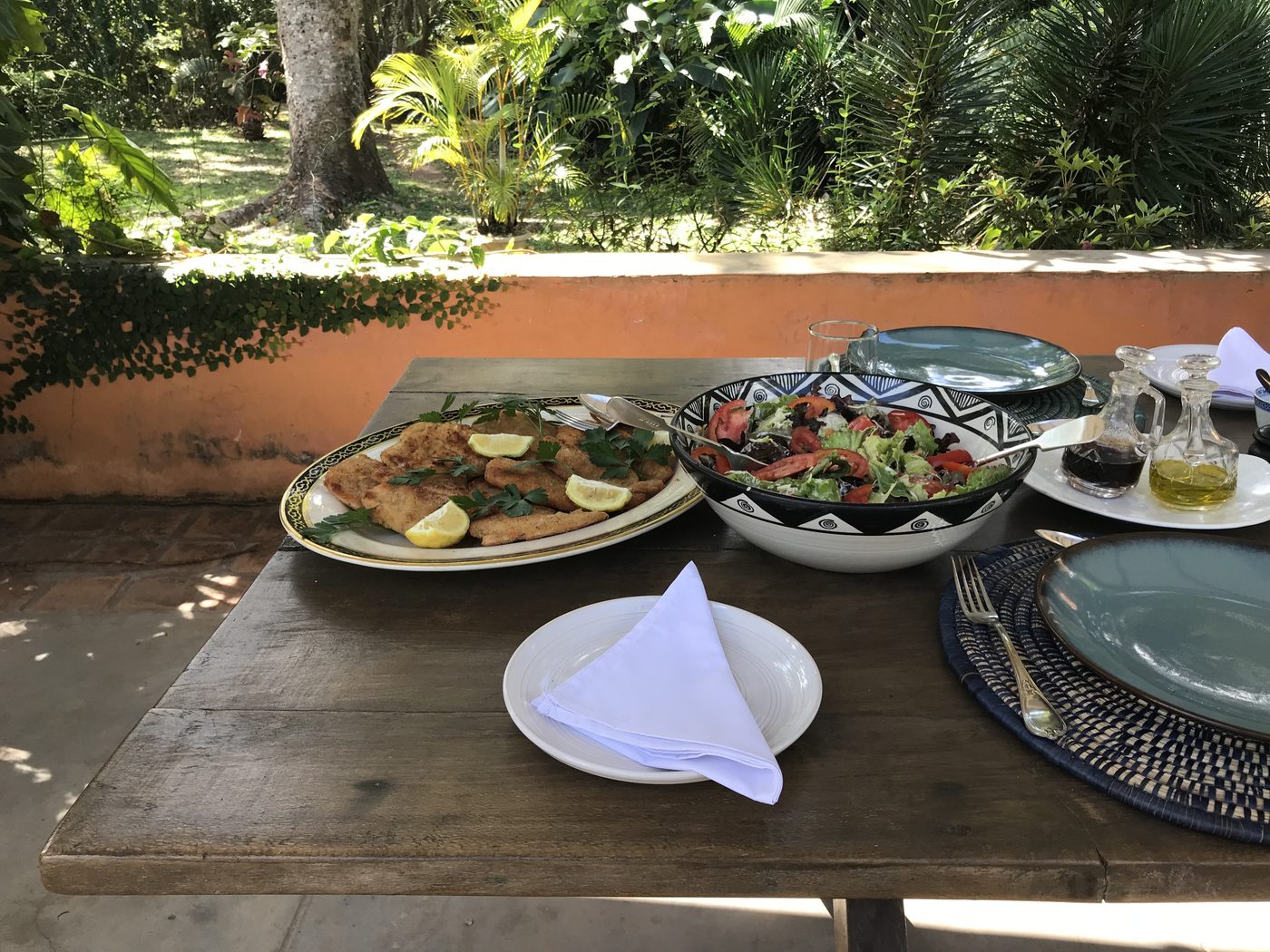
For guests coming off the lake, I usually nudge them toward something the lake does not do well: a long, slow, multi-course meal. A handmade pasta to start. A cotoletta or a slow-braised pork to follow. A simple salad of garden leaves between them. A local Malawian wine if the cellar agrees with what's on the plate, and a small grappa to finish. Dinner runs two to three hours if you let it. That is the point.
This is also the moment where the change of pace settles. The lake is loud in its own way — the wash of water, the boat engines, the children playing in the shallows. The restaurant at night is the opposite: cicadas, candle flames, glassware, the occasional owl. It is a deliberate close to a holiday.
A second morning before you leave — estate visit, art studio, or simply staying still
The thing I most often have to talk guests into is staying a second night. They will sometimes try to drive home the next morning, and I gently push back, because the second morning is when this pairing earns the rest of its keep.
There are three things worth doing slowly. The first is a estate visit. The factory on the Thyolo highlands has been processing tea here for the better part of a century, and walking through the withering troughs, the rolling drums, and the firing room with someone who actually works there is a quietly extraordinary thing. You leave with a better palate.
The second is the art studio. I work as an artist when I am not running the hotel, and guests who want to wander the studio, paint a little, or just look at canvases in progress are always welcome. The light in the studio on a clear Thyolo morning is genuinely something.
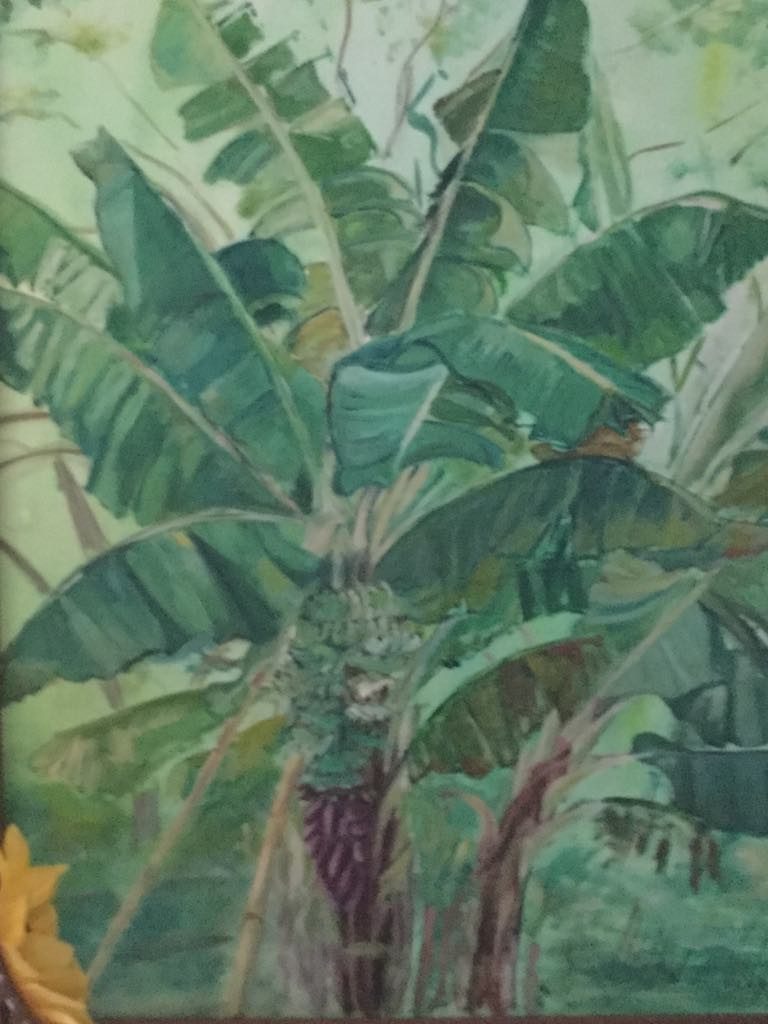
The third is to do nothing at all. Coffee on the verandah, a long breakfast, a book on a lounger by the pool, a second walk through the forest if you feel like it. The whole point of pairing Lake Malawi beaches with a tea-country stay is that the second half is gentler. Treat it that way.
For a wider view of how a longer southern Malawi week can be structured, our Blantyre-to-Thyolo weekend escape is a good companion read.
Practical notes: distances, driving times, season, and how to book
A few specifics for planning.
- Distance, Mangochi to Thyolo: roughly 230 km, about three to three and a half hours on mostly tarred road via Liwonde and Zomba.
- Distance, Cape Maclear to Thyolo: add about an hour to the Mangochi figure — the road into Cape Maclear is the slow part.
- Distance, Thyolo to Blantyre airport: about forty minutes. Convenient for a same-day departure if you must, though one more night is always better.
- Best season: May to August, which is the cool dry season. The lake is calm, the beaches are at their best, and Thyolo is jumper weather at night — perfect for fireside dinners.
- Shoulder season: September and October are warmer and still dry; the lake water heats up nicely. November onward, the rains start to arrive.
- Vehicle: a normal sedan handles all of the main route. Only the last kilometres into some lakeshore lodges and into Cape Maclear village benefit from a 4×4 in the wet.
- Cash: bring some Malawi kwacha for tolls, small purchases, and tips. Cards work at the larger lakeshore lodges and at The Thyolo House, but not everywhere in between.
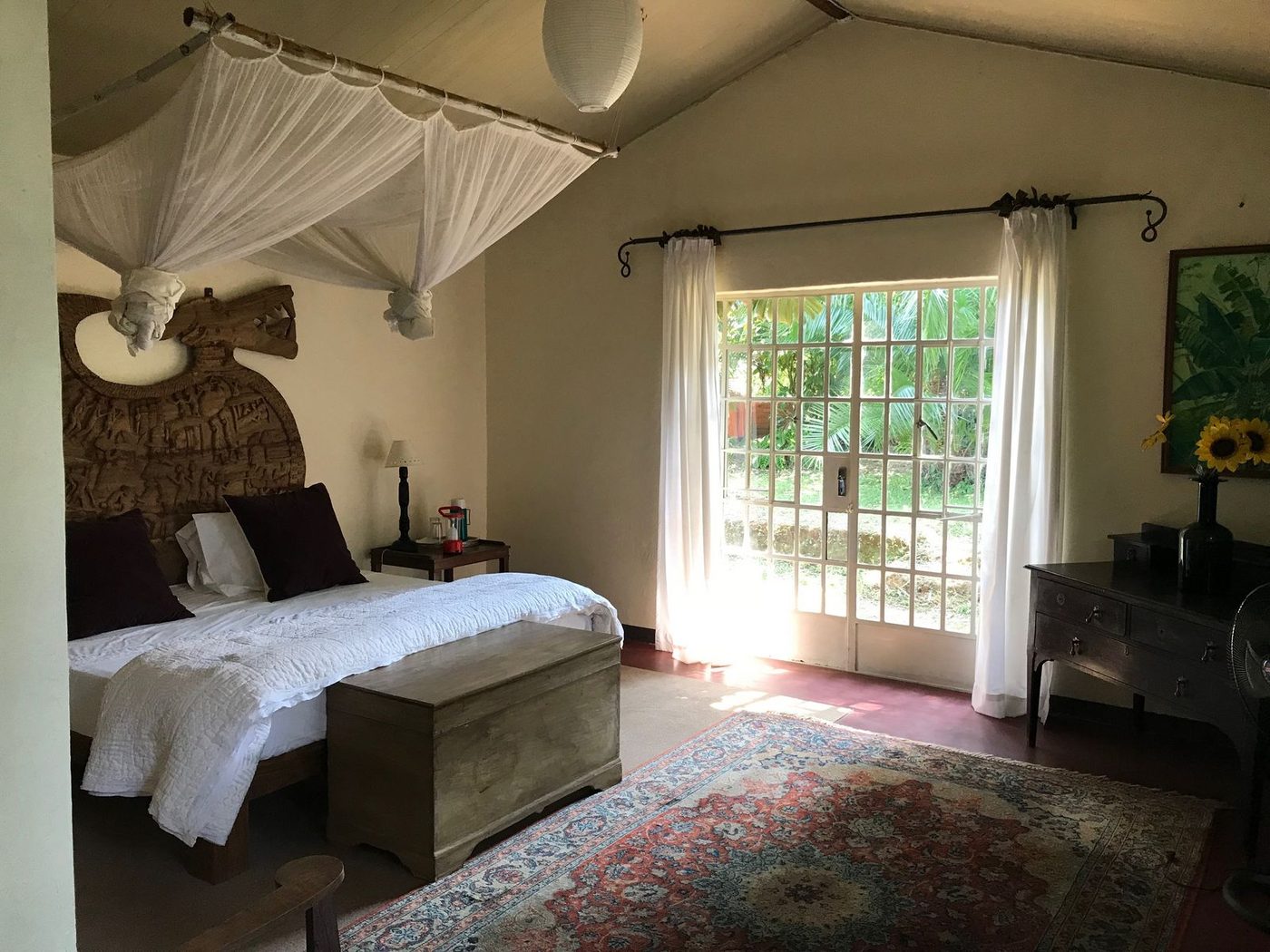
We have five rooms at The Thyolo House and they fill up quickly in dry season, especially for stays that include a Friday or Saturday night. If you are putting together a lake-then-tea trip and want help shaping the dates, the easiest thing is to message us on WhatsApp at +265 884 202 040, or email thethyolohouse@gmail.com. Tell us your dates if you want to check Thyolo House room or restaurant availability. Lake lodges, drivers, routes, and external activities should be booked directly with the relevant operators; The Thyolo House does not arrange that pairing for guests.
Lake Malawi beaches are wonderful on their own. But paired with a slow tea-country night to close them out, they become the kind of trip that people talk about for years.