/ By The Thyolo House
Mount Mulanje UNESCO World Heritage: A Tea Country Host's Field Notes
A journal from a boutique lodge in the Thyolo highlands. These are notes from our corner of Malawi — places we love, walks we've done ourselves, operators we've watched do good work. The mountain treks, tea-estate tours, and day trips are all run by independent operators in Malawi; book those directly with them. Come stay with us before or after — we'll do the room, the meal, and the quiet.
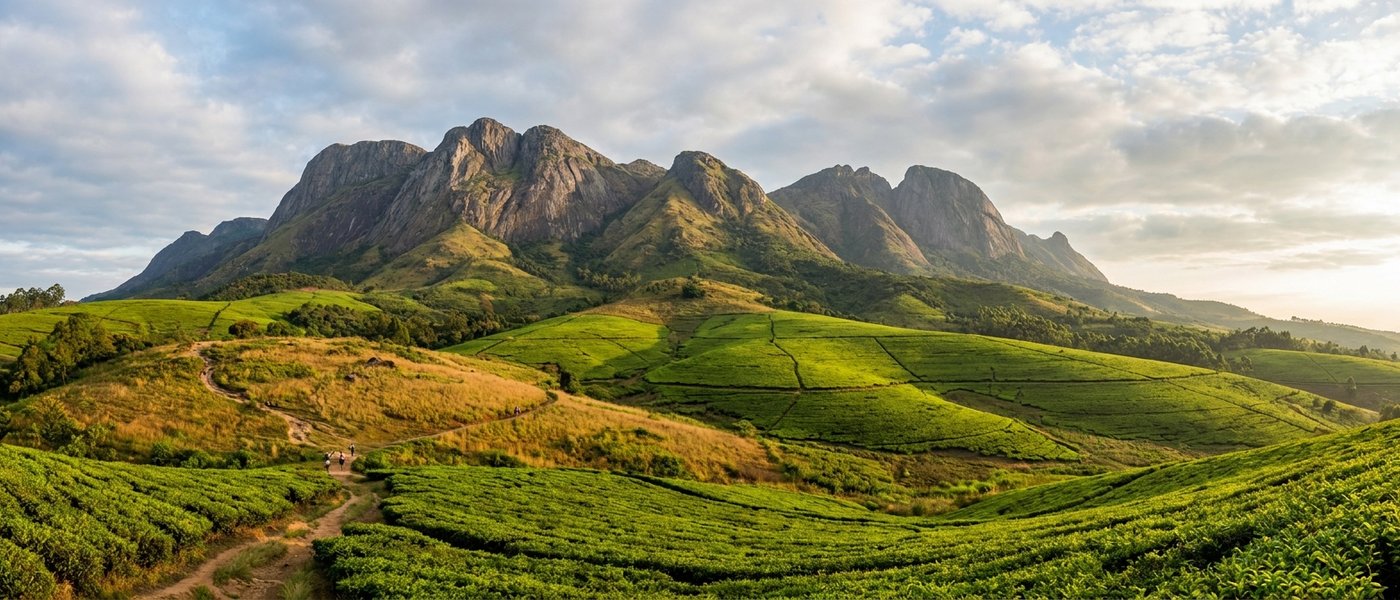
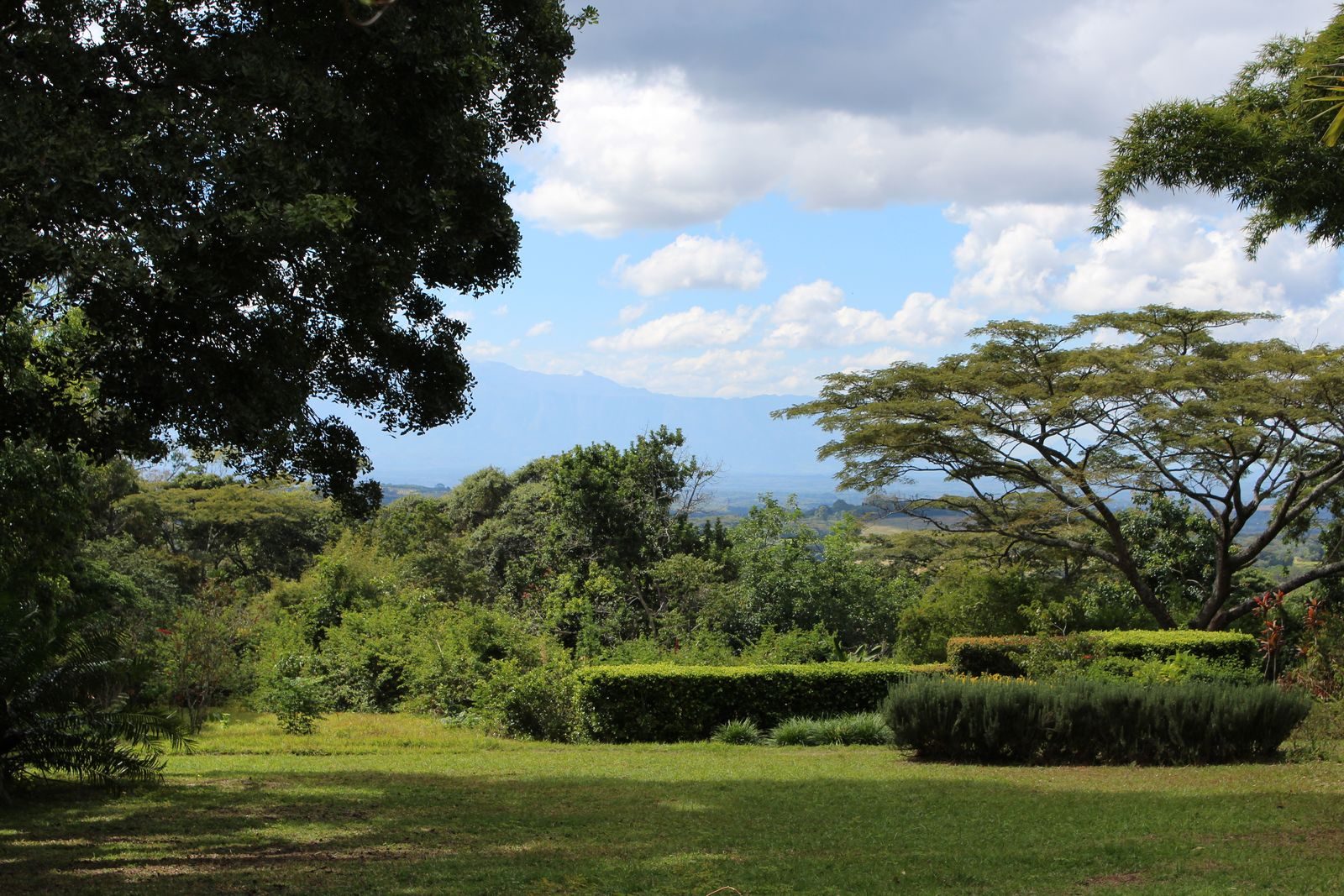
From the verandah at The Thyolo House, the Mulanje massif sits on the eastern horizon like a stone ship anchored on the plain. Tea pickers work the rows below it most mornings; afternoon cloud usually swallows the summit ridge by three. Watching it that way, year after year, you start to understand why the Mount Mulanje UNESCO world heritage designation — officially inscribed on 11 July 2025 — felt less like a surprise and more like the world finally catching up with what locals have always known. The mountain isn't just a place to hike. It is a sacred landscape, a biosphere stronghold, and, as of last year, Malawi's third entry on the World Heritage List.
What follows is a tea-side perspective on what that listing actually means — for the cedars being painstakingly replanted, for the chiefs pushing back against bauxite mining, and for the slow traveller who'd rather watch the massif from a quiet estate than scramble to tick it off a list.
Why Mount Mulanje is now on the UNESCO world heritage list (and what that actually means)
For years, Mount Mulanje sat on Malawi's UNESCO tentative list — a kind of waiting room for sites recognised as having potential outstanding universal value. That changed on 11 July 2025, when the World Heritage Committee, meeting for its 47th session in Paris, formally inscribed the Mount Mulanje Cultural Landscape on the World Heritage List (UNESCO reference 1201). Malawi now has three inscribed sites: Lake Malawi National Park, the Chongoni Rock Art Area, and Mulanje.
The inscription is interesting because it was made under criteria (iii) and (vi) — both cultural criteria — rather than the purely natural criteria you might expect for a 650 square kilometre granite massif. UNESCO recognised the mountain as a living spiritual landscape for the Mang'anja, Yao, and Lhomwe peoples, with sacred shrines, ancestral spirits, and ceremonies that are still active today. The geology — Mulanje is one of the largest inselbergs on earth — and the endemic biodiversity sit beneath that cultural framing rather than in front of it.
What does the Mount Mulanje UNESCO world heritage designation change in practice? Mostly, it raises the international stakes of any decision about the mountain. A site on the List is meant to be protected for future generations, and that protection is now stress-testing one of the most contentious questions in Malawian conservation: whether bauxite mining should be permitted on the southeastern plateau.
The bauxite question — and why the chiefs said no
Akatswiri Mineral Resources holds a bauxite mining licence on the southeastern slopes of Mulanje, with environmental and social impact assessments still pending. The company has talked publicly about a project value north of $820 million, projected annual revenue around $260 million, and the creation of more than 1,300 jobs. The headline numbers are large in a Malawian context, and proponents have used them aggressively.
The opposition has been equally clear. In August 2025, weeks after the UNESCO inscription, Traditional Authority Chikumbu and a group of senior chiefs held a press conference unanimously rejecting extraction. The catchment that feeds Blantyre's freshwater supply — serving over a million people — flows off this same massif. More than seventy endemic species, including the Mulanje pygmy chameleon (Nadzikambia mlanjensis) and the cedar (Widdringtonia whytei), depend on intact plateau habitat. Tourism, restoration gains, and the integrity of the newly inscribed cultural landscape all sit on the same scales.
From the estate side, what's striking is how the conversation has shifted. Five years ago, the mountain's protection was mostly about pine plantations, firebreaks, and the slow return of cedar seedlings. Today it's a debate about whether a UNESCO designation means anything when a mining licence sits in a desk drawer in Lilongwe. That's the live question right now, and any honest article about the Mount Mulanje UNESCO world heritage status has to name it.
The biosphere case — endemic cedar, pygmy chameleons, and species found nowhere else
The Mulanje cedar is Malawi's national tree, and it's the single species that does the most work in the biosphere argument. Conservationists who've spent careers on the mountain now report that essentially no wild-growing Mulanje cedars remain — what's happening on the plateau today isn't restoration in any gentle sense of the word. It is reintroduction.
The Mount Mulanje Conservation Trust (MMCT, based in Mulanje town, +265 1 466 179) led a major effort between 2016 and 2019 that put roughly 700,000 cedar seedlings into the ground. Since 2020, the pace has settled into a steadier 50,000 to 70,000 trees a year. Cedar essential-oil research is also underway — aromatherapy, medicinal applications, and potential pesticide uses are all being studied, which matters because giving the tree commercial value to surrounding communities is one of the strongest defences against the illegal harvesting that wiped out the wild population in the first place.
WeForest's Malawi programme is the other big piece. Working with tea-farmer associations on the lower slopes, they've put around 85,000 pine trees into degraded areas and maintain roughly 700 kilometres of firebreaks every year. The firebreaks matter more than the headline planting number — Malawi has lost about 65% of its original forest cover, and fire is the mechanism through which most of that loss happens. For a deeper look at how WeForest and MMCT coordinate on the ground, our piece on Mulanje conservation and WeForest restoration goes into the partnership in detail.
MMCT's current flagship initiative — featured on CNN Inside Africa in October 2025 — is called CLIMB (Conservation Livelihoods in Malawi's Biospheres). The idea is to bind conservation outcomes directly to household income on the mountain's edges, which has historically been the missing link. If you want to understand the cedar story specifically, our Mulanje cedar tree guide walks through the species' history and the current reintroduction work.
Granite geology and the inselberg story — how a 3,002m massif rises from the plain
Mulanje is what geologists call an inselberg — literally "island mountain" — a mass of resistant rock left standing after softer surrounding material has eroded away. In Mulanje's case, the resistant rock is a granitic syenite intrusion, pushed up roughly 130 million years ago. The plateau averages around 2,000 metres in elevation, with Sapitwa Peak rising to 3,002 metres, making it the highest point in central Africa south of Kilimanjaro.
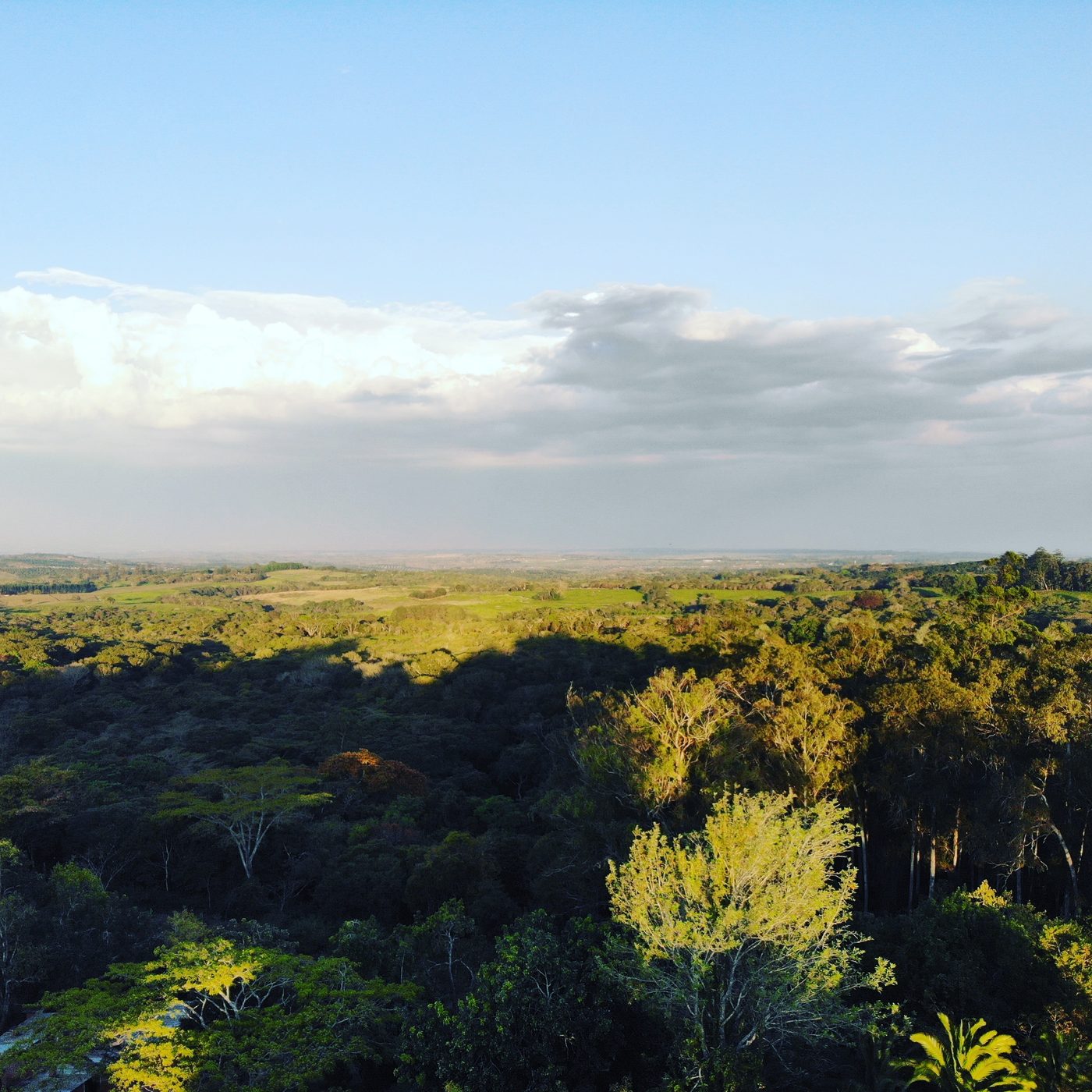
The scale only really registers when you approach by road. Driving the M2 from Blantyre toward Mulanje town, the massif fills more of the windscreen with each kilometre until, somewhere near Chitakale, you stop thinking of it as a mountain at all and start thinking of it as weather. Clouds form against its western wall in the late morning and roll back off it at dusk. From The Thyolo House, forty minutes back along the road to Blantyre, the same mass is visible but distant — a granite presence on the horizon rather than something overhead.
The plateau itself contains the ten famous mountain huts maintained by MMCT: Chambe, Francis' Cottage, Lichenya, Hope's Rest Cottage, Chinzama, Minunu, Thuchila, Sombani, Chisepo, and Madzeka. They are functional, atmospheric, and they sleep walkers on multi-day traverses. Hut and parking fees commonly cited online (K1,000 per person per night for huts, K2,000 per day parking at Likhubula) should be treated as a starting point rather than gospel — the Malawian kwacha devalued by roughly 44% in November 2023 alone, and MMCT's own pricing page does not list current figures. Call MMCT directly on +265 1 466 179 or email info@mountmulanje.org.mw before you commit to a multi-day plan.
The cultural layer UNESCO recognises — Yao, Lhomwe, and Mang'anja heritage
The criteria under which Mulanje was inscribed — (iii) and (vi) — are about cultural traditions and the living spiritual relationship between people and place. This is the part of the mountain that doesn't appear on most trekking maps.
Sapitwa Peak itself is a site of deep spiritual significance, and there are protocols around how it should be approached and what should and shouldn't be brought onto it. The Mang'anja, Yao, and Lhomwe communities surrounding the massif maintain shrines on its slopes and conduct ceremonies tied to ancestors and to the spirits believed to inhabit its forests and pools. UNESCO's recognition leans heavily on this being a continuous, living relationship rather than a museum-piece tradition — which is part of what makes the bauxite question so sharp. A mine doesn't just remove rock from a watershed; it severs a relationship that has been in place for centuries.
From a visitor's perspective, the practical implication is to take the mountain seriously. Walk with a registered guide. Listen to what Your guide says about places where photographs aren't taken and where certain things aren't said aloud. The Mount Mulanje UNESCO world heritage listing is in many ways a formal recognition of exactly this — that the mountain is not neutral landscape.
Seeing the massif the slow way — using The Thyolo House as a tea-side base
Most Mulanje itineraries assume you'll base yourself in Mulanje town or at Likhubula Forest Lodge at the foot of the climb. That makes sense if your priority is a 4 a.m. start for Sapitwa. It makes less sense if your priority is seeing the massif in context — as the eastern edge of a tea-growing landscape that has shaped southern Malawi for over a century.
The Thyolo House sits on the historic Thyolo Highlands, about forty minutes from Blantyre and twenty from Limbe along the same M2 that continues east to Mulanje. From here, Mulanje is a ninety-minute drive each way for a day visit — easy enough to leave after breakfast, walk a section of the Likhubula trails, and be back for dinner in the garden. You can also do the full ascent from this base by adding a single night on the plateau in one of the MMCT huts and returning to the estate to recover.
What this approach gives you, that staying directly under the mountain doesn't, is the tea country side of the same story. The lower slopes of Mulanje are wrapped in the same tea-growing landscape that we sit in, and the conservation work happening on the plateau is partly funded and supported by the estates that surround it. Walking the Conforzi rows in the morning and the Likhubula forest in the afternoon, you start to see the geography as one continuous system rather than two separate destinations.
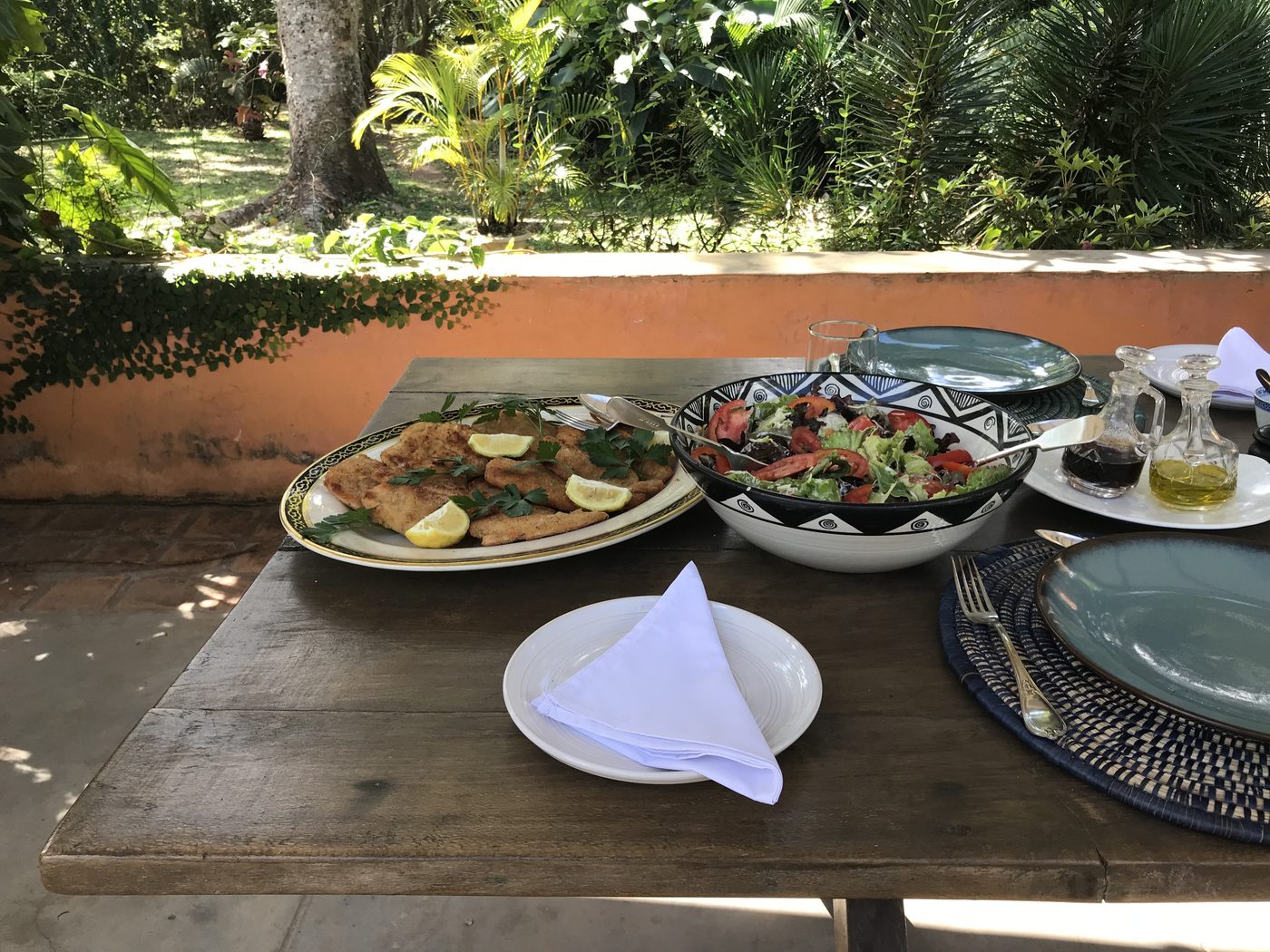
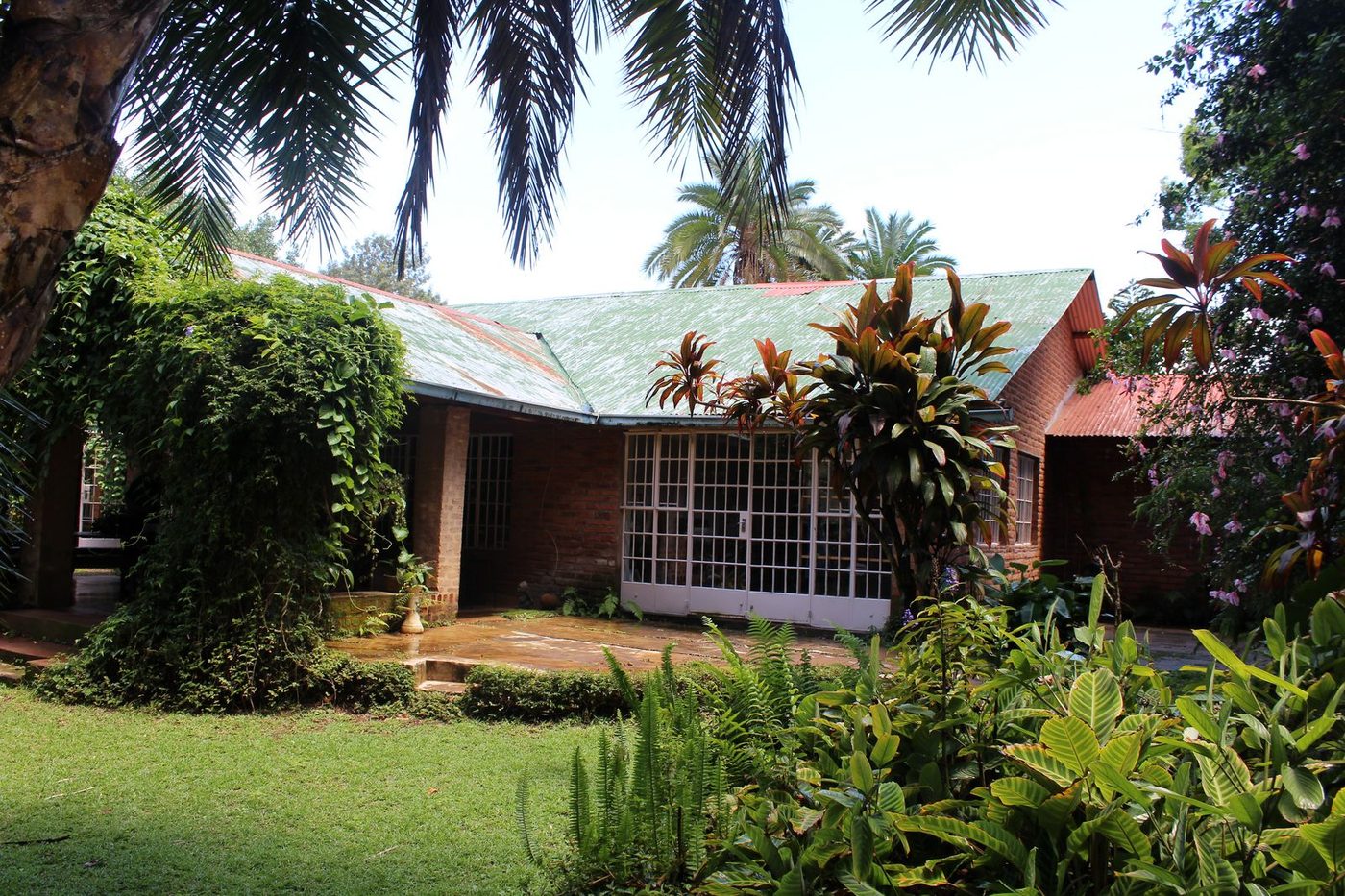
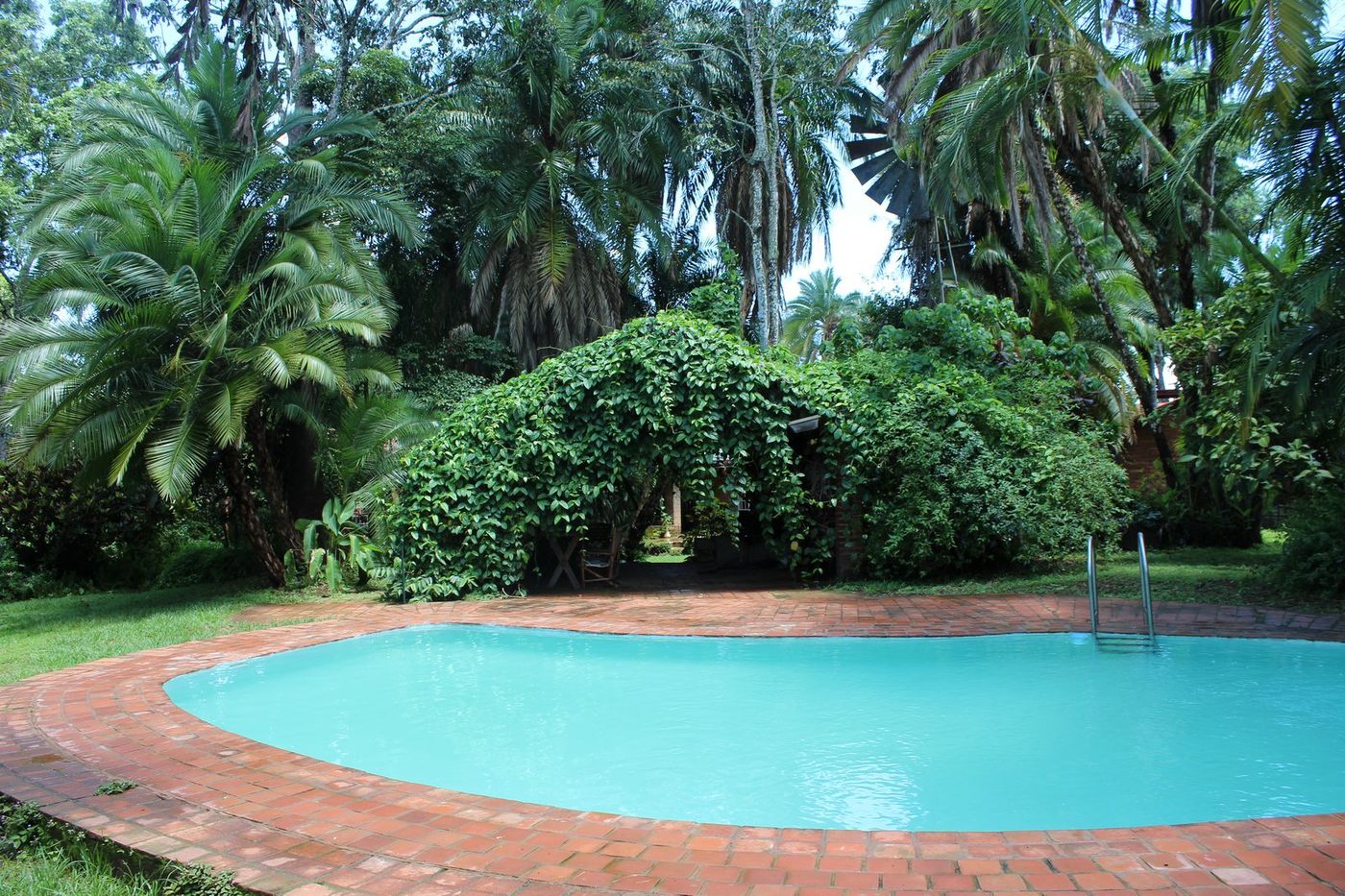
Practically, we have five rooms, a pool, an Italian fusion restaurant run by Flavia Conforzi (Italian-Malawian artist, current owner), and trails in the highlands that take you into indigenous forest within fifteen minutes of breakfast. The food is mostly garden-grown — what's in the soil that week ends up on the plate that night. It's a setup that suits travellers who want Mulanje as part of a longer southern-Malawi loop rather than as a single peak-bagging mission.
Practical notes — distances, best months, and what UNESCO status changes for visitors
A few orientation notes for planning, especially if you're combining the mountain with a stay on the tea country side.
- Distances from The Thyolo House: Limbe 20 minutes, Blantyre 40 minutes, Likhubula (Mulanje trailhead) approximately 90 minutes, Lake Malawi (Cape Maclear) around 4 hours.
- Best months for the massif: May to October. The dry season offers the clearest skies and safest plateau conditions. November to April brings dramatic cloud and rain — beautiful from a distance, dangerous on the ridges.
- Booking the huts: Contact MMCT directly. Mountmulanje.org.mw, +265 1 466 179, info@mountmulanje.org.mw, P.O. Box 139, Mulanje. Confirm current fees by phone — published figures online are often outdated.
- Guides: Always walk with a registered MMCT guide on the plateau. This is both a safety and a cultural-respect issue.
- What changes after UNESCO inscription: Practically, very little for visitors in the short term. Trail access, hut booking, and the network of registered guides remain as they were. What changes is the international scrutiny on decisions about the mountain — most visibly the bauxite question.
If you'd like help putting together an itinerary that combines a Mulanje day or overnight with a longer stay in the highlands, the easiest thing is to message us on WhatsApp or email thethyolohouse@gmail.com. We can usually suggest a guide we know personally, advise on hut availability before you commit to a route, and help time your visit around the months when the massif actually shows itself rather than hides in cloud.
The mountain has been here a very long time. Now that the Mount Mulanje UNESCO world heritage listing is on the books, the next chapter is about whether the institutional protection holds against the next mining proposal, the next drought, the next gap between paper status and lived practice. From the verandah, watching the cloud climb the western wall most afternoons, that question feels less abstract than it would from Paris. It feels like the work of the next decade — and one worth seeing in person while it's underway.