/ By The Thyolo House
Mulanje Cedar Tree: 7 Places to See Malawi's National Tree
A journal from a boutique lodge in the Thyolo highlands. These are notes from our corner of Malawi — places we love, walks we've done ourselves, operators we've watched do good work. The mountain treks, tea-estate tours, and day trips are all run by independent operators in Malawi; book those directly with them. Come stay with us before or after — we'll do the room, the meal, and the quiet.
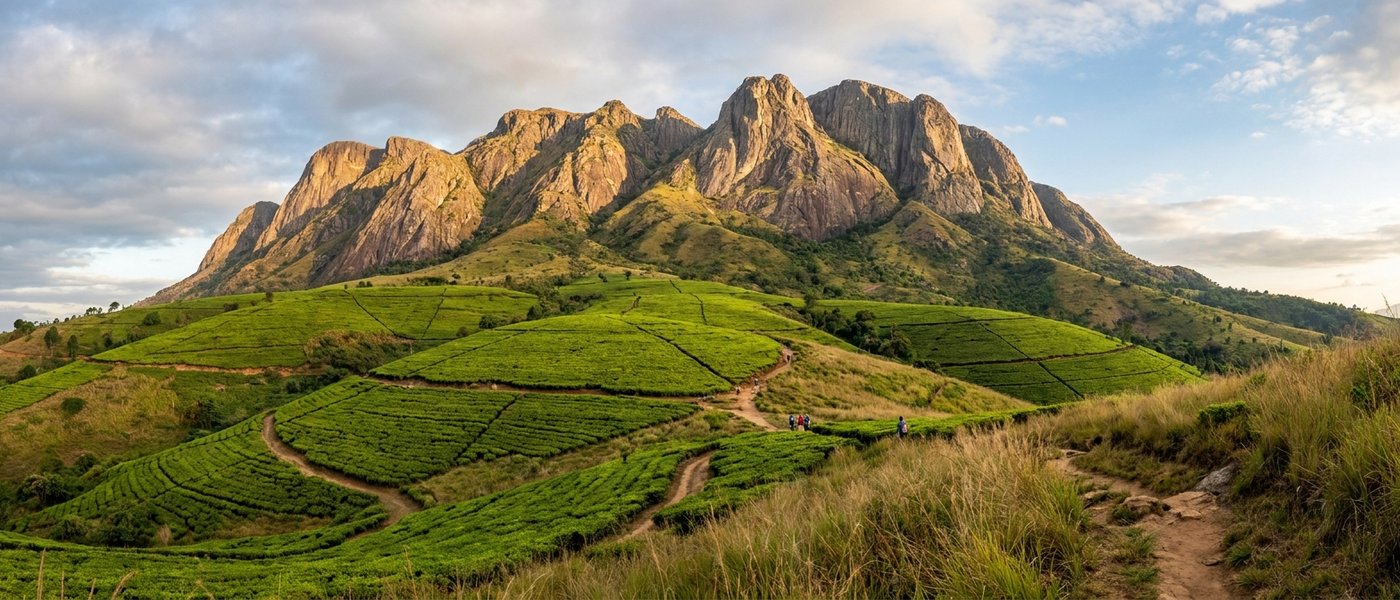
The mulanje cedar tree is one of those species you have to climb a mountain to meet. Malawi's national tree — Widdringtonia whytei — survives only on the high plateaus of the Mulanje Massif, in groves that have been logged, burned, and now painstakingly replanted across the last decade. From The Thyolo House, the massif rises on the horizon like a green wall, and guests often ask the same question over breakfast: where, exactly, can you still see a living cedar? This guide answers that, with seven specific places drawn from years of walking these mountains and talking to the foresters and porters who know them best.
Why the Mulanje Cedar Tree Matters (And Why It's Vanishing)
The mulanje cedar is endemic to the Mulanje Massif — it grows nowhere else on earth in the wild. You'll find it between 1,830 and 2,550 metres, clinging to ridges and sheltered basins where the mist settles. The IUCN lists it as Critically Endangered, and it holds the unwanted distinction of being the first tree species in Africa declared commercially extinct. CITES regulates any movement of its timber.
The wood is the problem and the gift. It's fragrant, termite-resistant, and stunningly durable — qualities that built colonial-era furniture, church pews, and curio carvings, and that drove illegal logging for decades. Add in dry-season fires that burn hotter and longer than they used to, killing young saplings before they reach reproductive age, and you have the slow-motion collapse of a species. For a fuller look at the biology and history, our mulanje cedar tree guide walks through the science.
The encouraging side: between 2016 and 2019, around 700,000 cedar seedlings were planted on the mountain, and since 2020 another 50,000–70,000 go in each year — now in small ecological clusters rather than monoculture rows. Eight community nurseries ring the massif, and a seed-bank partnership with Bedgebury (Forestry England) and Inala Jurassic Garden in Tasmania has been quietly building an ex-situ insurance population since 2023. When you visit a cedar grove today, you're walking through both a graveyard and a nursery.
1. Chambe Basin — The Most Accessible Cedar Grove on the Plateau
For most visitors, Chambe is the first cedar grove they'll ever see. The Chambe Basin sits on the western shoulder of the massif, reached via the Skyline Path from Likhubula — a steady climb of roughly four to five hours that delivers you onto a high meadow ringed by surviving cedars. The basin has been replanted heavily, and the contrast between gnarled old survivors and the neat clusters of new saplings tells the whole conservation story in one walk.
Stay at Chambe Hut for a night and the cedars become part of the soundtrack — wind moving through the foliage has a particular dry, papery rustle that's quite different from the surrounding pine plantations. The hut is basic (bring your own bedding and food), but a porter can be arranged through the Likhubula Forest Lodge office for around MWK 25,000–35,000 per day.
2. Lichenya Plateau — Older Trees Above the Hut
Lichenya, on the southwestern flank, is where you'll find some of the oldest standing cedars on the massif. The plateau is reached via the Lichenya Path from Likhubula — a longer, gentler route than the Skyline (allow six hours up) that climbs through indigenous forest before opening onto the plateau itself.
Above the hut, a network of informal trails leads to scattered cedars that have somehow escaped both fire and saw. These aren't the towering specimens of older photographs — most of those are gone — but several are over a metre in diameter and clearly more than a century old. This is also, sadly, the part of the mountain currently named in the bauxite mining licence held by Akatswiri Mineral Resources, which became national news in 2025 and remains contested. The mountain's July 2025 UNESCO World Heritage inscription, under cultural criteria, has shifted the political weight of that fight considerably.
3. Thuchila Hut Trail — Cedars on the Eastern Approach
The eastern side of Mulanje sees far fewer visitors, and Thuchila Hut is the quietest of the plateau huts. The approach from Lujeri Tea Country climbs through working tea fields before steepening into montane forest, and the cedars here grow in tighter, more sheltered clusters than on the western side. Allow six to seven hours to the hut.
The Thuchila route is the one I most often recommend to guests who want a cedar experience without the crowds you'll occasionally find on Chambe in high season. The combination of tea country, indigenous forest, and high plateau in a single day's walk is hard to match anywhere else in southern Africa. Lujeri is roughly 45 minutes by car from The Thyolo House.
4. Sapitwa Approach via Chisepo — High-Altitude Survivors
Sapitwa, at 3,002 metres, is the highest peak in central Africa, and the route to the summit via Chisepo Hut passes through some of the highest-altitude cedars on the mountain. These are stunted, wind-shaped trees — nothing like the cathedral specimens of the lower groves — but they're survivors, growing in cracks and on ridges where logging crews never bothered to climb.
This is a serious hike. From Chisepo Hut to the summit and back is a full day with significant scrambling, and the cedars near the top reward only those willing to put in the work. Guides are mandatory for the summit attempt and arranged through the MMCT-affiliated guides' association at Likhubula. Expect to pay around MWK 50,000 per day for a senior guide.
5. Fort Lister Gap — Lower Cedars and Regeneration Plots
Fort Lister, at the northeastern saddle of the massif, is where the mountain drops down to meet the Phalombe plain. The gap itself is a striking landscape — a wind-funnel between two halves of the massif — and the cedars here grow at lower altitudes than elsewhere, often in mixed stands with broadleaf species.
This is also where you'll see some of the most active regeneration plots. Mount Mulanje Conservation Trust and partner organisations have planted thousands of seedlings on the slopes above the gap, fenced against grazing and patrolled against fire. Walking up from the Fort Lister forest station, you'll pass through several age-tiered plots — three-year-old saplings, ten-year-old young trees, and a few sixty-year-old survivors all in the same field of view.
6. WeForest Restoration Sites — Where New Cedars Are Being Planted
If your interest is in the future of the species rather than the past, the WeForest restoration sites around the mountain's lower slopes are the most encouraging places to visit. WeForest works with MMCT and local community nurseries on integrated landscape restoration — cedars on the high ground, indigenous broadleaves on the slopes, and agroforestry buffers on the plain.
The community nurseries are open to visitors by arrangement, and watching the cedar seedlings being raised in their first year — small, soft, easily mistaken for an ornamental conifer — is a useful corrective to the romance of the old trees. Our conservation and restoration guide covers the projects in detail and explains how visitors can support the work.
7. Indigenous Forest Near Thyolo House — The Easiest View from a Boutique Base
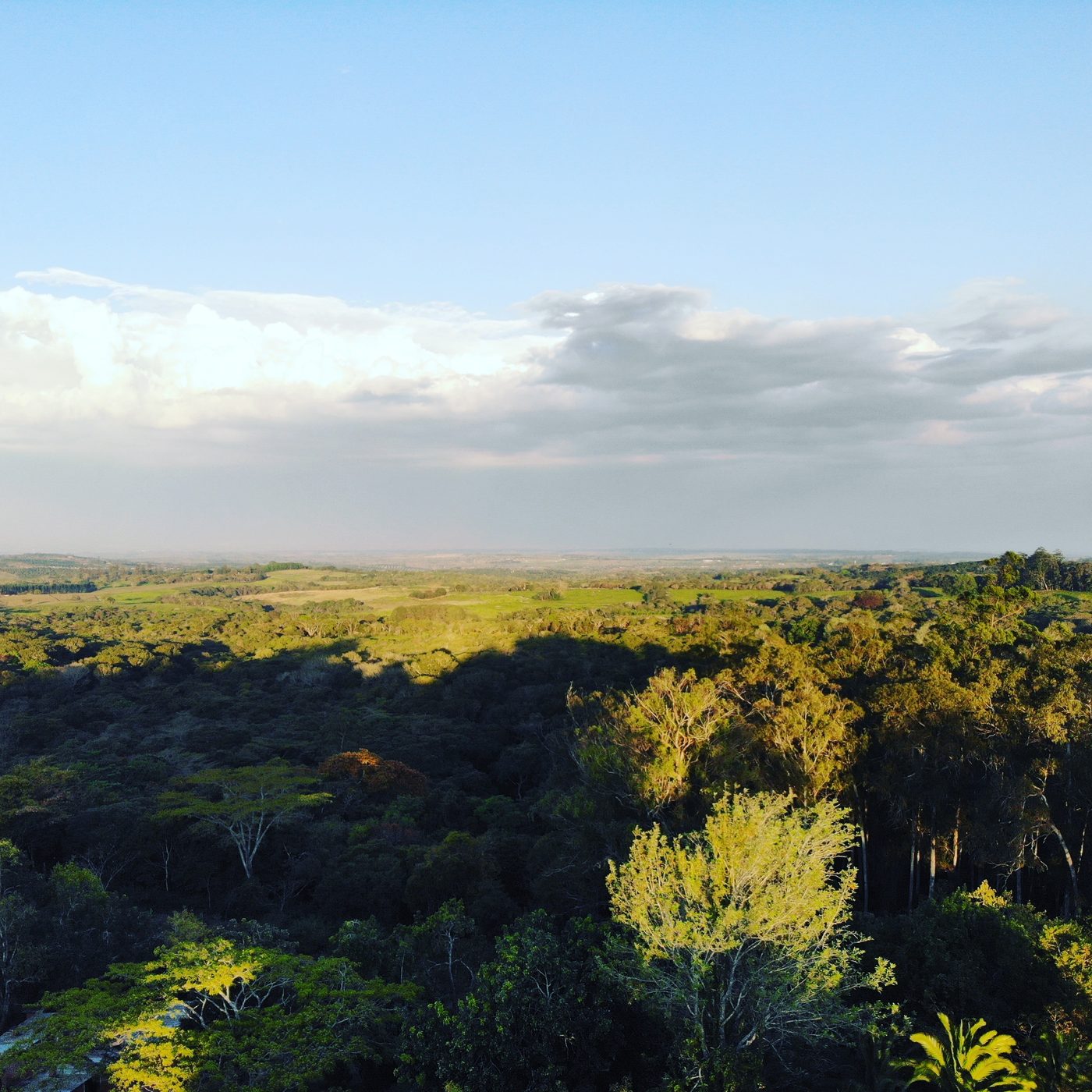
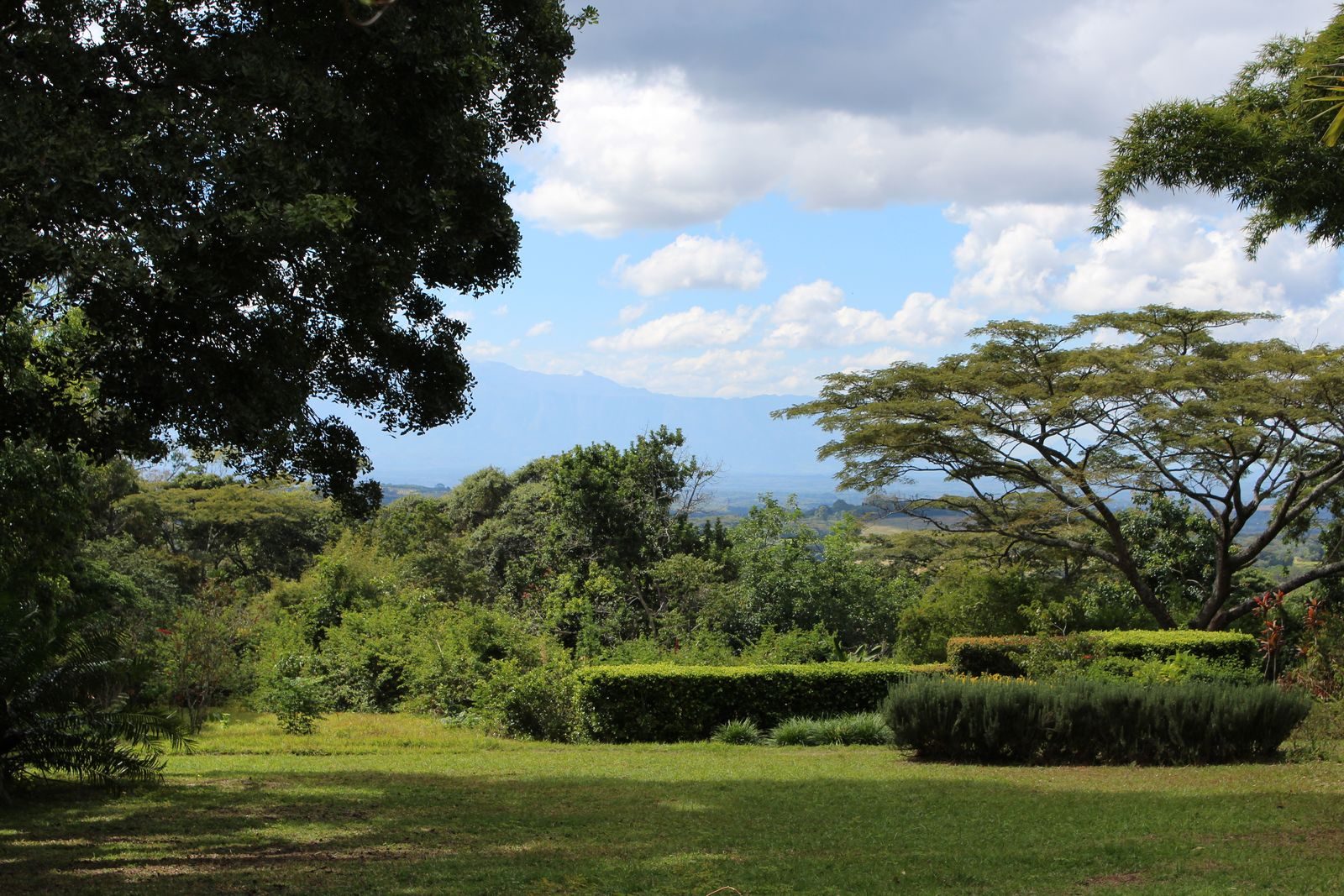
You don't actually need to climb Mulanje to see a mulanje cedar tree. In the indigenous forest fragments of the Thyolo highlands near The Thyolo House, a small number of mature cedars grow alongside the indigenous Mulanje pine, mahoganies, and Khaya. These were planted decades ago by the Conforzi family as part of the estate's commitment to indigenous forestry, and they've been protected ever since.
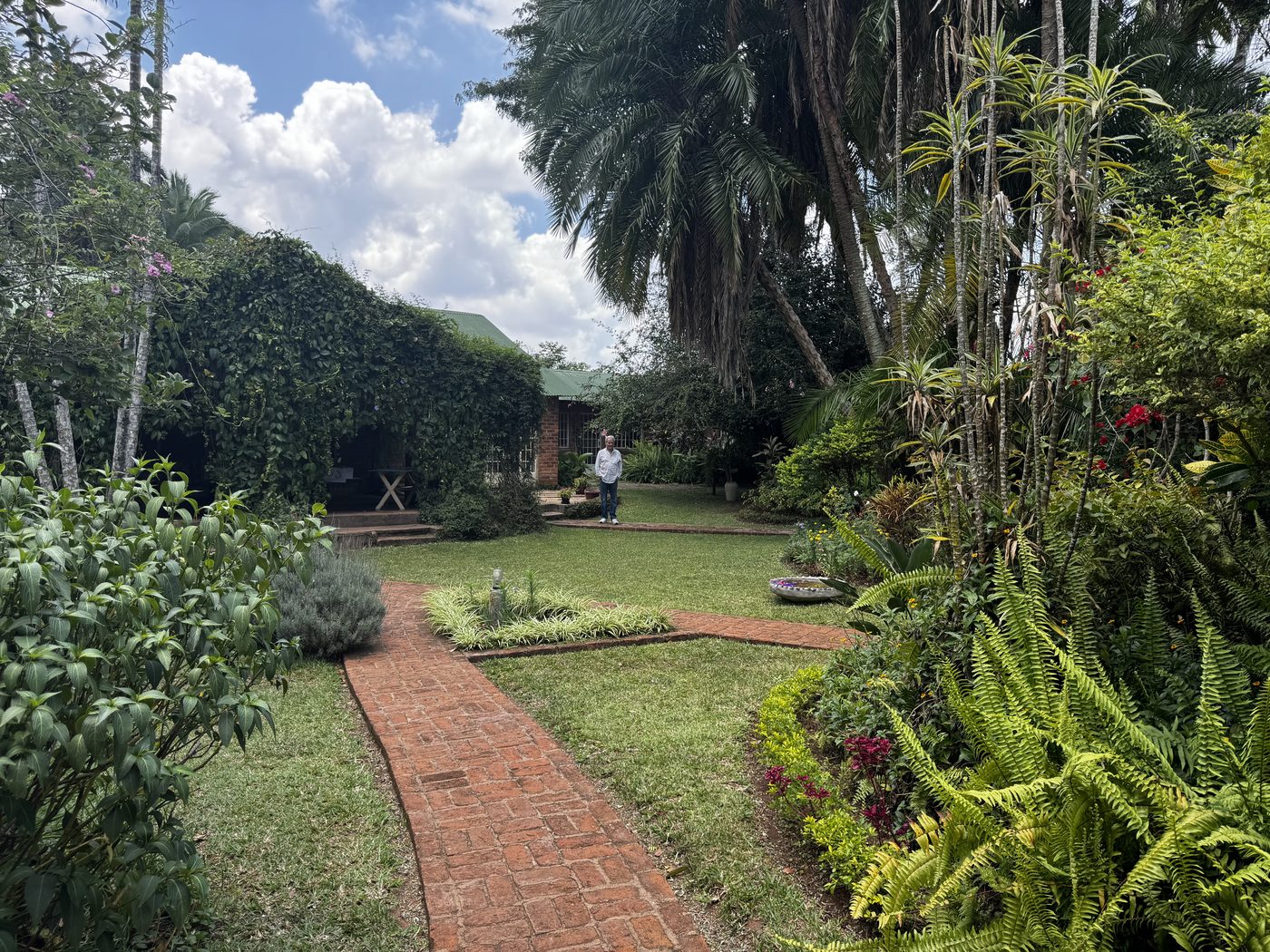
For guests staying at the boutique rooms, the highland forests are a short walk from the main house. It's not a substitute for the high-plateau experience — these trees grow at much lower altitude than they would in the wild — but it's the most accessible living mulanje cedar tree you'll find without strapping on boots and gaining 1,500 metres of elevation. The history of the estate, including its long-standing forestry traditions, is covered in our story of Thyolo Highlands piece.
How to Plan Your Cedar Tree Trip from Thyolo House
Thyolo is roughly 40 minutes from Blantyre and 20 minutes from Limbe by road, with Mulanje town a further 45 minutes east. That puts every cedar grove on this list within a few hours by road of the estate, with the higher plateau huts requiring an overnight on the mountain.
A practical week might look like this:
- Day 1 — Arrive at The Thyolo House. Spend the afternoon on The Thyolo House garden and forest-edge paths to acclimatise.
- Day 2 — independent visit to Likhubula. Visit the MMCT forest office and one of the community nurseries.
- Day 3–4 — Two-day plateau walk: up via Skyline to Chambe Basin, overnight at Chambe Hut, return via Lichenya the following day.
- Day 5 — Rest day at the estate. Pool, garden lunch, art workshop with Flavia if scheduled.
- Day 6 — Eastern approach via Lujeri to Thuchila for the day-walker who wants quiet cedar groves without overnight commitment.
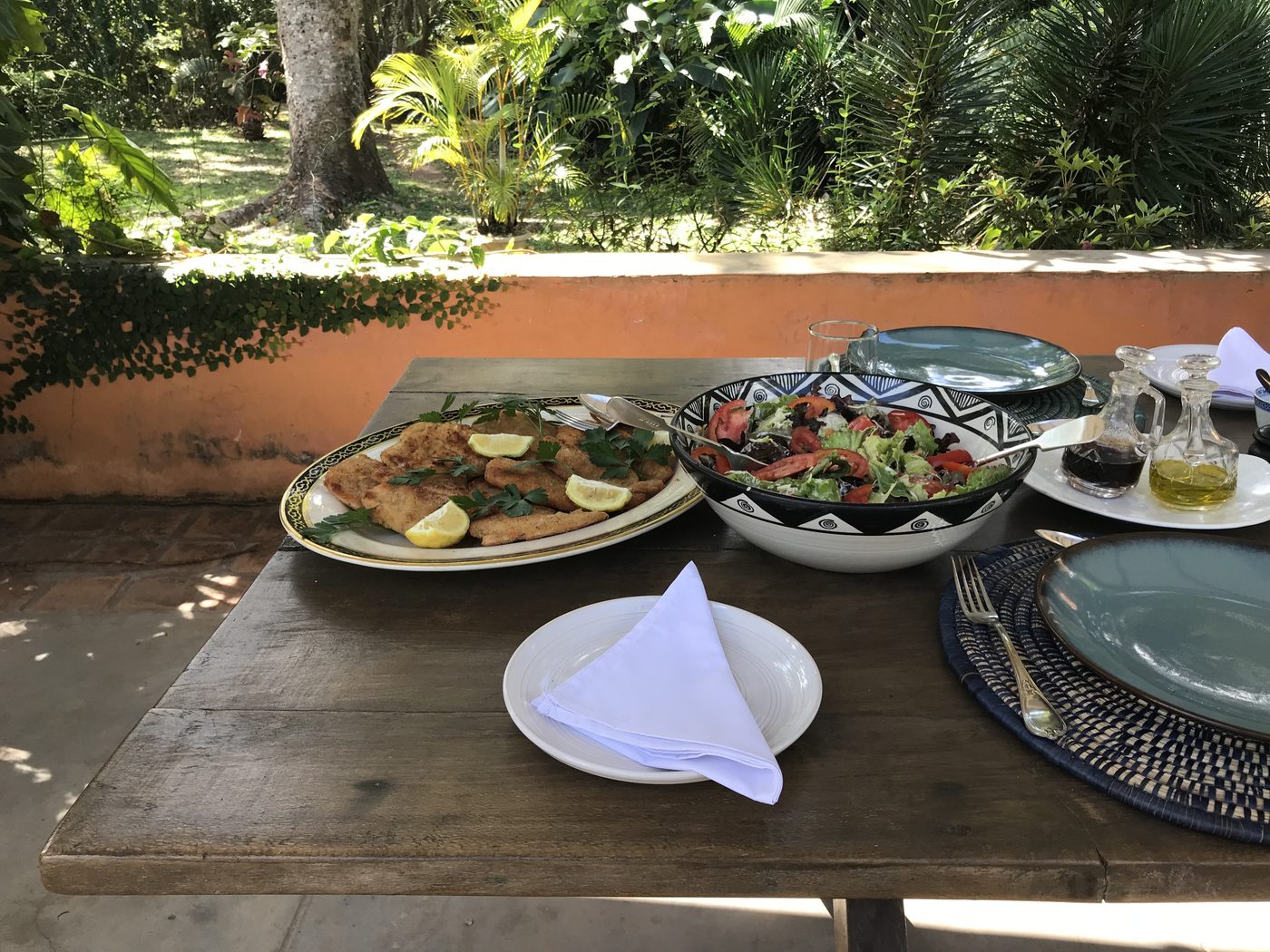
The estate kitchen is built around what the garden produces that morning, with an Italian-fusion sensibility courtesy of Flavia Conforzi, who runs the house. After a day of cedar-hunting at altitude, a plate of garden tomato risotto and a glass of wine in the bougainvillea-shaded courtyard is a justified reward.
Practical Notes: Guides, Permits, and Best Time to Visit
A few things worth knowing before you go:
- Permits — A small Forest Reserve entry fee is collected at Likhubula and other mountain entry points (currently around MWK 5,000 for international visitors). Pay at the forest office, not the gate.
- Guides — Mandatory for Sapitwa, strongly recommended for any plateau overnight. Book through the Mountain Club of Malawi or the Likhubula porters' association rather than freelancers met at trailheads.
- Best season — May to October is the dry season and prime hiking time. June and July can be cold at altitude (down to freezing at the huts), so pack accordingly. November to April is rainy and many trails are treacherous.
- Fitness — Even the shortest plateau routes involve four to five hours of steady uphill on rough ground. The garden and forest-edge paths around The Thyolo House are a useful gentle test of your knees the day before.
- What to bring — Layers, hat, good boots, headtorch, two litres of water per person per day on the mountain, and snacks. The huts have water sources but no shops.
If you'd like help putting a cedar-focused trip together — combining tea-country stays, plateau overnights, and visits to the WeForest restoration sites — message us on WhatsApp or email thethyolohouse@gmail.com. Guides, porters, and MMCT arrangements should be made directly with MMCT or licensed mountain operators. The Thyolo House can confirm dinner and room availability for before or after your independent hike.
The mulanje cedar tree is not a guaranteed sighting — wild trees grow where they grow, and some groves are a hard day's walk from the nearest road. But the mountain is more accessible than its reputation suggests, the new plantings are taking, and the political weight behind protection has shifted markedly with the UNESCO listing. There has never been a better time to come and see Malawi's national tree in its only home on earth.