/ By The Thyolo House
Mulanje Grand Traverse: A Food Lover's Recovery Route
A journal from a boutique lodge in the Thyolo highlands. These are notes from our corner of Malawi — places we love, walks we've done ourselves, operators we've watched do good work. The mountain treks, tea-estate tours, and day trips are all run by independent operators in Malawi; book those directly with them. Come stay with us before or after — we'll do the room, the meal, and the quiet.
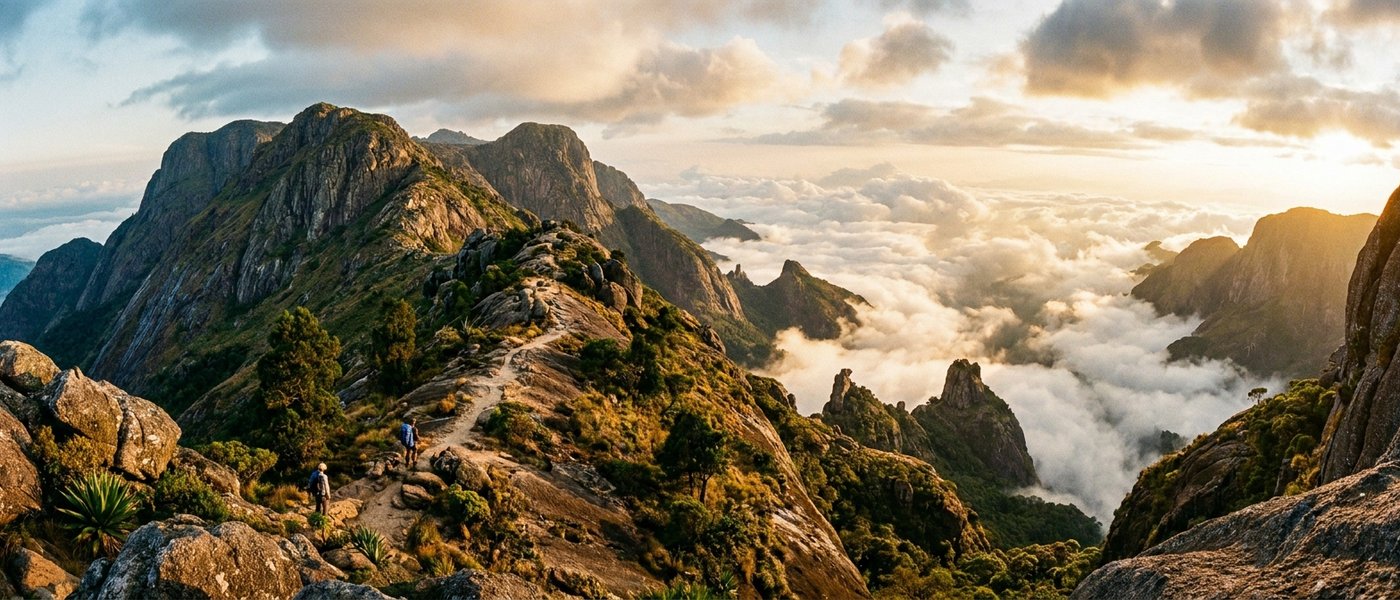
The Mulanje Grand Traverse is the kind of trek that rearranges your relationship with food. Five days across the spine of Malawi's sky island — through pineapple fields below Nnesa, up to the Lichenya plateau, over granite slabs to Chisepo Hut at the foot of Sapitwa, and down the long Phalombe descent — and by the time you're standing at the trailhead with your boots caked in red dust, your body is making demands. Real bread. Slow protein. Something green that wasn't pulled out of a dehydrated pouch. This guide is about what to do with those demands. It's a recovery route, not another summit guide: from the moment you step off the mountain to the moment you sit down to a plate of handmade pasta on a tea country verandah, an hour and a half down the road.
If you've come here looking for the trek itself — gear lists, hut bookings, the bamboo path detail — start with our companion piece on the Mulanje Grand Traverse route. What follows assumes you've already done it, or you're planning the back end of the visit with the same care you put into the front.
What the Mulanje Grand Traverse Actually Takes Out of You
The Mulanje Grand Traverse is officially a five-day crossing of the massif from the Mulanje town side in the southwest to Phalombe in the northeast, touching Sapitwa Peak at 3,002 metres along the way. Operators like Eagle's Eye Malawi and Realworld Adventures run organised versions of it, but plenty of people stitch together their own with a guide hired at Likhubula Forestry. However you do it, the route eats into you in ways that don't show up on the elevation profile.
The first thing it takes is glycogen. You're climbing 1,500 metres on day one, then living between 1,800 and 3,000 metres for four more. Even with a porter, you're burning through carbohydrate stores faster than freeze-dried noodles can replace them. The second is sodium. Mulanje's microclimates swing between cold mist on the plateau and hammering sun on the granite, and most people sweat far more than they realise. The third is sleep architecture: huts like Chisepo and Lichenya are wonderful, but a thin mattress on a wooden platform, a fireplace running through cold mountain nights, and the chatter of other trekkers means deep REM is rationed. By day four, your cortisol is elevated, your gut is running on stress, and your appetite has gone strange — you're either ravenous for everything or interested in nothing.
And then there's the joints. Sapitwa's descent on the Phalombe side is the part nobody warns you enough about. Long, knee-jamming step-downs over uneven granite and root-bound forest paths. By the time you hit the Likhubula gate or the Phalombe trailhead, your quads are wrecked in a specific, deep-fibre way that no single night of sleep undoes.
The First 24 Hours Off the Mountain: Why Hikers Crash on the Drive Down
This is the moment most people get wrong. They finish the Mulanje Grand Traverse, they're elated, photos go up on the group chat, and they pile into a vehicle pointing back to Blantyre or all the way to Lake Malawi. By the time the adrenaline drops — usually about an hour into the drive — they're exhausted, slightly nauseated, and their legs are seizing up in the back seat. Whatever lodge they reach next, they tend to crash before dinner and wake up at three in the morning, hungry, with a headache that lasts well into day two.
What's happening is straightforward. Coming off altitude triggers a fluid shift, your blood pressure adjusts, and with it your blood sugar. The big cooked meal you didn't have on the mountain catches up with you the moment you sit still. If your next stop is more than an hour or two away, or involves a lot of social effort — a noisy bar, a busy lodge dining room — the recovery curve flattens out and you lose a day.
The fix is geographical: stop short. Don't try to make Cape Maclear or Mvuu Camp on the same day you walk off the mountain. Find somewhere within a 90-minute drive of the Likhubula or Phalombe trailheads, somewhere with an actual kitchen and a quiet room, and let the body reset before you push on. The tea country between Mulanje and Thyolo is exactly the right radius. It's why we built our recovery argument around it.
The Recovery Plate — What Your Body Is Begging For After Four Days on Granite
Recovery food isn't comfort food, though they overlap. After the Mulanje Grand Traverse, your body wants four specific things, and most lodge menus in Malawi only deliver two of them.
- Complex carbohydrate, slowly digested. Not white rice, not chips. Handmade pasta, sourdough, polenta, slow-cooked grains. The kind that refills glycogen without spiking insulin and dumping you back into a slump.
- Protein with real fat attached. Eggs from chickens that walk around. Pork from the estate. A piece of fish that wasn't frozen for three weeks. The fat matters — it's what your hormones use to rebuild after a sustained cortisol load.
- Vegetables that taste like vegetables. After four days of trail food, even a tomato eaten straight from a vine is a small revelation. Garden produce, dressed simply, is the most underrated recovery medicine on the continent.
- Salt, but proper salt with food, not from a packet. Cured meats, anchovies in a sauce, properly seasoned broths. Your sodium balance is shot, and an Italian kitchen — which uses salt as architecture, not as garnish — is unusually well set up for what you actually need.
This is why an Italian kitchen on a Malawian tea country is a genuinely good recovery proposition, not a marketing line. The cuisine evolved around handmade pasta, garden-grown vegetables, slow protein, and salt-as-structure long before anyone called it recovery food. the journal includes more about that thinking in our piece on Italian food in Malawi's tea-country kitchen, if you want to follow the thread further.
From Likhubula Trailhead to The Thyolo House: A 90-Minute Decompression Drive
The drive from Likhubula Forestry — the southwestern entry/exit for most Mulanje Grand Traverse parties — to the Thyolo Highlands in Thyolo runs about 90 minutes in good weather. From the Phalombe side, it's longer, closer to two hours, but the road quality has improved over the last few seasons and it remains the most logical first stop for anyone heading toward Blantyre, Limbe, or the Shire Valley afterwards.
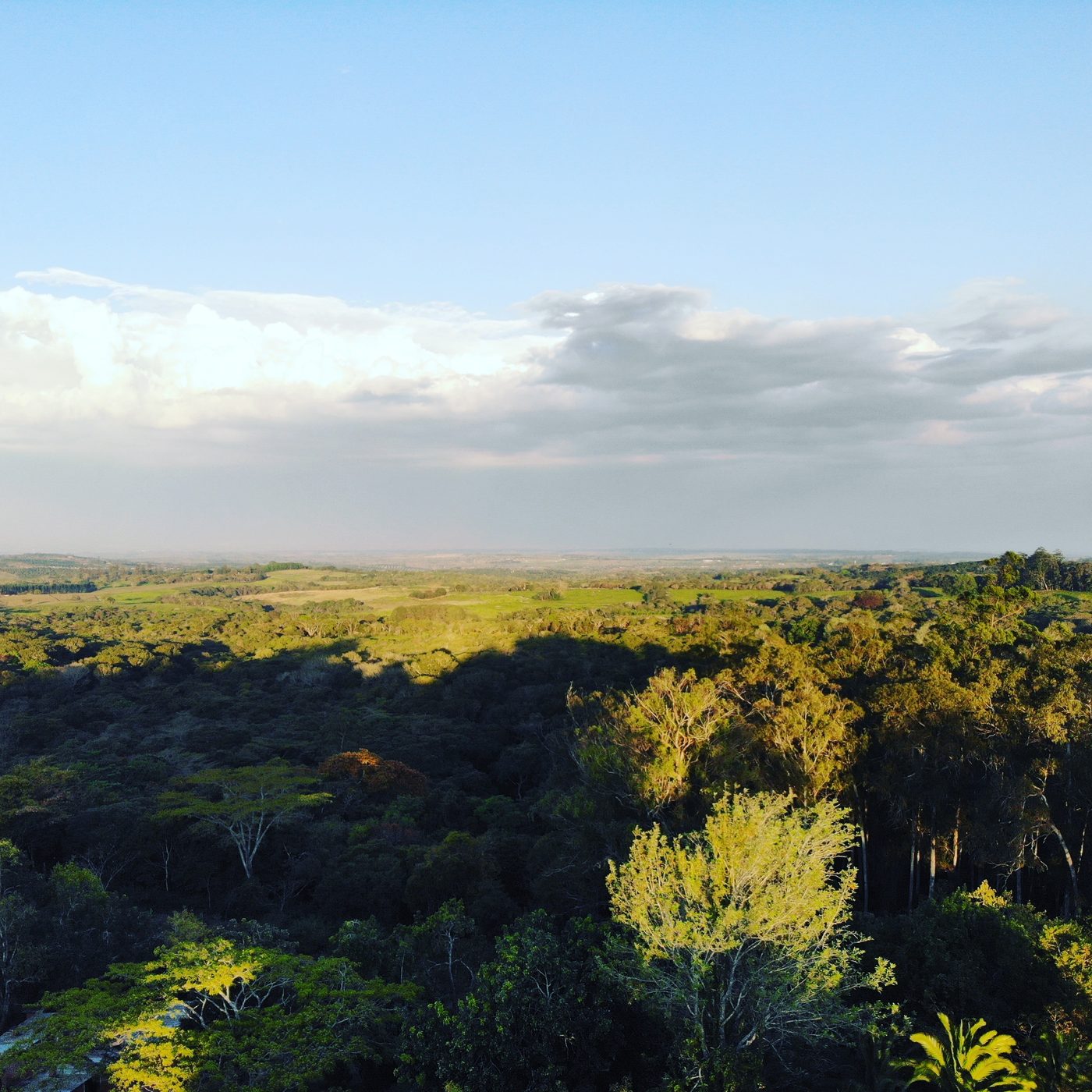
The route is straightforward: head west out of Mulanje town on the M2, follow the road through the tea belt, and turn off at Thyolo. The landscape changes character around halfway — the granite-and-pineapple country of Mulanje gives way to the deep green corduroy of tea bushes climbing every contour, with msuku trees and miombo woodland filling the higher ground. It's a softer landscape, and after five days of stone and sky, that softness is part of the medicine.
Practical notes for the drive:
- Start the day with electrolytes, not coffee. Coffee on top of dehydration after a long descent is a recipe for the headache nobody wants.
- Stop in Mulanje town for fuel and a slow snack. A samosa and a Coke from a roadside stall is, surprisingly, decent recovery food at this stage — sodium, sugar, fat, calories.
- Don't try to drive yourself if you're solo and exhausted. Hire a driver from one of the lodges in Mulanje town for the leg out. Falling asleep at the wheel after the Mulanje Grand Traverse is a real and recurring risk.
- The estate is signposted off the main road in Thyolo. WhatsApp ahead and someone will guide you in if the rains have changed the road condition.
Garden-to-Table at the Thyolo Highlands: How Flavia's Kitchen Rebuilds You
The Thyolo Highlands has been working land in Thyolo since the 1920s, and the family kitchen has been quietly Italian the whole time. Flavia Conforzi — the Italian-Malawian artist who runs The Thyolo House — cooks the food she grew up eating, with vegetables walked in from the house garden and protein sourced as locally as possible. The result is recovery cuisine without anyone calling it that.
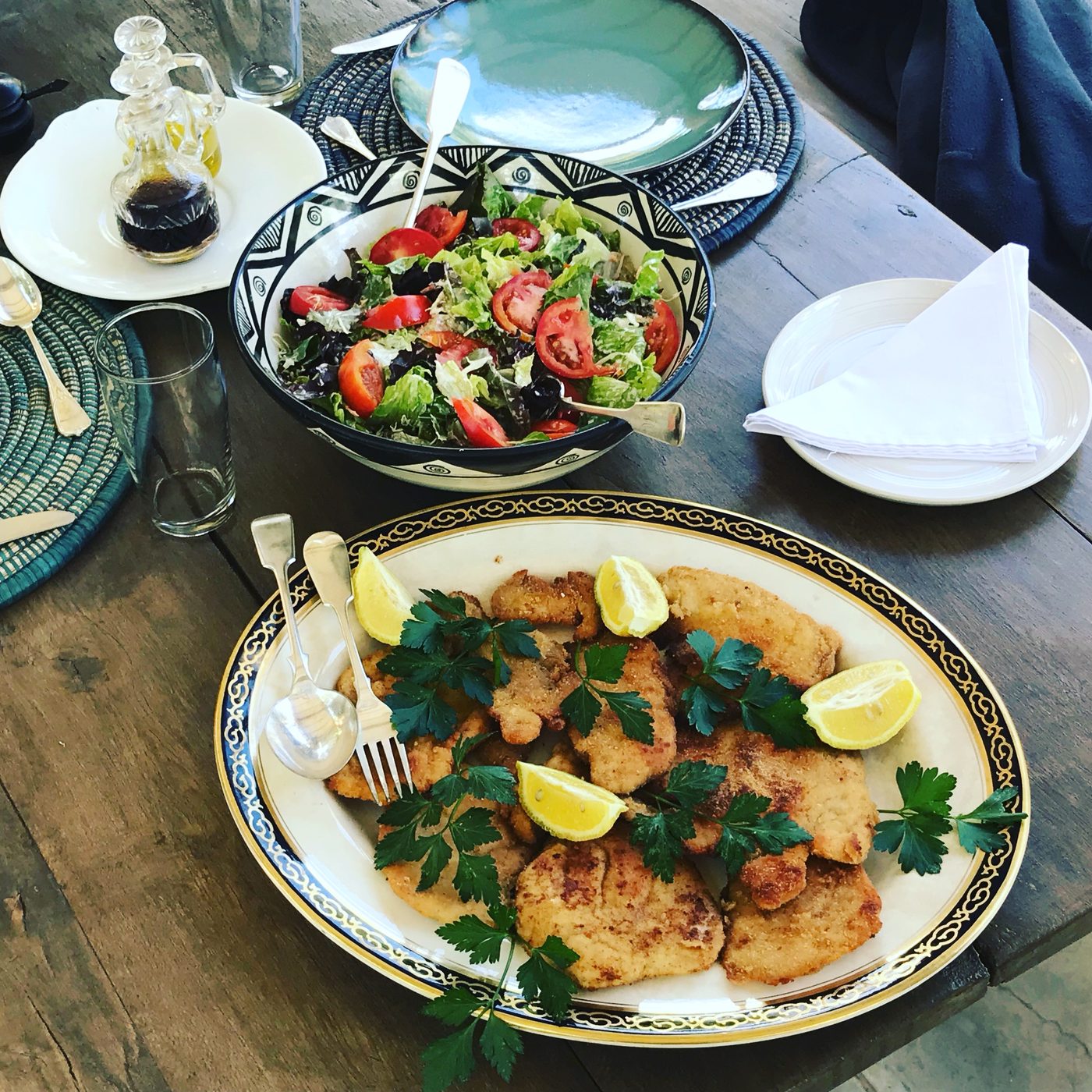
A typical first dinner after the Mulanje Grand Traverse looks something like this: a small antipasto of garden-grown tomatoes with anchovy and good olive oil, then handmade tagliatelle with a slow ragù or a wild mushroom sauce depending on what came out of the forest that morning, then a piece of pork or fish with a green vegetable that wasn't on a truck for three days. Bread is baked on site. Wine is optional but the cellar leans Italian. Dessert is small and serious — often something with seasonal fruit from the house garden.
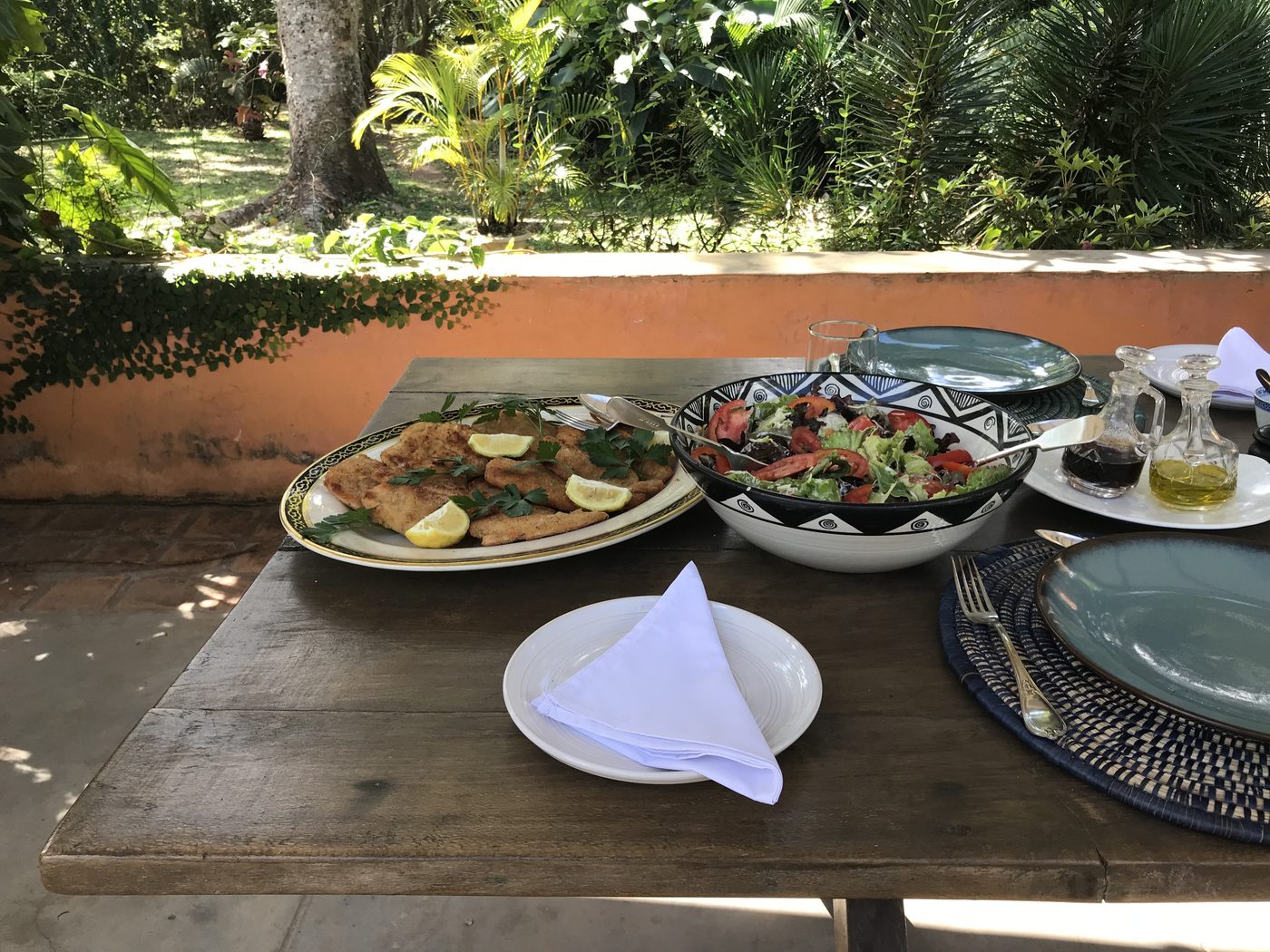
What makes the kitchen specifically suited to post-traverse recovery, beyond the menu, is the pace. Service is slow in the right sense — courses come when they're ready, the verandah opens onto the gardens, and you're encouraged to sit with each plate rather than push through it. After five days of eating standing up in cold huts, that pacing is half the medicine. We dig deeper into Conforzi history, and the way the kitchen evolved out of it, in the story of the Thyolo Highlands.
A Slow Day After: highland forests, the Pool, and the Art Studio
The most useful day after the Mulanje Grand Traverse is the one with no driving on it. Stay a second night. Your body will use it.
Mornings in the highlands are quiet. The recommended sequence is something like: wake up late, eat a long breakfast on the verandah (eggs from estate hens, fresh fruit, proper coffee, tea picked half a kilometre away), then walk — slowly — through the tea bushes. The plantation paths are flat to gently undulating, which is exactly what wrecked legs need. Capillary blood flow goes up, lactic acid clears, and you're in the same green-on-green corduroy you were looking down at from Sapitwa two days earlier.
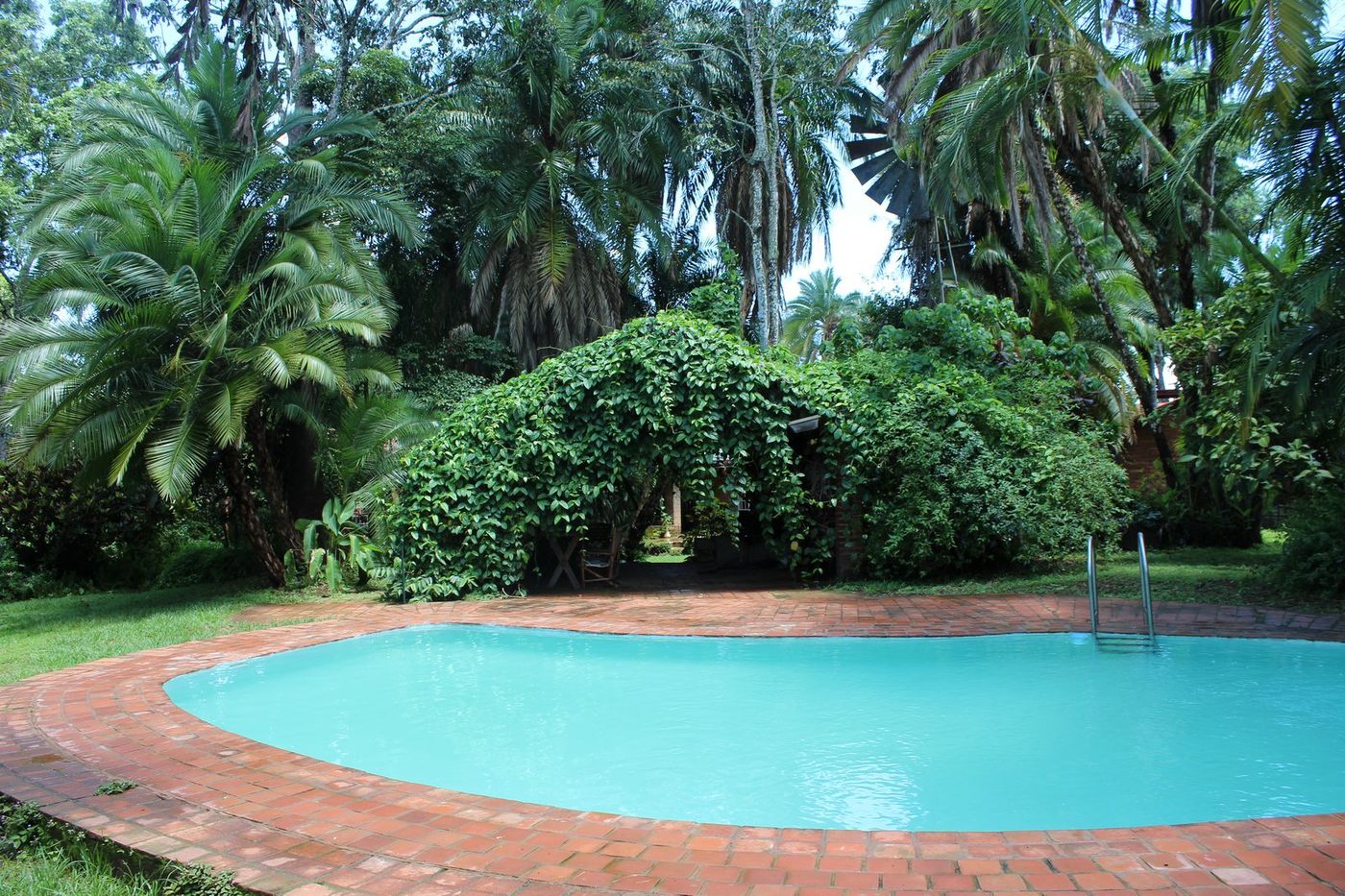
The pool is the next stop. Cold-water immersion is the most evidence-backed recovery intervention there is for delayed-onset muscle soreness, and the pool at The Thyolo House sits at a temperature that genuinely helps without shocking the system. Twenty minutes in and out, then a long lunch.
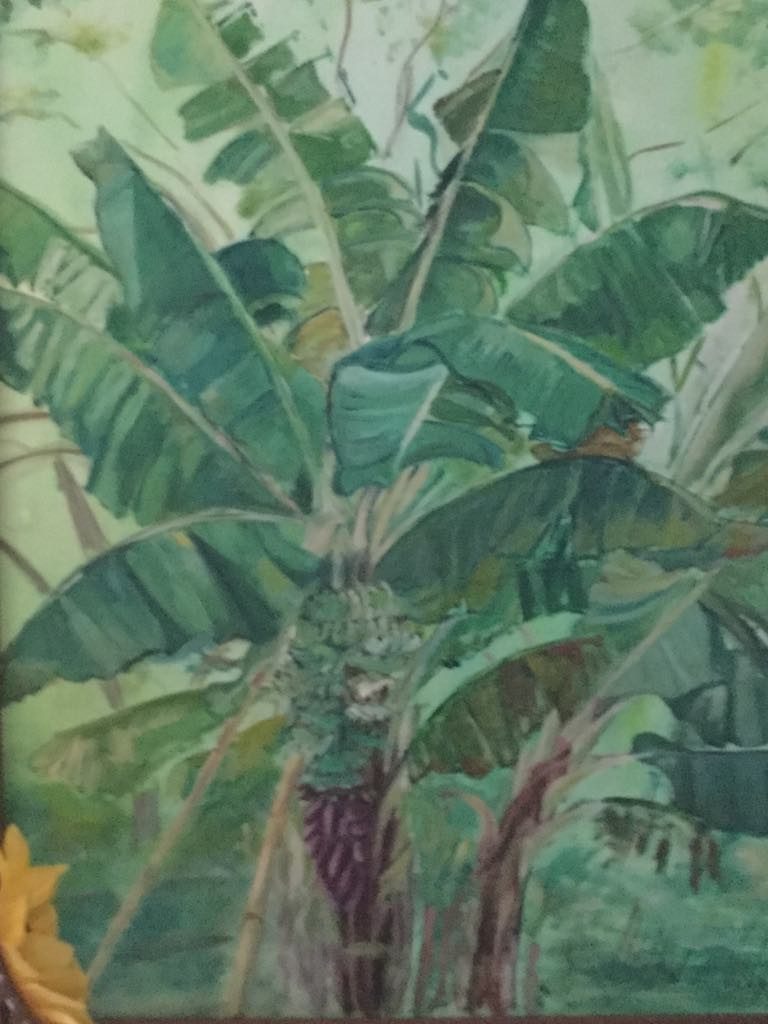
The afternoon is for the indigenous highland forest at the edge of the estate, or for time in Flavia's art studio if she's running a workshop. Painting after a hard physical effort is a strangely effective decompression — different muscles, different attention, same kind of slow concentration the mountain asked for. Or simply read on the verandah. The point of the second day is to do less, not more.
Practical Notes — When to Traverse, Where to Stage, How to Book the Recovery Stay
When to do the Mulanje Grand Traverse. The drier months — May through October — are the standard window. June and July are coldest, with frost on the plateau and exceptional clarity. September and October are warmer but Sapitwa days can be hazy with the dry-season burn smoke. Trip reports from October 2025 confirm the route is in good condition. No fixed event dates have been published for 2025 or 2026, so contact Eagle's Eye Malawi or Realworld Adventures directly to book a guided traverse.
Fees and logistics. Hut fees on the mountain run around K1,000 per person per night, payable at Likhubula Forest Tourism, with a hut watchman tip of around 500 MK per person per night. Parking at Likhubula is around K2,000 per day. Verify rates locally before you go — these have moved with the kwacha.
UNESCO context. The Mulanje Cultural Landscape was inscribed as a UNESCO World Heritage Site in July 2025, which has changed the conversation around the mountain considerably. There's also active campaigning against a proposed mine on the massif — the "Hands Off Mulanje!" effort, which the Mount Mulanje Conservation Trust is supporting alongside its $30 million hydropower plan for surrounding villages. Worth knowing as context for the place you've just walked across.
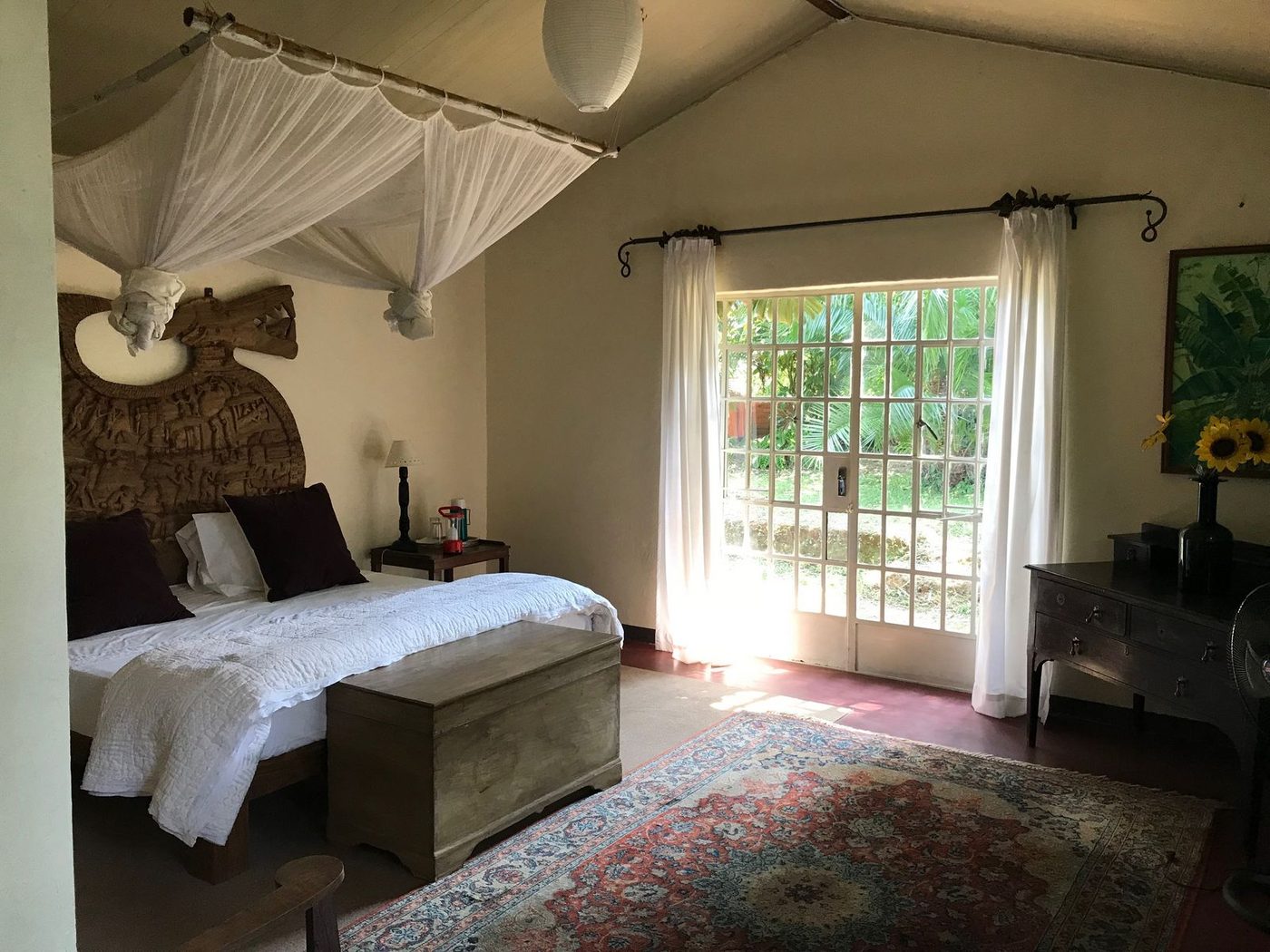
Where to stage the recovery. The Thyolo House is a five-room boutique hotel on a historic property that was once part of the Conforzi Tea Estate, 90 minutes from the Likhubula trailhead, 20 minutes from Limbe, 40 minutes from Blantyre, and four hours from Lake Malawi if you're continuing north. We typically suggest two nights: the first for the long dinner and the long sleep, the second for the slow day. If you're booking around a planned Mulanje Grand Traverse departure, message us early — five rooms fills up quickly in the dry season.
How to book. The fastest way is to message us on WhatsApp at +265 884 202 040, or email thethyolohouse@gmail.com. Tell us your traverse dates and we'll hold a recovery window around them. If you want to see the rooms first, browse the boutique rooms — the Pool Cottage and the Heritage Suite are the two most-asked-for after a long trek.
The mountain gives you something nothing else does. The recovery is what lets you keep it.