/ By The Thyolo House
Southern Malawi Travel: A Tea Country Host's Rainy-Day Route
A journal from a boutique lodge in the Thyolo highlands. These are notes from our corner of Malawi — places we love, walks we've done ourselves, operators we've watched do good work. The mountain treks, tea-estate tours, and day trips are all run by independent operators in Malawi; book those directly with them. Come stay with us before or after — we'll do the room, the meal, and the quiet.
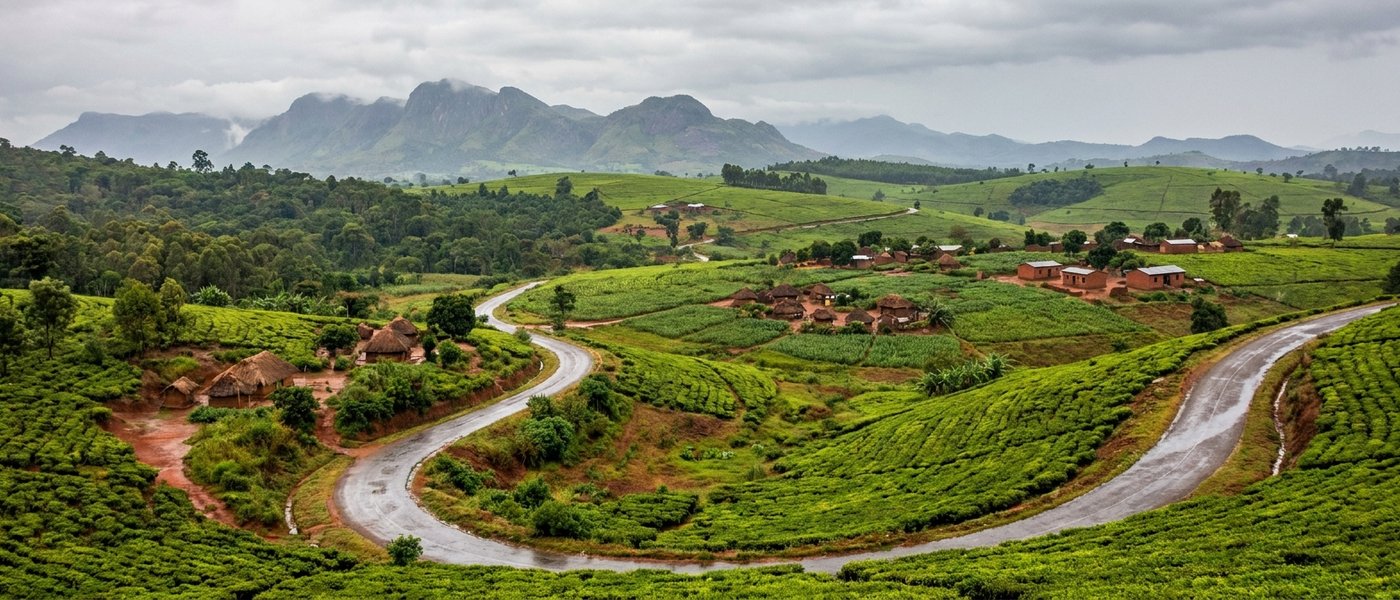
Southern Malawi travel is often sold on its blue-sky days — the Lake Malawi panoramas, the long views from Sapitwa Peak, the bougainvillea-bright tea estates of Thyolo. But anyone who has lived in this region for more than a season knows the truth: the rain is part of the deal. A grey morning at the foot of Mount Mulanje, mist sitting low over the Conforzi rows, and the smell of wet eucalyptus drifting through the open windows of the estate — that is also Southern Malawi. And it is, quietly, one of the best versions of it.
This guide is written from Thyolo, where rainy mornings often change the shape of a visit. the route doesn't disappear when the rain starts. It just changes shape. This guide suggests a slow, deliberate way to think about Thyolo, Mulanje, and Blantyre when the weather changes. It is editorial guidance only; any external activity must be arranged directly with the relevant operator.
Why a Rainy Day in Southern Malawi Isn't a Lost Day
The first thing to understand about Southern Malawi travel is that the region was built for indoor-outdoor living. The roads between attractions are short. Blantyre is about forty minutes from Thyolo. Limbe is about twenty. Mulanje town is about an hour. Even Liwonde National Park, with its riverboat safaris on the Shire, is reachable for an independent visit if you start early. The whole geography is forgiving of weather, because nothing is more than a couple of hours away, and most things have a covered alternative.
The second thing to understand is that rainy season in this region — typically late November through March, with shoulder showers either side — doesn't usually mean all-day downpours. It means dramatic morning skies, hard short bursts, and afternoons that often clear into the gold light photographers chase. A rainy day in Thyolo is rarely a wet day from sunrise to sundown. It is a day to plan around the weather, not against it.
For tea estates specifically, rain is actually the engine. The Thyolo and Mulanje plantations exist because the highlands trap moisture coming off the Mozambique Channel. When it rains here, you are watching the system that made the landscape possible. That reframe alone tends to settle nervous guests.
Morning: Slow Coffee and Independent Tea-Country Visits
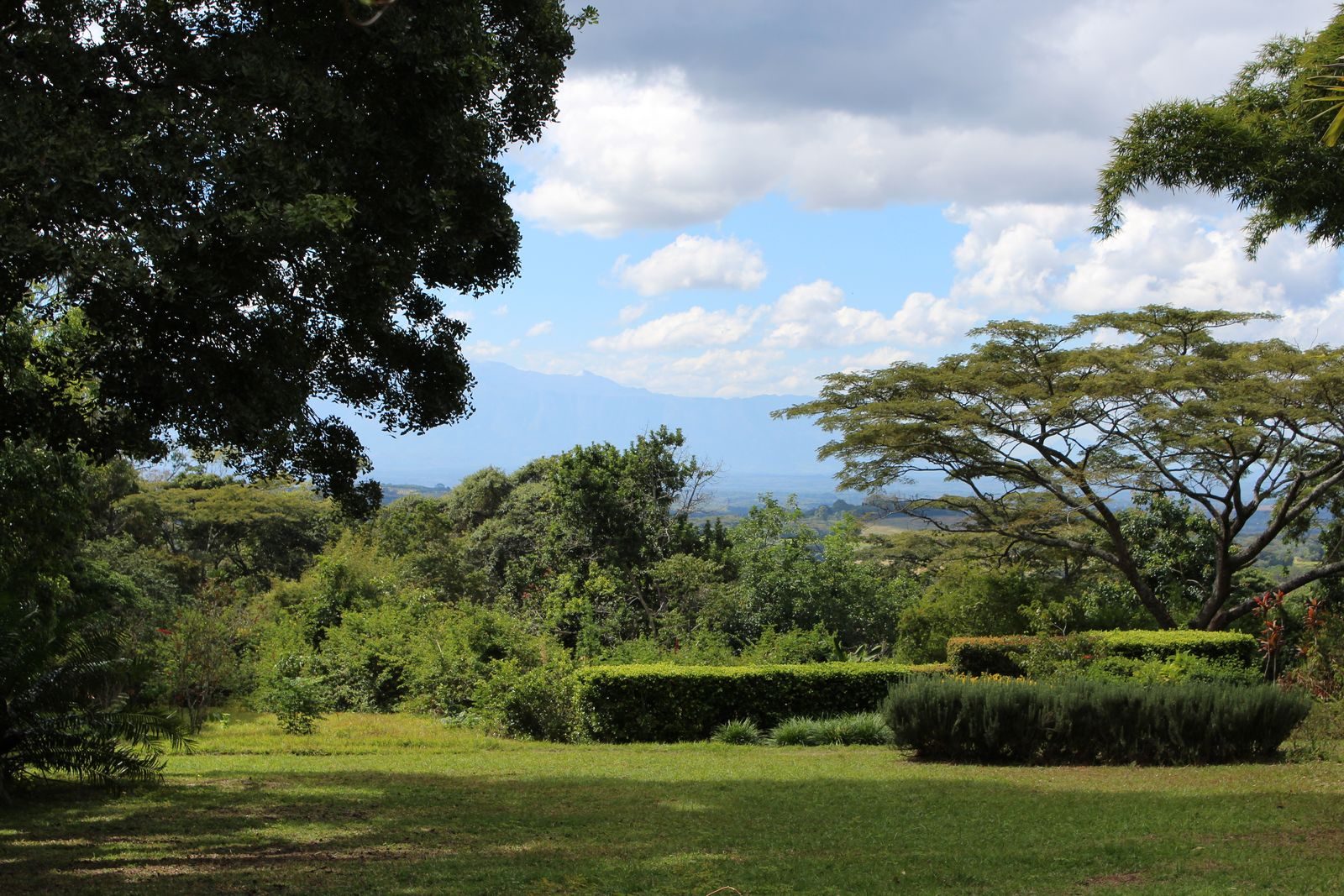
Start late. This is the part of Southern Malawi travel that rushed itineraries get wrong. On a rainy morning, the best move is to drink your coffee on a covered verandah, watch the mist roll between the tea rows, and let the first weather pass. A covered verandah, a slow coffee, and a clear view of the weather are often better than rushing into the road too early.
If you want to visit a tea factory or estate, contact that estate directly before travelling. Thyolo and Mulanje are working agricultural districts, and access changes with season, staffing, weather, and farm operations. The Thyolo House does not provide, organize, or arrange tea factory visits arranged directly with the estate, tea-tasting activities, tea-walk activities, third-party tea-estate visits, third-party field access, third-party factory access, third-party estate access, guides, drivers, or third-party activities.
A Note on Timing
Tea factory activity peaks during the picking season, which broadly runs October through May, with the heaviest plucking in the warm wet months. A rainy-season visit is not a downgrade — it is often when the factory is busiest. Off-season tours still happen, but you'll see less actual processing. Call ahead either way.
Midday: Indoor Lunches Worth the Drive — Limbe, Blantyre, and the Estate Kitchen
By midday, you will have done one of two things: stayed in the highlands and built up an appetite, or driven down towards Limbe and Blantyre with the rain on the windscreen. Both are valid rainy-day routes. Let me explain when to choose each.
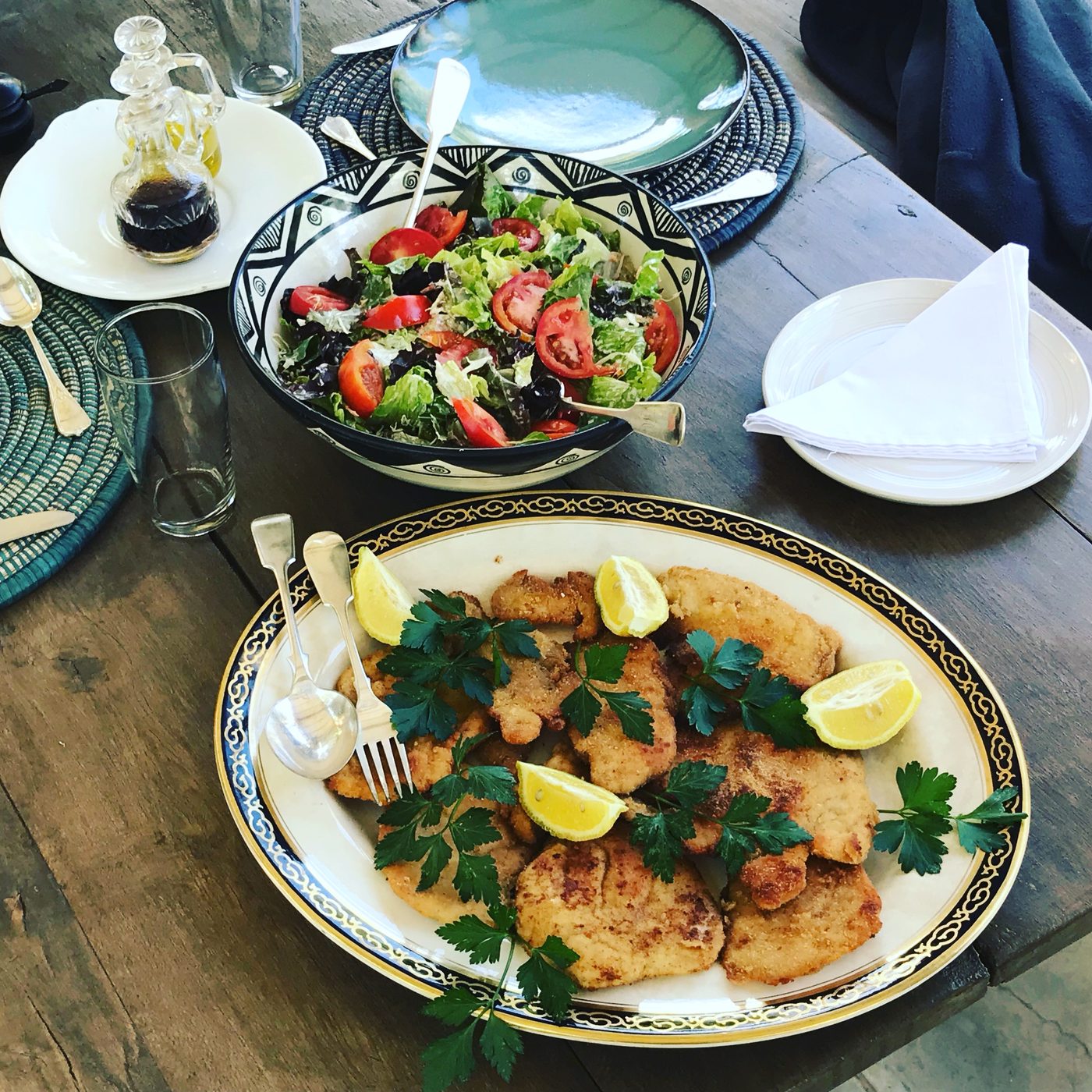
If the rain is steady and the visibility is poor, don't drive. Southern Malawi's main M2 road to Blantyre is in good condition, but rural side roads in the tea districts can be slick red clay, and the descent off the Thyolo escarpment is steep enough that I never recommend it in heavy weather. Stay in the highlands. the kitchen at The Thyolo House is run by Flavia Conforzi, who is Italian-Malawian and a working artist, and the menu is genuinely fusion — garden-grown vegetables, estate herbs, slow-cooked ragù, fresh pasta, and the occasional cotoletta that surprises people who weren't expecting Milan in the middle of Thyolo. For more on why the food works this far from Europe, see the tea-country kitchen guide.
If the rain is intermittent and the road feels safe, Blantyre and Limbe both reward the drive. Limbe is about twenty minutes from Thyolo, Blantyre about forty. Both cities have decent indoor lunch options — a handful of Indian restaurants in Limbe with long, lingering thali menus that suit a wet afternoon, and several cafés in Blantyre's Mount Pleasant and Mandala neighbourhoods that do good coffee and proper bowls of soup. The drive itself, on the rare cleared stretches, gives you sweeping views back up to the Thyolo escarpment and out towards the Shire Valley. If you are planning a longer Blantyre-based visit, pair this rainy-day route with the weekend escape from Blantyre to Thyolo House guide — the two work well together.
Afternoon: independently arranged forest visits, Art Workshops, and the Mulanje Mist
This is the section of Southern Malawi travel where rainy-day visitors are most often pleasantly surprised. The afternoon is when the weather usually softens — not always, but often — and the indigenous forest above the tea rows comes alive. The Thyolo highlands has a stretch of original Afromontane forest, the kind that used to cover much of the Thyolo highlands before plantation agriculture took over. Walking through it after rain, when the leaf litter is dark and the air is dense with mineral smell, is one of the best things on offer here. At The Thyolo House, guests can enjoy the gardens, pool, restaurant, and quiet highland setting; any off-property independently arranged forest visits or external activities should be confirmed directly with the relevant operator.
Mulanje on a Cloudy Day
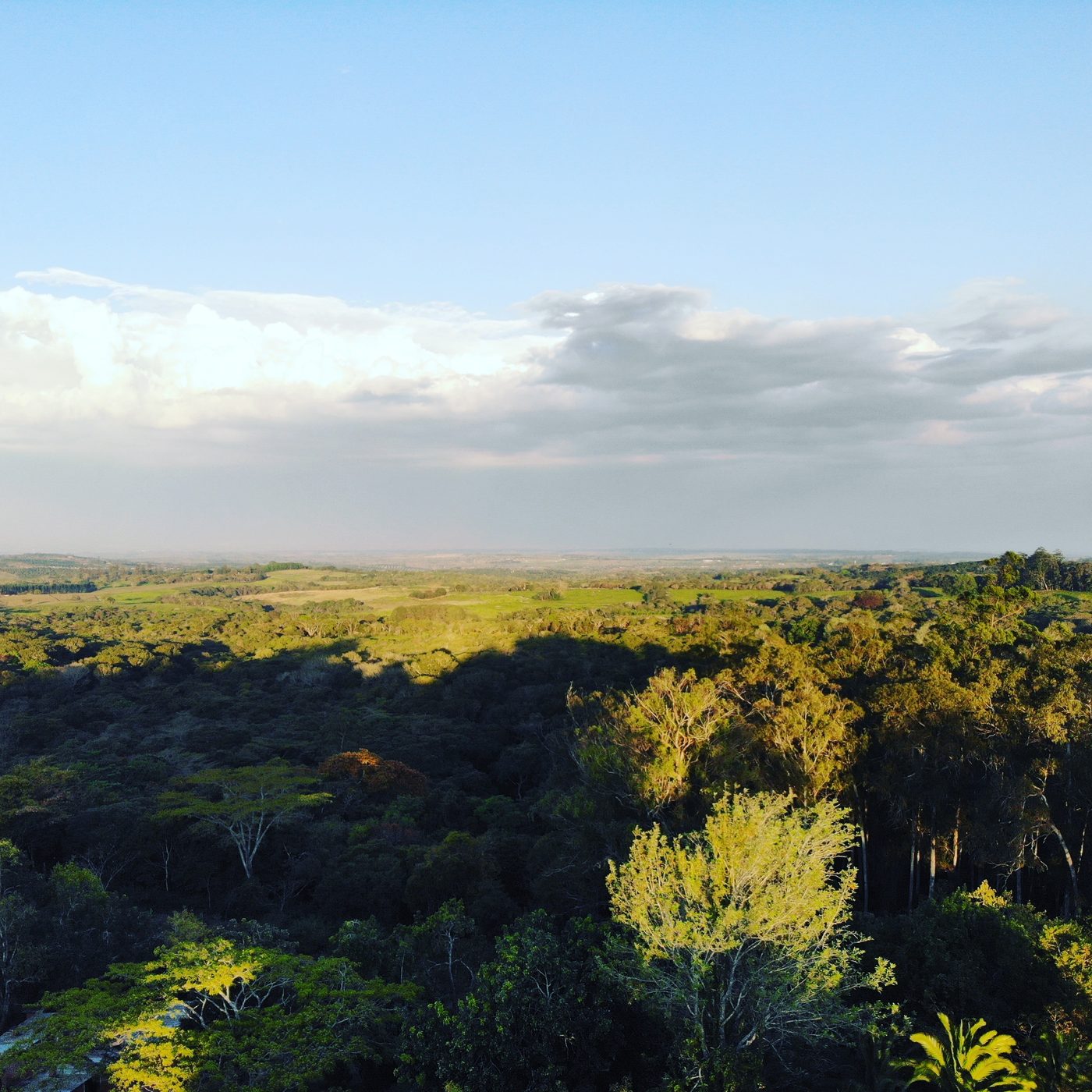
Mount Mulanje deserves its own paragraph here, because it is the gravitational centre of Southern Malawi travel and was designated a UNESCO World Heritage Site in 2025 as a Cultural Landscape — recognition of both its biodiversity and the spiritual significance the mountain holds for the surrounding communities. Hikers planning a summit attempt of Sapitwa Peak, at 3,002 metres, will normally aim for the May–August dry window, sleeping in the Mountain Club of Malawi huts at Chinzama, Sombani, Minunu, Tuchila, Chombe, or Lychenya.
On a rainy day, the high routes are out. But the lower slopes are not. The forestry station at Likhubula offers short walks to waterfall pools that are at their most spectacular in wet weather. Several outfitters — Trek Mulanje among them — run guided village walks at the base of the mountain that don't require you to climb above the cloud line. New multi-day products like the Mulanje–Zomba Highlands Adventure are starting to formalise routes that connect both highland regions, and the operators are increasingly experienced at adjusting itineraries for weather.
Art Workshops in the highlands
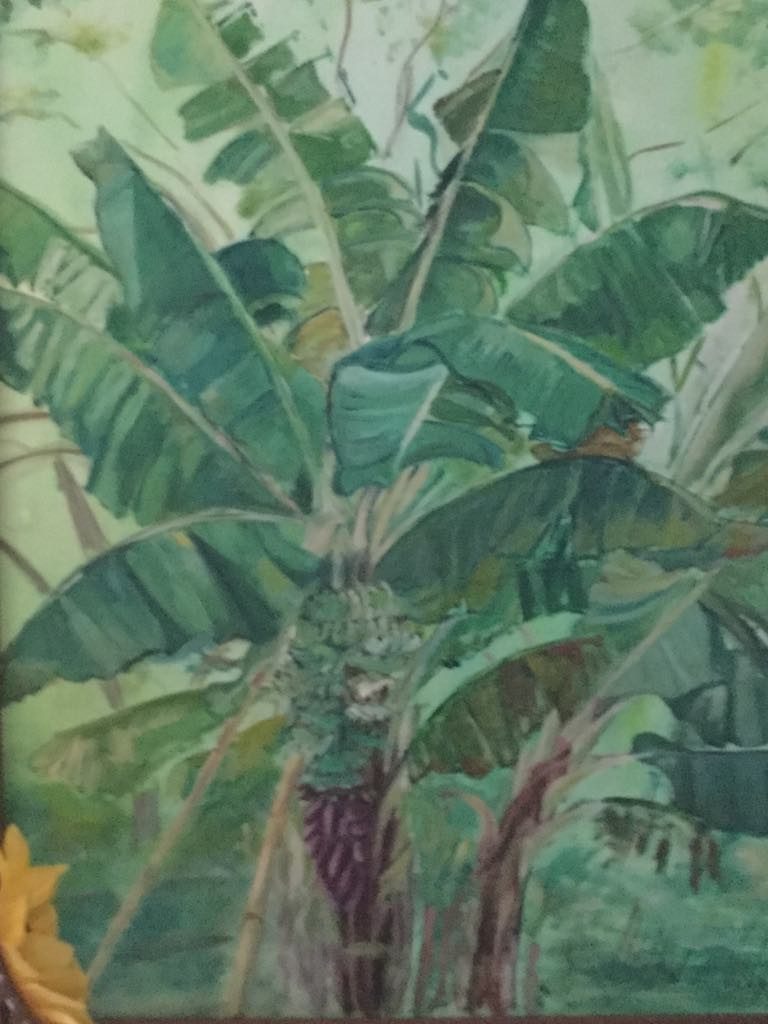
If driving feels like too much, the other afternoon option is to stay in. Flavia runs occasional art workshops in the highlands when guests are interested — painting and mixed-media sessions inspired by the surrounding landscape. These tend to happen organically rather than on a fixed schedule, but a rainy afternoon is the perfect excuse to ask. The studio space is warm, the light is unexpectedly good on cloudy days, and you'll come away with something that has the estate baked into it.
Evening: Fireside Dinners and Where to Sleep Dry
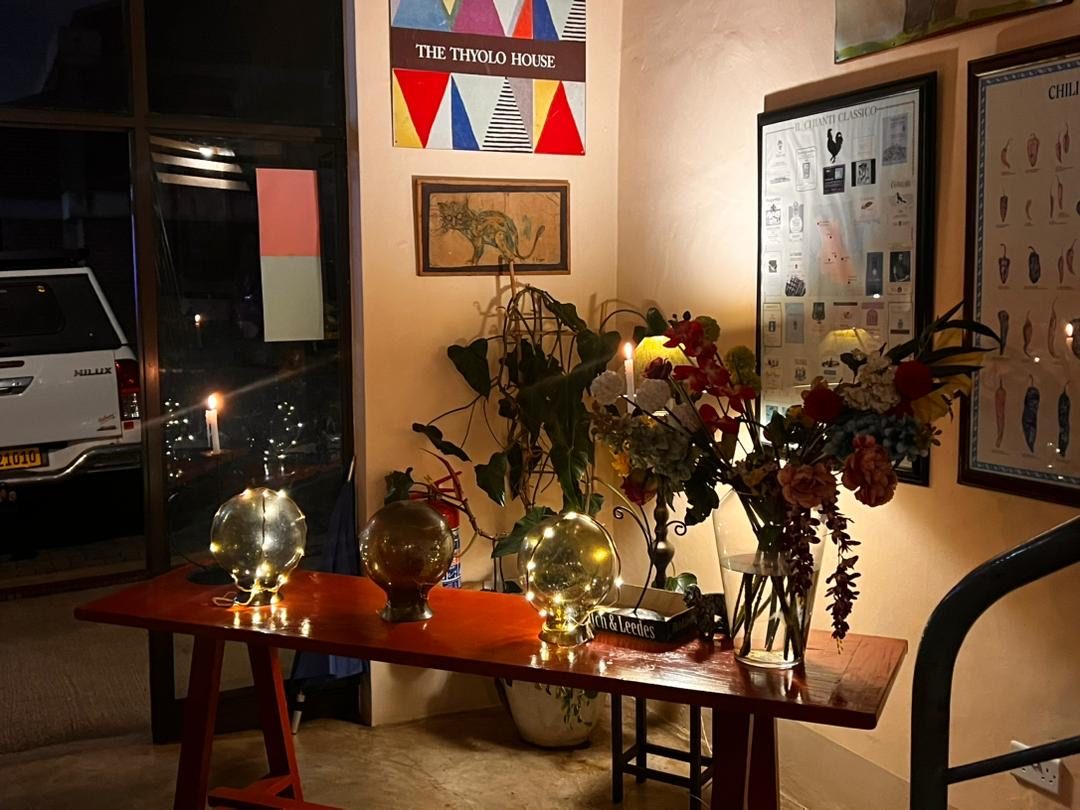
By the time the light starts to go — and on rainy days in this region it goes early, usually by half past five — the question is where you are sleeping. Southern Malawi has more good lodging than people expect, and the rainy day actually narrows the field helpfully. You want somewhere with a real roof, a fire, proper indoor dining, and ideally a covered way to get between your room and the restaurant without getting soaked. Most travellers underestimate how much that last detail matters until they need it.
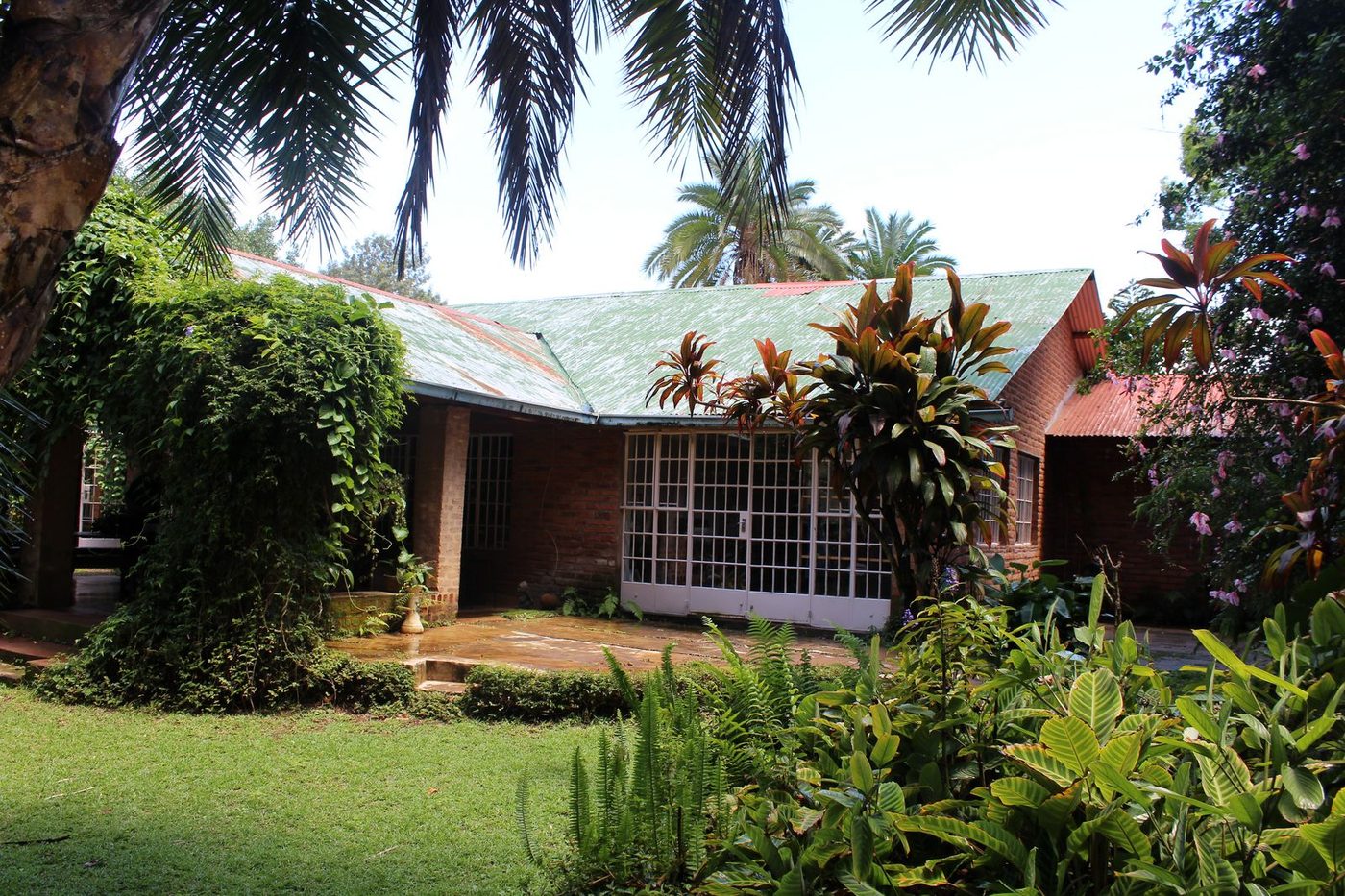
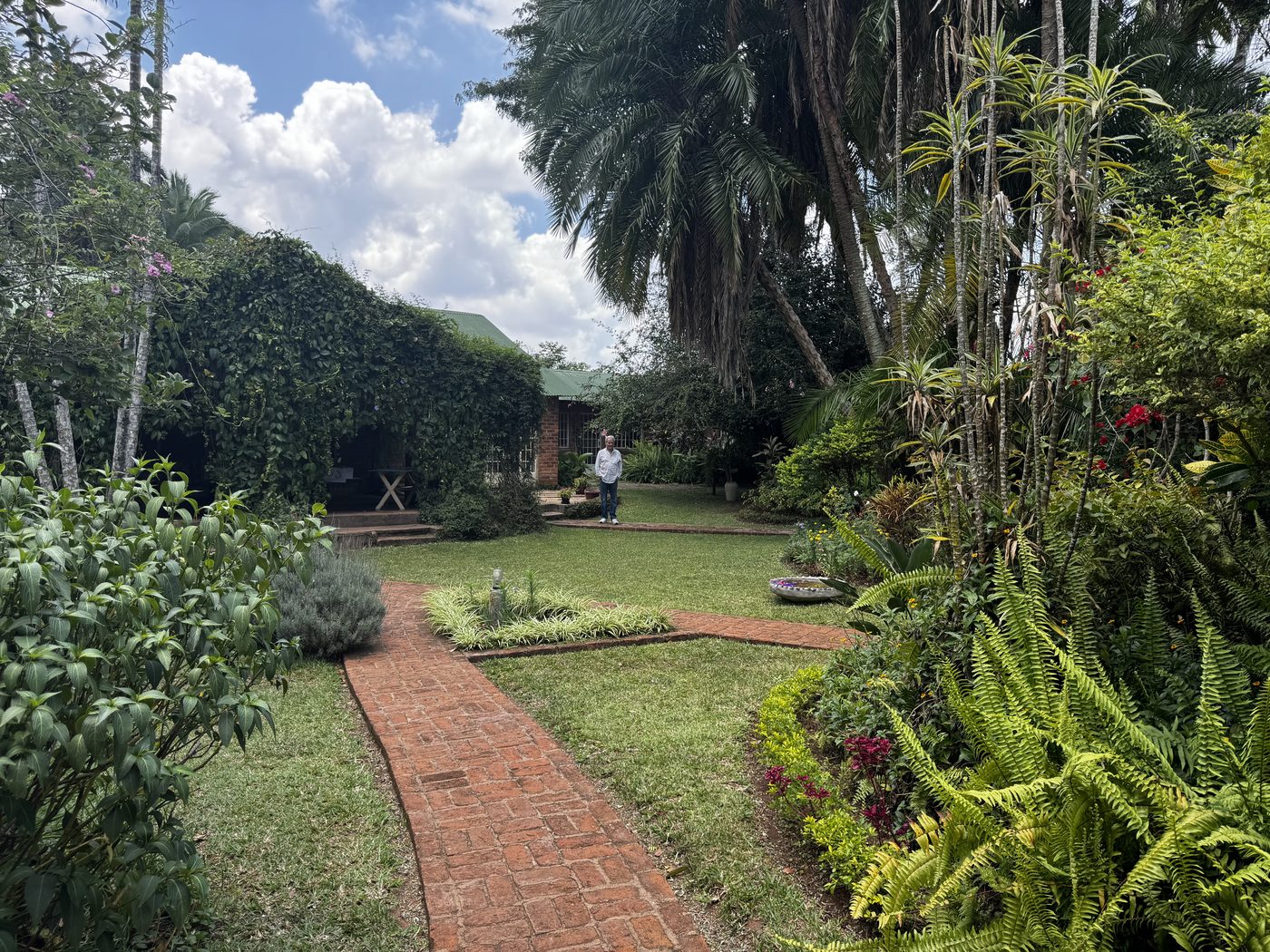
On the tea estates themselves, your main options are the cluster of lodges directly on plantations. The Thyolo House is, as far as I know, the only boutique lodge sitting directly on a Thyolo tea country, with five rooms and a restaurant that operates year-round. Huntingdon House and Chawani Bungalow, both on the neighbouring Satemwa Estate, are also good — Huntingdon for its colonial heritage, Chawani for its family-friendly setup on the slopes of Thyolo Mountain in subtropical rainforest. In Mulanje, the lodging is simpler — estate guesthouses and a handful of climbing-oriented places near Likhubula.
Dinner on a rainy night should be slow. At The Thyolo House, dinner is usually a slow single-seating affair. The menu rotates with what the garden is producing and what the weather has allowed us to bring up from Limbe market, but there is almost always a pasta, almost always a fish or pork option (the local pork is excellent), and almost always a vegetable plate that is the most underrated thing on the table. For rooms or restaurant bookings at The Thyolo House, message us on WhatsApp. External routes, drivers, guides, tea visits, and activities must be arranged directly with the relevant operators.
Practical Notes — Roads, Timing, and What to Pack
A few last things, because Southern Malawi travel in the rainy season rewards preparation more than the dry season does.
Roads and Driving
- The M2 from Blantyre to Thyolo to Mulanje is tarred and in good condition. Drive it confidently.
- Side roads onto estates can be red clay and slick. A standard sedan will manage in dry weather; in heavy rain, allow extra time and drive in a low gear.
- The descent off the Thyolo escarpment towards the Shire Valley is steep. In heavy rain, postpone or take it slow.
- If you would rather not drive, book transfers directly with a transport provider before travelling.
Timing the visit
- Best overall window for Southern Malawi travel: May to August — cool, dry, clear views.
- Best window for tea country visits: May to October, with daytime temperatures roughly 18–33°C.
- Best window for Mulanje hiking: dry season May–August, particularly for Sapitwa Peak attempts.
- Rainy season (late November to March) is lush, dramatic, and quieter — and the route in this guide was designed for it.
Packing for Rain
- A waterproof shell, not just an umbrella. Wind comes with the rain in the highlands.
- Closed-toe shoes with grip. Estate paths get slippery.
- A warm layer for evenings — Thyolo elevation drops the temperature more than people expect after sundown.
- A dry bag or zip-loc for your phone and passport when you're moving between buildings.
- Patience. The route only works if you let the weather lead.
One Final Thought
The rainy day version of Southern Malawi travel is, if anything, more honest than the postcard version. You see the tea country doing what it actually does. You drink better coffee because you are sitting longer. You eat slower because there is nowhere to rush to. And you'll be in good company — many wet-season visitors in the wet season have left saying it was the visit they didn't know they were planning.
For rooms, restaurant bookings, gardens, pool access, and any on-site art workshop availability at The Thyolo House, message us on WhatsApp or email thethyolohouse@gmail.com. External routes, drivers, guides, tea visits, and activities must be arranged directly with the relevant operators.