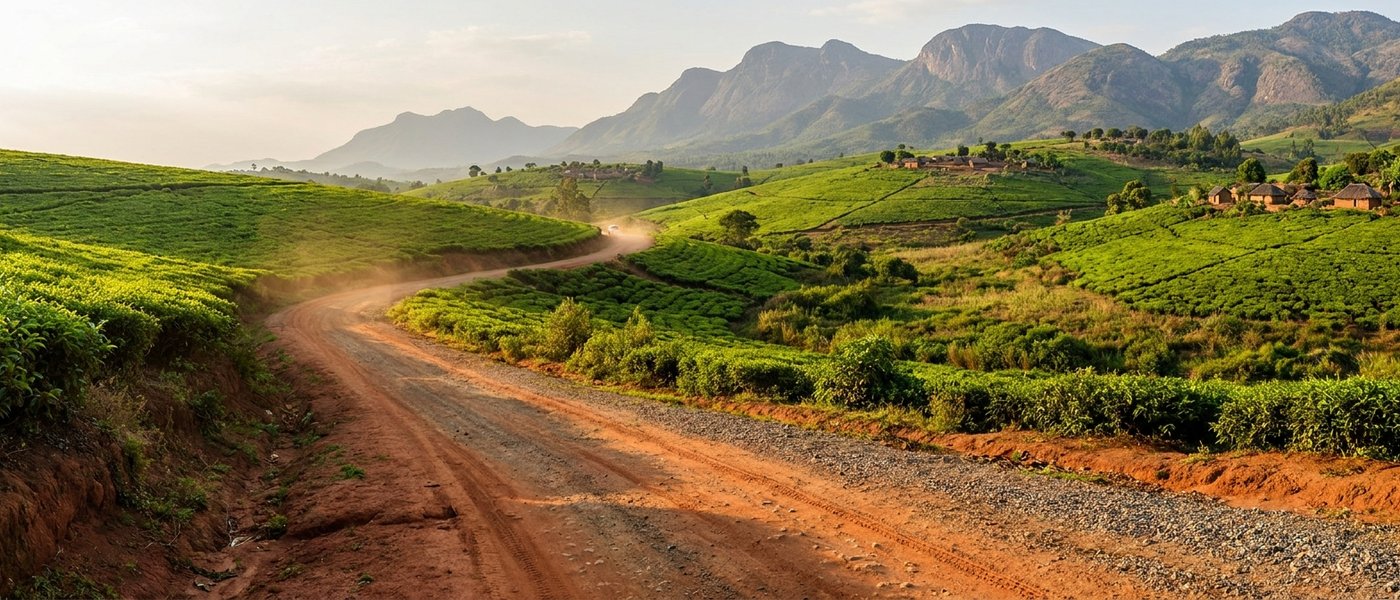
/ By The Thyolo House
Tourist Travel Malawi: A Tea Country Host's Seasonal Calendar
A journal from a boutique lodge in the Thyolo highlands. These are notes from our corner of Malawi — places we love, walks we've done ourselves, operators we've watched do good work. The mountain treks, tea-estate tours, and day trips are all run by independent operators in Malawi; book those directly with them. Come stay with us before or after — we'll do the room, the meal, and the quiet.
If you spend a year on a tea country in Thyolo, you stop thinking about tourist travel Malawi as a single trip with a single best month. You start thinking in moods. The mountain has its own calendar. The garden has another. The lake breathes on a third. And the kitchen, which is where I tend to end up most evenings at The Thyolo House, follows whatever the soil has just delivered that week. This guide is the seasonal map I wish someone had handed me before my first Malawian year — written from the verandah, with the cedar smoke of Mulanje on the horizon and a notebook full of arrivals and departures.
Malawi is a small country with outsized variety. In a single week of tourist travel Malawi, you can wake to mist over tea rows in Thyolo, lunch beside Lake Malawi's freshwater shimmer, and sleep at the foot of a UNESCO-listed massif that was inscribed on the World Heritage List on 11 July 2025. The trick is knowing which week to come, and what that week is actually like once you're standing in it.
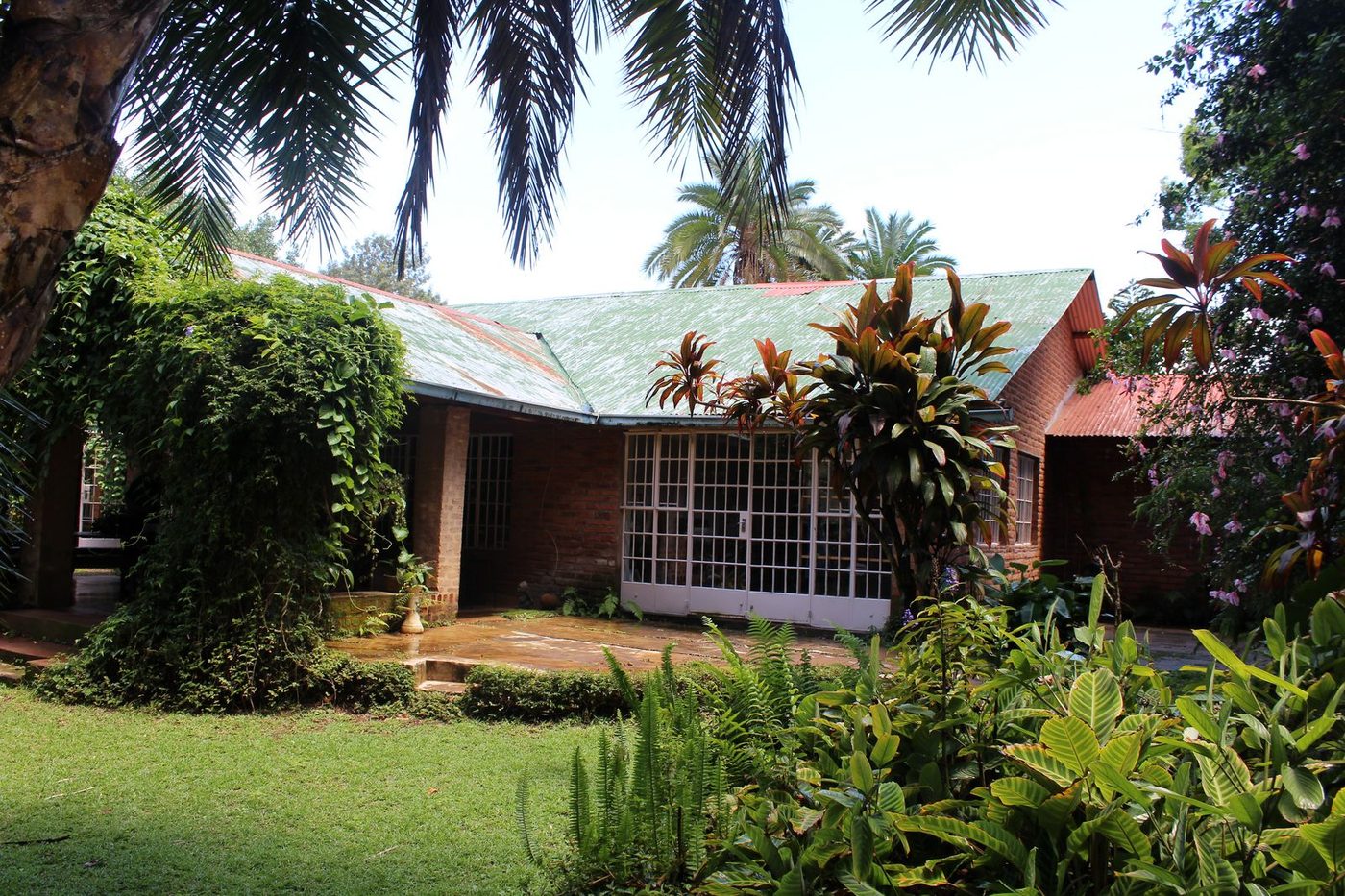
Why 'Dry vs Wet' Is the Wrong Way to Plan Tourist Travel in Malawi
Most travel guides hand you a binary: dry season May to October, green season November to April, pick one. It's not wrong, exactly, but it's the same as telling someone Italy has summer and winter and leaving it there. The country runs through at least four distinct moods, and the southern highlands — where Thyolo, Mulanje and Zomba sit — behave differently from the Lake Malawi shoreline four hours north.
At roughly 900 metres of elevation, the Thyolo Highlands is cooler than the lake and wetter than the rift floor. Our rainfall comes in two bursts: the proper wet season from late November through March, and the lighter chiperone drizzle that sweeps off Mulanje from May to July. Each one shapes what you can do, what's flowering, and what's on the menu.
For a fuller breakdown of climate by region, our companion piece on the best time to visit Malawi goes month by month with temperature ranges. What follows here is the lived version — what each season actually feels like on a tea country, and what I tell guests when they ask whether they've come at the right time.
May to July — The Cool, Clear Months (and Why the Estate Wakes Early)
If you are a first-time visitor and you can choose any window, this is the one I would push you toward. The rains have stopped. The dust hasn't started. Mulanje is sharp on the horizon and you can see the cedar line. Mornings in the highlands sit around 12–14°C, afternoons climb to a forgiving 22–24°C, and the sky is the colour you remember from childhood.
The tea pluckers start before dawn in these months, and if you take an early walk through the rows you'll see them moving in lines, baskets on their backs, mist still pooling in the dips. By eight the sun has burnt it off and the whole estate goes gold. This is the cool, clear window — the one that makes you understand why the British planted tea here in the 1890s and never quite left.
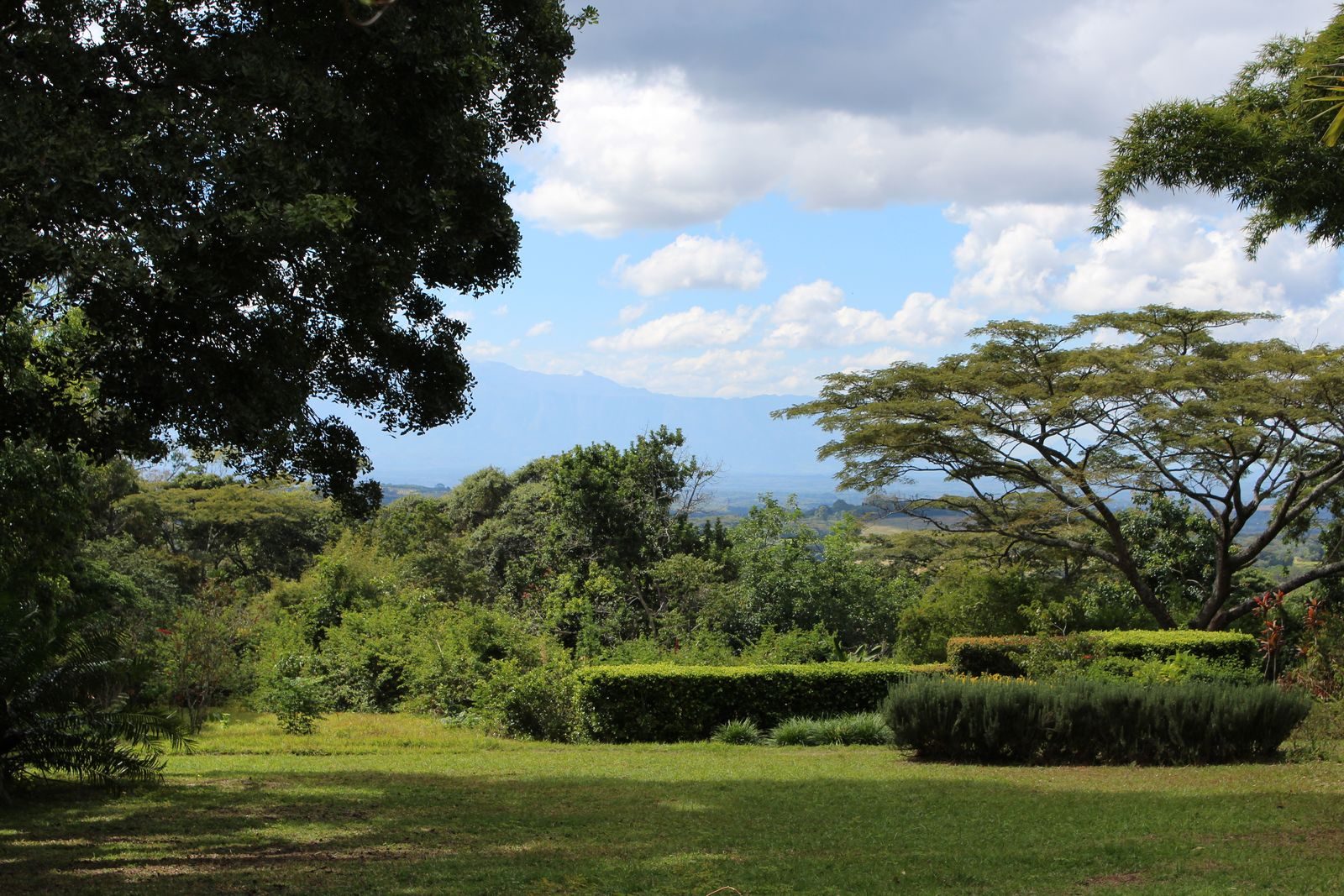
A few practical notes for this window:
- Pack layers. A fleece for mornings, sun shirt for noon, light jacket for evenings on the verandah. Lake Malawi will still be 24–26°C in the water — bring a swimsuit even if you're highland-bound.
- Mulanje hiking is excellent. Streams are still running from the wet season, the cedar plateau is accessible, and you won't be sweating into your eyes the way you would in October. The new Mulanje–Zomba Highlands Adventure from Trek Mulanje launches in 2026 and combines the two ranges over several days — worth contacting them directly for dates.
- Mosquito pressure is low at our elevation, though malaria prophylaxis is still required country-wide. Dengue is also present nationally — repellent at dusk is a sensible habit.
The estate restaurant in this window leans toward what Flavia calls "the slow plates" — long-braised lamb shoulder, ribollita-style soups with kale from the garden, pasta with the last of the autumn pumpkin. It's the kind of food that asks for a fire and a second glass.
August to October — Dry, Golden, and the Best Window for Mulanje and Liwonde
By August the cool morning damp has gone and the country settles into proper dry. Daytime highs climb week by week — 26°C in August, 30°C by late October in the lowlands, with the lake and Liwonde even warmer. The highlands stay temperate. This is also when the air takes on a soft haze from the agricultural burns, and when the bougainvillea around the main house reaches its loudest pink.
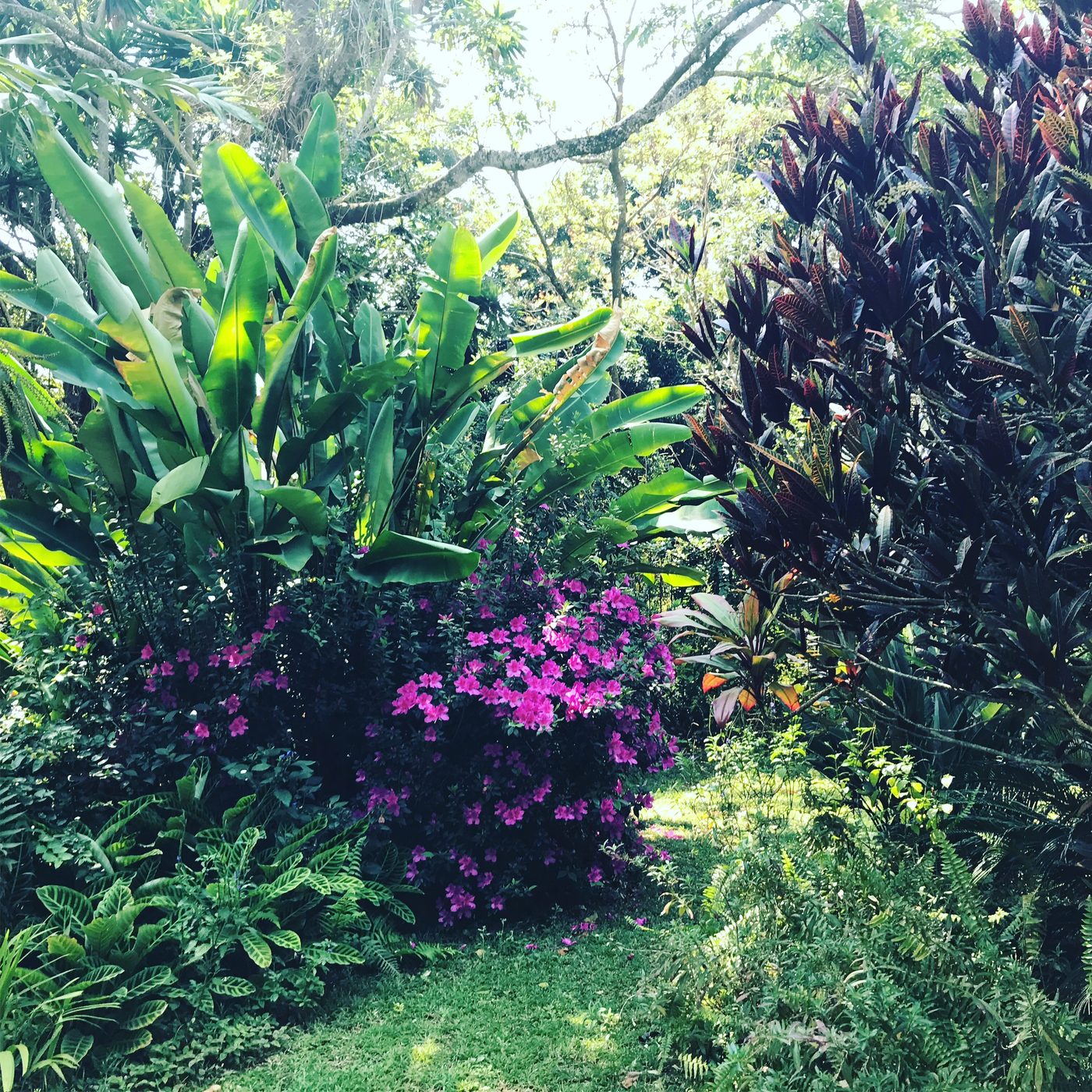
August to October is the technical peak for tourist travel Malawi, and for a reason. Wildlife in Liwonde and Majete national parks concentrates at the remaining water — elephants in family groups along the Shire River, hippos crowding the shallows, predators easier to spot in thinning bush. Mount Mulanje, freshly inscribed on the UNESCO World Heritage List in July 2025, is at its most walkable: dry trails, low river crossings, long visibility from the plateau.
If you are coming for Mulanje specifically, this is your window. Sacred to the Mang'anja, Yao and Lomwe peoples and home to the critically endangered Mulanje cedar — Malawi's national tree — the massif rewards multi-day traverses with proper porters and hut bookings. Those must be arranged directly with licensed Mulanje guides or the relevant operator; the Likhubula trailheads are about thirty minutes away by road.
A few honest caveats for the peak window:
- Rates are highest across the country, and the better Lake Malawi properties book six months ahead for school holidays in August and the September–October sweet spot.
- The haze is real. By late October the sky loses its sharpness — beautiful for sunsets, less so for landscape photographers chasing the cedar-line shot.
- Heat builds toward November. If you wilt in 32°C lowland heat, target August–September rather than late October.
For a longer treatment of what to actually do in the southern region during this window — the forest paths, the garden paths and highland setting, the independent visits to Zomba Plateau and Majete — see our tea country slow travel guide.
November to January — The Green Rush, Mangoes, and Garden-to-Table at The Thyolo House
The first proper rains usually break in late November. You feel them coming for a week — the air goes heavy, the cicadas get louder, and then one afternoon the sky cracks and the dust in the highlands roads turns to red ribbons. Within ten days the country has gone green. Within three weeks it is luminous.
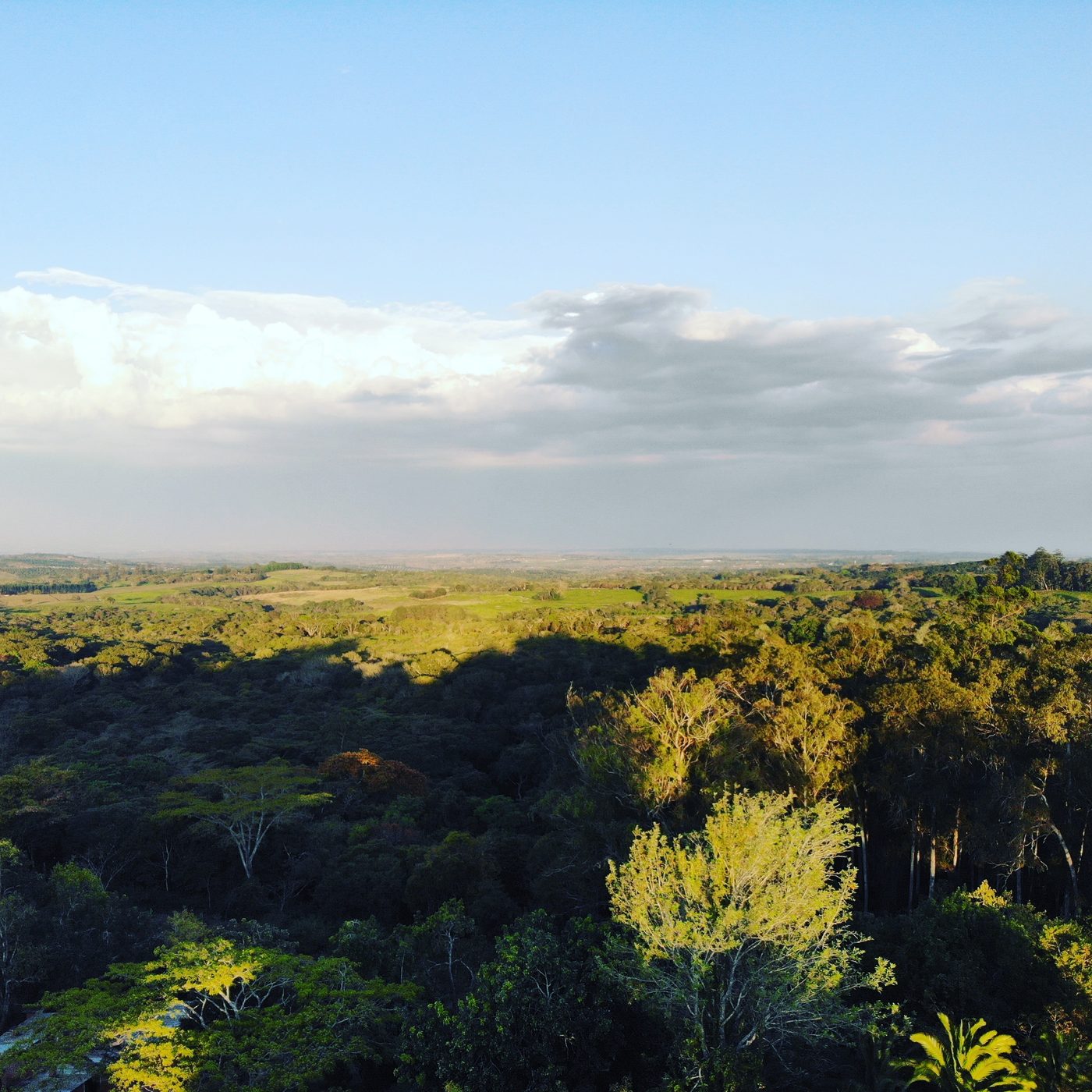
This is my favourite season at the restaurant, and it's the one most travel guides will tell you to avoid. They are wrong, or at least they are working from a different priority. Yes, some lake roads get patchy. Yes, you trade clear horizons for dramatic skies. But you gain the entire growing year compressed into a few months: mangoes drop in December, avocados peak in January, the garden produces tomatoes so fragrant Flavia uses them three times in a single seasonal menu.
Birdwatchers in particular should book the green season hard. Migratory species arrive, the streaky-headed seedeater is everywhere, and the dawn chorus from the indigenous forest behind the boutique rooms is genuinely operatic. For photographers — green-season light, with the storm clouds building over Mulanje and the tea rows almost neon — there is no contest.
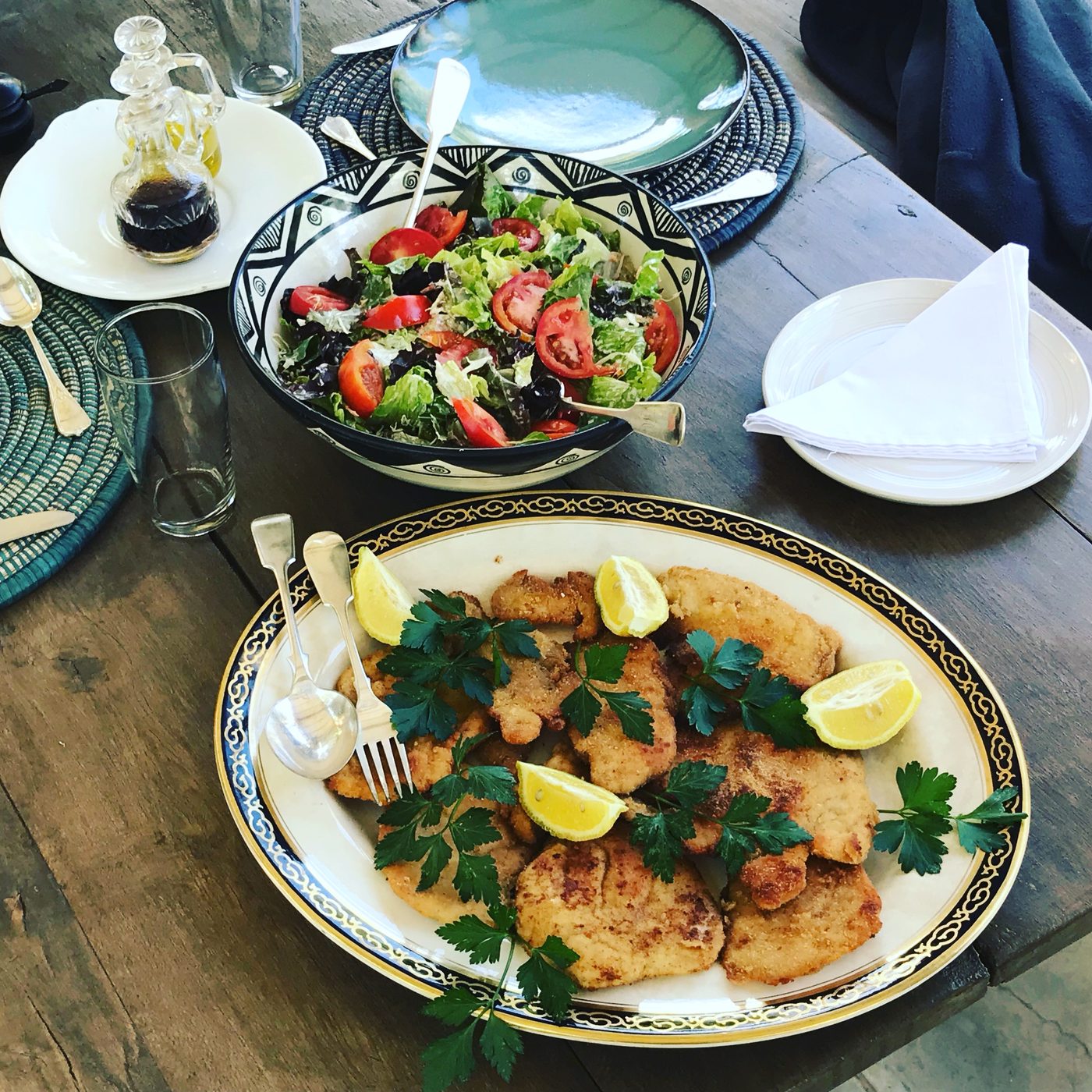
The kitchen in this window leans into what's coming out of the ground that week. If you want a closer look at how the menu is built around the garden's calendar, our tea-country kitchen guide walks through it dish by dish. The short version: come hungry, eat slowly, and ask Flavia about the heritage tomato she's been protecting since 2019.
Practical notes for the green months:
- Bring a light rain shell and proper shoes. The rain is warm and short — usually a heavy afternoon storm, then clear evenings — but you will get caught at least once.
- Roads are mostly fine on the main tarmac routes; some side roads to remote camps may need 4×4.
- The lake is at its warmest — 28°C+ in the shallows, plankton blooms making the snorkelling slightly less crystalline but the cichlid activity higher.
February to April — The Quiet Shoulder Most Travellers Miss
By February the heaviest rains have eased, but the country is still green and the international tourist numbers have dropped sharply. This is the shoulder, and it is the window I quietly recommend to repeat visitors and to anyone whose calendar doesn't bend to high-season rates.
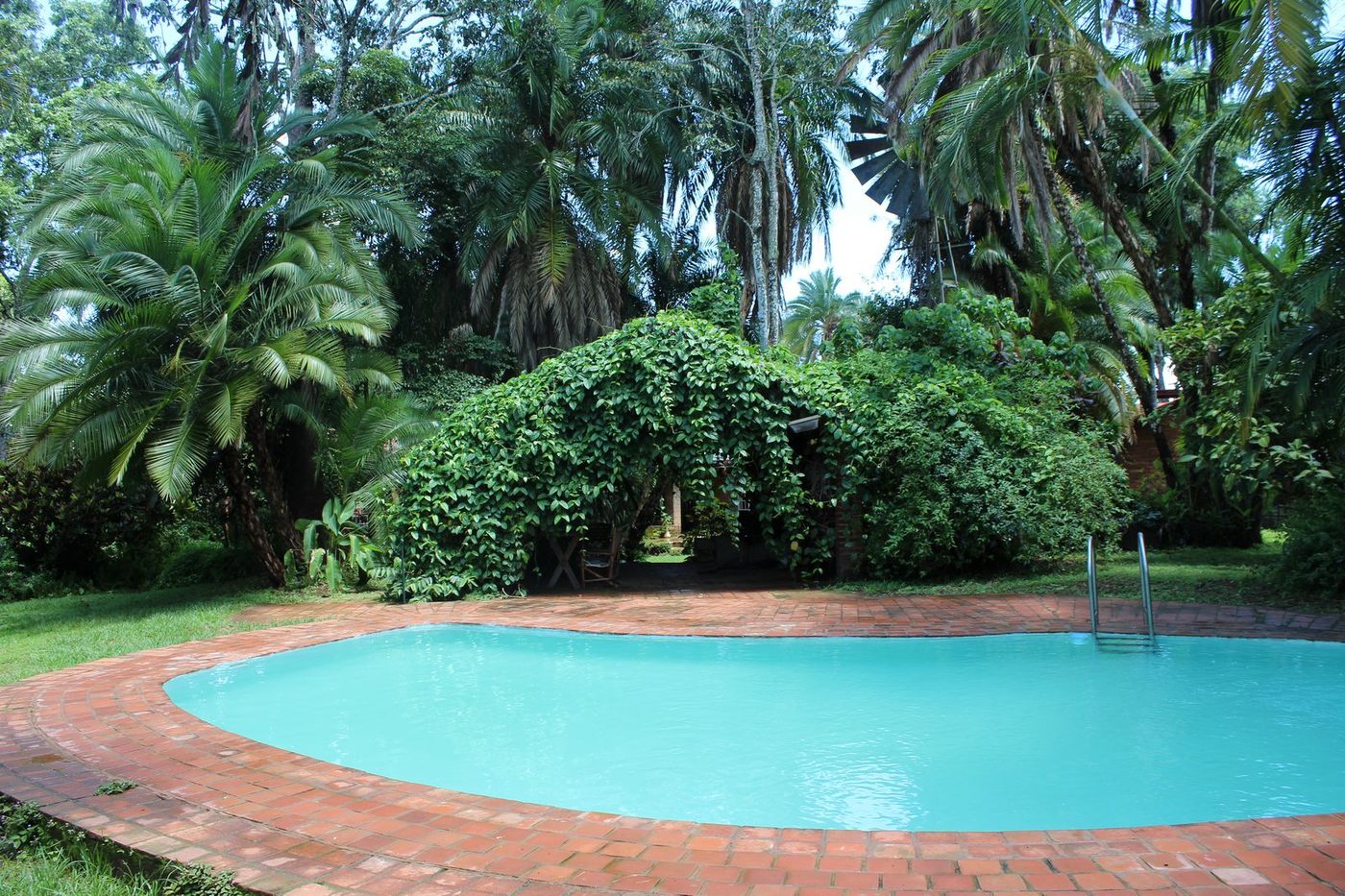
The tea bushes are at their plumpest. The forest is still full of birds. The pool is warm. The estate is quiet enough that you can have a tea-row walk and not pass another guest. And — this matters — rates at most properties soften by 15–25% compared to the September peak. The Thyolo House is no different; ask about shoulder rates when you enquire.
A few caveats:
- March can still surprise you with a late storm, especially in the highlands. Plan flexible days.
- Malaria pressure is at its annual high through the lowlands — stay diligent with prophylaxis and repellent, particularly if you're combining the estate with a Liwonde or lake stop.
- Easter weekend books up locally as Malawian families travel — if your dates straddle it, book early.
A Month-by-Month Packing and Pairing Guide
Below is the cheat sheet I send to guests who ask. It assumes you'll spend at least part of your visit in the highlands at ~900m and part of it lower down (lake, Liwonde, or Blantyre — we are 40 minutes from Blantyre and 20 from Limbe, four hours from the lake).
Highland packing (Thyolo, Mulanje, Zomba)
- May–July: Fleece, light jacket, long trousers for evenings, sun hat for midday, proper walking shoes.
- August–October: Layers but lighter — long-sleeve sun shirt, sturdy shoes for Mulanje, swimsuit for the pool.
- November–January: Light rain shell, quick-dry trousers, sandals plus closed shoes, insect repellent.
- February–April: As above plus a warmer layer for the occasional cool evening after rain.
Lake and lowland packing
- Lightweight everything, swimsuit, reef-safe sunscreen, a hat that won't blow off in a boat, and a long-sleeve cover for the malaria hours (dusk and dawn).
Booking Around the Seasons: When to Reserve, When to Drift In
One last practical layer. The shape of tourist travel Malawi has shifted in the last two years. From 2 January 2026, most nationalities now require a visa to enter Malawi — apply through the official eVisa portal at evisa.gov.mw. A single-entry tourist eVisa runs around USD 75 and processing usually takes about five working days. Older sources still quote USD 50; that figure is out of date. Make sure your passport has six months' validity and at least two blank pages, and have your flights and accommodation booked before you apply.
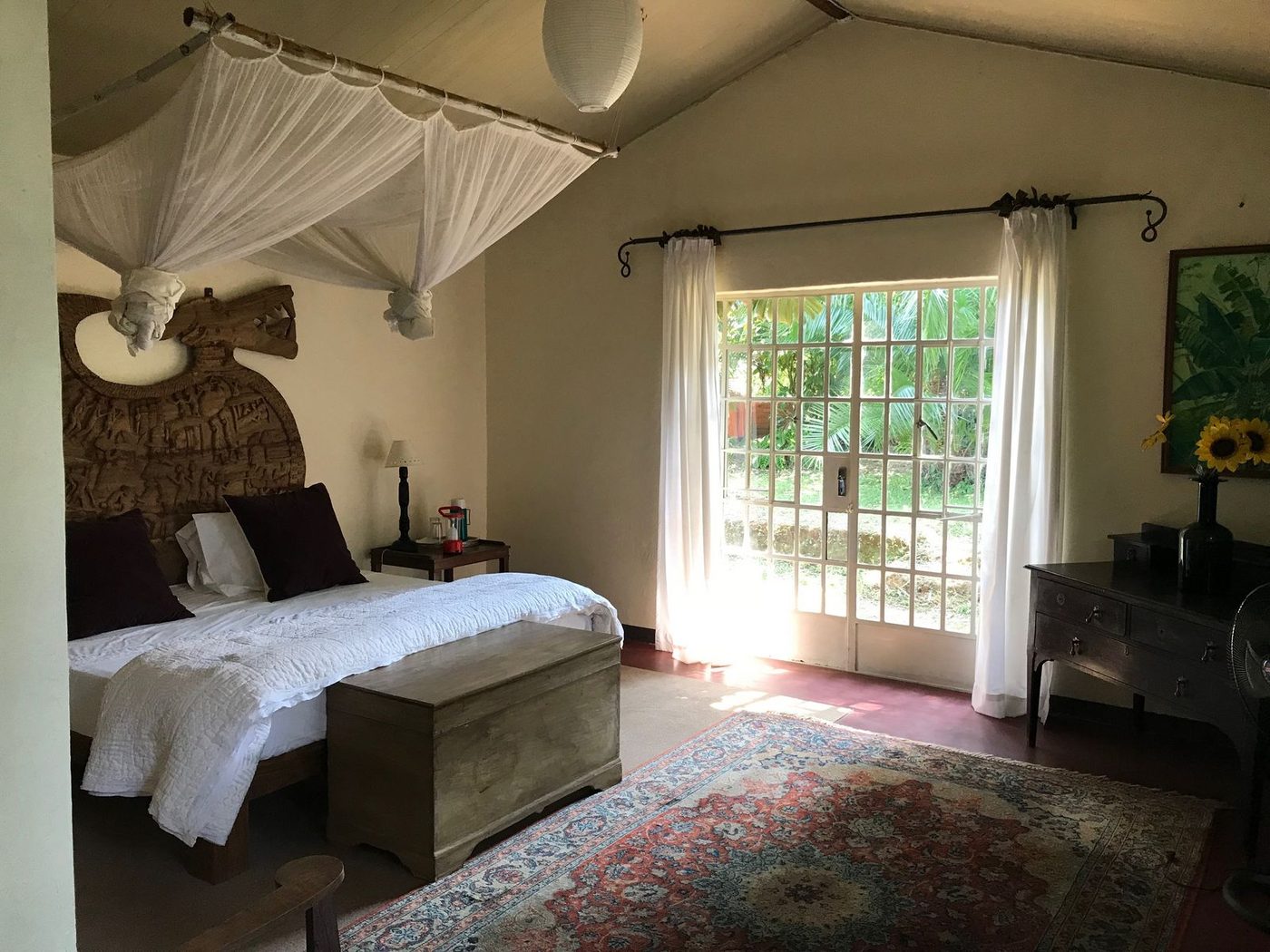
For accommodation, the rough rule of thumb:
- August–October: Book three to six months out, especially for the better lake properties and Mulanje huts.
- May–July: Six to eight weeks is usually fine, except around Easter and any Malawian public holiday.
- November–April: Two to four weeks is plenty for most places, and last-minute is genuinely possible at smaller boutique properties.
The Thyolo House has five rooms. We are not a resort; we run on a small, attentive scale. If you know your dates, especially for the August–October window, message us early. If you are travelling in the green or shoulder seasons and want to drift in, that is also entirely fine — message us on WhatsApp on +265 88 420 2040 or email thethyolohouse@gmail.com and we can confirm room and restaurant availability.
Whichever season you choose, come slowly. Stay longer than you think you need. See the tea country rows at first light. Order whatever Flavia is making with what came out of the garden that morning. Malawi rewards travellers who give it time — and the seasons here, all four of them, are worth the patience.