/ By The Thyolo House
Things to Do in Malawi: A Tea Country Slow-Travel Guide
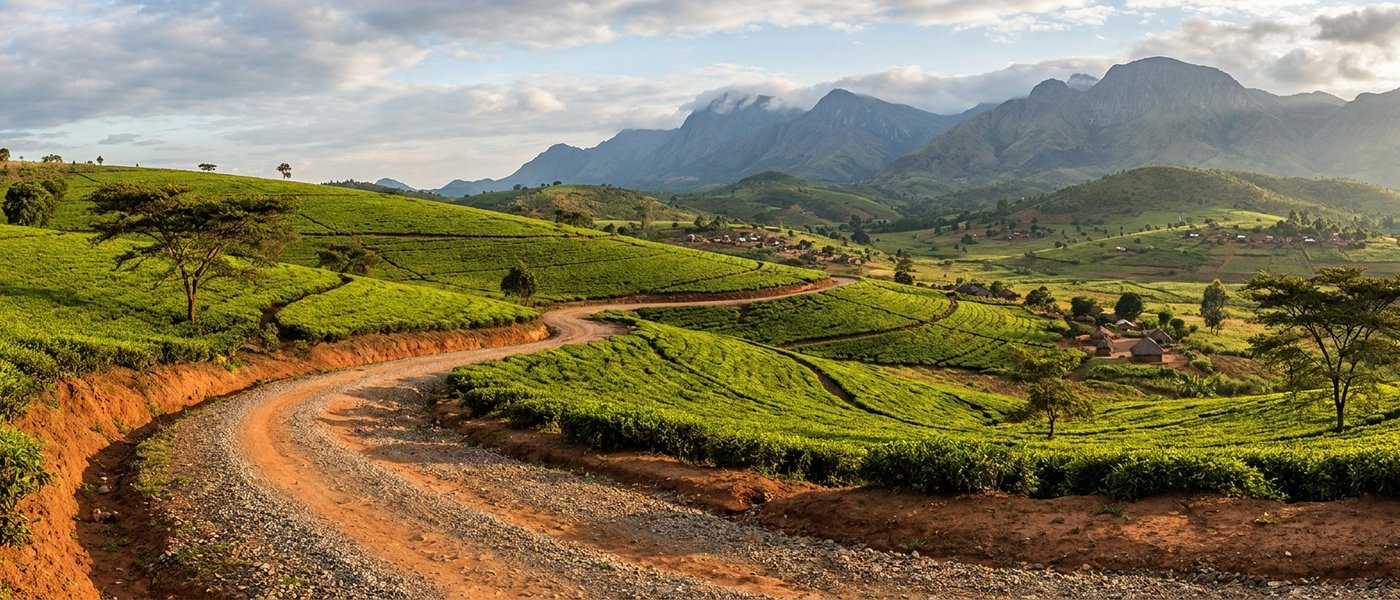
If you've started searching for things to do in Malawi, you've probably been pulled in five directions at once — Lake Malawi snorkelling, Mount Mulanje summits, Liwonde game drives, Zomba Plateau hikes, Cape Maclear dhow cruises. They are all worth doing. But after a few days of pinballing between regions on long roads, many visitors arrive at the same quiet conclusion: Malawi rewards the people who slow down. The country's nickname — the Warm Heart of Africa — isn't a marketing line. It's a pace. And nowhere is that pace easier to settle into than the tea country of Thyolo, in the cool green south.
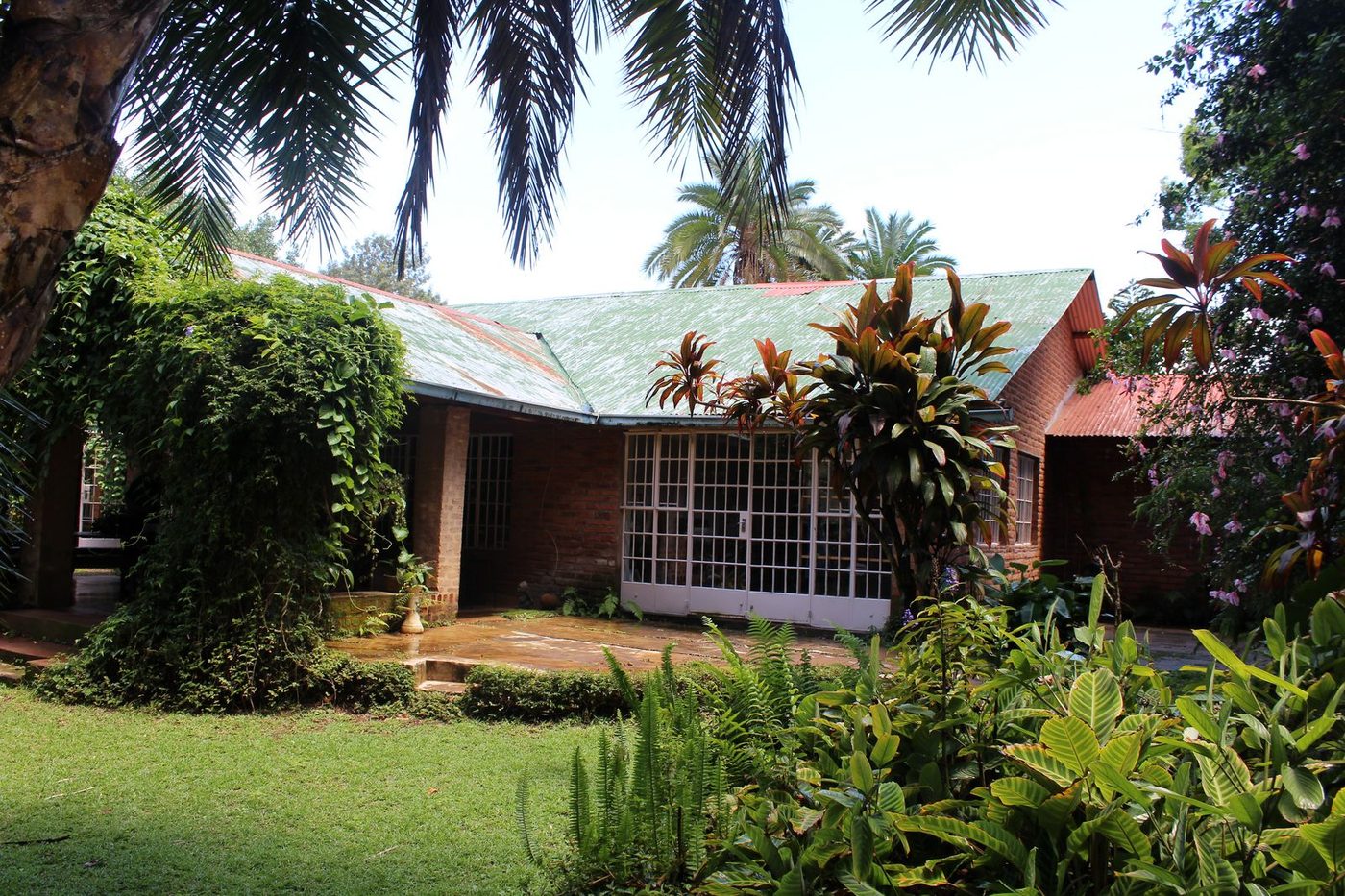
This guide is for travellers who want to experience Malawi not as a checklist but as a place to wake up in. We've built it around the Shire Highlands and the historic Thyolo Highlands — where The Thyolo House, a five-room boutique hotel and Italian fusion restaurant, sits on a historic property in the Thyolo highlands. From here, you can dip into the country's headline sights on independent visits, then come home each evening to a garden, a pool, and a kitchen that cooks what it grew that morning.
Rethinking Things to Do in Malawi: The Case for Slow Travel
Most itineraries for Malawi try to cover too much ground. The country is long and narrow, and the headline destinations — Lake Malawi to the north, Mulanje and Liwonde to the south, Cape Maclear in the middle — are each several hours apart on roads that move slower than the map suggests. A week spent driving between them is a week mostly spent in a car.
The alternative is to choose a base. Thyolo is one of the smartest bases in Malawi for three reasons: it's cool (1,000 m elevation, average daytime 18–28°C in the dry season), it's central to the southern attractions, and it's beautiful in a way the guidebooks underrate — rolling tea, indigenous montane forest, and birdlife you can't find anywhere else on earth.
One practical note before we go further. As of 2 January 2026, most nationalities — including the US, UK, Canada, France and Belgium — need a visa to enter Malawi. A tourist single-entry e-visa costs around USD 75 and is valid for three months from issue. Apply through evisa.gov.mw before you fly. Visa on arrival is still available at Kamuzu and Chileka airports and the main land borders for most passports, but bring cash and expect longer queues. Build this into your planning.
Mornings in the Highlands: Independent Visits and Slow Starts
The Thyolo highlands are a working agricultural landscape. Tea estates, forests, factories, field tracks, and private roads should not be treated as open access. If you want a tea-country visit, birding outing, bike ride, guide, driver, or estate activity, contact the relevant estate or operator directly. The Thyolo House does not provide, organize, or arrange those activities.
Hands-On Afternoons: Art Workshops, Garden Kitchens & Estate Craft at Thyolo House
One of the gentler discoveries of slow travel in Malawi is that the most memorable hours are often the ones you didn't plan. At The Thyolo House, afternoons tend to organise themselves around three things: art, the garden, and the kitchen.
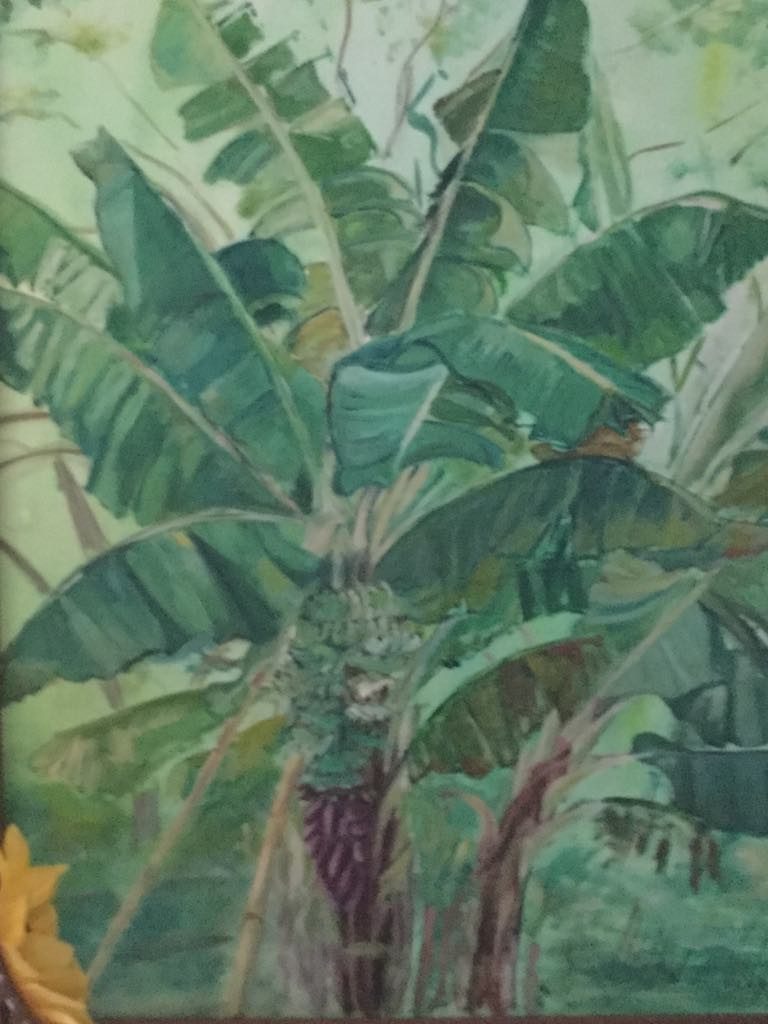
The house belongs to Flavia Conforzi, an Italian-Malawian artist whose studio sits a short walk from the main building. Guests are welcome to sit in on a workshop — sketching, watercolour, mixed media — or simply visit the studio for a coffee and a conversation about the work. Flavia paints what's around her: banana trees, tea bushes, the faces of women who work the estate. There's no hard sell. You can spend twenty minutes or three hours.
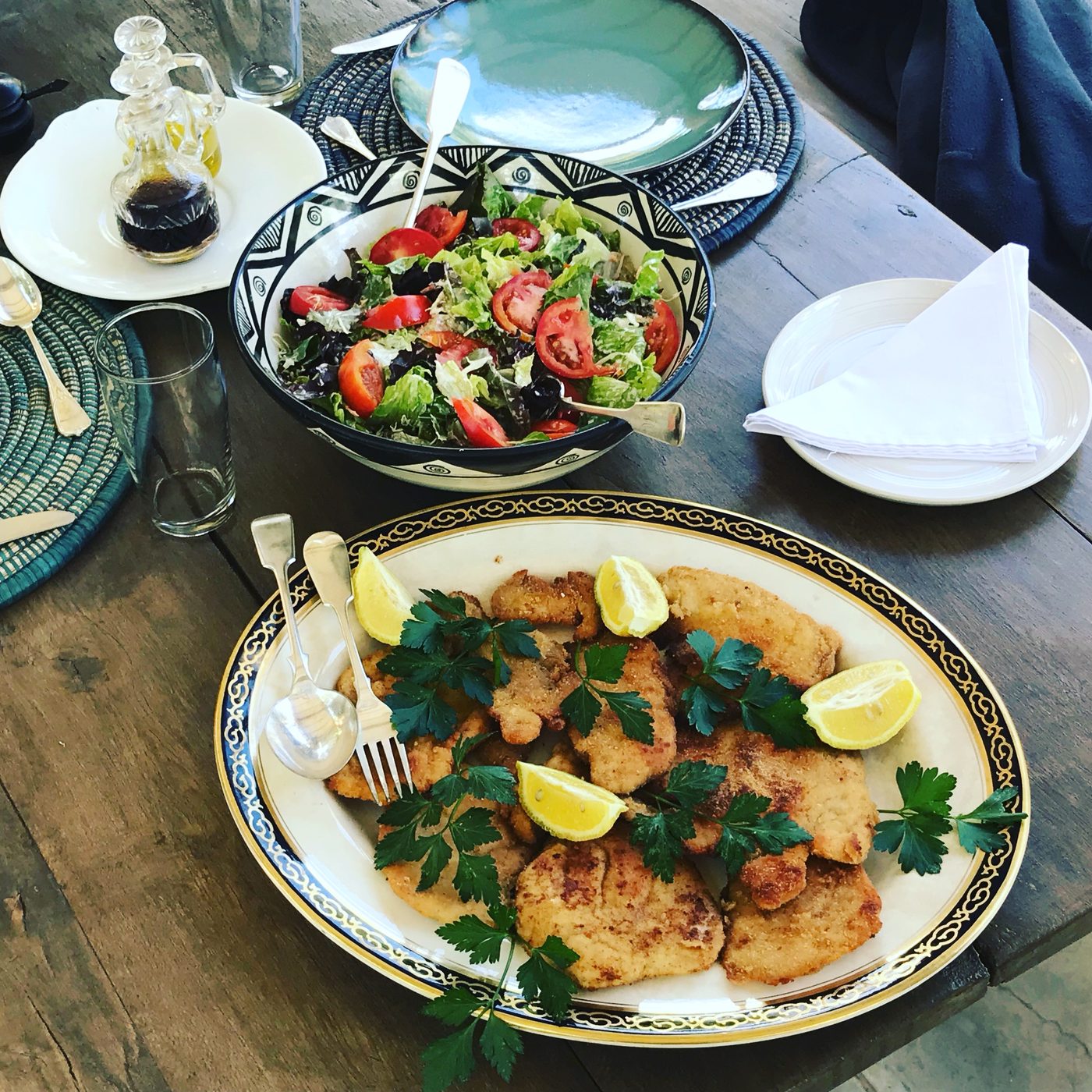
The kitchen runs on a similarly relaxed principle. Almost everything you eat at The Thyolo House restaurant comes from the garden you'll have walked past on the way to lunch: heirloom tomatoes, basil, chillies, papaya, lemons, sweet potatoes, ten kinds of leaves. The cooking is Italian fusion — Flavia is Italian on one side — and the result is a Malawi you won't find in many other places: handmade pasta with garden pesto, slow-braised pork chops, citrus salads, a cotoletta that wouldn't be out of place in Milan. the journal includes about this style of cooking in our Italian food on a tea country guide if you want to know what to expect.
Afternoon options that travel well:
- A scenic highland drive or independently booked estate visit where access is clearly available
- An hour in Flavia's studio (sketching or simply watching)
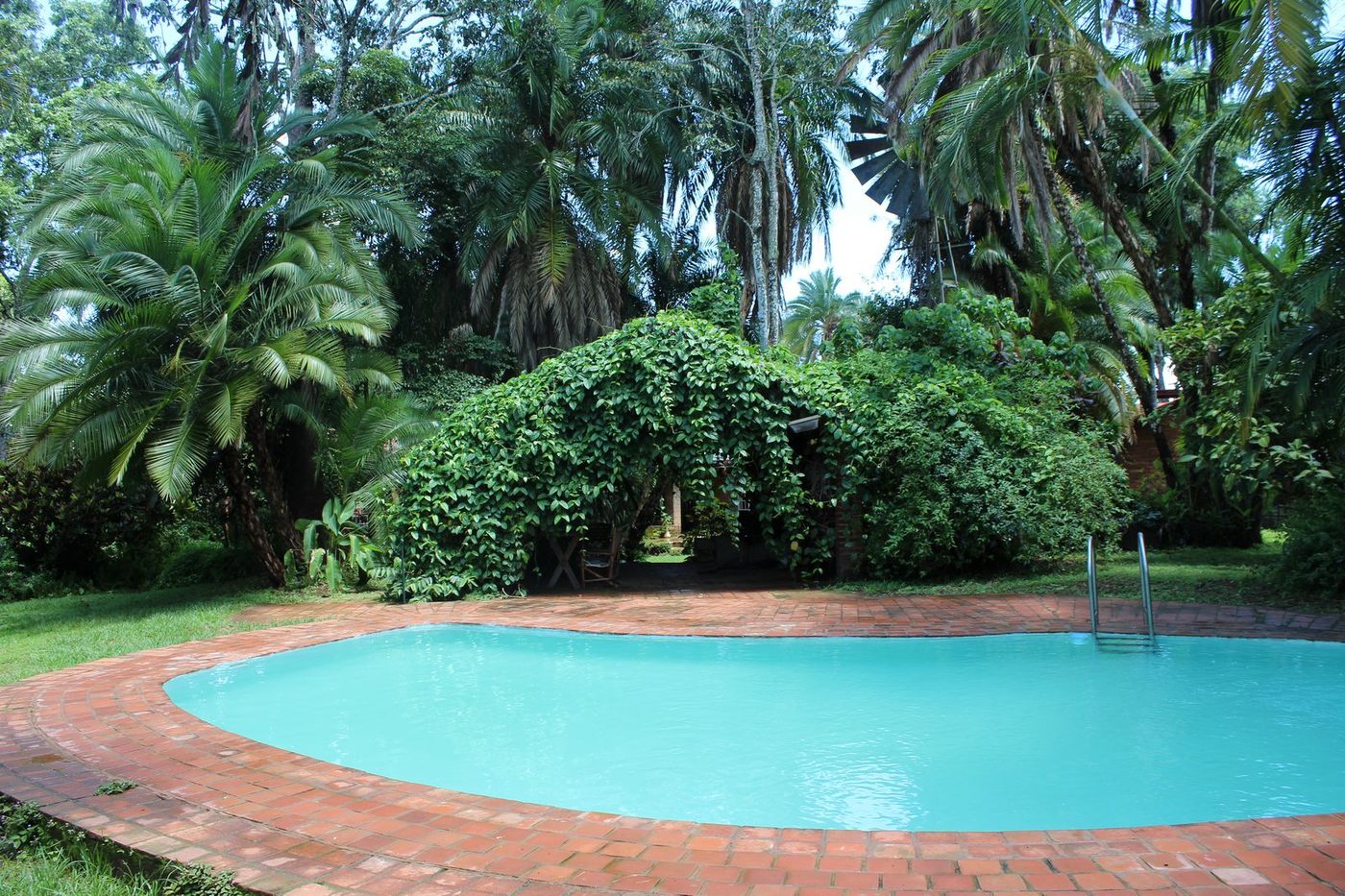
- A garden walk or quiet pool afternoon at The Thyolo House
- A swim, a book, and a long, slow nothing by the pool
Beyond the Estate: independent visits Through Thyolo, Mulanje & Blantyre
If you want to expand your list of things to do in Malawi without changing hotels, Thyolo is unusually well placed. Most of the south's major sights are within a half-day's drive.
Mount Mulanje (1 hr 15 min)
The "Island in the Sky" rises out of the plain like a misplaced section of the Drakensberg. The trailhead is at Likhubula Forest Station, where guides cost around USD 25–30 per day and porters about USD 20 per day. A day hike package — including guide and lunch — runs roughly USD 75 per person. The full ascent of Sapitwa Peak (3,002 m, the highest in Central Africa) is a three-day, two-night undertaking; an organised two-person package including food, guide, porter, cook, hut fees and sleeping bags is around USD 350. Best months are May to October: dry, cool, with the long views Mulanje is famous for.
Blantyre & Limbe (40 min)
Malawi's commercial capital is a short, scenic drive down from the highlands. Worth doing for: the colonial-era St. Michael & All Angels Church (1888), the Museum of Malawi, Mandala House (the country's oldest building), and the chitenje markets in Limbe. A morning is usually enough.
Zomba Plateau (1 hr 45 min)
The plateau rises to 2,087 m and gives you the famous Queen's View — named for Queen Elizabeth II's 1957 visit — and the Emperor's View, named for Haile Selassie. The main loop trail is around 12 km and takes 4–6 hours; the gradient is moderate. Combine it with a stop at the colonial-era old capital of Zomba on the way back.
Liwonde National Park (2 hrs 30 min)
Managed since 2015 by African Parks, Liwonde now holds around 1,000 elephants, lions, cheetahs, reintroduced black rhinos and rare wild dogs across roughly 210 square miles. A Shire River boat trip is the easiest way in for a day visit — hippos, crocs, fish eagles, kingfishers. Entry is widely quoted at around USD 10 per person, but verify at the gate as African Parks adjusts pricing.
Majete Wildlife Reserve (2 hrs)
Malawi's first Big Five park — lion, elephant, buffalo, rhino and leopard — and one of African Parks' great conservation success stories since their 2003 partnership. Quieter than Liwonde and excellent for a one-night stay.
For a fuller orientation to the surrounding district, our complete guide to Thyolo covers the geography, history and seasons in more detail.
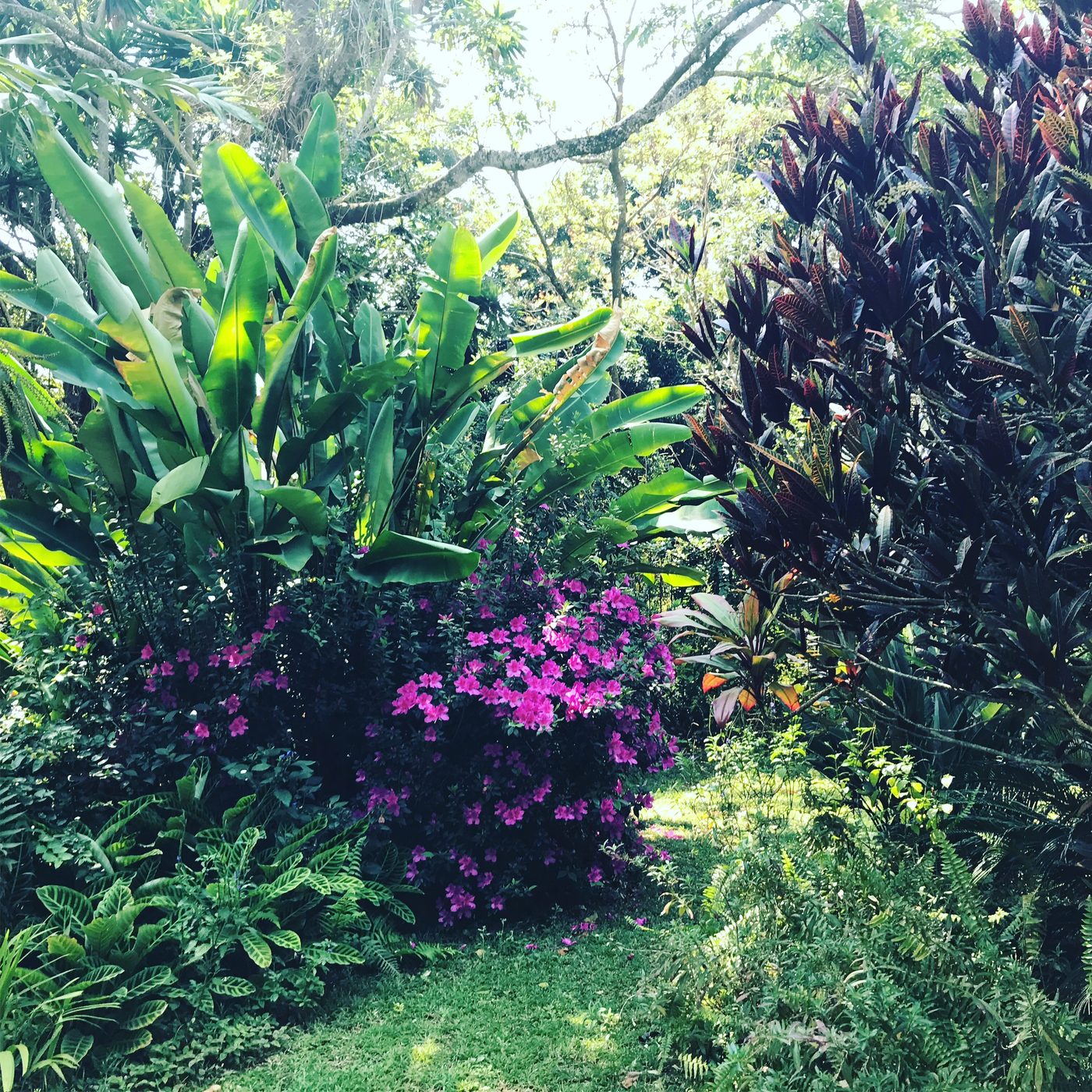
Evenings That Linger: Italian Fusion, Conforzi Forest & a Pool Under the Stars
Whatever you've done with your day in Malawi, the evening in the highlands is what guests tend to talk about afterwards. Sunset in the Shire Highlands is long and golden — the tea bushes turn olive, then bronze, then violet. The restaurant at The Thyolo House serves dinner on the verandah when the weather is right, and inside when the highland evening turns cool (it does, often, even in summer — bring a sweater).
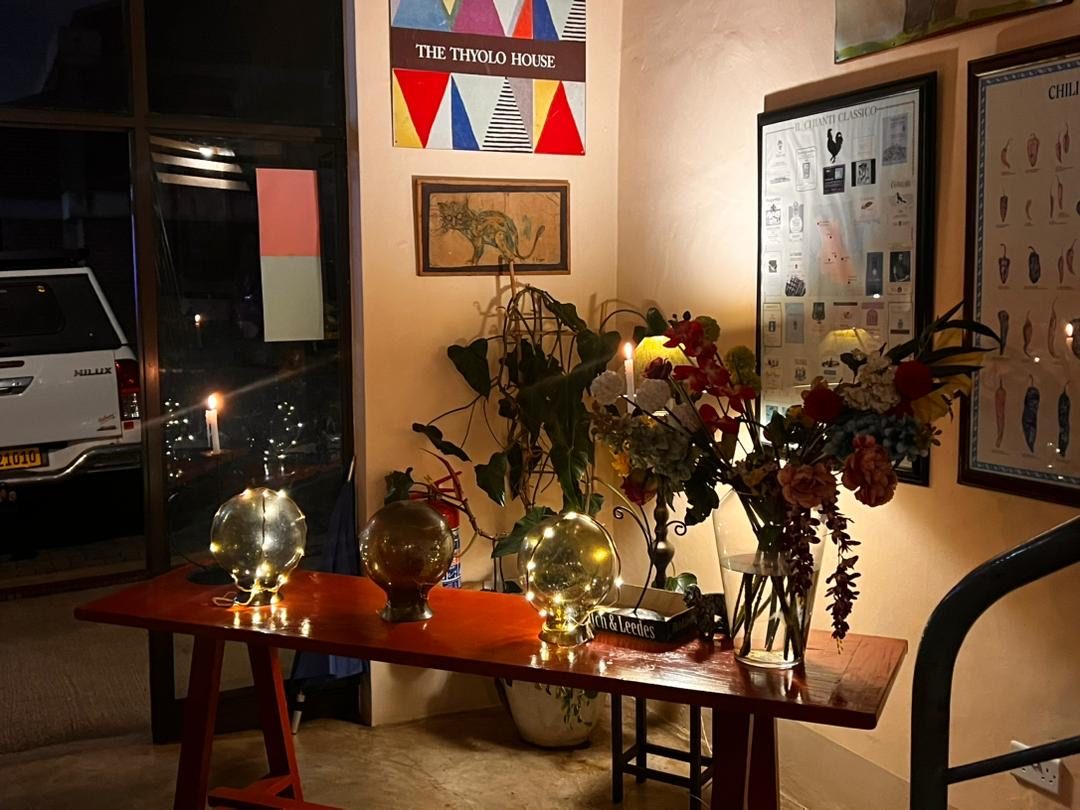
The menu changes with what the garden has. A typical evening might run: a glass of South African white, a salad of warm garden leaves and chilli oil, handmade tagliatelle with a slow ragù, a cotoletta or pork chop from a neighbouring farm, a citrus tart from the orchard. Coffee, grappa, a walk back to your room across the lawn under a sky that is — there is no other word — overwhelming with stars.
For more energetic evenings, contact a licensed local guide or relevant land manager directly before travelling. The Thyolo House does not arrange guided forest, tea, estate, driver, or third-party activities.
Planning Your Stay: How to Build a Week of Things to Do in Malawi Around Thyolo House
Here is a week this guide suggests for first-time visitors who want a real feel for Malawi without burning their holiday in transit.
- Day 1 — Arrive Blantyre or Chileka. Drive 40 min to The Thyolo House. spend time in the garden. Dinner on the verandah.
- Day 2 — highland morning: independently contact Satemwa or another operator if you want an estate activity. Afternoon: art studio or pool at The Thyolo House.
- Day 3 — independent visit to Mount Mulanje. Day hike with guide from Likhubula, lunch on the mountain, home by dusk.
- Day 4 — Slow day. Garden, kitchen, book, pool. Optional Flavia workshop.
- Day 5 — Liwonde National Park: early start, boat safari on the Shire, late lunch, drive back.
- Day 6 — Zomba Plateau: half-day hike, Queen's View, return via the old capital.
- Day 7 — Optional Lake Malawi extension booked independently, or one last quiet morning in the garden.
Distances from Thyolo House at a glance:
- Limbe — 20 min
- Blantyre / Chileka Airport — 40 min
- Mount Mulanje (Likhubula) — 1 hr 15 min
- Zomba Plateau — 1 hr 45 min
- Majete — 2 hrs
- Liwonde — 2 hrs 30 min
- Lake Malawi (Cape Maclear) — 4 hrs
When to come
The dry season — May to October — is the easiest weather: cool nights, clear days, 18–28°C. November to April is the green season: warmer, lush, more dramatic skies, fewer travellers. Both have their case. Birders often prefer the shoulder months of October and April.
How to book
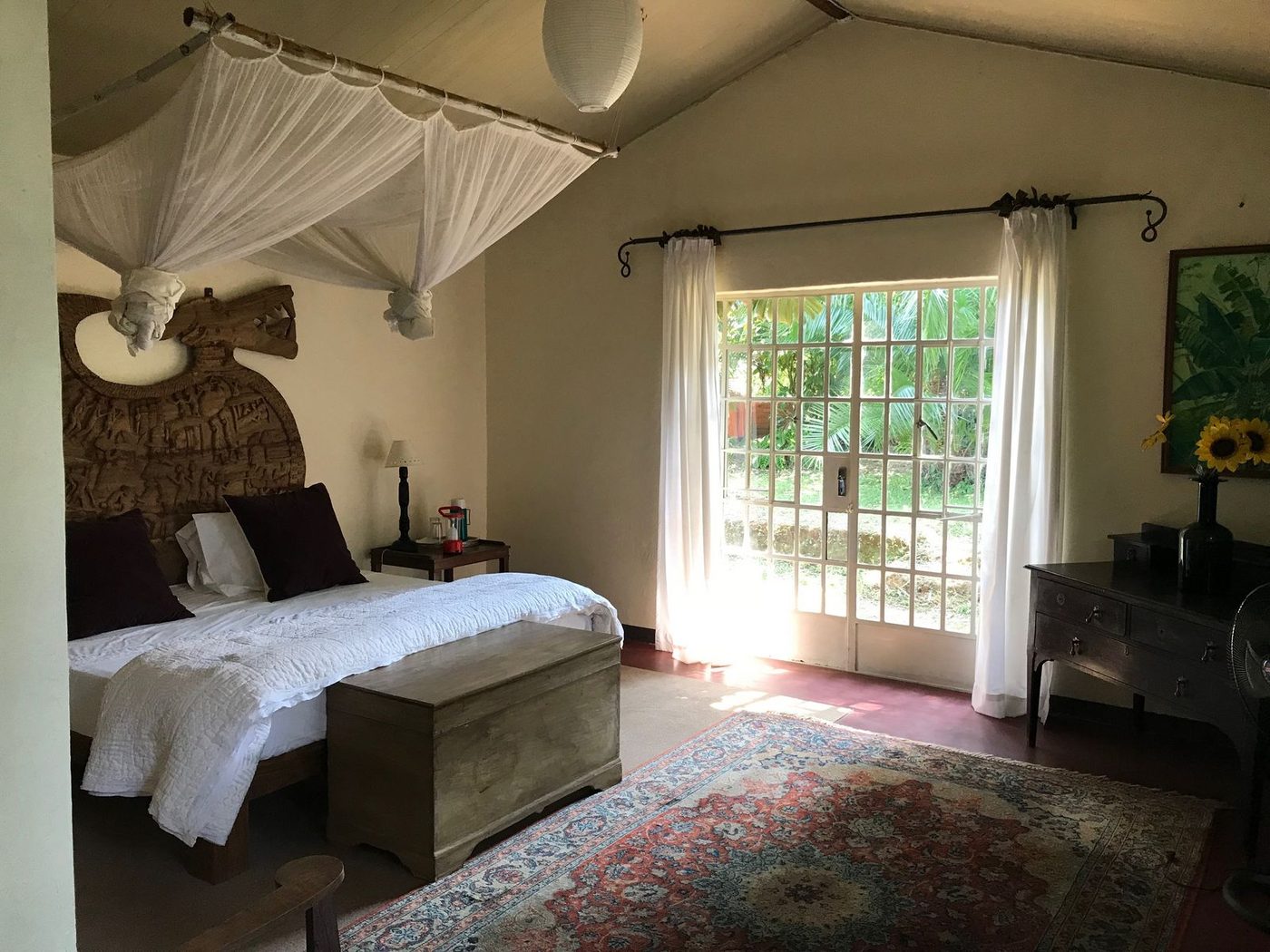
The Thyolo House has only five rooms, so dates fill quickly in the dry season and around the European Christmas break. The simplest way to plan a stay is to message us on WhatsApp at +265 884 202040 or email thethyolohouse@gmail.com. Tell us your dates, party size, and whether you are asking about rooms, the restaurant, the pool, gardens, or on-site art availability. The pace is yours to set; The Thyolo House can only confirm its own rooms, meals, restaurant bookings, gardens, pool, and on-site art availability.
The best answer to "what should I do in Malawi" is usually quieter than the question implies. See the tea-country landscape at sunrise from permitted areas. Watch a painter work. Eat what the garden grew this morning. Drive an hour to a mountain. Drive back. Swim. Sleep deeply. The country will reveal itself.