/ By The Thyolo House
Travel Malawi in May: A Tea Country Host's Cool-Season Notes
A journal from a boutique lodge in the Thyolo highlands. These are notes from our corner of Malawi — places we love, walks we've done ourselves, operators we've watched do good work. The mountain treks, tea-estate tours, and day trips are all run by independent operators in Malawi; book those directly with them. Come stay with us before or after — we'll do the room, the meal, and the quiet.
If you want to travel Malawi at its quietest, most photogenic, and most forgiving, May is the month tea farmers, lodge owners, and old Africa hands all keep to themselves. The rains have just finished. The dust hasn't started. The light is long and honeyed by mid-afternoon, the air at 800 metres up on the Thyolo escarpment carries a sweater-weight chill at dawn, and the country exhales after six months of green chaos. As a host on a historic property that was once part of the Conforzi Tea Estate, I watch May arrive every year with quiet relief — the kitchen garden is heavy, the first proper tea flush is on the bushes, and guests who chose this month over the busier June–August window keep telling me, with some surprise, that this was the visit they didn't know to ask for.
This is a note from the verandah, not a brochure. If you're planning to travel Malawi in May 2026, here's what to expect, how to use the cool-season window from a southern base like ours, and a few practical things — visas, fuel, currency, roads — that have shifted recently and that even regular visitors are catching up on.
Why May Is the Month Locals Whisper About When You Travel Malawi
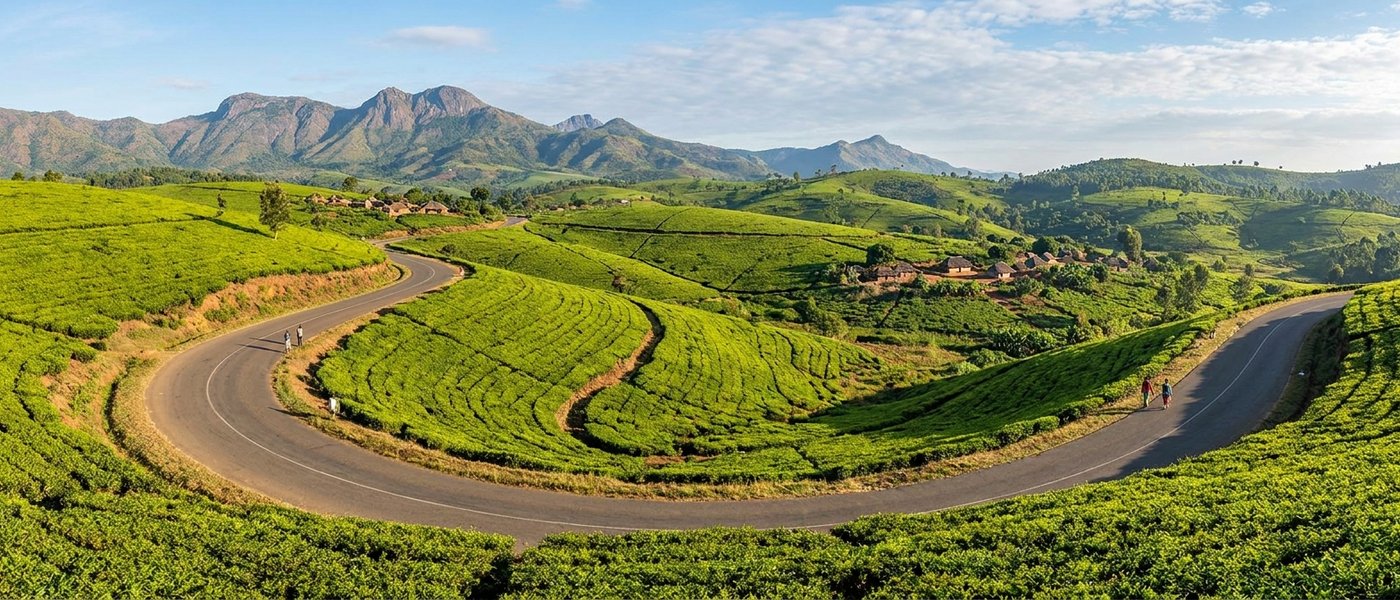
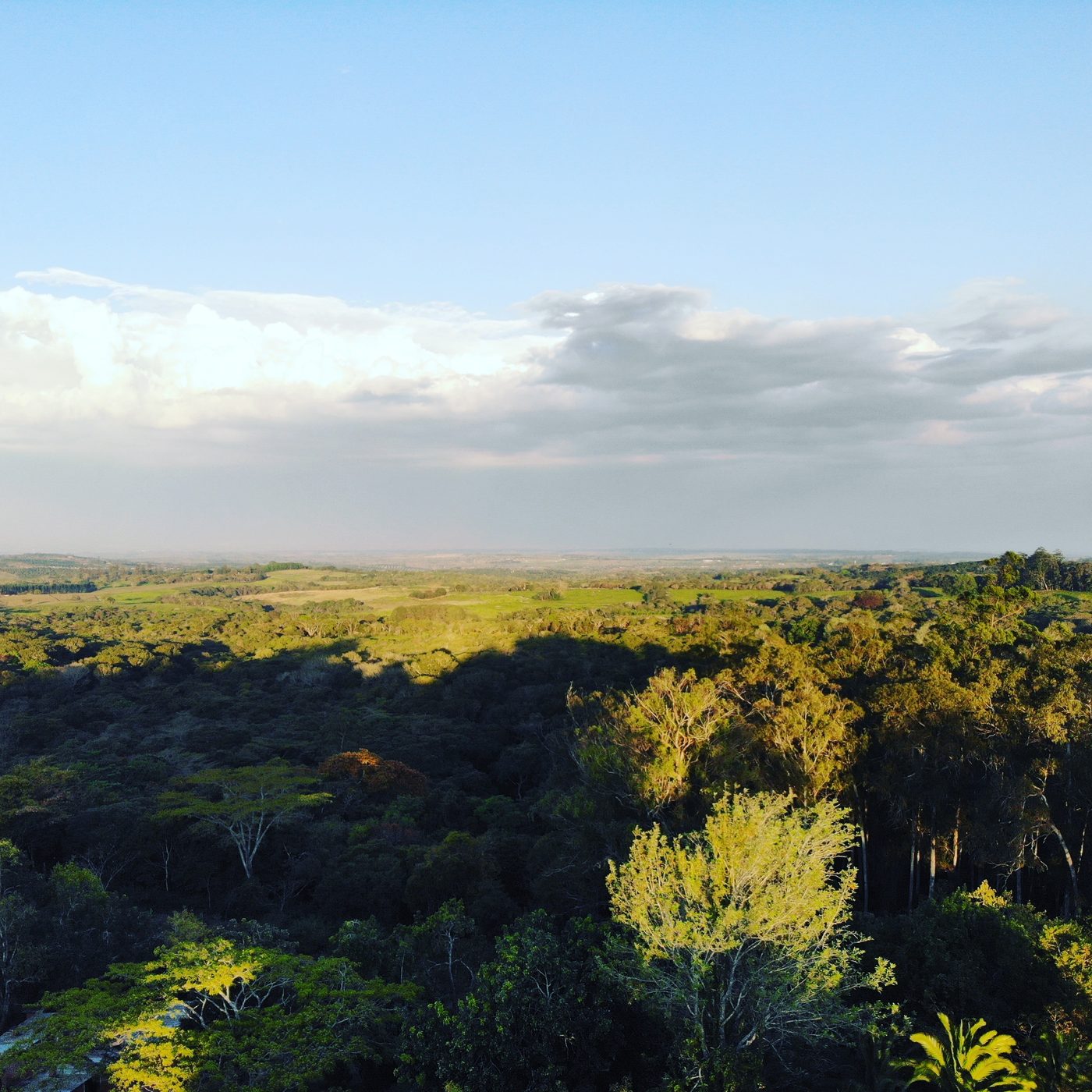
The cool dry season officially runs from May through August, but the early weeks have a character of their own. By the end of April the last serious rains have usually passed; the rivers are still full, the maize is being harvested, and the Shire Highlands turn that deep, water-fed green you only see for about six weeks of the year. By late May the temperatures begin to drop properly — mornings here in the highlands can sit at 11–13°C, afternoons at a perfect 22–25°C — and the famous Chiperoni mist sometimes rolls in from Mozambique and hangs in the working tea fields until breakfast.
What this means in practice: the country is at its most comfortable to move around in. Liwonde's game viewing is improving fast as the bush thins. Mulanje Massif is firm underfoot and finally safe to climb again after the wet-season ban. The lake is warm but the air above it is dry. And — crucially — June through early September is when the European, South African and overlanding crowd arrives in real numbers. May is the locals-and-residents month. Lodges have availability. Guides aren't double-booked. Restaurants will hold a table on a Saturday night without a fight. For more detail on the seasonal arc, our seasonal guide to the best time to visit Malawi walks through each month in turn.
There is one update worth knowing before you book. On 2 January 2026 Malawi quietly revoked its long-standing visa waiver, and most nationalities now need to apply for an e-visa in advance at evisa.gov.mw. A single-entry visa is USD 50, a six-month multi USD 150, a twelve-month USD 250. The application itself is straightforward — passport scan, photo, accommodation details — but the days of stepping off an Ethiopian flight and getting a stamp at the desk are over for many travellers. If you're paying in cash on arrival as a backup, only post-2017 USD bills are accepted; this caught a couple of our guests out earlier this year.
What the Cool-Season Light Does to Conforzi's Tea Fields and Forest
Photographers know what May does to East African light, but Malawi has a particular version of it because of the mist. On the estate, the tea bushes are flushing — that's the technical term for the new pale-green leaves the pluckers gather at the top of each plant — and a single hectare of Camellia sinensis under a low sun looks, honestly, like nothing else I've found a way to describe. The pluckers move in a slow horizontal line across the contours, hands flicking and dropping, baskets filling, and the whole choreography unfolds in cool air rather than the wet heat of February.
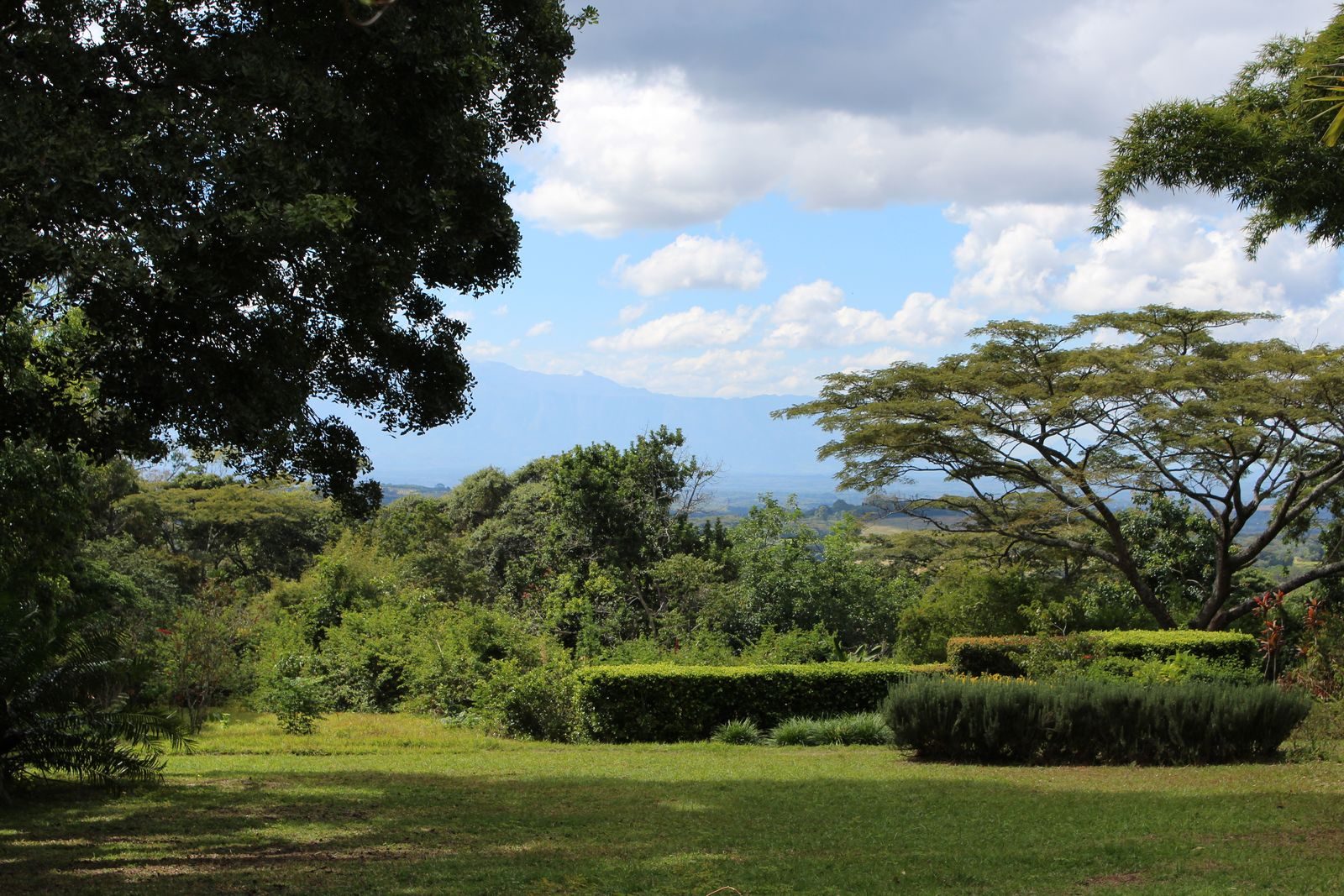
Behind the planted tea, the indigenous forest patches that Conforzi has kept under conservation come alive at this time of year. Samango monkeys are loud and visible. Trumpeter hornbills come through the fig trees. The streams that feed the estate are still strong — by August they'll be down to a trickle — and the small waterfalls along the trail above the factory are at their best for the year. Guests who do the independently arranged forest visit in May almost always extend it; in October the same walk at the same hour is hot and the canopy is dry.
The estate's full story — how Vincenzo Conforzi started planting here in the 1930s, how the family has held the land for nearly a century, how it became the only Rainforest Alliance certified producer in the country — is worth reading before you come. We've put it together in our piece on the story of Thyolo Highlands. The short version is that there is a reason this particular hillside feels different from the rest of the Thyolo escarpment, and the reason is roughly 90 years long.
A May Week from Thyolo House: Mornings, Menus, and Slow Afternoons
Most guests who travel Malawi for the first time arrive with an over-stuffed itinerary — three nights here, two there, a long transfer, another long transfer. May is the month I gently suggest the opposite. A four- or five-night base in the highlands with one or two outings is, in my experience, the visit people actually want to be on by day three.
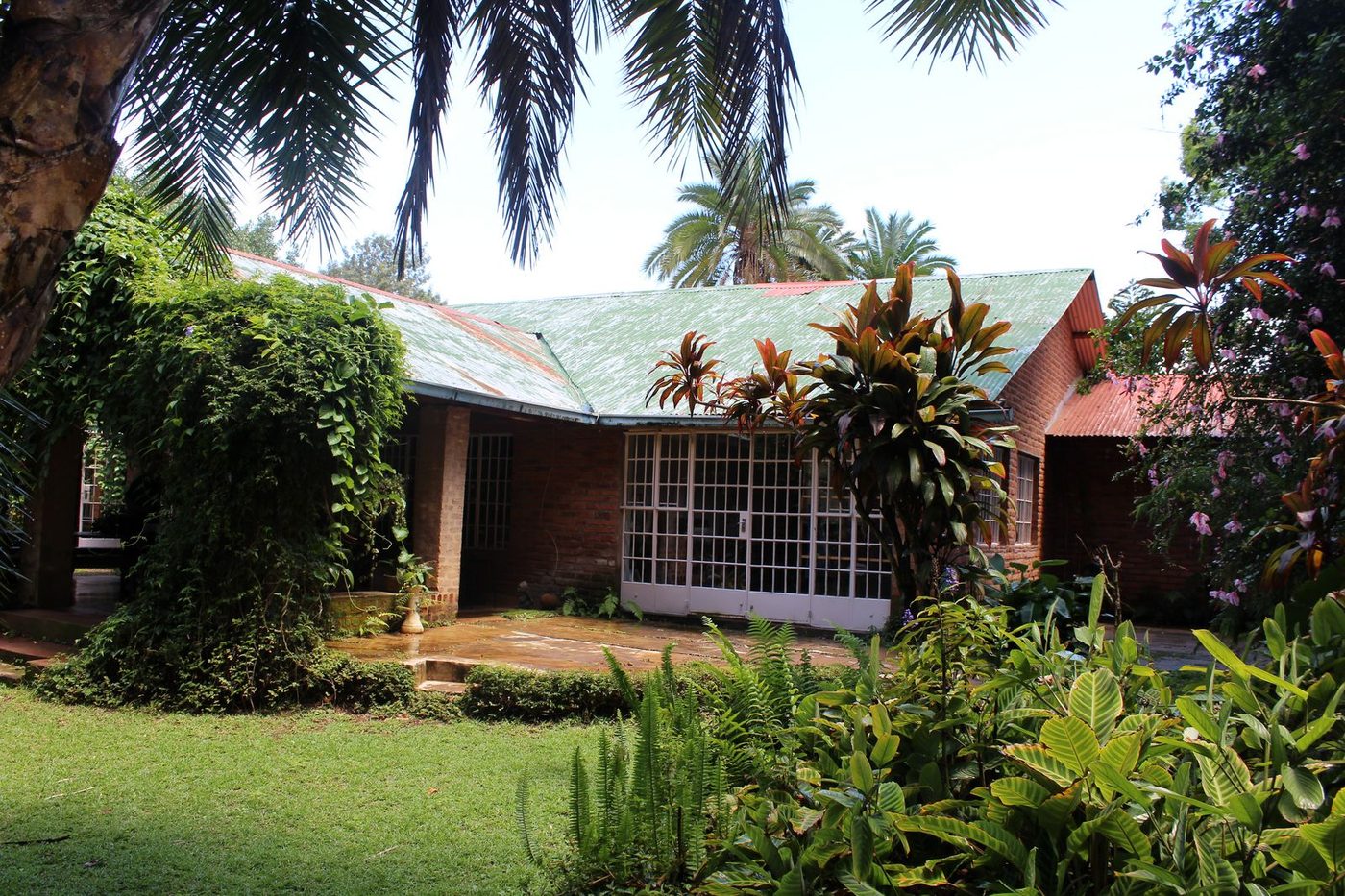
A typical May day at The Thyolo House starts cool. Breakfast is slow, the gardens are green, and the pool becomes tempting by lunch. The on-site experience is simple: rooms, restaurant, gardens, pool, and art when available.
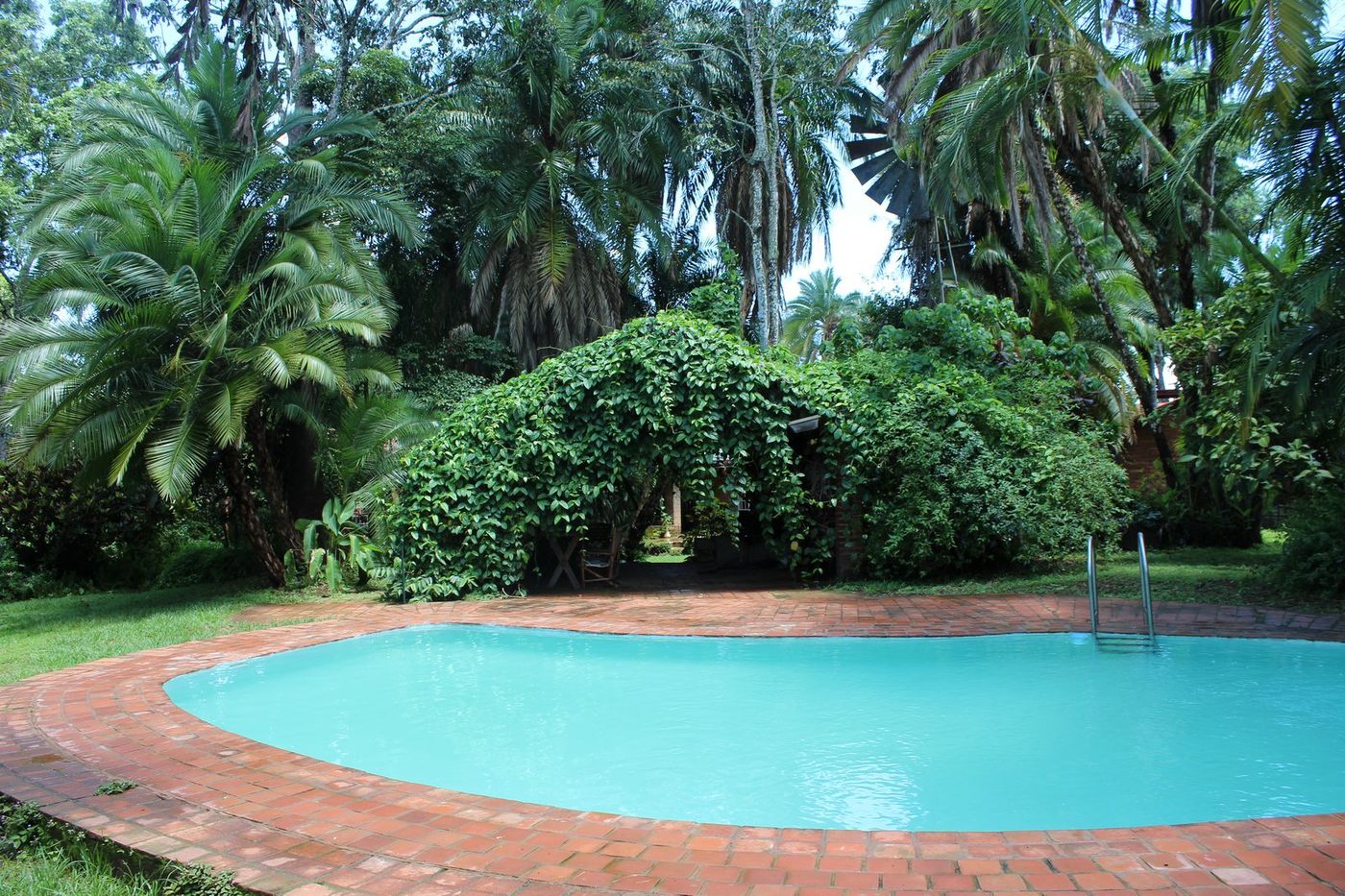
Afternoons are slow on purpose. The light between 4pm and 6pm is the reason. Some guests take an art workshop with Flavia in her studio behind the main house — she's an Italian-Malawian painter and the workshops are loose, generous, very much not a class. External lookouts, guides, drivers, and estate access should be arranged directly with the relevant providers. Dinner in the restaurant is the night's anchor: Italian fusion built from what's actually in the garden, lit by candles and the fire if the evening has turned properly cold, which by late May it often has.
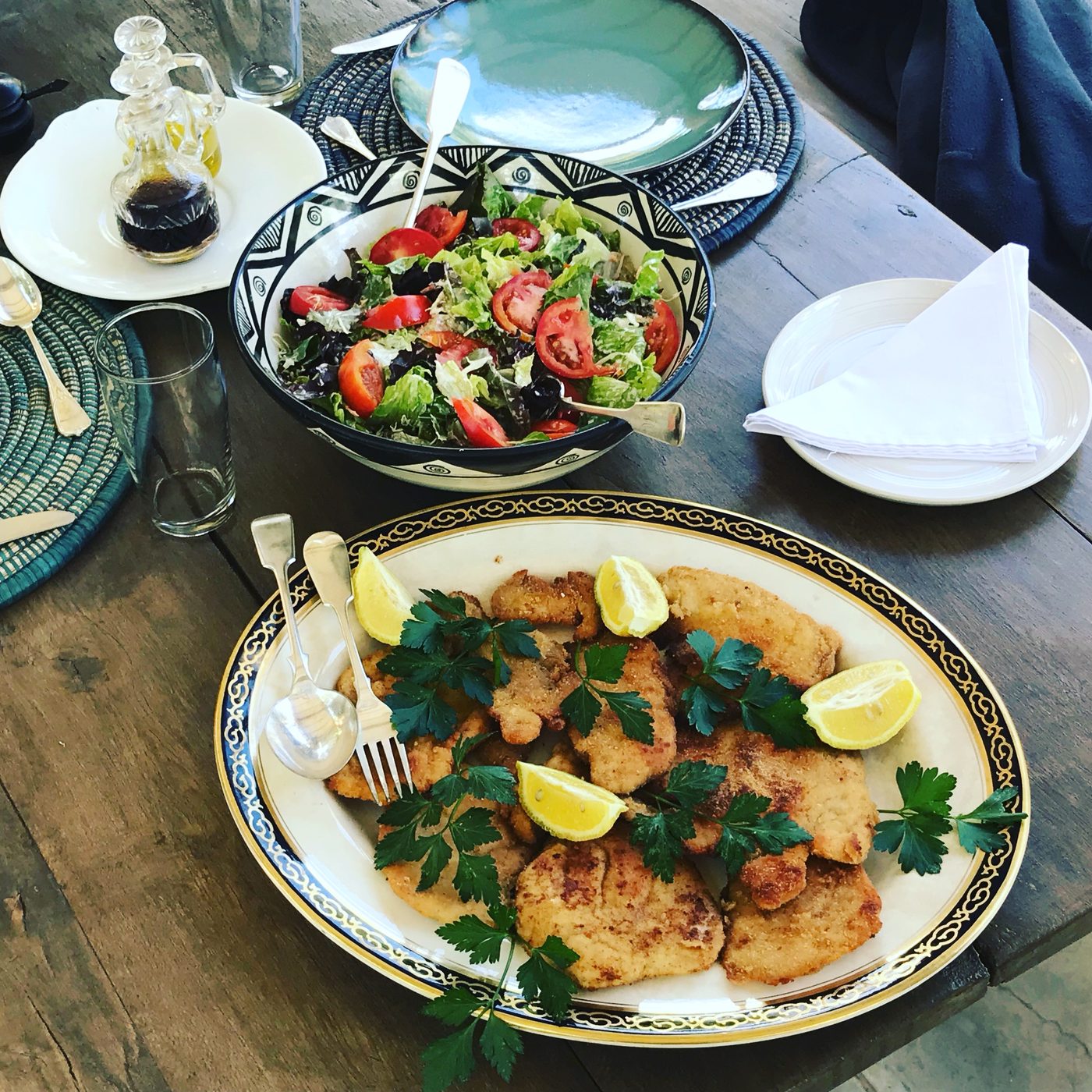
If you're coming up from Blantyre for a long weekend rather than a full holiday, our weekend escape guide from Blantyre to Thyolo House covers the 40-minute drive and what a two-night version of the above looks like in practice.
Where to Go from the Estate in May — Mulanje, Liwonde, and the Lake
three independent visit or overnight options can pair well with a Thyolo stay in May. None of them needs to be rushed.
Mulanje Massif — finally open and finally cool
Mulanje is unsafe in the wet season; the granite gets slick, the streams flood, and the Forestry Department doesn't issue permits for the harder routes. May is when the mountain reopens properly. The trailheads at Likhubula are reached independently from Thyolo. A two- or three-night hut-to-hut traverse — Chambe to Lichenya, or longer to Sapitwa at 3,002m — is one of the best low-budget mountain experiences left in this part of the continent. Entry fees through MMCT and Forestry sit around MK 1,000 per person, MK 500 per vehicle, MK 1,000 per hut per night, though these figures have been creeping upward as the kwacha has moved and should be re-confirmed on booking. Ten named huts, each spartan but functional, no electricity, fires for warmth — and at 2,000m on a May night, you'll want the fire.
Liwonde National Park — game viewing season begins
Liwonde is a longer independent drive north from Thyolo, and the timing in May is excellent: the bush is thinning, the elephants concentrate around the Shire River, and the recent investment in the park is now visible everywhere. The 2025 upgrades alone are worth a paragraph — Chinguni House is now fully solar, Chimwala Bush Camp has been renovated, Ligulo House has opened, the Zua Safari River Spa is running, and there's a new 20-seater boat plus new game viewers in the fleet. Mvuu Camp currently sits at USD 305–345 per person per night. Two nights is enough for a first visit. You can be back in the highlands verandah for dinner on the third day.
Lake Malawi — long, easy, four hours away
The lake is roughly four hours from Thyolo by car. In May the water is still warm from the summer, the air above it is dry and clear, and the southern lakeshore lodges around Cape Maclear are running at low occupancy. If you have a full week to travel Malawi from a southern base, three nights in the highlands and three at the lake is the classic combination. Domestic flights between Lilongwe and Blantyre Chileka run about 40 minutes from USD 95 if driving doesn't appeal.
Practical Notes: Roads, Packing, Bookings, and Getting to Thyolo House
A few things that have shifted in the last twelve months and are worth knowing before you travel Malawi in May 2026.
Currency. The official rate is around MK 1,734 to the USD; the parallel market peaked at roughly MK 4,500 in September 2025 and has since settled near MK 3,500 after the election. The Reserve Bank has ruled out an official devaluation in the near term. Most lodges, including ours, quote in USD and accept card, but bringing some cash for fuel, park fees, and tips is sensible.
Fuel. Prices were adjusted in October 2025 and again in January 2026. Diesel currently sits at MK 6,687 per litre (as of April 2026). Fill up in Blantyre or Limbe rather than waiting until you're remote.
Health. There is a mild ongoing cholera outbreak — 174 confirmed cases nationwide as of 9 March 2026, well below the 60,000 of 2022–23, and a vaccination campaign has reached 95% coverage. Affected districts are mostly in the south (Chikwawa, Neno). Standard precautions — bottled or filtered water, food from established kitchens — are sufficient. Malaria prophylaxis is still recommended.
Advisories. The US is at Level 2; Germany has tightened its advisory recently. Both are routine and reflect general caution rather than anything specific to the southern highlands, which remain very calm.
Packing for May. A proper fleece or light wool jumper. Long trousers for evenings. Sturdy shoes if you're walking the highland forest or doing Mulanje. A swimsuit — the pool still works. A rain jacket, just in case the Chiperoni surprises you. Sunscreen and a hat for the afternoons, which are still bright.
Getting here. Fly into Blantyre Chileka (BLZ) — Ethiopian, Airlink, and Kenya Airways all serve the route. The estate is 40 minutes by car from Blantyre, 20 minutes from Limbe, and about an hour from the airport. Book transfers directly with a transport provider; the drive is easy, all tar, with the last few kilometres on a maintained estate road. If you're coming via Lilongwe, the domestic hop to BLZ is the fastest option; otherwise it's a five-hour drive south on the M1.
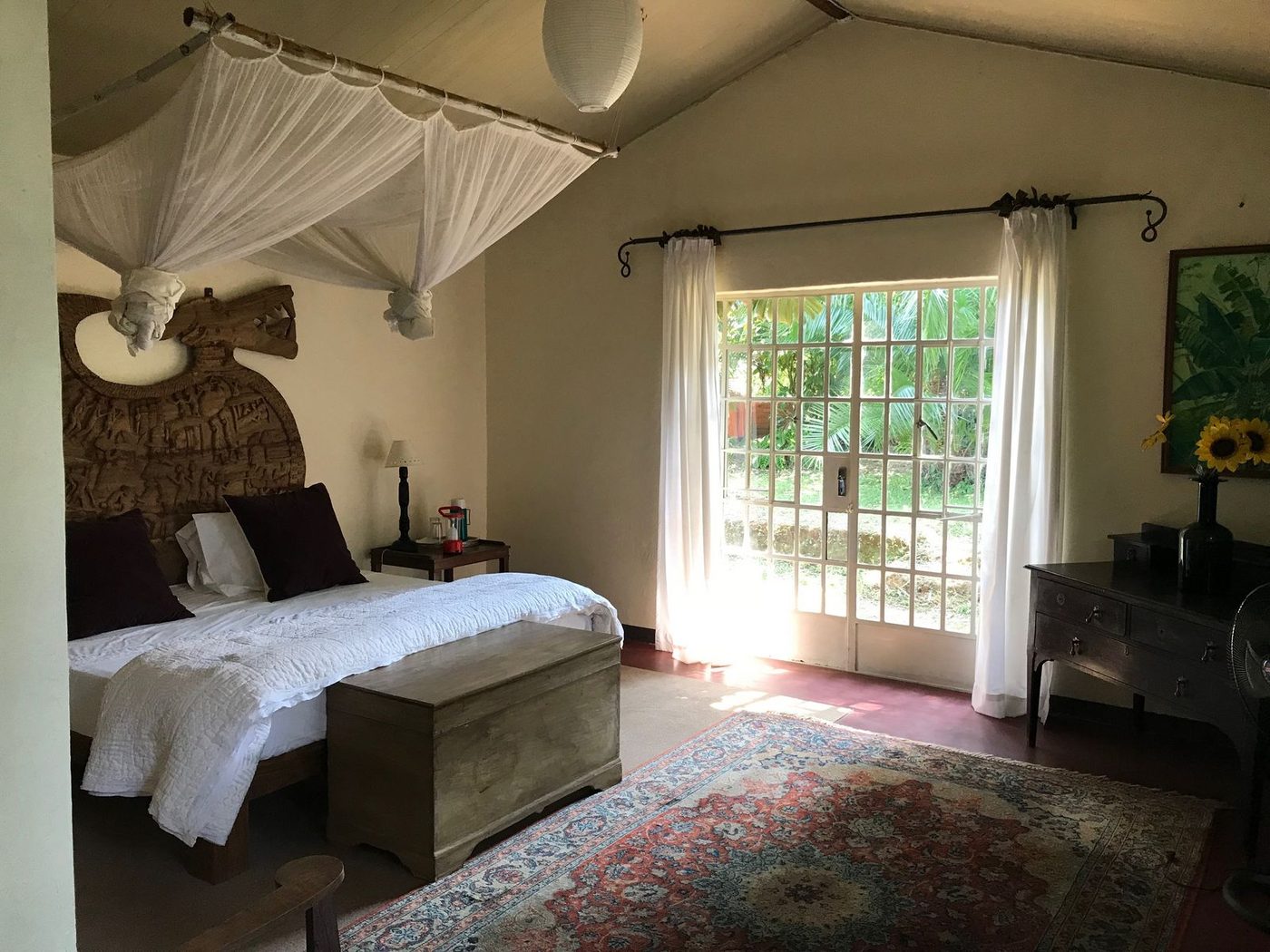
Booking. We are a five-room boutique property, which is part of the reason May works so well for us — at full occupancy we have perhaps a dozen guests on the property, never the feel of a hotel. To check availability for May or to ask about room or restaurant availability, message us on WhatsApp or email thethyolohouse@gmail.com. We answer most messages within a few hours, and we can confirm whether rooms, restaurant tables, pool, gardens, or on-site art availability suit your dates.
May rewards travellers who choose it. The cool mornings, the long afternoons by the pool with a book and a sweater, and the garden in honey-coloured light — these are the small, specific reasons we keep telling friends that if they can travel Malawi only once, they should do it in this quiet, beautiful, half-secret month before the high season begins.