/ By The Thyolo House
Volunteering in Malawi: A Guide to Medical, Conservation & Teaching Placements
A journal from a boutique lodge in the Thyolo highlands. These are notes from our corner of Malawi — places we love, walks we've done ourselves, operators we've watched do good work. The mountain treks, tea-estate tours, and day trips are all run by independent operators in Malawi; book those directly with them. Come stay with us before or after — we'll do the room, the meal, and the quiet.
Why Malawi is one of Africa's most rewarding places to volunteer
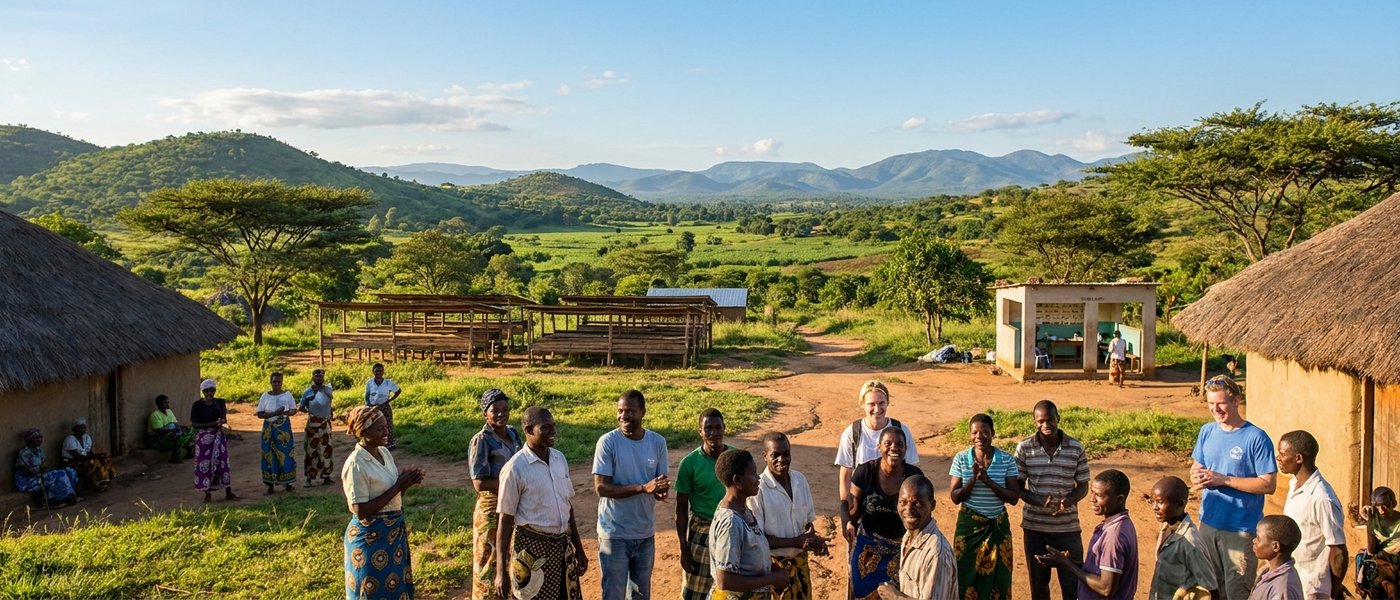
Volunteering Malawi has become a meaningful rite of passage for doctors, conservationists, teachers, and students who want their time abroad to leave a trace. The country earned its "Warm Heart of Africa" moniker honestly — you feel it the moment someone calls across a market stall to ask where you're from, or when a nurse at a rural clinic pauses an overnight shift to make sure you've eaten. Malawi is small, safe by regional standards, and deeply under-resourced in exactly the areas where skilled visitors can make a genuine contribution: health, education, conservation, and community development.
The southern region — centred on Blantyre and reaching out into the tea country of Thyolo and the granite massif of Mulanje — is where a disproportionate share of Malawi's NGO and mission work concentrates. Hospitals here treat patients from across three districts. Conservation trusts manage forest reserves that shelter endemic species found nowhere else. Primary schools operate with one teacher per ninety pupils. If you're planning a placement, this guide walks through the realities of volunteering in Malawi in 2026 — what programmes exist, what they cost, what paperwork you actually need, and where to recover between the demanding stretches.
Medical placements at Malamulo Hospital and beyond
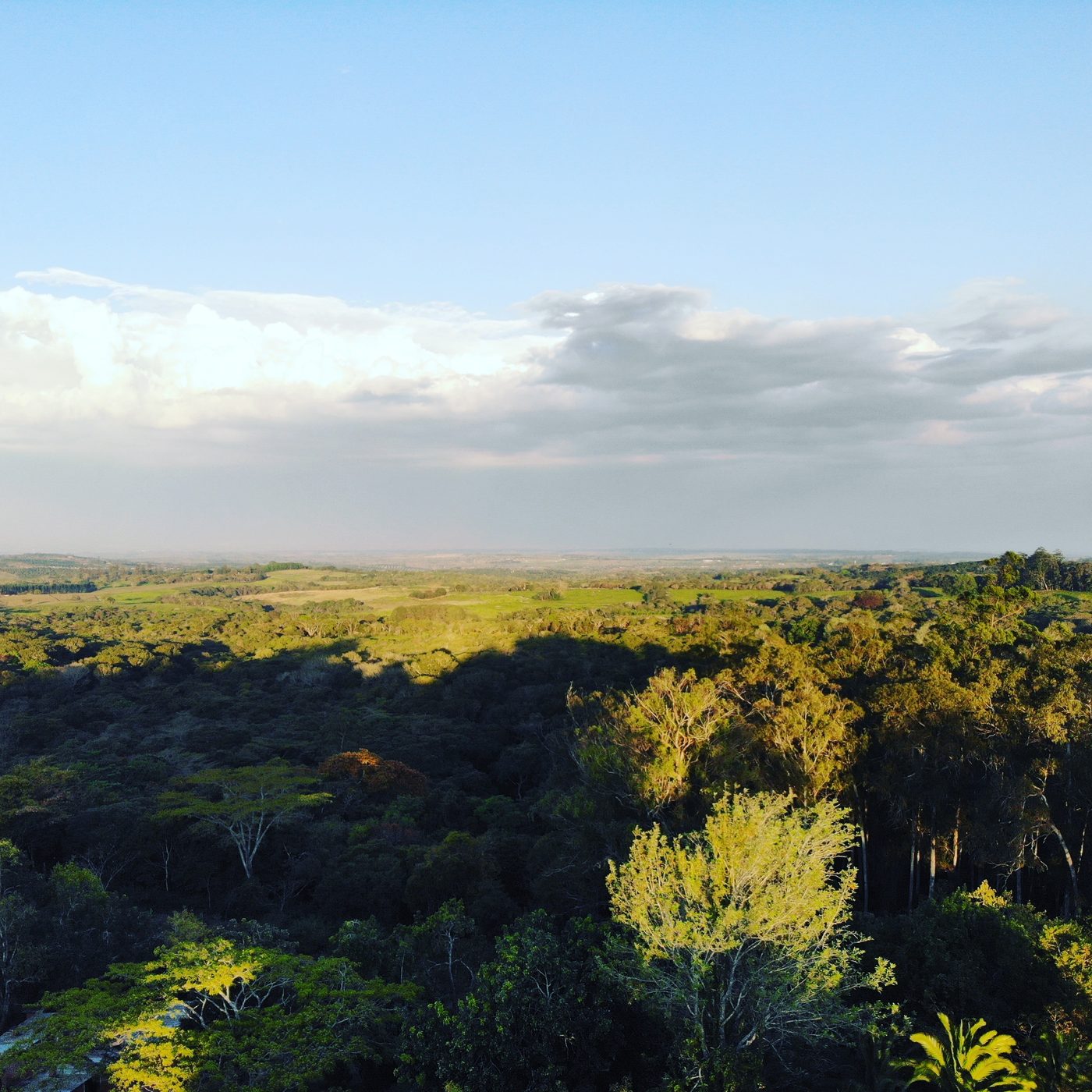
Malamulo Adventist Hospital, tucked into the hills of Thyolo district about 45 minutes south of Blantyre, is one of the most established teaching hospitals in southern Malawi. It runs a family medicine residency in partnership with Loma Linda University and hosts a steady rotation of international medical students, residents, and qualified physicians. Placements typically cover internal medicine, paediatrics, obstetrics, surgery, and HIV care, and the hospital is explicit that visiting clinicians need to arrive with their own indemnity insurance, current licensure documentation, and a letter of sponsorship.
For nurses and pre-med students who don't yet have a clinical licence, observer placements are available at Malamulo and at the public referral hospital in Blantyre. Work tends to focus on WASH education, HIV and malaria screening, nutrition programmes, and maternal health. Go Volunteer Africa and similar brokers place healthcare students across government clinics for fees starting at around $220 USD as a placement deposit, with the balance typically due eight weeks before arrival.
What to expect on a medical placement
- Duration: most formal programmes run 2–12 weeks. Malamulo's residency slots are longer.
- Paperwork: current CV, medical licence copies, immunisation record, and a reference letter from your home institution.
- Clinical intensity: high. Malawi's health system runs lean, and even observers are often drawn into genuine clinical work. Plan rest days deliberately.
- Languages: English is the clinical working language; Chichewa is used with patients, and a translator is usually available.
Conservation work with the Mulanje Mountain Conservation Trust
Mount Mulanje is the highest point in central Africa south of Kilimanjaro and a biodiversity hotspot of global significance — home to the endemic Mulanje cedar, Alethe forest birds, and an ecosystem under serious pressure from illegal logging and climate shifts. The Mulanje Mountain Conservation Trust (MMCT), founded in 2000 and headquartered in Mulanje town, is the lead custodian and one of the better-organised conservation NGOs in Malawi for receiving skilled volunteers.
MMCT's flagship CLIMB programme — Conservation Livelihoods in Malawi's Biospheres — layers forest co-management with community livelihoods: beekeeping, agroforestry, fuel-efficient stoves. Volunteers with backgrounds in GIS, ecology, data analysis, forestry, or environmental education can contribute meaningfully. The trust's website (mountmulanje.org.mw) is the best starting point; they tend to prefer candidates who approach with a specific skill offer rather than a generic "I want to help" enquiry.
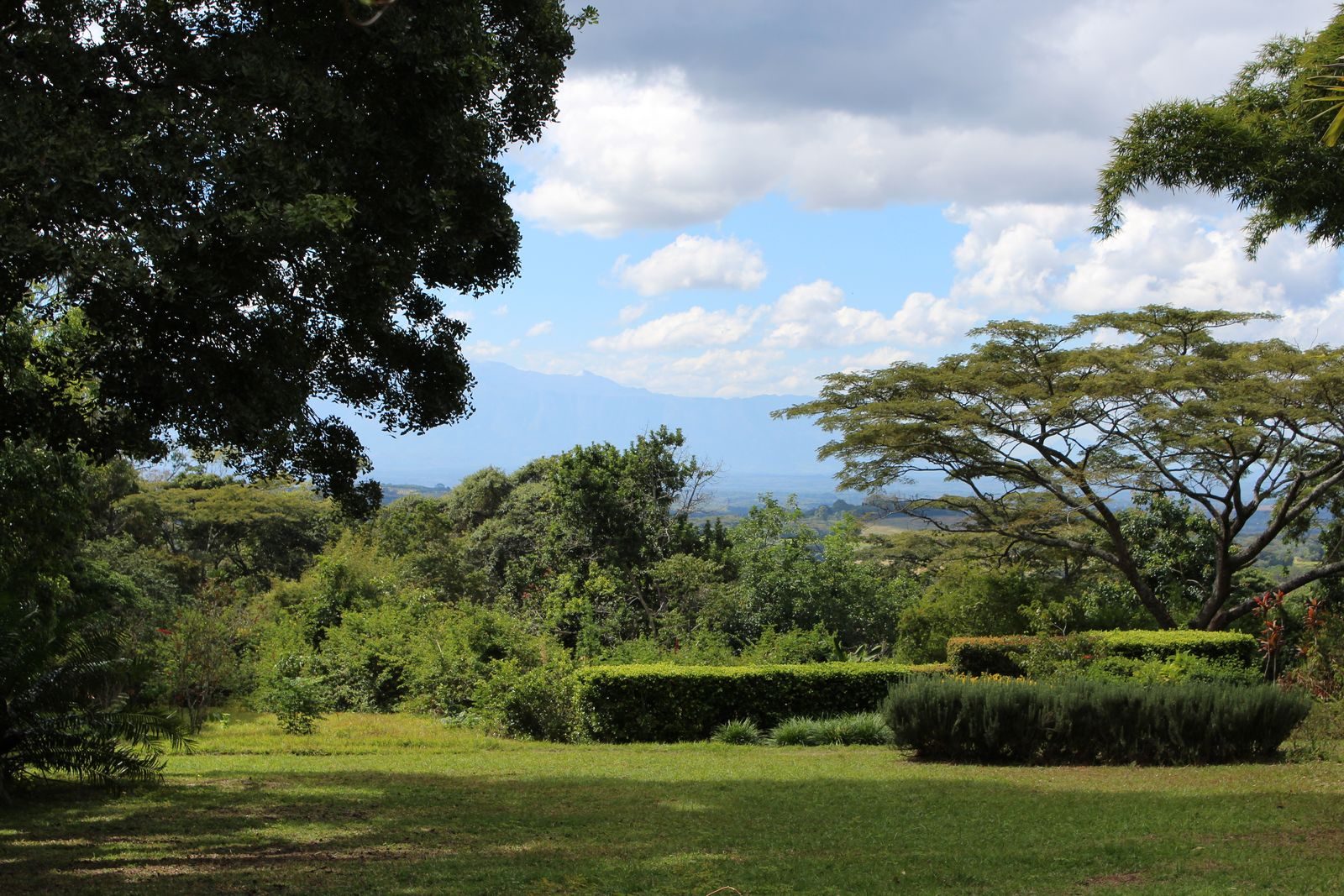
Shorter-term conservation volunteering in Malawi is also available through Bhubesi Pride Foundation, which combines rugby coaching with wildlife and habitat work (a trip is scheduled for 16–23 May 2026), and through smaller community-based projects around the Zomba Plateau and Majete Wildlife Reserve. For a broader overview of the NGO landscape and how to vet organisations before you commit, our guide to NGOs in southern Malawi covers due diligence in more detail.
Teaching and community programmes across the southern region
Teaching placements are the most flexible entry point if you don't have specialist medical or conservation credentials. Malawi's community day secondary schools (CDSS) and rural primary schools are routinely short of teachers for English, mathematics, geography, history, and physical education. Duration is typically a minimum of two weeks, though most organisations push back if you're staying less than a month — a class that keeps switching teachers learns less, not more.
Building Malawi, one of the longer-running placement organisations, charges £150 for the first week and £75 for each subsequent week, with a longer six-month stay coming in around £1,200 all-in for the programme fee. Kusewera runs organised June–July intakes at roughly $699 USD including airport transfers, lodging, and meals. Smaller Thyolo-based organisations like the Chipembere Community Development Organization (CCDO), founded in 2010, take teaching and mentoring volunteers alongside their core work on women's entrepreneurship and youth employability — the Msuwadzi Tea Association runs a parallel vocational skills programme for young people aging out of school.
Community development roles
- Women's empowerment — business training, micro-finance facilitation, literacy classes
- Youth entrepreneurship — coaching, mentorship, digital skills
- Construction/handyman work — primary schools across the region are desperate for skilled builders, particularly for classroom rehabilitation and water point construction
- Nutrition and food security — often paired with school feeding programmes
How to choose the right placement — questions to ask before you commit
The volunteering malawi sector has grown large enough that not every organisation is worth your money or your time. Before you pay a deposit, ask hard questions. A legitimate NGO will welcome them.
- Is the organisation registered in Malawi? This is not optional. Working with an unregistered outfit puts you at legal risk (see the visa section below) and usually means your fee is going to a broker, not a programme.
- Where does my fee go? Ask for a breakdown. Reasonable answers: accommodation, meals, transport, programme coordinator salary, community contribution. Unreasonable: "administrative costs" with no detail.
- What happens when I leave? If the work falls over the moment you fly home, the project isn't serving the community — it's serving you.
- Are my skills actually needed? A well-run programme will turn you down politely if your offer doesn't match their gap. That's a good sign.
- Can I speak to a past volunteer? The best organisations introduce you to someone who finished a placement in the last six months.
"If you can't explain, in one sentence, what would break if you didn't show up — you're probably volunteering for your own benefit, not theirs. That's fine. Just be honest about it."
What to pack, visas, and costs to expect
Malawi moved to a live e-visa system at evisa.gov.mw, and as of 2 January 2026 most nationalities require a visa to enter. Visa-on-arrival still exists for many passports, but advance application is now strongly preferred, and some sources suggest e-visa applications should be submitted at least one month before arrival. Costs:
- Tourist single-entry visa: approximately $50 USD, valid for 3 months from issue
- Multi-entry 12-month visa: up to $250 USD
- Passport validity: minimum 6 months remaining from entry date
Critical warning on visa status. Volunteering on a tourist visa is legally risky. US citizens have been arrested, fined, and deported for engaging in volunteer or business activity on tourist status when the hosting NGO couldn't produce the right paperwork. Work with a Malawi-registered organisation that will file a letter on your behalf and, for longer stays, sponsor a temporary employment or business visa. Do not let a broker tell you "everyone does it on a tourist visa." They do, and a small number get caught.
Budget checklist beyond the programme fee
- International flights (usually via Addis Ababa, Nairobi, or Johannesburg to Chileka/Blantyre)
- Vaccinations — yellow fever (required for entry from some countries), hepatitis A/B, typhoid, rabies if rural, and antimalarials
- Travel and medical insurance with evacuation cover — non-negotiable
- Local transport — minibus between towns costs pennies; private transfer to the airport runs $30–50
- Personal spending money — $100–200/month is ample outside major expeditions
What to pack
- Modest clothing suitable for clinical, school, or community settings — long trousers and covered shoulders are the norm
- Sturdy closed shoes plus one pair you don't mind destroying on highland forests
- Head torch, reusable water bottle with filter, and a proper insect repellent (50% DEET)
- A laptop if your role is data, GIS, or writing — power is reliable in Blantyre, patchier in rural placements
- A small gift for your host family or placement coordinator — Malawian hospitality is real and worth returning
Where to base yourself — accommodation for volunteers in southern Malawi
Most formal programmes include accommodation, but the quality varies wildly. Hospital dorms at Malamulo are clean and basic. Village homestays through teaching programmes are immersive but demanding — you are on, all the time, often with limited privacy. If yThe Thyolo Housement runs longer than six weeks, experienced volunteers almost universally recommend building in regular breaks at a quieter, comfortable base.
Blantyre has plenty of guesthouses and a couple of decent hotels, but it's a city — the noise and traffic don't help if you're decompressing from a hard hospital rotation. Thyolo and Mulanje are quieter, greener, and closer to most southern placements. Our complete guide to Thyolo covers the district in more depth.
Downtime at The Thyolo House — recovering between placements in Thyolo tea country
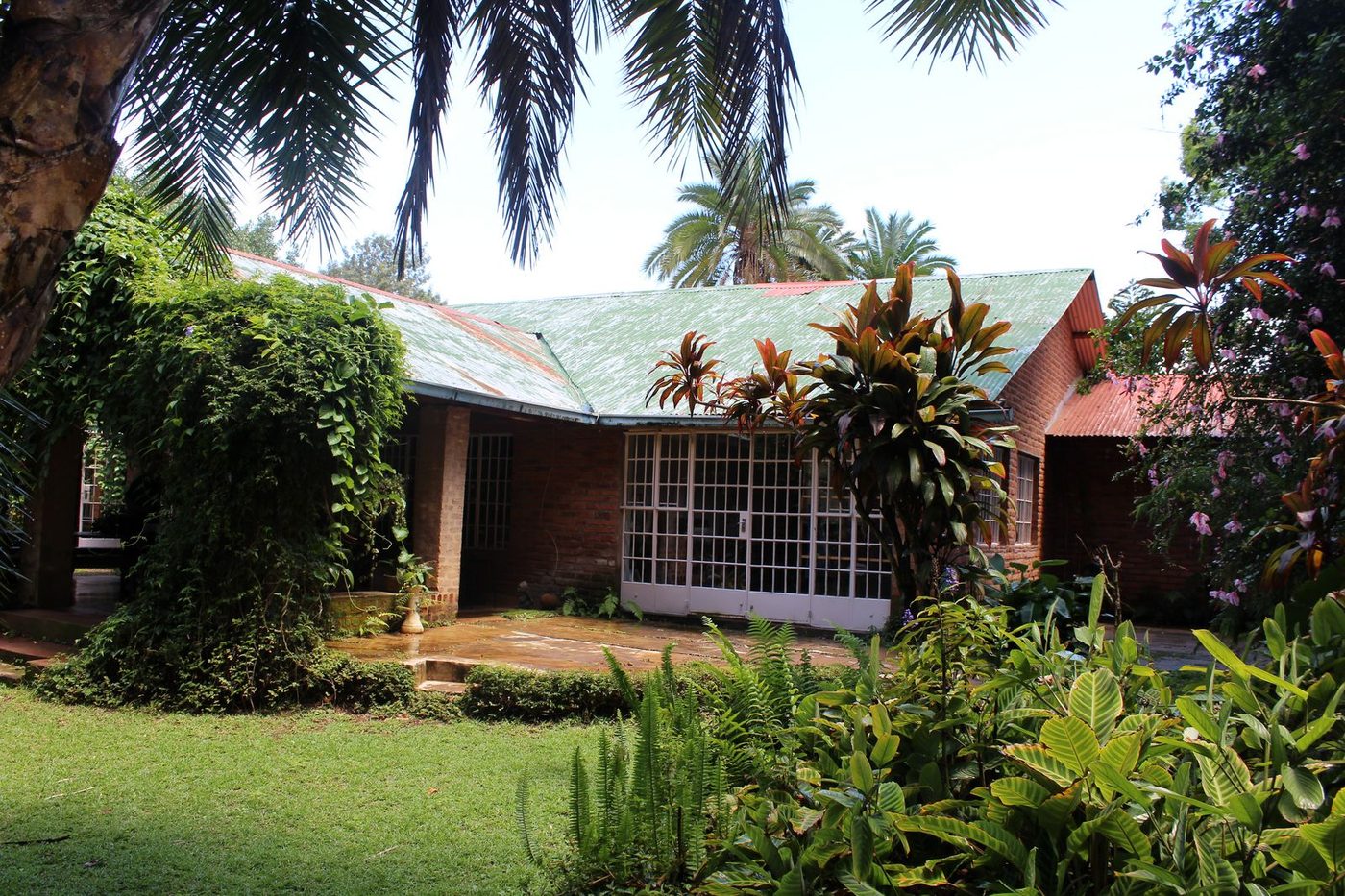
The Thyolo House is a small five-room boutique hotel on a historic property that was once part of the Conforzi Tea Estate, run by Flavia Conforzi — an Italian-Malawian artist whose family has farmed tea here for generations. It's 20 minutes from Limbe, 40 minutes from Blantyre, and an easy drive to Mulanje. That geography makes it practical for volunteers: close enough to return to yThe Thyolo Housement quickly, far enough to feel like you've genuinely left.
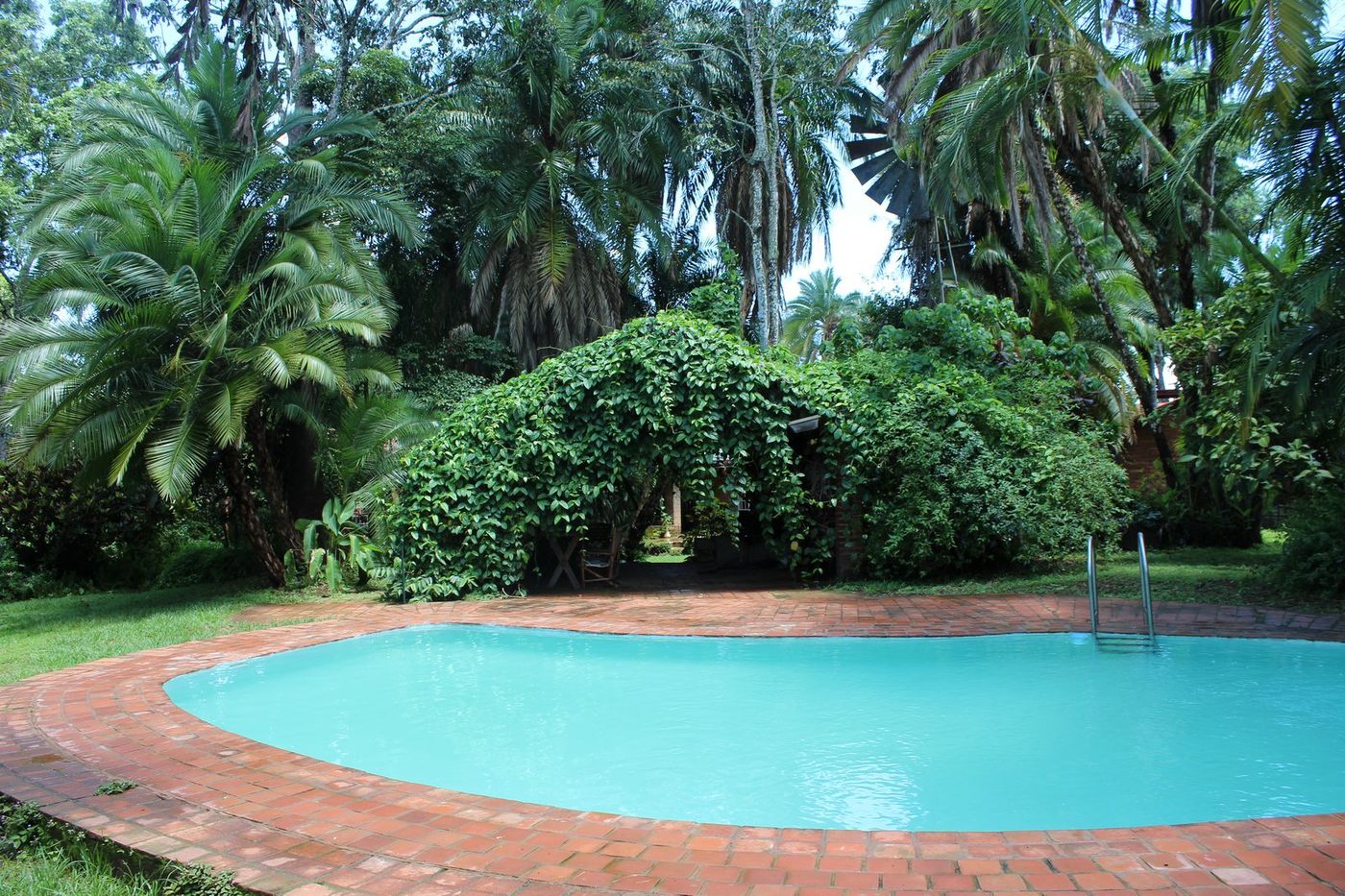
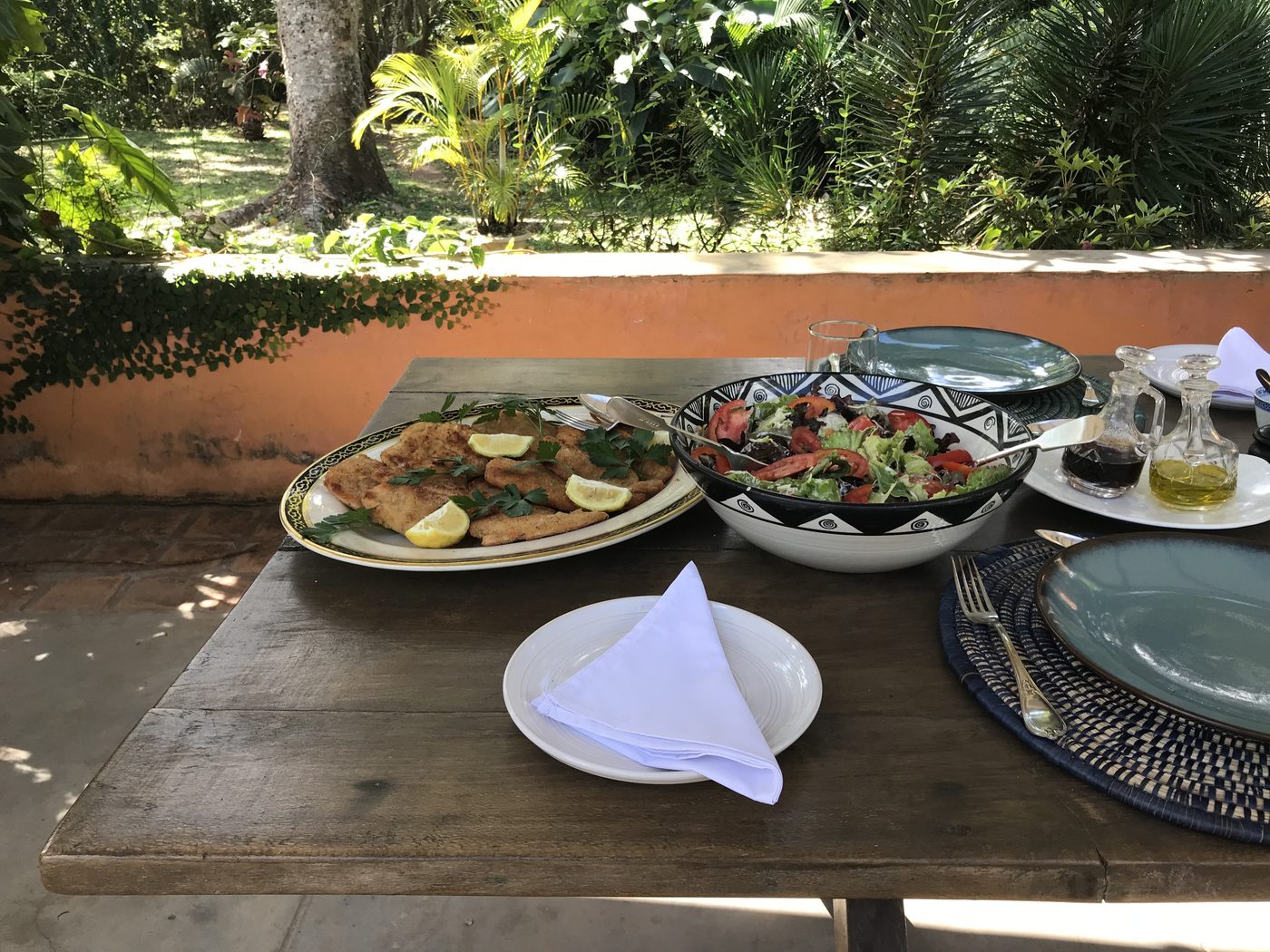
What makes it work as a volunteer recovery base, specifically: the restaurant cooks Italian fusion using herbs and vegetables from the house garden (a welcome change from weeks of nsima), there's a pool, Highland Forests start from the garden, and Flavia runs occasional art workshops that are genuinely restorative after heavy clinical or community work. Rooms are quiet and properly dark — which matters more than you'd think when you've been up on labour ward for three nights running.
Volunteers on longer placements often book one of the boutique rooms for a weekend midway through, then return for a few nights at the end before flying home. Our weekend escape guide from Blantyre maps out how to structure a short break. For longer stays we can offer reduced weekly room rates — just ask.
Practical logistics — getting to Thyolo, Blantyre, and Mulanje from yThe Thyolo Housement
Chileka International Airport (BLZ), outside Blantyre, is the usual arrival point for volunteers working in the southern region. From Chileka:
- To central Blantyre: 30 minutes by private transfer (around $30–40) or 45 minutes by minibus from the airport road
- To Thyolo town: 1 hour 15 minutes by car south on the M2 — the road is tarred the whole way
- To Mulanje town: 2 hours from Blantyre, continuing past Thyolo on the M2
- To The Thyolo House (historic Conforzi property): 40 minutes from Blantyre, 20 minutes from Limbe — book airport or city transfers directly with a transport provider before arrival
- To Lake Malawi (Cape Maclear/Monkey Bay): around 4 hours from Thyolo, if you're planning a longer break between placements
Minibus is the cheap option between towns (under $5 for most southern routes) but uncomfortable and slow. AXA coach runs a more reliable scheduled service between Blantyre, Lilongwe, and Mzuzu. For shorter hops, Bolt works in Blantyre and Limbe.
When you've just finished a rotation and need to decompress
If you're coming off a hard placement and want a quiet few days before heading home, or just need a weekend to yourself midway through, message us on WhatsApp or email thethyolohouse@gmail.com. The Thyolo House can often accommodate last-minute room or restaurant bookings outside peak season and may be able to adjust meal times around hospital shifts, early morning forest work, or school timetables. External transport, volunteering placements, guides, trips, and activities are not arranged through The Thyolo House. Flavia and the team know the southern Malawi volunteer scene well — we've hosted doctors from Malamulo, researchers from MMCT, and teachers on their way through enough times to know what a good recovery stay looks like.
Volunteering in Malawi is demanding, unglamorous, and — if you pick the right placement and look after yourself — one of the more useful things you can do with a few months of your life. Do the paperwork properly. Ask the hard questions. Build in rest. The work will be better for it, and so will you.