/ By The Thyolo House
Zomba Plateau Travel Guide: Trails, Views & Where to Stay
A journal from a boutique lodge in the Thyolo highlands. These are notes from our corner of Malawi — places we love, walks we've done ourselves, operators we've watched do good work. The mountain treks, tea-estate tours, and day trips are all run by independent operators in Malawi; book those directly with them. Come stay with us before or after — we'll do the room, the meal, and the quiet.
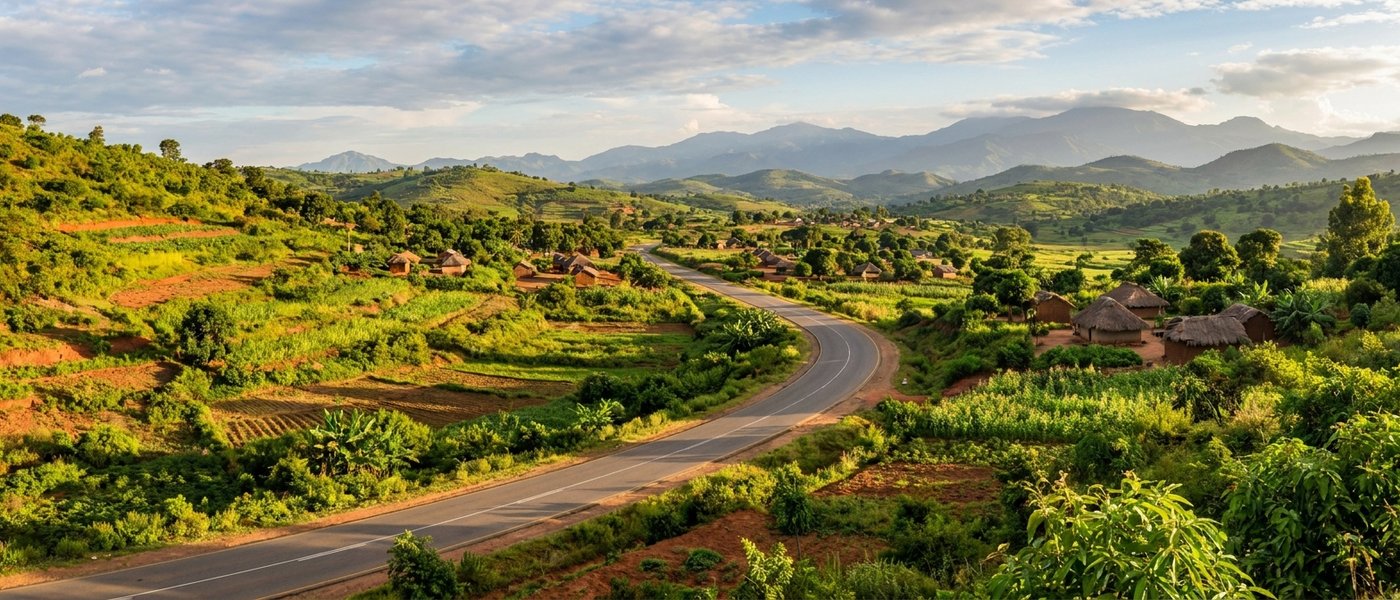
If you're looking for the most rewarding mountain mountain visit in southern Malawi, this zomba plateau travel guide is the one to bookmark. Rising sharply above the old colonial capital of Zomba, the plateau is a green island of pine forest, granite cliffs, trout streams and panoramic viewpoints — a cool, quiet world that feels worlds away from the warm plains below. From The Thyolo House, an hour and a bit to the south, it's one of the easiest highland adventures visitors often consider, and it pairs beautifully with the tea estates and the Mulanje Massif for a full Shire Highlands itinerary.
Why Zomba Plateau Belongs on Every Malawi Itinerary
Malawi is famous for its lake, but its mountains are what surprise first-time visitors. Zomba Plateau is the most accessible of them. A tarmac road climbs straight from Zomba town up to the plateau edge, delivering you in under an hour from sea-level heat into a pine-and-cedar landscape that hovers above 2,000 metres. The highest point, Mulumbe Peak, sits at 2,085 m, and Chikunda Peak nearby gives you another commanding vantage. From the rim you can see Lake Chilwa shimmering to the east, the Phalombe Plains rolling toward Mulanje, and on a clear morning, the bulk of Mulanje Massif itself.
What makes the plateau special isn't just elevation — it's variety. In a single half-day you can walk to a 457-metre sinkhole steeped in local legend, swim under a waterfall, picnic by a freshwater dam built with EU funding, and stand where Queen Elizabeth II stood in 1957 to take in one of Africa's most photographed views. For travellers building a southern Malawi route, Zomba is the obvious complement to the tea country and the Lake — a third dimension that adds altitude, history and forest air to the visit.
Getting There — Routes from Blantyre, Lilongwe and Thyolo
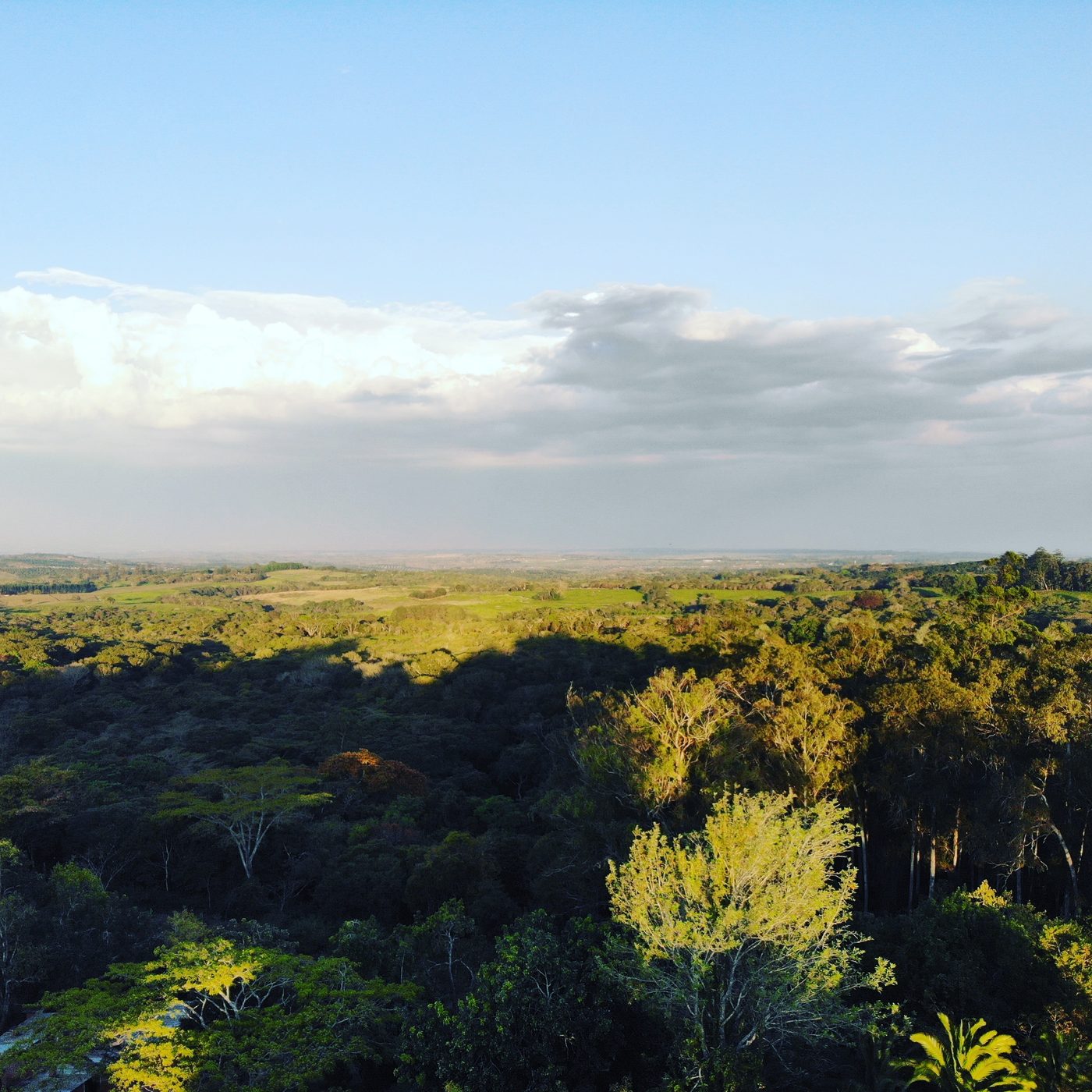
Zomba town lies roughly 70 km north of Blantyre on the M3, a well-maintained tarmac road that's straightforward in any vehicle. From Lilongwe the drive is longer — closer to five hours — but the stretch from Liwonde down to Zomba is one of Malawi's prettier highway segments, with the Shire River and Liwonde National Park on one side and the rising bulk of the plateau ahead.
From The Thyolo House, the run to Zomba town is about 90 minutes. You head north through Limbe and Blantyre, join the M3, and continue past Chiradzulu. From Zomba town, the plateau road climbs sharply through hairpin bends — a section locals call "the up road" — and you're on the rim within thirty minutes. There's a corresponding "down road" so traffic moves one-way around the loop.
- From Blantyre: ~2 hours to the plateau rim, all tarmac.
- From The Thyolo House: ~1.5 hours to Zomba town, then 30 minutes up.
- From Lilongwe: 4.5–5 hours via Liwonde.
- From Lake Malawi (Mangochi end): ~2.5 hours via Liwonde.
Self-driving is the easiest option, but private transfers are widely available from Blantyre and must be booked directly with a transport provider. If you're combining Zomba with other stops in the south, the highlands route makes sense as a loop — see our southern Malawi highlands route guide for how the pieces fit together.
The Trails — From Williams Falls to Emperor's View and Chingwe's Hole
Most visitors come to Zomba for the walking, and the plateau rewards everyone from gentle strollers to all-day hikers. The classic short itinerary takes in three or four signature sights and runs to two or three hours of easy walking on forest tracks and gravel roads.
Queen's View and Emperor's View
These are the two most famous lookouts. Queen's View takes its name from Queen Elizabeth II's 1957 visit and stares out over Zomba town, Lake Chilwa and the Phalombe Plains stretching toward Mulanje. Emperor's View is the second classic vantage, usually paired with Queen's on the same loop. Both are short walks from the plateau road and accessible to almost anyone — the views do the heavy lifting.
Chingwe's Hole
Near Mulumbe Peak you'll find Chingwe's Hole, a 457-metre vertical sinkhole. Local oral history holds that chiefs once threw enemies and condemned criminals into it — the kind of detail that gives a place real weight. The hole itself is fenced and there's not a great deal to look at structurally, but the legend, the elevation and the views from the surrounding ridge make it worth the detour.
Williams Falls and Mandala Falls
Williams Falls tumbles over rounded granite into a shallow pool that's a popular swim and picnic spot. It's easy to reach and good for families. Mandala Falls sits on the Mulunguzi nature trail, which is one of the loveliest walks on the plateau — a riverside path that winds from Mandala Falls past a small trout farm and on to Williams Falls, with the Mulunguzi Dam not far off.
Mulunguzi Dam and the Longer Loop
Mulunguzi Dam is an EU-funded freshwater reservoir that supplies Zomba town. Its lakeside is a gentle picnic spot and the trout farm just below adds a quirky detail. Stronger walkers can string together Mulunguzi, the Songani lookout, Chagwa Dam and the Nawimbe Fire Tower into a full plateau loop of around 16 km, 5 to 7 hours at moderate difficulty. Watch for baboon troops near the fire tower — they're habituated to walkers and best given a wide berth.
Guides and Safety
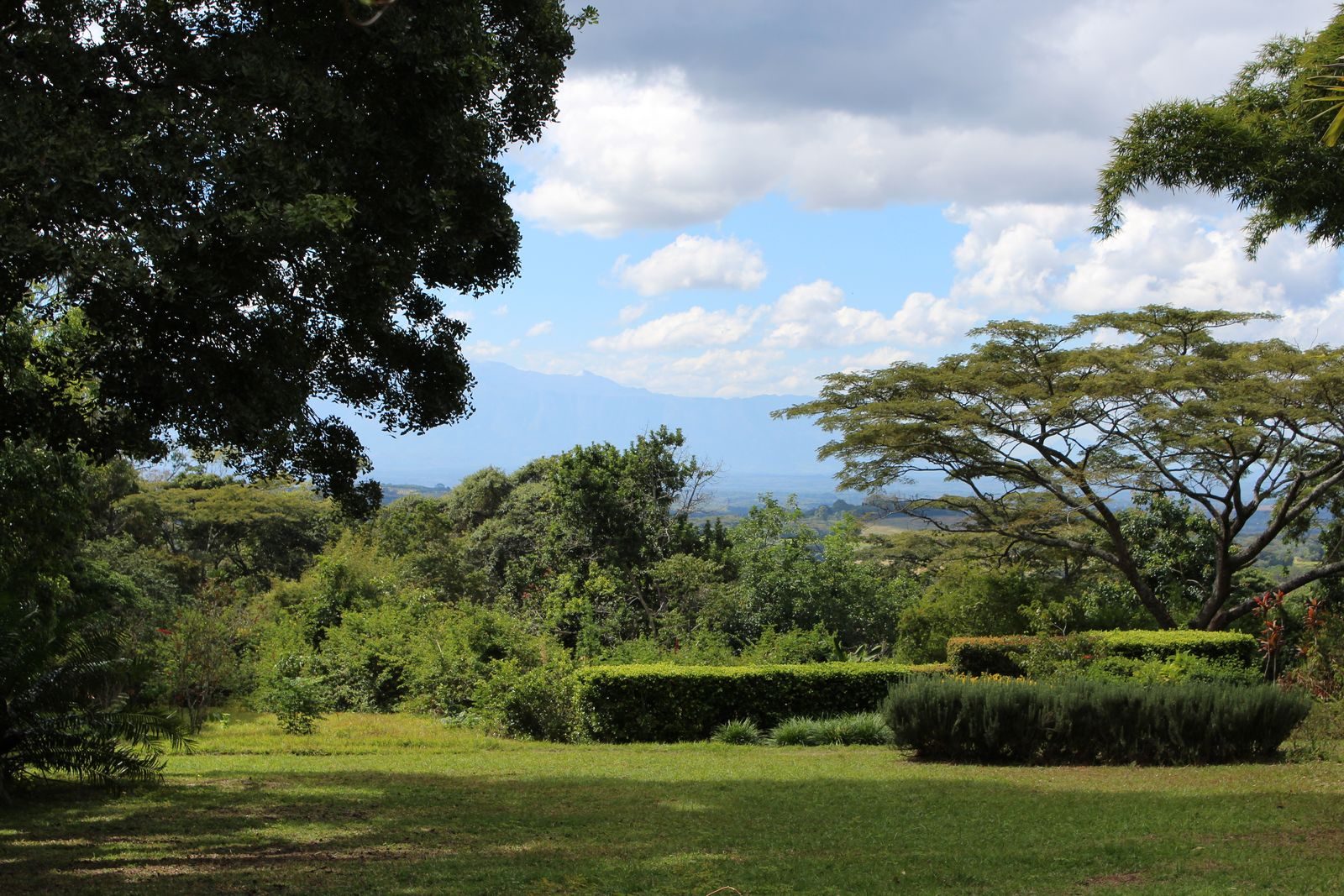
We strongly recommend hiring a guide. The Zomba Tour Guides Association is the trusted booking channel, and names like Isaac and Jonas appear repeatedly in trip reports. Beyond storytelling and route-finding, guides matter because there have been incidents — at least one credible TripAdvisor account of an unaccompanied hiker being robbed near the waterfalls. Going with a recognised guide essentially eliminates that risk and adds enormously to what you'll see and learn. Expect to negotiate a half-day rate; tip well at the end.
independent visit vs Overnight — Planning the Right Length of Stay
Zomba can be done in three different shapes, and choosing the right one matters.
- Half-day visit: Drive up, do Queen's View and Emperor's View, eat lunch at Ku Chawe Inn, drive down. Workable but rushed.
- Full day from Thyolo or Blantyre: Leave early, hike to Williams Falls and Mandala Falls via the Mulunguzi nature trail, lunch on the plateau, drive home before dark. This is what most of our guests do, and it's the sweet spot for a single visit.
- Overnight on the plateau: Stay at Ku Chawe Inn or Zomba Forest Lodge, attempt the full 16 km loop the next morning, descend in the afternoon. Best for serious walkers and birders.
If your itinerary already includes Lake Malawi, Liwonde and Mulanje, a single full day at Zomba is plenty. If the highlands are your visit's main event, an overnight gives you the early-morning light that the plateau is famous for — fog clearing off the rim, the air still cold, the views at their sharpest before the day warms up.
Where to Stay — On the Plateau and at Thyolo House, an Hour South
On the Plateau Itself
Ku Chawe Inn is the classic property — perched on the plateau edge with panoramic views, it's been the long-standing flagship for visitors who want to wake up on the mountain. Zomba Forest Lodge is a much simpler old forest rest house at around 1,400 m, owner-run with fthe rooms, no electricity and an atmosphere that's pure montane Malawi. Chawani Bungalow offers a self-catering alternative for groups who'd rather cook.
In Zomba Town
Down in town, options open up considerably and prices drop. Pakachere Backpackers (Blend Lodge & Kitchen) and Akuka Lodge are reliable mid-range picks, with town hotels generally starting around USD $30 a night. Town isn't the romantic option — but it's practical if you're using Zomba purely as a launch point for the plateau and want to keep costs down.
At The Thyolo House — An Hour South
For travellers building a wider Shire Highlands trip, The Thyolo House can work as a quiet accommodation base. The Thyolo House is a five-room boutique hotel and Italian fusion restaurant on a historic property that was once part of the Conforzi Tea Estate, owned and run by Italian-Malawian artist Flavia Conforzi. From the propertys you're 20 minutes from Limbe, 40 minutes from Blantyre, and roughly 90 minutes from the foot of the Zomba road. That makes Zomba a comfortable independent visit, while keeping your evenings in a quieter, greener setting with a kitchen we're proud of and gardens to wander.
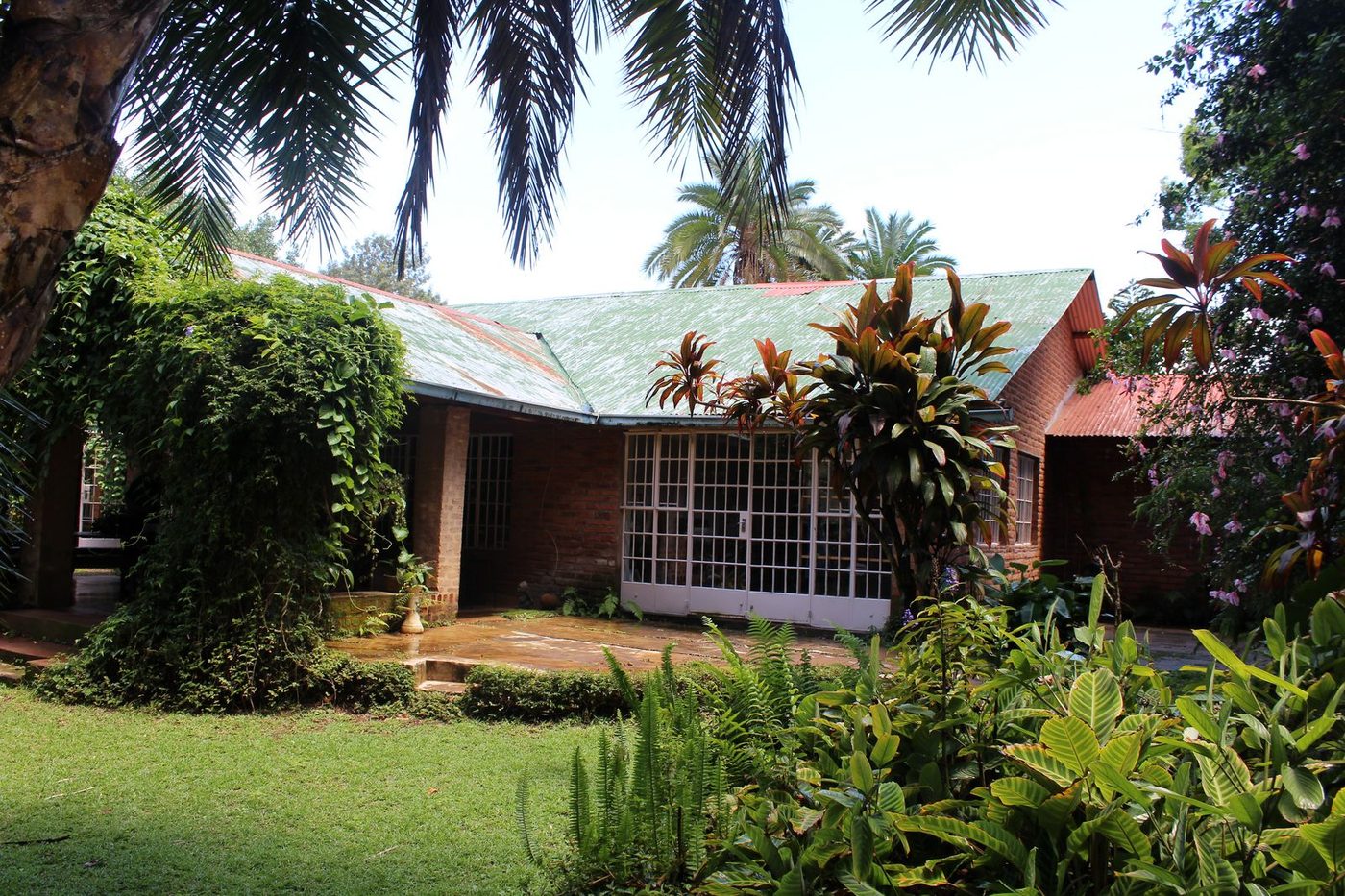
Rather than packing and unpacking each night, some visitors use the boutique rooms as a fixed accommodation base while arranging Zomba, Mulanje, guides, drivers, and any estate visits independently. Our nearby places guide sketches the wider set of options.
What to Pack and the Best Time of Year to Visit
Zomba's weather is its own thing. Even in the warm months the plateau is meaningfully cooler than Blantyre or Thyolo, and morning fog is the norm rather than the exception.
- Best season: May to October — the dry months. Skies are clearer, trails less slippery, visibility at its best.
- Best window of the day: Mid-morning to early afternoon. Fog burns off; rain (when it comes) tends to be later.
- Footwear: Sturdy trainers minimum; proper hiking shoes if you plan the longer loop.
- Layers: A fleece or light puffy. The temperature swing between car park and rim viewpoint can be surprising.
- Other essentials: Water (1.5 L per person minimum), sunscreen, a hat, a light rain shell, snacks, cash for guides and small purchases.
Note on entry fees: we couldn't confirm a specific 2025/2026 fee structure for the plateau itself. Budget a small amount for any park or community fees collected on the day, and ask Your guide in advance — the Zomba Tour Guides Association will know the current arrangement.
Pairing Zomba with Thyolo's Tea Estates and Mulanje Massif
The smartest southern Malawi itineraries treat Zomba, Thyolo and Mulanje as a triangle rather than three separate trips. Each is roughly 60 to 90 minutes from the others, and each offers something distinct: Zomba for forest, viewpoints and waterfalls; Thyolo for tea-country scenery, food and gardens; Mulanje for the big-mountain hiking that draws climbers from across the region.
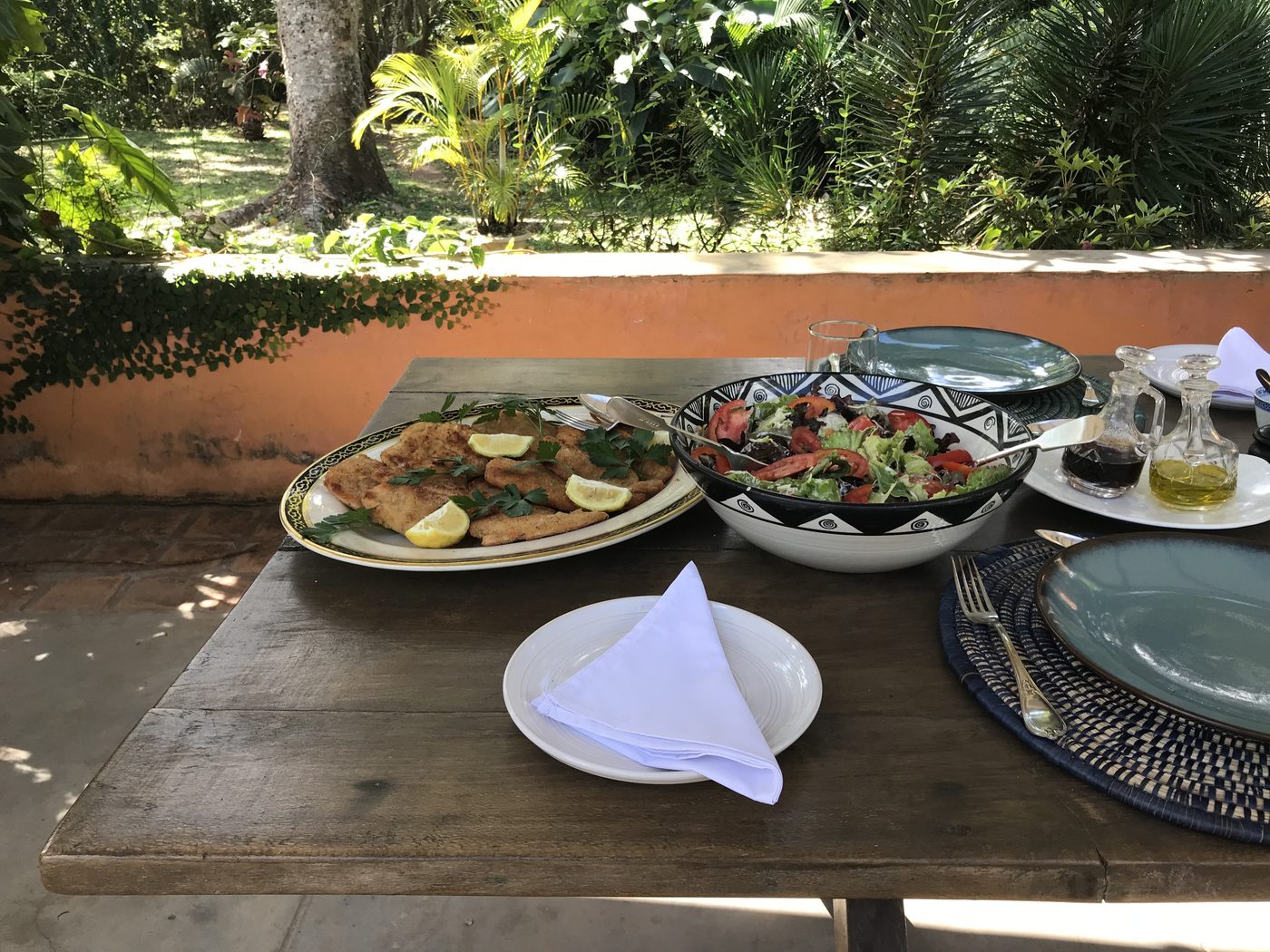
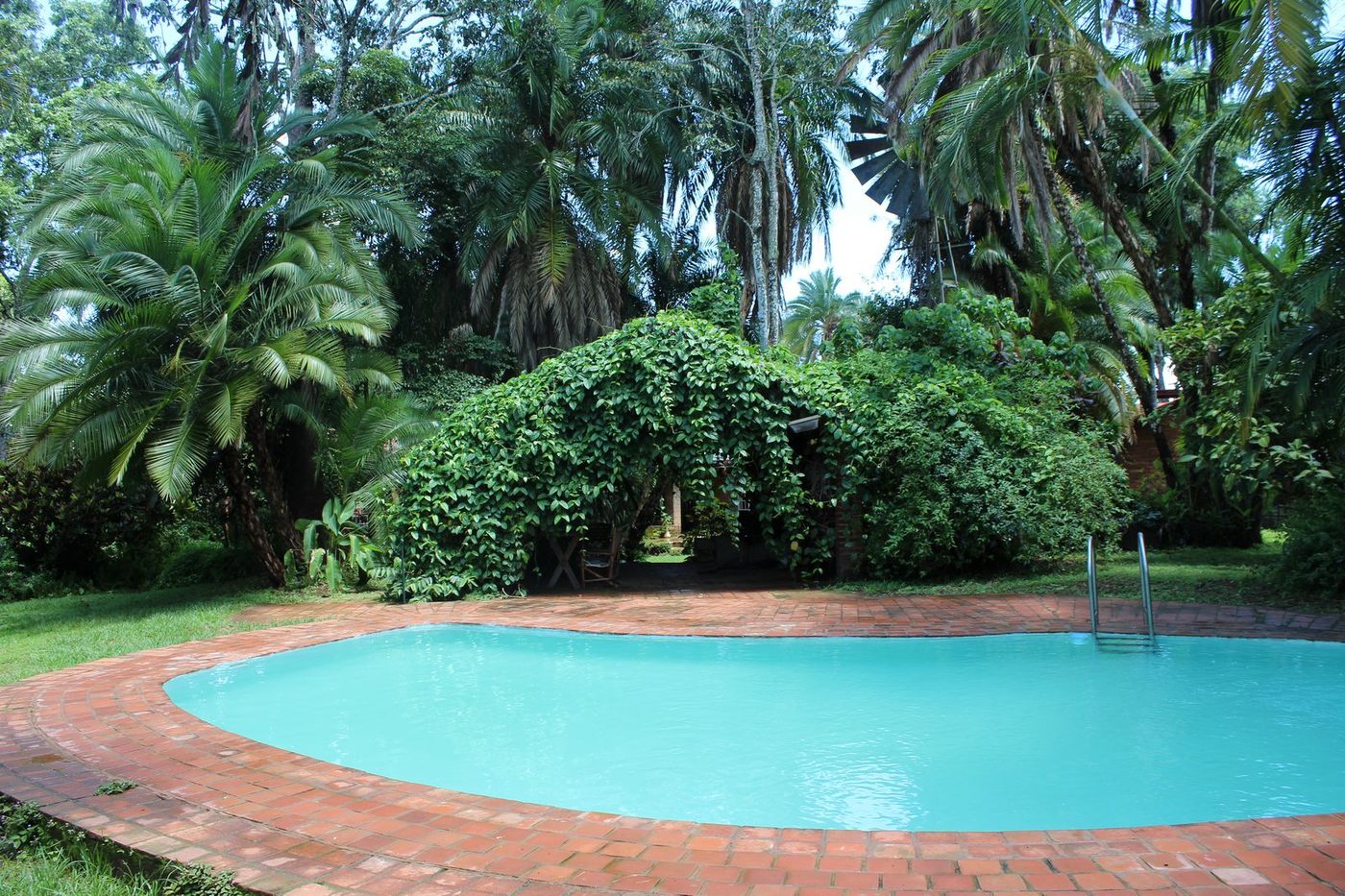
From The Thyolo House, the typical pattern goes like this: a full day on Zomba Plateau, a tea-highland day on Conforzi (or a tour of the historic Satemwa Tea Country nearby — founded in 1923 and still family-run, supplying leaf to global brands), and either a Mulanje day hike or a full ascent for those with two extra days. Squeeze in a slow lunch on the verandah, an art workshop with Flavia, or an afternoon by the pool, and you have a Shire Highlands week that holds its own against any safari circuit. Our weekend escape from Blantyre piece is a good template if you only have a few nights.
A Sample Two-Day Zomba Itinerary from The Thyolo House
Day One — Plateau Day
- 06:30 — Coffee and a quick breakfast on the verandah.
- 07:00 — Depart Thyolo, arrive Zomba town around 08:30.
- 09:00 — Meet your Zomba Tour Guides Association guide on the rim.
- 09:15–12:30 — Walk Queen's View, Emperor's View and the Mulunguzi nature trail to Mandala Falls and Williams Falls.
- 13:00 — Lunch at Ku Chawe Inn, on the plateau edge.
- 14:30 — Optional drive to Chingwe's Hole and a Nawimbe Fire Tower viewpoint.
- 16:00 — Descend.
- 17:30 — Back at The Thyolo House. Pool, a glass of wine, dinner.
Day Two — Slow Day in the highlands
- Late breakfast, a guided garden morning through Conforzi, an indigenous forest loop, and an afternoon swim.
- Optional art workshop with Flavia in the studio.
- A long Italian dinner — cotoletta or a wood-fired course built around the morning's garden harvest.
Zomba guides and transfers must be arranged directly with the Zomba Tour Guides Association, licensed guides, or transport providers. For rooms and restaurant bookings at The Thyolo House, message us on WhatsApp on +265 884 202 040 or email thethyolohouse@gmail.com.
Zomba isn't a hidden secret — it's been on the map since colonial governors built their houses on its slopes — but it stays a quietly extraordinary place because of how few people make the climb on any given day. Bring good shoes, a guide and an open morning, and the plateau gives you exactly what southern Malawi does best: distance, altitude, story, and a long view back over the country you came up through.