/ By The Thyolo House
Best Places to Visit in Southern Malawi: A Ranked Guide
A journal from a boutique lodge in the Thyolo highlands. These are notes from our corner of Malawi — places we love, walks we've done ourselves, operators we've watched do good work. The mountain treks, tea-estate tours, and day trips are all run by independent operators in Malawi; book those directly with them. Come stay with us before or after — we'll do the room, the meal, and the quiet.
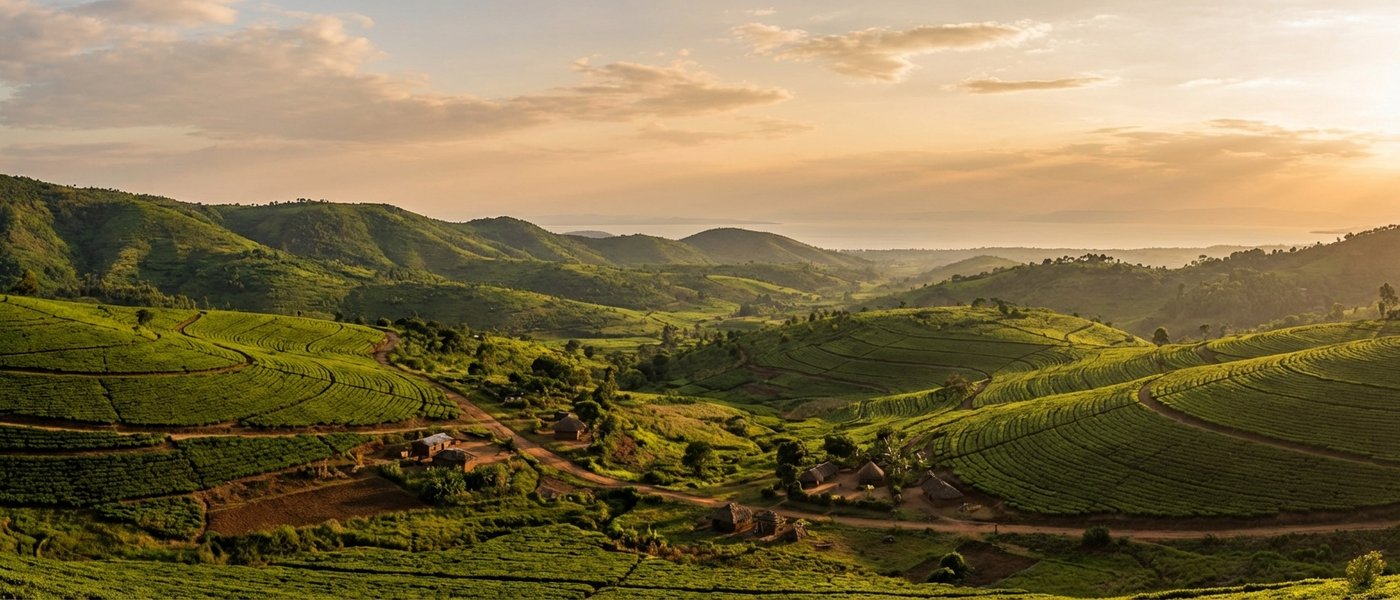
Southern Malawi is where the country's most dramatic landscapes converge — cloud-wrapped peaks, wildlife-rich river valleys, and rolling tea estates that stretch to the horizon. If you're searching for the best places to visit in southern Malawi, you'll find a region that rewards slow travel with experiences you simply can't replicate in the more-visited lakeshore areas. This is the highlands, the bush, and the beating cultural heart of the Warm Heart of Africa — and it deserves far more attention than it gets.
From the elephant herds of Liwonde to the misty cedar forests of Mount Mulanje, southern Malawi packs an extraordinary variety of terrain into a compact area. Most of these destinations sit within two to four hours of Blantyre, making it entirely possible to build a week-long itinerary without a single internal flight. Here's our ranked guide to the seven places you shouldn't miss — plus practical advice on timing, distances, and where to base yourself.
Why Southern Malawi Deserves Its Own Trip
Most visitors to Malawi head straight for the lake — and understandably so. Lake Malawi is magnificent. But the south offers something the lakeshore doesn't: altitude, diversity, and a sense of discovery. In the space of a single day, you can move from lowland savanna teeming with nyala antelope to a 3,000-metre granite massif where endemic plants cling to sheer rock faces.
Southern Malawi is also where much of the country's colonial and commercial history took root. Blantyre was the first European settlement. The Shire Highlands attracted Scottish missionaries and, later, tea planters who carved vast estates out of the montane forest. That layered history — African, European, and everything in between — gives the region a cultural texture you feel in its architecture, its food, and its people.
Crucially, it's still under the radar. You won't queue for viewpoints or compete for campsites. What you will find are knowledgeable local guides, community-run tourism projects, and a handful of outstanding small lodges and guesthouses that make exploring the region genuinely comfortable.
1. Liwonde National Park — The Wildlife Heart of the South
If you only have time for one wildlife destination in southern Malawi, make it Liwonde. Straddling the Upper Shire River about 150 kilometres north of Blantyre, this compact park delivers big-game encounters that rival reserves many times its size. African Parks took over management in 2015, and the turnaround has been extraordinary — elephant numbers are healthy, black rhino have been reintroduced, and the birdlife along the river is world-class.
What to do at Liwonde
- Boat safaris on the Shire River — the undisputed highlight. Hippo pods, crocodiles basking on sandbanks, and herds of elephant wading across at sunset. Morning departures are best for birdwatching; late afternoon for the golden light.
- Walking safaris — guided bush walks with armed rangers take you into areas vehicles can't reach. The dry season (June–October) concentrates game near the river and makes walks particularly rewarding.
- Night drives — your best chance of spotting hyena, leopard, and the park's small predators.
Practical details
Park entry is approximately US$10 per person per day for international visitors. Most lodges inside the park arrange activities directly. From Blantyre, the drive to Liwonde's main gate takes around two and a half hours via the M3. The road is tarmac throughout and in reasonable condition.
2. Zomba Plateau — Colonial History Meets Cloud Forest
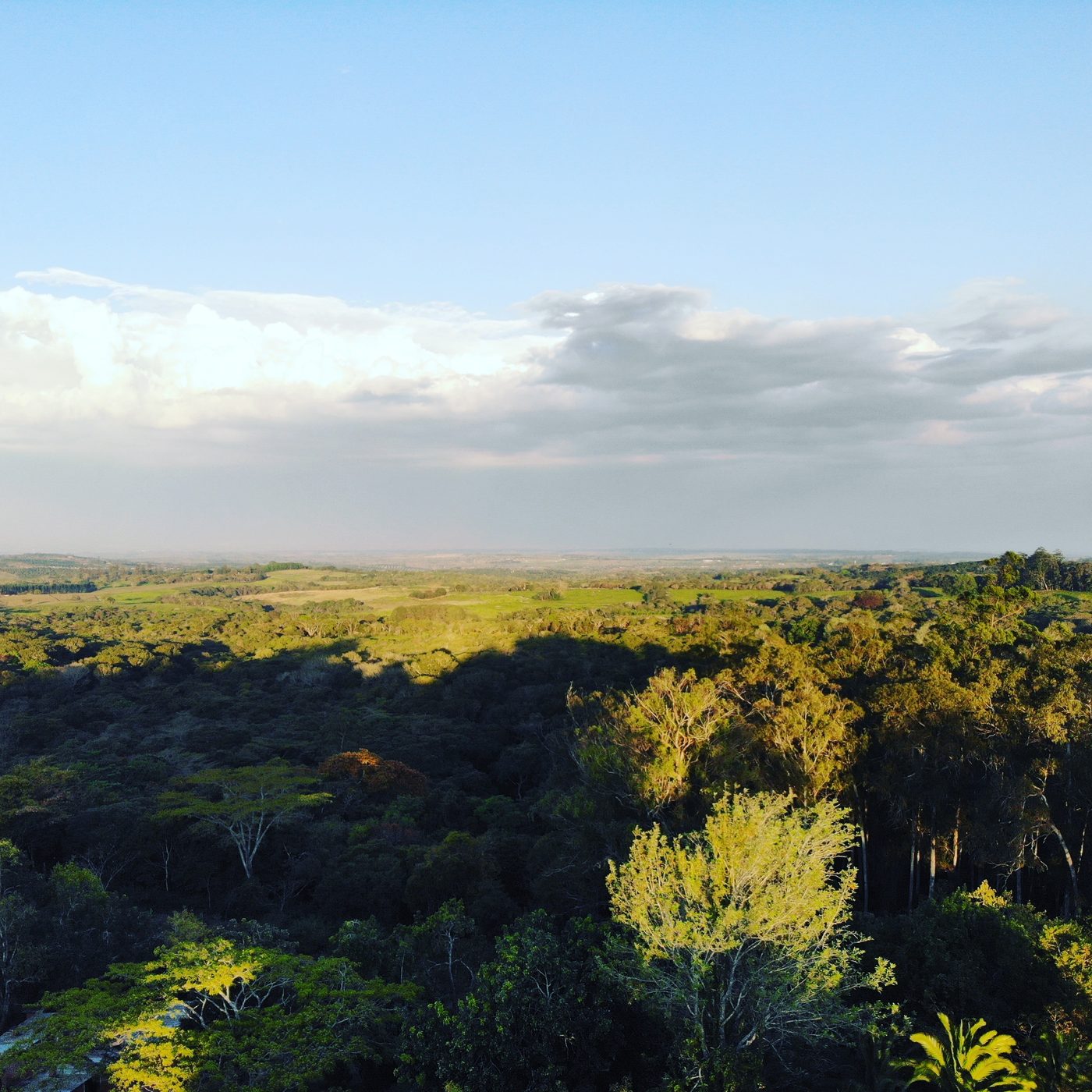
Zomba Plateau is one of those places that feels like it belongs in a different continent. Rising to 2,085 metres above the old colonial capital, its flat summit is a patchwork of cypress plantations, trout-stocked dams, wildflower meadows, and patches of dense montane forest where Livingstone's turaco flash scarlet through the canopy.
The plateau was the seat of British colonial government until 1975, and the legacy is visible in the crumbling grandeur of the old Government House and the cedar-lined roads that wind across the top. It's an atmospheric place — especially in the cool season, when mist rolls in and the air smells of pine and woodsmoke.
Highlights
- Hiking and mountain biking — a network of trails covers the plateau summit, ranging from gentle hour-long loops to full-day routes that drop down through the forest to the escarpment edge. The Queen's View and Emperor's View trails offer staggering panoramas.
- Trout fishing — the plateau's dams are stocked with rainbow trout, an unlikely but delightful holdover from the British era. Permits are cheap and tackle can be rented locally.
- Birdwatching — Zomba is a key site for several Malawi specials, including the White-winged Apalis and Bertram's Weaver.
Zomba town sits about 70 kilometres north of Blantyre on the M3. The plateau access road climbs steeply from town — a 4x4 is strongly recommended, especially in the wet season. Allow two hours from Blantyre, plus another 30 minutes for the ascent.
3. Mount Mulanje — Africa's Island in the Sky
Mount Mulanje is southern Malawi's showstopper. This enormous granite inselberg rises abruptly from the surrounding plains to 3,002 metres at Sapitwa Peak — the highest point in south-central Africa. Its sheer rock faces, deep basins, and unique Mulanje cedar forests have earned it the nickname "the island in the sky," and it's easy to see why. On clear days, the massif dominates the horizon from fifty kilometres away.
Mulanje is primarily a hiking and climbing destination. The Mountain Club of Malawi maintains a network of huts on the plateaux, and multi-day traverses are the classic way to experience the mountain. But you don't need to be a hardcore trekker — shorter day hikes from the Likhubula forestry station reach waterfalls and viewpoints within a few hours.
Planning your visit
- Guided hikes — mandatory above the treeline. Porters and guides can be arranged at Likhubula. Expect to pay around MWK 15,000–25,000 per day for a guide.
- Best time — the dry season (May–October) offers the clearest skies and safest trail conditions. The wet season brings dramatic cloud formations but makes the rock dangerously slippery.
- Sapitwa Peak — the summit push is a genuine scramble requiring fitness and a head for heights. Most hikers take two to three days, overnighting at the mountain huts.
Mulanje town is roughly 70 kilometres southeast of Blantyre. The drive takes about 90 minutes. For a more leisurely approach, you can follow the highlands route through Thyolo's tea country, which adds an hour but passes through some of the most beautiful scenery in the region.
4. Thyolo Tea Country — Plantations, Forest & the Thyolo highlands
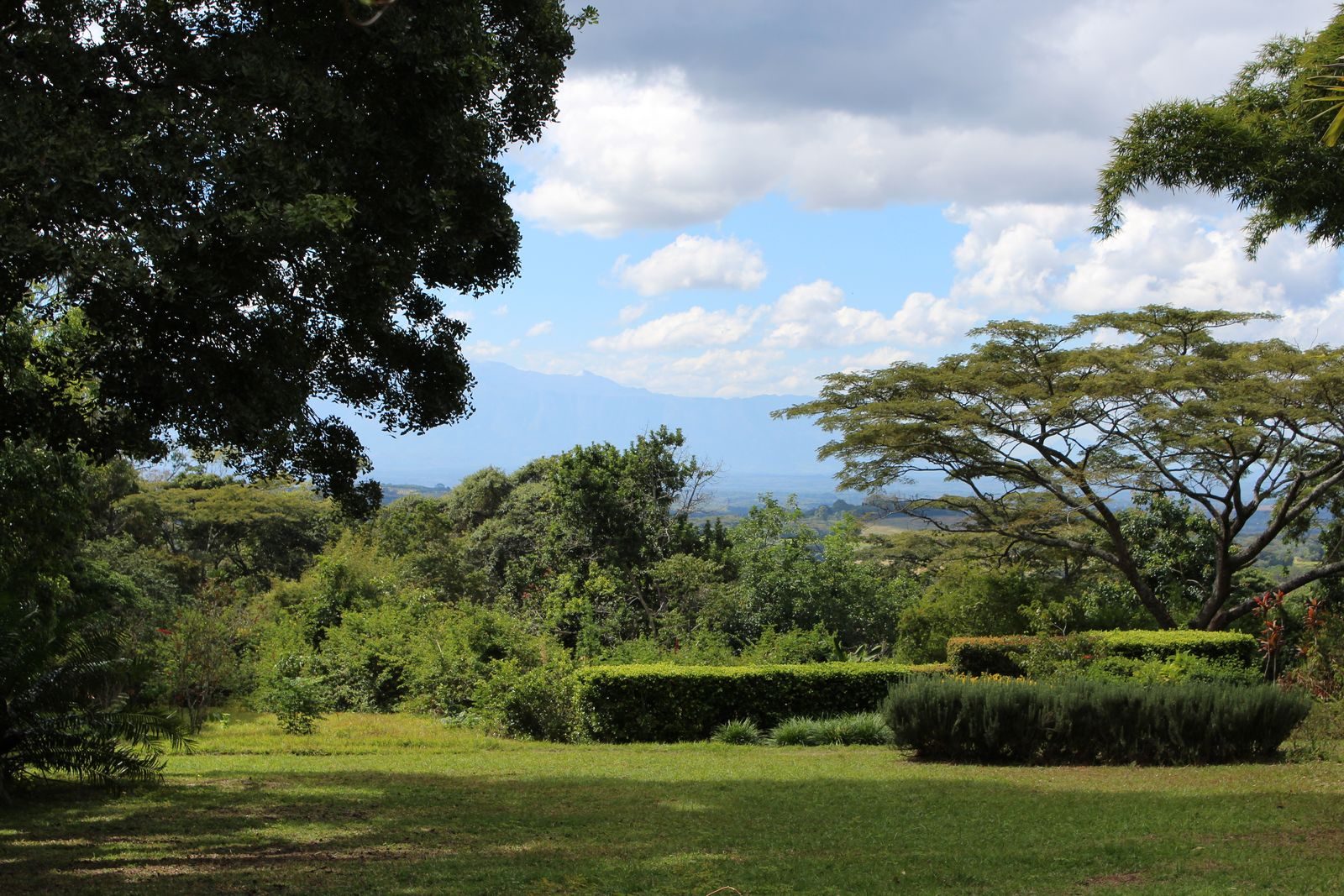
Between Blantyre and Mulanje lies a landscape unlike anything else in East Africa. The Thyolo Highlands are carpeted in tea — row after geometrical row of brilliant green bushes stretching across undulating hills, punctuated by pockets of indigenous forest and the occasional colonial-era estate house. It's visually stunning, deeply peaceful, and almost entirely overlooked by international tourists.
Tea has been grown here since the early twentieth century, and the estates remain the economic backbone of the district. But Thyolo offers more than agriculture. The remaining patches of indigenous forest — particularly the Thyolo Forest Reserve — are among the most biodiverse habitats in Malawi, home to rare birds, primates, and orchids found nowhere else.
What to do in Thyolo
- highland forests — look for established forest and garden paths where access is clearly permitted. The working tea fields are working agricultural areas, so always ask locally before entering estate land.
- Forest birding — the Thyolo Alethe, a critically endangered species found only in these forests, draws serious birders from around the world. The forest also harbours Cholo Alethe (same species, local name), Thyolo Green Barbet, and other specials. Our complete guide to Thyolo covers the best birding spots in detail.
- Art and food at The Thyolo House — The Thyolo House sits on a historic property that was once part of the Conforzi Tea Estate, where Italian-Malawian owner Flavia Conforzi has created something genuinely special: a boutique hotel with an Italian fusion restaurant using ingredients from the house gardens. The art studio, swimming pool, gardens, and forest-edge setting make it a destination in its own right, not just a place to sleep.
Thyolo town is just 20 minutes from Limbe and about 40 minutes from central Blantyre. It sits perfectly on the route between the city and Mount Mulanje, making it an ideal midpoint stop — or a base for exploring the wider region.
5. Blantyre & Limbe — The Urban Gateway
Blantyre is Malawi's commercial capital, and while it's not a tourist destination in the traditional sense, it's a fascinating city with genuine character. Named after the Scottish birthplace of David Livingstone, it has an energy and diversity that Lilongwe — the political capital — often lacks.
Worth your time
- St Michael and All Angels Church — built by missionaries in 1891 without architectural plans, this brick church is one of the oldest surviving buildings in Central Africa and a genuinely impressive piece of vernacular architecture.
- Mandala House — the oldest building in Malawi, now housing a good café and cultural centre. A calm oasis in the middle of the city.
- Limbe Market — technically a separate town (now merged with Blantyre), Limbe has a sprawling market that's chaotic, colourful, and thoroughly local. Great for textiles, spices, and people-watching.
- independent visit potential — Blantyre is the natural launching pad for excursions to Thyolo, Zomba, Mulanje, and the southern parks. Our guide to places to visit near Blantyre maps out what's reachable in a morning or afternoon.
If you're flying into Malawi via Chileka International Airport, you'll land just outside Blantyre. Most car hire companies operate from the city, and the main roads south and east are tarmac. Stock up on supplies here — options become more limited once you leave the city.
6. Majete Wildlife Reserve — A Conservation Comeback Story
Majete's transformation is one of Africa's great conservation success stories. By the early 2000s, poaching had virtually emptied the reserve. Then African Parks stepped in, erected a perimeter fence, reintroduced elephant, buffalo, sable antelope, and — remarkably — both black rhino and lion. Today, Majete offers a genuine Big Five experience in one of the most scenic settings in the country.
The reserve sits in the Lower Shire Valley, about 70 kilometres southwest of Blantyre. The landscape is rugged — rocky hills covered in dry miombo woodland dropping down to the Shire River. It's hotter and wilder than the highland destinations, and that contrast is part of the appeal.
What to expect
- Game drives — the road network is well-maintained, and sightings of elephant, buffalo, and sable are virtually guaranteed. Lion sightings are less predictable but increasingly common.
- Black rhino tracking — Majete is one of the few places in Malawi where you can see black rhino. Tracking excursions with armed rangers are available through the reserve's lodges.
- Community projects — the reserve runs several community engagement programmes. Visiting the boundary communities adds context to the conservation work and supports local livelihoods.
Entry fees are approximately US$10 per person per day. The drive from Blantyre takes about 90 minutes. The last section of road is unpaved and can be rough in the wet season — a high-clearance vehicle is advisable.
7. Lengwe National Park — Lowland Heat and Rare Antelope
Lengwe is the smallest and least-visited of southern Malawi's protected areas, and that's precisely its charm. Tucked into the hot lowlands near the Mozambique border, it protects a population of nyala antelope at the northern limit of their range — these elegant, spiral-horned animals are the park's flagship species and reason enough to visit.
The park is also home to bushbuck, kudu, warthog, and a healthy population of crocodiles in the seasonal pans. Birdwatching is excellent, particularly in the wet season when migrants swell the resident population. Lengwe won't compete with Liwonde or Majete for big-game drama, but it offers solitude and a sense of exploration that the busier parks can't match.
Lengwe is about 80 kilometres south of Blantyre, near the town of Nchalo. The roads are rough and facilities are basic — bring water, snacks, and realistic expectations. This is a destination for the adventurous, not the comfort-seeking.
Where to Stay: Using Thyolo House as Your Southern Malawi Base
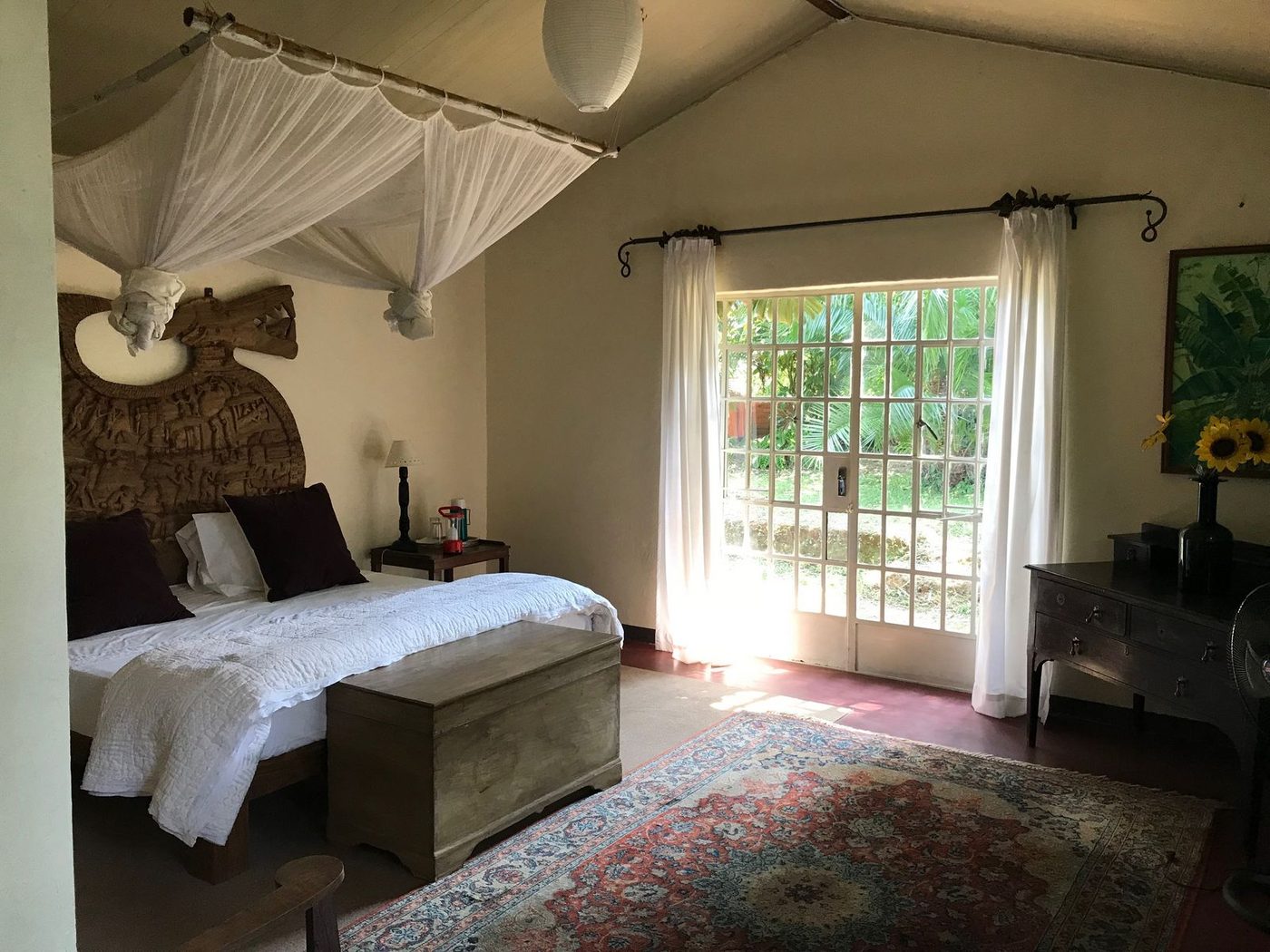
One of the practical challenges of southern Malawi is accommodation. Outside the national parks, quality lodging can be scarce. That's what makes The Thyolo House such a smart base for exploring the region. Sitting on a historic property that was once part of the Conforzi Tea Estate in the heart of the Thyolo Highlands, it puts you within striking distance of almost every destination on this list.
The numbers speak for themselves:
- Blantyre: 40 minutes
- Limbe: 20 minutes
- Mount Mulanje: 90 minutes
- Zomba Plateau: 2 hours
- Liwonde National Park: 2.5 hours
- Majete Wildlife Reserve: 2 hours (via Blantyre)
- Lengwe National Park: 1.5 hours
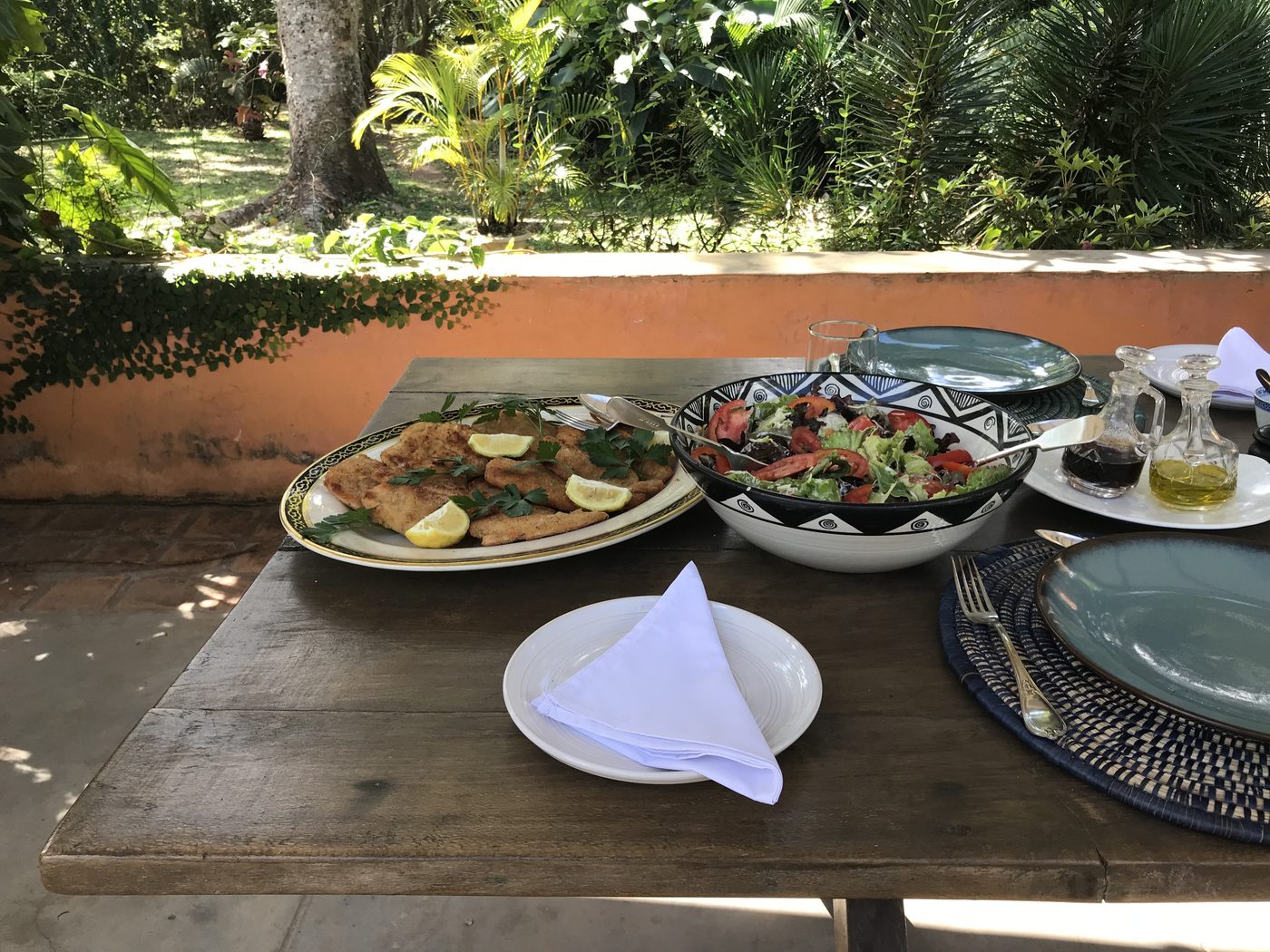
With just five boutique rooms, the atmosphere is intimate rather than institutional. The Italian fusion restaurant — built around garden-grown produce and Flavia Conforzi's family recipes — is a genuine highlight. After a day on the trails or in the bush, there's something deeply restorative about returning to the estate's gardens, the pool, and a plate of handmade pasta with a cold Carlsberg Green.
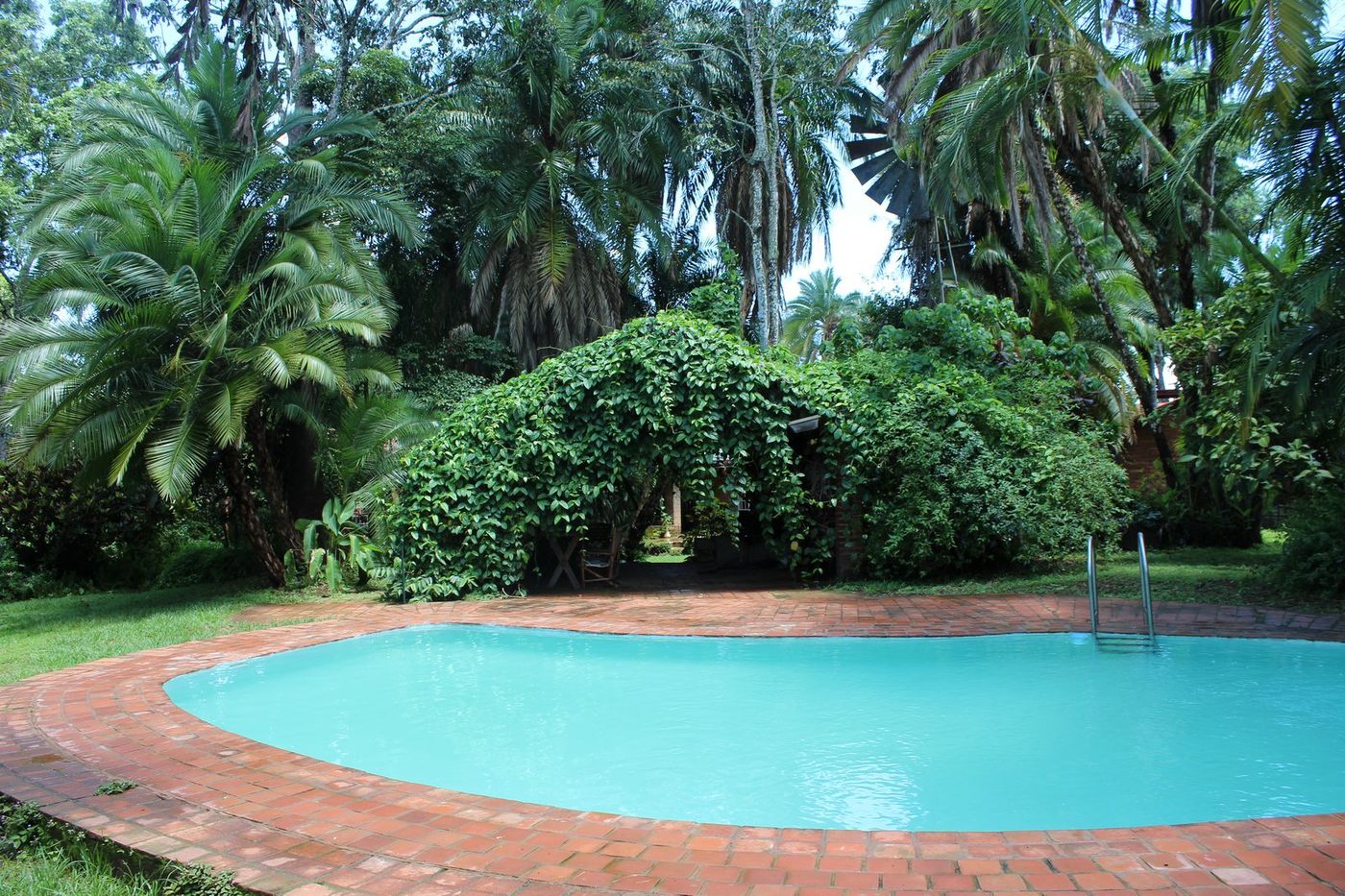
The property offers enough to fill a rest day: quiet gardens, pool time, forest-edge scenery, and Flavia's art studio if the creative mood strikes. It's the kind of place where an overnight stop easily becomes two or three nights.
How to Plan a Southern Malawi Route — Distances, Timing & Tips
Southern Malawi is compact enough to explore in five to seven days, though you could easily spend longer. Here's a suggested route that covers the best places to visit in southern Malawi without excessive driving:
A seven-day itinerary
- Day 1: Arrive Blantyre. Explore the city — Mandala House, St Michael's Church, Limbe Market. Overnight Blantyre.
- Day 2: Drive to Thyolo (40 min). Settle into The Thyolo House, enjoy the gardens, and plan forest birding where access is available. Overnight Thyolo.
- Day 3: independent visit to Mount Mulanje (90 min each way). Hike to the Likhubula waterfalls or attempt a longer trail. Return to Thyolo. Overnight Thyolo.
- Day 4: Drive to Zomba Plateau via the M3 (2 hours). Hiking, trout fishing, or birding on the plateau. Overnight Zomba.
- Day 5: Continue to Liwonde National Park (1.5 hours from Zomba). Afternoon boat safari. Overnight Liwonde.
- Day 6: Morning walking safari at Liwonde. Drive back towards Blantyre, stopping at Majete Wildlife Reserve for an afternoon game drive if time allows. Overnight Blantyre or Thyolo.
- Day 7: Buffer day — revisit a favourite spot, relax at the estate, or explore Lengwe for the adventurous. Depart.
Practical tips
Getting around: A rental car gives you the most flexibility. Roads between major towns are tarmac and generally passable, though potholes are common. For national park roads and Zomba Plateau, a 4x4 or high-clearance vehicle is strongly recommended. Alternatively, most lodges can arrange transfers.
Best time to visit: The dry season (May–October) is ideal for wildlife viewing and hiking. The cool season (June–August) brings pleasant temperatures in the highlands — Thyolo and Zomba can feel almost European. The wet season (November–April) is hot and humid in the lowlands but brings lush greenery and spectacular thunderstorms to the highlands.
Budget: Southern Malawi is excellent value compared to East African safari destinations. National park fees are modest (US$5–10 per day), guided activities are reasonably priced, and accommodation outside the luxury safari lodges is affordable. Budget US$80–150 per person per day for a comfortable mid-range trip including accommodation, meals, fuel, and activities.
Health and safety: Malaria is present throughout southern Malawi, including at altitude. Take prophylaxis, use repellent, and sleep under a treated net. Tap water should be treated or boiled. The region is generally safe for travellers, but take standard precautions with valuables in urban areas.
Connectivity: Mobile coverage is good in towns and along main roads. Airtel and TNM are the main networks — buy a local SIM at the airport for data. Coverage drops off in the national parks and on mountain trails, so download offline maps before you go.
Southern Malawi doesn't shout for attention the way East Africa's marquee destinations do. There are no billboards, no package deals, no Instagram influencers queuing for the same sunrise shot. What there is, quietly and without fanfare, is one of the most rewarding travel regions on the continent — for those willing to look beyond the lake.
For rooms or restaurant bookings at The Thyolo House, message us on WhatsApp. The Thyolo House can confirm its own room and restaurant availability; external routes, drivers, guides, trips, tours, and activities must be arranged directly with the relevant operators.