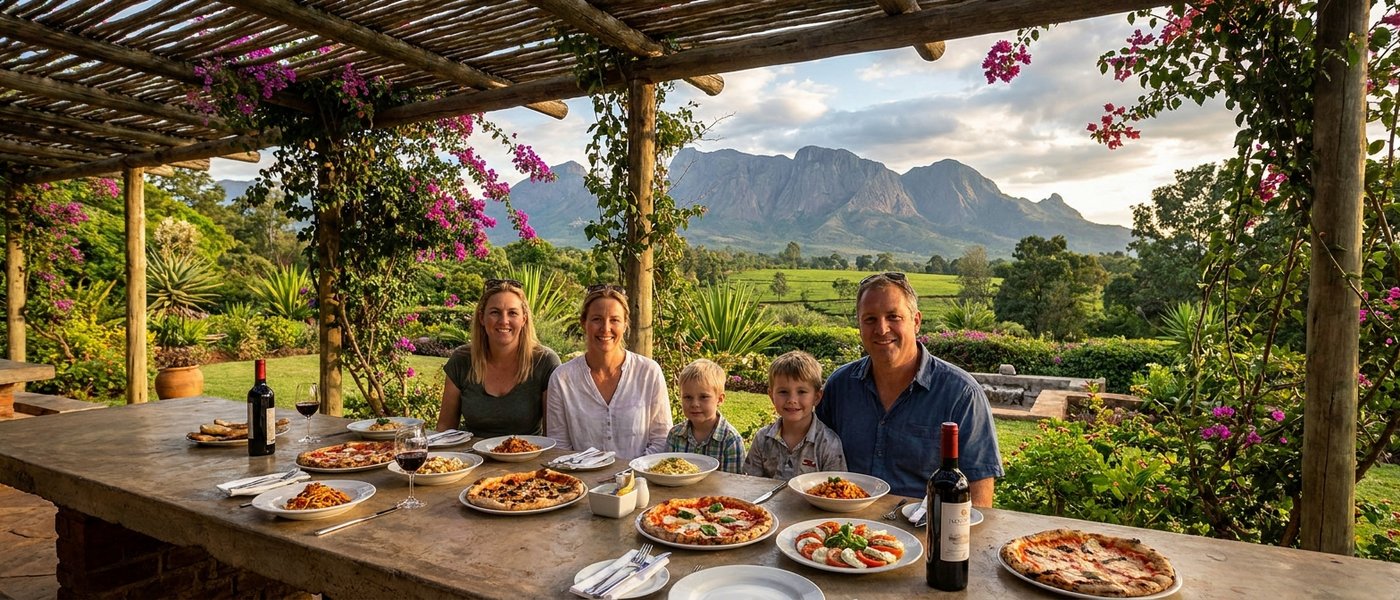
/ By The Thyolo House
Best Restaurant in Thyolo: Where Tea Country Dines Well
A journal from a boutique lodge in the Thyolo highlands. These are notes from our corner of Malawi — places we love, walks we've done ourselves, operators we've watched do good work. The mountain treks, tea-estate tours, and day trips are all run by independent operators in Malawi; book those directly with them. Come stay with us before or after — we'll do the room, the meal, and the quiet.
Ask ten people in Blantyre where to find the best restaurant in Thyolo, and you'll get ten different answers — most of them wrong, a few of them close, and one or two whispered like a secret. Thyolo isn't a place that advertises itself. The district rolls out of Blantyre in waves of tea-green hills and cloud-shadow, and its best tables are tucked behind property gates, down red-earth driveways, past rows of camellia bushes older than the country itself. This is tea country. It is also, quietly, some of the most interesting eating in Malawi.
This is a personal guide — written from inside the kitchen, the garden, and the dining terrace of one of those estates. If you're driving in for a long lunch, booking a table for an anniversary, or planning a weekend away from Blantyre's dust and traffic, here is what's actually worth the detour.
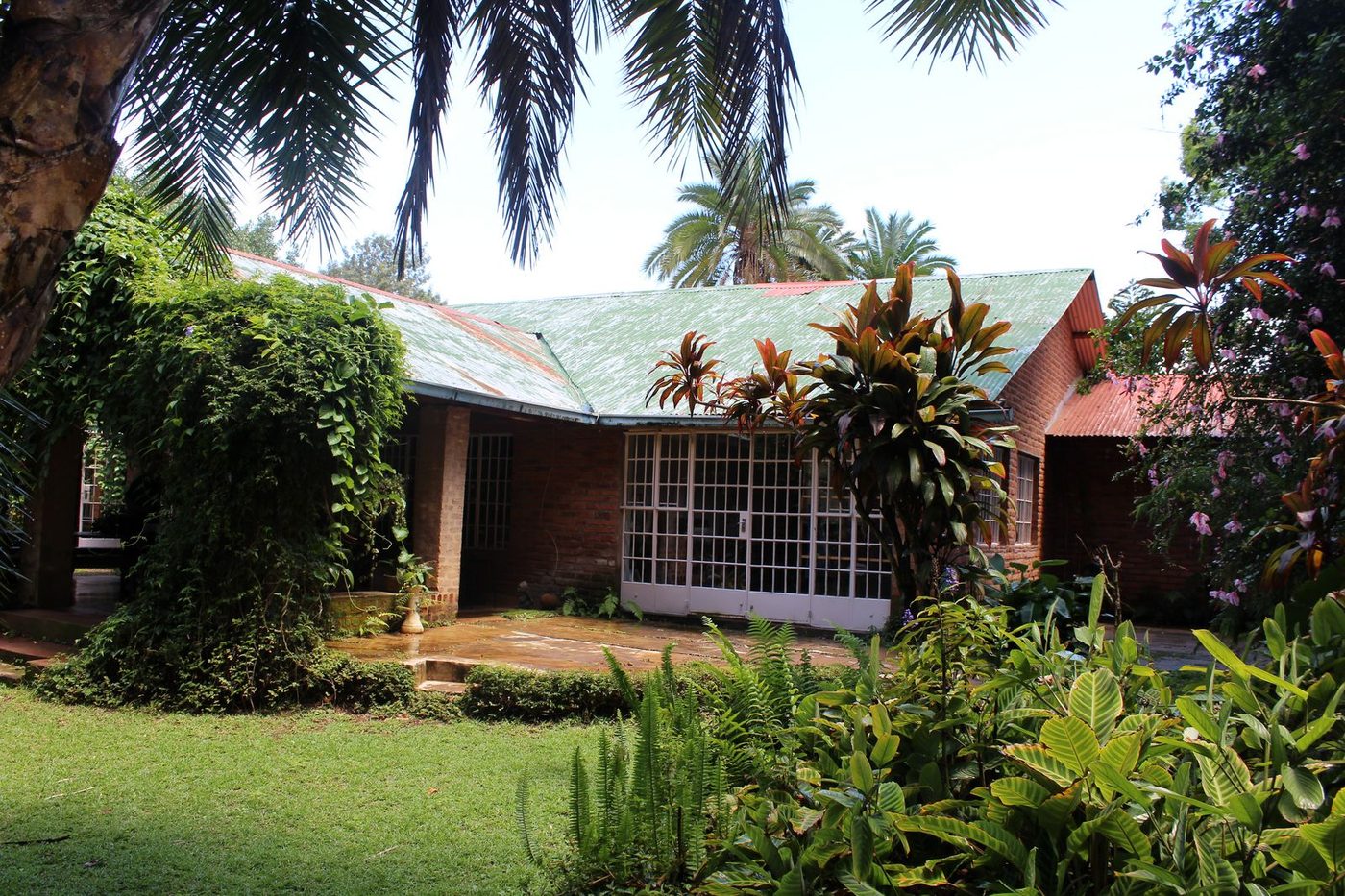
Why Thyolo Is Malawi's Quietest Dining Destination
Thyolo sits roughly 40 minutes south of Blantyre on the M2, the road that eventually climbs toward Mulanje. For most travellers, it's a blur of scenery between bigger destinations — the city behind them, the mountain ahead. But for those who pull off the tarmac and wind up to the propertys, Thyolo reveals itself as one of Malawi's great slow-food landscapes.
Tea has been grown here since 1908. The Conforzi and Satemwa estates, among others, have shaped not only the hills but the way people eat on them: long colonial-era lunches, produce lifted straight from kitchen gardens, bread baked in-house because the nearest bakery is an hour away. The isolation that makes Thyolo feel remote is exactly what makes the food good. When you can't drive to the supermarket on a whim, you learn to grow things. You learn to cook from what the garden gives you that week.
There are no food courts in Thyolo. No chain restaurants. No delivery apps. What you'll find instead is a handful of places — most of them attached to lodges, estates, or family homes — where the menu is short, the ingredients are local, and the person who grew half of your dinner is probably somewhere within shouting distance of the kitchen.
What 'Best Restaurant in Thyolo' Actually Means Out Here
The phrase "best restaurant" means something different in tea country than it does in Cape Town or Nairobi. There is no Michelin. There is no Tripadvisor team of inspectors. Rankings are built from travellers' reviews, word of mouth, and the quiet consensus of expats and Malawians who've been eating on these estates for decades.
By those measures, a small handful of names come up repeatedly when you ask about the best restaurant in Thyolo:
- The Thyolo House — the restaurant on a historic property that was once part of the Conforzi Tea Estate, rated 5.0 on Tripadvisor and described across multiple sources as serving "some of the most amazing food in Malawi." Italian-leaning, garden-driven, by reservation only.
- Huntingdon House — the colonial lodge on the Satemwa Tea Country, built in 1928, known for classic colonial-era dining and estate visits.
- Machi Restaurant — a casual local favourite for fish, chips, and uncomplicated Malawian hospitality.
- Nachipele Gardens — Malawian cuisine in a garden setting.
- Kumaloko — grilled dishes served with views over the gardens.
Each has its place. Huntingdon House is the grande dame: if you want colonial silverware and tea poured from silver pots, go there. Machi and Nachipele are where you end up after a long morning in the highlands, hungry and happy with a cold Kuche Kuche and a plate of chambo. But for a single-sitting dinner that people actually talk about afterwards — the kind of meal you drive from Blantyre or Lilongwe specifically to eat — the conversation tends to settle on one place.
The Conforzi Kitchen: A Century of Italian Cooking on a Malawian Estate
The Conforzi family arrived in Malawi in the 1930s from the Abruzzo region of Italy, bringing with them the tea expertise that would shape the estate — and the cooking instincts that shape it still. For nearly a century, Italian food has been made on this hillside: not the laminated-menu version you find in airport restaurants, but the real thing. Pasta rolled by hand in the morning. Cotoletta pounded thin and fried in olive oil. Sauces built slowly from tomatoes the gardener picked that week.
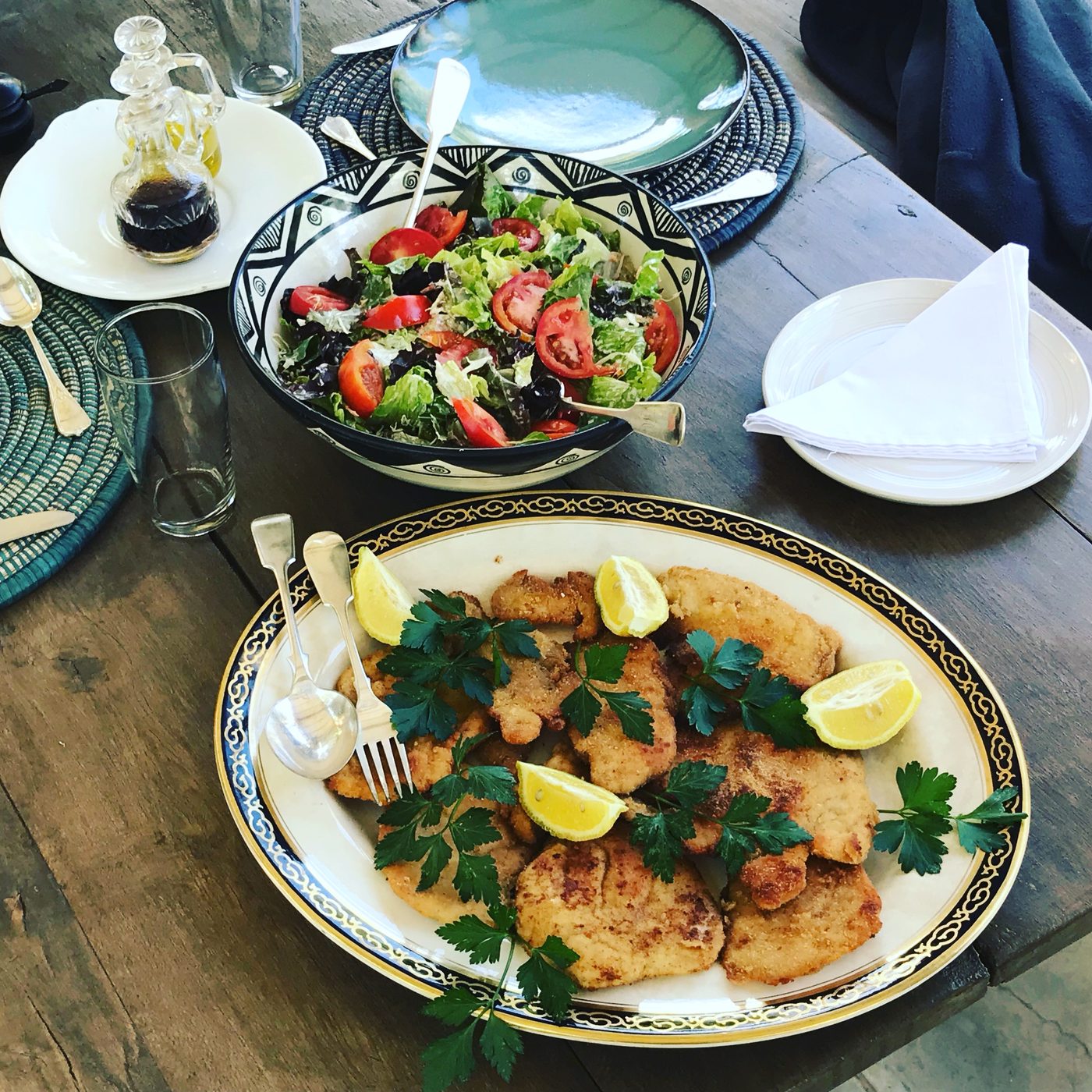
That lineage is what makes the restaurant at The Thyolo House feel different from anything else in Malawi. This isn't fusion-for-fusion's-sake. It's a cuisine that grew out of a single family's migration — Italian technique meeting Malawian ingredients over three generations until the two became indistinguishable. Today the kitchen is run under the direction of Flavia Conforzi, the Italian-Malawian artist who owns the estate and designs everything on the property, from the dining terrace to the bougainvillea-lined paths that lead to it.
If you want the longer version of that story — the ships from Genoa, the first tea bushes planted, the recipes carried in trunks across the Indian Ocean — the journal covers it in detail in this guide to Italian food in Malawi and in the full story of the Thyolo Highlands. Both are worth reading before you come, if only because knowing the history makes the dinner taste better.
Garden-to-Table, Literally: How the Menu at Thyolo House Is Built Each Morning
"Farm-to-table" is a marketing phrase most places have stopped deserving. On a tea-country property with its own chemical-free kitchen garden, the phrase means something closer to its original sense: the salad on your plate tonight was in the ground this morning.
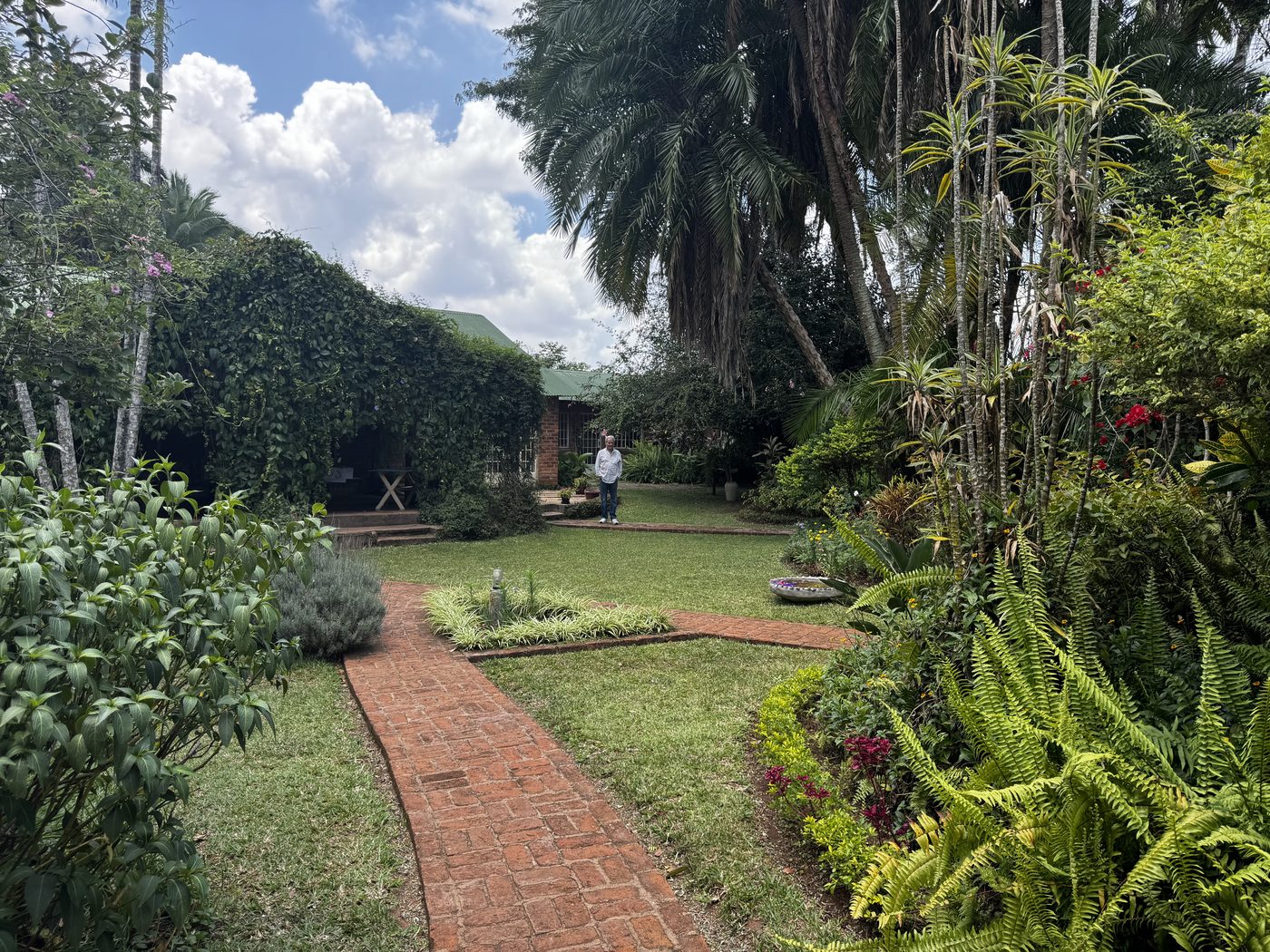
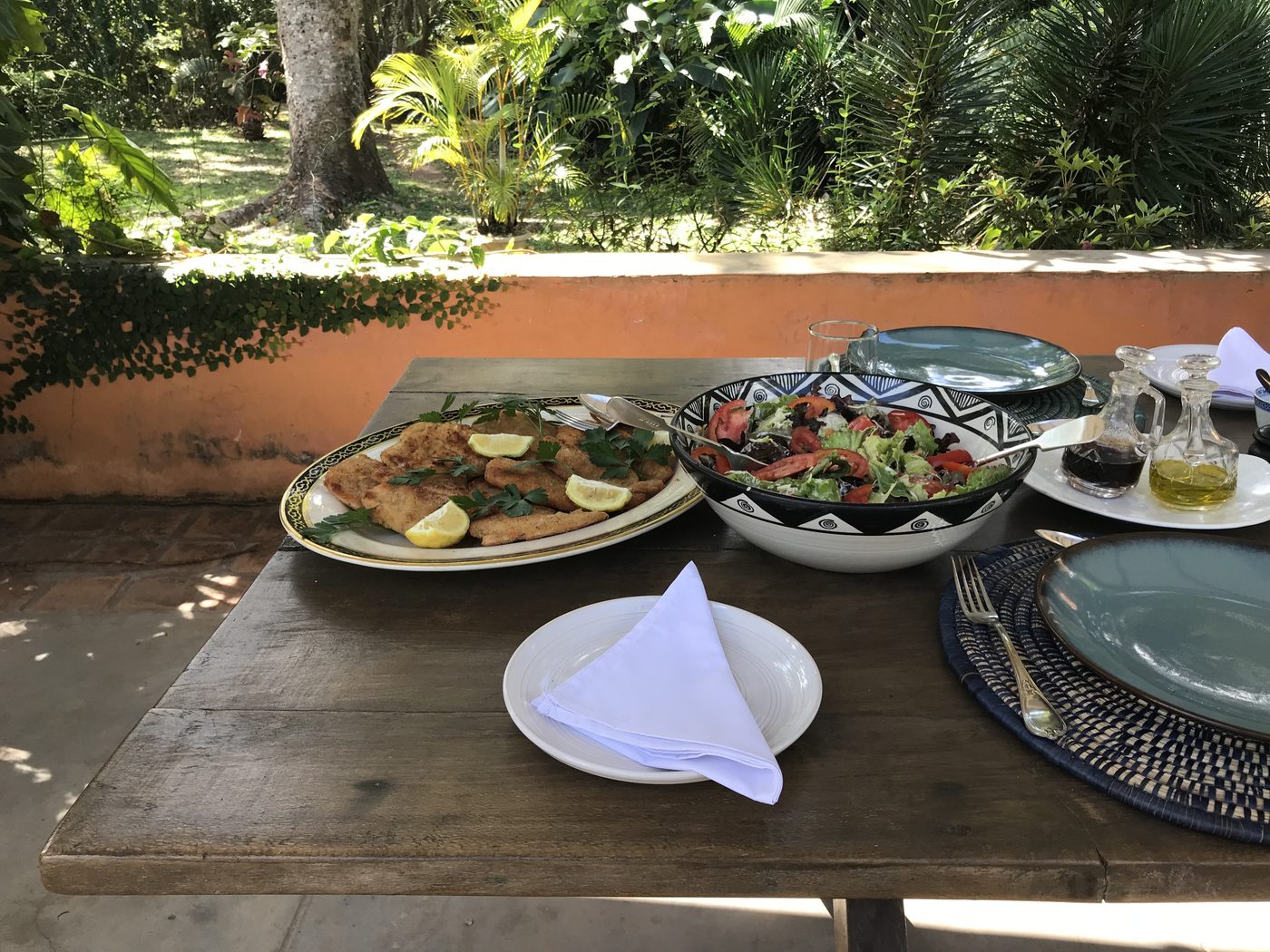
The menu at the restaurant changes constantly because the garden changes constantly. Some weeks it's courgettes, heavy with flowers, turned into a delicate pasta. Other weeks it's tree tomatoes, pumpkins, or beetroot so deep-red they stain the chopping board. Herbs come from terracotta pots outside the kitchen door. The coffee served at the end of the meal is grown on the neighbouring estate; the tea is Satemwa or Conforzi, poured from a pot that's been warmed in the sun.
What's consistently available:
- Fresh pasta — usually two or three options, rolled that morning, finished with whatever is ripe in the garden.
- Cotoletta alla milanese — pork or chicken, pounded flat, breaded, and fried the way the Conforzi grandmother taught.
- Estate-raised pork chops — brined, grilled over wood, served with whatever root vegetables the gardener is harvesting.
- A daily soup — always vegetarian, always seasonal, always better than you expect.
- Italian-leaning desserts — tiramisu, panna cotta, a tart made with whatever fruit is heaviest on the trees that week.
Vegetarians and pescatarians are looked after without drama — this is a kitchen that already cooks from the garden, so a meat-free night is the natural state of things rather than an afterthought. The wine list is small and carefully chosen, with a handful of South African reds that travel well up the M2.
The Drive In — From Blantyre, Limbe, or Mulanje to Your Table
Getting to the best restaurant in Thyolo is part of the experience. It is not, unlike most destination dining, a taxi ride through traffic. It's a drive through one of the prettiest stretches of road in Southern Africa.
From Blantyre
Allow 40 minutes. Take the M2 south through Limbe, past Chichiri and Manje, and follow signs toward Thyolo and Mulanje. The tar road is good and the scenery improves with every kilometre — by the time you're passing the first tea estates, you're in the landscape people come to Malawi for.
From Limbe
Roughly 20 minutes. This is the closest major centre to Thyolo and the fastest approach if you're already south of Blantyre city centre.
From Mulanje
About an hour. If you've been climbing the mountain for a few days and want a real meal before flying home, the drive north from Mulanje into Thyolo is one of the loveliest in the country.
From Lake Malawi
Four hours, via Zomba and Blantyre. Most travellers who do this drive break it in Zomba for the plateau or in Blantyre overnight, then finish the last forty minutes to Thyolo fresh.
One thing to know: the restaurant is by reservation only. This isn't gatekeeping — it's logistics. With only a handful of tables, and a menu that's built around what's harvested that day, the kitchen needs to know who is coming and when. Book 48 hours ahead where possible. For weekends, a week is safer.
What to Order, What to Pair, and When to Come
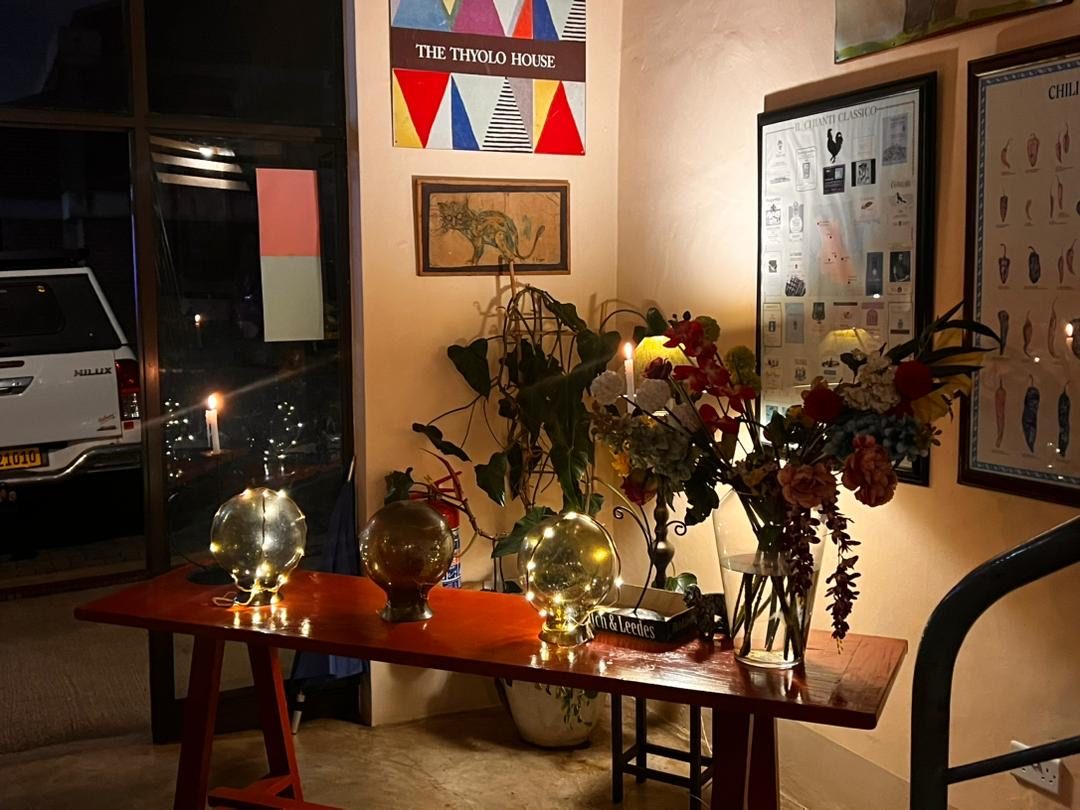
If you're only coming once, here's the order I'd suggest — built from the evenings that guests talk about most afterwards:
- Start with whatever garden soup is on that night, or a simple plate of estate-cured meats if available.
- Share a fresh pasta between two, even if you're ordering mains. The pasta is the dish the kitchen is most recognised for, and splitting lets you try it without skipping the grill.
- Main course: the cotoletta if you want the Conforzi house classic; the pork chops if you want something rustic and smoky; a garden-vegetable pasta if you want the menu at its most seasonal.
- Finish with tiramisu or whatever tart is on that evening, and a pot of local tea — white if you can, it's one of the few places in Africa where you can drink locally grown white tea at source.
When to come: the dry season, May through October, is the classic window — cool nights on the terrace, clear stars, and the estate at its most photogenic. But the green season (November to April) is arguably more beautiful, with the working tea fields at their deepest emerald and the garden at its most productive. Come for lunch in the dry season; come for dinner in the green.
Beyond Dinner: Staying the Night in Tea Country
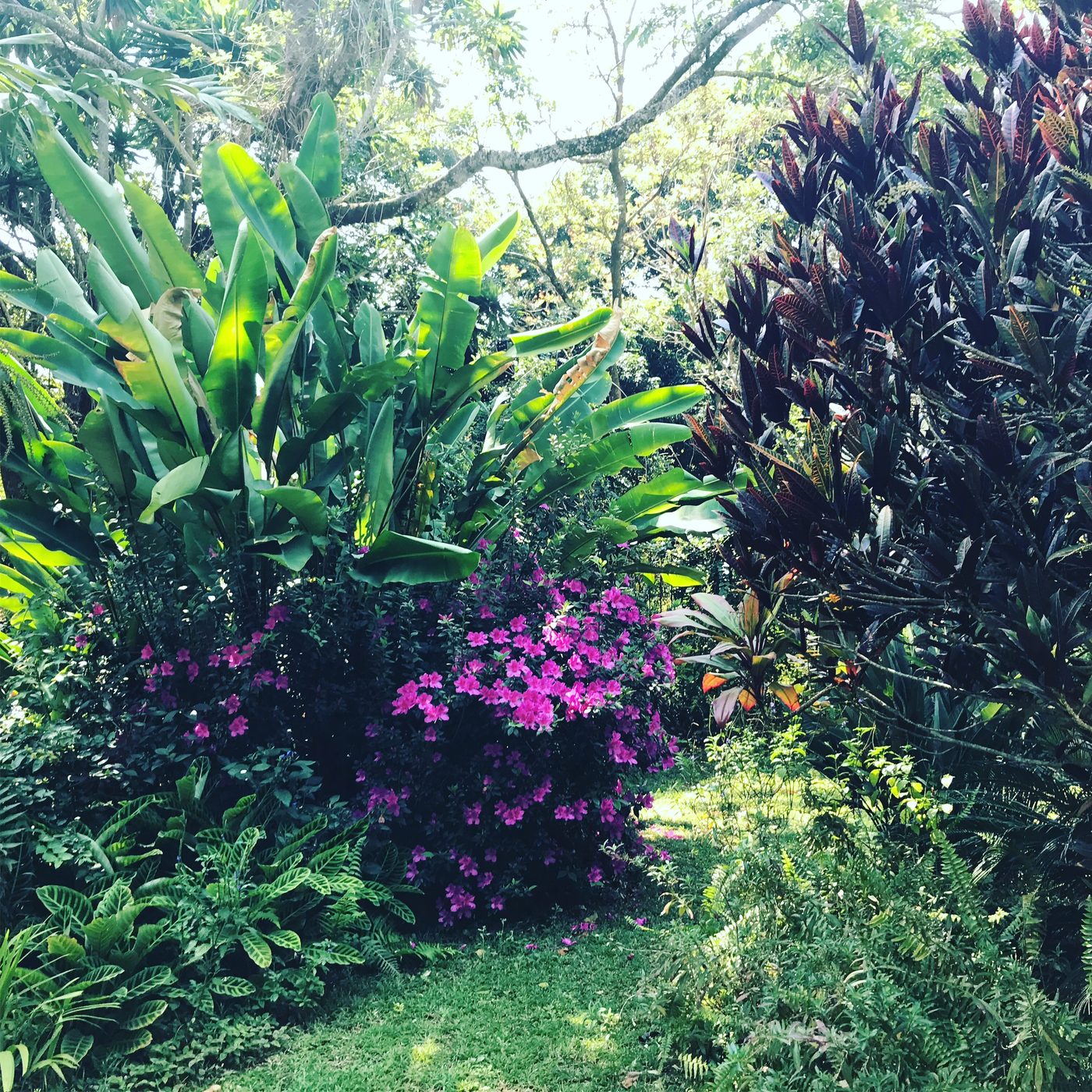
Here is the case for not driving back to Blantyre after dinner: a bottle of wine goes a long way on a tea country, the M2 has no lighting, and sleeping in a cottage surrounded by working tea fields is something most travellers remember longer than the meal itself.
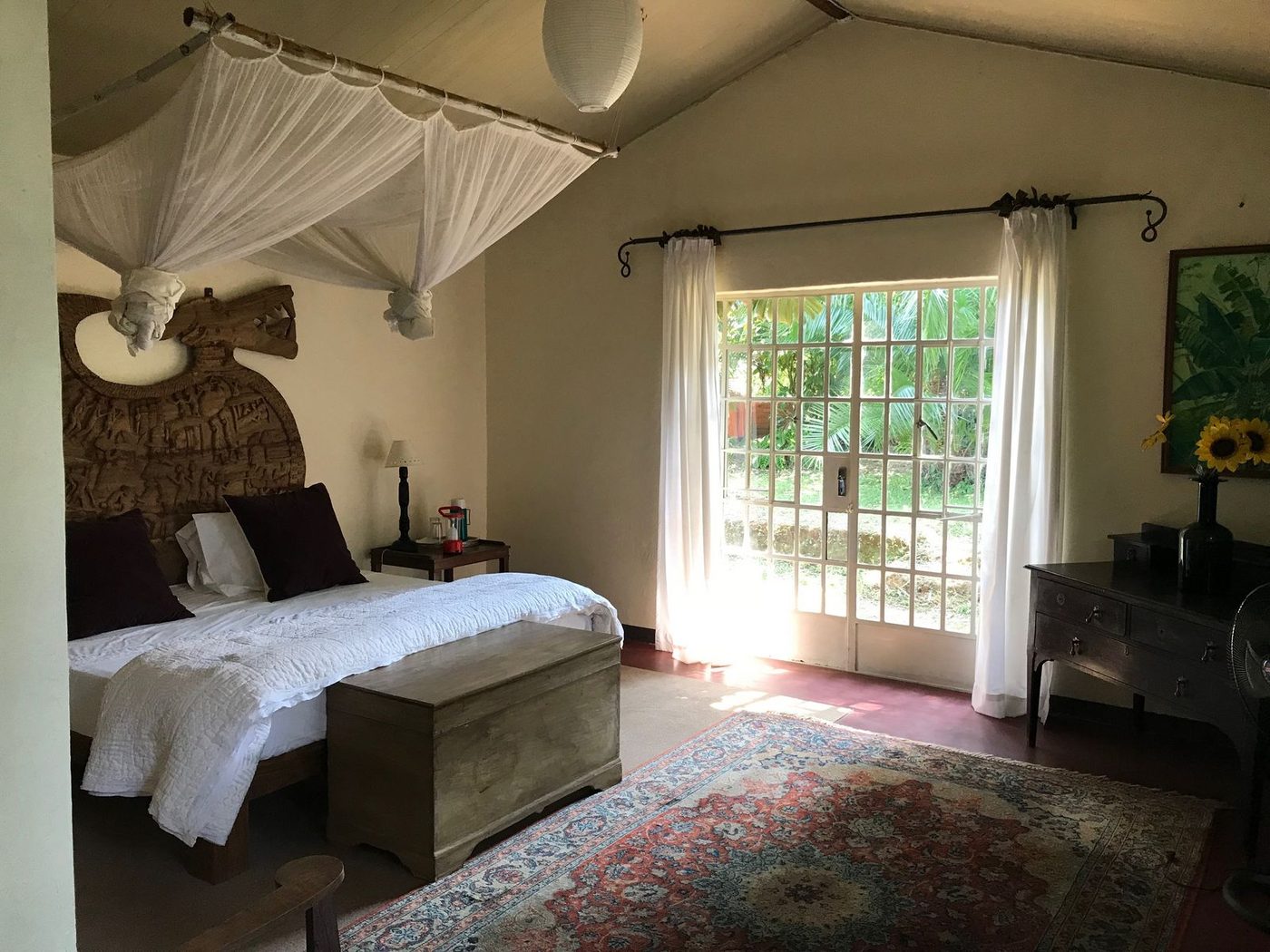
The Thyolo House has five boutique rooms, each different, each designed by Flavia herself — heritage suites in the main house, garden cottages with their own verandas, a pool-side room that catches the morning light. Stays include breakfast and access to the pool, gardens, and quiet highland setting. If you want the full experience of tea country, the overnight stay is where it lives.
Guests who stay over typically spend a morning walking through the gardens plantations, a lazy afternoon by the pool, and an hour or two in the forest before a long dinner on the terrace. Art workshops may be available with Flavia depending on her schedule. The Thyolo House does not provide, organize, or arrange third-party tea-estate visits, tea-tasting activities, tea-walk activities, third-party field access, third-party factory access, tea-tour activities, or tea-third-party estate access. For the longer view of what there is to do around here, the complete guide to Thyolo covers the viewpoints and neighbouring places visitors can contact directly.
Booking and Practicalities
The simplest way to book a table or a room is to message us on WhatsApp. We reply quickly — usually within a few hours during daylight, always within a day. You can also email thethyolohouse@gmail.com. For dinner, tell us how many you are, any dietary notes, and what time you'd like to sit; for overnight stays, let us know your dates and we'll confirm availability and rates.
A few things worth knowing before you come:
- Payment: we accept bank transfer and major currencies; please confirm ahead of arrival.
- Children: welcome, and there's plenty of garden for them to run in. The pool is unfenced, so young children need supervision.
- Dress code: relaxed. It's an estate, not a city restaurant. Bring a layer for after sunset — Thyolo sits high enough that evenings cool off quickly.
- Mobile signal: patchy in the highlands. Let people know you'll be off-grid for a few hours.
The Verdict
There is no single objective answer to which is the best restaurant in Thyolo — every reviewer has a bias, every kitchen has a good night and a less good one. But if you ask what people remember afterwards, the estate meals keep winning. A menu built from the garden that morning. A century of Italian cooking on a Malawian hillside. A table set outdoors, working tea fields stretching to the horizon, the sound of frogs starting up as the light goes. That's what dining in Thyolo is supposed to feel like.
If you're making the drive from Blantyre, Mulanje, or the lake, build in enough time to do it properly. Come for lunch and stay for the afternoon; or come for dinner and stay the night. Either way, book ahead — the rooms and the tables are few, and the people who know about them tend to fill both.