/ By The Thyolo House
Best Time to Visit Malawi: A Season-by-Season Travel Guide
A journal from a boutique lodge in the Thyolo highlands. These are notes from our corner of Malawi — places we love, walks we've done ourselves, operators we've watched do good work. The mountain treks, tea-estate tours, and day trips are all run by independent operators in Malawi; book those directly with them. Come stay with us before or after — we'll do the room, the meal, and the quiet.
Choosing the best time to visit Malawi can make the difference between a trip you talk about for years and one spent watching rain from a lodge window. The Warm Heart of Africa delivers something special in every season — but when you go shapes what you'll see, what you can do, and how comfortably you'll do it. This guide breaks down the year month by month, with a particular focus on what matters for southern Malawi's highlands, tea country, and the shores of Lake Malawi.
Malawi's Two Seasons — Dry and Wet at a Glance
Malawi's climate divides neatly into two seasons. The dry season runs from May through October, bringing clear skies, cooler temperatures, and easy travel conditions across most of the country. The wet season — locally called the green season — spans November to April, with the heaviest rains falling between December and March.
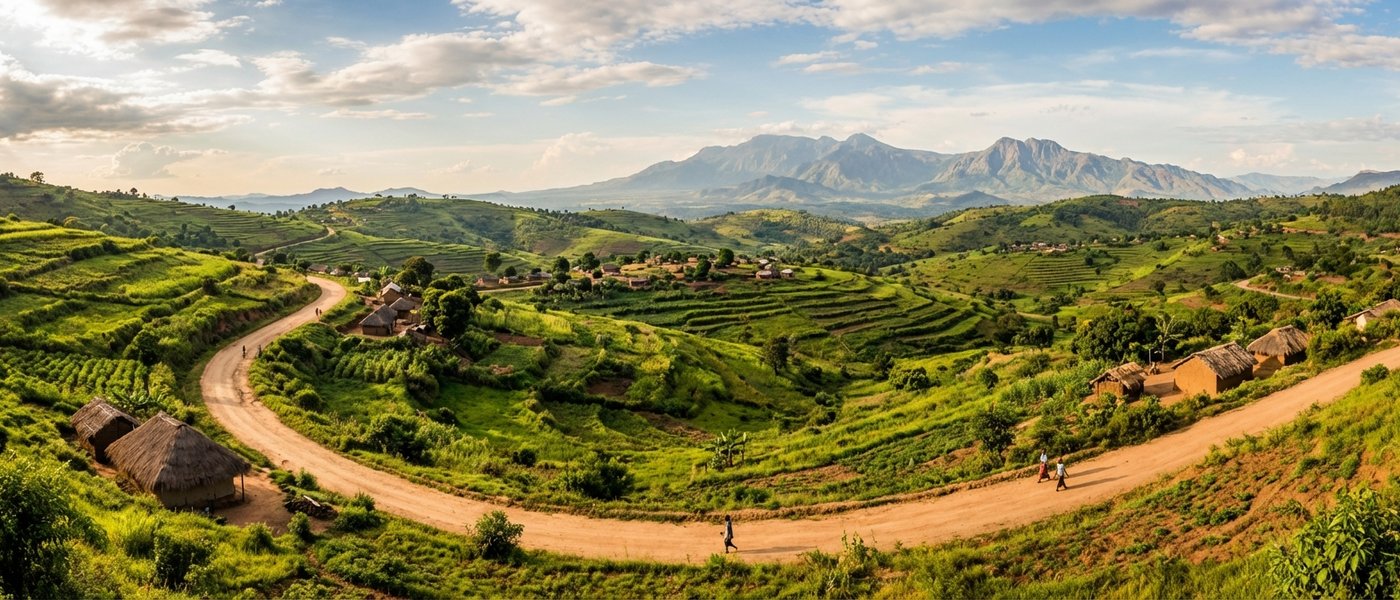
Altitude plays a significant role, especially in the south. The Shire Highlands around Thyolo and Mulanje sit between 900 and 1,100 metres above sea level, which means temperatures run several degrees cooler than the lakeshore or the Lower Shire Valley. During the dry season, expect daytime highs of 20–25°C and nighttime lows around 10–15°C in the highlands — perfect weather for hiking, highland forests, and long meals outdoors.
The wet season is hotter and more humid across the country, with afternoon thunderstorms that can be dramatic and, in the highlands, persistent enough to affect road conditions and trail safety. That said, the rains transform Malawi's landscape into something luminously green, and the season has its own rewards for the right kind of traveller.
May to October — The Dry Season and Peak Travel Window
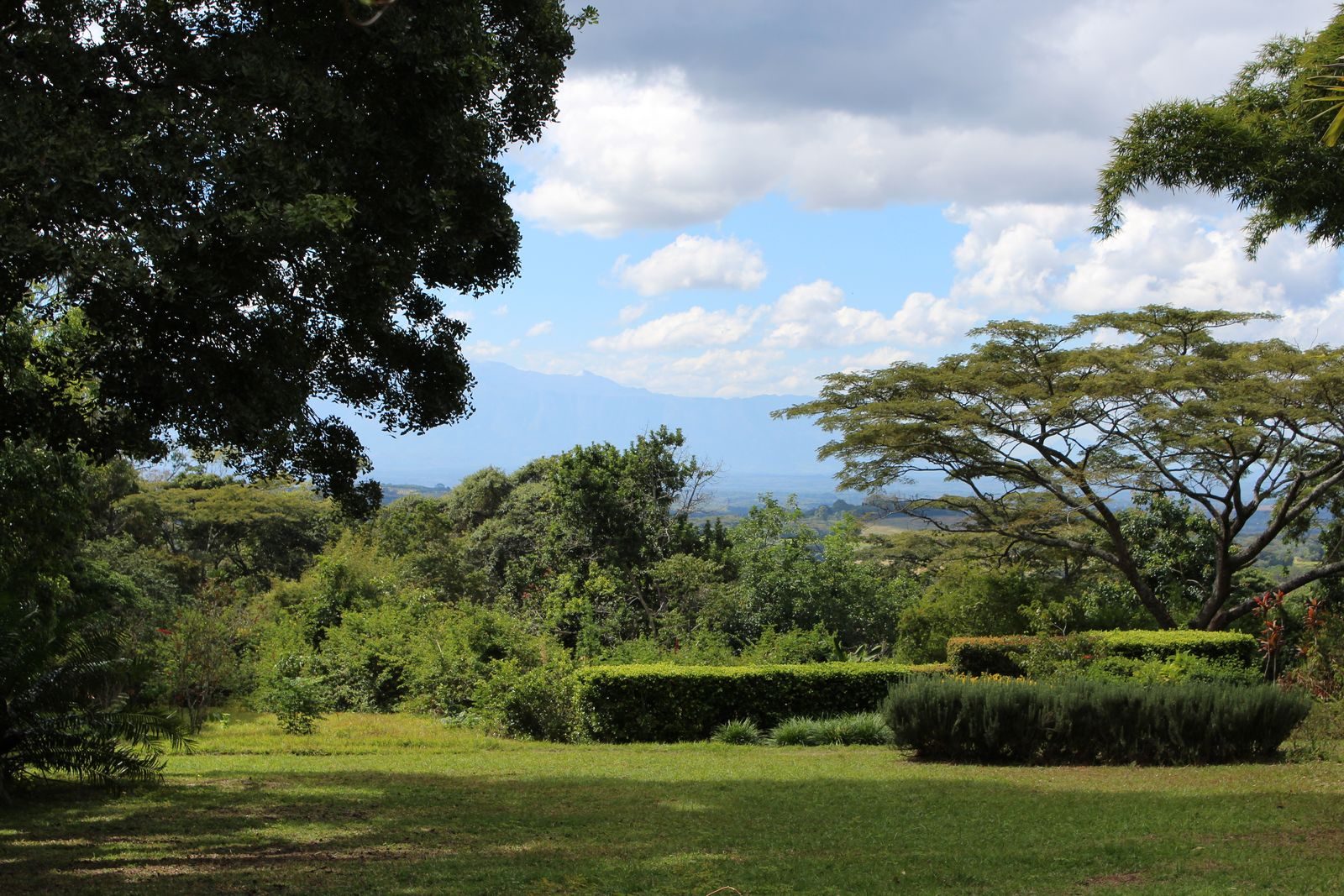
If you're planning your first trip to Malawi and want the safest bet for good weather, the dry season is it. Skies are clear, roads are reliable, mosquito numbers drop dramatically, and the country's parks, lakes, and highlands are all at their most accessible.
May — The Single Best Month
Many experienced Malawi travellers will tell you May is the sweet spot. The rains have just ended, so the landscape is still brilliantly green, but the trails are drying out and the skies are clearing. Highland mist drifts through the tea estates in the mornings — atmospheric and beautiful. Temperatures are comfortable, crowds haven't arrived, and accommodation rates are often still at shoulder-season levels.
June to August — Peak Season
This is high season across Malawi. Weather is at its most reliable: warm days, cool nights, virtually no rain. Wildlife viewing in the national parks improves week by week as vegetation thins and animals concentrate around remaining water sources. Lake Malawi is calm and clear. The highlands are ideal for hiking, with dry trails and long views.
The trade-off is that lodges and camps book up earlier, and prices reflect the demand. If you're planning a June–August trip, booking accommodation at least two to three months ahead is wise — especially for popular stops like Cape Maclear, Liwonde National Park, and the Southern Highlands route.
September to October — Hot, Dry, and Excellent for Wildlife
The tail end of the dry season brings rising temperatures and increasingly sparse vegetation. For wildlife enthusiasts, this is actually the best period: animals in Liwonde and Majete gather at rivers and waterholes, making sightings almost guaranteed. September also brings the Lake of Stars Festival, Malawi's flagship music event on the lakeshore.
In the highlands, September and October are warmer but still comfortable. Tea estates are actively harvesting, and the clear skies make for spectacular views from Mount Mulanje's peaks.
Best Months for Safari, Hiking and Lake Malawi
Different activities have different ideal windows. Here's how to match your interests to the calendar:
- Safari and wildlife: September and October offer the most concentrated wildlife viewing in Liwonde, Majete, and Nyika. June–August are also excellent with slightly cooler, more comfortable conditions.
- Hiking Mount Mulanje and the highlands: May through October. Trails are dry and safe, temperatures are ideal, and the mountain huts are accessible. Permits are required — obtain them at the Forestry Department offices at trailheads like Likhubula. InfoMulanje, the one-stop booking office run by the Mulanje Mountain Conservation Trust, is the place to contact directly for guides, porters, and hut bookings.
- Lake Malawi beaches and water sports: June to October for calm water, reliable sun, and excellent visibility for snorkelling and diving. The lake's famous cichlid fish are visible year-round, but dry-season clarity makes the experience.
- Birding: November to March — the wet season — is paradoxically the best time for birders. Migratory species arrive, breeding plumage is on display, and Nyika National Park hosts specialties like wattled cranes, eagle owls, and the striking mountain marsh widowbird.
- Tea country and cultural tourism: Year-round, though May–October is most comfortable. The tea estates of Thyolo and Mulanje operate continuously, and some tea-country properties offer their own directly booked visitor activities. These are not arranged through The Thyolo House.
November to April — The Green Season (and Why It Has Its Own Magic)
The wet season gets a bad reputation, and for good reason if your plans depend on reliable road access or mountain hiking. Heaviest rains fall December through March, and in the highlands, secondary roads can become impassable due to mudslides. Mountain trails turn slippery and, in places, dangerous. This is not the time for a first-timer's Mulanje trek.
But the green season has genuine appeal for the right traveller:
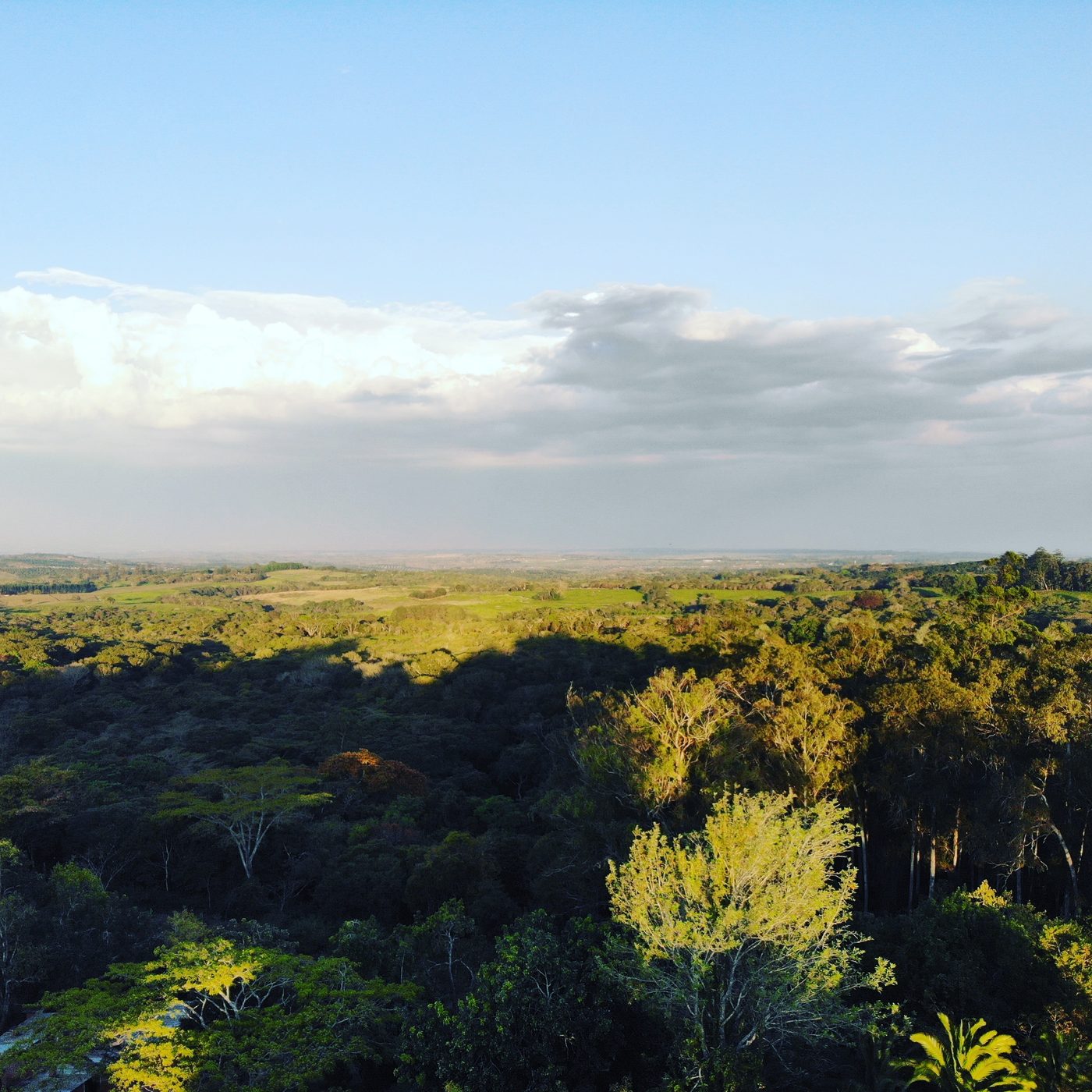
- Landscapes are extraordinary. Everything is vivid green — the working tea fields, the forests, the valleys. Waterfalls that are a trickle in October become thundering cascades.
- Birding is at its peak. Migratory species from across Africa and beyond arrive, and resident birds are in breeding plumage. The highlands around Thyolo and Mulanje are particularly rewarding, with species found nowhere else in the region.
- Prices drop significantly. Many lodges offer green-season rates that can be 30–40% lower than peak-season prices. Flights to Lilongwe and Blantyre are cheaper too.
- Fewer tourists. If solitude matters to you, November to April delivers it. You may have entire stretches of lakeshore or highland trail to yourself.
Navigating Rainy Season Travel
If you do visit during the rains, plan around the weather rather than fighting it. Mornings are often clear, with storms building in the afternoon. Schedule outdoor activities early. Stick to tar roads where possible — the main route from Blantyre through Thyolo to Mulanje is paved and reliable year-round. Carry a good rain jacket, not an umbrella (highland wind makes umbrellas useless). And be flexible: a day confined to a comfortable lodge with a good kitchen isn't a day wasted.
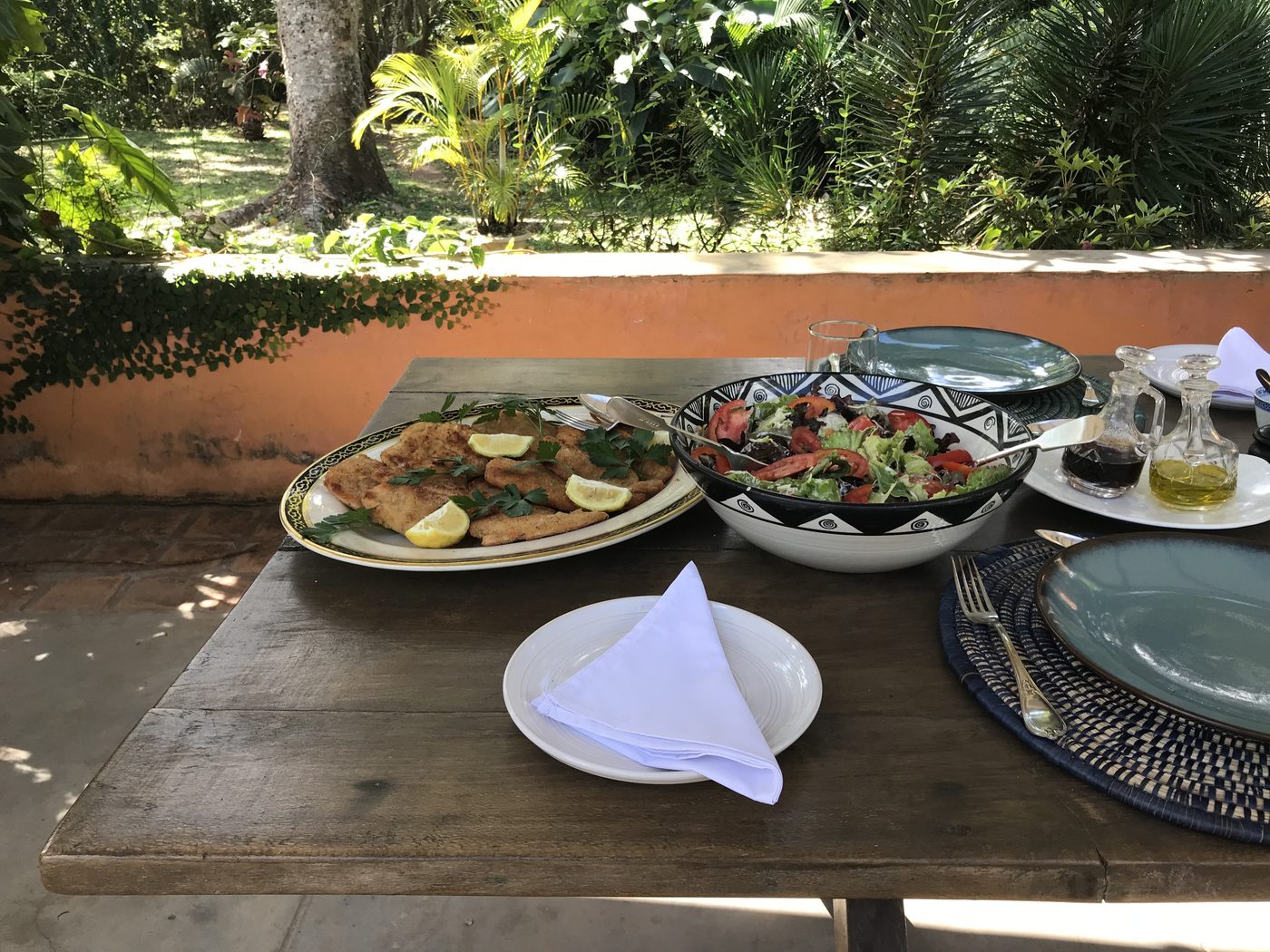
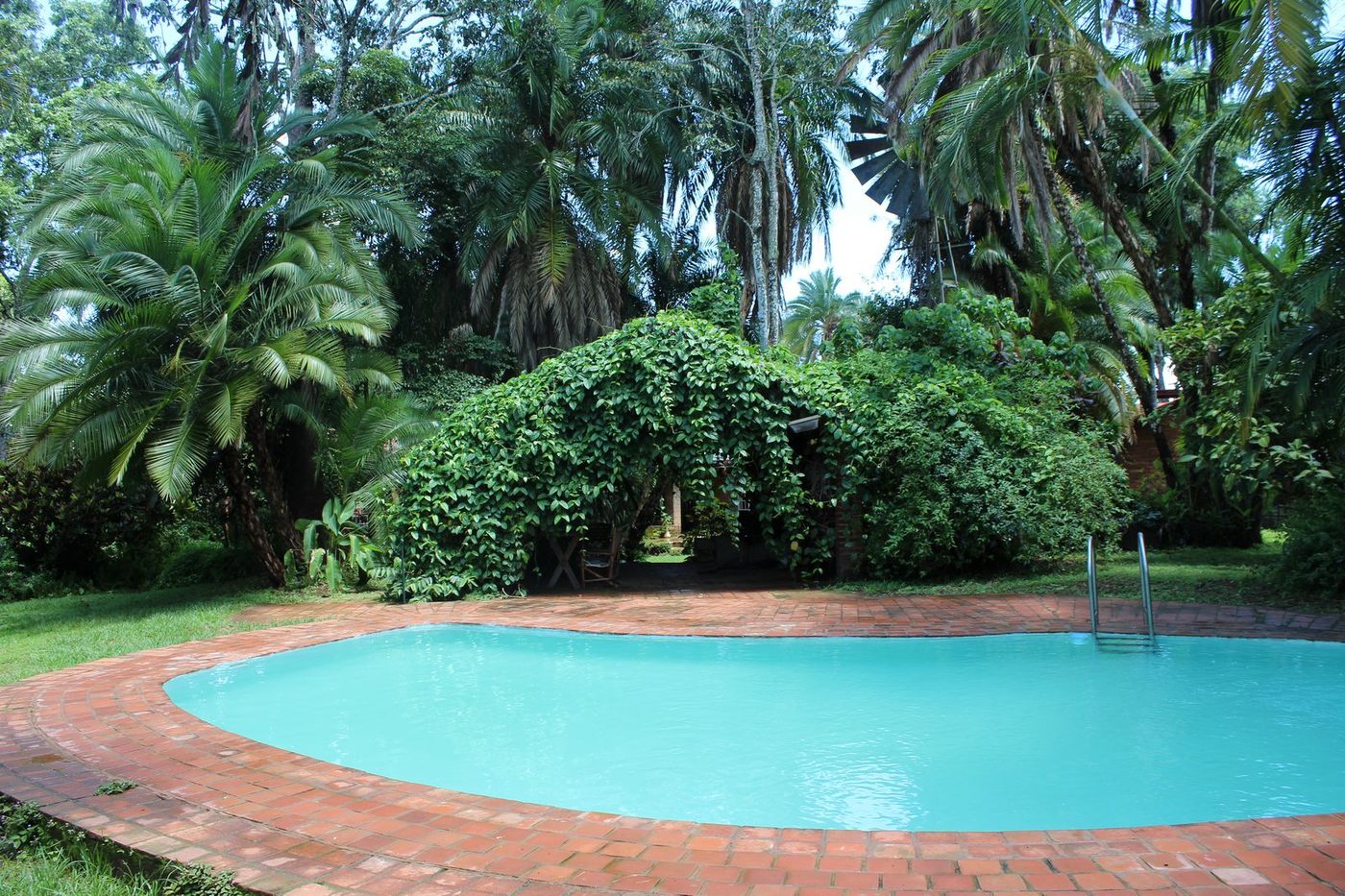
This is one reason The Thyolo House works so well as a green-season base. Sitting on a historic property that was once part of the Conforzi Tea Estate, the lodge offers enough on-site activity — garden walks through the bougainvillea, the swimming pool, Flavia Conforzi's art workshops, and an Italian fusion restaurant using ingredients from the house gardens — that a rainy afternoon feels like a feature, not a problem.
When to Visit Malawi's Southern Highlands and Tea Country
The southern highlands deserve their own section because they operate on a slightly different rhythm to the rest of the country. Thyolo and Mulanje districts are Malawi's tea heartland, home to estates like Makwasa, Mianga, Kasembereka, and Gotha — names that have defined Malawian tea for over a century. The altitude keeps temperatures moderate even when the rest of southern Malawi swelters.
The best time to visit Malawi's tea country is May through September. Mornings are misty and cool, afternoons warm and clear. The tea bushes are in active harvest, so estate visits are at their most interesting — some estates may show plucking, withering, rolling, and drying through their own directly booked visitor activities. The highland air is fresh, the light is beautiful, and the pace is gentle.
The Satemwa Tea Country and its Huntingdon House are well-known options in Thyolo. For something more intimate, The Thyolo House offers a boutique experience — five rooms on a historic highland property, with gardens, pool, art and a restaurant. It's 20 minutes from Limbe and 40 minutes from Blantyre, making it easy to combine with a broader Malawi itinerary.
Mount Mulanje — Practical Details
If hiking Mount Mulanje is on your list, plan for a minimum of two to three days on the mountain. The massif has around ten mountain huts operated by the Department of Forestry and the Mulanje Mountain Conservation Trust (MMCT). These are basic wooden structures with fireplaces, tables, sleeping mats, and long-drop toilets. They operate on a first-come, first-served basis — no one is turned away.
Approximate costs: hut watchman fees run around 500 MWK per person per night, with car watchmen at the trailhead charging roughly 1,000 MWK per car per night. Hiring a guide costs $20–40 USD per day and is strongly recommended, especially if you're unfamiliar with the routes. Contact InfoMulanje for current permit fees and logistics — they're the MMCT's one-stop booking office and can arrange everything from guides and porters to accommodation.
For those who prefer to hike without sleeping on the mountain, day hikes from the Likhubula trailhead are rewarding and manageable. Base yourself in Mulanje town or — for a more comfortable highland experience — at a lodge in nearby Thyolo, where you can return to a proper bed, a hot shower, and a plate of handmade pasta.
Month-by-Month Quick Reference Calendar
This table gives you the essentials at a glance. Use it alongside the detailed sections above to fine-tune your planning.
| Month | Weather | Best For | Crowds |
|---|---|---|---|
| January | Heavy rain, hot, humid | Birding (migratory species) | Very low |
| February | Wettest month in many areas | Birding, budget travel | Very low |
| March | Heavy rain continuing | Birding, green landscapes | Very low |
| April | Rains easing, skies clearing | Transition travel, photography | Low |
| May | Dry, green, misty mornings | Everything — widely considered the best month | Moderate |
| June | Dry, warm days, cool nights | Safari, hiking, lake, estate visits | High |
| July | Dry, coolest month | Hiking, safari, cultural tours | High |
| August | Dry, warming slightly | Safari, lake sports, hiking | High |
| September | Dry, hot, vegetation thinning | Wildlife viewing, Lake of Stars Festival | High |
| October | Hottest month, very dry | Best wildlife concentrations | Moderate |
| November | Unpredictable — may rain or not | Budget travel, early birding | Low |
| December | Rains begin in earnest | Festive travel, birding | Low–Moderate |
What to Pack for Each Season
Dry Season (May–October)
- Layers: Highland mornings and evenings are genuinely cold (10–15°C). A fleece or light down jacket is essential, even though afternoons are warm.
- Sun protection: The dry-season sun is strong, especially at altitude. Bring a wide-brimmed hat, quality sunscreen, and sunglasses.
- Sturdy footwear: Hiking boots for Mulanje; comfortable walking shoes for tea-country scenery and garden walks.
- Binoculars: Even non-birders will want them for wildlife and mountain views.
- Light dust-friendly clothing: Towards September–October, dirt roads get dusty. Light, neutral-coloured clothing works best.
Wet Season (November–April)
- Rain gear: A proper waterproof jacket, not a poncho. Highland rain comes with wind.
- Quick-dry clothing: Cotton takes forever to dry in humid conditions. Synthetic or merino layers are far better.
- Waterproof bag liners: For protecting electronics and documents.
- Insect repellent: Mosquitoes increase significantly during the rains. DEET-based repellent and long sleeves in the evening.
- Flexible footwear: Sandals with good grip for muddy lodge grounds; proper boots if you're attempting any trails.
Planning your visit — Where to Base Yourself
The best time to visit Malawi depends partly on where you plan to be. A smart itinerary uses different bases for different parts of the country:
- Lake Malawi (Cape Maclear, Nkhata Bay, Likoma Island): Best June–October. The lake is the natural heart of most Malawi itineraries. Allow three to four nights minimum.
- Liwonde National Park: Best July–October for game drives and boat safaris along the Shire River. Two to three nights is enough to see the park properly.
- Zomba Plateau: Enjoyable year-round due to altitude, but May–September is most comfortable. A single night or independent visit works from Blantyre.
- Thyolo and Mulanje: Best May–September. Two to four nights allows time for estate visits, highland walks, and a Mulanje hike. The Thyolo House makes an ideal base — close enough to Blantyre for easy transfers, deep enough into the highlands to feel genuinely remote.
- Majete Wildlife Reserve: Best June–October. Malawi's big-five reserve, about two hours from Blantyre.
A well-planned Southern Malawi route can combine several of these in a ten-day visit, starting and ending in Blantyre. Many visitors fly into Chileka Airport, spend their first or last nights in the highlands to acclimatise, then head north to the lake and parks.
Getting to the Highlands
From Blantyre's Chileka Airport, the drive to Thyolo takes approximately 40 minutes on a good tar road. Mulanje town is about 90 minutes from the airport. If you're coming from the north, the M2 highway from Lilongwe to Blantyre takes around four and a half hours. Lake Malawi's southern shore at Mangochi is roughly four hours from Thyolo — manageable as a day's drive with stops.
The Thyolo House does not arrange transfers, drivers, guides, trips, tours, tea visits, or third-party activities. For the most current information on Thyolo House room, restaurant, garden, pool, and on-site availability, message us on WhatsApp or email thethyolohouse@gmail.com. Whether you're timing your visit around the dry-season hiking window or seeking the green season's quieter magic, the highlands reward those who make the journey.
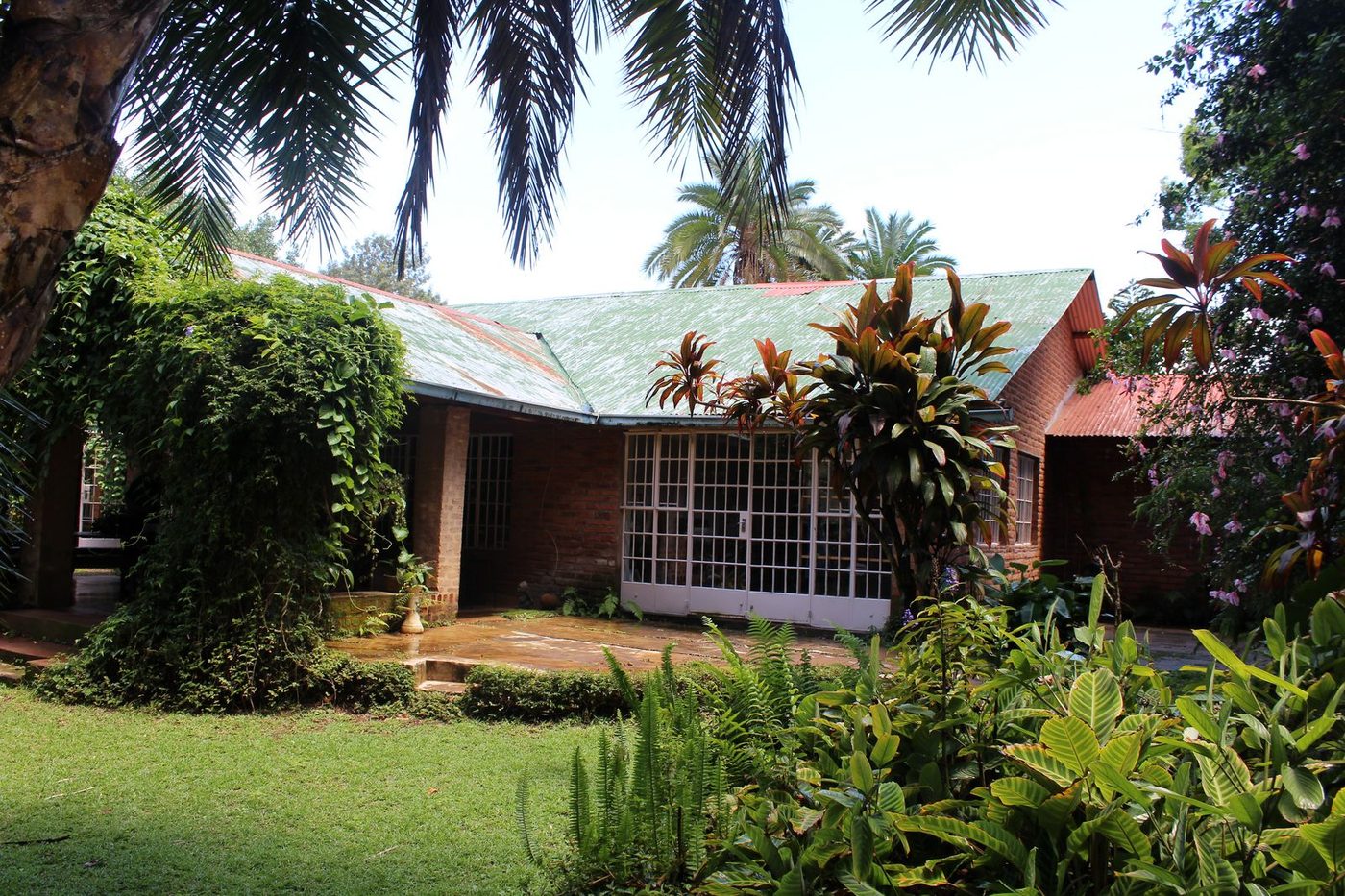
The Thyolo House is a boutique hotel and restaurant in Thyolo, Malawi, on a historic property that was once part of the Conforzi Tea Estate. Five individually designed rooms, an Italian fusion restaurant, gardens, art workshops when available, and a swimming pool — all set in the cool quiet of the southern highlands. Get in touch on WhatsApp for room or restaurant availability.