/ By The Thyolo House
Birdwatching Thyolo Malawi: A Guide to Forests & Tea Estate Birds
A journal from a boutique lodge in the Thyolo highlands. These are notes from our corner of Malawi — places we love, walks we've done ourselves, operators we've watched do good work. The mountain treks, tea-estate tours, and day trips are all run by independent operators in Malawi; book those directly with them. Come stay with us before or after — we'll do the room, the meal, and the quiet.
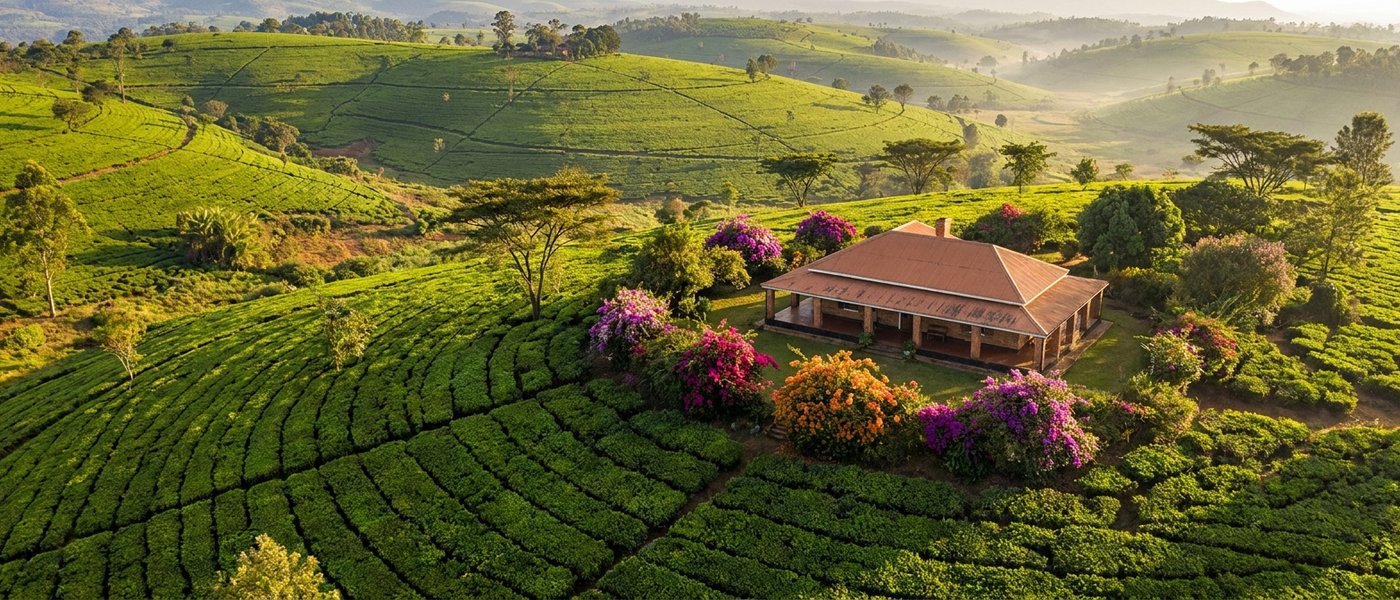
Few places in Africa reward a patient birder quite like the Shire Highlands of southern Malawi, and birdwatching in Thyolo, Malawi is the quietest, most rewarding chapter in that story. While the rest of the continent's birding circuit chases big-sky raptors and wetland spectacles, Thyolo offers something rarer: intimate, ear-led forest birding in a landscape stitched together from century-old tea estates, steep-sided ravines, and the last indigenous evergreen forest patches of the Thyolo-Mulanje massif. If you care about Afromontane endemics — the small, shy, hard-won species that define a serious life list — this is where you come.
Thyolo has been designated an Important Bird Area by BirdLife International, with roughly 81 species recorded on Thyolo Mountain alone. But the numbers tell only half the story. What matters here is what you can see: a handful of range-restricted forest species found in only a few mountain forests in Malawi and Mozambique, and nowhere else on Earth. This guide walks you through what to expect, where to look, when to come, and how to base yourself properly for a trip that rewards slow days and early mornings.
Why Thyolo Is Malawi's Quiet Birding Capital
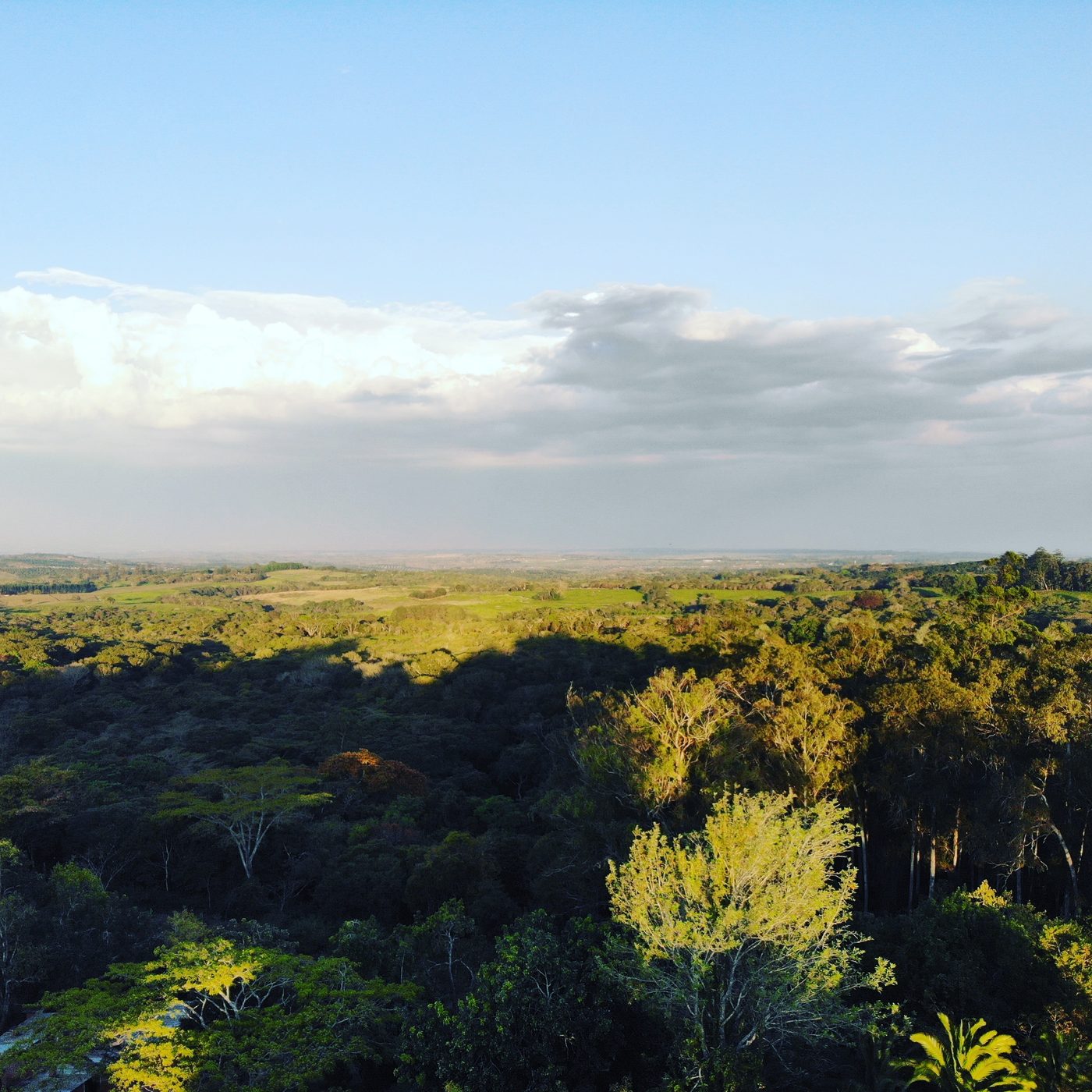
Most first-time visitors to Malawi fly into Lilongwe and point north toward Liwonde, Nyika, or the lake. They're not wrong — those are fine places. But the Shire Highlands, and Thyolo in particular, hold a very different kind of birding. The district sits between 900 and 1,500 metres, high enough to support Afromontane forest, but low enough that the surrounding country is a productive mosaic of tea, smallholder gardens, riparian strips, and steep wooded ravines. That altitude gradient is what makes birdwatching in Thyolo Malawi so unusually rich for such a small area.
Historically, Thyolo Mountain was one of the most important montane forest sites in Malawi after Mulanje. Much of the original forest has been cleared for tea over the past century — this is honest geography, not a brochure line — but the survivors are exactly where the interesting birds concentrate. The remaining forest patches, ravine forest below 1,300 metres, and the riparian strips that thread through the tea estates act as stepping stones. A species like the Thyolo Alethe, which won't cross open country, moves along these strips between larger blocks of forest. For a birder willing to walk slowly and listen, the tea country mosaic is the feature, not the obstacle.
There's a second reason the area has quietly become a birder's favourite. The estate culture here — working tea farms like Satemwa and Conforzi — preserved indigenous forest patches as shade, soil stabilisation, and water catchment long before conservation language caught up. Those private forest remnants now hold the Thyolo Alethe and several other forest endemics. You can't easily walk into them from the public road. You need to be staying at The Thyolo House.
The Birds Worth Travelling For
Let's be direct about what brings serious birders to this corner of Malawi. The list isn't long, but it's heavy.
Thyolo Alethe (Chamaetylas choloensis)
The flagship. A shy, orange-breasted forest robin that follows ant swarms through the understorey, dropping down to snatch insects flushed by the army of driver ants. It's IUCN-listed as Vulnerable (older sources still say Endangered, which is why you'll see conflicting labels online), with a global range limited to the forest patches of Thyolo and Mulanje in Malawi, and a handful of Mozambican mountains — Namuli, Mabu, and Inago. Mount Mabu in Mozambique is now thought to hold the largest remaining population, but the Thyolo birds are the ones most visitors will ever see. For a deeper profile of the species and its conservation status, see our full guide to the Thyolo Alethe.
Green-headed Oriole (Oriolus chlorocephalus)
Common on the lower forested slopes and surprisingly easy to see once you know its fluting call. A big, handsome oriole that's almost worth the visit by itself. Our Green-headed Oriole guide covers where to find them and how to separate the call from the Black-headed Oriole that shares the same altitude.
White-winged Apalis (Apalis chariessa)
A restricted-range warbler that's found on Mulanje as well, but Thyolo's forest patches are often easier to work. Canopy-active, vocal, and one of the most elegant apalises in the region.
Bar-tailed Trogon, Malawi Batis, and the Greenbuls
Beyond the headline trio, Thyolo offers Bar-tailed Trogon in the taller forest blocks, Malawi Batis in the mid-storey, Natal Thrush in leaf litter, Bronze-naped Pigeon overhead, and a run of greenbul species — Yellow-streaked, Stripe-cheeked, and Little — that reward patient ear work. A good morning will produce 40 to 60 species without leaving the estate boundary.
Where to Look: Forest Patches, Tea Country Edges & Garden Feeders
The art of birdwatching in Thyolo Malawi is knowing which slice of habitat to work at which hour. The district isn't a single reserve you tick off — it's a layered landscape, and each layer produces different species.
Thyolo highlands indigenous forest
The patch of forest immediately behind The Thyolo House is, for most visiting birders, the single best site in the district simply because you can walk into it at first light without driving anywhere. The surrounding Thyolo landscape includes indigenous montane forest fragments within tea country, and those blocks hold resident Thyolo Alethe, Green-headed Oriole, and the full greenbul suite. Garden and forest-edge paths are quiet in the early morning. You can read more about Conforzi history in our piece on the story of Conforzi.
Mount Thyolo Forest Reserve
The remaining gazetted reserve is smaller than it once was, but the surviving forest holds the same species and a few more montane specialists at the top end. Access is via the estates that flank the mountain; a local guide or a connection through your accommodation is effectively mandatory.
Tea country edges and roads at dawn
Don't underestimate the estate roads themselves. The first hour of light brings mixed flocks moving along the forest edge — canary-flycatchers, white-eyes, sunbirds, and the occasional apalis party. The interface between tea and forest is where a surprising amount of activity concentrates.
Ravine forest and riparian strips
The steep-sided valleys that cut through the working tea fields are the corridors that species like the Alethe use to move between bigger blocks of forest. A morning spent quietly at the head of a ravine, listening, will often produce better views than charging through primary forest.
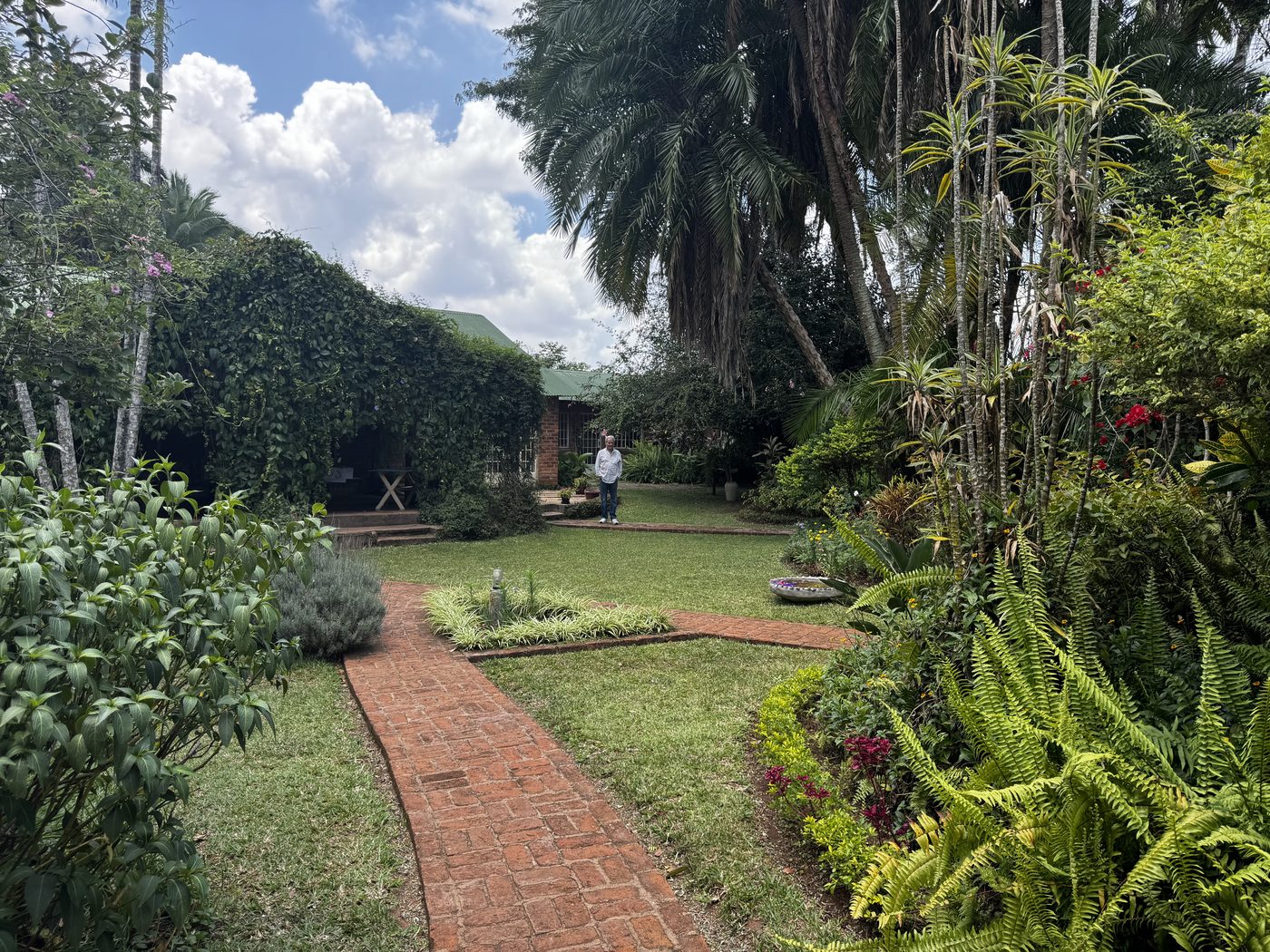
Garden feeders and garden grounds
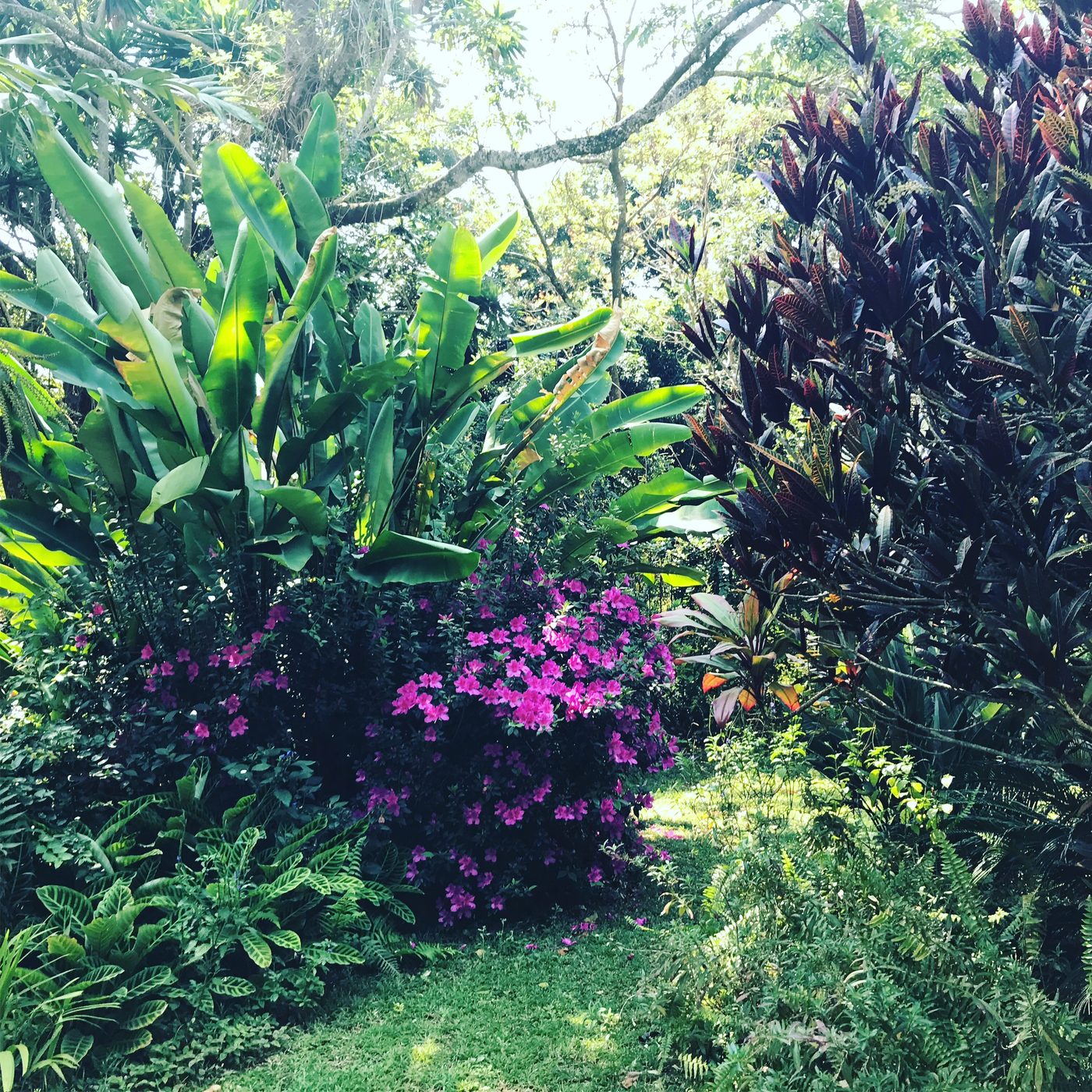
Even without leaving the lawn, the house gardens pull in Collared and Variable Sunbirds, Black-headed Oriole, Livingstone's Turaco (if you're lucky), and a rotating cast of flycatchers. The gardens at The Thyolo House sit right against the forest edge, which means the line between "at breakfast" and "actively birding" is usefully blurred.
A Birder's Day in the highlands
A good day of birding in Thyolo has a shape to it, and that shape works best when you're already in the highlands rather than driving in from Blantyre. Here's roughly how it goes.
5:30 AM. Coffee on the veranda. Light is still grey. The first call you hear is usually Black-headed Oriole, quickly joined by White-eared Barbet and the descending whistle of a Yellow-throated Woodland Warbler.
6:00 AM. Start with the gardens and agreed forest-edge paths. The first hour is the most productive — mixed flocks are active, and the Alethe, if it's going to show, tends to be on or near an ant column at this hour. Move slowly, stop often, and let the birds come to you rather than pushing through.
9:00 AM. Back for a proper breakfast. Garden birds continue to work through the grounds. If there's a Turaco in the area, this is often when you hear it.
10:30 AM–12:30 PM. Mid-morning is for the tea country edges and ravines. Higher sun, more canopy activity, a better chance at the canopy apalises and the oriole. The trogon, if it's about, calls around now.
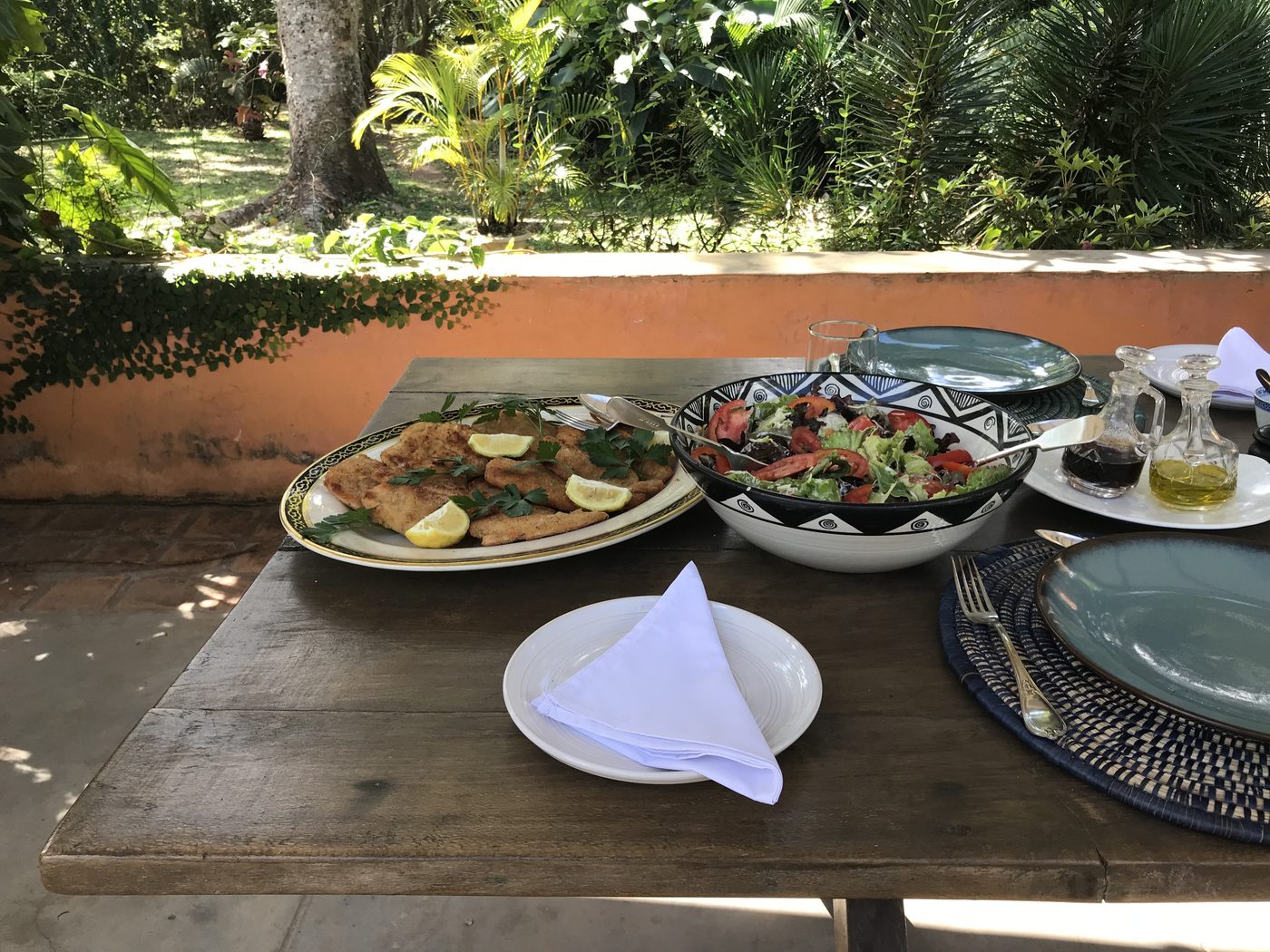
Lunch. Italian, on the terrace. The Thyolo House restaurant uses ingredients from the house garden, which is a pleasant reset after a morning crouching under fig trees. Owner Flavia Conforzi — an Italian-Malawian artist who grew up on this estate — built the menu around what the garden and the local farms actually produce.
Afternoon. The heat kills the forest for a few hours. Most birders nap, swim, or work through photos and notes. Birdlife picks up again from about 3:30 PM.
Late afternoon. Walk a different patch. The raptors often move late — Augur Buzzard overhead, occasionally a Crowned Eagle. Nightjars start calling just after sunset.
Practical Notes
When to come
The best months for birding in Thyolo are September through November, when resident species are in breeding plumage and actively vocalising. November and December are peak for breeding activity and song. March brings back the Palearctic migrants and is excellent for overall species diversity. The main rains run roughly December to March, which can make forest tracks slippery but also produces the most active birding. July and August are the coolest and driest months, with less song but easier walking.
Guides
There isn't a well-known independent local bird guide publishing rates online for Thyolo specifically. Most serious birders reach the area via regional specialist operators — Birding Ecotours, Birdquest, Nature Travel Birding, Birding Africa, Tropical Birding — all of whom include Thyolo on their southern Malawi itineraries. For a day or two of targeted birding from your accommodation, birding guides must be arranged directly with licensed local guides or specialist operators. If you're after the Thyolo Alethe specifically, a local guide cuts your search time dramatically.
Gear for highland humidity
- Binoculars: 8x42 is the sweet spot for dim forest interiors. 10x magnification is punishing under canopy.
- Clothing: Layers. Mornings at 1,200 m are cool enough to want a fleece; by 11 AM you'll want short sleeves.
- Footwear: Light hiking boots with decent grip. Forest paths can be muddy from November onward.
- Rain shell: Non-negotiable in the wet season. Also useful as wind protection on exposed tea tracks.
- Recorder or phone: Many species are heard before they're seen. Merlin's Africa pack works offline and is genuinely useful here.
- Field guide: Birds of Africa South of the Sahara (Sinclair & Ryan) or the Helm Birds of Malawi specifically.
Getting to Thyolo
Thyolo sits about 40 minutes by road from Blantyre and 20 minutes from Limbe. From Blantyre's Chileka International Airport, allow roughly an hour to reach the estate. The road is tarmac the whole way, though narrow and busy in places. Lake Malawi (Cape Maclear, Monkey Bay) is about four hours further north, which makes Thyolo an easy combination with a lake extension for a ten- to fourteen-day Malawi trip.
Staying at Thyolo House
There are logistical reasons to choose a tea country over a Blantyre hotel when you're here for the birds, and there are softer reasons too. We'll take them in turn.
The logistical case. Dawn is when the forest is working. If you're driving in from Blantyre, you're on the road at 4:30 AM, you're tired before you start, and you've missed the first hour of light. Staying in the highlands means the highland setting is close at hand from your room. Some forest patches in Thyolo are private or restricted. If birding access matters, confirm the current arrangement directly before travel.
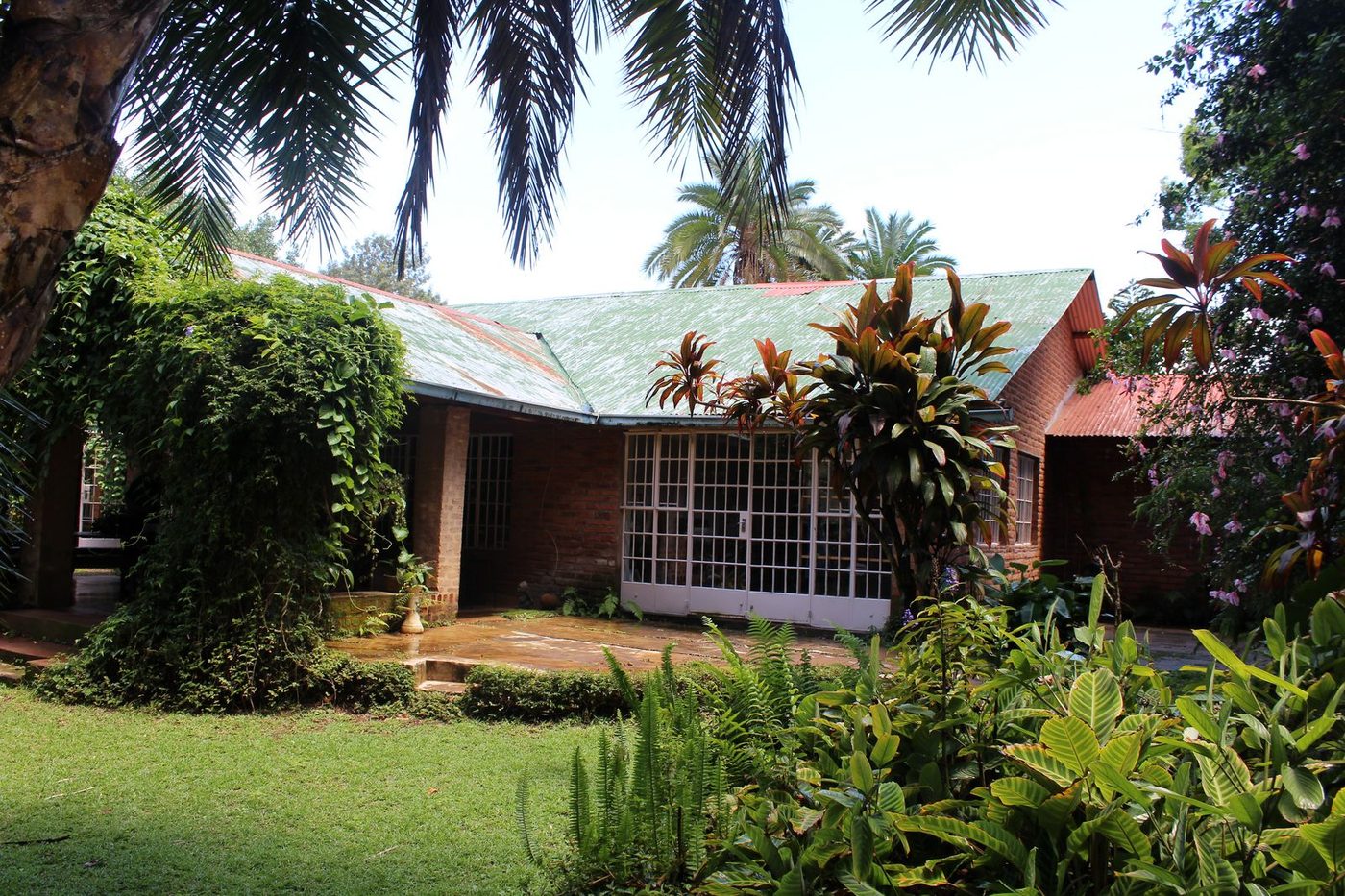
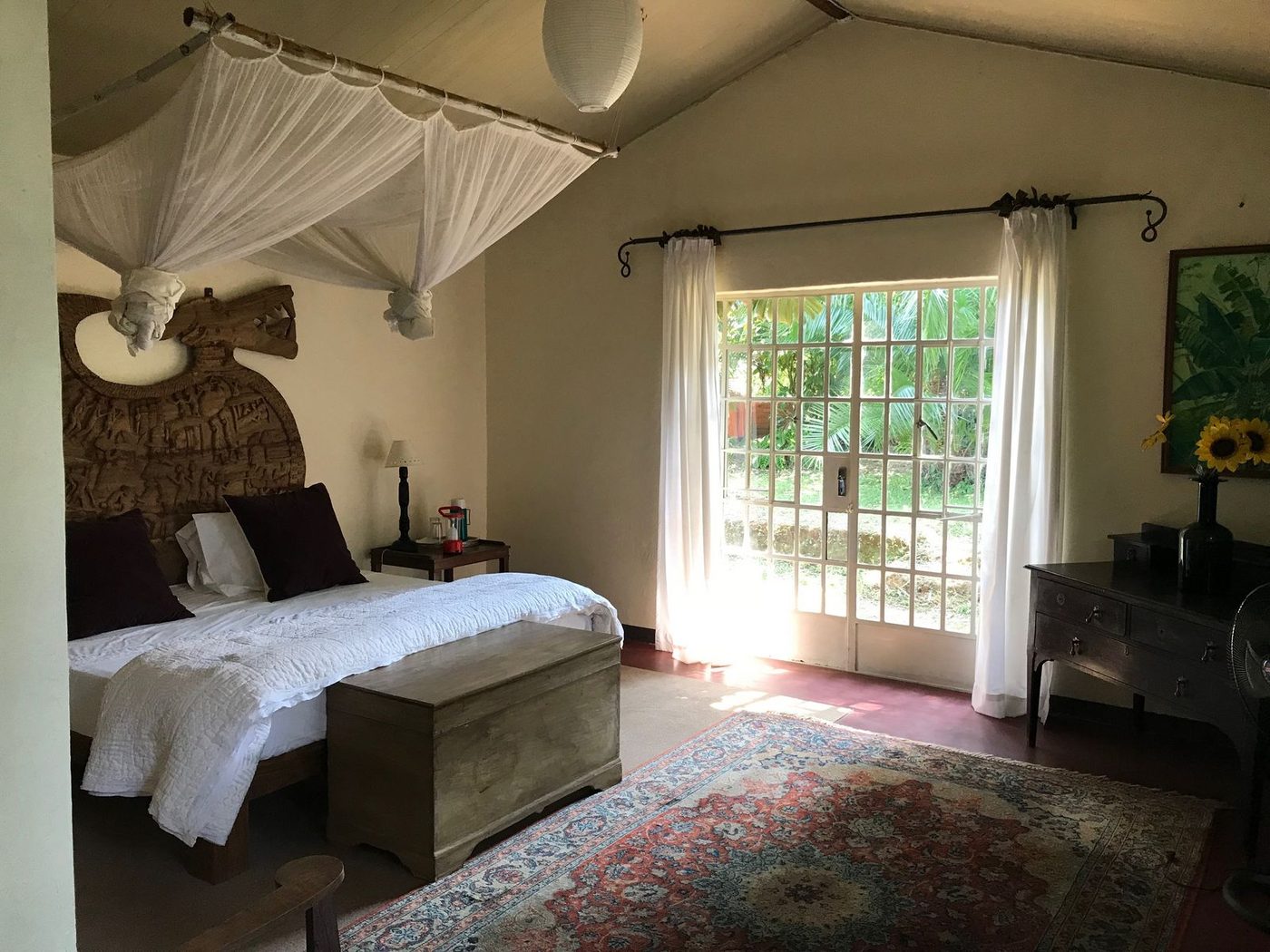
The softer case. The Thyolo House is a five-room boutique hotel on a historic property that was once part of the Conforzi Tea Estate, run by Flavia Conforzi, an Italian-Malawian artist whose family has lived on this land for generations. The house has the feel of a tea-country property rather than a resort — an Italian fusion restaurant using garden-grown ingredients, a pool for the hot afternoons, garden and forest-edge areas, and art workshops if you want a non-birding day. For a birding trip, it happens to be the right mix of comfort after a damp morning in the forest and proximity to the habitat that matters.
The five rooms each have a slightly different character — you can browse the boutique rooms to choose. Serious birders tend to prefer the rooms that open closest to the forest edge.
Booking and contact
Rooms book up quickly in the September–December peak birding window, and the estate isn't a large operation — five rooms fills fast. If you're planning a stay, the easiest way to check Thyolo House room or restaurant availability is to message us on WhatsApp at +265 884 202 040, or email thethyolohouse@gmail.com. Guided birding, birding outings, drivers, guides, and external activities are not arranged through The Thyolo House; contact licensed local guides or specialist operators directly. We can confirm room and restaurant availability at The Thyolo House; tour operators, birding guides, drivers, and external activities should be contacted directly.
What to pack beyond the birding kit
- Swimwear — the pool is genuinely useful after a morning in the forest.
- A book for the quiet afternoon hours between 12 and 3 PM.
- Something smart-casual for dinner. The restaurant is relaxed but has a proper kitchen.
- Cash in Malawian kwacha for tips and small purchases; card coverage in rural Thyolo is patchy.
Thyolo isn't going to replace a safari or a lake trip on a standard Malawi itinerary. What it offers is narrower and, for the right traveller, much more memorable: a short list of forest birds you genuinely can't see elsewhere, a landscape that rewards slow mornings and careful listening, and a tea-country property that happens to make an unusually civilised base for a few days of birdwatching in Thyolo Malawi. Come in the right season, stay on the right estate, walk slowly, and the list will build itself.