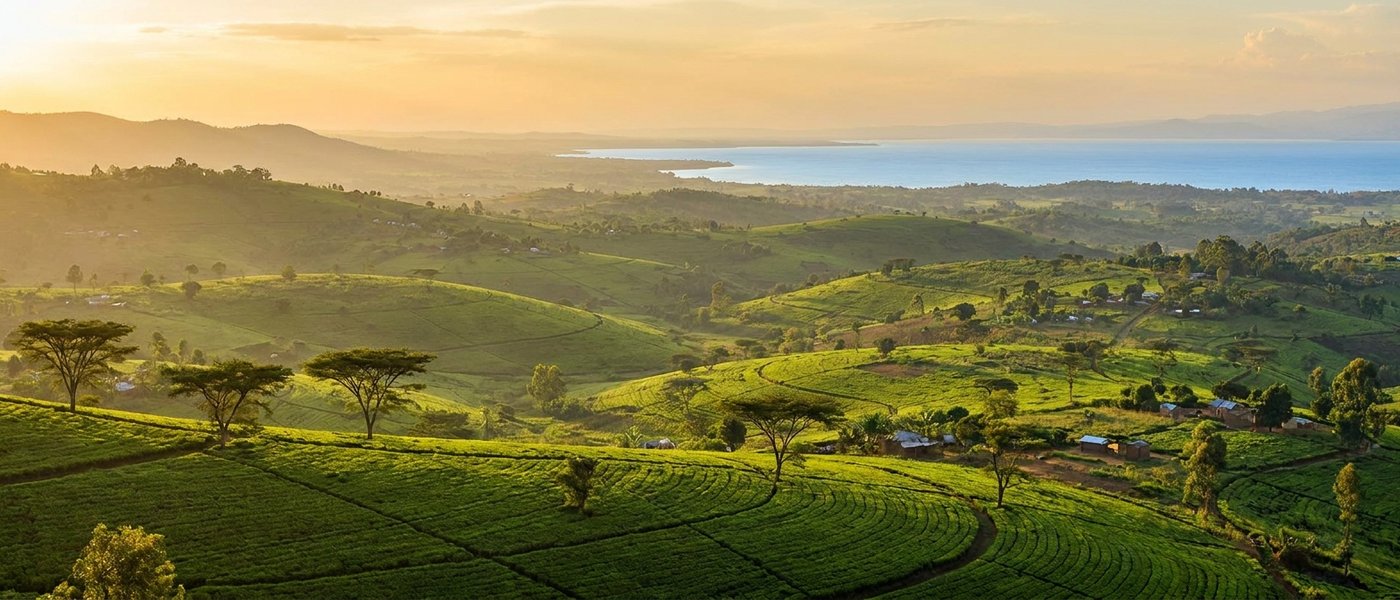
/ By The Thyolo House
Italian Food in Malawi: How a Tea-Country Kitchen Became the Country's Best-Kept Secret
A journal from a boutique lodge in the Thyolo highlands. These are notes from our corner of Malawi — places we love, walks we've done ourselves, operators we've watched do good work. The mountain treks, tea-estate tours, and day trips are all run by independent operators in Malawi; book those directly with them. Come stay with us before or after — we'll do the room, the meal, and the quiet.
If you told most travellers they could find outstanding Italian food in Malawi — proper pasta made from scratch, slow-cooked ragùs, and desserts that would hold their own in Bologna — they would assume you were joking. And yet, tucked among the rolling tea estates of the Thyolo Highlands, barely forty minutes from Blantyre, a kitchen has been quietly proving that assumption wrong for years. This is the story of how Italian culinary tradition arrived in one of Africa's most unlikely corners, and why it has stayed.
Malawi is not a country people associate with European gastronomy. The national dish is nsima — a dense maize porridge served with relish — and the food culture leans heavily on lake fish, beans, and seasonal vegetables. But Malawi's colonial and trading history runs deep, and the Thyolo district, in particular, has roots that stretch back to the late nineteenth century, when Scottish and Italian settlers established the tea and coffee estates that still define the landscape today. Italian food in Malawi did not arrive as a restaurant trend. It arrived with the families who came to farm.
How Italian Food Ended Up in the Malawi Highlands
The connection between Italy and Malawi's southern highlands is older than most people realise. Italian families were among the early European settlers in the Thyolo and Mulanje districts, drawn by the fertile volcanic soil and the cool, elevated climate — conditions that reminded them, however distantly, of home. They planted tea, coffee, and macadamia. They built stone houses. And they cooked the food they knew.
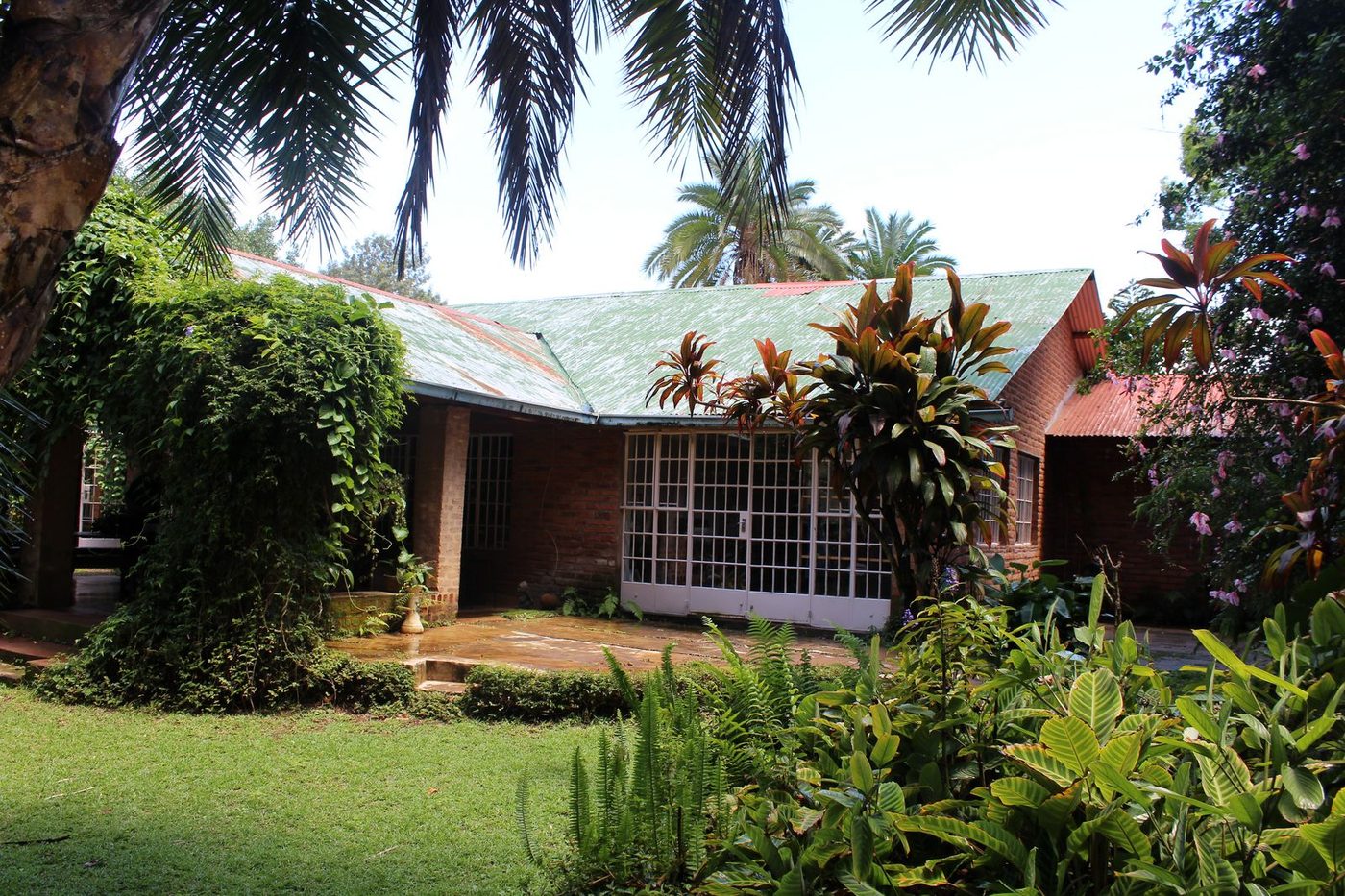
The Conforzi family is one of those founding lineages. Their tea country in Thyolo has been operating for over a century, passing through generations who maintained not just the agricultural enterprise but the cultural traditions that came with it. When Flavia Conforzi — an Italian-Malawian artist who grew up between two worlds — opened The Thyolo House as a boutique lodge and restaurant on the family property, the kitchen was never going to serve anything other than what the family had always eaten: Italian food, adapted over decades to the ingredients that grow in Malawian soil.
That adaptation is the key to understanding why the food here tastes different from what you would find at an Italian restaurant in Lilongwe or Blantyre. This is not imported cuisine trying to replicate a menu from Rome. It is the genuine product of an Italian family cooking with what surrounds them — a legacy rooted in the house history.
What's on the Menu — Signature Dishes at The Thyolo House
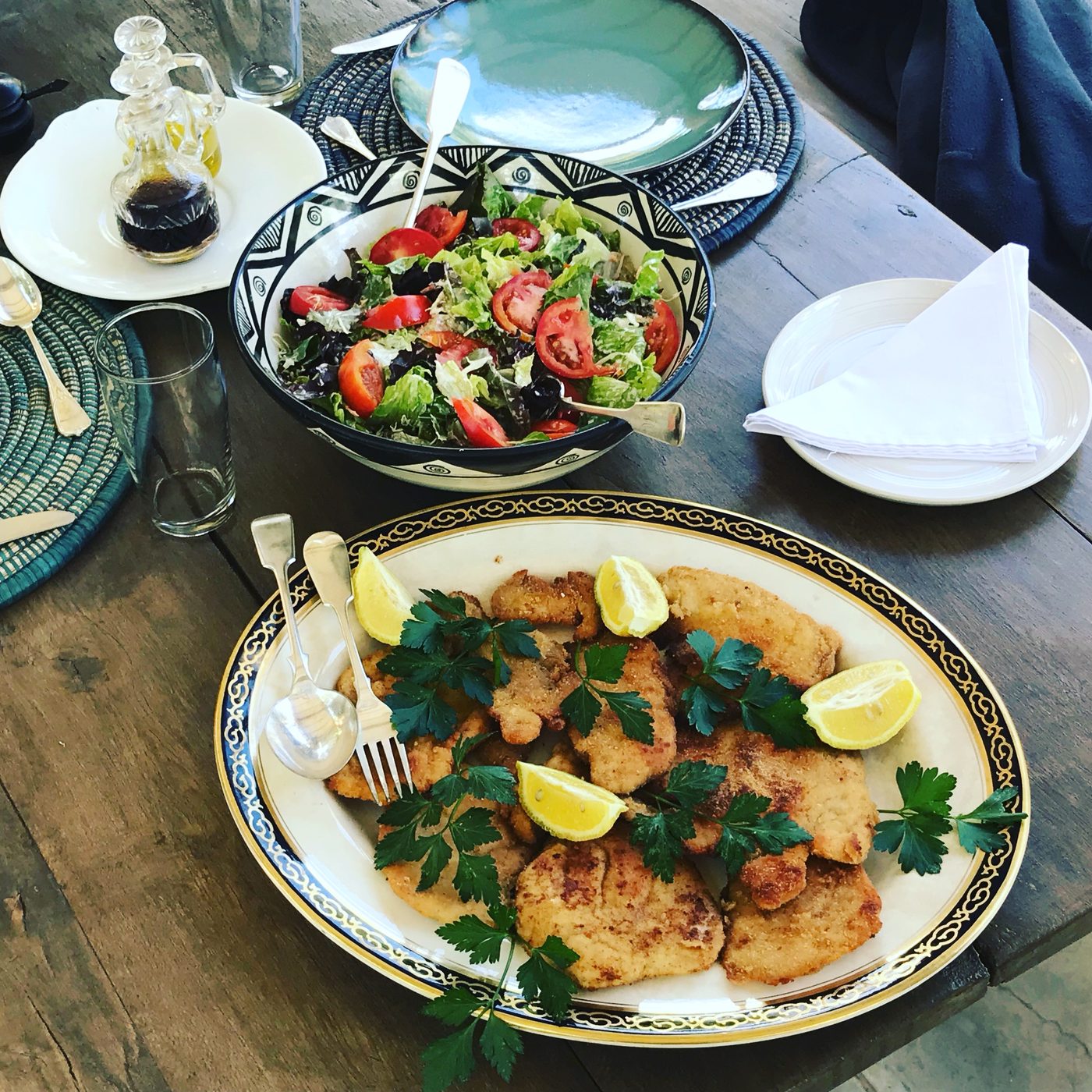
The restaurant at The Thyolo House does not operate like a conventional restaurant with a fixed printed menu. Dishes change with what is available — what the garden is producing that week, what the local markets have brought in, what Flavia feels like making. But certain things have become signatures, and repeat visitors know to ask for them.
Pasta, Made Properly
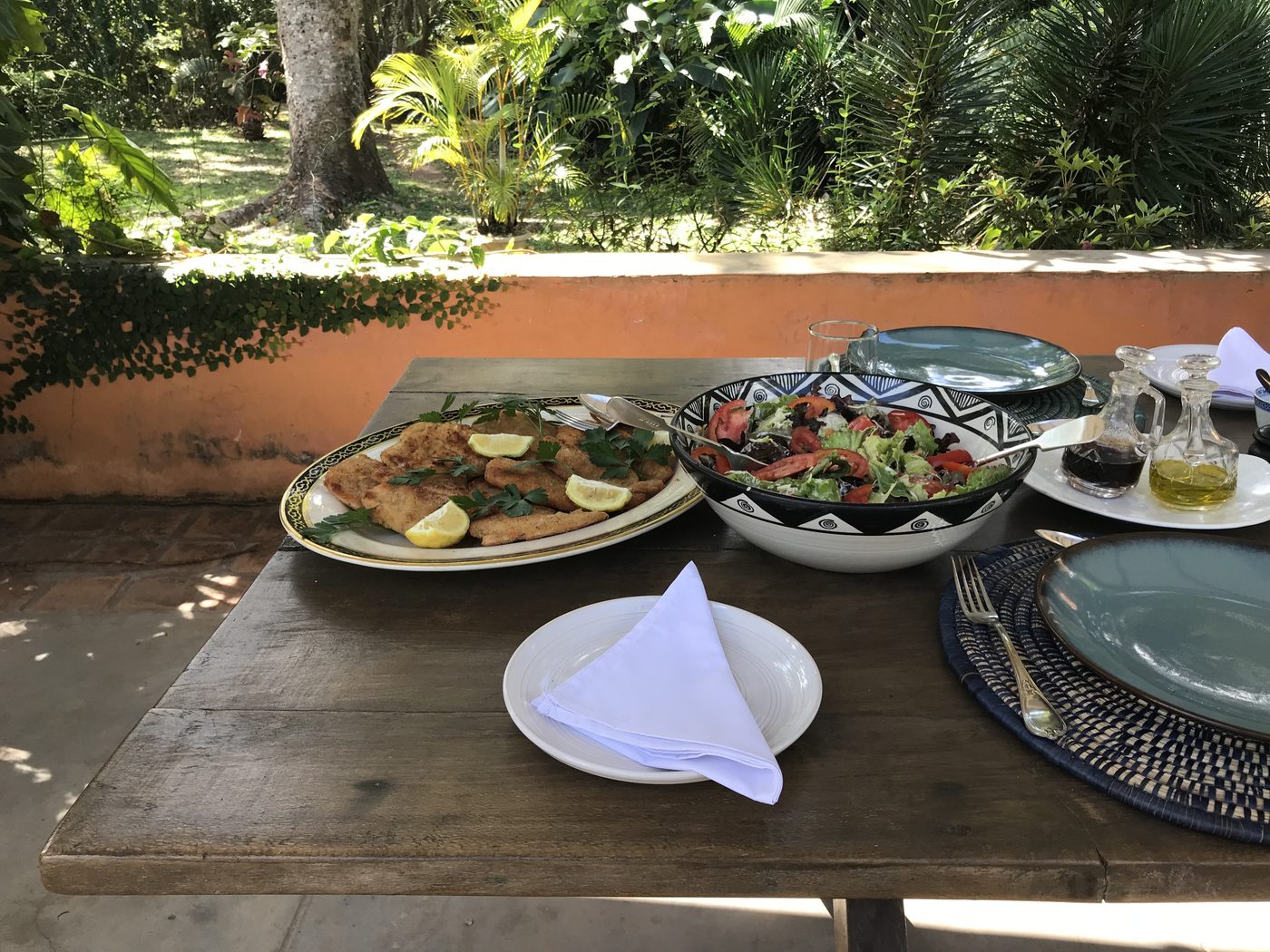
The pastas are made from scratch. That sounds like a throwaway line in a restaurant description, but in Malawi it is genuinely rare. Most restaurants — even good ones — work from dried imported pasta. Here, the dough is mixed and rolled the same day, and the sauces are built from slow-cooked bases rather than shortcuts. A simple aglio e olio made with garden-grown garlic and local chillies. A ragù that has been simmering since morning. Carbonara done the traditional way, without cream, because Flavia would rather not serve it at all than serve it wrong.
Italian-Malawian Fusion Plates
Beyond the classics, the kitchen plays with combinations that only make sense in this specific place. Lake Malawi chambo (a freshwater fish found nowhere else) prepared with Italian herbs and lemon. Steaks sourced from local farms, served with chimichurri that borrows from both Italian and Southern African seasoning traditions. Vegetarian dishes that draw in the highlands's own produce — aubergines, tomatoes, peppers, and greens that benefit from the highland altitude and rich soil.
Desserts Worth Lingering Over
The desserts deserve a separate mention. Homemade tiramisù, panna cotta, and seasonal fruit tarts are regular features. These are not afterthoughts — they are full-commitment dishes made with the same attention as the mains. Visitors who have eaten their way across Malawi's restaurant scene consistently rank the desserts here among the best in the country.
Garden to Table: Where the Ingredients Actually Come From
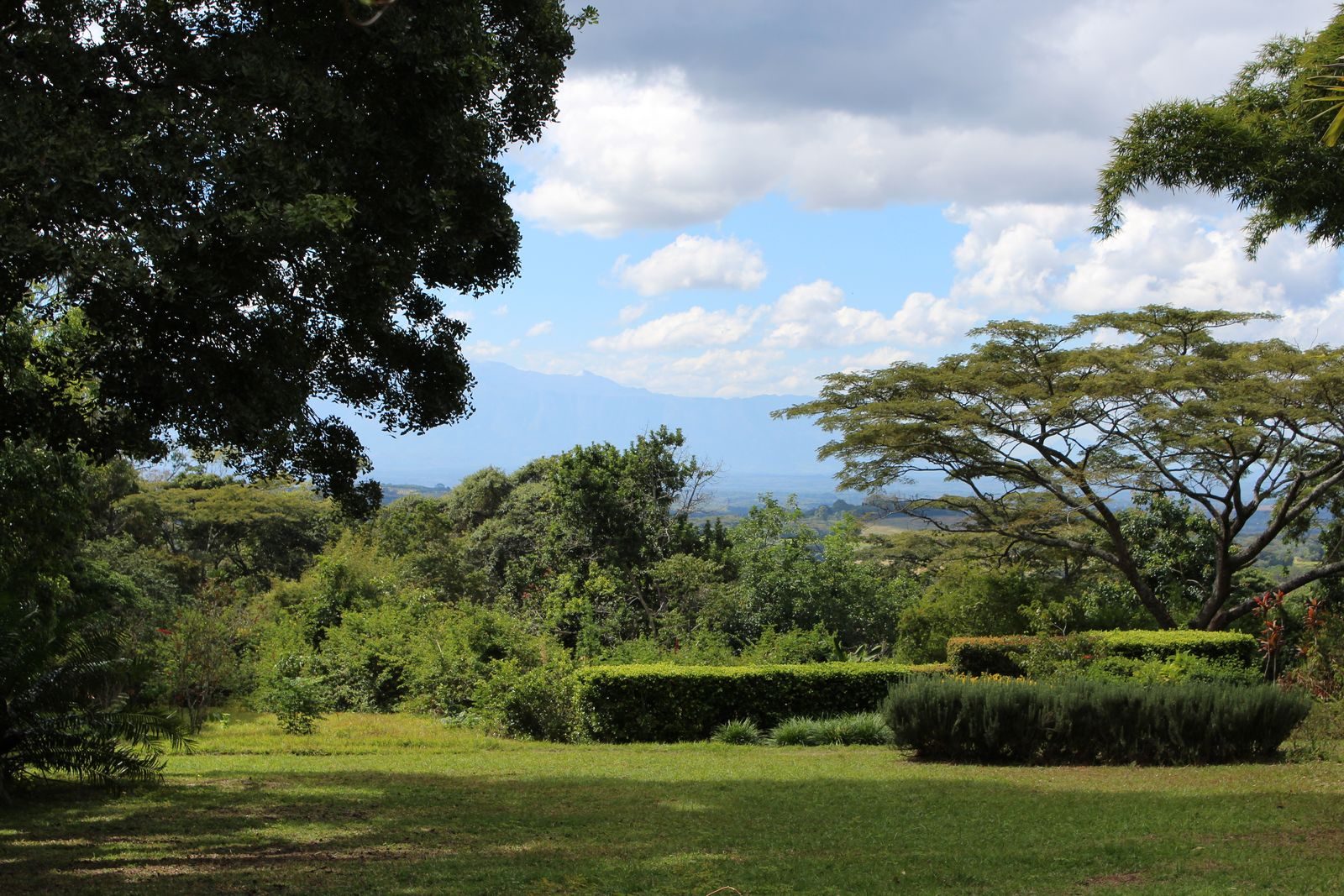
The phrase "garden to table" is used so loosely these days that it has almost lost meaning. At The Thyolo House, it is literal. The garden grounds include a working kitchen garden that supplies a significant portion of what ends up on your plate. Herbs — basil, rosemary, thyme, oregano — grow in dedicated beds just metres from the kitchen door. Tomatoes, peppers, garlic, lettuces, and seasonal vegetables rotate through the garden year-round, benefiting from the Thyolo district's mild highland climate and reliable rainfall.
What cannot be grown on-site is sourced from the immediate surroundings. The Thyolo and Mulanje districts are among the most agriculturally productive areas in Malawi. Small-scale farmers supply fresh produce at village markets within a short drive. Meat comes from local farms. Even the tea served after dinner is, quite literally, grown in the highlands — you can see the bushes from the dining terrace.
This is not a supply chain. It is a neighbourhood. And it makes a tangible difference to the food. Tomatoes that were on the vine that morning taste different from tomatoes that were refrigerated and trucked across the country. Basil that was cut twenty minutes before service has an intensity that dried or imported herbs simply cannot match. The kitchen's advantage is not technique alone — it is geography.
Italian-African Fusion — What It Tastes Like in Practice
Fusion cuisine gets a bad reputation, and often deservedly. Too many restaurants use the word to disguise confused cooking — a bit of this, a bit of that, nothing done well. What happens at The Thyolo House is different, because the fusion is not a marketing decision. It is the natural result of an Italian family cooking in Malawi for over a hundred years. The blending happened organically, across generations, and it shows in the coherence of the food.
In practice, this means dishes where Italian technique meets Malawian ingredients without either side being compromised. A pasta sauce built on a soffritto base but finished with a local peri-peri that adds warmth without overwhelming. Fish preparations that owe their structure to Italian coastal cooking but use freshwater species from Lake Malawi. Salads that combine garden-grown Italian herbs with African leafy greens. The flavour profile is unmistakably Italian in its bones — olive oil, garlic, acidity, simplicity — but the details are Malawian in ways that a purist from Milan might not expect and would almost certainly enjoy.
Thai and Indian influences also appear on the menu, reflecting the broader culinary education that comes from living at a crossroads. Malawi's trading routes have brought diverse food traditions into the country over centuries, and a kitchen that has been active for this long absorbs what works. A Thai-style curry might share a menu with a classic Italian secondo. This is not indecision — it is range, and it is done with enough skill that each dish stands on its own.
How It Compares to Italian Restaurants in Blantyre and Lilongwe
Malawi's two main cities both have Italian restaurants worth visiting. In Blantyre, L'Hostaria on Sharpe Road in Namiwawa is the most established option — wood-fired pizzas, fresh pasta, and seafood in a dedicated Italian setting. It is ranked in the top ten restaurants in Blantyre on Tripadvisor, and its pizzas with proper capers and anchovies are hard to find elsewhere in the city. La Caverna at Mandala House offers Italian-influenced food in a beautiful colonial setting, and their homemade gelato is widely considered the best in the country. Zaky's on Victoria Avenue does handmade pastas and wood-fired pizzas with gluten-free options available.
In Lilongwe, Mamma Mia has held the number one restaurant ranking for years, with more than two decades of experience and a traditional firewood oven that produces thin, crisp Italian-style pizza. Mediterraneo, near Area 10, serves solid pasta and steaks in a garden setting, with dishes running around MWK 10,000.
These are all legitimate options, and anyone seeking Italian food in Malawi's cities will eat well at any of them. But what separates The Thyolo House from the urban restaurants is context. You are not eating in a restaurant that happens to be in Malawi. You are eating on an Italian family's estate, surrounded by the gardens that supply the kitchen, in a district where the family's roots go back generations. The food is personal in a way that a city restaurant, however good, cannot easily replicate. It is also part of a broader experience — the estate, the landscape, the history — that makes dinner feel less like a meal and more like an invitation into someone's home.
Practical Tips for Visiting (Directions, Booking & What to Expect)
The Thyolo House is located on a historic property that was once part of the Conforzi Tea Estate in the Thyolo district, in the heart of Malawi's southern highlands. If you are coming from Blantyre, the drive takes approximately forty minutes. From Limbe, it is around twenty minutes. The roads are tarmac for most of the route, with the final stretch winding through tea estates — scenic rather than difficult.
Getting There
- From Blantyre: Head south towards Limbe, then continue on the M2 towards Thyolo. The estate is signposted from the main road. Total drive time: approximately 40 minutes.
- From Limbe: Follow the M2 south through the tea-growing district. Around 20 minutes by car.
- From Lake Malawi (Cape Maclear / Mangochi): Allow approximately 4 hours via the M3 and M1. It makes an excellent overnight stop on a southern Malawi itinerary.
- From Mulanje: The drive from Mulanje town takes roughly 35–45 minutes, making the estate a natural pairing with a Mount Mulanje trek.
Booking and Reservations
The restaurant serves both overnight guests and day visitors, but booking ahead is strongly recommended — especially for dinner. The kitchen prepares dishes fresh based on reservations, so turning up unannounced may mean limited options. Lunch is generally more flexible.
The easiest way to book is via WhatsApp. Send a message with your preferred date, number of guests, and any dietary requirements to +265 884 202 040. You will typically receive a response within a few hours. Email also works: thethyolohouse@gmail.com.
What to Expect on Arrival
The atmosphere is relaxed and unhurried. This is not a formal fine-dining experience — there is no dress code, no pretension, and no rush. Meals are served on the terrace or in the dining room depending on the weather, and the pace allows for conversation, second helpings, and lingering over dessert. If you are visiting for lunch, allow at least two hours. For dinner, plan to make an evening of it.
Pricing is mid-range by Malawian standards — significantly less than what you would pay for comparable quality in Blantyre or Lilongwe, and a fraction of what this standard of cooking would cost in a European city. Expect to pay comfortably for a full three-course meal including drinks.
Beyond Dinner — Staying the Night in the highlands
While many visitors come to The Thyolo House specifically for the food, there is a strong case for staying overnight. The estate operates as a boutique lodge with five rooms, each with its own character. The heritage suites are in the original colonial-era house, with high ceilings, period furniture, and views over the gardens. The pool cottage offers more privacy, set slightly apart from the main building with direct access to the swimming pool.
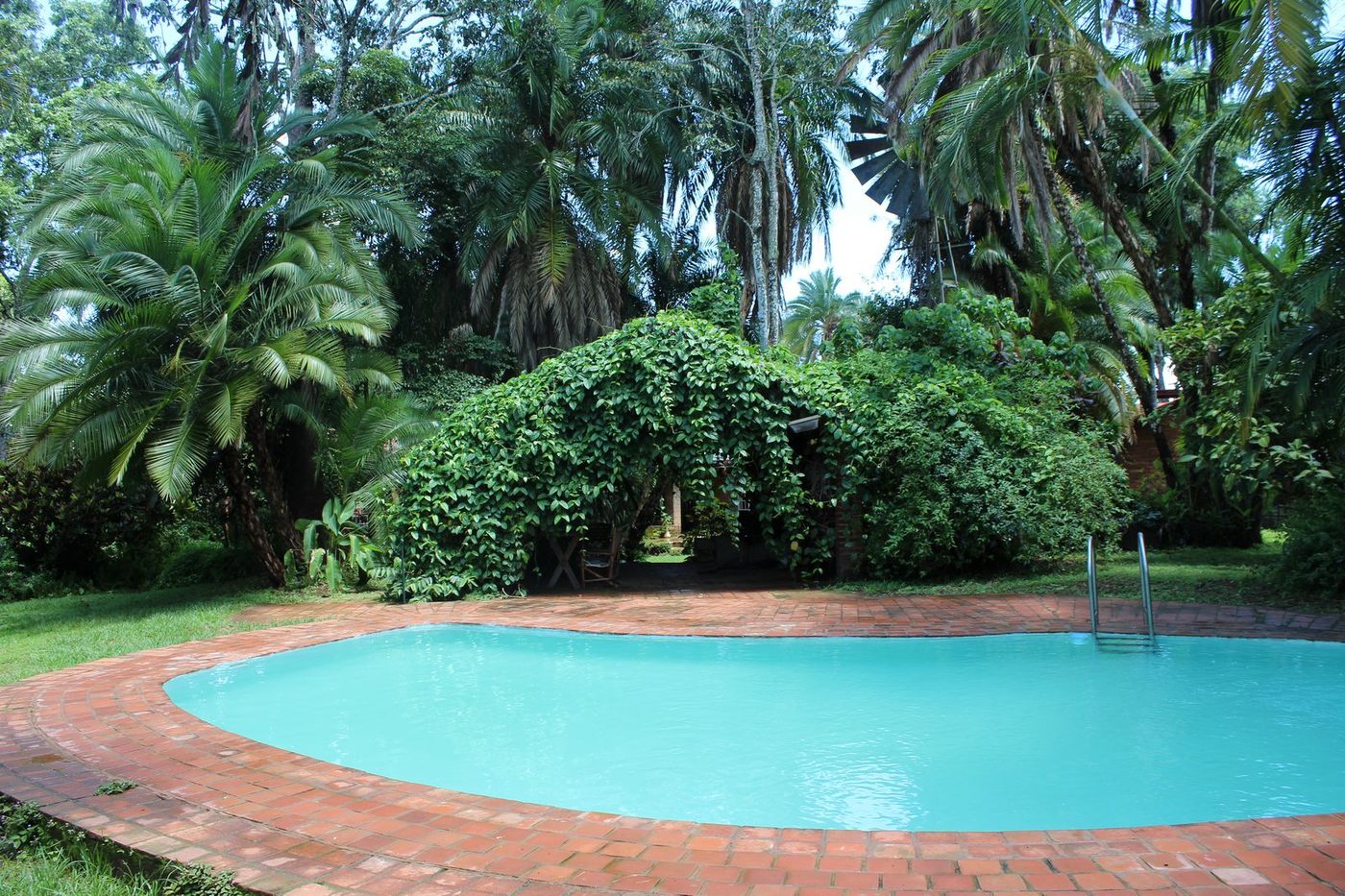
Staying over transforms the experience. You can take a late dinner without worrying about the drive back to Blantyre. You wake up to birdsong and tea country mist. Before breakfast, you can walk through the highlands's indigenous forest or along the tea plantation paths — the kind of activity that most Malawi itineraries miss entirely because travellers are based in urban hotels and racing between headline attractions.
What Else to Do in the Area
The Thyolo Highlands are one of southern Malawi's most rewarding regions, yet they remain well off the standard tourist circuit. Within easy reach of the estate:
- highland forests: Local outings through the Thyolo highlands and neighbouring plantations. See tea being picked, processed, and dried — a process that has barely changed in a century.
- Highland Forests: The estate borders patches of indigenous forest, home to birdlife including several species found only in this part of Malawi. Birders routinely visit specifically for the Thyolo alethe, a critically endangered species whose global range barely extends beyond these highlands.
- Mount Mulanje: Africa's largest inselberg is a 35–45 minute drive away. Day hikes or multi-day treks across the massif are a highlight of any southern Malawi trip, and The Thyolo House is perfectly positioned as a pre- or post-trek base.
- Art workshops: Flavia Conforzi is a practising artist, and the estate occasionally hosts workshops and displays. Ask when booking if any are scheduled during your visit.
Who This Place Is For
The Thyolo House appeals to a specific kind of traveller: someone who values authenticity over luxury branding, who finds the story behind a dish as interesting as the dish itself, and who does not mind being slightly off the beaten path in exchange for something genuinely different. It is popular with the expatriate community in Blantyre, with visiting diplomats and NGO workers looking for a weekend escape, and increasingly with international travellers who have heard about it through word of mouth.
It is also, quietly, one of the best places in the country for a special occasion. Anniversaries, birthdays, or simply the desire for a memorable meal — the combination of the food, the setting, and the personal attention from the family makes it feel celebratory without being performative.
If you are planning a visit to southern Malawi, or even just passing through Blantyre with a free afternoon, the drive to Thyolo is worth making. Book a table, order the pasta, stay for dessert, and consider staying the night. This is Italian food in Malawi at its most genuine — not a copy of something from elsewhere, but something that could only exist right here, in this soil, with this family, after this much time.
To reserve a table or book a room, message us on WhatsApp or email thethyolohouse@gmail.com.