/ By The Thyolo House
Liwonde National Park Safari: A Tea Country Companion Guide
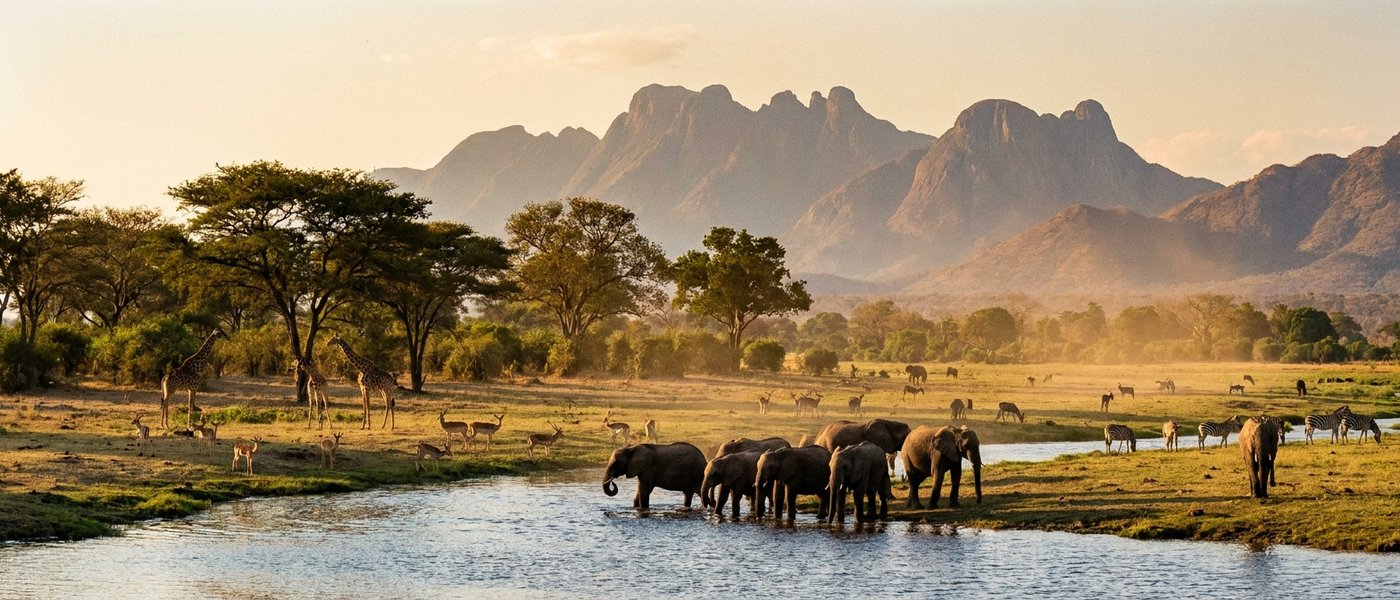
A Liwonde national park safari is the most accessible introduction to the Big Five in southern Malawi, and one of conservation's most remarkable comeback stories on the continent. The Shire River cuts through floodplains, palm groves and lagoons that today shelter black rhino, lion, cheetah, wild dog and some of the densest elephant populations in the region — animals that, only a decade ago, had been all but lost from this landscape. For travellers basing themselves in the cool tea highlands of Thyolo, the park sits within an easy half-day's drive, making a Liwonde national park safari a natural counterpart to the slower rhythms of an estate stay.
This guide pairs the practical — fees, timing, road notes — with the historical context that makes Liwonde so unusual. It is also a love letter to the route between the lowlands and the highlands: the way a morning on the river can fold into an afternoon among tea bushes, with dinner served on a verandah at The Thyolo House on the historic Conforzi Estate.
From Hunting Reserve to Conservation Triumph: A Brief History of Liwonde National Park
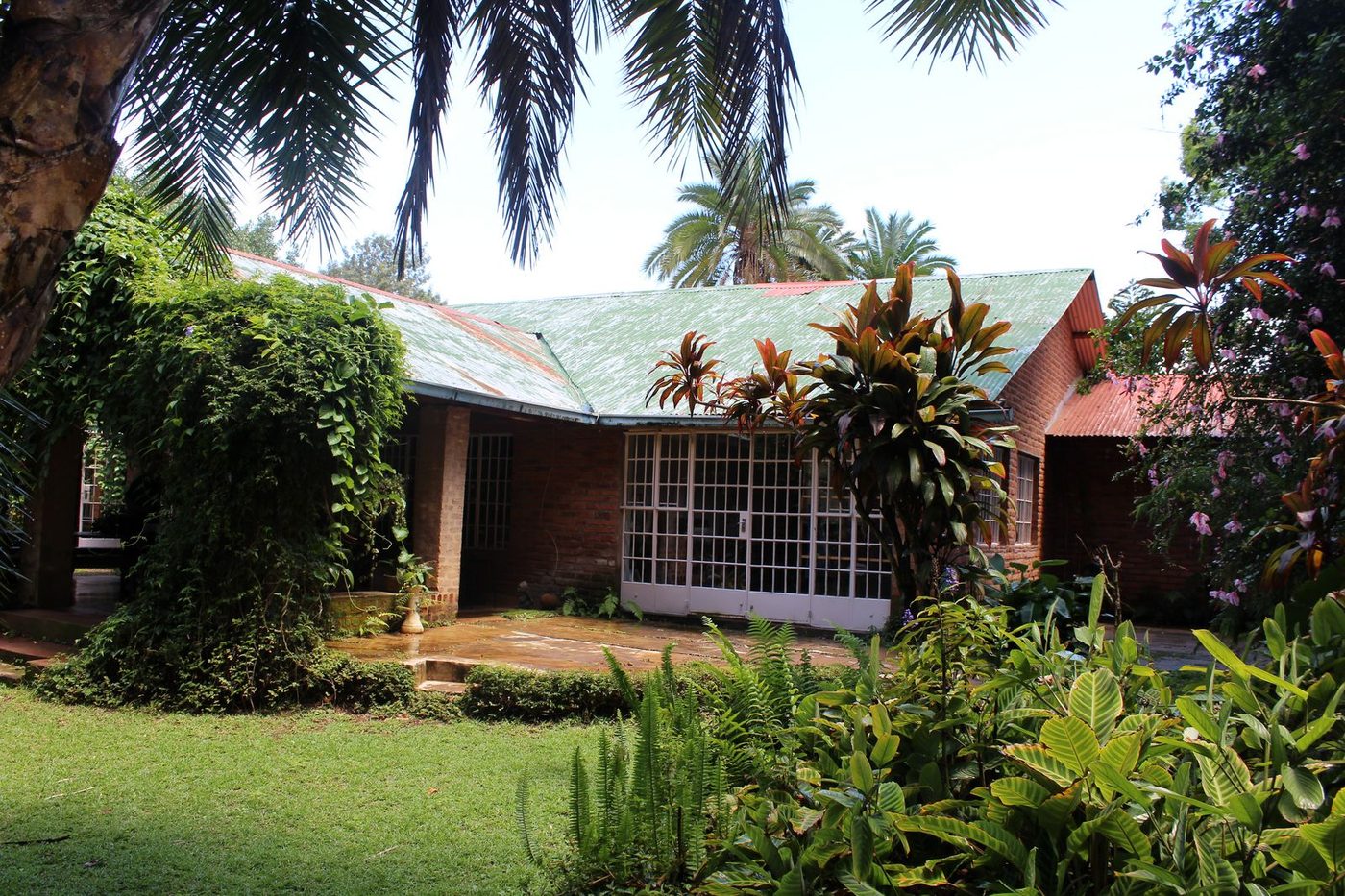
Liwonde was gazetted as a national park in 1973, but the story that matters most for today's visitor begins in 2015. That year, the Department of National Parks and Wildlife (DNPW) handed management of the park to African Parks, the Johannesburg-based conservation NGO. At the time, Liwonde was suffering from severe poaching pressure, snare crises and human-wildlife conflict around its boundaries. Within months, African Parks rangers had removed tens of thousands of wire snares from the bush.
What followed has become a textbook case of large-scale ecological restoration. Lion were reintroduced in 2018. Cheetah returned in 2017 — the first cheetahs to roam Malawi in decades. African wild dog followed. Then, in 2019, came the most ambitious move yet: 17 black rhino translocated from South Africa, one of the largest international black rhino moves on record. By 2024, eight of those rhinos had been fitted with VHF transmitters as part of an ongoing protection programme.
Liwonde's elephants tell the opposite story. The park became so successful at protecting elephant herds that it has now donated more than 600 elephants to other reserves across Malawi and beyond. In 2022, in a single landmark operation, 263 elephants were moved to Kasungu National Park along with 431 other animals — impala, buffalo, warthog, sable and waterbuck. Tourism revenue followed conservation success: in 2024, Liwonde's tourism income exceeded US$600,000, all of it reinvested into the park and its surrounding communities.
Planning Your Liwonde National Park Safari: Best Time, Costs & What to Expect on the Shire River
The dry season — roughly May to October — is generally regarded as the prime window for a Liwonde national park safari. Vegetation thins, animals concentrate around the Shire River, and walking safaris become possible. The peak high season runs August to November, when game viewing is at its most reliable and the river boat safaris are pure theatre.
The "green" or low season (December to June) is the secret connoisseur's choice. Skies clear after rains, the bush turns electric green, migrant birds arrive in force, and lodge rates drop. Liwonde records more than 400 bird species, including African fish eagles, Pel's fishing owl, carmine bee-eaters and palm-nut vultures.
2025–2026 Park Fees
- International visitors: US$30 per person per night
- Malawi residents: US$15 per person per night
- Children aged 7–11 (international rate): US$15 per child per night
Park fees are paid separately from lodge rates, so it pays to budget them in upfront. Most lodges will collect fees on arrival or include them transparently in your invoice.
What a Day on the River Looks Like
The signature rhythm at lodges like Mvuu Camp follows the temperature curve of the day:
- 06:00 — Walking safari (maximum six guests, dry season only). Tracking, plant identification, close-quarter birding.
- 08:00 — Boat safari on the Shire. The 30 km river run is Mvuu's most famous activity: hippos in the shallows, crocodiles basking, elephants drinking at the bank.
- 16:00 — Afternoon game drive. 4×4 with a guide, sundowners as the light goes peach over the palms.
- Hide viewing — a treehouse deck and underground hide running year-round, with steady traffic of warthog, sable, rhino and elephants at the waterhole.
How to Get to Liwonde — and Why Tea Country Makes the Perfect Base
Liwonde sits along the M3, the main artery between Blantyre and Lilongwe. From Blantyre/Limbe, the drive to the southern park gate is roughly 120 km — about two hours in good conditions. From Thyolo town, count on around 2.5 hours, depending on traffic through Limbe and Zomba.
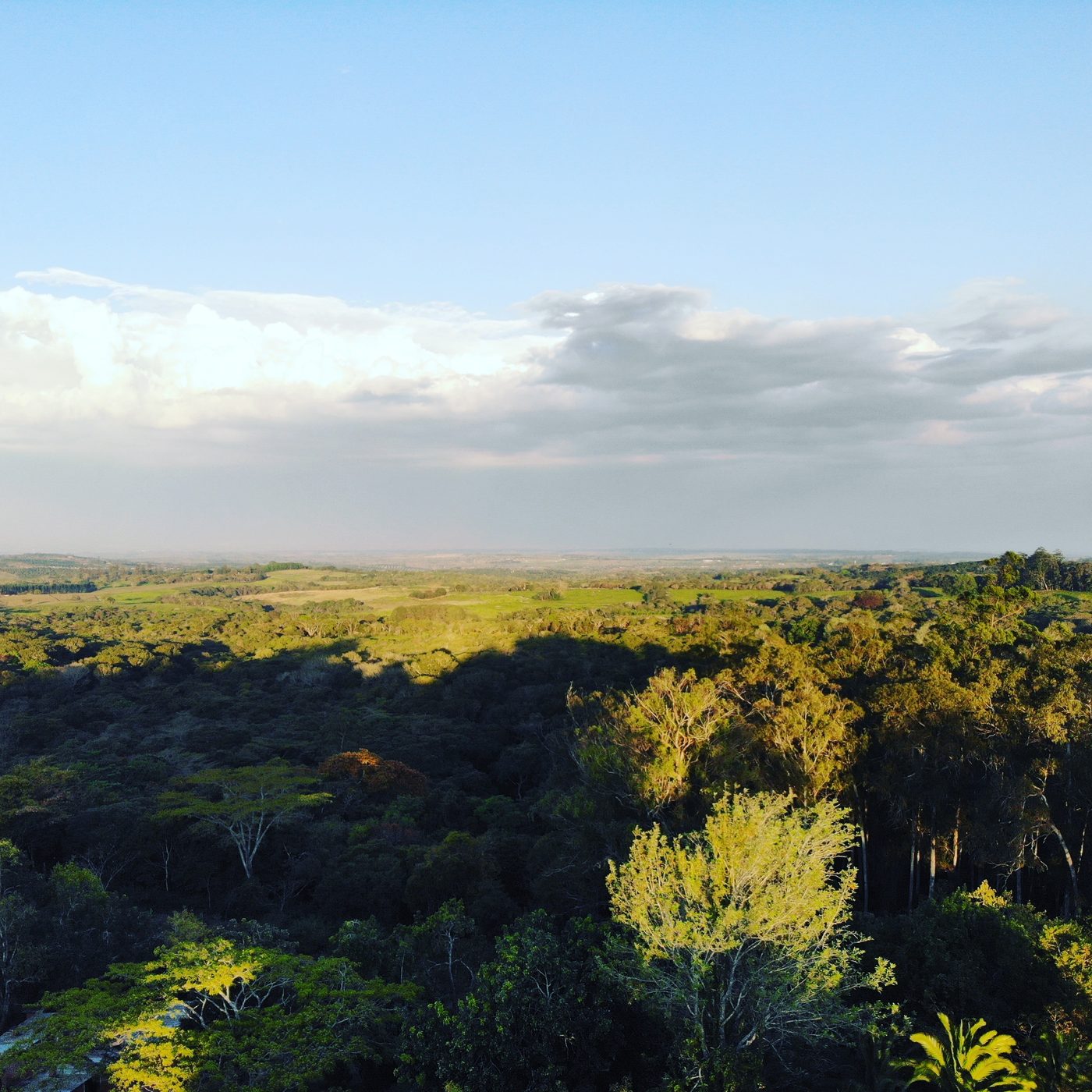
This is where the geography becomes interesting. Most international safari guides treat Liwonde as a fly-in/fly-out destination, with one or two nights at a riverside lodge before guests are whisked back to Lake Malawi or out of the country. That is a missed opportunity. The cool, green tea highlands of Thyolo and Mulanje sit just below the lowland park, and they make the journey itself part of the holiday — not a transfer to be endured.
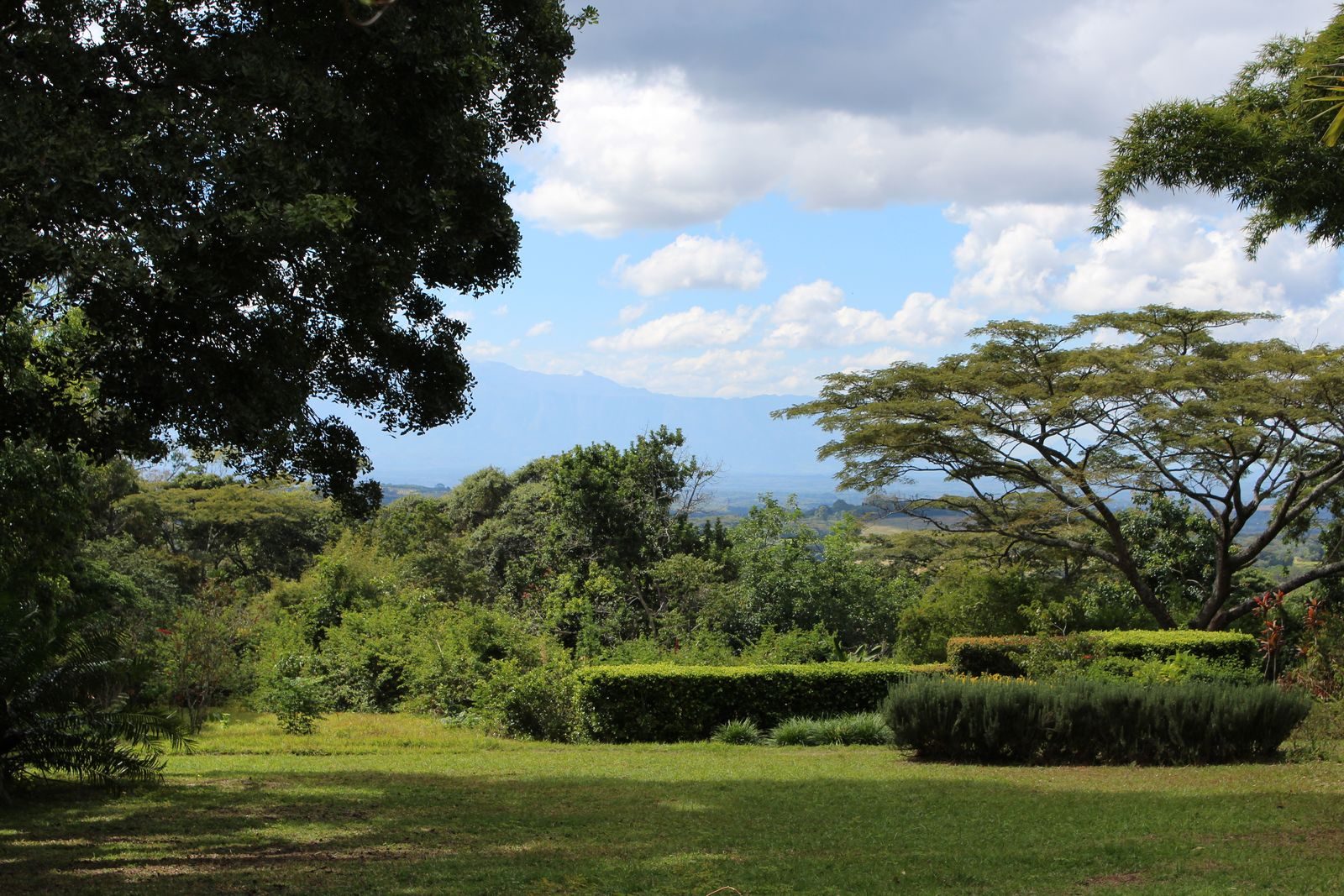
Staying at our boutique rooms on Conforzi Tea Estate before or after your safari gives you a 1,200 m altitude reset. Days in Liwonde are hot, dusty, exhilarating; evenings on the estate are cool enough for a fire and a glass of wine. For a wider lens on the region, our southern Malawi highlands route guide shows how Liwonde fits alongside Mulanje, Zomba and the tea districts.
A Two-Stop Itinerary: Liwonde Safari Mornings, Thyolo House Afternoons
Here is a four-night itinerary we often recommend to guests who want both bush and tea country without doubling back on themselves.
Night 1–2: Conforzi Estate, Thyolo
Arrive at The Thyolo House. Tea plantation walk on the first afternoon, indigenous forest trail on the second morning. Pool, garden lunches, an art workshop with Flavia if she is in residence.
Night 3–4: Liwonde National Park
Drive north on the M3 — about 2.5 hours. Check in at Mvuu Camp, Kuthengo Camp or Chimwala Bush Camp. Two full days of activities: river safari, game drive, walking safari, hide. Most lodges run two activities a day, so a two-night stay gives you a properly rounded experience.
Night 5: Return to Thyolo (optional)
Drive back south, ideally arriving by late afternoon. A final dinner on the estate before onward travel. This loop works particularly well if your flights are out of Chileka Airport (Blantyre).
Inside Liwonde: Black Rhinos, Cheetahs and the African Parks Restoration Story
The black rhino programme is the headline draw, but sightings are never guaranteed — and rightly so. Tracking the rhinos requires a specialised guide, often with a tracker carrying VHF telemetry equipment. Some lodges include rhino-tracking experiences as a premium add-on; ask at the time of booking.
Other classic sightings on a Liwonde national park safari:
- Elephant. Despite the donations, Liwonde still has one of the highest elephant densities in the region. Herds along the Shire are habituated to boats and rarely flinch.
- Hippo and crocodile. The Shire's hippo population is enormous; a slow boat past a pod at dusk is a defining Liwonde memory.
- Lion, cheetah, wild dog. Reintroduced between 2016 and 2022. Sightings are less reliable than in larger southern African parks but increasingly frequent.
- Antelope and plains game. Sable, kudu, waterbuck, hartebeest, warthog, impala — all common.
- Birds. 400+ species. Pel's fishing owl is a particular birder's prize.
For travellers wanting to understand how Liwonde fits alongside Malawi's other parks and reserves, our guide to places to visit in Malawi sets out the broader map.
Where to Stay Before and After Your Safari — The Thyolo House on Conforzi Tea Estate
Inside the park, the choices are well-defined and limited by design. Mvuu Lodge (Central African Wilderness Safaris) is the flagship: five luxury tented chalets overlooking Namagogodo Lagoon. Mvuu Camp, its slightly more affordable sister, runs from US$305 per person sharing in low season and US$345 in high season for 2025–2026, full-board-plus. Kuthengo Camp (Robin Pope Safaris) brings open-plain canopy beds and outdoor bathtubs. Chimwala Bush Camp, opened in 2020 at the foot of Chinguni Hill, offers self-catering safari tents from US$250 per person sharing, with family cottages from US$720 per night and self-catering houses at US$800–1,000. Shire Eco Safari Camp is the best budget option, with meals at US$4 for breakfast and US$8 for lunch or dinner.
Outside the park, the question becomes where to decompress. The Thyolo House is a five-room boutique hotel on the historic Conforzi Tea Estate, a working tea plantation with roots going back to the early twentieth century. The estate was founded by Italian planter Ignazio Conforzi; today it is run by his granddaughter Flavia Conforzi, an Italian-Malawian artist whose paintings hang throughout the house.
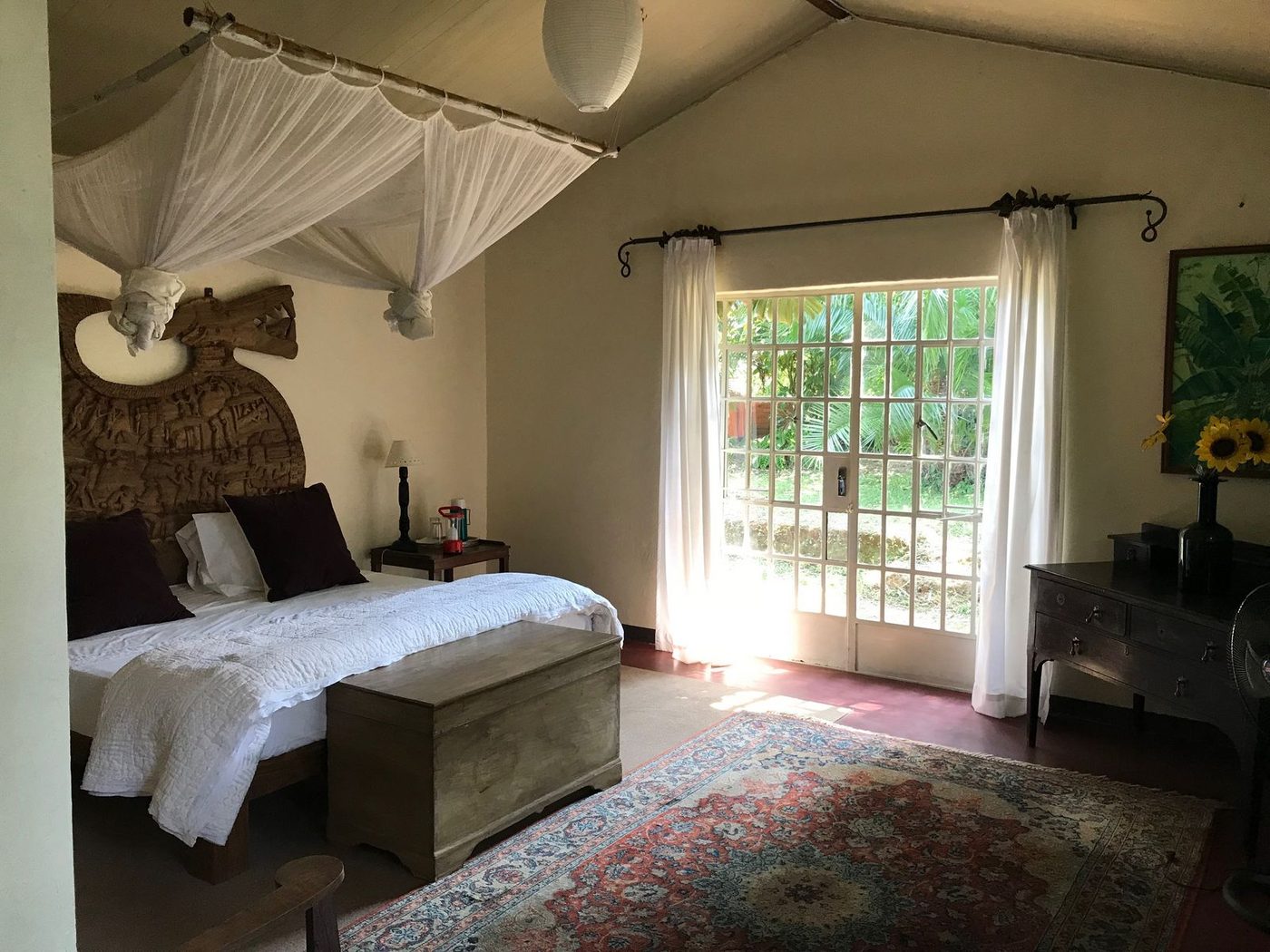
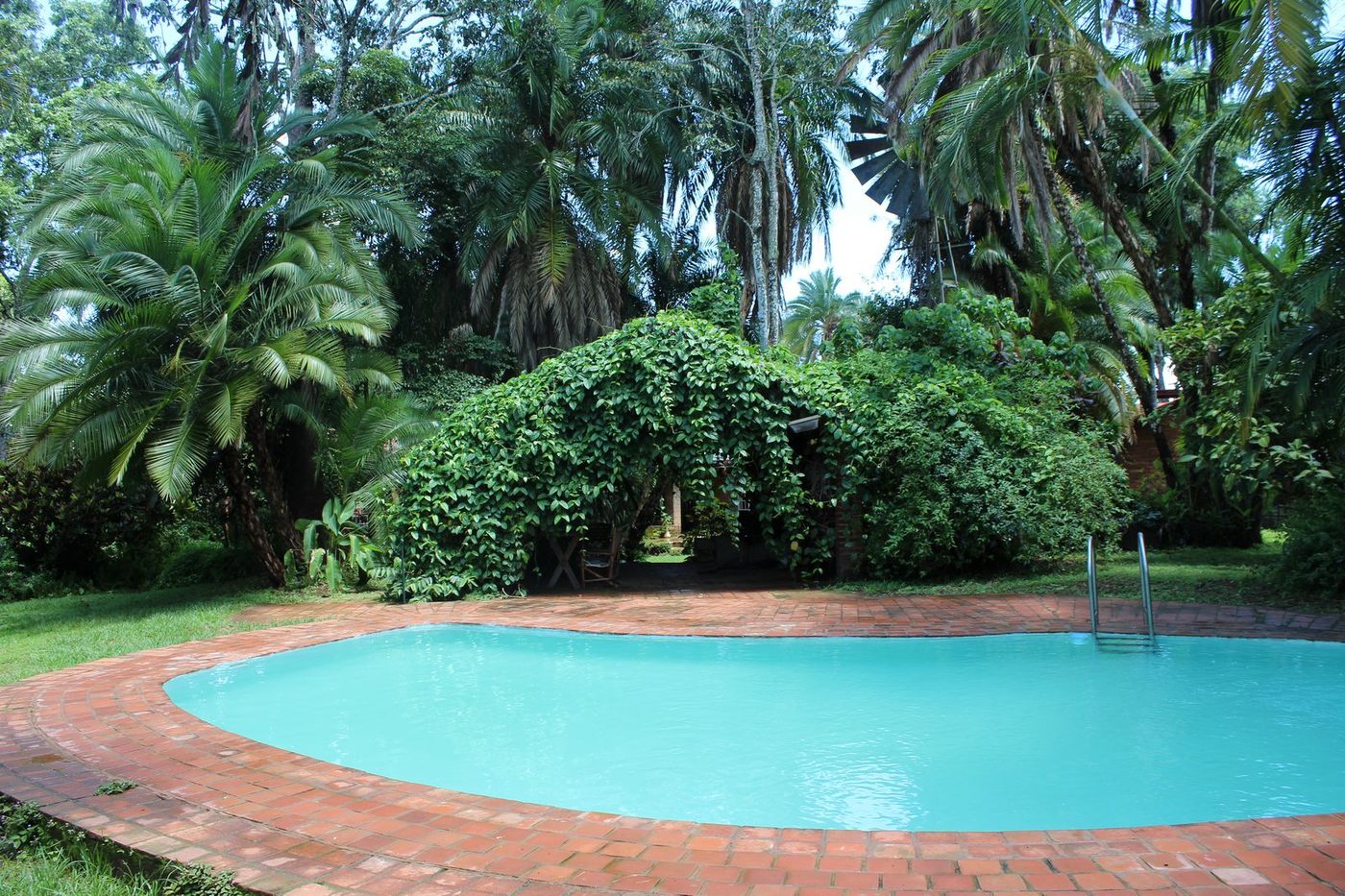
The five rooms range from the Heritage Suite in the main house to the Pool Cottage tucked into the garden. Each is decorated with a mix of estate antiques and Flavia's contemporary art. Guests have free run of the swimming pool, the indigenous forest trail behind the house, and the tea plantation walks that begin from the front gate.
Italian Garden-to-Table Dining After the Bush: A Tea Estate Welcome Home
If a safari is a sensory overload — heat, dust, the boom of hippos at night — then dinner at the estate is the reset button. The restaurant at The Thyolo House is Italian fusion, drawing on Flavia's Italian heritage and the estate's own gardens. Vegetables, herbs and salads come from the kitchen garden a few metres from the table. Pork comes from the estate's pigs. Coffee, where possible, is roasted from beans grown on neighbouring smallholdings.
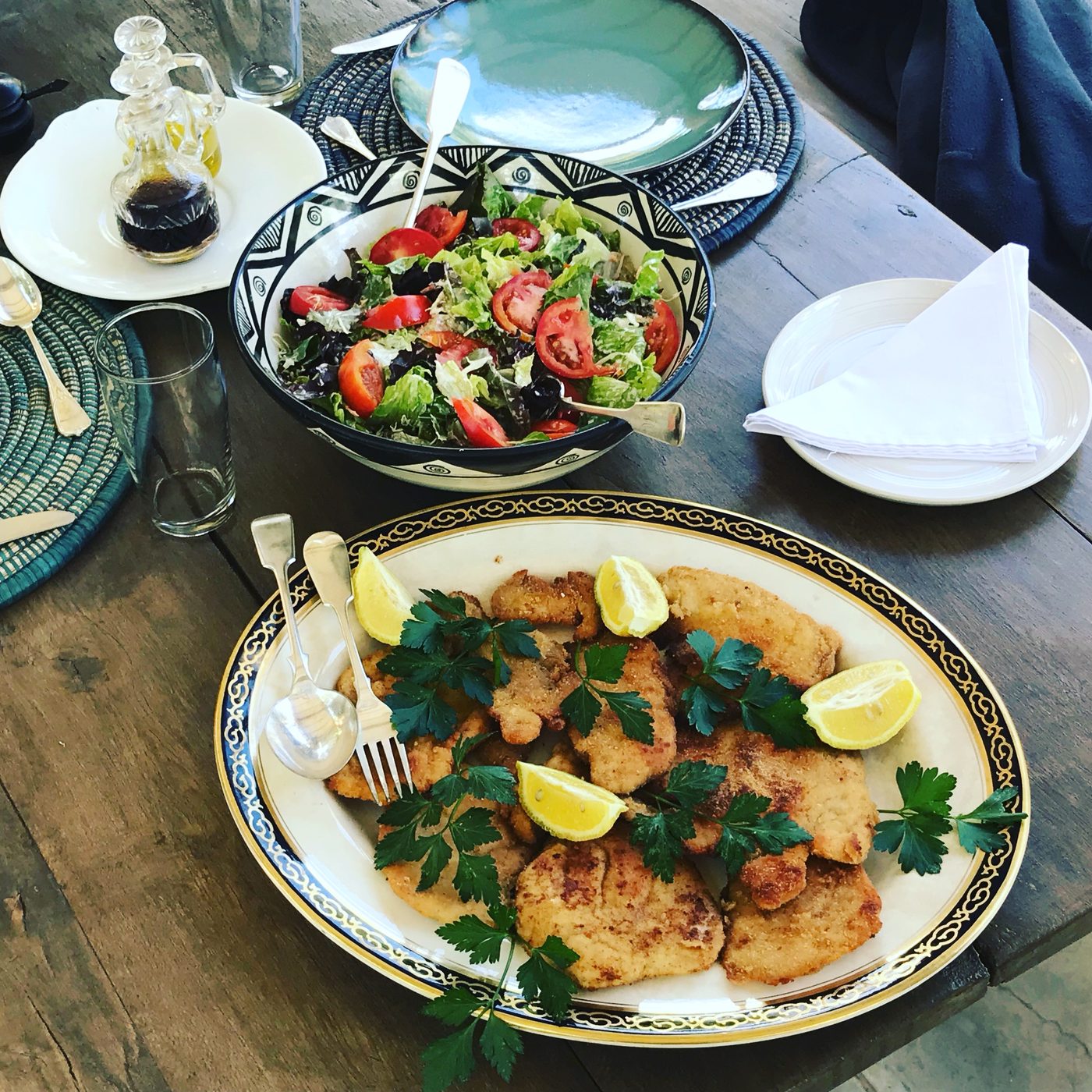
The menu rotates with what is in season. A typical evening might begin with a courgette flower fritter from the garden, move through homemade tagliatelle with a slow-cooked ragu, and finish with a panna cotta scented with estate honey. The wine list is small but considered, with a focus on South African and Italian bottles that travel well in the highland climate.
"After two nights of game-drive coffee at 5am and bush dinners under the stars, eating handmade pasta on a verandah surrounded by tea bushes feels like the holiday's second half beginning." — a recent guest
Practical Notes: Bookings, Distances & What to Pack for Highland-to-Lowland Travel
Distances at a Glance
- The Thyolo House → Limbe: 20 minutes
- The Thyolo House → Blantyre / Chileka Airport: 40–60 minutes
- The Thyolo House → Liwonde National Park (southern gate): ~2.5 hours
- The Thyolo House → Lake Malawi (Mangochi/Cape Maclear): ~4 hours
What to Pack
- Layers. Liwonde mornings on the river are surprisingly cool; afternoons are hot. Thyolo evenings, at 1,200 m altitude, are cooler still — bring a fleece or jumper.
- Neutral-coloured clothing for walking safaris (greens, browns, khakis; no bright colours or black/dark blue, which attract tsetse flies).
- Closed walking shoes for the bush, plus something comfortable for tea-estate walks.
- Binoculars. 8x42 is the standard safari recommendation. The birding alone justifies them.
- Insect repellent (DEET-based for the lowlands) and antimalarials — Liwonde is a malaria area; consult your doctor before travel.
- Refillable water bottle. Lodges generally provide filtered water.
- Cash in small denominations — Malawian kwacha for tips, US dollars for park fees.
Booking Logistics
Book in-park lodges at least 3–6 months ahead for high season (August–November) — Liwonde's lodge inventory is small and fills quickly. The Thyolo House is also a five-room property, so the same advice applies: shoulder-season weekends fill earliest.
To check availability for a Thyolo House stay either side of your safari, message us on WhatsApp on +265 884 202 040, or email thethyolohouse@gmail.com. We are happy to help coordinate transfers, recommend in-park lodges based on your travel style and budget, and pre-book restaurant tables for arrival night. Most guests find that two nights with us before or after Liwonde is the sweet spot — long enough to slow down, short enough to feel like an addition rather than a separate holiday.
A Liwonde national park safari is, in the end, a story about restoration: of land, of wildlife, of a sense of what southern Malawi can offer the curious traveller. Pairing it with the highlands — a working tea estate, a five-room boutique hotel, an Italian kitchen, an artist's house — gives that story a frame. The bush is wild and electric. The estate is quiet and considered. Both are essential, and they are closer together than most itineraries assume.