/ By The Thyolo House
Malawi Tourism: A Tea Country Host's Six Senses Guide
A journal from a boutique lodge in the Thyolo highlands. These are notes from our corner of Malawi — places we love, walks we've done ourselves, operators we've watched do good work. The mountain treks, tea-estate tours, and day trips are all run by independent operators in Malawi; book those directly with them. Come stay with us before or after — we'll do the room, the meal, and the quiet.
Why Malawi Tourism Rewards the Senses More Than the Checklist
Most guides to Malawi tourism arrive as a list — Lake Malawi here, Mount Mulanje there, a wildlife reserve tucked in for good measure. We understand the impulse. When a country is the size of Pennsylvania and shaped like a long sigh, it's tempting to plot it on a map and tick it off. But after years of welcoming guests to our small estate in Thyolo, we've noticed something quieter: the travellers who leave changed are the ones who arrived with their senses turned up, not their itineraries packed tight.
Malawi tourism, at its best, is sensory before it is geographical. It is the smell of tea leaves wilting in the late afternoon. It is the sound a fish eagle makes when it argues with the lake. It is the cool, unexpected weight of highland mist on a t-shirt at 7 a.m. in June. None of that fits neatly on a bullet point, which is precisely why we wanted to write this — a six-senses guide from the veranda of The Thyolo House, our five-room boutique hotel on a historic property that was once part of the Conforzi Tea Estate.
One practical note before we begin, because it has shifted the texture of arrival this year: as of January 3, 2026, Malawi has reintroduced visa requirements for many nationalities, including the US, UK, Canada, France, and Belgium. The single-entry e-visa (valid up to 90 days) costs US$75; the seven-day transit visa is US$50. Apply at least two weeks before you fly. The policy is now reciprocity-based, meaning Malawi charges what your country charges Malawians — fair, but worth knowing before you book. Your passport should be valid six months beyond entry, with two blank pages.
Smell — Tea Drying at Dusk, Wood Smoke, Frangipani on the Veranda
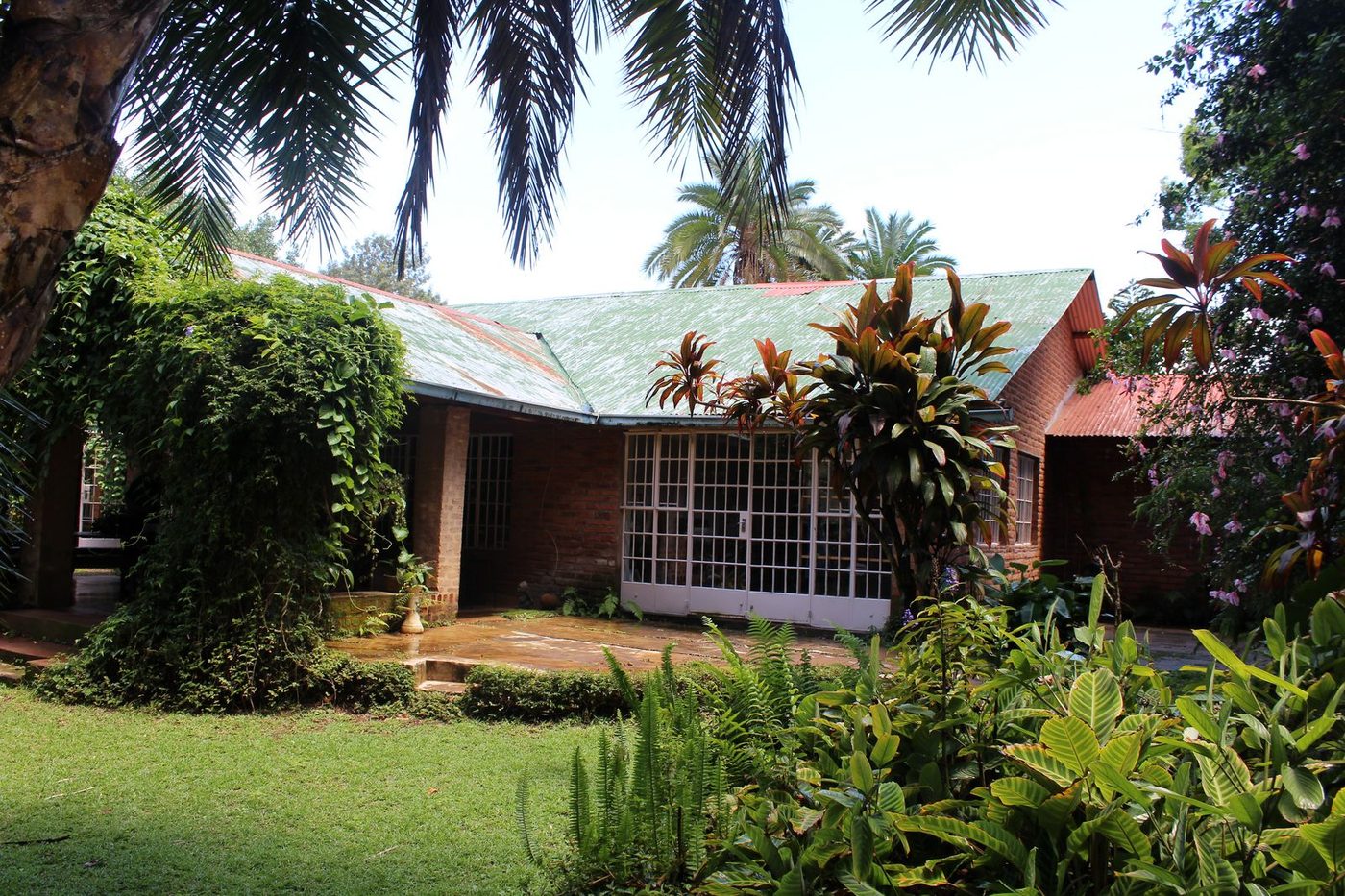
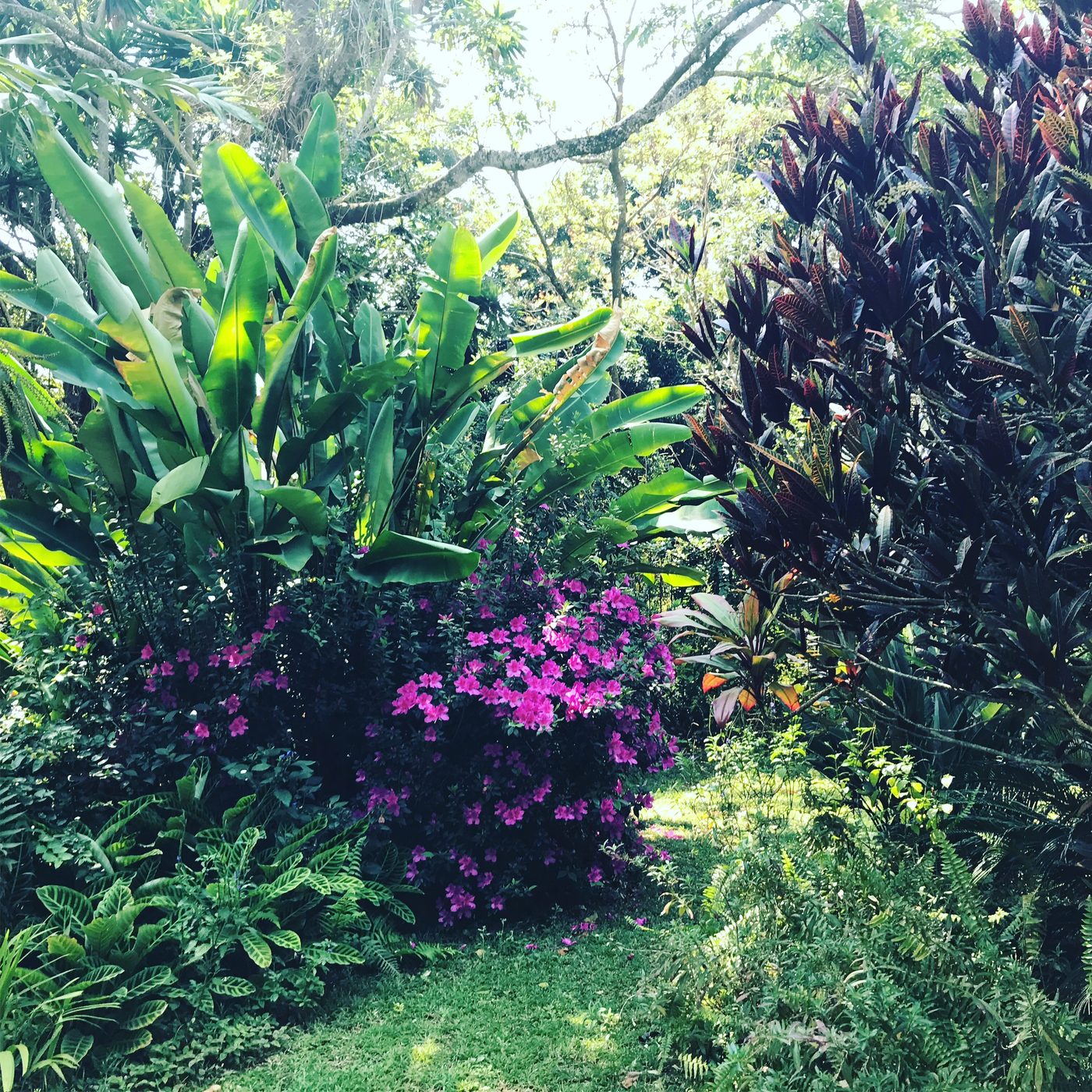
If you ask a returning guest what they remember first, it is almost never the photograph. It is the smell. Thyolo at dusk has a particular bouquet — green tea leaves wilting in the factory across the valley, the slow grey of cooking fires from the workers' village down the hill, and frangipani, which in our garden flowers in waves between October and April. Layer those three things and you have the olfactory signature of southern Malawi: agricultural, domestic, floral, all at once.
Tea is the obvious one. Malawi has been growing it commercially since 1891, and the Conforzi family — Flavia's family — has been part of the Thyolo story since 1929. When you walk our footpaths at five in the afternoon, you can sometimes catch the warm, slightly malty smell drifting from the withering troughs at the nearest factory. It is not a perfume. It is closer to the smell of a hayloft after a hot day. If you want the full story of how this estate began, our guests often read the story of Thyolo Highlands before they walk it; the smell makes more sense once you know whose hands planted the rows.
Wood smoke is the second note. Most Malawian kitchens still cook over charcoal or wood, and in the cooler months (May through August) the smoke pools in the valleys at dawn and dusk like a second mist. It can be melancholic if you let it — that sense of a thousand small fires lit at the same hour — and travellers from heavily urbanised countries often comment that it is the first thing that tells them, on a body level, that they are no longer at home.
And then frangipani. Our courtyard has two old trees that flower white-and-yellow and drop blooms onto the gravel like quiet snow. The scent is heaviest just after rain. We mention this not because frangipani is uniquely Malawian — it isn't — but because the combination of tea, smoke, and frangipani is. That trio is southern Malawi. You won't smell it anywhere else.
Taste — Garden Basil, Lake Chambo, and an Italian Kitchen in Thyolo
Malawi tourism literature tends to overlook the food. We think this is a mistake. The country sits on Lake Malawi (which covers roughly a third of its surface area), grows excellent vegetables in the cooler highlands, and has — quietly — one of the more interesting fusion food scenes in southern Africa, thanks largely to its small Italian, Portuguese, and Indian diasporas.
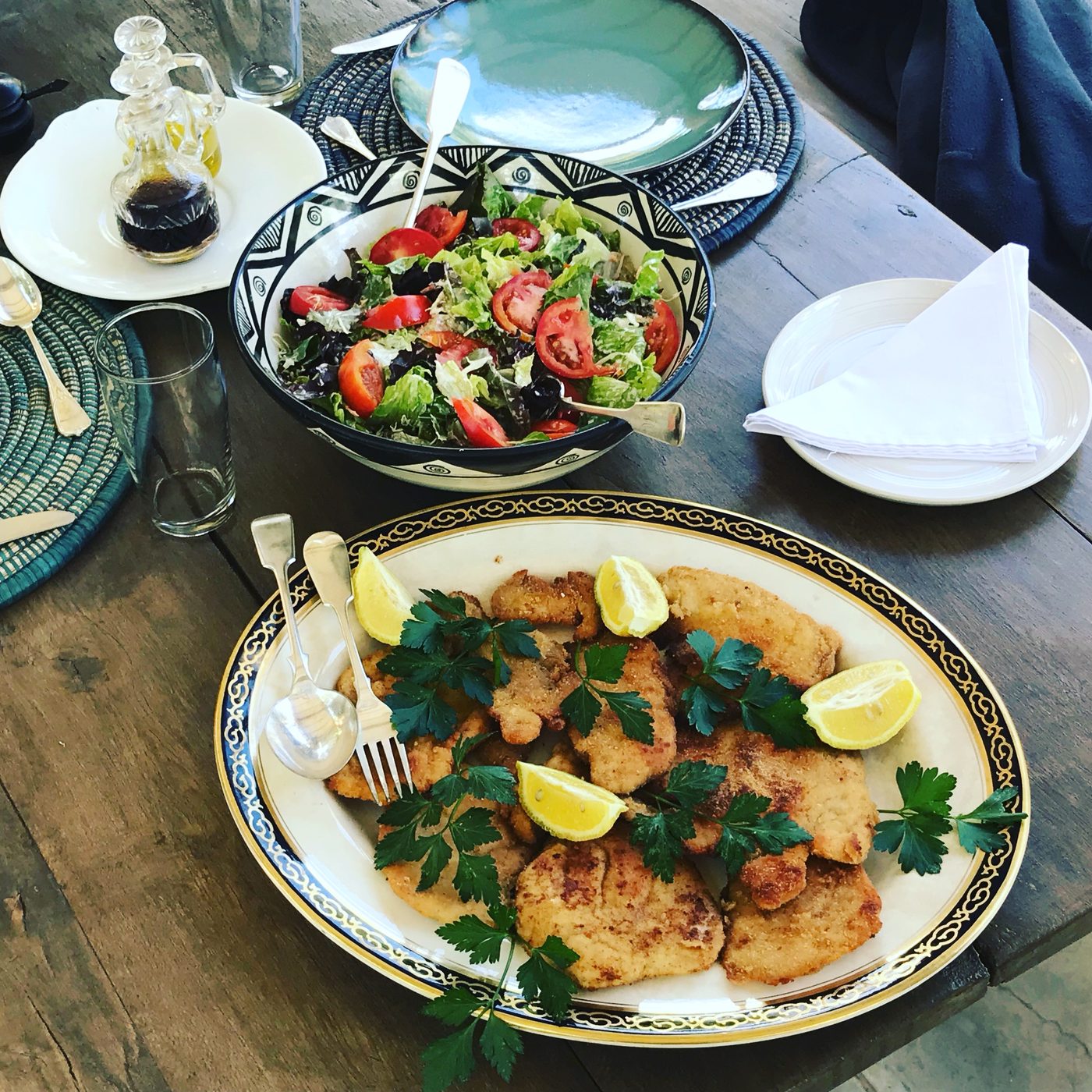
At our table, the taste of Malawi shows up in two ways. The first is direct: chambo (a tilapia found almost exclusively in Lake Malawi), grilled simply with lemon and olive oil, often served with rape leaves or pumpkin greens from the garden. Chambo is the country's national fish and you should eat it at least once. The second is what happens when Flavia's Italian heritage meets a Malawian garden. Her cotoletta uses Thyolo-raised pork; her pesto is built from basil that grew thirty paces from the kitchen door; her tomato sugo is made from tomatoes that ripened in our beds two days before they hit the plate.
If you want the longer essay on what an Italian kitchen does in tea country, this guide to Italian food at a Malawi tea country is the honest version — what works, what doesn't, what changes when you cook seasonally at 900 metres' altitude.
A few practical taste notes for any Malawi tourism itinerary:
- Nsima — the maize-flour staple. Try it once with relish (vegetables, beans, or meat). It is the texture of every Malawian childhood.
- Mandasi — small fried doughnuts sold from roadside baskets. Excellent with coffee, MK 200–500 each (roughly US$0.10–0.30).
- Malawi gin — Malawi Distilleries makes a reasonable dry gin; the better restaurants stock it, and it costs a fraction of the imports.
- Mzuzu coffee — grown at altitude in the north, sold in supermarkets and increasingly at lodges. Buy a bag to take home.
Sound — Fish Eagles, Forest Mornings, and the Quiet of a 5-Room Estate
One of the things we tell guests before they arrive is to expect a quieter trip than the brochures suggest. Malawi is, on the whole, a quiet country. Even Blantyre, the commercial capital forty minutes from the property, hushes by 9 p.m. on a weekday. If your idea of a holiday includes nightclubs, this is the wrong country.
What you get instead is sound that means something. The African fish eagle, the bird on the national flag, makes a high, ringing cry that carries across Lake Malawi's bays at sunrise. Once you have heard it, you will recognise it anywhere — there is a reason it shows up in so many travel writers' memoirs. Our nearest big-water access is at Cape Maclear or Mangochi, about four hours' drive from Thyolo, but day-trippers and weekenders are common.
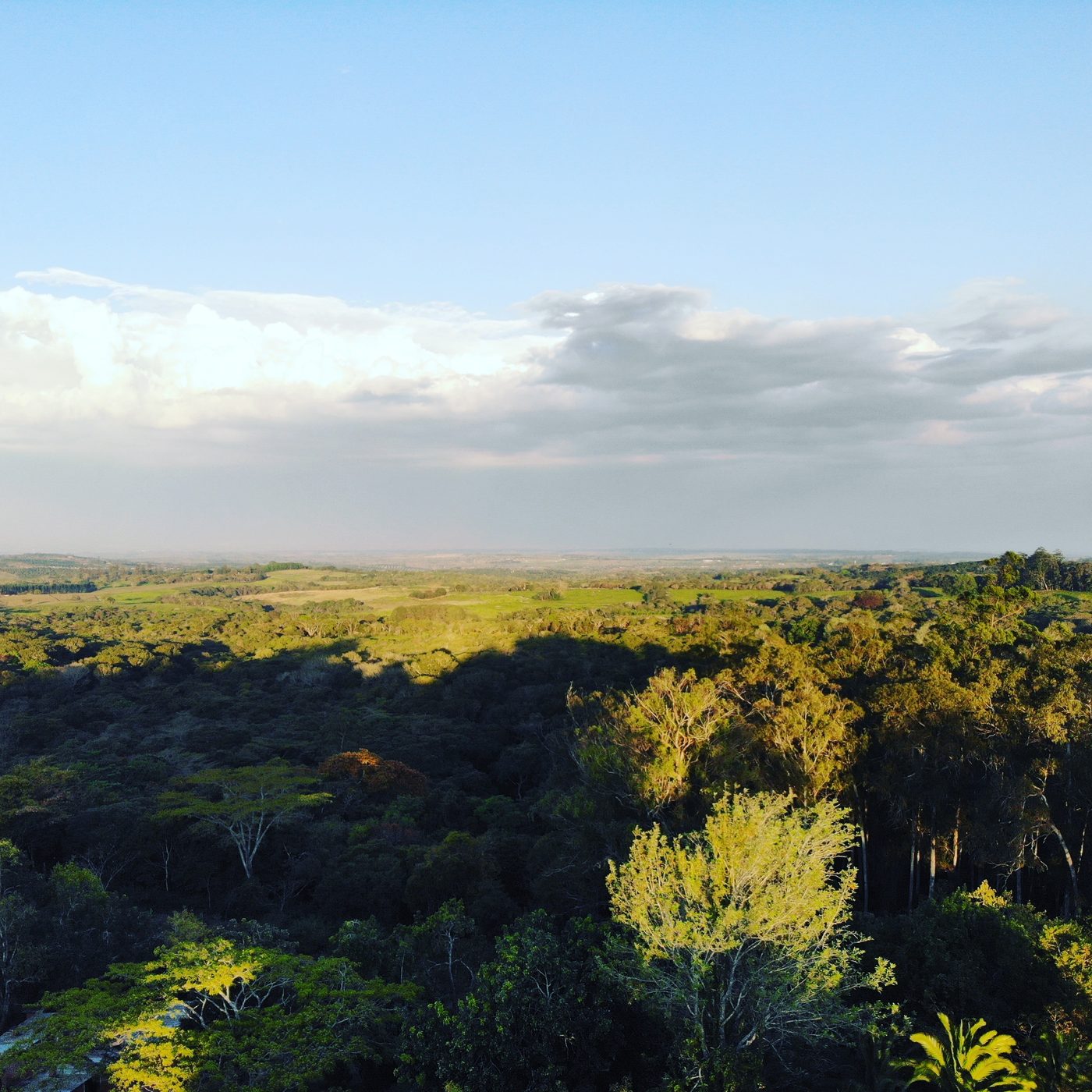
Closer to home, the soundscape changes hour by hour. The indigenous forest pocket in the highlands (a relic of what southern Malawi looked like before tea) is loudest at dawn: turacos, bulbuls, sometimes the percussive call of a trumpeter hornbill, which sounds exactly like a baby crying and startles every first-time visitor. By mid-morning the forest goes still and the tea rows take over — distant voices of pickers, the swish of green cloth, the occasional motorbike in the highlands road.
At night, with only five rooms occupied, the loudest thing on our property is usually the wind in the eucalyptus. We have had guests sit on the veranda at 9 p.m. and say, with something close to embarrassment, that they had forgotten what proper quiet sounded like. We never quite know what to say to that. It is just how Thyolo is.
Sight — Mist Off Mulanje, Tea Rows at Sunrise, Flavia's Art Studio
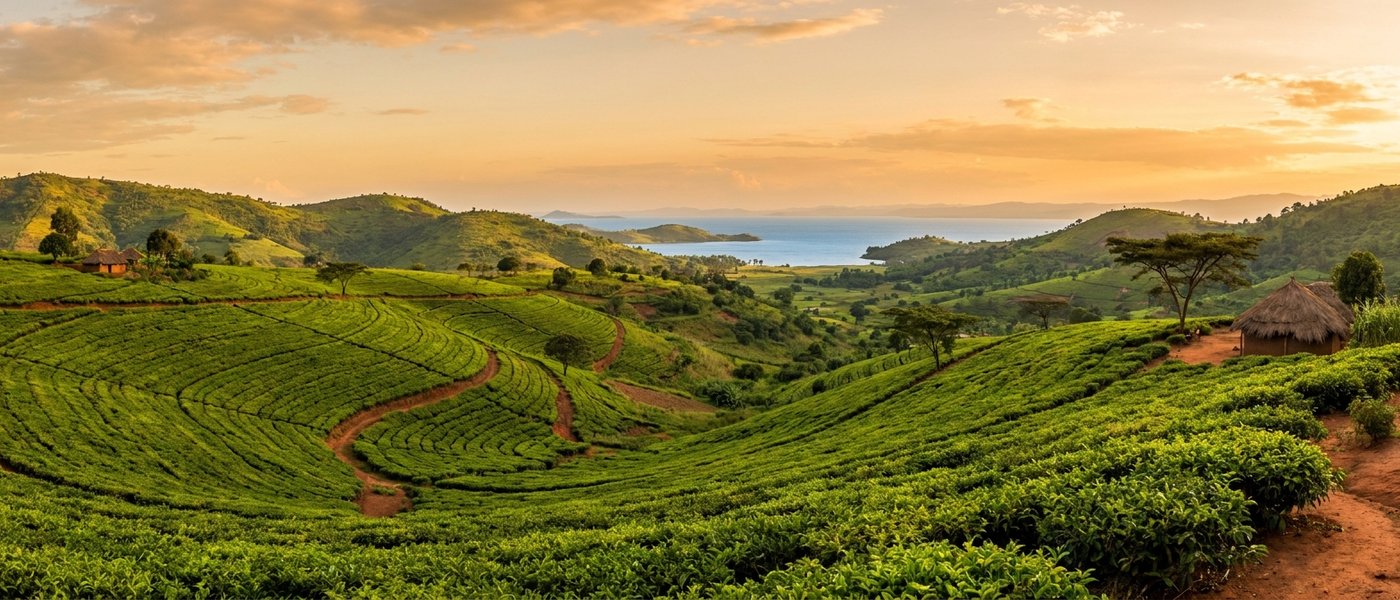
Sight is the sense Malawi tourism marketing leans on hardest — and fair enough. The country is photogenic in ways that don't always translate to a phone screen. The tea estates at sunrise, when the light comes in low and the rows turn into corduroy stripes of green and shadow, are one of the few landscapes we have actually seen reduce a returning guest to silence.
Mount Mulanje is the visual heavyweight. Africa's "Island in the Sky," a granite massif rising to Sapitwa Peak at 3,002 m, sits about an hour east of us. On clear winter mornings (June and July) you can see its whole bulk from our front lawn; in the rainy season (December–March), it disappears for days inside its own weather. The Mulanje Mountain Conservation Trust manages the reserve, established in 1927. Permits are required for all trails and a professional guide is compulsory for higher routes — book through the Trust or at the Likhubula Forestry Station. Specific 2026 fee schedules weren't published when we last checked; contact MMCT directly or InfoMulanje for current rates.
For visual experiences closer to the estate, three suggestions:
- The tea factory visit arranged directly with the estate at a working Conforzi or Satemwa estate — book ahead, takes about 90 minutes, and the inside of a withering loft is its own kind of cathedral.
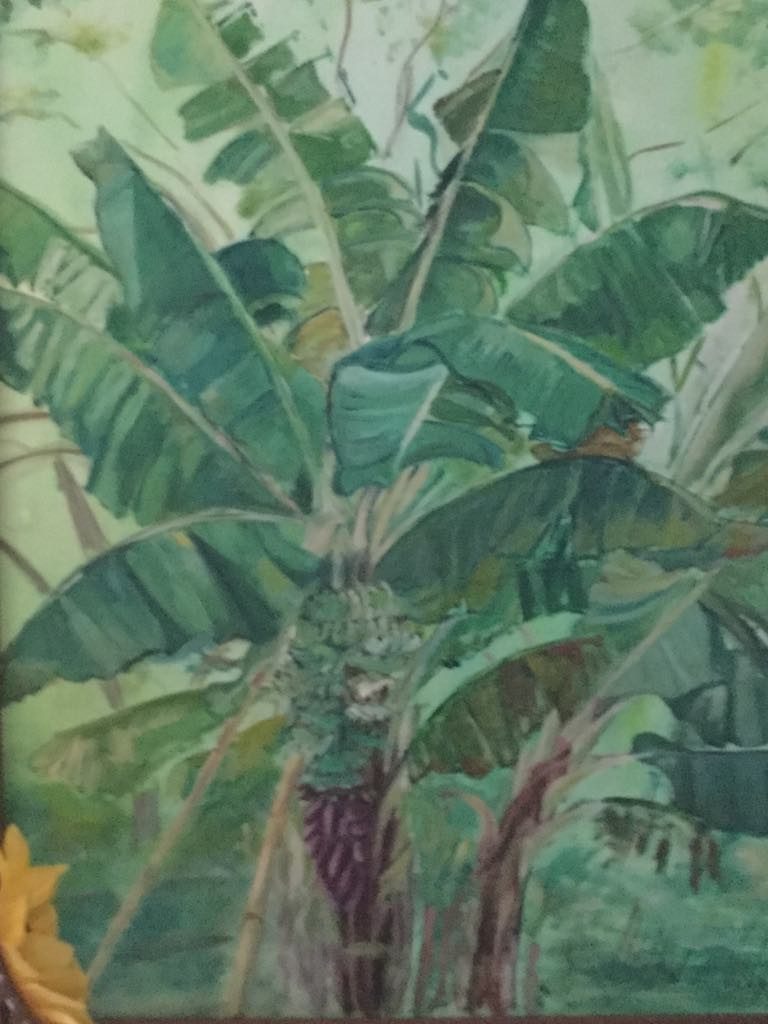
- Flavia's art studio on our property — Flavia is an Italian-Malawian painter and her studio is open to guests by arrangement. The work is mostly landscape and botanical; the bananas and frangipani she paints are the same ones outside the window.
- The Thyolo Escarpment — the road from Thyolo town up to the highlands at Tukombo or down to the Shire Valley is genuinely spectacular, especially in late afternoon light.
Touch & Feel — Cool Highland Air, Warm Welcomes, and Where The Thyolo House Fits Your Itinerary
The last two senses, touch and feeling, blur together when you travel slowly. Touch is literal: the cool of highland air at 900 m, which surprises everyone arriving from Lake Malawi's humidity; the gritty smoothness of a tea leaf rolled between thumb and forefinger; the weight of a heavy cotton kitenge wrap when you're handed one at a craft market in Limbe. Feeling is the harder one — the slow recognition that, in this country, strangers will greet you on a footpath and mean it, and that the speed you've been moving at for the last decade may not actually be necessary.
Malawi has been called the "Warm Heart of Africa" for so long that the slogan has worn thin, but the underlying truth is real. We've watched guests arrive tightly wound from layovers in Johannesburg or Addis and exhale, properly, by their second morning. Some of that is the air. Some of it is the absence of urgency. Some of it is the staff who have worked on this estate for two and three decades and who, when they greet you in Chichewa, are not performing.
For practical planning, here is roughly how Malawi tourism breaks down by region from a Thyolo base:
- Thyolo and the southern tea belt — our backyard. Two to four nights is typical for guests who want highland forests, highland forests, the restaurant, and a day on Mulanje. We're 20 minutes from Limbe, 40 minutes from Blantyre, and Blantyre has the main southern airport (Chileka, BLZ).
- Majete Wildlife Reserve — about two hours' drive west toward the Shire Valley. Big Five (lion, leopard, elephant, rhino, buffalo) reintroduced by African Parks. A good two-night safari add-on. Specific 2026 park entry fees were not yet published when we last checked; confirm with African Parks Majete before you go.
- Lake Malawi — Cape Maclear and Mangochi are roughly four hours by road from us. A classic Malawi tourism itinerary pairs tea country and lake; many of our guests do three nights here, three or four at the lake.
- Liwonde National Park — about 2.5 hours from us, on the Shire River. Hippos, crocodiles, elephants, excellent birding. A good independent visit or one-night stop on the way to the lake.
If you want a longer breakdown of what to actually do once you're in this part of the country — the practical, slow version — our slow travel guide to Malawi's tea country is the most thorough thing the journal includes on the topic.
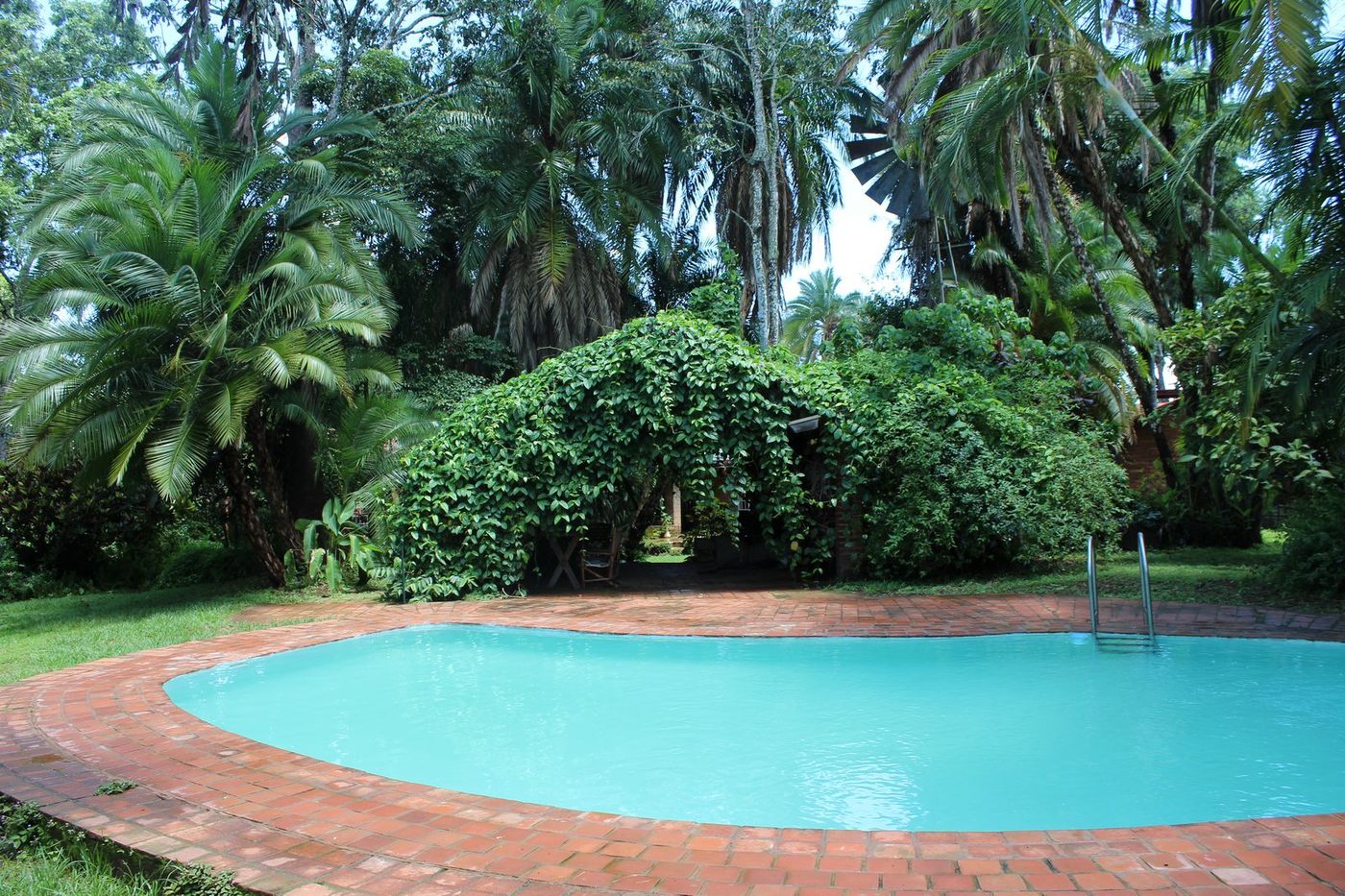
Where The Thyolo House fits is fairly simple: we are a small, quiet base for a sensory kind of trip. Five rooms, an Italian kitchen, garden, pool, forest, tea, and a family that has been here a long time. We are not a resort and we are not trying to be. If that sounds like the right pace, you can message us on WhatsApp at +265 884 202040 or email thethyolohouse@gmail.com — Flavia and the team will reply personally, usually within the same day.
Whatever shape your Malawi tourism plans end up taking, our small piece of advice is this: leave one day of your itinerary completely unplanned. Sit on a veranda. Listen for the fish eagle, or the hornbill, or just the wind in the eucalyptus. The country rewards that kind of attention more than any checklist ever could.