/ By The Thyolo House
Malawi Tourism: Why the Warm Heart of Africa Deserves Your Next Trip
A journal from a boutique lodge in the Thyolo highlands. These are notes from our corner of Malawi — places we love, walks we've done ourselves, operators we've watched do good work. The mountain treks, tea-estate tours, and day trips are all run by independent operators in Malawi; book those directly with them. Come stay with us before or after — we'll do the room, the meal, and the quiet.
Malawi tourism is having a moment — and it's been a long time coming. This slender country wedged between Zambia, Tanzania and Mozambique has quietly offered one of Africa's most diverse travel experiences for decades, yet it remains blissfully uncrowded compared to its neighbours. Known as the Warm Heart of Africa, Malawi earned the nickname not from a marketing campaign but from the genuine warmth of its people, something every visitor notices within hours of arriving. Whether you're drawn by the freshwater shores of Lake Malawi, the misty peaks of Mount Mulanje or the rolling green tea estates of the southern highlands, this country rewards travellers who like their adventures authentic and unhurried.
Lonely Planet named Malawi a Best in Travel Top Country in 2022, and momentum has only grown since. A third UNESCO World Heritage Site — the Mount Mulanje Cultural Landscape — was inscribed in 2024, joining Lake Malawi National Park and the Chongoni Rock Art Area. The Malawi Tourism Act 2025, signed by President Chakwera in July 2025, has modernised the regulatory framework and signalled serious government commitment to sustainable tourism growth. For travellers, it all adds up to better infrastructure, more route options and a country that's ready to welcome you without losing the soul that makes it special.
What Makes Malawi Different from Other African Destinations
Africa is a continent of superlatives — the biggest game reserves, the tallest dunes, the most dramatic coastlines. Malawi doesn't compete on scale. It competes on intimacy. This is a country where you can snorkel with cichlid fish in the morning, hike through montane forest in the afternoon and sit down to a home-cooked meal on a tea country by evening, all without covering enormous distances or spending hours on bush roads.
The country's compact size is one of its greatest assets. At roughly 900 kilometres long and never more than 160 kilometres wide, Malawi packs lake, mountain, savanna and highland landscape into a space smaller than many single national parks elsewhere on the continent. You don't need a two-week safari budget to see the best of it. A week is enough to experience multiple ecosystems, and even a long weekend in the south gives you mountains, tea country and cultural immersion.
Then there's the cost. Malawi remains one of the most affordable countries in southern and eastern Africa. Budget accommodation starts from around $18 per night, mid-range lodges run $50–$120, and even the most exclusive retreats rarely exceed $250. Meals at local restaurants cost a few dollars. Combined with the absence of mass tourism, you get an experience that feels personal rather than transactional.
The Best Regions to Visit — Lake, Mountains, Tea Country & Wildlife
Lake Malawi
Lake Malawi dominates the country's eastern border — a 580-kilometre stretch of clear freshwater that UNESCO designated a national park for its extraordinary biodiversity. Over 1,000 species of cichlid fish live here, more than in any other lake on earth. The southern lakeshore around Cape Maclear and Monkey Bay is the most accessible from Blantyre (roughly four hours by road), with laid-back beach lodges, kayaking, snorkelling and diving. The northern lake around Nkhata Bay and Likoma Island offers a quieter, more remote experience with some of the best snorkelling conditions.
Mount Mulanje
Sapitwa Peak rises to 3,002 metres — the highest point in south-central Africa — and the massif surrounding it is now a UNESCO World Heritage Site. Trails wind through ancient Mulanje cedar forests, across grassland plateaus and past waterfalls including Likhubula and the striking Dziwe la Nkhalamba rock pool. A typical trek takes three days using mountain huts maintained by the Mountain Club of Malawi: Sombani, Chinzama, Tuchila and others. For 2026, Trek Mulanje is launching a new Mulanje–Zomba Highlands Adventure combining hiking with cultural immersion and eco-camping. If you're planning a hike, our activity guide for first-time visitors covers routes and gear in detail.
Thyolo Tea Country
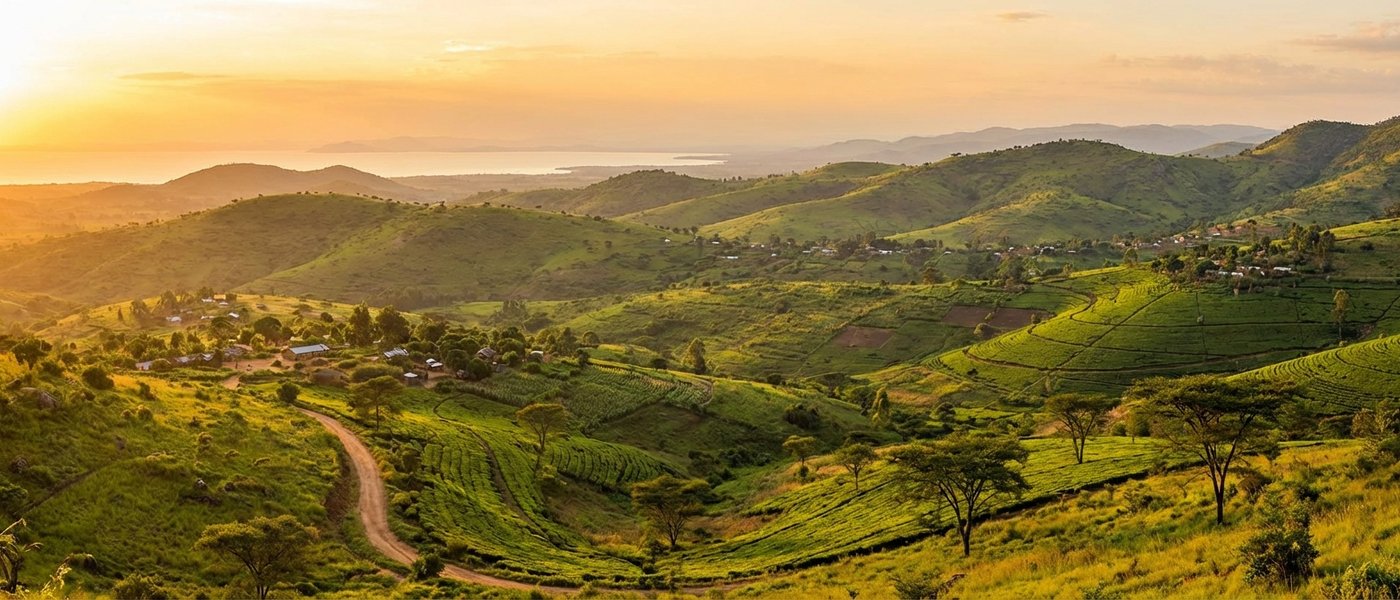
South of Blantyre, the landscape shifts to deep green. Thyolo District is the heart of Malawi's tea industry, with estates dating back a century. Satemwa Tea Country, founded in 1923 by Scottish immigrant Maclean Kay and still run by the Cathcart Kay family, offers factory visits arranged directly with the estate, tea or coffee visit booked directly with Satemwa, and mountain biking across 105 miles of estate roads. Huntingdon House, the family's colonial-era home built in 1928, operates as a guesthouse. Birders come to Thyolo specifically for the endangered Thyolo Alethe, found in the indigenous forest fragments that survive among the working tea fields.
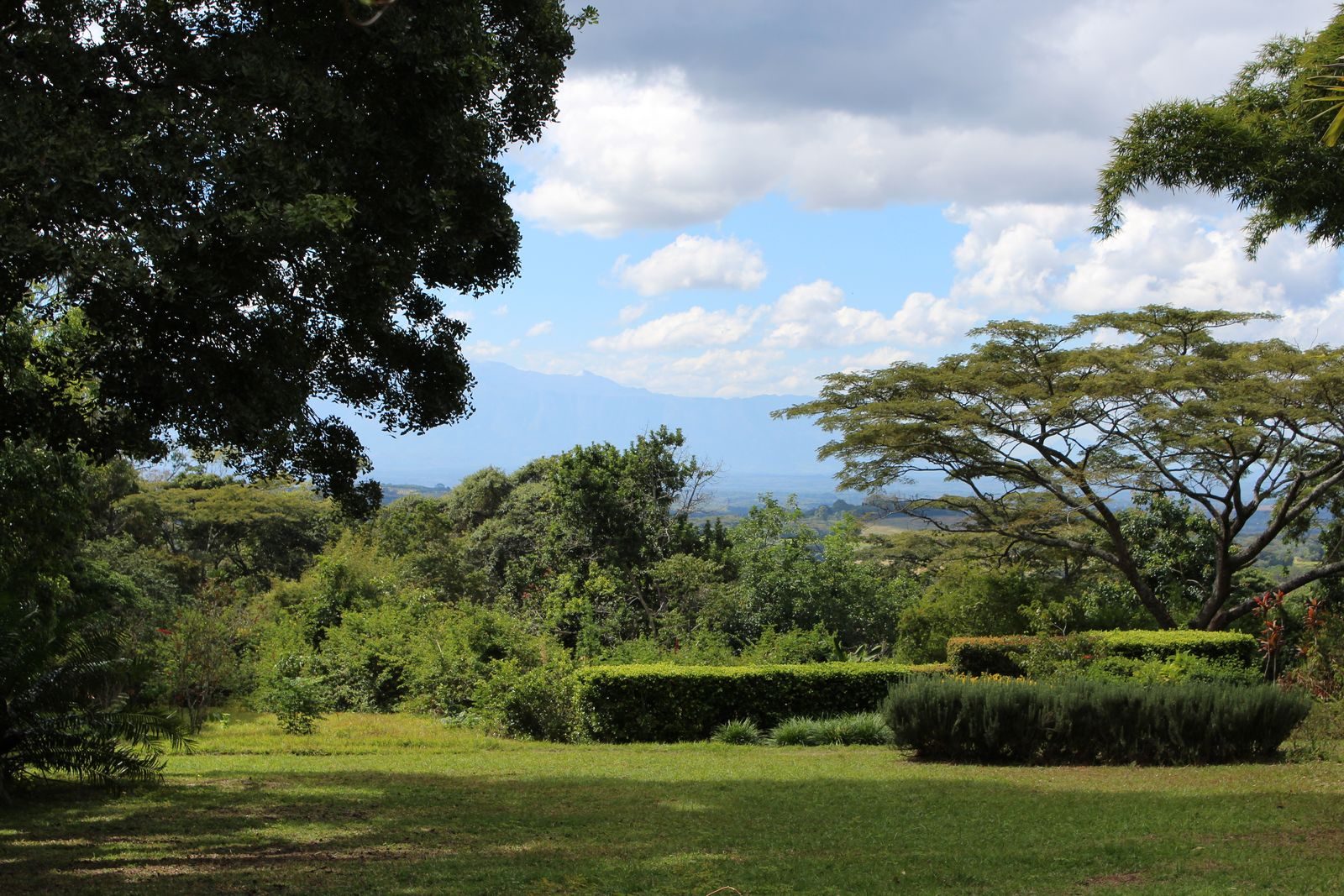
The Thyolo Highlands, a few kilometres along the ridge, offers a different experience. The Thyolo House sits in this tea-country setting surrounded by indigenous forest and gardens, blending Italian hospitality with Malawian warmth — a combination that makes more sense once you arrive and meet owner Flavia Conforzi, an Italian-Malawian artist who has turned the property into both a boutique hotel and a creative retreat.
Wildlife
Liwonde National Park, about three hours from Blantyre, is the country's premier game reserve. The Shire River runs through it, and boat safaris here offer close encounters with hippo, crocodile, elephant and a growing population of reintroduced black rhino. Majete Wildlife Reserve, southwest of Blantyre, was restocked through a partnership with African Parks and now supports the Big Five. Neither park has the vast herds of the Serengeti, but both offer excellent wildlife viewing without the crowds — and at a fraction of the price.
When to Visit Malawi and What to Expect Each Season
The dry season runs from April or May through October and is the most popular time to visit. Daytime temperatures sit in the low-to-mid 20s°C, rain is minimal and wildlife viewing is at its best as animals congregate around water sources. The lake is warm enough for swimming year-round, but dry-season visibility for snorkelling is significantly better.
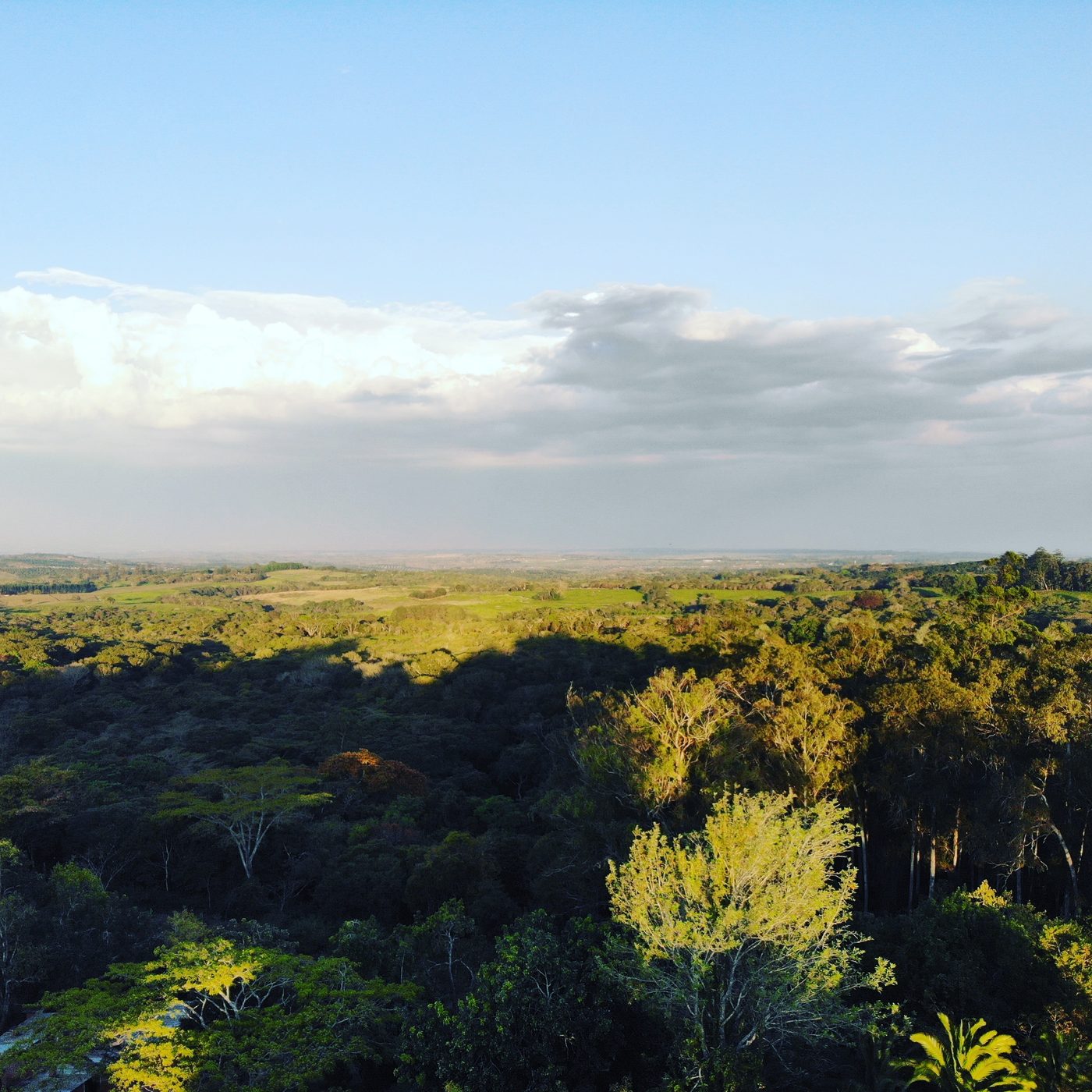
The green season from November to March brings daily rains — sometimes dramatic afternoon thunderstorms, sometimes steady drizzle — along with lush landscapes, lower prices and far fewer visitors. This is prime birding season, when migratory species arrive and residents are in breeding plumage. The highlands around Thyolo and Mulanje are particularly beautiful in the green season, with mist rolling through the working tea fields and the forest canopy at its densest.
For a first visit, May to September hits the sweet spot: reliably dry, comfortable temperatures and full availability at lodges. If you're a birder or photographer, consider the shoulder months of November or March when you get the green without the heaviest rains.
Getting Around — Flights, Roads and Distances Between Key Destinations
Malawi has two international airports: Kamuzu International Airport (KIA) near Lilongwe in the centre, and Chileka International Airport near Blantyre in the south. Most visitors heading to the southern highlands, tea country or Mount Mulanje will want to fly into Blantyre. Ethiopian Airlines, Kenya Airways and Malawian Airlines operate regular connections.
Key distances from Blantyre:
- Thyolo (tea country): 40 minutes by car via Limbe — tarred road, easy drive
- Mount Mulanje (Likhubula gate): 1.5–2 hours southeast
- Zomba Plateau: 1–1.5 hours north
- Liwonde National Park: 2.5–3 hours north
- Cape Maclear (Lake Malawi): 4–5 hours via Liwonde or Zomba
- Lilongwe: 4–5 hours on the M1 highway
Road conditions vary. The main M1 highway between Blantyre and Lilongwe is tarred and generally well maintained. Secondary roads to places like Cape Maclear or remote sections of Mulanje can be rough, especially in the wet season, and a 4x4 is recommended. Car hire with a driver is widely available and costs around $80–$150 per day — often the best option for visitors unfamiliar with local driving conditions. For detailed routing ideas, see our 7-day itinerary through the Warm Heart of Africa.
Where to Stay Across Malawi — From Lakeside Lodges to highland retreats
Accommodation in Malawi ranges from simple guesthouses to beautifully restored historic properties. The best lodges tend to be small — five to twenty rooms — which contributes to the intimate feel that defines Malawi tourism.
Lake Malawi
Cape Maclear has a mix of backpacker lodges and mid-range options right on the beach. Chembe Eagles Nest and Mumbo Island Camp (a Robinson Crusoe–style island camp) are standout choices. On the northern shore, Kaya Mawa on Likoma Island is one of the most celebrated luxury lodges in all of Africa.
Zomba Plateau
Sunbird Ku Chawe sits at the edge of the plateau with panoramic views — a solid mid-range option with a restaurant and pool. Zomba Forest Lodge, set in 20 acres of mixed woodland, is smaller and more intimate, running off-grid with a focus on community and conservation projects.
Southern Highlands — Thyolo
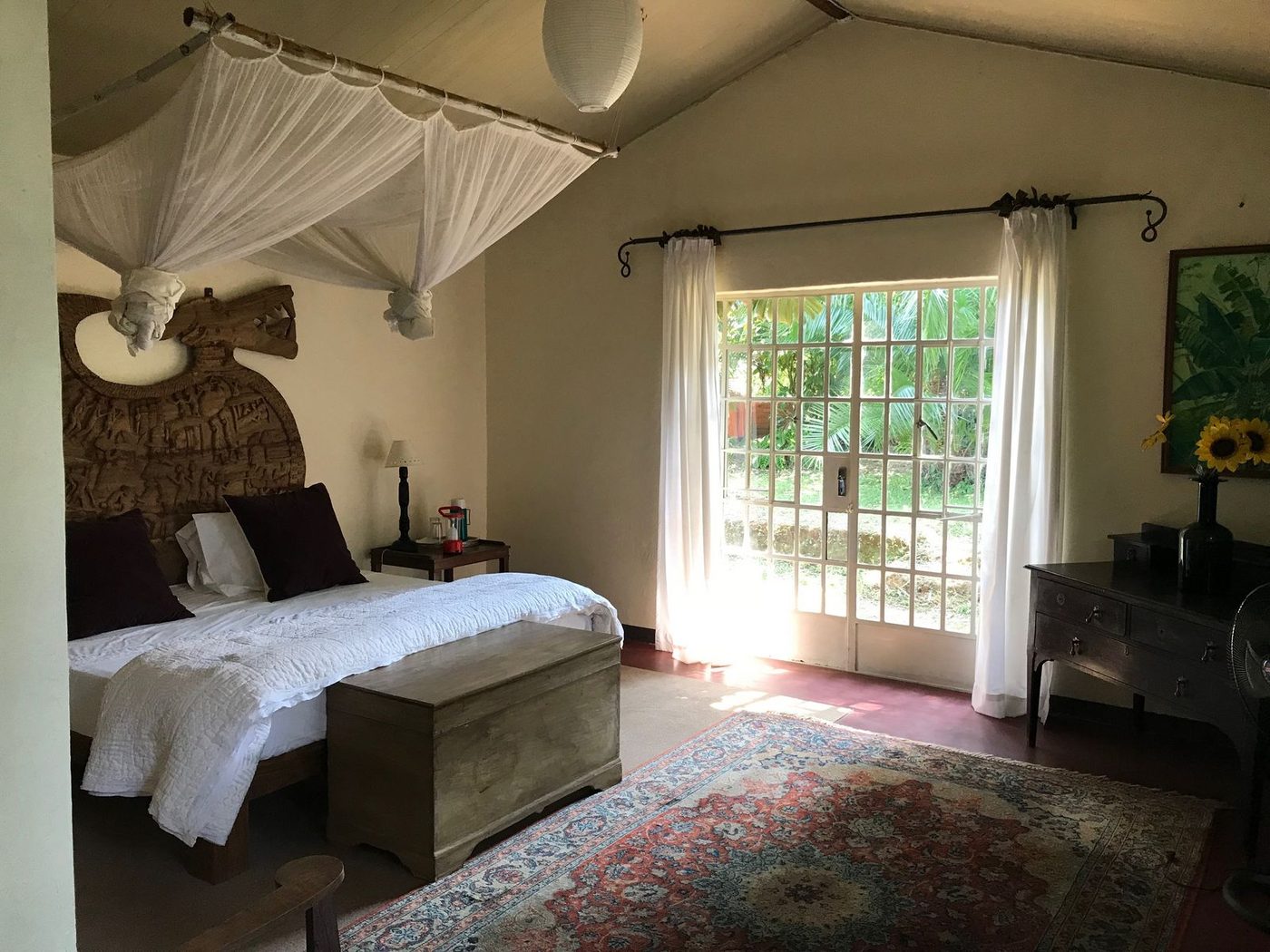
In the tea country, The Thyolo House offers five boutique rooms on a historic property that was once part of the Conforzi Tea Estate, with garden and highland views. The on-site restaurant serves Italian-Malawian fusion using ingredients grown in the house gardens — think fresh pasta, grilled meats with Malawian relishes, and salads picked that morning. It is a quiet place to stay while independently researching the wider southern Malawi region. Tea estates, Mount Mulanje, guides, drivers, transfers, and outside activities must be arranged directly with the relevant providers. Nearby, Huntingdon House on the Satemwa Estate provides another characterful option.
Liwonde & Majete
Mvuu Camp and Mvuu Lodge inside Liwonde National Park offer riverside accommodation with game drives and boat safaris. Majete has the Mkulumadzi Lodge, a luxury option run by Robin Pope Safaris, plus more affordable self-catering chalets at the park's main gate.
Food and Dining — What to Eat and Where to Find the Best Meals
Malawian cuisine centres on nsima — a dense maize porridge served with relishes of beans, greens, chicken or fish. It's the national staple and you'll encounter it everywhere, from roadside stalls to hotel restaurants. Chambo, a freshwater fish from Lake Malawi, is the country's most celebrated dish: grilled whole and served with nsima and a tomato-onion relish, it's simple and superb.
Beyond traditional food, Malawi's colonial and immigrant history has left traces in the dining scene. Blantyre has Indian restaurants, South African–style steakhouses and a handful of international options. In Thyolo, The Thyolo House restaurant stands out for its Italian-Malawian fusion menu — owner Flavia Conforzi brings Italian cooking traditions to Malawian ingredients, with dishes like handmade pasta, wood-fired meats and garden salads that draw diners from Blantyre, 40 minutes away.
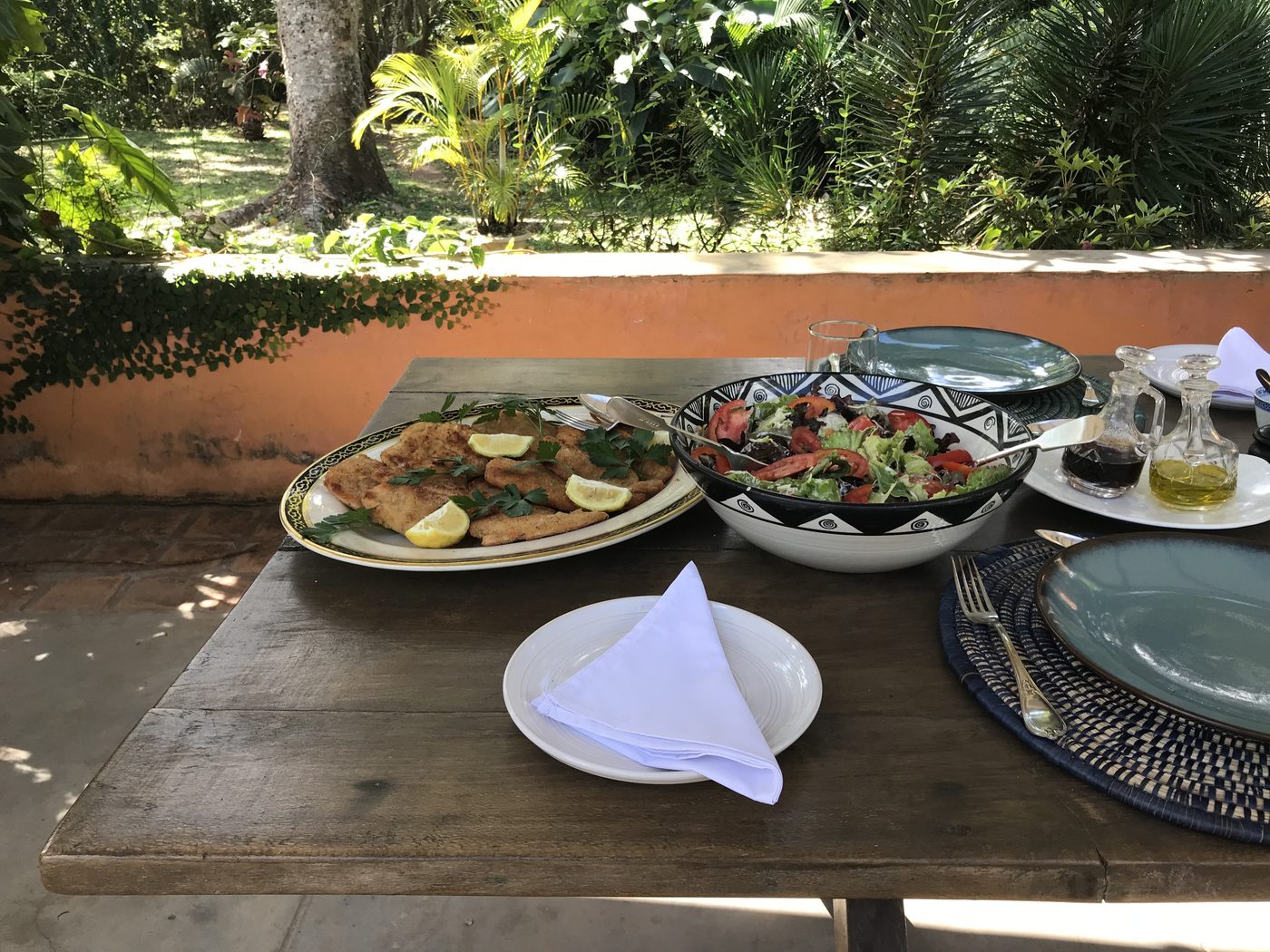
Practical tips for eating well:
- At local markets, try roasted maize cobs, mandasi (fried dough balls) and grilled cassava — cheap, filling and everywhere
- Chambo is best at the lake itself, where it comes straight from the water. Cape Maclear restaurants serve it for a few dollars
- Most mid-range lodges include breakfast and offer dinner by prior arrangement — check when booking
- Blantyre's Limbe Market is excellent for fresh tropical fruit: mangoes, papaya, bananas and avocados at local prices
- Vegetarians will find nsima with bean and vegetable relishes widely available, though dedicated vegetarian restaurants are rare outside Lilongwe
Safety, Visas and Practical Tips for International Visitors
Visas
Malawi updated its visa regime in January 2026 with a new reciprocal system — your visa requirement depends on how Malawian nationals are treated in your country. SADC and COMESA member nationals enter visa-free for up to 90 days. For others, visa fees range from approximately US$50 for a 7-day transit visa to US$75 for a single-entry visa (up to 90 days), with some nationalities paying up to US$250 depending on reciprocity arrangements. Apply through the e-visa portal at evisa.gov.mw before travelling. You'll need a passport valid for at least six months beyond your departure date with one or two blank pages, plus proof of a return or onward ticket.
For comprehensive visa and entry details, see our complete guide for first-time visitors.
Safety
Malawi is widely considered one of the safest countries in Africa for travellers. Violent crime against tourists is rare. Petty theft — particularly in busy urban areas like Blantyre's bus stations and markets — does occur, so standard precautions apply: don't flash expensive electronics, use hotel safes, and keep bags close in crowded areas. Outside the cities, the biggest risks are road conditions (especially at night) and waterborne illness. Drink bottled or treated water, use sunscreen on the lake (the reflection is fierce) and carry basic medical supplies.
Currency and Costs
The Malawian Kwacha (MWK) is the local currency. ATMs are available in Blantyre, Lilongwe and larger towns, but can be unreliable in rural areas. Carry enough cash for a few days when heading to the lake or mountains. Most mid-range and upscale lodges quote in US dollars and accept card payments, but it's wise to confirm in advance. Budget travellers can get by on $30–$50 per day; mid-range travellers should budget $80–$150.
Health
Malaria is present throughout the country. Take prophylaxis, use repellent and sleep under a treated mosquito net. Bilharzia is present in Lake Malawi — risk varies by location, but prophylactic treatment after exposure is available and straightforward. Check with your travel clinic for current vaccination recommendations; yellow fever is not required unless arriving from an endemic country.
A Suggested Route Through Southern Malawi
If you have a week and want to experience the best of southern Malawi, here's a route that covers mountains, tea country, wildlife and lake without backtracking excessively:
Days 1–2: Thyolo Tea Country
Fly into Blantyre and drive 40 minutes to Thyolo. Settle in at The Thyolo House on a historic property that was once part of the Conforzi Tea Estate. Spend a day walking the tea plantation paths and Highland Forests, visiting Satemwa Estate for a factory visit arranged directly with the estate and visit, and dining on Italian-Malawian cuisine at the restaurant. If you're a birder, the forest fragments here are your best chance for the endangered Thyolo Alethe. The pool and gardens make a perfect recovery spot after travel.
Day 3: Mount Mulanje
Drive under two hours to Likhubula, the main trailhead for Mount Mulanje. Even a day hike gives you a taste of the UNESCO site — the lower trails through cedar forest to Dziwe la Nkhalamba rock pool are accessible without full expedition gear. Serious hikers can extend to an overnight in one of the mountain huts. Return to Thyolo or continue to Zomba.
Day 4: Zomba Plateau
Head north to Zomba (about 2.5 hours from Mulanje, or 1.5 from Thyolo). Drive or hike up to the plateau for panoramic views across the Shire Valley. Stay at Sunbird Ku Chawe or the quieter Zomba Forest Lodge. The plateau has well-marked walking trails, trout streams and a colonial-era atmosphere that feels like a different country.
Days 5–6: Liwonde National Park
Continue north to Liwonde (about 1.5 hours from Zomba). Two nights here gives you time for a boat safari on the Shire River — the best way to see hippo, crocodile and elephant — plus a morning game drive. The park is compact enough that you'll cover the highlights without rushing.
Day 7: Lake Malawi or Return
If time allows, push on to Cape Maclear (about 2.5 hours from Liwonde) for a night on the lake — snorkelling, kayaking or simply sitting on the beach with a Carlsberg Green. Otherwise, return to Blantyre (2.5 hours) for your flight.
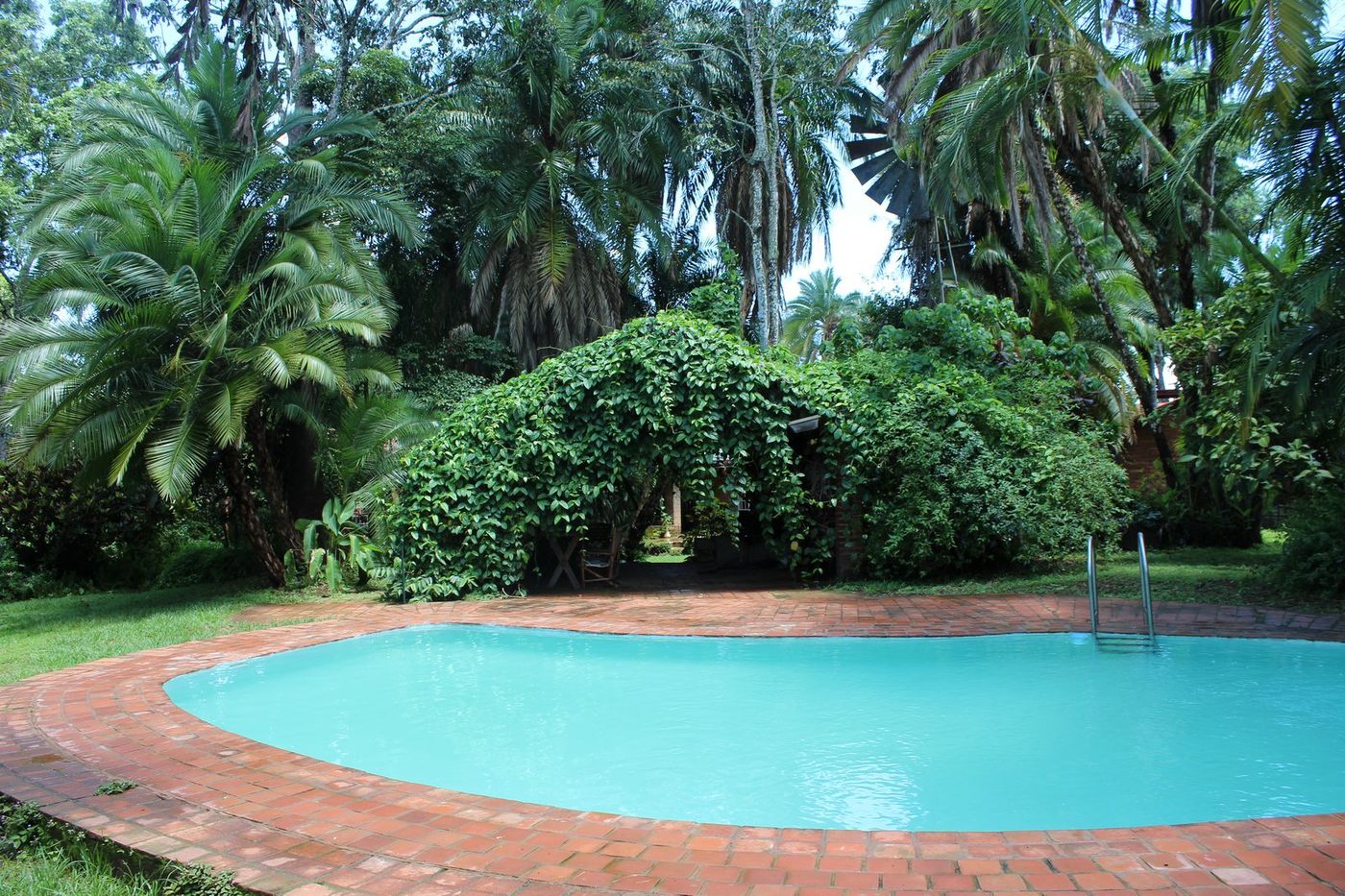
"Malawi doesn't shout for attention. It waits for you to arrive, then quietly becomes the visit you didn't know you needed."
Malawi tourism is still in its early chapters. The infrastructure is improving, the UNESCO recognition is drawing attention, and the government's 2025 Tourism Act signals long-term commitment to sustainable growth. But the country's greatest asset remains what it has always been: a landscape of extraordinary beauty, a culture of genuine hospitality, and a pace of life that lets you actually experience both. This is not a destination you tick off a list. It's one you return to.
If you're planning a visit to the southern highlands, we'd love to host you at The Thyolo House. With five boutique rooms, an Italian-fusion restaurant and a tea tea-country setting that puts you in the heart of Thyolo's most beautiful landscape, it's the kind of base that makes the rest of your visit better. Message us on WhatsApp to check availability or ask anything about travelling in southern Malawi — we're always happy to help with Thyolo House room and restaurant availability, recommendations and local knowledge.