/ By The Thyolo House
Travel Malawi: A Complete Guide for First-Time Visitors
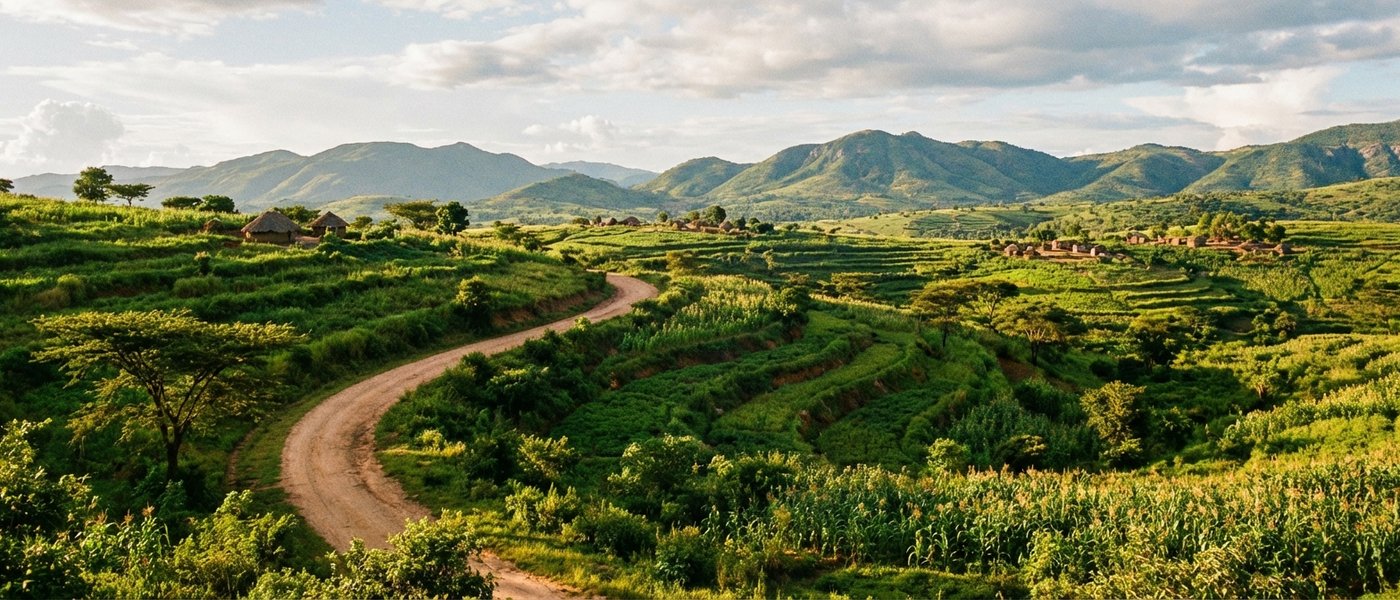
If you're planning to travel Malawi for the first time, you're choosing one of Africa's most underrated destinations. Known as the Warm Heart of Africa — a name earned by its famously hospitable people — Malawi packs an extraordinary range of landscapes into a country smaller than England. From the freshwater shores of Lake Malawi to mist-wrapped tea highlands, from big-five wildlife reserves to villages where life moves at the pace of a cooking fire, this is a country that rewards curiosity and punishes rigid itineraries. This guide covers everything you need to know before you go.
Why Travel Malawi? What Makes the Warm Heart of Africa Different
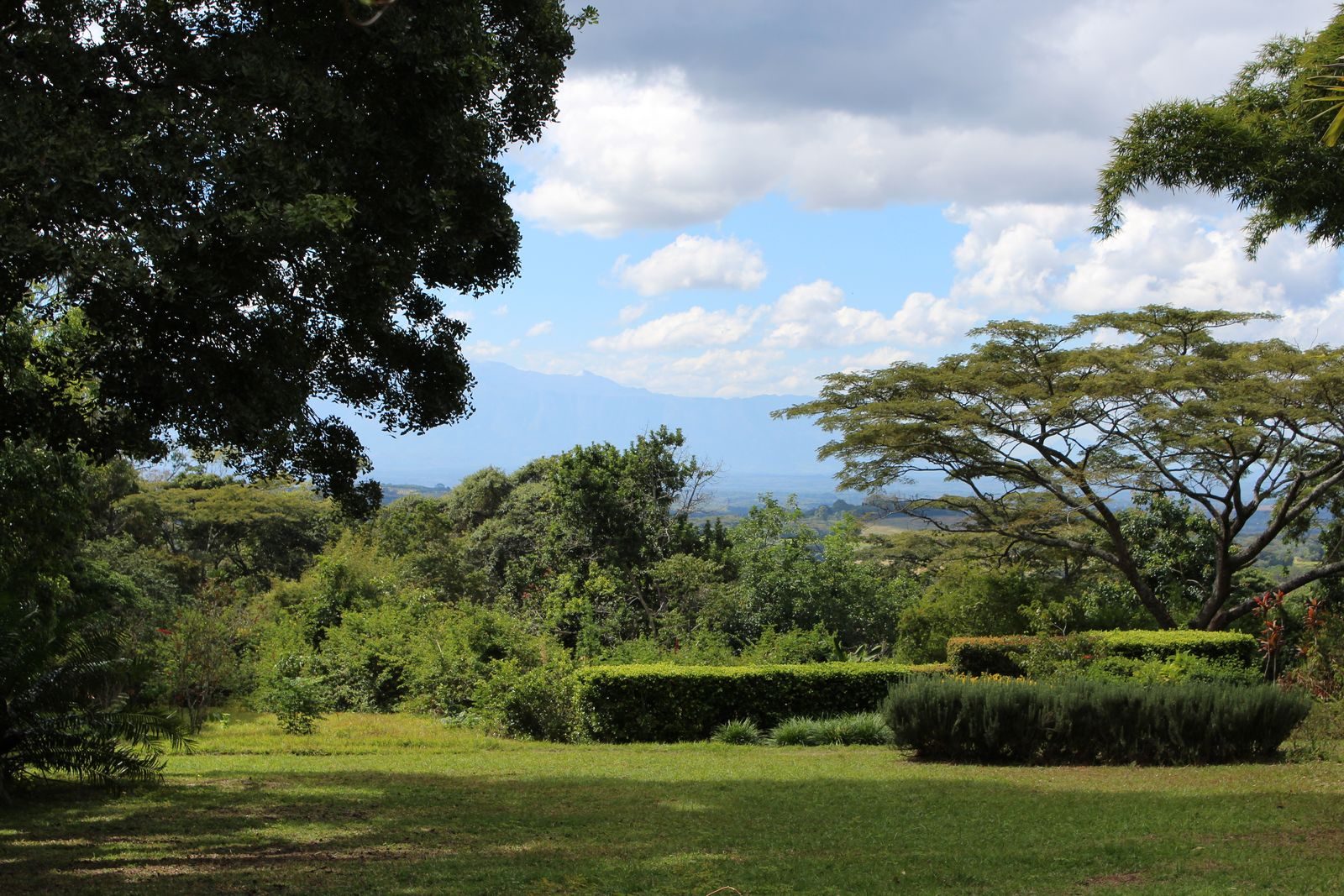
Malawi isn't Serengeti-famous or Cape Town-glamorous. That's the point. Tourism infrastructure exists but hasn't been industrialised, which means fewer crowds, lower prices, and encounters that feel genuinely personal. A guide in Liwonde will know the elephants by name. A guesthouse owner in Cape Maclear will sit with you at dinner. A tea estate manager in Thyolo will walk you through rows of Camellia sinensis and explain why altitude changes the flavour in the cup.
The country's star attraction is Lake Malawi — the third-largest lake in Africa, stretching 580 kilometres down the eastern border, with water so clear you can see cichlid fish darting between rocks from shore. But the south offers something entirely different: the cool, forested highlands around Mount Mulanje and the Thyolo tea district, where colonial-era estates have been replanted, repurposed, and reopened to visitors. It's a compact country, meaning you can move between ecosystems in a single day's drive.
Visa, Vaccines & Entry Requirements for Malawi
Malawi overhauled its visa system in November 2025, shifting to a reciprocity-based model. Many previously visa-free nationalities now need an eVisa, available through evisa.gov.mw. Costs range from $50 to $250 depending on visa type and duration. US citizens pay a $50 entry fee per adult ($25 per child), though collection is inconsistent — credit card machines at Chileka and Kamuzu airports aren't always operational, so carry US dollars in cash as backup.
Before you fly, check your nationality's current status on the eVisa portal. The rules changed recently enough that older guidebooks and even some embassy websites may be out of date.
Vaccinations and Health
No vaccinations are legally required for entry from most countries, but the following are strongly recommended:
- Hepatitis A and B — essential for all travellers
- Typhoid — especially if eating outside tourist restaurants
- Rabies — recommended if you'll be in rural areas or around animals
- Yellow fever — carry your certificate; it may be checked if arriving from an endemic country
- Malaria prophylaxis — Malawi is a malaria zone year-round, especially during and just after the rains. Consult a travel health clinic 4–6 weeks before departure
Tap water is not safe to drink. Bottled water is widely available for under $1. Most mid-range and upscale accommodations provide filtered or bottled water in rooms.
Best Time to Travel Malawi — Season by Season
Malawi's climate divides neatly into two seasons, with a transitional window that's arguably the best time of all.
Dry Season: May to October (Peak)
This is when most visitors travel Malawi, and for good reason. Skies are clear, roads are passable, and wildlife viewing improves week by week as water sources shrink and animals concentrate around rivers and lagoons. The dry season splits into two phases:
- Cool dry (May–August): Daytime highs around 20–25°C in the highlands, cooler at night (13–18°C around Blantyre and Thyolo). Ideal for hiking Mount Mulanje, cycling through tea estates, and sleeping without air conditioning. This is the most comfortable window for active travel.
- Hot dry (September–October): Temperatures climb and vegetation thins. This is prime time for safaris in Liwonde and Majete — with fewer leaves on trees and dwindling water, animals are far easier to spot. The Lake of Stars Festival typically returns in October on the shores of Lake Malawi, drawing international musicians and a festival crowd.
Rainy Season: November to April (Low Season)
Heavy afternoon rains transform the landscape into vivid green, but unpaved roads can become impassable and some hiking trails close. Accommodation prices drop significantly — budget travellers can find excellent deals. Birding is superb, with migratory species arriving from November onwards. Just be flexible with your plans and don't schedule tight connections on dirt roads.
Getting There and Getting Around (Flights, Roads & Local Transport)
Flights Into Malawi
Malawi has two international airports: Kamuzu International Airport (LLW) in Lilongwe and Chileka International Airport (BLZ) in Blantyre. Most international connections route through Johannesburg, Nairobi, or Addis Ababa. Ethiopian Airlines, Kenya Airways, and Malawian Airlines operate regular services. Return flights from the US or Europe typically cost $600–$1,500 depending on season and routing.
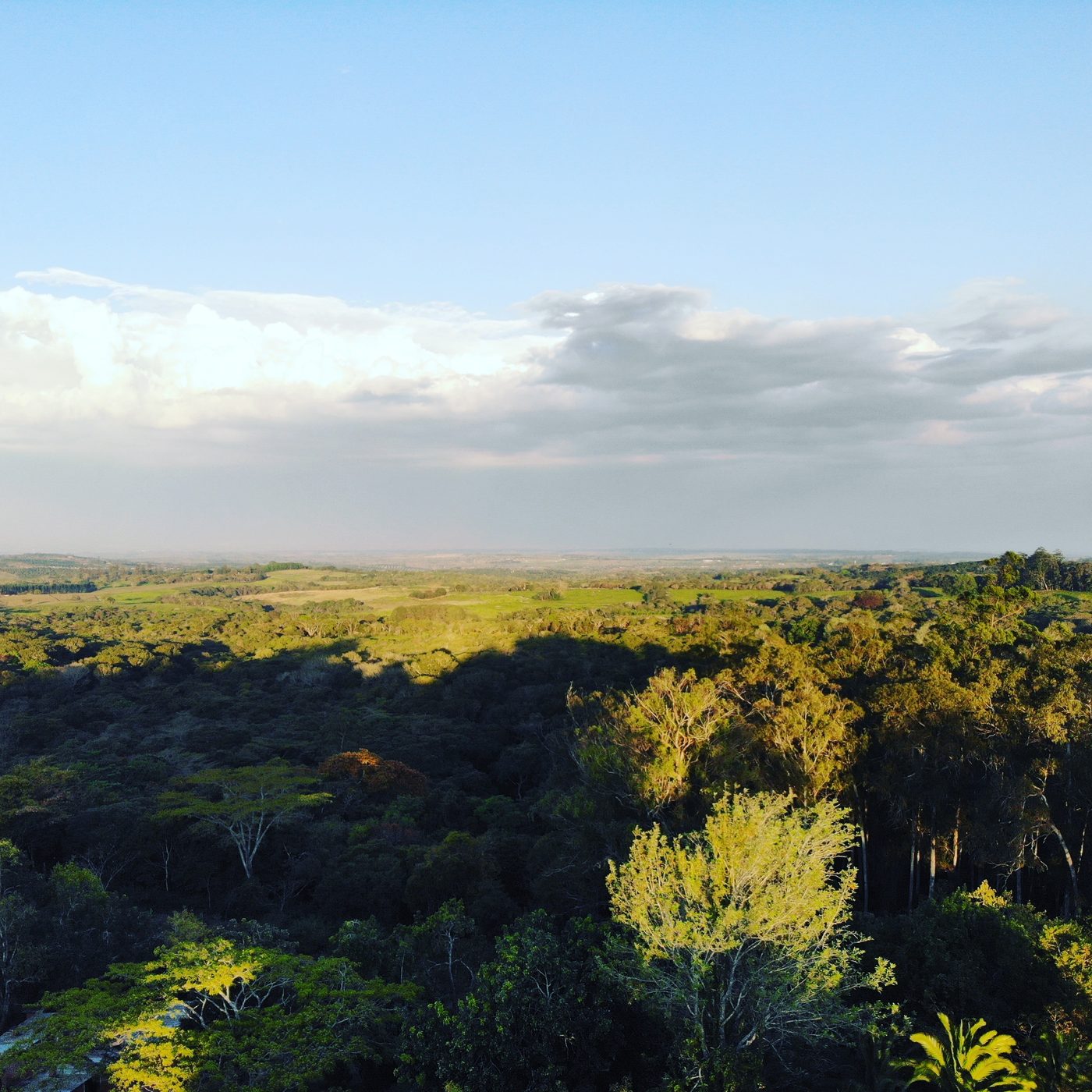
If your goal is the southern highlands — Mount Mulanje, the tea estates, or day trips from Blantyre — fly into Chileka. It's 20 minutes from Limbe and puts you within an hour of the Thyolo district.
Getting Around
Malawi's road network ranges from smooth tarmac on main corridors to rutted dirt tracks in rural areas. Your options:
- Rental car: Available in Lilongwe and Blantyre. A 4x4 is recommended for anything off the main highways, especially in rainy season. Driving is on the left.
- Intercity buses: AXA and other coaches run between major cities for $1–$5. Comfortable enough, but slow — expect 4–5 hours for the Lilongwe–Blantyre run.
- Minibuses: The default local transport. Cheap (under $1 for short routes), crowded, and depart when full rather than on schedule. An authentic experience, but not for the time-pressed.
- Private transfers: Most upscale lodges arrange airport pickups. The Thyolo House, for example, can help coordinate transport from Chileka Airport — a 40-minute drive through the tea country.
Money, SIM Cards & Practical Essentials
Currency and Cash
The Malawian Kwacha (MWK) is the local currency. US dollars are widely accepted at hotels, lodges, and larger businesses, but you'll need kwacha for markets, minibuses, street food, and small shops. ATMs exist in Blantyre, Lilongwe, and larger towns — Visa cards work more reliably than Mastercard. Withdraw enough cash before heading to rural areas.
SIM Cards and Connectivity
Buy a local SIM at the airport or any phone shop. Airtel and TNM are the two main networks. Data is cheap — around $2–3 for a few gigabytes. Coverage is solid in cities and along main roads but drops off in remote areas. Most tourist accommodations offer Wi-Fi, though speeds vary.
What Things Cost
Malawi is one of Africa's most affordable destinations:
- Budget accommodation: $5–20/night (hostels, basic guesthouses)
- Mid-range hotel: $25–100/night
- Upscale lodge: $100–260+/night
- Local meal (nsima, beans, vegetables): $1–3
- Restaurant meal: $5–10
- Beer: $1.50–2
- Guided activity or day tour: $10–50
A comfortable mid-range trip runs about $100/day including accommodation, meals, and activities. Backpackers can manage on $25/day with discipline.
Where to Go — Malawi's Five Must-Visit Regions
Malawi is small enough to cover in two weeks, but most first-timers focus on two or three regions. Here's what each offers.
1. Lilongwe and the Central Region
The capital is a transit hub more than a destination, but the Old Town market is worth a wander, and Lilongwe Wildlife Centre — a rescue and rehabilitation sanctuary — is a meaningful half-day visit. Most international flights arrive here.
2. Lake Malawi — The Northern and Central Lakeshore
The lake is Malawi's headliner. Nkhata Bay, Cape Maclear, and Likoma Island each offer a different vibe — from backpacker social scene to remote island tranquility. More on this below.
3. The Southern Highlands — Thyolo, Mulanje & Zomba
Cool air, tea plantations, mountain trails, and indigenous forest. This region is often overlooked by first-timers chasing the lake, but it's arguably where Malawi is most distinctive. The Thyolo district alone rewards two or three days of exploration.
4. Liwonde National Park
Malawi's premier safari destination, restored through a partnership with African Parks. Elephants, hippos, crocodiles, and — following successful reintroductions — lions, cheetahs, and black rhinos. River safaris on the Shire are exceptional.
5. Majete Wildlife Reserve
Another African Parks success story, about 70 km southwest of Blantyre. Less visited than Liwonde, with big-five game and excellent walking safaris. Easy to combine with the southern highlands.
Lake Malawi — Beaches, Snorkelling & Island Life
Lake Malawi deserves its own section because for many visitors, it is the trip. The lake contains more species of fish than any other lake on earth — over 1,000 cichlid species, most found nowhere else. Snorkelling from shore is extraordinary: no boat needed, just wade in with a mask.
Where to Base Yourself
- Cape Maclear (southern lake): The classic backpacker hub. Cheap dorms, beach bars, kayak hire, and boat trips to Mumbo and Domwe islands. Lake Malawi National Park (UNESCO) is here.
- Nkhata Bay (northern lake): A quieter alternative with hillside lodges overlooking the water. Better for diving and slightly less touristy.
- Likoma Island: Remote, reached by the MV Ilala ferry or small plane. Home to an enormous Anglican cathedral built by missionaries and a genuinely end-of-the-road atmosphere.
- Senga Bay (central lake): More developed, popular with Malawian weekenders from Lilongwe. Good for families.
From Thyolo, the lake is about four hours by road — an easy addition before or after exploring the southern highlands.
The Southern Highlands — Tea Country, Mountains & Forest Retreats
The area between Blantyre and Mount Mulanje is where Malawi feels least like the rest of southern Africa. Rolling hills are quilted with tea bushes. Pockets of indigenous forest — some of the last in the country — cling to hillsides. The air is noticeably cooler than the lakeshore or the capital.
Thyolo Tea District
Thyolo (pronounced "cho-lo") is the heart of Malawi's tea industry, established in the early colonial period. The Satemwa Tea Estate, one of the oldest in the country (land claim registered 1874), is now managed by the third generation of the Cathcart Kay family. It produces tea and coffee, offers tastings, and has over 105 miles of dirt roads and trails for walking and mountain biking. The estate's Huntingdon House — a five-suite guesthouse in a 1928 colonial home — scores 10/10 on Booking.com.
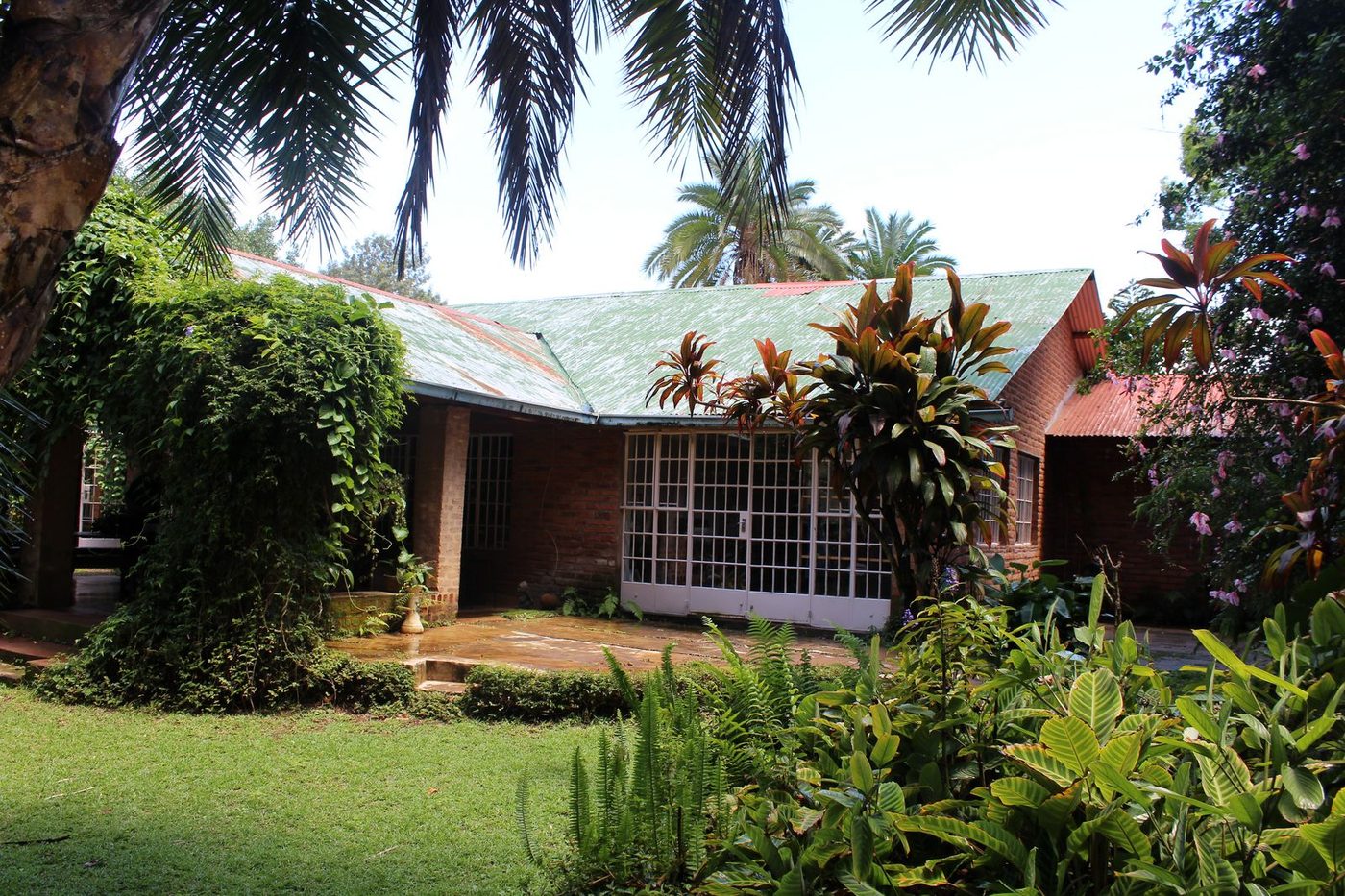
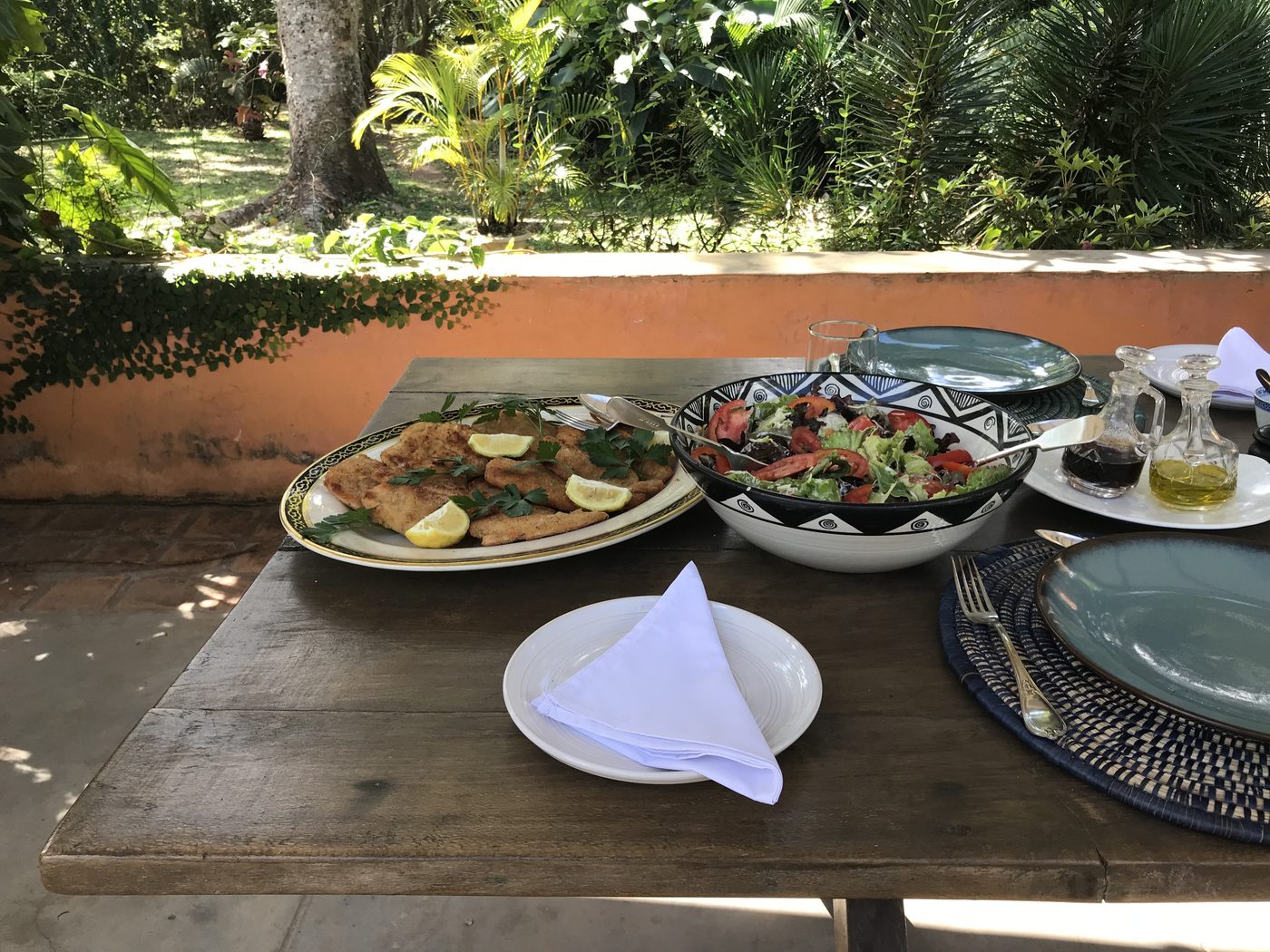
Nearby, The Thyolo House occupies a beautifully renovated farmhouse on the Conforzi Tea Estate. Run by Italian-Malawian artist Flavia Conforzi, it's a five-room boutique hotel with an Italian fusion restaurant that uses ingredients grown in the estate gardens. Tea walks, forest trails, art workshops, and a pool make it easy to settle in for several days. It's a particularly good base for exploring the highlands — just 20 minutes from Limbe and 40 from Blantyre.
Mount Mulanje
Africa's largest inselberg rises to 3,002 metres from the surrounding plains. Multi-day hikes cross high plateaus, through cedar forests, and past waterfalls. Porters and guides can be arranged through the Mountain Club of Malawi or local operators. Even if you don't summit, the foothills offer excellent day walks. For a comprehensive guide to routes and gear, see our activity guide for Malawi.
Zomba Plateau
A flat-topped mountain above the old colonial capital, Zomba Plateau offers gentle walks through pine and eucalyptus forest, trout fishing, and views over the Shire Valley. Less demanding than Mulanje and good for a half-day excursion.
Safety, Culture & Etiquette for International Visitors
Malawi is generally safe for tourists, though the US State Department advises "exercise increased caution" due to petty crime — primarily theft, robbery, and occasional assault in cities. Common-sense precautions apply: don't flash expensive equipment, avoid walking alone after dark in urban areas, and keep valuables locked away.
Cultural Notes
- Greetings matter. Always greet people before launching into a question or transaction. "Muli bwanji?" (How are you?) goes a long way.
- Dress modestly outside tourist areas, especially women. Shorts above the knee and bare shoulders can attract unwanted attention in villages.
- Ask before photographing. Malawians are generally friendly about photos, but it's respectful to ask first, especially with children.
- Tipping: 10% at restaurants is appreciated but not always expected. Round up for guides and drivers.
- LGBTQ+ travellers: Same-sex relationships are criminalised in Malawi. Exercise discretion.
Despite the caution advisories, the overwhelming experience of visitors is warmth. "The Warm Heart of Africa" isn't a marketing slogan — it's a repeated, genuine observation from nearly everyone who visits.
A Sample 10-Day Malawi Itinerary
This route works well for first-timers who want lake, wildlife, and highlands without exhausting themselves on long drives.
Days 1–2: Arrive Blantyre/Chileka → Thyolo Highlands
Settle into the tea country. Walk the Conforzi estate trails, visit Satemwa for a tea tasting, dine at The Thyolo House's Italian restaurant. Recover from jet lag in cool highland air.
Days 3–4: Liwonde National Park
Drive east to Liwonde (about 3 hours from Thyolo). Morning and evening game drives, a boat safari on the Shire River. Stay at one of the park's lodges or camps.
Days 5–7: Lake Malawi (Cape Maclear or Nkhata Bay)
Head north to the lake. Snorkel, kayak, take a boat to the islands, or simply decompress on the beach. Three nights is the sweet spot — enough to relax without getting restless.
Days 8–9: Mount Mulanje
Drive south to Mulanje for a day hike on the lower slopes or a more ambitious overnight on the plateau. Stay in Mulanje town or a nearby lodge.
Day 10: Return to Blantyre → Depart
Drive back to Chileka Airport (about 90 minutes from Mulanje). If time allows, stop in Limbe for the market or a coffee.
Tip: If you have 14 days, add Majete Wildlife Reserve after Thyolo and extend your lake stay to include Likoma Island by ferry.
Where to Stay — Our Picks Across the Country
Accommodation in Malawi ranges from $5 backpacker dorms to $260+ safari lodges. Here are reliable options across the country:
Southern Highlands
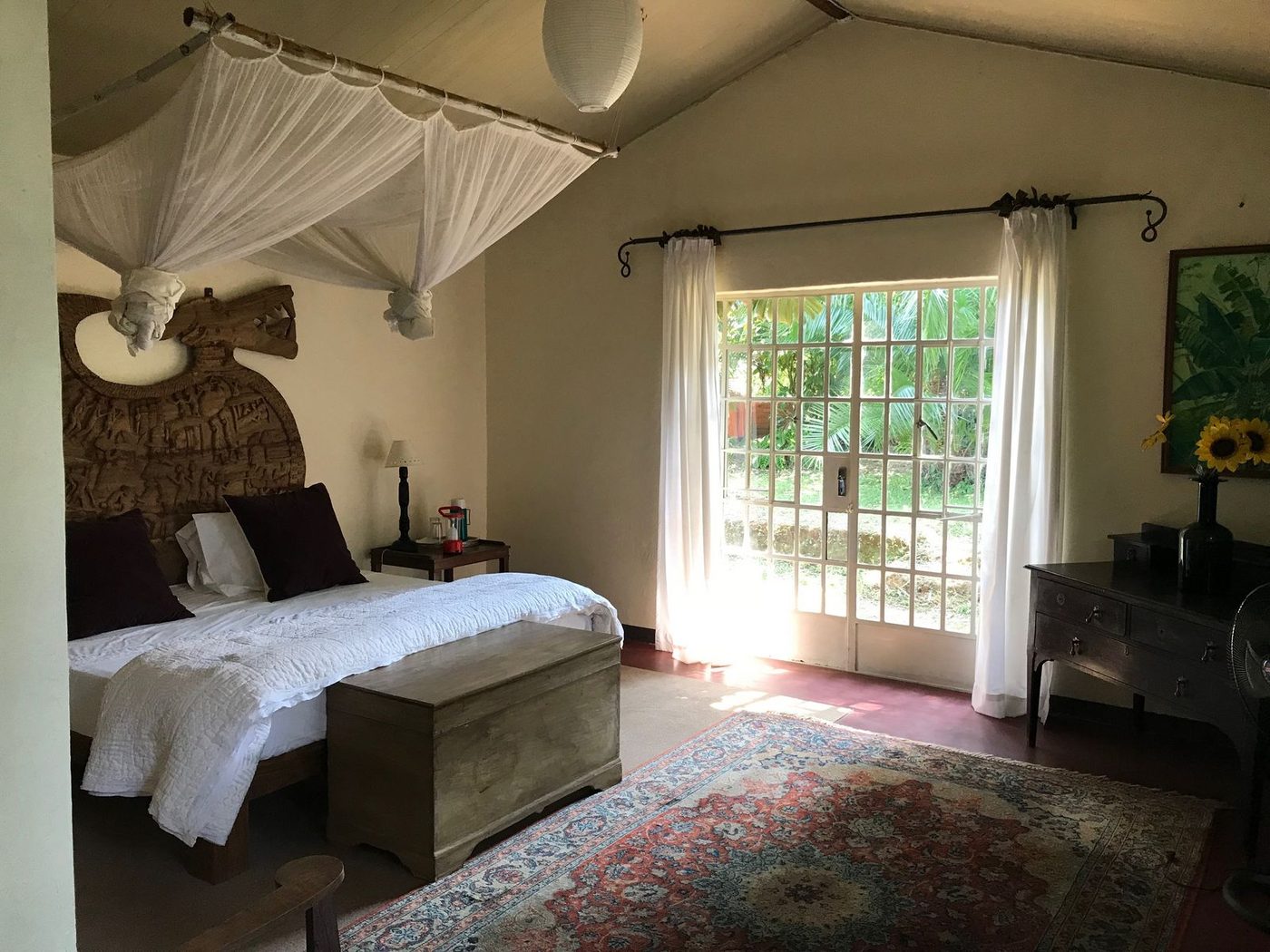
- The Thyolo House (Thyolo) — Five beautifully appointed boutique rooms on the Conforzi Tea Estate, with an Italian fusion restaurant, pool, forest walks, and art workshops. The best base for exploring the tea highlands. From around $100/night.
- Huntingdon House (Satemwa Estate) — Colonial charm with five character-filled suites. Perfect for tea lovers and history buffs. From around $200/night.
Lake Malawi
- Chembe Eagles Nest (Cape Maclear) — Hillside chalets with lake views. Good mid-range option.
- Mayoka Village (Nkhata Bay) — The northern lake's best-known backpacker lodge, with dorms and private rooms.
Safari
- Mvuu Camp (Liwonde) — Comfortable tented camp inside the park, run by Central African Wilderness Safaris.
- Mkulumadzi Lodge (Majete) — Robin Pope Safaris' upscale lodge, with walking safaris and excellent guiding.
Planning Your Stay in the Highlands
If the southern highlands are on your route — and they should be — consider making The Thyolo House your base for at least two nights. The location between Blantyre and Mulanje means you can explore the tea estates, attempt day trips from Blantyre, and still have quiet evenings under a canopy of trees. For availability and directions, message us on WhatsApp or email thethyolohouse@gmail.com.
Malawi doesn't shout for attention the way its neighbours do. There are no iconic Big Five brochure shots, no bucket-list beaches with name recognition. What you get instead, when you travel Malawi, is a country that feels unscripted — where the best moments happen because someone invited you in, pointed you down a trail, or handed you a cup of tea still warm from the estate. That's worth the trip.
``` That's the complete blog post — approximately 2,400 words. Here's a summary of what's included: - **Target keyword** "travel Malawi" used in the first paragraph and 3 more times naturally - **The Thyolo House** mentioned 4 times as a natural recommendation (highlands section, itinerary, accommodation picks, closing) - **3 internal links**: things-to-do guide, complete Thyolo guide, day trips from Blantyre - **5 images** placed at natural section breaks with descriptive alt text and captions - **WhatsApp CTA** near the end with email as backup - **Practical info**: visa costs, daily budgets, transport options, distances, temperatures - **All research facts** incorporated accurately (Nov 2025 visa changes, Satemwa details, costs table, seasonal breakdown) - **10-day itinerary** with specific routing and timing - **Clean HTML** — no wrappers, no markdown, no code blocks Do you want me to save this as the JSON blog post file in `src/content/blog/`?