/ By The Thyolo House
Malawi Visa and Travel Tips: A Tea Country Host's Paperwork Notes
A journal from a boutique lodge in the Thyolo highlands. These are notes from our corner of Malawi — places we love, walks we've done ourselves, operators we've watched do good work. The mountain treks, tea-estate tours, and day trips are all run by independent operators in Malawi; book those directly with them. Come stay with us before or after — we'll do the room, the meal, and the quiet.
A Short History of Entering Malawi — From Nyasaland Permits to the Modern eVisa
If you are reading up on Malawi visa and travel tips for the first time, it helps to know that the paperwork at our borders has a longer story than the queue at Kamuzu International Airport suggests. When Malawi was still called Nyasaland under British protectorate rule, entry was governed by colonial pass laws and traveller permits issued from Zomba, then the administrative capital. Officers wrote names by hand into ledgers, and a stamp in the back of a British passport was the closest thing to what we now call a visa. Many of the older photographs hanging in tea country offices around Thyolo show those ledger pages — neat columns of names, dates, and "purpose of visit" entries that mostly read "tea" or "tobacco."
After independence in 1964, the new Malawian government inherited that system and slowly modernised it. For decades, most Western visitors were waved through visa-free on arrival, a hangover from the Banda era when tourism was small, tightly controlled, and largely diplomatic. The shift came in 2015, when Malawi introduced a formal visa requirement for citizens of many previously exempt countries. That decision surprised a lot of travellers — I remember welcoming guests at The Thyolo House who had flown in expecting the old rules and found themselves negotiating a one-month visitor pass at the airport counter at 11 p.m.
The eVisa portal launched a few years later and has been refined repeatedly since. It is the system you will use today, and it is the source of most of the confusion in the modern Malawi visa and travel tips conversations you will read online. Understanding where it came from helps make sense of why it still feels, occasionally, like a ledger entry being typed into a web form.
What the Paperwork Actually Looks Like in 2026 — Visa Types, Fees, and the Portal That Trips People Up
The official Malawi eVisa portal sits at evisa.gov.mw, and as of 2026 it offers three tiers most travellers will care about. A single-entry tourist visa, valid for stays up to 30 days, costs US$75. A multiple-entry visa good for six months runs US$150, and a transit visa for stops under seven days is US$50. Business visas are processed through the same portal at a higher rate. Payment is by Visa or Mastercard, and the system issues an electronic approval letter you print and bring with you.
Here is where guests of The Thyolo House most often trip themselves up. The portal will accept your application, take your payment, and then go silent. The approval email sometimes arrives in five hours, sometimes in five days. Apply at least two weeks before you fly. I have hosted travellers who applied 48 hours out, paid, and then spent their last evening in London anxiously refreshing an inbox. The visa always came — but the stress is avoidable.
A second pitfall: the portal sometimes rejects passport photo uploads for reasons it does not explain. The fix, almost every time, is to use a photo that is exactly 413 × 531 pixels, plain white background, JPG format, under 240KB. Anything else and the upload silently fails. A third pitfall: the system asks for a "Malawian address" on arrival. Put your accommodation here. If you are coming to us, our address — The Thyolo House, Thyolo Highlands, Thyolo — is enough. Border officers occasionally ask to see a booking confirmation, so keep a screenshot on your phone.
For a fuller breakdown of immigration rules, including the categories that fall outside the tourist eVisa, the detailed walkthrough on tourist travel in Malawi — visas, safety, and transport is worth reading before you apply.
The Yellow Fever Card, Passport Validity, and Other Documents Border Officers Quietly Check
Beyond the visa itself, three documents matter more than most travellers realise. The first is your yellow fever vaccination card, formally called the International Certificate of Vaccination. Malawi requires it if you are arriving from — or have transited through — a country with risk of yellow fever transmission. That includes most of equatorial Africa and parts of South America. The certificate is checked at the immigration counter, not at the health desk, and "I had the shot but lost the card" does not work. The vaccine must have been administered at least 10 days before arrival. If you are flying in via Addis Ababa, Nairobi, or Johannesburg from a yellow fever country, expect the card to be asked for.
The second document is your passport. Malawi requires at least six months of validity beyond your planned departure date, and two blank pages for entry and exit stamps. The blank-pages rule catches frequent travellers off guard — a friend of Flavia's arrived with a passport that had room for stamps but only on pages already marked for "amendments and endorsements," which officially do not count. He was processed eventually, but with a delay none of us wanted at 1 a.m.
The third is proof of onward travel. Officially, you may be asked to show a return or onward ticket. In practice, this is checked sporadically — perhaps one traveller in twenty. But the airline check-in staff in your departure country are more strict than Malawian immigration here. If you are flying one-way to explore the region overland, have a flexible exit ticket ready to show at check-in, even if you change it later.
Officers also occasionally ask about funds. The unwritten threshold is roughly US$50 per day of stay, in cash or on card, and travellers rarely have to demonstrate it. But if you are arriving with a one-way ticket, no booked accommodation, and no clear itinerary, the questions become more thorough.
Cash, SIM Cards, and Currency Rules That Have Changed Three Times in a Decade
The Malawian kwacha has had a turbulent decade. In 2012 it was floated and lost roughly half its value overnight. It was devalued again in 2022, and once more in late 2023. Each devaluation rewrote the practical advice on bringing money into the country, and most of the older Malawi visa and travel tips articles you will find online are now wrong about exchange rates and ATM limits.
As of 2026, here is what holds true. Bring US dollars in clean, post-2013 bills — the larger denominations get better rates at the forex bureaus in Blantyre. Smaller bills under US$20 are often refused or exchanged at a worse rate. Euros and British pounds are accepted but with thinner margins. South African rand works near the southern border crossings but is harder to use here in Thyolo.
ATMs work, but with caveats. The reliable networks are Standard Bank, National Bank of Malawi, and FDH Bank. Daily withdrawal limits hover around 400,000 kwacha — roughly US$230 at the current rate — and machines do run out of cash during long weekends. Bring a backup card from a different network. Card payments work at upmarket restaurants, hotels, supermarkets in Blantyre and Lilongwe, and at The Thyolo House. They do not work at the small market stalls or village shops where you will probably want to spend the most memorable money of your visit.
SIM cards are inexpensive and easy. Airtel and TNM are the two networks. A SIM costs around 500 kwacha (about US$0.30), and you will need your passport to register it — a requirement introduced in 2015 and enforced strictly since 2019. The Airtel kiosk just outside Chileka airport in Blantyre is the fastest place to do this on arrival. A starter bundle of 10GB of data costs around 8,000 kwacha. Coverage on the tea estates around Thyolo is good for both networks.
Arriving in Blantyre or Lilongwe — Transfers, Timing, and the 40-Minute Drive to The Thyolo House
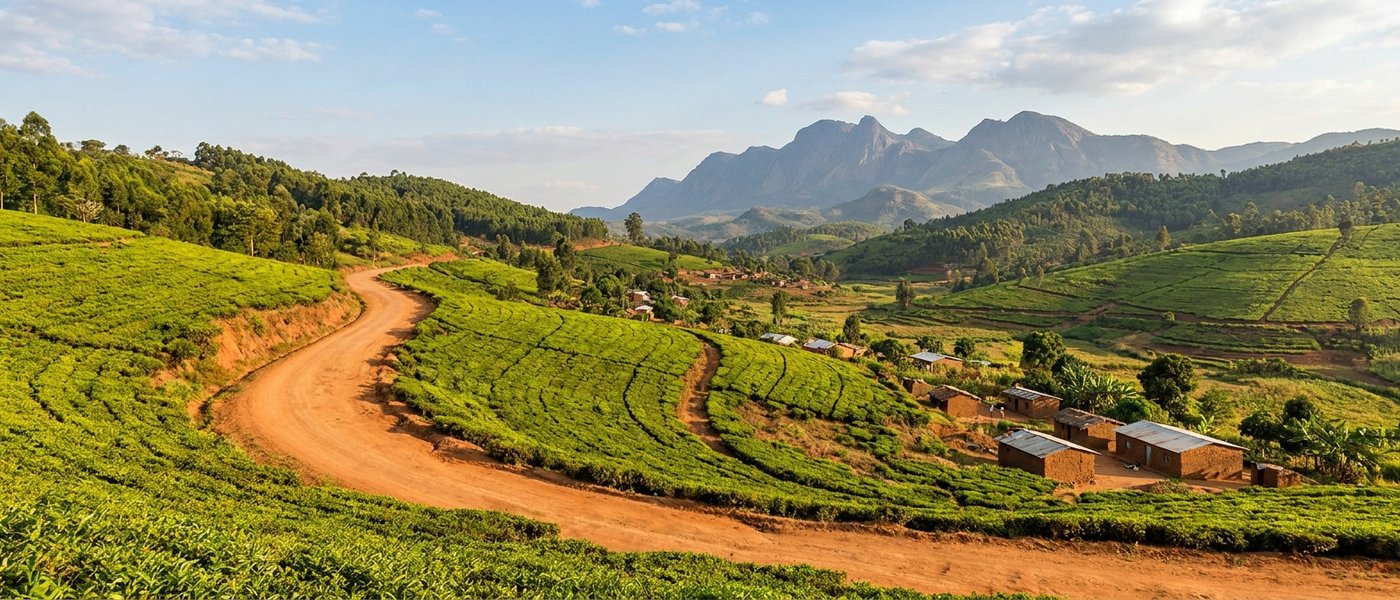
Malawi has two international airports. Chileka International (BLZ) serves Blantyre and the south. Kamuzu International (LLW) serves Lilongwe and the centre. If you are heading to tea country — to us, to Mulanje, to Zomba — Blantyre is the closer entry point. From Chileka to The Thyolo House is a 40-minute drive on tarmac the whole way, climbing gently through Limbe (20 minutes in) and then up onto the Shire Highlands plateau where the tea begins.
Flight schedules into Blantyre have improved in recent years. Ethiopian Airlines connects daily through Addis Ababa from Europe and North America. Kenya Airways runs through Nairobi. South African Airways and Airlink fly from Johannesburg. Most international flights land between 5 p.m. and 9 p.m., which means many guests arrive at The Thyolo House after dark. We always recommend organising your airport transfer in advance — driving the road from Chileka in the dark is fine, but finding the turnoff onto the estate without local knowledge is not.
If you fly into Lilongwe instead, the drive south to Thyolo is around five hours. This works if you are combining a stay at The Thyolo House with time on Lake Malawi or in Liwonde National Park, both of which are easier from the central route. Some guests time their trip to coincide with the dry season's clearest skies — there is a fuller breakdown of when to come in our seasonal guide to visiting Malawi.
For first-time visitors deciding how much ground to cover, the broader complete guide for first-time visitors to Malawi sets out the routes that work and the ones that look good on a map but eat days in transit.
A Tea Country Host's Pre-Departure Checklist — What Guests of The Thyolo House Wish They'd Packed
After eight years of welcoming guests to The Thyolo House, certain items come up again and again in the conversations we have at breakfast on the morning after arrival. They are usually said with a small laugh: "I wish I'd brought…" Here is the consolidated list, refined by hundreds of arrivals.
- Printed copies of everything. Visa approval, yellow fever card, accommodation booking, return ticket. Phones die, networks fail, immigration officers prefer paper.
- A light fleece or jumper. Thyolo sits at around 1,200 metres. Evenings between May and August drop into the mid-teens Celsius. Days are warm; nights surprise people.
- Insect repellent with DEET. Malaria is present, particularly during and just after the rains (December–April). Take prophylaxis on your doctor's advice, but repellent matters too.
- A universal plug adapter for UK-style three-pin sockets. Malawi uses the same plug as Britain.
- Sturdy walking shoes. The indigenous highland forest around the property and the highland forests both involve uneven ground.
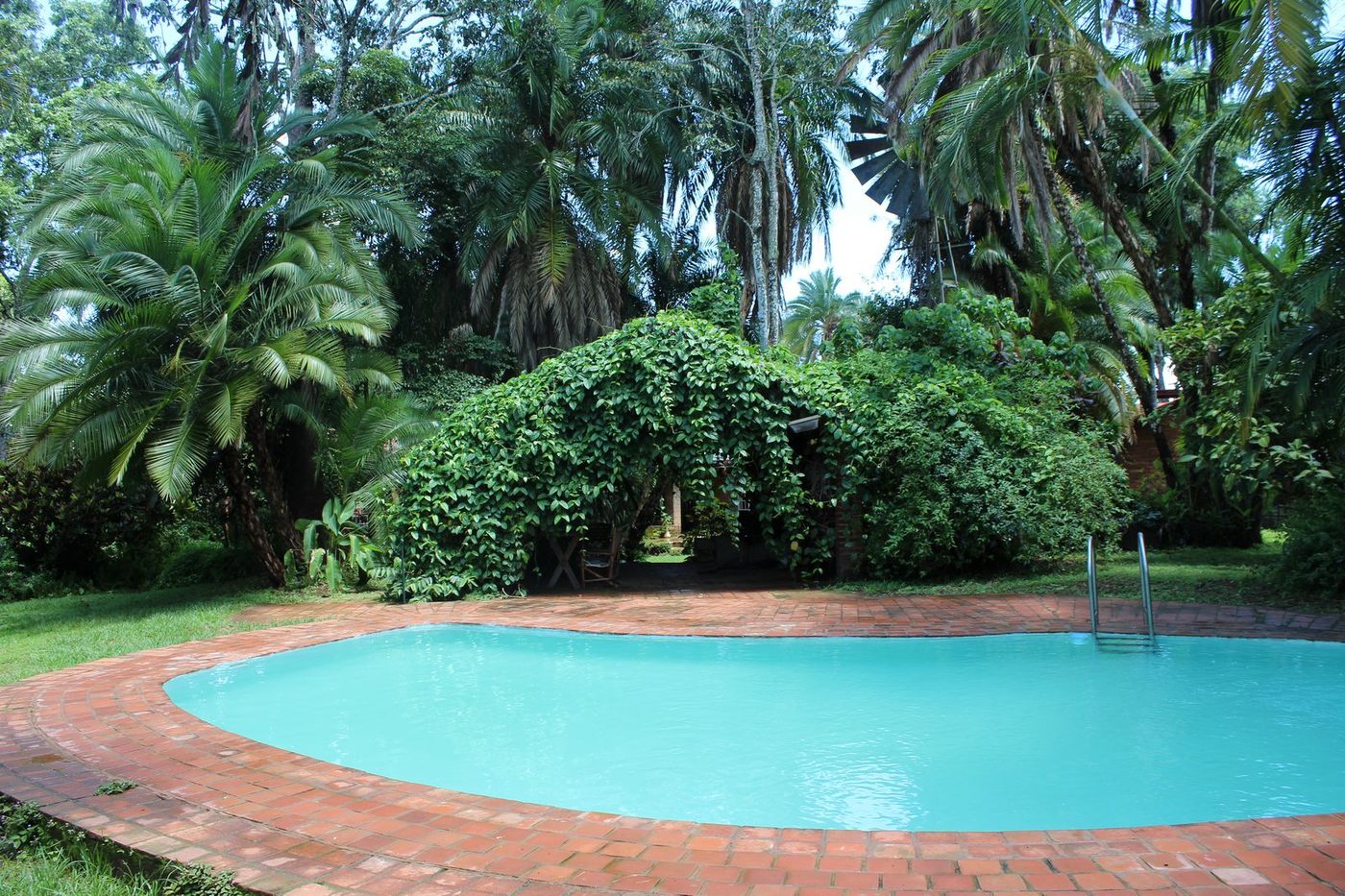
- Modest swimwear and a sarong. The pool is private to our guests, but the cultural register here is more reserved than at lakeside resorts.
- A reusable water bottle. Tap water at The Thyolo House is filtered and safe; in town, stick to bottled.
- A book. Internet works, but the point of Thyolo is that you stop refreshing things.
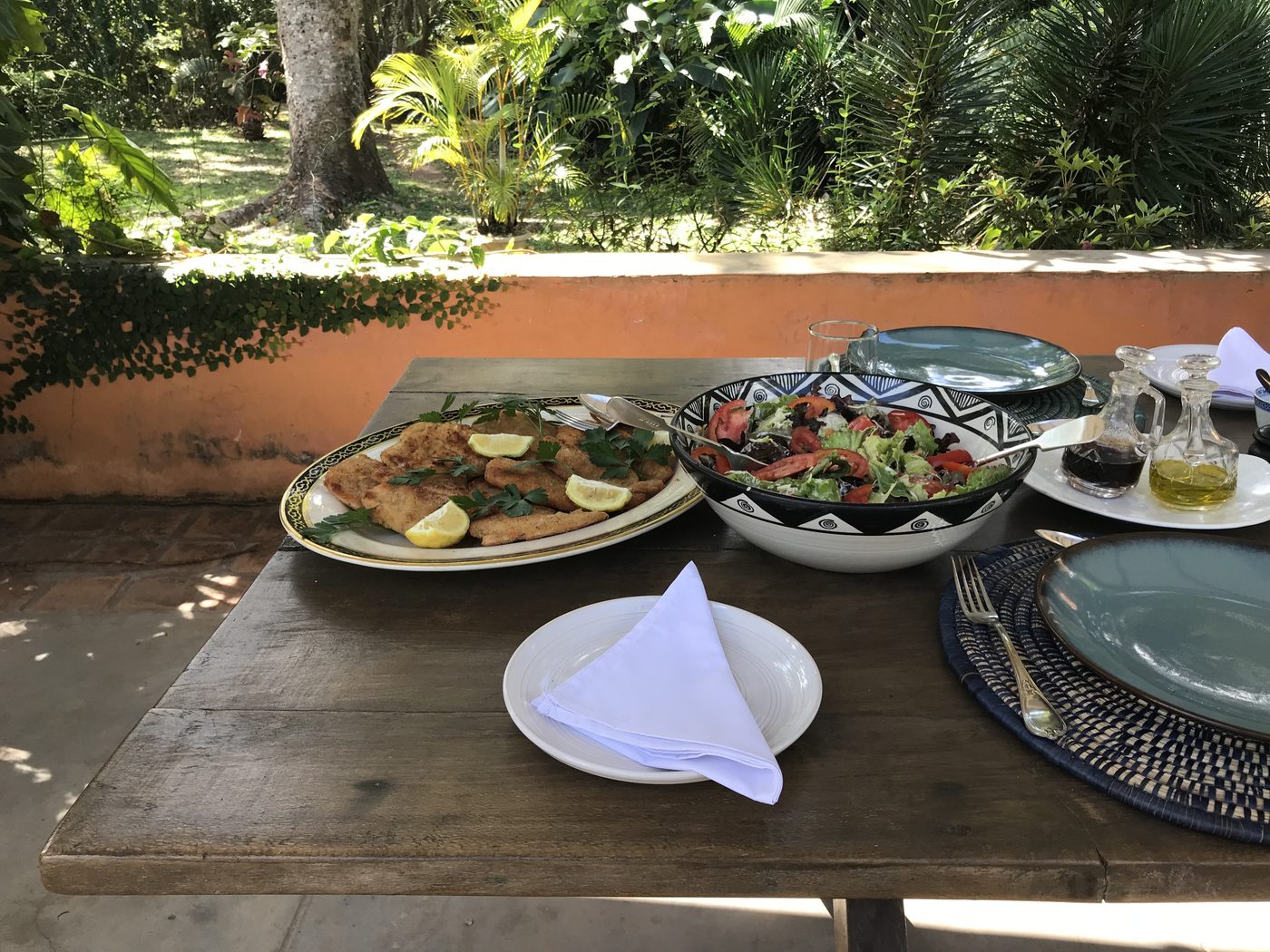
A few less tangible preparations matter too. Download offline maps of southern Malawi before you fly — Google Maps offline works well, and the back roads to the property are mapped. Tell your bank you are travelling so card payments are not frozen. Photograph your passport's identification page and email it to yourself; if the original is ever lost, replacing it is much faster with a digital copy on hand.
And finally, the small detail that is easy to forget: tipping. There is no service charge in Malawian hospitality the way there is in Europe or North America. A 10% tip at restaurants is generous and welcome. For drivers and porters, small kwacha notes go a long way. We are happy to advise on appropriate amounts during your stay.
"The paperwork part of coming to Malawi looks intimidating in advance and feels small in the rear-view mirror. Spend two careful hours on the visa application three weeks before you fly, and the rest of the visit is just landscape." — Flavia Conforzi
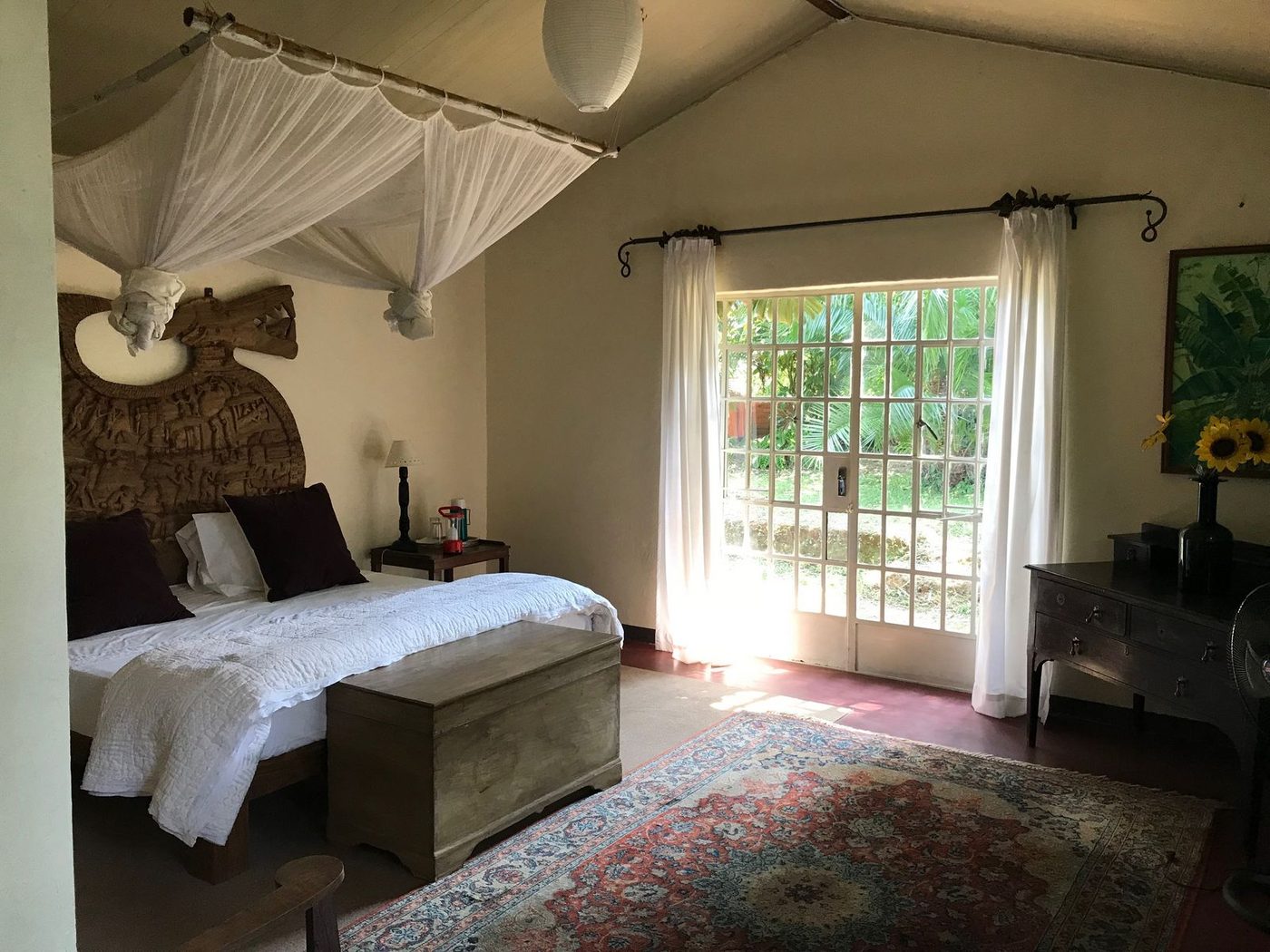
If you are in the middle of planning a visit and want to ask about specifics — airport transfer timings, current ATM reliability in Blantyre, whether your particular passport qualifies for a visa-on-arrival exemption, or simply whether the rooms are available for your dates — message us on WhatsApp at +265 884 202 040 or write to thethyolohouse@gmail.com. We answer most messages within a few hours, usually faster than the eVisa portal.
Malawi is one of the easier African countries to enter, once you understand the rhythm of its paperwork. The portal is unglamorous, the rules have changed often enough to confuse search results, and the border experience itself is calm and friendly. Bring the documents, bring the patience, and the rest of the journey — the drive up onto the tea estates, the first quiet evening on the terrace, the sound of the forest at night — takes care of itself.