/ By The Thyolo House
Tourist Travel Malawi: Visas, Safety & Transport Guide
Planning tourist travel to Malawi is one of those quietly brilliant decisions that rewards you with empty trails, genuine hospitality and a country that hasn't yet been packaged for the masses. But "undiscovered" also means practical information can be patchy. This guide covers the essentials — visas, safety, transport, money and where to base yourself — so you can stop researching and start packing.
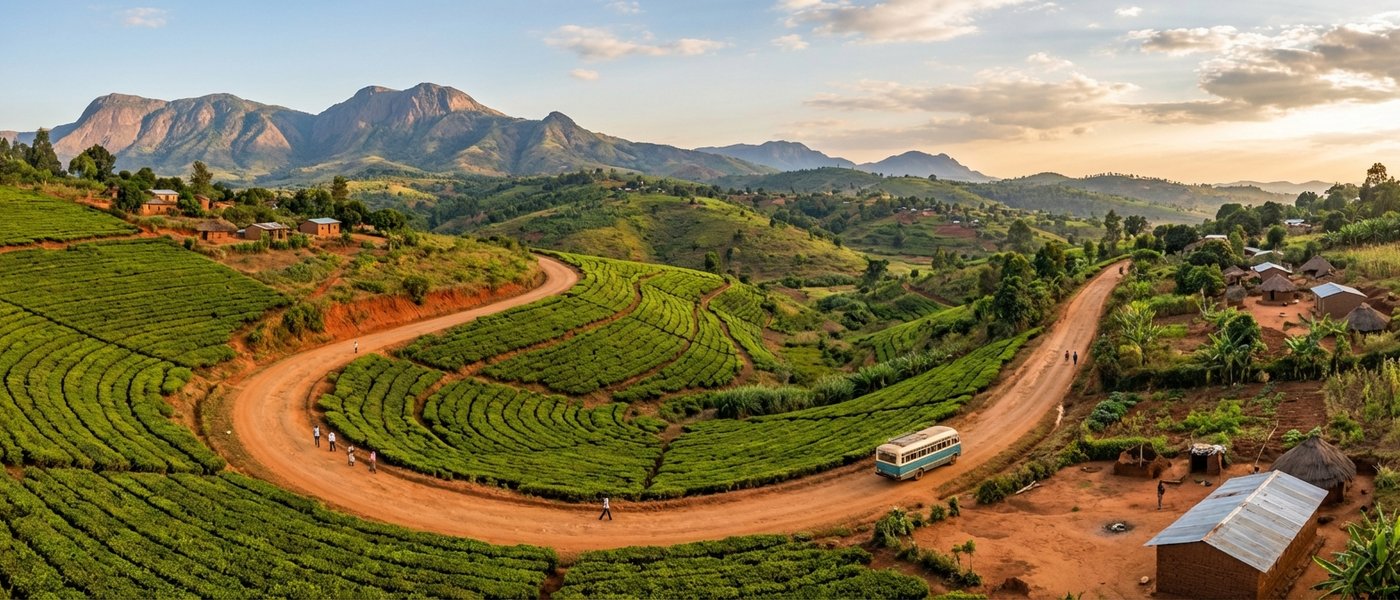
Whether you're drawn by Lake Malawi's beaches, the newly UNESCO-listed Mount Mulanje, or the tea-draped hills of the Southern Highlands, the advice below applies across the board. We've focused especially on the south, because that's the region we know best — and the one most tourists overlook.
Do You Need a Visa? Entry Requirements for Malawi
Malawi revised its visa regime in January 2026, and the changes caught some travellers off guard. The short version: most nationalities now need a visa. Countries in the same regional blocs as Malawi, or those whose governments don't require visas for Malawian citizens, are generally exempt.
The e-visa system
The preferred route is the e-visa portal at evisa.gov.mw. Apply at least two weeks before travel. Fees range from USD $50 to $250 depending on visa type and duration. Visas on arrival are still technically available for most nationalities, but queues can be long and approval isn't guaranteed — the e-visa removes that uncertainty.
US citizens — a special case
Americans don't need a visa for stays under 30 days, but you will pay an entry fee of $50 per adult and $25 per child at immigration. Bring US dollars in cash. Card machines at the border and airport are unreliable, and this isn't a fee you can talk your way around.
Health requirements
A yellow fever vaccination certificate is required if you're arriving from or transiting through a yellow fever–endemic country. The vaccine must have been administered at least 10 days before arrival. Malaria prophylaxis is strongly recommended — Malawi is a high-transmission country year-round, particularly in the lowlands. Consult a travel clinic before departure.
For a deeper dive into planning your first trip, see our complete guide for first-time visitors to Malawi.
Getting to Malawi — Flights, Borders & Airport Transfers
Malawi has two international airports: Kamuzu International Airport (KIA) near Lilongwe in the centre, and Chileka International Airport (BLZ) near Blantyre in the south. If your focus is the Southern Highlands, Lake Malawi's southern shore, or wildlife reserves like Liwonde and Majete, fly into Chileka — it saves you 4–5 hours on the road.
International connections
Direct flights serve Malawi from Johannesburg (South African Airways, Airlink), Nairobi (Kenya Airways), Addis Ababa (Ethiopian Airlines) and Dar es Salaam. Ethiopian offers the widest global connections through its Addis hub. Expect to pay USD $400–$800 return from Johannesburg, more from Europe or North America via connections.
Overland crossings
Common land borders include Mwanza (from Mozambique, south of Blantyre), Dedza and Mchinji (from Mozambique and Zambia respectively), and Songwe (from Tanzania in the north). The Mwanza border is the most relevant for Southern Highlands travellers coming from Mozambique — it's roughly two hours from Mulanje.
Airport transfers
Neither airport has a functioning ride-hail app you can rely on. Pre-arrange transfers through your accommodation. From Chileka Airport, it's approximately 40 minutes to Blantyre city centre, another 20 minutes to Limbe, and about 90 minutes to Thyolo. Most hotels will organise a driver; expect to pay MWK 40,000–80,000 (roughly $25–$50) depending on distance.
Getting Around — Buses, Car Hire & Private Drivers
Transport is where tourist travel in Malawi diverges sharply from East Africa or Southern Africa. There's no reliable rail network, domestic flights are limited and expensive, and road quality varies from excellent (the M1 highway) to deeply questionable (most secondary roads, especially in the rains).
Public minibuses
The backbone of Malawian transport. Minibuses run fixed routes between major towns and are extraordinarily cheap — Blantyre to Thyolo costs around MWK 3,000 (under $2). The trade-offs are real: they leave when full, not on schedule; they're crowded; and driving standards are poor. Fine for short hops in daylight, not recommended for long distances or after dark.
Car hire
Self-driving is possible but comes with caveats. Hire from a reputable Blantyre-based agency (SS Rent a Car and Avis both have offices). Expect to pay $60–$120/day for a decent vehicle. A 4x4 is essential if you plan to go beyond tarred roads — and in the Southern Highlands, you will. Drive on the left. Fuel stations are generally available in towns but can be scarce in rural areas; fill up when you can.
Private drivers
For most tourists, this is the sweet spot. A private driver with vehicle typically costs $80–$150/day depending on distance and vehicle type. Your accommodation can usually arrange one. The advantages are significant: local road knowledge, no navigation stress, flexibility to stop, and someone to watch the vehicle while you're hiking or exploring.
Between the highlights
Key distances from Blantyre: Thyolo (45 min), Mulanje town (90 min), Liwonde National Park (2.5 hrs), Zomba Plateau (1.5 hrs), Cape Maclear on Lake Malawi (4 hrs). From Thyolo, Mount Mulanje is just 20 minutes away — which is one reason the area works so well as a base.
Is Malawi Safe for Tourists? An Honest Assessment
Malawi has long carried the nickname "The Warm Heart of Africa," and it's earned. Violent crime against tourists is rare, and the general atmosphere is welcoming in a way that feels genuine rather than performative. That said, no country is without risk, and honesty serves you better than cheerleading.
What's genuinely safe
- Daytime travel between towns on main roads is generally trouble-free
- Tourist areas — lakeshore lodges, national parks, the Southern Highlands — have very low crime rates
- Solo female travellers report positive experiences, though the usual precautions apply
- Political stability is solid by regional standards; Malawi has a strong democratic tradition
What to watch for
- Petty theft in Blantyre and Lilongwe — don't flash electronics or leave bags unattended
- Night driving — avoid it. Unlit vehicles, pedestrians on roads, and potholes make it dangerous
- Lake Malawi — bilharzia (schistosomiasis) is present; swim in known-safe areas and take prophylaxis if exposed
- ATM safety — use machines inside banks during business hours, not standalone units at night
The honest assessment: Malawi is one of the safer countries in sub-Saharan Africa for tourists. Common sense and basic precautions go further here than in many destinations.
Money, SIM Cards & Practical Essentials
Currency and cash
The Malawi Kwacha (MWK) is the local currency. As of early 2026, USD $1 buys roughly MWK 1,700–1,800. Bring US dollars in good condition (post-2006 notes, no tears or marks) — they're the most widely accepted foreign currency and essential for visa fees.
ATMs are available in Blantyre, Lilongwe, and larger towns. National Bank of Malawi and Standard Bank ATMs are the most reliable. Withdraw in Kwacha; daily limits are typically MWK 100,000–200,000. Cards (Visa more widely accepted than Mastercard) work at upmarket hotels and restaurants but not at markets, minibus stations, or smaller shops. Carry cash outside cities.
SIM cards and connectivity
Pick up a TNM or Airtel SIM at the airport or any town — they cost virtually nothing. Data bundles are cheap: 5GB for around MWK 5,000 ($3). 4G coverage is decent in towns and along major roads. In the highlands around Thyolo and Mulanje, coverage can be patchy off main routes. Most tourist accommodations offer Wi-Fi.
Power and plugs
Malawi uses the UK-style Type G plug (three rectangular pins). Bring an adapter. Power cuts are common — most lodges and hotels have backup generators or solar, but charge your devices when you can.
What to pack
- Layers — the Southern Highlands sit at 800–1,200m elevation; mornings and evenings are cool (15–18°C in winter)
- Sturdy shoes — essential for Mulanje hikes, useful everywhere
- Rain jacket — November to April is wet season
- Sunscreen and insect repellent — both harder to find locally in quality brands
- A headlamp — for power cuts and evening walks on unlit paths
Best Regions to Base Yourself as a Tourist
Most tourist travel in Malawi follows one of three corridors: the lakeshore, the central plateau around Lilongwe, or the south. Each has its strengths.
Lake Malawi (Cape Maclear, Nkhata Bay, Likoma Island)
The classic choice. Crystal-clear freshwater, snorkelling among cichlid fish, beach bars, kayaking. Cape Maclear is the most accessible from the south (4 hours from Blantyre). Nkhata Bay is the backpacker hub in the north. Likoma Island is remote and magical.
Central Malawi (Lilongwe, Nkhotakota)
Less touristy, more functional. Lilongwe is the capital and main gateway. Nkhotakota Wildlife Reserve, managed by African Parks, is an emerging safari destination. This corridor works for travellers combining Malawi with Zambia.
Southern Highlands — the underrated choice
This is where the density of experiences per kilometre is highest, and where most tourists spend too little time. Within a 90-minute radius of Thyolo, you have:
- Mount Mulanje — freshly inscribed as a UNESCO World Heritage Site (2025), recognised for its cultural traditions and spiritual significance. New hiking trails and sustainable tourism initiatives are expanding. The mountain is a key biodiversity hotspot, home to endemic species like the Thyolo alethe and white-winged apalis.
- Liwonde National Park — Malawi's premier safari destination along the Shire River, with over 12,000 large animals including reintroduced cheetahs, lions, black rhinos, and African wild dogs. River cruises here rival anything in Botswana at a fraction of the cost.
- Majete Wildlife Reserve — a Big Five reserve transformed by African Parks, less visited and more intimate than Liwonde
- Zomba Plateau — the old colonial capital, with garden paths and panoramic views
- Thyolo's tea country — rolling hills carpeted with tea estates established over a century ago, plus the Thyolo Forest Reserve, one of Malawi's last patches of lowland rainforest
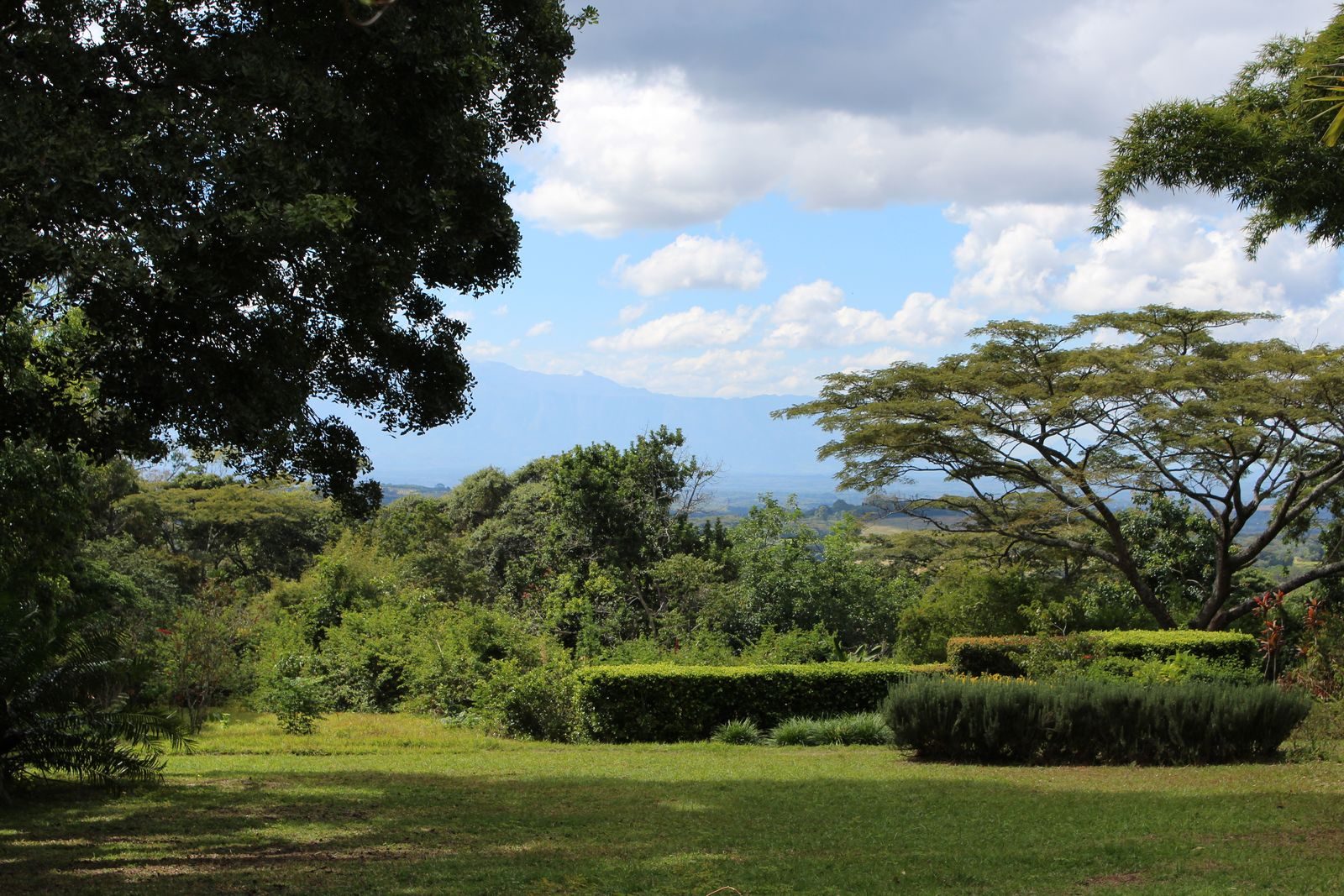
The Southern Highlands work particularly well as a base because everything is close. You're not spending half your holiday on transfer days. From a base in Thyolo, Mulanje is 20 minutes away, Blantyre is 40 minutes, Liwonde is under three hours, and even Lake Malawi is a manageable independent visit.
Our 10-day Southern Highlands route maps out exactly how to connect these destinations without backtracking.
Where we come in
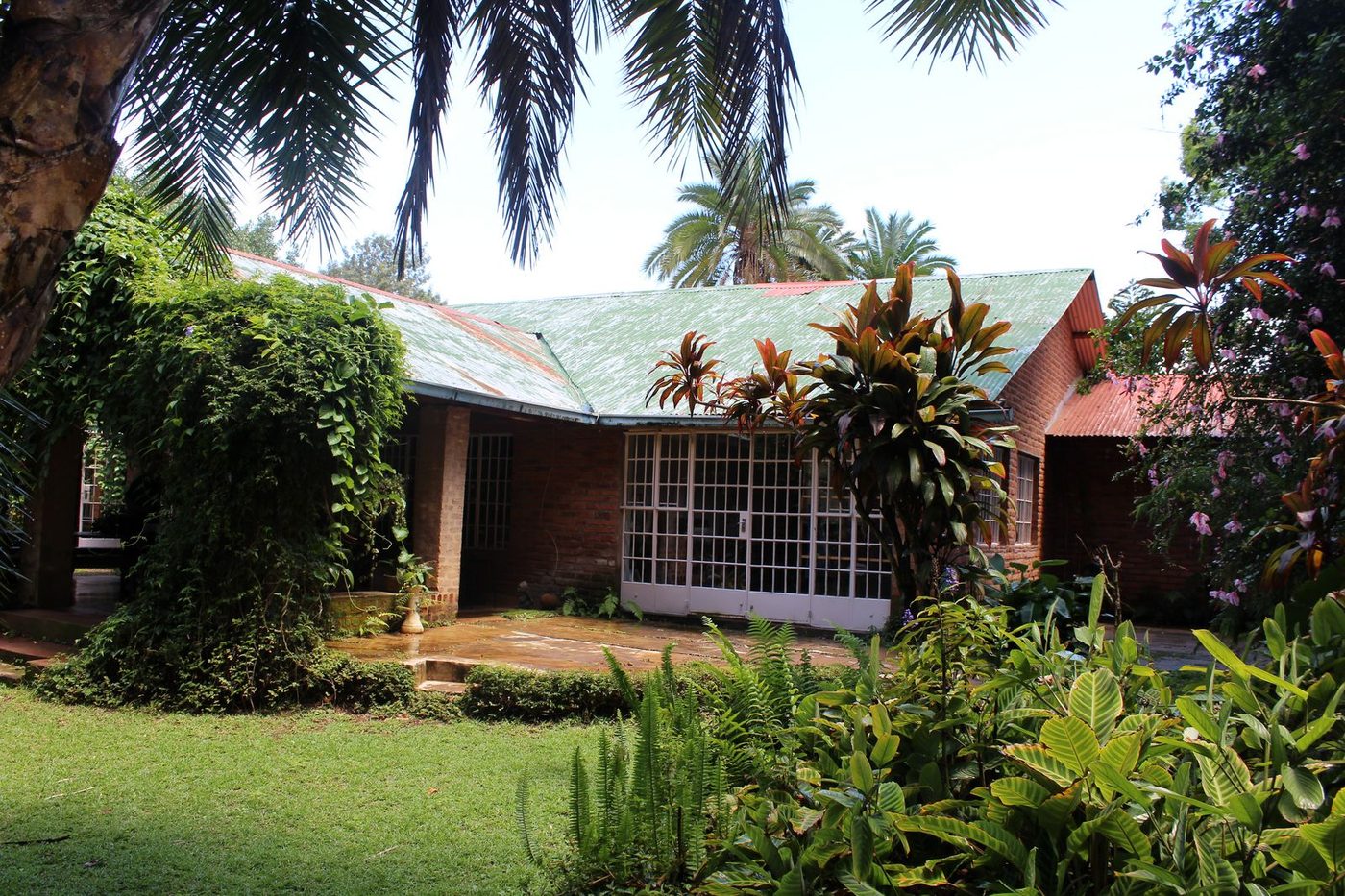
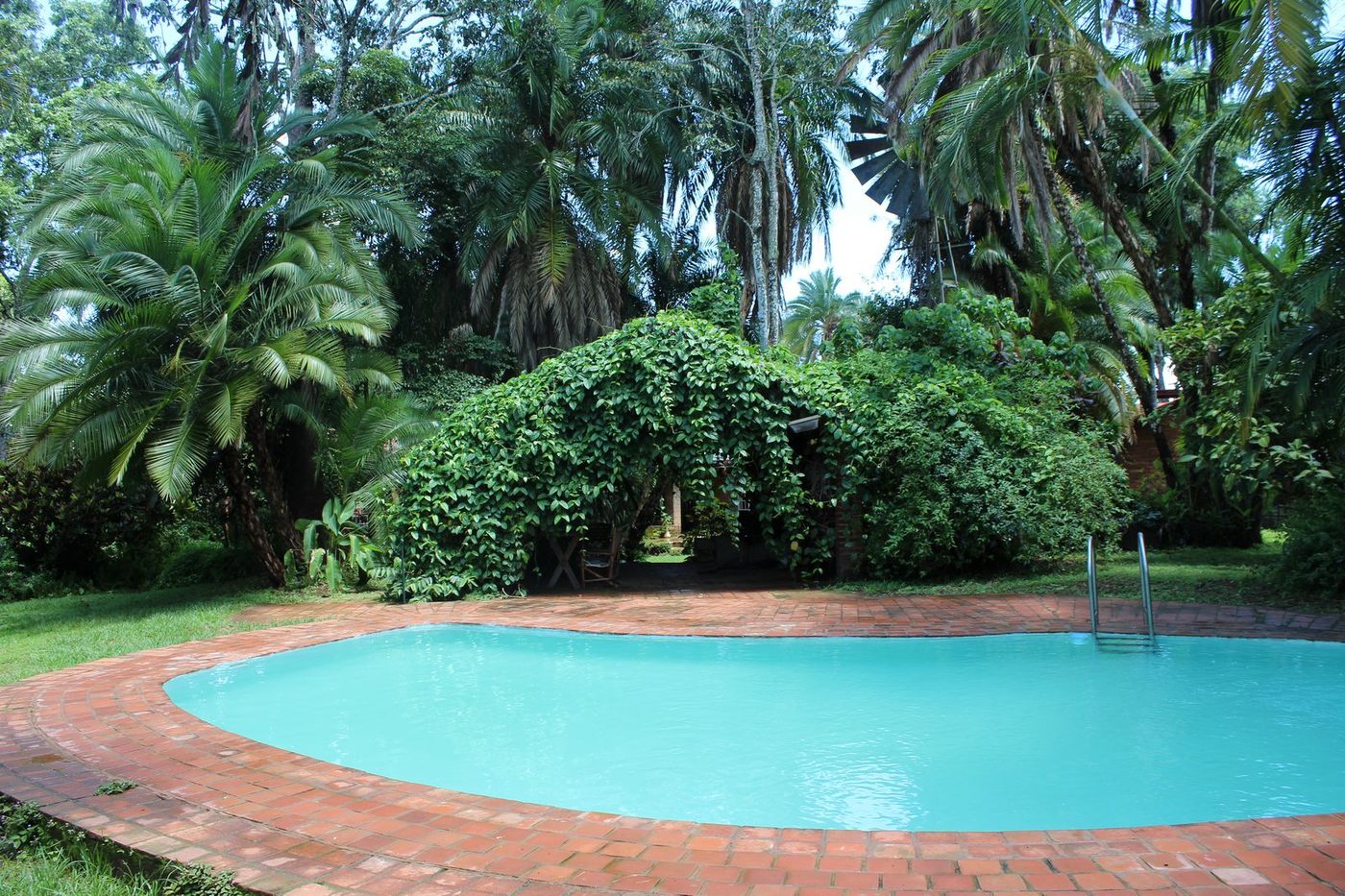
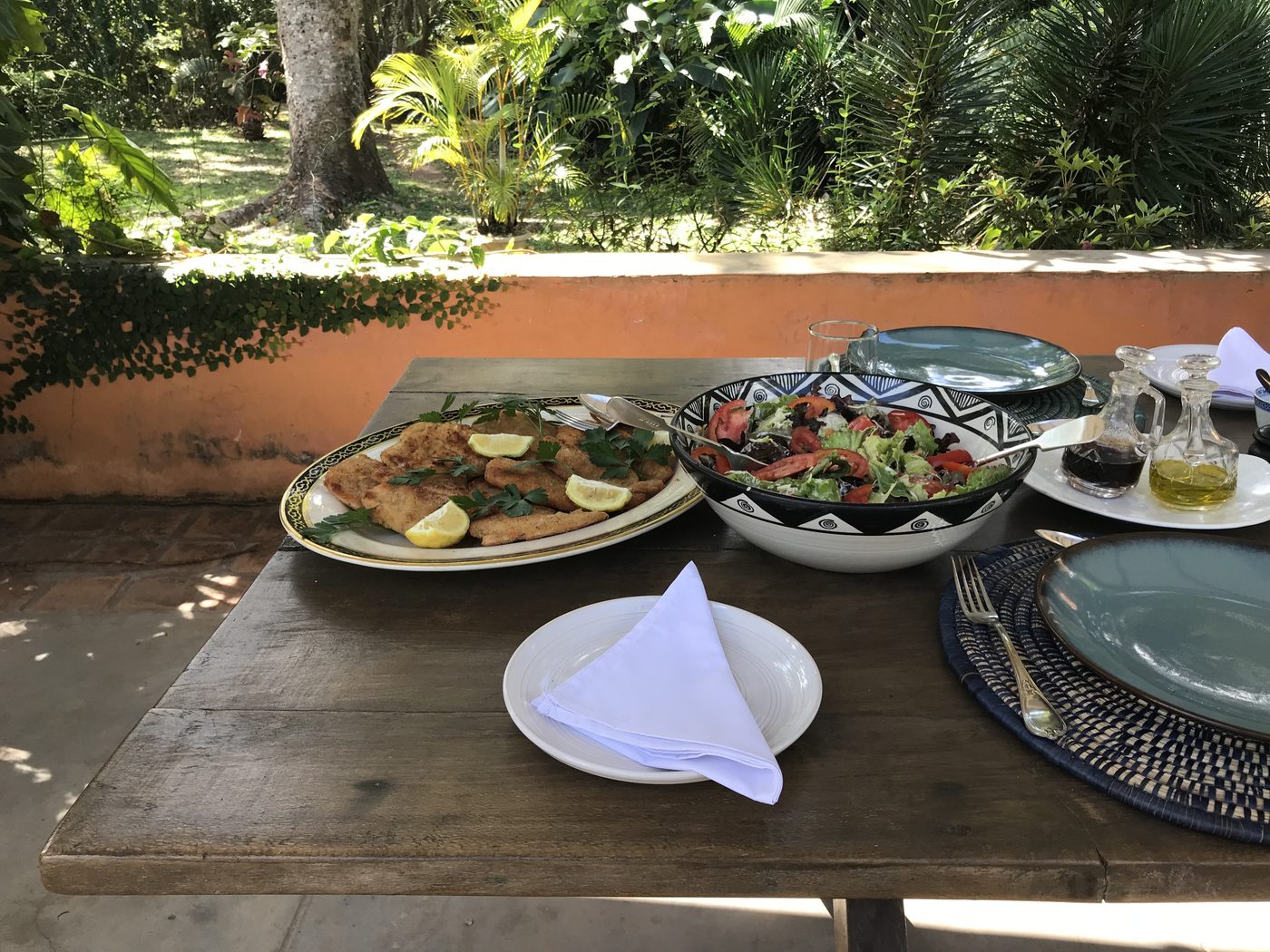
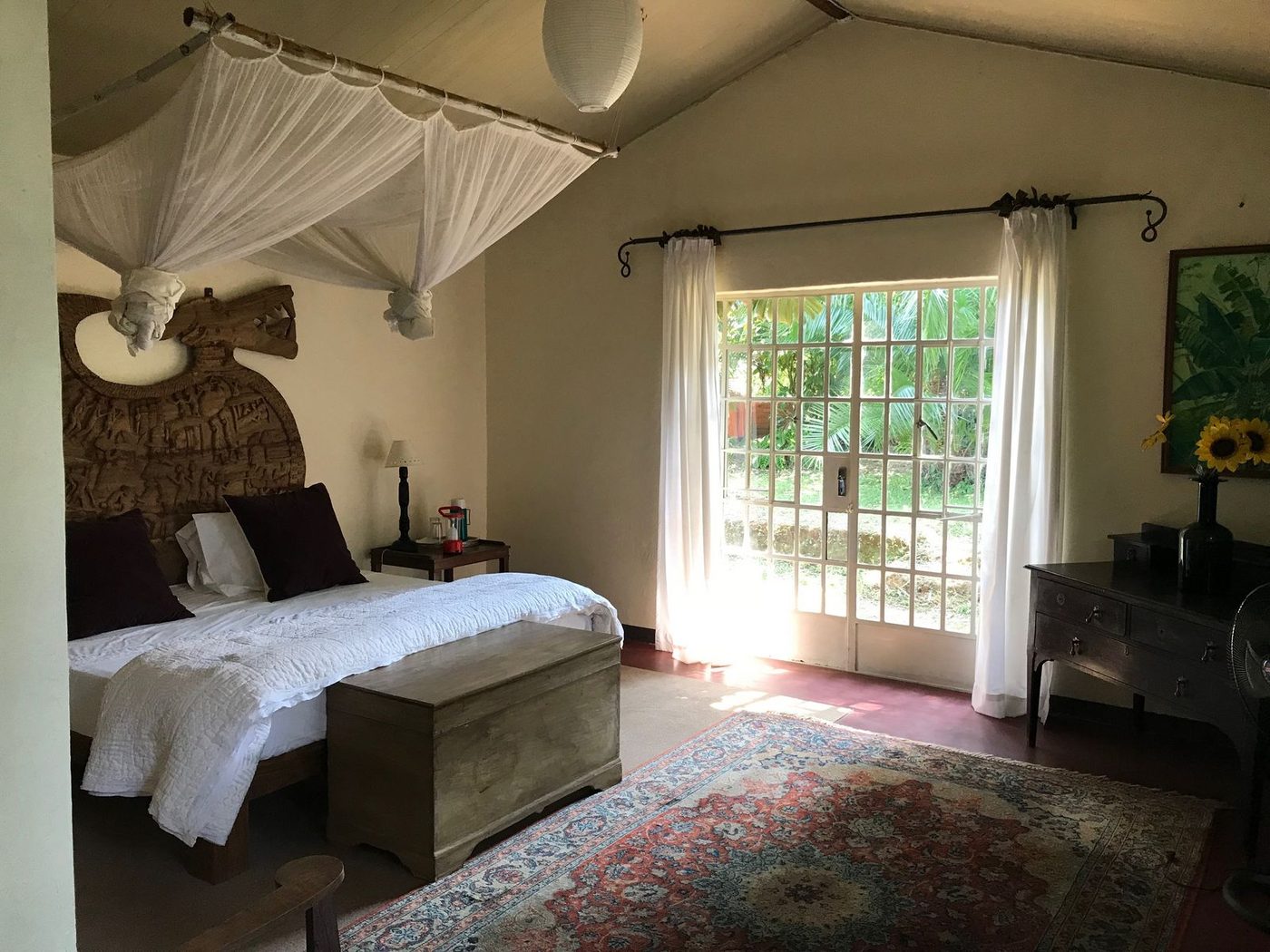
The Thyolo House sits on a historic property that was once part of the Conforzi Tea Estate in the heart of Thyolo district — five boutique rooms, an Italian-Malawian fusion restaurant using garden-grown ingredients, and the kind of quiet that makes you wonder why you ever stayed in a city hotel. Owner Flavia Conforzi, an Italian-Malawian artist, has restored the property with a sensibility that balances heritage with comfort. Between the rooms, the highland forests, Highland Forests, and art workshops, most guests find that the estate itself fills at least a full day — and the pool fills the afternoons.
When to Visit — Seasons, Crowds & Costs
Malawi's seasons break into three broad periods, each with trade-offs for the tourist.
Dry season (May–October)
The peak window. Clear skies, cool mornings in the highlands (bring layers), excellent wildlife viewing as animals concentrate around water sources. June–August is the coolest period — perfect for hiking Mulanje. September–October heats up but offers the best game viewing. This is high season: book accommodation and park permits in advance.
Green season / wet season (November–April)
Hot and humid in the lowlands, with afternoon thunderstorms most days. The landscape is spectacularly green. Birdwatching peaks with migratory species. Prices drop 20–40% at most lodges. Some roads become impassable, particularly in Liwonde and around Mulanje's lower trails. The Southern Highlands handle the rains better than the lakeshore — Thyolo's elevation keeps things comfortable, and the tea estates are at their most photogenic.
Shoulder months (April–May, October–November)
Often the best compromise. The rains taper off in April, the landscape is still green, and crowds haven't arrived. October offers great wildlife viewing before the rains begin. Prices are moderate.
A Sample Week for the Practical Tourist
Here's how a week might look if you're basing yourself in the Southern Highlands — realistic pacing, not a forced march. For a detailed day-by-day version, see our 7-day Malawi itinerary.
Days 1–2: Arrive and settle in Thyolo
Fly into Chileka, transfer to Thyolo (90 minutes). Spend the first afternoon recovering from travel — the pool and garden at The Thyolo House exist for exactly this purpose. Day two, explore the tea estates: view the working tea landscape from permitted placess, visit the Thyolo Forest Reserve for birding (the Thyolo alethe, an endangered endemic, is the prize sighting), and have a long lunch.
Day 3: Mount Mulanje
Twenty minutes from Thyolo to the mountain. Choose your ambition: the Likhubula Falls trail for an easy half-day, or the Skyline Path for something more demanding. Guides are available (and recommended) at the Likhubula Forest Lodge gate. Return to Thyolo for dinner — after six hours on a mountain, Flavia's kitchen is exactly what you need.
Days 4–5: Liwonde National Park
Drive to Liwonde (2.5 hours from Thyolo). Two nights gives you a sunset river cruise, a morning game drive, and a bush walk. The Shire River boat safari is the highlight — hippos, crocodiles, elephants on the banks, and some of the best birding in southern Africa. African Parks has transformed this reserve; the wildlife density is genuinely impressive.
Day 6: Zomba Plateau or Majete
On the return from Liwonde, detour to Zomba Plateau (1 hour from Liwonde) for garden paths and views, or push south to Majete Wildlife Reserve for a Big Five half-day. Both connect easily back to Thyolo by evening.
Day 7: Departure
A final morning in the highlands — breakfast in the garden, last swim, perhaps one of Flavia's art workshops if the timing works. Transfer to Chileka for your flight, or continue to Lake Malawi if your visit extends further.
Planning your visit
Tourist travel to Malawi rewards the slightly adventurous — the traveller who doesn't need everything polished but wants it genuine. The infrastructure is simpler than Kenya or South Africa, the tourist trail is thinner, and that's precisely the point. You'll share Liwonde's riverbank with a handful of boats instead of a flotilla. You'll hike Mulanje without passing another group all morning. You'll sit on a tea country veranda and hear nothing but birds.
If the Southern Highlands are on your route — and they should be — we'd love to host you. The Thyolo House has five rooms, a restaurant that punches above its weight, and a location that puts Mulanje, Liwonde, and Blantyre all within easy reach. Message us on WhatsApp to check availability or ask anything about planning your time in the region. We've been answering these questions for years, and we genuinely enjoy it.
For more detailed planning, start with our complete first-time visitor guide, then map your days with our 7-day itinerary or the 10-day Southern Highlands route.