/ By The Thyolo House
Mulanje Tea Estates: A Listicle of 7 Worth Slowing Down For
A journal from a boutique lodge in the Thyolo highlands. These are notes from our corner of Malawi — places we love, walks we've done ourselves, operators we've watched do good work. The mountain treks, tea-estate tours, and day trips are all run by independent operators in Malawi; book those directly with them. Come stay with us before or after — we'll do the room, the meal, and the quiet.
Why the Mulanje tea estates deserve a slower visit (not a drive-by)
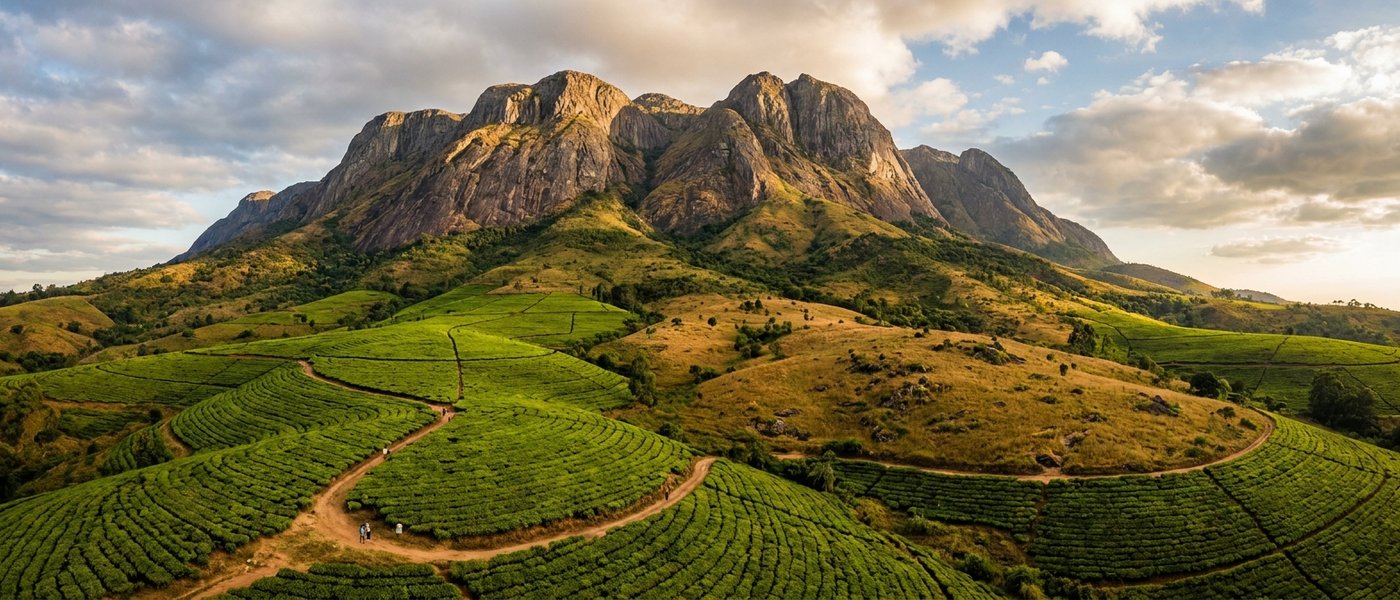
Most travellers see the Mulanje tea estates the way you see a film through a train window — a green blur on the road between Blantyre and the mountain, broken up by women in bright chitenjes carrying baskets on their heads, and the occasional factory chimney rising above the bushes. Then they keep driving toward Likhubula, climb Sapitwa, and head home. They miss the point. The Mulanje tea estates are not scenery; they are a working, century-old agricultural landscape that quietly produces about 9% of Malawi's foreign exchange, shelters some of the country's last fragments of indigenous forest, and — since UNESCO inscribed Mount Mulanje as a Cultural Landscape on 11 July 2025 — sit on the doorstep of a World Heritage Site.
The Thyolo House is a five-room boutique hotel and Italian fusion restaurant on a historic property that was once part of the Conforzi Tea Estate. The wider Thyolo and Mulanje highlands reward visitors who slow down, but external estate visits must be arranged directly with the relevant estates or operators. Below is an editorial list of seven Mulanje tea estates worth visiting properly — what to see at each, what to notice, what they're actually good for, and how to thread them into a two-day independent visit you can run from a single base.
1. Thyolo Highlands — the 100-year-old Italian family property where The Thyolo House sits
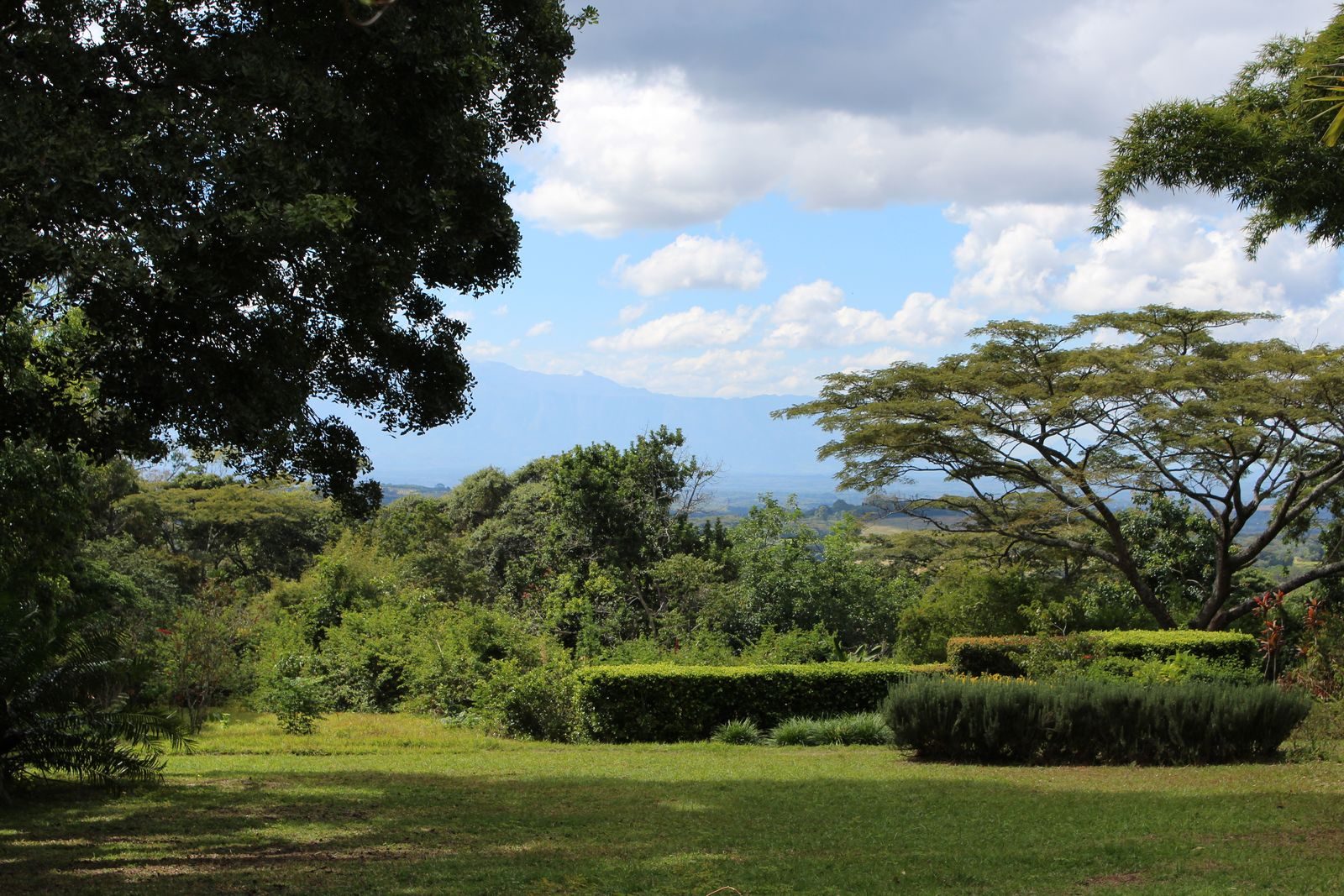
Conforzi is a useful place to start because it answers a question most people have about the Mulanje tea estates without realising it: who actually owns these places, and what's their story? Conforzi was founded in the 1920s by an Italian family — the Conforzi family — and a century later it is still privately owned and still family-run. That continuity is rare. Most of the estates around Mulanje passed through colonial hands, then nationalisation, then various corporate restructurings; Conforzi simply kept growing tea, macadamia, and coffee, and kept its indigenous forest reserve intact on the upper slopes.
What to do here: stay in the highlands, enjoy the gardens, and eat. The gardens and forest-edge paths around the boutique rooms give you the highland atmosphere without assuming access to working fields. In the wider district, picking happens almost year-round and peaks in the rains (December–April), and at 6am the women's voices can carry across the valley before the sun crests the ridge. For the full history, this piece on the story of the Thyolo Highlands goes deeper than I can here.
2. Lujeri Tea Country — Mulanje's biggest factory visit arranged directly with the estate and the easiest first stop
If Conforzi is the family story, Lujeri is the industrial one. Lujeri sits at the southern foot of Mount Mulanje, in the Mulanje district proper, and it is the estate most travellers actually visit because visitor access is relatively well organised and they have a small reception set up for visitors. You can walk the manicured gardens (Lujeri's flower beds and lawns are famously photogenic), learn about the working tea landscape if the estate has confirmed visitor access directly.
Lujeri is owned by PGI (the same group that holds plantations elsewhere in southern Africa) and the operation is significantly larger than Conforzi. The visitor access is best confirmed a day or two ahead — phone or WhatsApp the estate office and confirm. Cost is usually modest (around K5,000–K10,000 per person depending on group size) and includes a visit at the end. The drive from Thyolo to Lujeri takes about an hour, mostly on the M2 then the road that hugs the southern edge of Mulanje.
3. Eastern Produce Malawi (Esperanza & Mini Mini) — the working giants on the Mulanje side
Eastern Produce Malawi (EPM) is the largest tea producer in the country. They operate several estates around Mulanje, but the two names you'll hear most often are Esperanza and Mini Mini. These are very much tea-country properties — they are not set up for casual tourism the way Lujeri is, but if you arrange a visit through the highlands office in advance, you can see tea on a different scale.
The honest framing: EPM is where you go if you want to understand the agribusiness side of Malawian tea. Smallholder out-grower schemes, certifications, the bulk export pipeline that feeds into Mombasa auctions. It is less "boutique estate visit" and more "how does an industry employing 50,000+ Malawians actually function." For travellers seriously interested in the supply chain, that's gold. For travellers wanting tea-and-sundowner, Lujeri or Satemwa is the better bet.
4. Satemwa Tea Country — speciality teas, a colonial-era house, and the white tea worth the detour
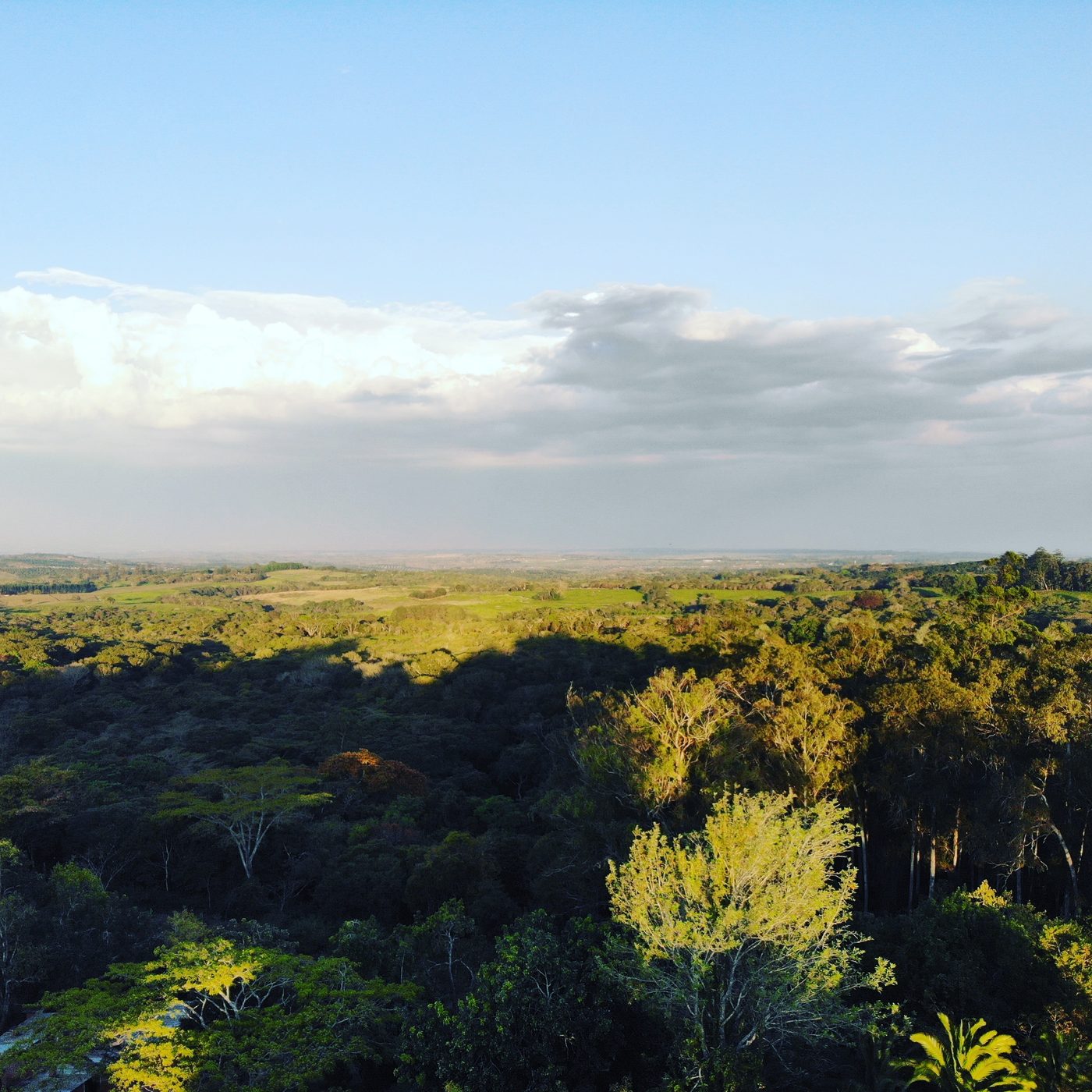
Satemwa is technically in Thyolo rather than Mulanje, but it belongs on any honest listicle of the Mulanje tea estates because (a) it is the most internationally celebrated tea country in Malawi and (b) it is closer to Thyolo than Lujeri is — about 25 minutes by car. Satemwa was founded in 1923 by Maclean Kay and is still owned by the Kay family. They produce black tea, green tea, oolong, and the white tea (Satemwa Antlers, Zomba Pearls, Bvumbwe Hand Rolled) that has won awards in Europe and East Asia.
Contact Satemwa directly for any visitor-room access. They have a visitor programme that must be booked directly with Satemwa, and staff who can explain why a hand-plucked silver-tipped white tea tastes different from a CTC black. They also have a beautiful colonial-era house (Huntingdon House) where you can stay or take afternoon tea. Combine Satemwa with a stop at other Thyolo tea-country scenery and you have the speciality-tea half of a long weekend covered.
5. Naming'omba & Mulanje West — the quiet plantations most travellers miss
Naming'omba sits on the western side of Mulanje, away from the main tourist corridor, and it is the estate some visitors choose when they have already done Lujeri and Satemwa and want something quieter. The road in is rougher (you'll want a vehicle with some clearance) and there is no formal visitor programme — but contact the estate office directly in advance; do not assume informal access. The reward is tea country with no other tourists in it, views of Mulanje from the west (different mountain, almost), and the small Mulanje West village markets where tea pickers live.
This is not for every guest. If you want a polished tour with branded merchandise and a visitor room, go to Lujeri or Satemwa. If you've already done those and want to see the real working landscape, Naming'omba and the smaller Mulanje West estates are where to spend an afternoon.
6. Indigenous forest fringes between the estates — where to walk a forest-edge loop
Here is the secret most tea-estate listicles miss: the most beautiful walking on the Mulanje tea estates is not in the tea itself but in the indigenous forest fringes between the estates and the mountain. The tea bushes are pretty but uniform; the forest belts are where the biodiversity lives. UNESCO's 2025 inscription specifically cited the endemics — Mulanje cedar (Widdringtonia whytei, Malawi's critically endangered national tree), the Mulanje dwarf gecko, the pygmy chameleon, and the striped-greenbul — and many of these live in the forest patches the estates have preserved.
At Conforzi, the appeal is simpler: the forest and tea landscape frame the stay, but formal estate walks should not be assumed. The broader tea estates Malawi visitor guide covers the walking options across all the major estates in more detail.
7. Where to base yourself: The Thyolo House, 40 minutes from Blantyre
The seventh entry on the list is the practical one: where you sleep determines what you actually see. Most travellers base themselves in Blantyre or at Mulanje Pepper Lodge near Likhubula, and they end up doing tea estates as half-day round-trips. That's fine, but you'll see two estates in a day and feel rushed. If you want to do the Mulanje tea estates properly, base yourself in the highlands.
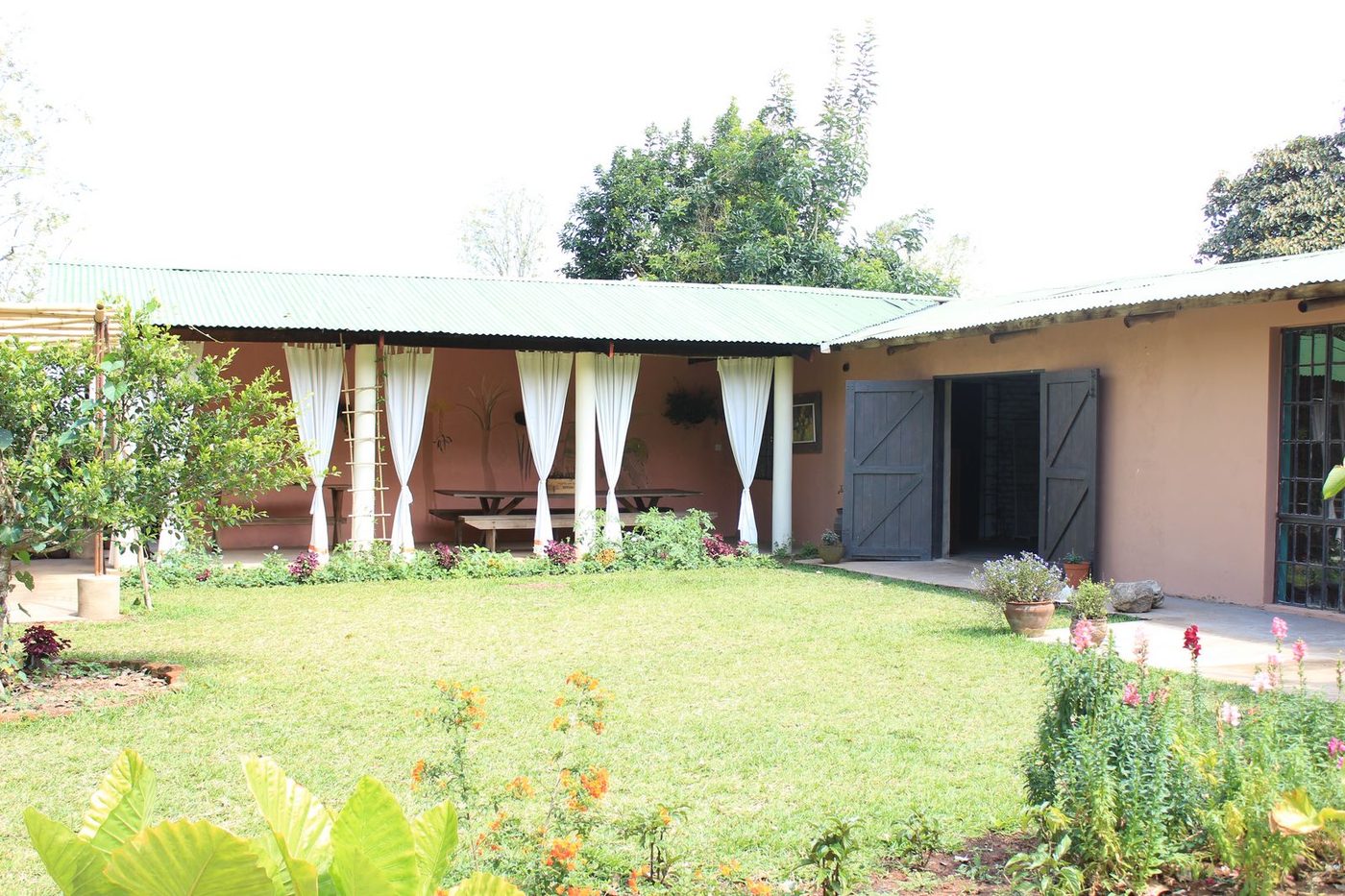
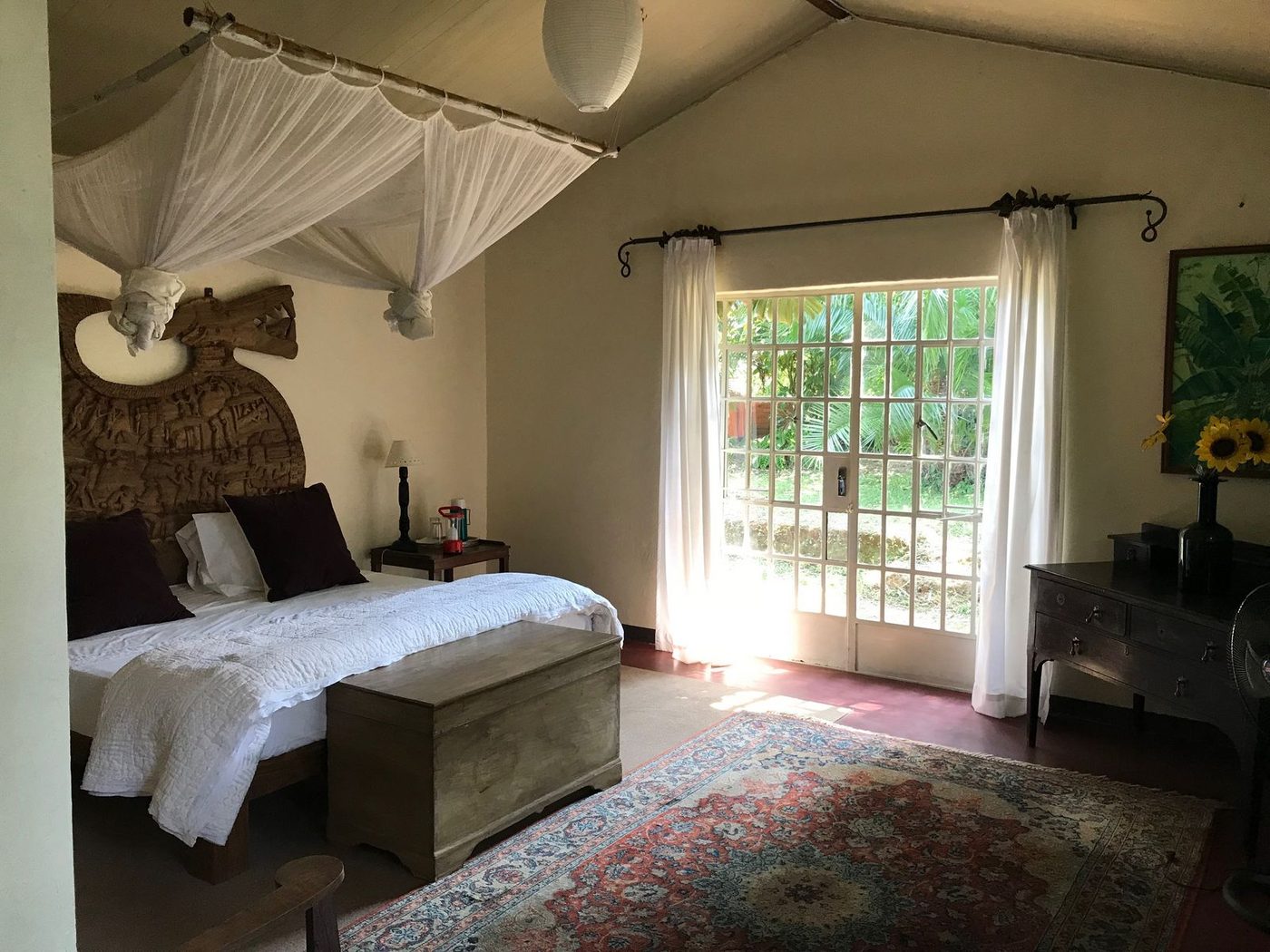
The Thyolo House is the five-room boutique hotel owned by Flavia Conforzi on the family's historic highland property. It is 20 minutes from Limbe, 40 minutes from Blantyre, and a four-hour drive from Lake Malawi if you're stringing a longer trip together. The setup is simple: five rooms (a heritage suite, pool cottages, garden rooms), an Italian fusion restaurant using vegetables, herbs, and macadamia from the house gardens, a pool, an art studio where Flavia works, and the garden setting. We are not the cheapest place in Thyolo and we are not trying to be — what you get is a base that puts you in the Thyolo highlands rather than 45 minutes from them.
Practical notes — when to come, how to book a tour, what each estate is actually good for
When to come. The Mulanje tea estates look most photogenic from December to April — the rains turn the bushes electric green and the mountain is dramatic when clouds roll across Sapitwa. May to August is cooler and clearer (best for hiking the mountain itself), and the tea is still being picked. September to November is hot and dry; the tea bushes look duller but you'll have the place to yourself.
How to book a tour. The two estates with formal visitor programmes are Lujeri (phone the estate office, +265 1 460 222, book 1–2 days ahead) and Satemwa (visitor centre at Huntingdon House, book through their website or by email). For Conforzi, do not plan third-party field access through The Thyolo House; contact the relevant estate directly if you need specific permission. For Eastern Produce Malawi and Naming'omba, you need to arrange via the estate office in advance and have flexible expectations.
What each estate is actually good for:
- The Thyolo House: stay overnight and eat well in the highlands
- Lujeri: its working tea landscape and visitor facilities
- Satemwa: the speciality teas
- Eastern Produce Malawi: understanding the industrial scale of Malawian tea
- Naming'omba / Mulanje West: quiet, off-the-tourist-grid plantations
- Forest fringes: the walking you'll remember most
One thing worth knowing before you come: there is an active controversy about a proposed bauxite and rare-earth mine on the Lichenya and Linje plateaus inside the UNESCO site. Akatswiri Mineral Resources has proposed an $820M project; the Mulanje Mountain Conservation Trust, Traditional Authority Chikumbu, and the tea industry are opposing it. If you ask locally about it, expect strong opinions. The tea estates and the mountain are tied together — what happens on the mountain affects the rivers, the rainfall, and the estates downstream.
A suggested two-day Mulanje tea estates itinerary from The Thyolo House
Here is an editorial two-day example for visitors interested in the Mulanje tea estates. third-party estate access, factory visits arranged directly with the estate, guides, and drivers must be arranged directly with the relevant estates or operators.
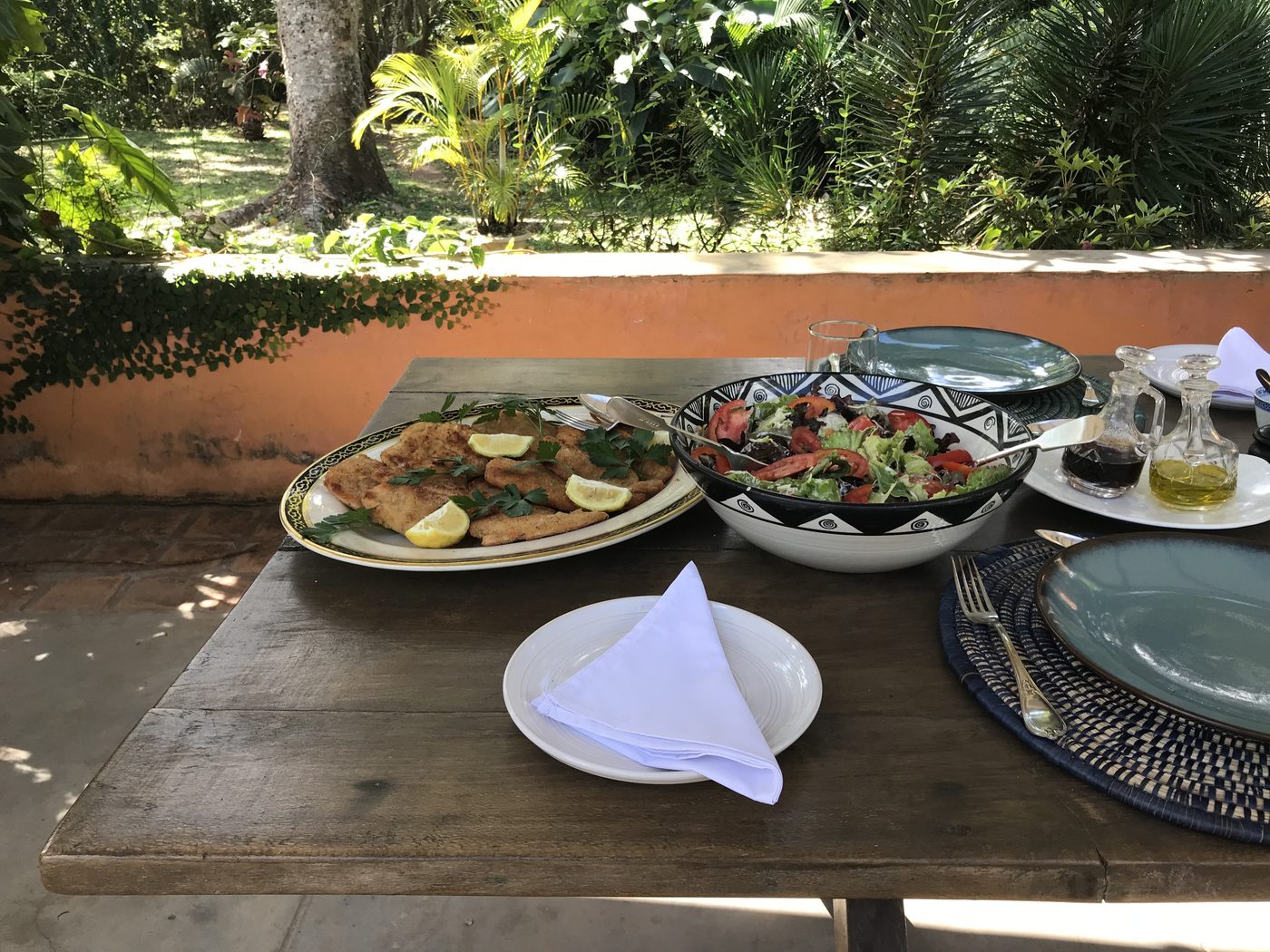
Day 1 — Arrive and settle in Thyolo. Drive in from Blantyre or Lake Malawi in the morning. Check in by lunch. Eat at the restaurant, spend the afternoon by the pool or in the gardens, and stay for dinner outside if the weather is good. Do not plan Conforzi third-party field access through The Thyolo House.
Day 2 — Satemwa morning, Lujeri afternoon (or vice versa). Leave Thyolo around 8.30am. Drive 25 minutes to Satemwa for the estate visit at Huntingdon House (book this in advance). Lunch at Satemwa or back at The Thyolo House. Afternoon: drive out to Lujeri on the southern side of Mulanje if you have booked directly with Lujeri. Return to The Thyolo House for dinner if you have a room or restaurant booking.
If you have a third day, add Naming'omba through the relevant estate office or spend more time in the permitted highland and forest areas. If you're a serious hiker, this is where you split off to climb Mount Mulanje proper — Sapitwa at 3,002 metres, accessed from Chisepo hut, minimum two nights / three days. The Mulanje Mountain Conservation Trust (info@mountmulanje.org.mw, +265 1 466 179) handles permits and guides for the mountain.
Coming to stay
For rooms or restaurant bookings at The Thyolo House, message us on WhatsApp with your dates. The Thyolo House can confirm room or restaurant availability. Nearby places should be contacted directly if you want to visit them. Email also works — thethyolohouse@gmail.com — but WhatsApp gets a faster answer.
The Mulanje tea estates have been quietly here for a century. The mountain above them is now formally recognised as one of the world's significant cultural landscapes. The estates themselves are working agriculture, not theme parks, and that is exactly why they reward a slow visit. Two days is enough to see the difference between Lujeri's polish, Satemwa's craft, Conforzi's continuity, and the quiet edges of Naming'omba. Three days lets you walk into the forest. A week lets you climb the mountain too. Take longer than you think you need.