/ By The Thyolo House
Mulanje Trust Climb: 7 Things To Know Before You Go
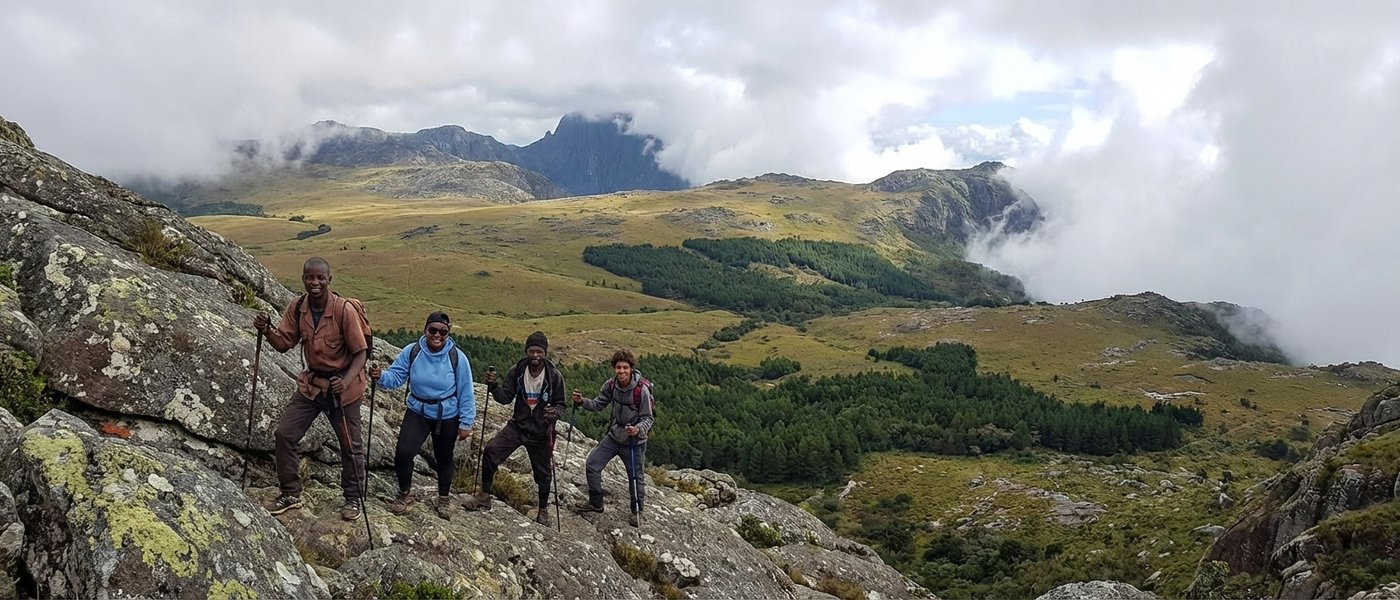
If you're planning a Mulanje Trust climb, you're in for one of the most rewarding mountain experiences in southern Africa. Mount Mulanje — Malawi's highest peak at 3,002 metres — is managed by the Mount Mulanje Conservation Trust, and understanding how the trust operates is the key to a smooth, well-organised hike. Whether you're a seasoned trekker or a first-time hiker looking for an achievable challenge, this guide covers everything you need to know before you lace up your boots.
We've put together seven essential things every climber should understand before heading to Mulanje, from booking procedures and trail options to porter logistics and the best place to base yourself before and after your trek.
1. What Is the Mount Mulanje Conservation Trust (MMCT)?
The Mount Mulanje Conservation Trust — commonly known as MMCT — is the non-profit organisation responsible for managing and conserving the Mount Mulanje Biosphere Reserve. Established in 1994 with support from international conservation bodies, the trust oversees trail maintenance, hut management, fire prevention, and the protection of Mulanje's unique cedar forests and endemic species.
For climbers, the MMCT is your first point of contact. The trust runs the Likhubula Forestry Office at the base of the mountain, where all hikes officially begin. Here you'll register, pay your fees, arrange porters and guides, and get up-to-date trail information. The MMCT office also coordinates mountain rescue operations — another reason why registering before your climb isn't optional, it's essential for your safety.
Every kwacha you pay in fees goes directly toward conservation, trail upkeep, and supporting local communities around the massif. So your Mulanje Trust climb isn't just an adventure — it's a contribution to preserving one of Africa's most important montane ecosystems.
Where Is the MMCT Office?
The main MMCT office is at Likhubula, approximately 30 kilometres from Mulanje town. You can reach it by car or minibus from Mulanje boma. The road is paved most of the way, with a short dirt section near the forestry gate. Plan to arrive by mid-morning to complete registration and start your hike with plenty of daylight.
2. How To Book Your Mulanje Trust Climb Step by Step
Booking a Mulanje Trust climb is straightforward, but it helps to know the process in advance — especially during peak season when huts can fill up.
Step 1: Contact the MMCT
You can reach the MMCT by phone, email, or by visiting the Likhubula office in person. For advance bookings — particularly if you want to secure specific huts — it's best to contact them at least a week ahead. Their team can advise on route availability and current trail conditions.
Step 2: Register at Likhubula
On the day of your climb, head to the Likhubula Forestry Station. You'll sign the mountain register with your name, nationality, planned route, expected return date, and emergency contact. This register is critical — if you don't return on time, the MMCT initiates a search.
Step 3: Pay Your Fees
All fees are paid at the office. You'll pay a park entry fee, hut fees for each night, and porter/guide fees if you're hiring them (which we strongly recommend). Keep your receipt — you may be asked to show it at huts. Fees are payable in Malawian kwacha; some international visitors have reported being able to pay in US dollars, but bring kwacha to be safe.
Step 4: Arrange Porters and Guides
Porters and guides are available through the MMCT and are drawn from local communities. You can arrange them on the day, but during busy periods (June–August), booking ahead is wise. More on costs below.
Step 5: Start Your Climb
Most routes begin directly from or near Likhubula. Your guide will lead the way, and porters will carry gear to the huts. You just need to carry your daypack and enjoy the walk.
3. Routes and Difficulty Levels — Which Trail Is Right for You?
Mount Mulanje offers a surprising variety of routes, from gentle half-day hikes to multi-day traverses across the plateau. Here are the most popular options for a Mulanje Trust climb:
Skyline Path (Likhubula to Chambe Hut)
This is the classic introduction to Mulanje. The Skyline Path climbs steeply through indigenous forest before emerging onto the plateau with panoramic views of the Chambe face — one of the largest rock faces in Africa. It's a challenging day hike (4–6 hours up) but manageable for anyone with reasonable fitness. Most first-time climbers choose this route.
Lichenya Plateau via Fort Lister Path
Accessed from the eastern side of the massif, this route leads to the beautiful Lichenya Plateau with its rolling grasslands and wildflowers. It's a moderately strenuous climb (5–7 hours) and connects to several other huts for multi-day treks. The Fort Lister path offers a different character from Skyline — more remote, more rugged.
Sapitwa Peak (3,002m)
Summiting Sapitwa — Malawi's highest point — is the ultimate Mulanje challenge. The peak is typically reached from Chisepo Hut via a scramble that requires a mandatory guide. Allow 4–5 hours for the summit push from Chisepo. The final section involves rock scrambling and exposure, so this route is best suited to experienced hikers. The views from the top, on a clear day, stretch all the way to Mozambique.
Multi-Day Traverses
For those with more time, Mulanje rewards multi-day treks linking several huts across the plateau. A popular 3–4 day circuit connects Chambe Hut, Thuchila Hut, and Chisepo Hut, with an optional Sapitwa summit. These traverses let you experience the full range of Mulanje's landscapes — from cedar-scented forests to exposed rocky ridges and quiet, mist-filled basins.
For a broader look at what each trail offers, including elevation profiles and seasonal conditions, see our complete guide to Mulanje hikes.
4. Hut Fees, Porter Costs, and What's Included
One of the best things about climbing Mulanje is how affordable it is compared to East African peaks like Kilimanjaro. Here's a breakdown of typical costs (as of 2025 — check with the MMCT for current rates, as fees are periodically updated):
Park Entry Fees
- International visitors: approximately MWK 5,000–10,000 per person per day
- Malawian residents: reduced rate applies
- SADC nationals: may qualify for a discounted rate — ask at registration
Hut Fees
- Per person per night: approximately MWK 5,000–15,000 depending on the hut and visitor category
- What's included: a roof, basic sleeping platforms (bring your own sleeping bag and mat), and in some huts, a fireplace or cooking area
- What's not included: food, water purification, bedding, or cooking equipment — you must be fully self-sufficient
Porters and Guides
- Porter: approximately MWK 5,000–8,000 per porter per day. Each porter typically carries up to 20 kg
- Guide: approximately MWK 8,000–12,000 per day. A guide is mandatory for Sapitwa Peak and strongly recommended for all routes if you're unfamiliar with the mountain
- Tips: tipping is customary and appreciated. MWK 2,000–5,000 per day is a reasonable guideline
Budget roughly USD $15–25 per person per day for a basic Mulanje Trust climb, excluding transport and food. For a two-night, three-day trek with a porter and guide, expect to spend USD $50–80 total in mountain fees — a fraction of what comparable treks cost elsewhere in Africa.
A Note on Payment
All fees are paid in cash at the MMCT office. There are no card facilities at Likhubula. Make sure you withdraw enough kwacha before arriving — the nearest reliable ATMs are in Mulanje town or Limbe.
5. The Essential Mulanje Packing List
Mulanje's weather is notoriously unpredictable. Warm sunshine can turn to cold mist and driving rain within an hour, even in the dry season. Pack for all conditions:
Clothing
- Moisture-wicking base layers (avoid cotton)
- Fleece or insulating mid-layer
- Waterproof jacket and trousers — non-negotiable
- Warm hat, gloves, and buff for early mornings on the plateau
- Sturdy hiking boots with ankle support (trails are rocky and steep)
- Sandals or flip-flops for wearing around the hut
Gear
- Sleeping bag rated to at least 0°C (huts are cold at night, especially June–August)
- Sleeping mat or pad
- Headlamp with spare batteries
- Walking poles — highly recommended for steep descents
- Water bottles or hydration bladder (minimum 2 litres)
- Water purification tablets or filter — stream water on the plateau needs treating
Food and Cooking
- Portable stove and fuel (if you plan to cook — some huts have fireplaces but firewood supply varies)
- Enough food for all days plus one emergency day
- High-energy snacks: nuts, dried fruit, biscuits, chocolate
- Tea, coffee, or hot chocolate for cold plateau evenings
Essentials
- Sunscreen and sunglasses (the plateau sun is intense)
- Basic first aid kit with blister plasters, painkillers, and any personal medication
- Passport or ID (required at registration)
- Cash in Malawian kwacha
- Dry bags or bin liners to waterproof your pack contents
If you're coming from overseas and don't have all the gear, Lilongwe and Blantyre have limited outdoor shops. It's best to arrive prepared. That said, porters and guides sometimes have basic equipment available — ask at the MMCT office.
6. Best Time of Year To Climb Mulanje
Mulanje can be climbed year-round, but conditions vary dramatically by season:
Dry Season (May–October) — Peak Climbing Season
This is the most popular period for a Mulanje Trust climb, and for good reason. Skies are generally clear, trails are dry and less slippery, and the views from the plateau are spectacular. June to August is the coolest period — daytime temperatures on the plateau hover around 10–18°C, with nights dropping to near freezing. September and October warm up but remain dry. The trade-off: huts can be busy, especially on weekends and Malawian public holidays.
Shoulder Season (April and November)
These transitional months can offer excellent conditions with fewer crowds. April sees the last of the rains tapering off, and November brings the first isolated showers. Trails may be damp but usually passable. Wildflowers on the Lichenya Plateau are often at their best in April.
Wet Season (December–March)
Heavy afternoon rains, thunderstorms, and mist make this the most challenging period. Trails become waterlogged and stream crossings can be dangerous. Visibility drops significantly. Climbing is still possible, but you need to be experienced, well-equipped, and prepared for plans to change. The MMCT may restrict access to certain routes during extreme weather.
Whenever you visit, Mulanje's weather demands respect. Always carry rain gear, even in the dry season. Mornings on the plateau can start clear and turn to thick mist by midday.
If you're combining your Mulanje climb with other activities in southern Malawi, have a look at our guide to day trips from Blantyre — there's plenty to explore beyond the mountain.
7. Where To Stay Before and After Your Climb (Why Thyolo House Works)
Most climbers arrive in the Mulanje area the day before their trek and need somewhere comfortable to stay. After two or three days on the mountain — sleeping on hard platforms in cold huts, eating trail food — you'll want somewhere restorative to recover. This is where your choice of base matters.
The Mulanje Town Option
Mulanje town has a handful of guesthouses and budget lodges. They're functional and close to the mountain, but options are limited, and the town itself doesn't offer much in the way of atmosphere or dining.
The Blantyre Option
Blantyre has plenty of hotels and restaurants, but it's about 70 kilometres from Likhubula — meaning an early start on climb day and a long drive back when you're exhausted after descending.
The Thyolo Option
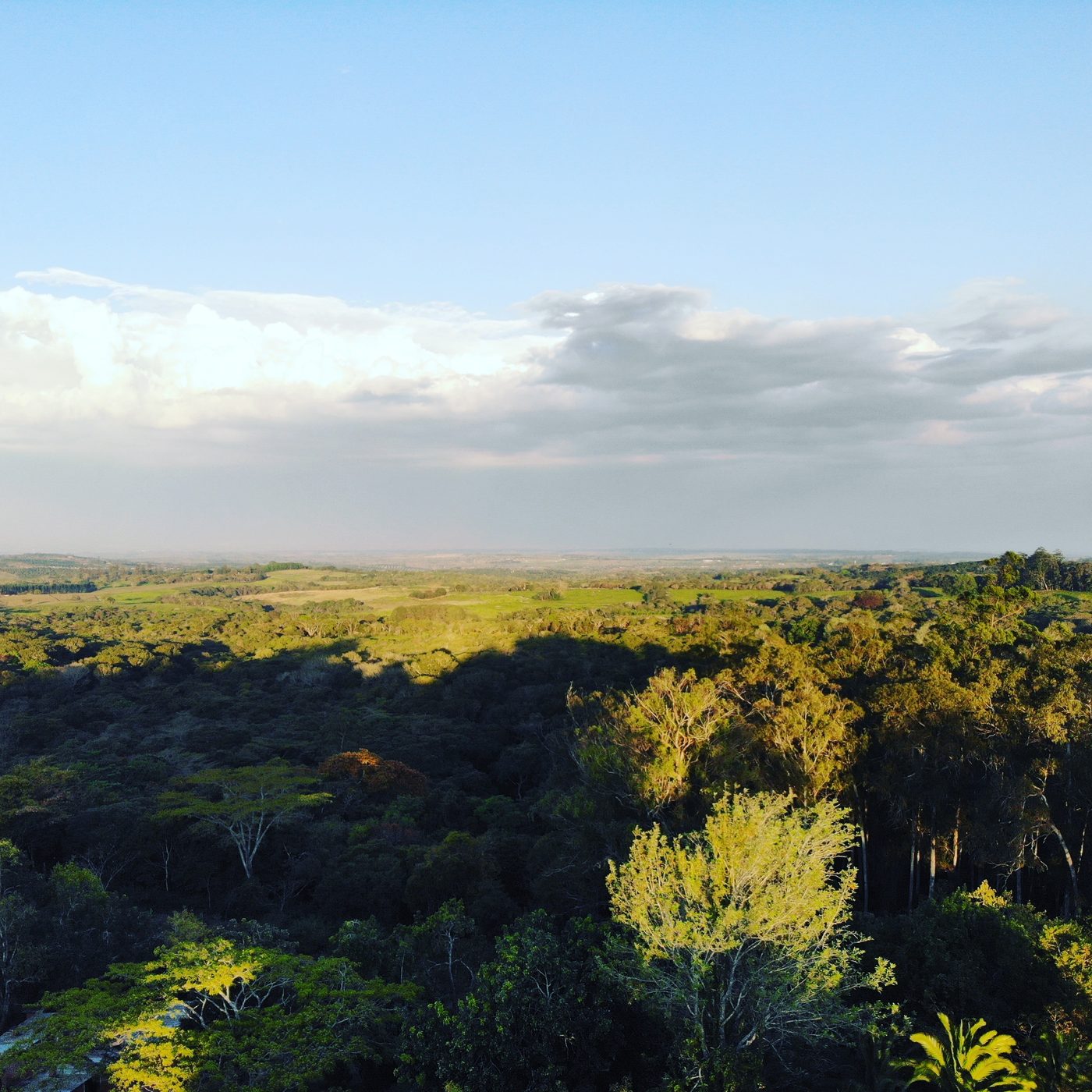
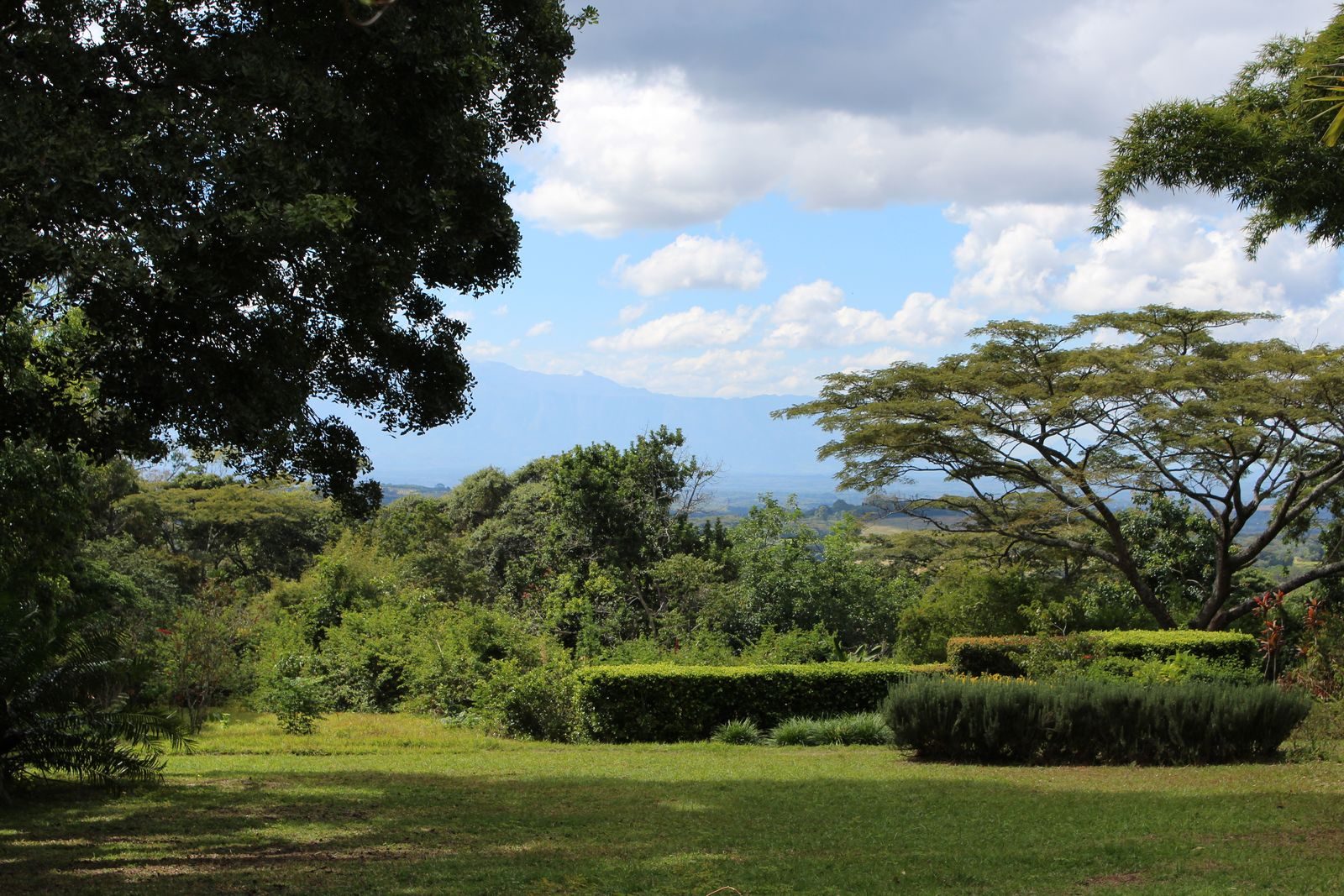
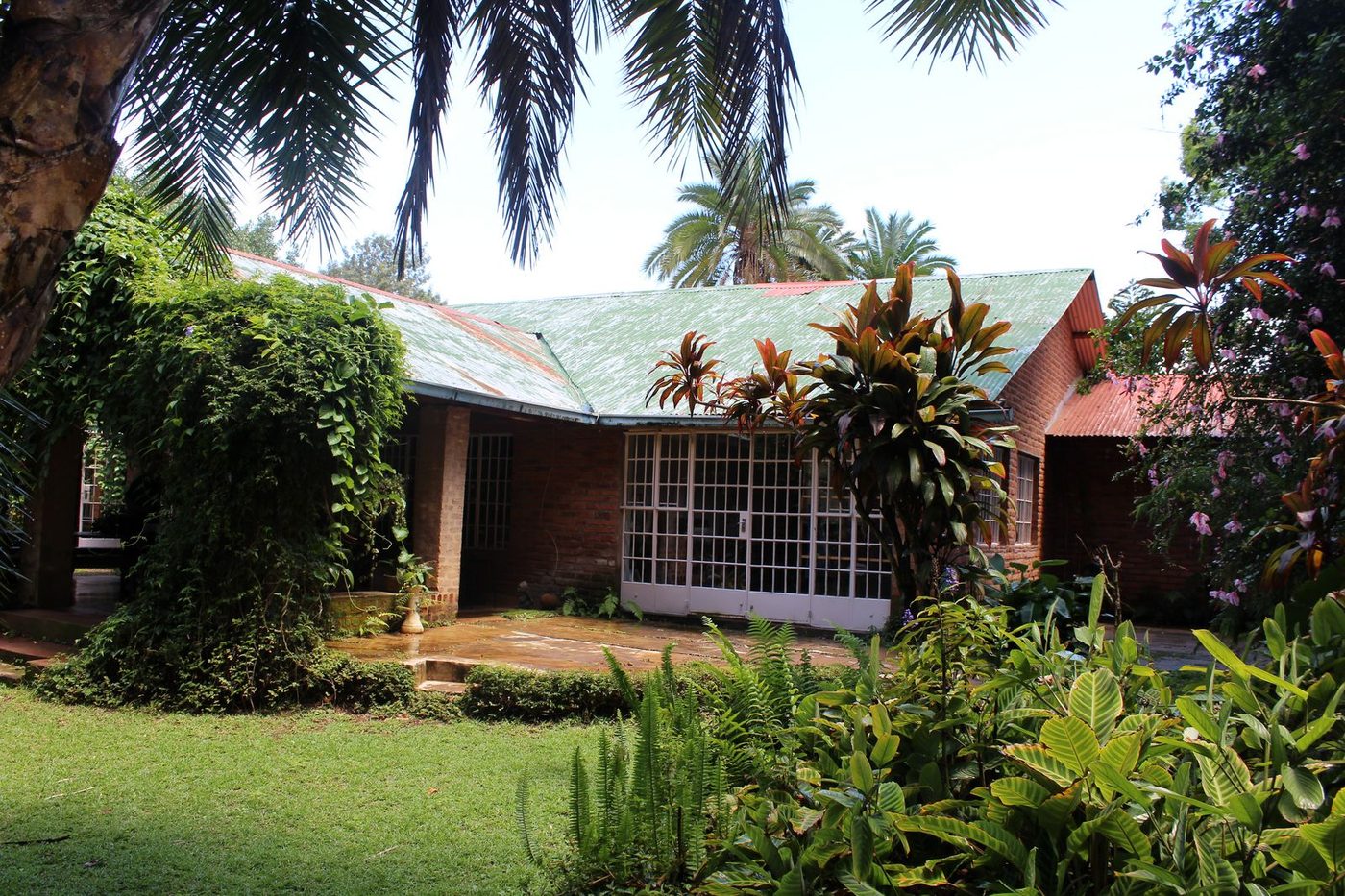
The Thyolo House sits on the historic Conforzi Tea Estate in the heart of Thyolo district, roughly an hour's drive from Mulanje. It's a boutique property with just five rooms, set among tea plantations, indigenous forest, and flowering gardens. After days in a mountain hut, arriving here feels like a genuine reward.
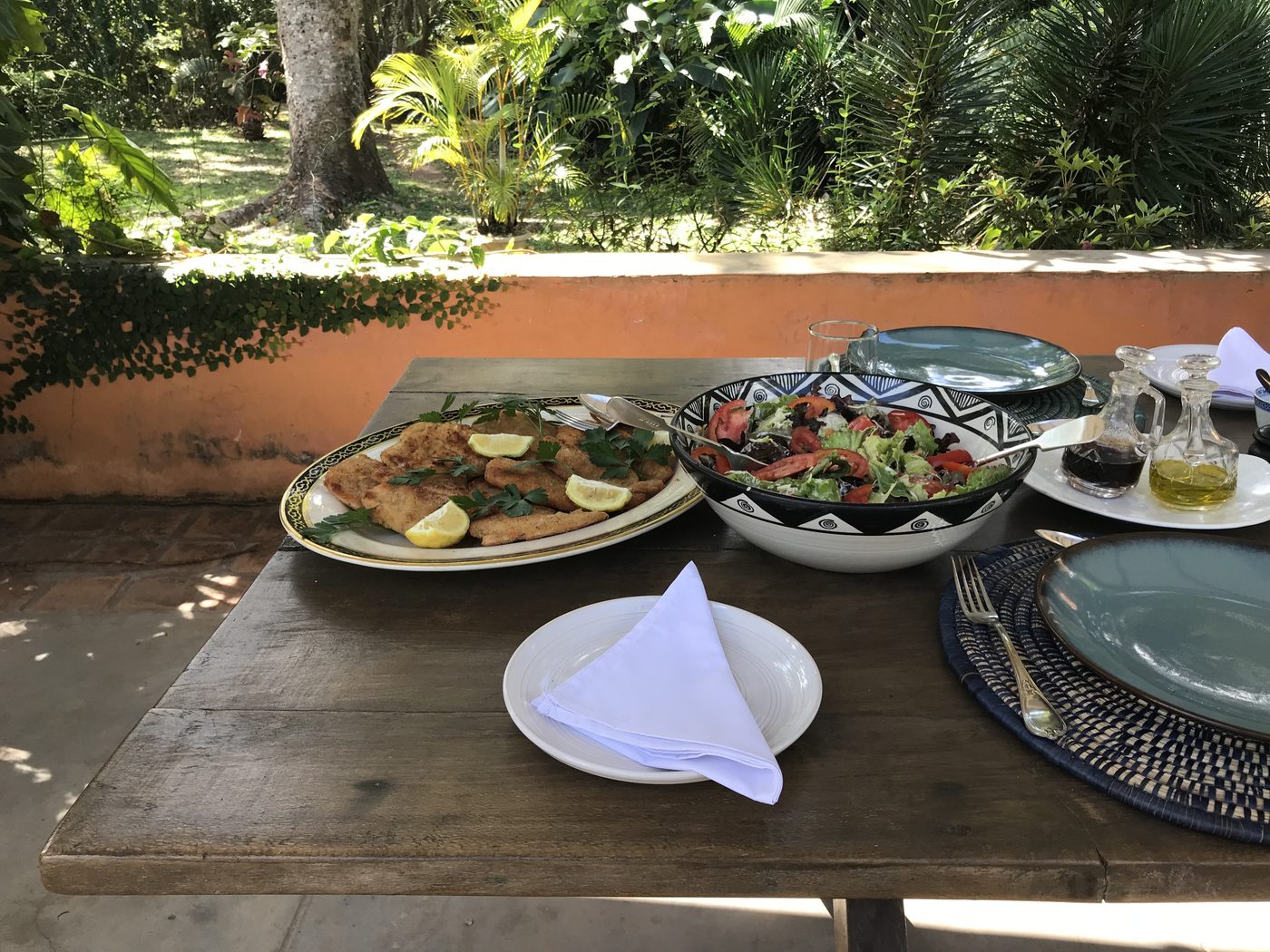
The property is run by Flavia Conforzi, an Italian-Malawian artist whose family has been on this estate for generations. The restaurant serves Italian-Malawian fusion cuisine made with ingredients from the estate garden — exactly the kind of real, flavourful food your body craves after a multi-day trek. Think handmade pasta, fresh vegetables, and properly cooked meat, paired with a cold drink by the pool.
Why It Works Logistically
- Location: Thyolo is between Blantyre and Mulanje, making it a natural stopover in either direction. You can drive to Likhubula in about an hour.
- Pre-climb: Arrive the afternoon before, enjoy a proper dinner, sleep well in a comfortable room, and drive to the mountain fresh the next morning.
- Post-climb: Descend Mulanje, drive to Thyolo, and spend a recovery day at the pool, walking the tea estate, or exploring the indigenous forest trails on the property.
- Onward travel: The Thyolo House is just 20 minutes from Limbe and 40 minutes from Blantyre, so continuing your journey south — or heading north to explore more of Thyolo district — is easy.
What To Do on Your Recovery Day
If you build in a rest day after your climb (and you should), The Thyolo House and its surroundings offer plenty:
- Tea plantation walks: Gentle strolls through the rows of tea bushes surrounding the estate — a beautiful contrast to the rugged terrain you've just left.
- Indigenous forest trails: The property borders patches of original montane forest with birdlife and mature hardwoods.
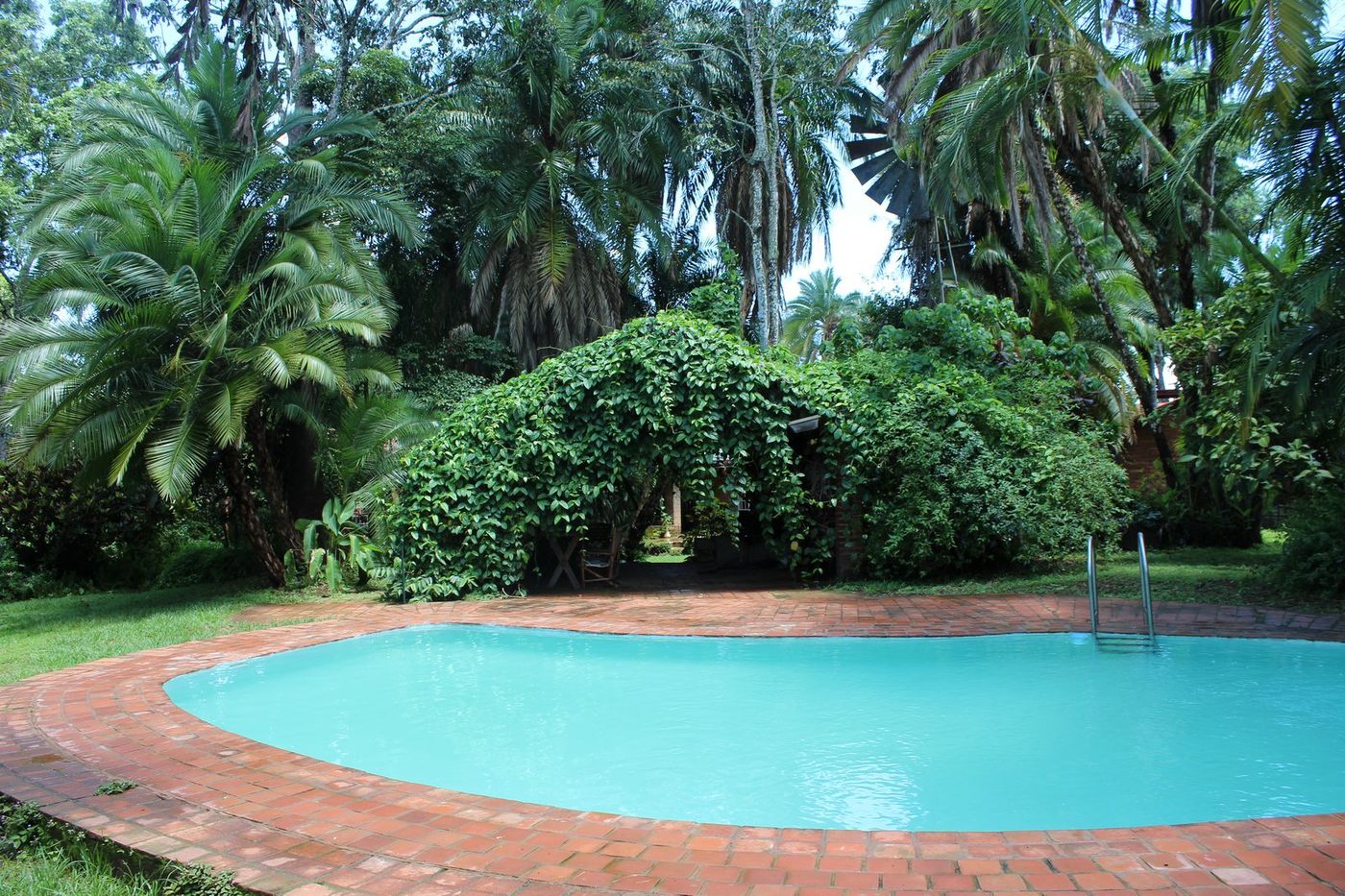
- Swimming pool: Sometimes the simplest pleasure after a mountain trek is the best one.
- Art workshops: Flavia hosts occasional painting and art sessions — ask when you book.
- The restaurant: Honestly, after hut food, you may want to eat two or three meals here before moving on. No one would blame you.
Booking Your Stay
With only five rooms, The Thyolo House books up — particularly during the dry season when Mulanje climbing is at its peak. We'd recommend securing your room at least a couple of weeks in advance. You can browse our boutique rooms online or message us on WhatsApp to check availability and book directly.
Practical tip: If you're flying into Chileka Airport (Blantyre), The Thyolo House is roughly 40 minutes from the airport. You could land, drive to Thyolo, rest for a night, and head to Mulanje the next morning — a far more pleasant start than rushing straight to the mountain after a flight.
Final Thoughts
A Mulanje Trust climb is one of those rare experiences where affordability, natural beauty, and genuine adventure converge. The mountain is wild and uncrowded. The MMCT does important work keeping it that way. And with a little planning — understanding the booking process, choosing the right route, packing properly, and picking a good base — your trek will be one of the highlights of any trip to Malawi.
Register with the MMCT, respect the mountain, hire local porters and guides, and give yourself time to recover afterward in a place that makes the whole journey feel complete. If you have any questions about planning your climb or booking a stay in Thyolo, don't hesitate to reach out to us on WhatsApp or email thethyolohouse@gmail.com. We're always happy to help with route advice, transport tips, and making sure your Mulanje experience goes smoothly from start to finish.
For the full picture of trails, huts, and where to stay, see our complete Mount Mulanje hiking and accommodation guide.