/ By The Thyolo House
Notable Places to Visit in Malawi: A Guide to the Warm Heart
A journal from a boutique lodge in the Thyolo highlands. These are notes from our corner of Malawi — places we love, walks we've done ourselves, operators we've watched do good work. The mountain treks, tea-estate tours, and day trips are all run by independent operators in Malawi; book those directly with them. Come stay with us before or after — we'll do the room, the meal, and the quiet.
Why Malawi Belongs on Your Travel List
Malawi is one of those countries that rewards the traveller who bothers to look. Wedged between Mozambique, Tanzania, and Zambia, it holds a freshwater lake the size of Wales, a granite massif recently inscribed as a UNESCO World Heritage Site, and some of the friendliest communities on the African continent. The list of notable places to visit in Malawi runs longer than most people expect — and the southern highlands alone could fill a two-week itinerary without repeating a single view.
What makes Malawi different from its neighbours is accessibility. Distances are short by African standards. National parks are uncrowded. Costs are a fraction of what you'd pay in Botswana or Tanzania. And behind every attraction sits a community genuinely pleased to see you. They don't call it the Warm Heart of Africa as a marketing exercise — it's a description you'll verify within your first hour.
This guide covers the most notable places to visit in Malawi, from the celebrated lakeshore to the highland tea estates that most guidebooks still overlook. If you're planning a first trip — or a return — use it as a framework, not a checklist. Malawi is best experienced slowly.
Lake Malawi — Africa's Freshwater Riviera
Lake Malawi dominates the country's eastern border for nearly 600 kilometres. It's the third-largest lake in Africa and home to more fish species than any other lake on Earth — over 1,000 cichlid species, most found nowhere else. For travellers, though, the lake's appeal is simpler: warm, clear water with no bilharzia risk along the main tourist beaches, golden sand, and a pace of life that makes coastal Thailand feel hectic.
The southern lakeshore — particularly Mangochi and the stretch between Cape Maclear and Monkey Bay — offers the easiest access from Blantyre or Lilongwe. Mid-lake islands like Likoma and Chizumulu are reachable by the historic MV Ilala ferry, a journey that is itself one of Malawi's great travel experiences. The northern lakeshore around Nkhata Bay and Chintheche draws backpackers and longer-stay visitors with its quieter coves and community-run lodges.
For those basing themselves in the southern highlands — around Thyolo or Mulanje — the lake is roughly four hours east by road. Many travellers combine a highland stay with a few nights on the water, which makes for a satisfying contrast between cool mountain air and tropical lakeshore warmth.
Mount Mulanje — A UNESCO Biosphere Worth the Climb
Mount Mulanje is the highest peak in south-central Africa. Sapitwa, its summit, rises to 3,002 metres — taller than anything between Kilimanjaro and Mount Cameroon. The massif was designated a UNESCO Biosphere Reserve in 2000 and inscribed as a UNESCO World Heritage Site in 2025, making it Malawi's third World Heritage listing alongside Lake Malawi National Park and the Chongoni Rock Art Area.
The Mountain Club of Mulanje documents 18 hiking routes across the massif, from short base walks near Likhubula Forest Station to the multi-day Mulanje Grand Traverse — a route crossing the entire range via Sapitwa Peak that's gaining recognition as one of Africa's great undiscovered long-distance walks. A guide is compulsory and can be organised at Likhubula Forest Station. Current rates are around USD 30 per day for a guide and USD 25 per day for a porter, with hut fees of MK 1,000 per person per night.
The dry season from May to October offers the most predictable weather and the least slippery trails. Even if you don't summit, the lower slopes reward a day hike — Likhubula Falls is a popular half-day walk, and the cedar forests that cloak the mountain's flanks are unlike anything else in southern Africa.
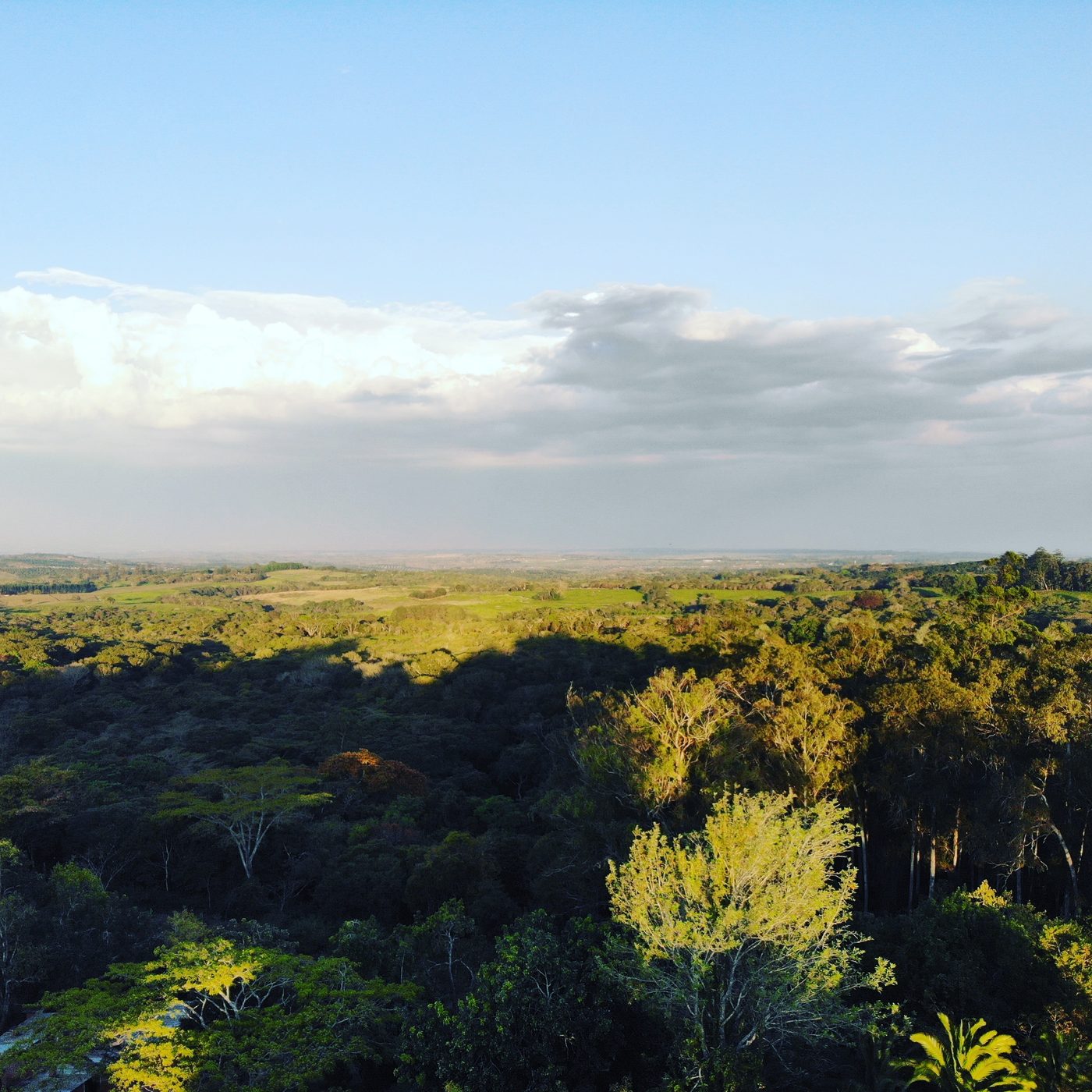
Mount Mulanje sits just 20 minutes east of Thyolo town. If you're planning a climb, a southern Malawi highlands route that pairs the mountain with the surrounding tea country makes logistical sense — and gives your legs a rest day between ascents.
Majete Wildlife Reserve — The Big Five Comeback Story
Majete is one of Africa's most remarkable conservation turnarounds. By the early 2000s, poaching had stripped the reserve of nearly all its large mammals. Then African Parks took over management in 2003 and began an ambitious restocking programme. Today, Majete is Malawi's only Big Five reserve — home to elephants, lions, leopards, buffalo, and black rhino.
The reserve sits in the lower Shire Valley, about two hours south of Blantyre. Game drives follow the Shire River and its tributaries, where elephant herds gather in the dry season and birdlife is prolific year-round. Accommodation ranges from the upmarket Mkulumadzi Lodge (operated by Robin Pope Safaris) to the reserve's own campsite and basic chalets.
Majete is still relatively unknown outside Malawi, which means game sightings come without the vehicle convoys that plague the Serengeti or Kruger. For travellers already in the southern highlands, it's a natural addition — close enough for a two-night safari detour before or after exploring Thyolo and Mulanje.
Liwonde National Park — River Safaris and Elephant Herds
If Majete is the comeback story, Liwonde is the established classic. Malawi's premier safari park covers 210 square miles along the upper Shire River, supporting around 1,000 elephants, reintroduced lions and African wild dogs, hippos, crocodiles, and over 400 bird species — including colonies of carmine bee-eaters that nest in the riverbanks between September and November.
Liwonde's signature experience is the river safari: drifting along the Shire in a small boat at eye level with drinking elephants, surfacing hippos, and fish eagles overhead. It's a different texture of safari from the open-vehicle game drive, quieter and more immersive.
Accommodation has improved significantly in recent years. Mvuu Camp starts around USD 305–345 per person per night sharing on a full-board-plus basis. Mvuu Wilderness Lodge runs USD 465–560. Kuthengo Camp, for those seeking a more exclusive experience, charges around USD 690 per person per night. All three sit along the riverbank and include guided activities.
Liwonde is about two and a half hours northeast of Blantyre. Paired with the other major destinations in southern Malawi, it slots easily into a week-long circuit that also takes in the highlands and the lakeshore.
The Thyolo Tea Highlands — Plantations, Forest, and Italian Fusion
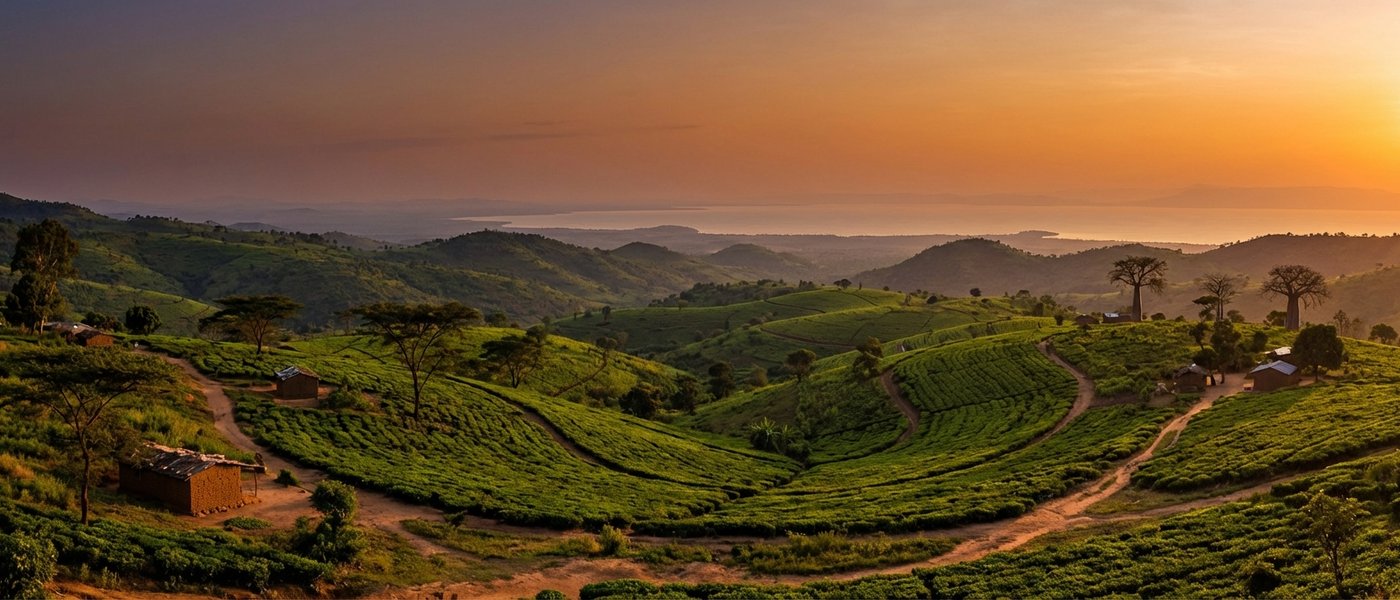
The Thyolo district rarely appears in international travel guides, which is precisely why it deserves a section of its own. This is Malawi's tea country — a landscape of rolling green estates that stretches from the outskirts of Blantyre south toward the Mozambican border. The altitude keeps temperatures mild, the air smells faintly of fermented leaf, and the views across tiered plantations to Mount Mulanje are genuinely arresting.
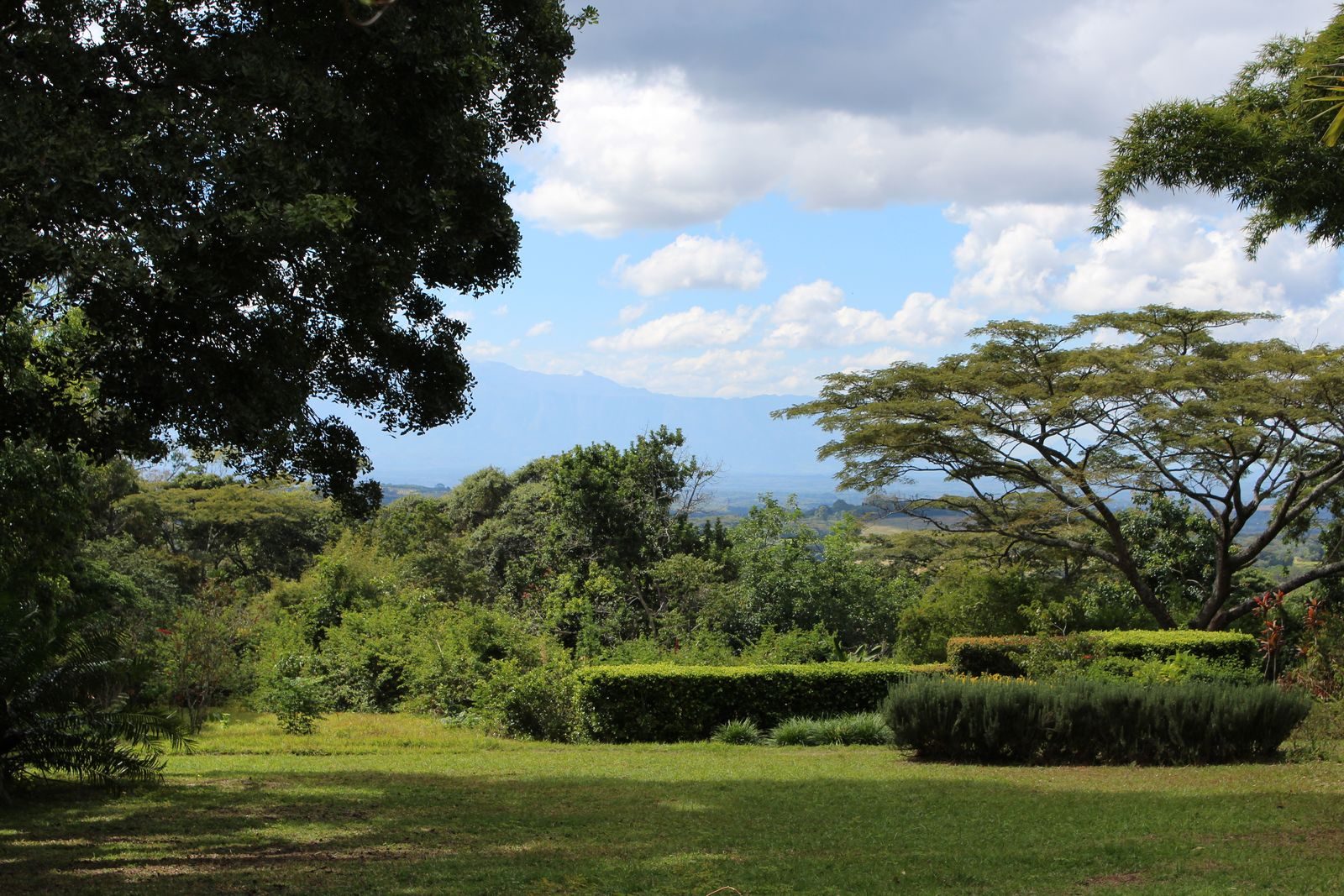
The most visited estate is Satemwa, a family-owned operation dating to the 1920s with over 100 miles of dirt roads and paths open to visitors. Huntingdon House, the estate's colonial-era guesthouse built in 1928, offers five suites and a self-catering bungalow. Activities include estate visit, factory visits arranged directly with the estate, mountain biking (bikes available to hire), hiking, and birdwatching.
But Satemwa isn't the only reason to come to Thyolo. The district's indigenous Thyolo Forest Reserve protects one of the last remaining patches of lowland rainforest in Malawi — critical habitat for the endangered Thyolo Alethe, a ground-dwelling bird found in only a handful of forest fragments across southeastern Africa.
Where to Stay in Thyolo
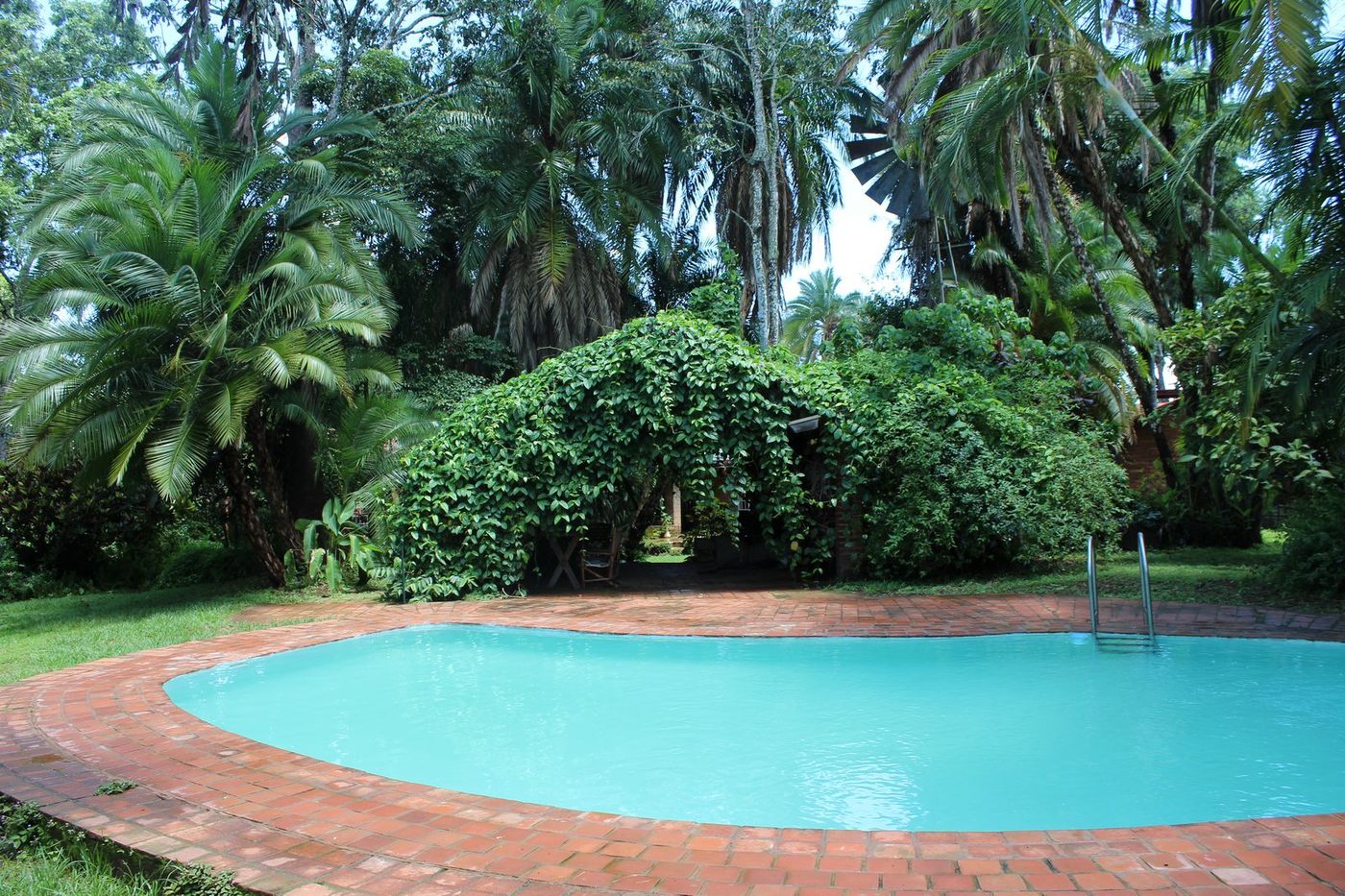
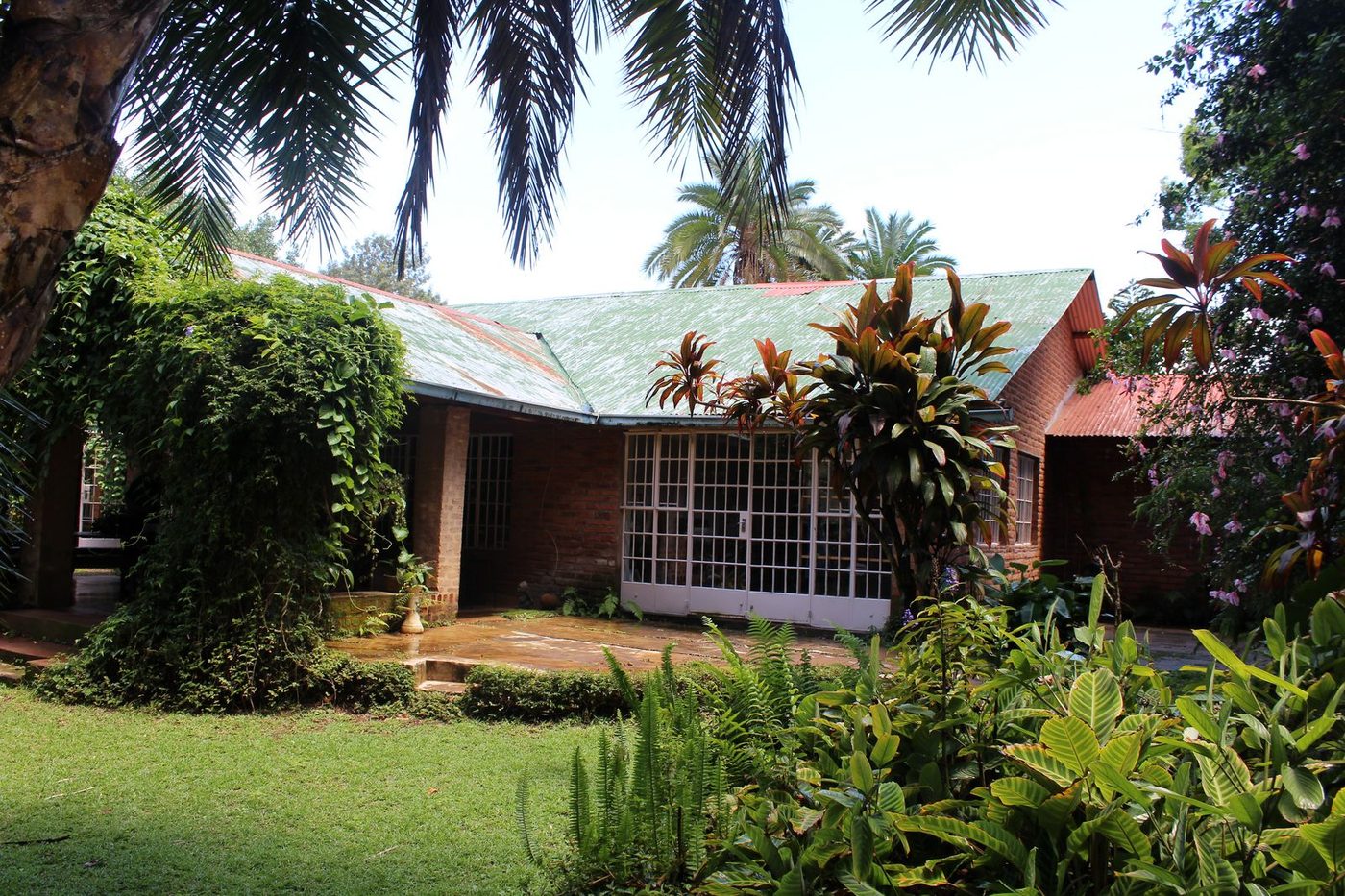
For accommodation with character, The Thyolo House sits on a historic property that was once part of the Conforzi Tea Estate, about 20 minutes west of Mulanje town and 40 minutes from Blantyre. It's a boutique property with five rooms, an Italian fusion restaurant built around garden-grown ingredients, and an owner — Flavia Conforzi, an Italian-Malawian artist — whose presence shapes the entire experience. Garden spaces, art workshops when available, and a swimming pool round out the offering. Forest access, estate walks, guides, drivers, tea activities, and third-party activities are not provided or arranged by The Thyolo House. It's the kind of place that makes you extend your stay.
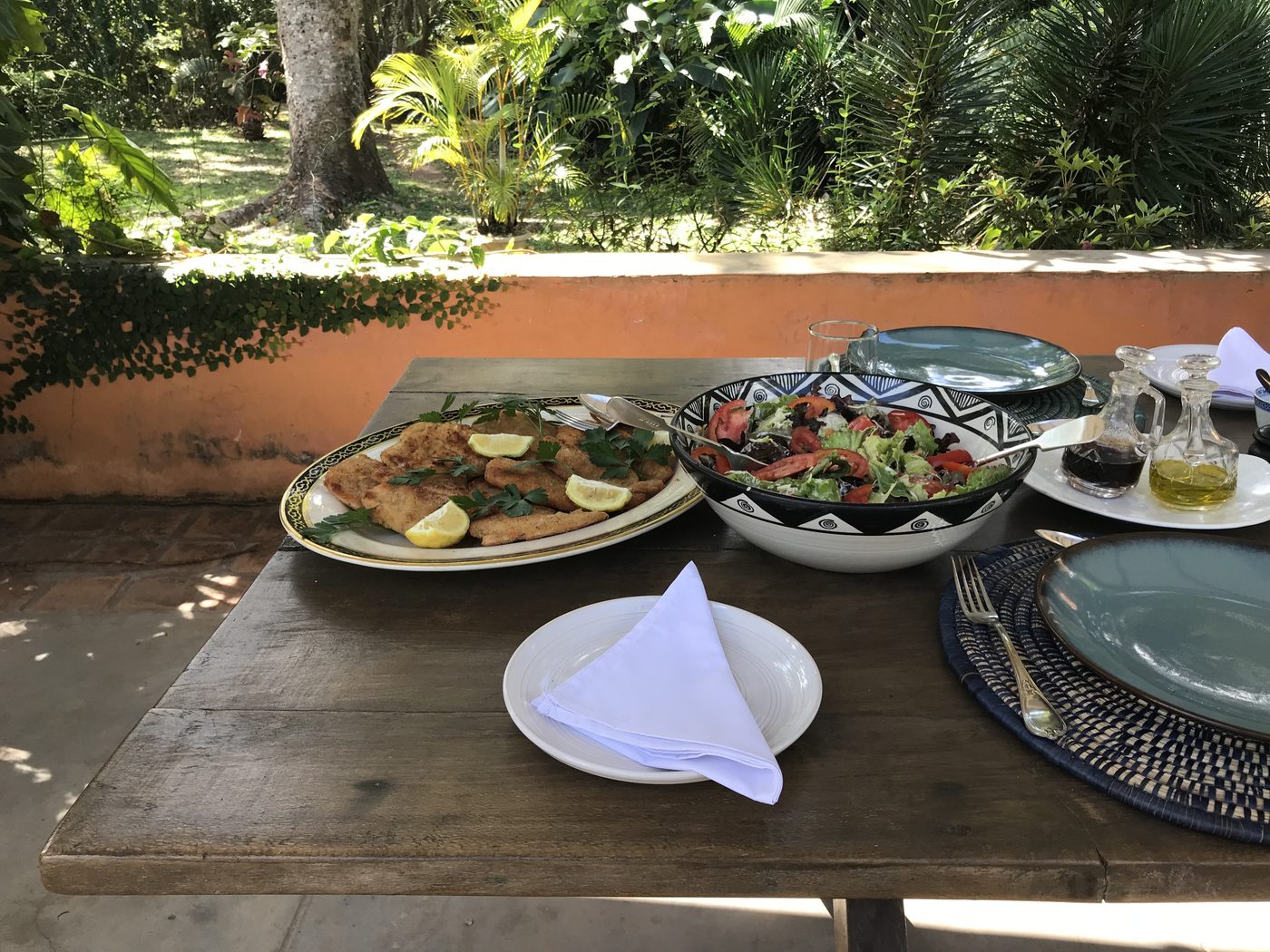
The restaurant alone is worth a detour. The menu draws on Flavia's Italian heritage and the house produce, creating dishes you simply won't find elsewhere in Malawi. If you're passing through the southern highlands, at minimum stop for a meal. Better yet, book one of the boutique rooms and settle in for a few nights.
Zomba Plateau — The Former Capital in the Clouds
Zomba served as Malawi's capital until 1975, and the forested plateau above the city retains a quiet grandeur from that era. The table-top mountain is crisscrossed by streams, trails, and forest roads that wind past waterfalls, trout dams, and viewpoints overlooking half of southern Malawi.
The essential stops are Queen's View — which overlooks Zomba city, Lake Chilwa, and the Phalombe Plains — and Emperor's View, where on clear days you can glimpse Lake Malawi shimmering in the distance. Emperor Falls and Williams Falls are both reachable on foot within a couple of hours from the plateau road.
Activities include hiking, mountain biking, horse riding, fishing, and rock climbing. Accommodation on the plateau itself is limited: Sunbird Ku Chawe sits right on the escarpment edge with panoramic views, while Zomba Forest Lodge operates as an off-grid eco-lodge deeper in the forest. There's also a campsite for those travelling light.
The dry season from May to October gives the clearest skies and best visibility. Zomba is roughly 90 minutes northeast of Blantyre, making it an easy independent visit or overnight from the southern highlands. Many travellers combine Zomba Plateau with the Thyolo tea country — a logical pairing given the proximity and complementary landscapes.
Cape Maclear and the Lake Malawi National Park
Cape Maclear occupies a sandy peninsula on the southern tip of Lake Malawi, within the boundaries of the Lake Malawi National Park — Africa's first freshwater national park and a UNESCO World Heritage Site since 1984. The park protects both the terrestrial habitat of the peninsula and the underwater world of the lake, including hundreds of endemic cichlid species visible through crystal-clear water.
Snorkelling and diving are the headline activities. Kayaking to Thumbi and Domwe Islands is a half-day adventure with guaranteed solitude. The village of Chembe, the main settlement at Cape Maclear, has a relaxed, backpacker-friendly atmosphere with a range of accommodation from budget beach huts to more comfortable lakeside lodges.
Cape Maclear is roughly three hours from Blantyre via Monkey Bay. The road has improved in recent years, though the final stretch remains unpaved. If you're combining the lakeshore with the southern highlands, allow at least two nights — one isn't enough to absorb the pace of life here.
Nkhata Bay and the Northern Lakeshore
Nkhata Bay is the social hub of Malawi's northern lakeshore. The town tumbles down forested hillsides to a natural harbour where fishing boats, the MV Ilala ferry, and kayak tours all share the water. It has long been a magnet for backpackers, but in recent years a handful of more upmarket lodges have appeared along the coast to the north and south.
The appeal here is simpler than Cape Maclear's national park status suggests. It's about swimming in deep, clear water; watching sunsets over the lake; taking a kayak to quiet coves accessible only from the water; and eating fresh chambo (the lake's prized tilapia) grilled on the beach. The Chintheche strip, south of Nkhata Bay, offers some of the lake's best white-sand beaches in a quieter setting.
From the southern highlands, the northern lakeshore is a full day's drive — roughly six to seven hours via Lilongwe. Most travellers build it into a longer circuit rather than as an independent visit. If your time is limited and you're based in the south, Cape Maclear or Mangochi give you lakeshore access without the long transfer.
Historical Sites — Livingstonia, Bandawe, and the Mission Trail
Malawi's colonial and pre-colonial history is written into its landscape. The Scottish mission stations established in the late 19th century — intended as outposts against the slave trade — survive as some of the country's most atmospheric historical sites.
Livingstonia, perched on a plateau above the northern lakeshore, is the most dramatic. Founded in 1894 by the Free Church of Scotland, the mission complex includes a stone church, a museum, and views across Lake Malawi that haven't changed in 130 years. The approach road climbs 20 hairpin bends up the escarpment — an adventure in itself.
Bandawe, on the lakeshore below, was the mission's original site before malaria forced the move uphill. The old church and cemetery remain. Further south, the CCAP churches at Nkhoma and Cape Maclear mark other chapters in the same story.
For those interested in more recent history, Zomba's colonial architecture — the old parliament building, the Governor's residence, the botanical gardens — traces Malawi's path to independence in 1964. These sites are easily visited on a Zomba Plateau excursion.
How to Plan a Route Through Malawi's Notable Places
The beauty of Malawi's geography is that it's compact. You don't need six weeks and a Land Cruiser to see the highlights. A well-planned two-week trip can cover the southern highlands, a safari park, the lakeshore, and one or two historical sites without feeling rushed.
A Suggested Southern Circuit (7–10 Days)
- Days 1–2: Arrive Blantyre. Transfer to Thyolo. Settle into The Thyolo House for gardens, pool, and Italian fusion. Arrange any tea-country or forest visits directly with the relevant providers.
- Days 3–4: Mount Mulanje. Day hike to Likhubula Falls or a guided two-day ascent to one of the huts. Return to Thyolo for a comfortable night.
- Days 5–6: Liwonde National Park. River safari, game drives, birdwatching along the Shire.
- Days 7–8: Lake Malawi — Cape Maclear or Mangochi. Snorkelling, kayaking, hammock time.
- Days 9–10: Zomba Plateau on the return. Hike to Queen's View, waterfalls, overnight at Ku Chawe or the forest lodge. Transfer back to Blantyre.
Practical Tips
- Best season: The dry season from May to October offers the most comfortable travel conditions — cool highland mornings, clear skies, and accessible roads.
- Getting around: A rental car with driver is the most practical option for independent travellers. Roads between major towns are paved; secondary routes vary. Self-driving is possible but requires confidence on unpaved stretches.
- Budget: Malawi is significantly cheaper than East or Southern African safari destinations. A mid-range trip mixing boutique lodges, safari camps, and lakeshore guesthouses can be done for USD 150–250 per person per day including meals and activities.
- Currency: Malawian Kwacha (MWK). USD and cards accepted at larger establishments; carry cash for rural areas and market stops.
- Visas: Many nationalities can obtain a visa on arrival or an e-visa in advance. Check current requirements before travel.
Use Thyolo as Your Base
If you're exploring southern Malawi, Thyolo makes a natural base. The Thyolo House is in the Thyolo highlands, within the southern Malawi region many independent visitors use when researching Mulanje, Zomba, Blantyre, and Liwonde. It is a quiet place for rooms, Italian cooking, garden time, and a pool at the end of the day.
To ask about Thyolo House room or restaurant availability, message us on WhatsApp or email thethyolohouse@gmail.com. The Thyolo House can confirm its own room and restaurant availability; routes, guides, drivers, and activities should be arranged independently.