/ By The Thyolo House
Places to Visit in Malawi: 15 Destinations You Shouldn't Miss
A journal from a boutique lodge in the Thyolo highlands. These are notes from our corner of Malawi — places we love, walks we've done ourselves, operators we've watched do good work. The mountain treks, tea-estate tours, and day trips are all run by independent operators in Malawi; book those directly with them. Come stay with us before or after — we'll do the room, the meal, and the quiet.
Malawi is one of those rare destinations that rewards the curious traveller with something extraordinary at every turn. From freshwater beaches stretching along the third-largest lake in Africa to misty highland plateaux and wildlife reserves that rival any in southern Africa, the places to visit in Malawi offer a depth of experience that belies the country's compact size. Known as the Warm Heart of Africa — a name earned by its famously welcoming people — Malawi is a country you can cross in a day but will want to explore for weeks.
Whether you're planning a first visit or returning to dig deeper, this guide covers 15 destinations across the country, with practical details to help you plan your route. We've focused on places we know well, with particular attention to the south — the region we call home.
Why Malawi Belongs on Your Travel List
Malawi doesn't have the marketing budget of Kenya or the name recognition of South Africa. What it does have is an astonishing concentration of landscapes, wildlife, and culture packed into a country roughly the size of England. You can snorkel in crystal-clear lake water in the morning, drive through tea-covered hills by afternoon, and wake up the next day in a national park watching elephants cross a river. Distances are manageable, costs are reasonable, and the people genuinely enjoy hosting visitors.
The country is also evolving quickly. Conservation efforts have transformed once-depleted reserves into thriving ecosystems, new lodges and guesthouses are opening, and the road network — while still a work in progress — is steadily improving. If you've been looking for a destination that feels authentic rather than packaged, Malawi is it.
Lake Malawi — Cape Maclear, Nkhata Bay & Likoma Island
No list of places to visit in Malawi can begin anywhere else. Lake Malawi stretches nearly 600 kilometres along the country's eastern border, and its warm, clear waters are home to more fish species than any other lake on earth. Three areas stand out for visitors.
Cape Maclear sits within Lake Malawi National Park, a UNESCO World Heritage Site on the southern lakeshore. It's the most popular beach destination in the country — a crescent of sand backed by baobab trees, with kayaking, snorkelling, and boat trips to the nearby islands. Budget travellers and backpackers have long made this their base, though a handful of upscale lodges now offer a quieter experience.
Nkhata Bay, further north, is a deeper, hillier stretch of shoreline with a more laid-back atmosphere. The swimming is excellent, the sunsets are legendary, and the town itself has a lively market and a handful of good restaurants.
Likoma Island is the most surprising destination on the lake — a tiny island closer to Mozambique than to the Malawian mainland, dominated by a vast Anglican cathedral built from local stone in the early 1900s. Getting there requires a short flight or a long ferry ride, but the isolation is part of the appeal. The snorkelling around the island is exceptional.
Lake Malawi is roughly four hours north of Blantyre by car, making it an easy addition to any southern Malawi itinerary.
Liwonde National Park — Malawi's Best Safari
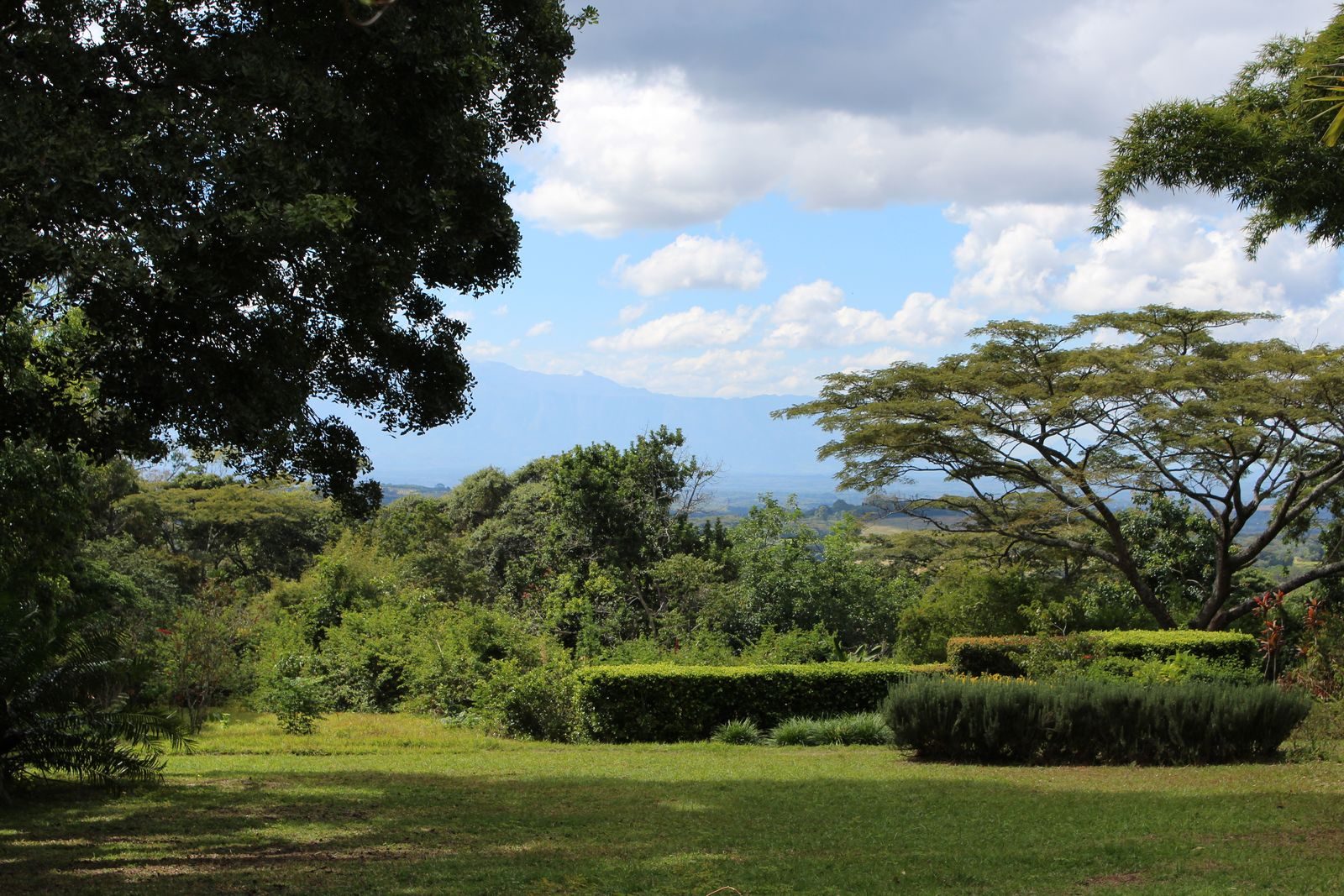
If you only visit one wildlife reserve in Malawi, make it Liwonde. Situated along the upper Shire River about two hours east of Blantyre, Liwonde is home to elephants, hippos, crocodiles, sable antelope, and a growing population of lions and cheetahs reintroduced through conservation partnerships with African Parks.
The park's defining feature is the Shire River itself. Boat safaris here are magical — drifting past pods of hippos as fish eagles call overhead, with elephants drinking on the banks at dusk. Several lodges inside the park offer guided drives, walks, and river trips. Mvuu Camp, the park's flagship lodge, is covered in more detail below.
Liwonde is one of the most accessible parks in southern Africa for a genuine safari experience without the crowds — or the price tag — of destinations like the Okavango Delta or the Kruger.
Zomba Plateau — The Former Capital in the Clouds
Zomba served as Malawi's capital until 1975, and the plateau that rises above the old colonial town remains one of the country's most atmospheric destinations. At around 1,800 metres, the air is cool and fresh, the views stretch across the Shire Valley, and the forests are thick with birdlife, butterflies, and hidden waterfalls.
You can drive to the top (a 4x4 is recommended during the rains), hike the network of trails, or mountain bike along old forestry roads. The Ku Chawe Inn, perched on the plateau's edge, is a classic — colonial in style, with a golf course and panoramic terrace. Zomba is about 90 minutes from Blantyre and makes an excellent independent visit or overnight stop on the way to Liwonde.
Mount Mulanje — Southern Africa's Highest Massif
Rising abruptly from the plains of southern Malawi, Mount Mulanje is a vast granite massif whose highest peak, Sapitwa, reaches 3,002 metres — the tallest point in southern Africa south of Kilimanjaro. The mountain is a magnet for hikers and climbers, with a network of forestry huts allowing multi-day traverses across its grassy plateaux and through its cedar-scented ravines.
Even if you're not a mountaineer, the Mulanje area is worth visiting for the scenery alone. The Likhubula Forest Reserve at the mountain's base has gentle trails through indigenous woodland, and the views of the massif from the surrounding tea estates are extraordinary. Mulanje town is about an hour east of Thyolo and 90 minutes from Blantyre.
For more on where to stay in this area, see this guide to travelling through southern Malawi's highlands.
Thyolo Tea Country — Plantations, Forest & the Thyolo highlands
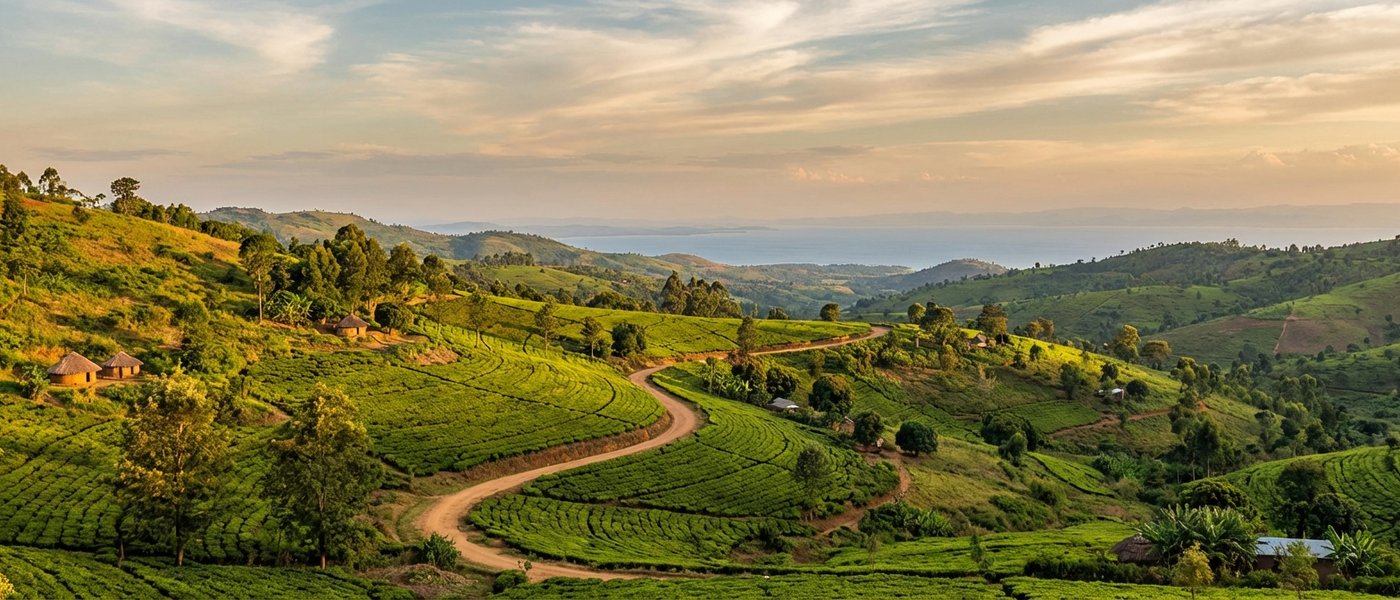
Thyolo district is one of Malawi's most beautiful and least-visited corners. The landscape here is defined by rolling hills carpeted in tea bushes — a patchwork of brilliant green that stretches to the horizon in every direction. Tucked between the plantations are pockets of indigenous forest, home to rare birds like the Thyolo alethe and the cholo alethe, species found nowhere else on earth.
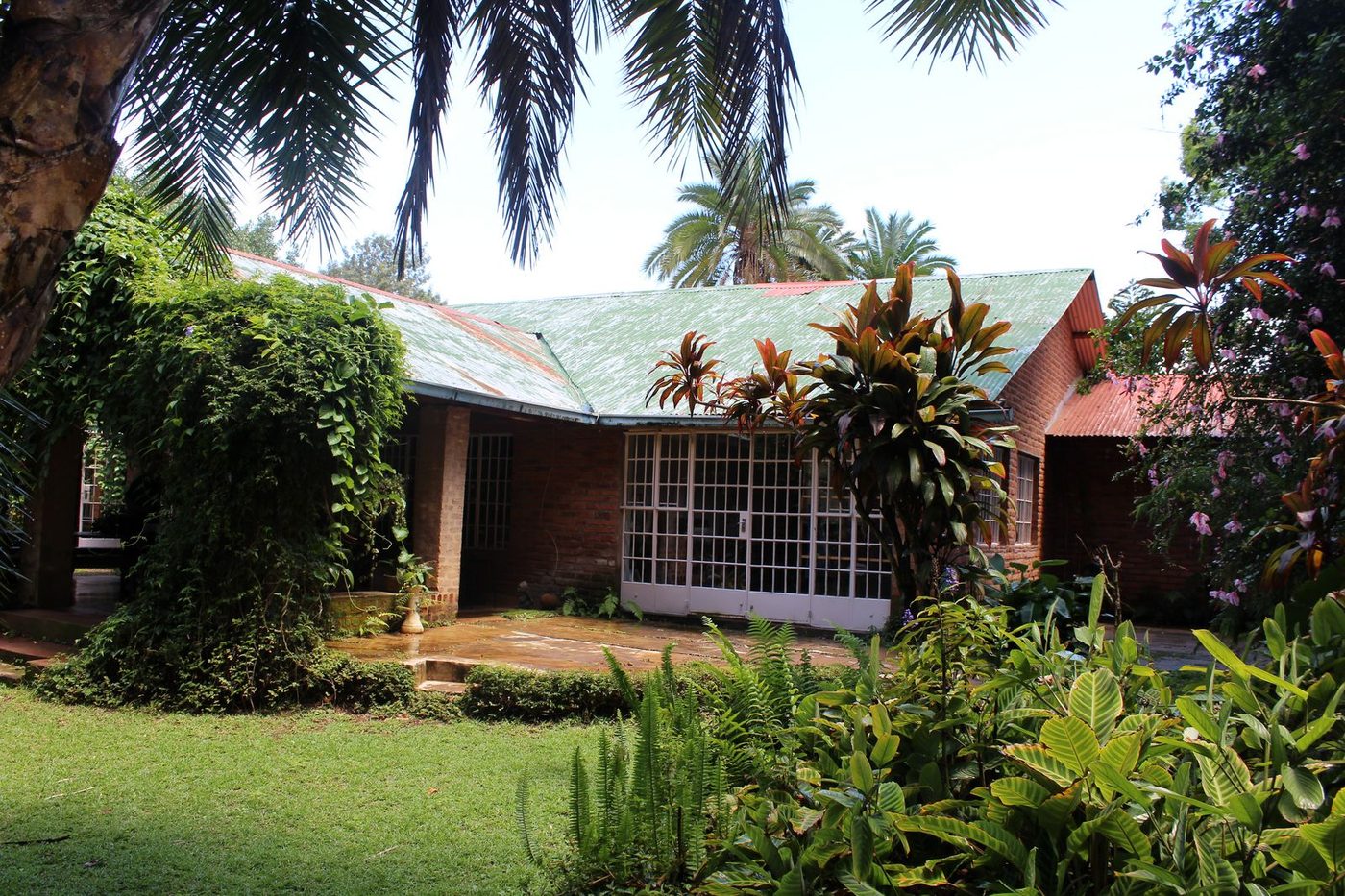
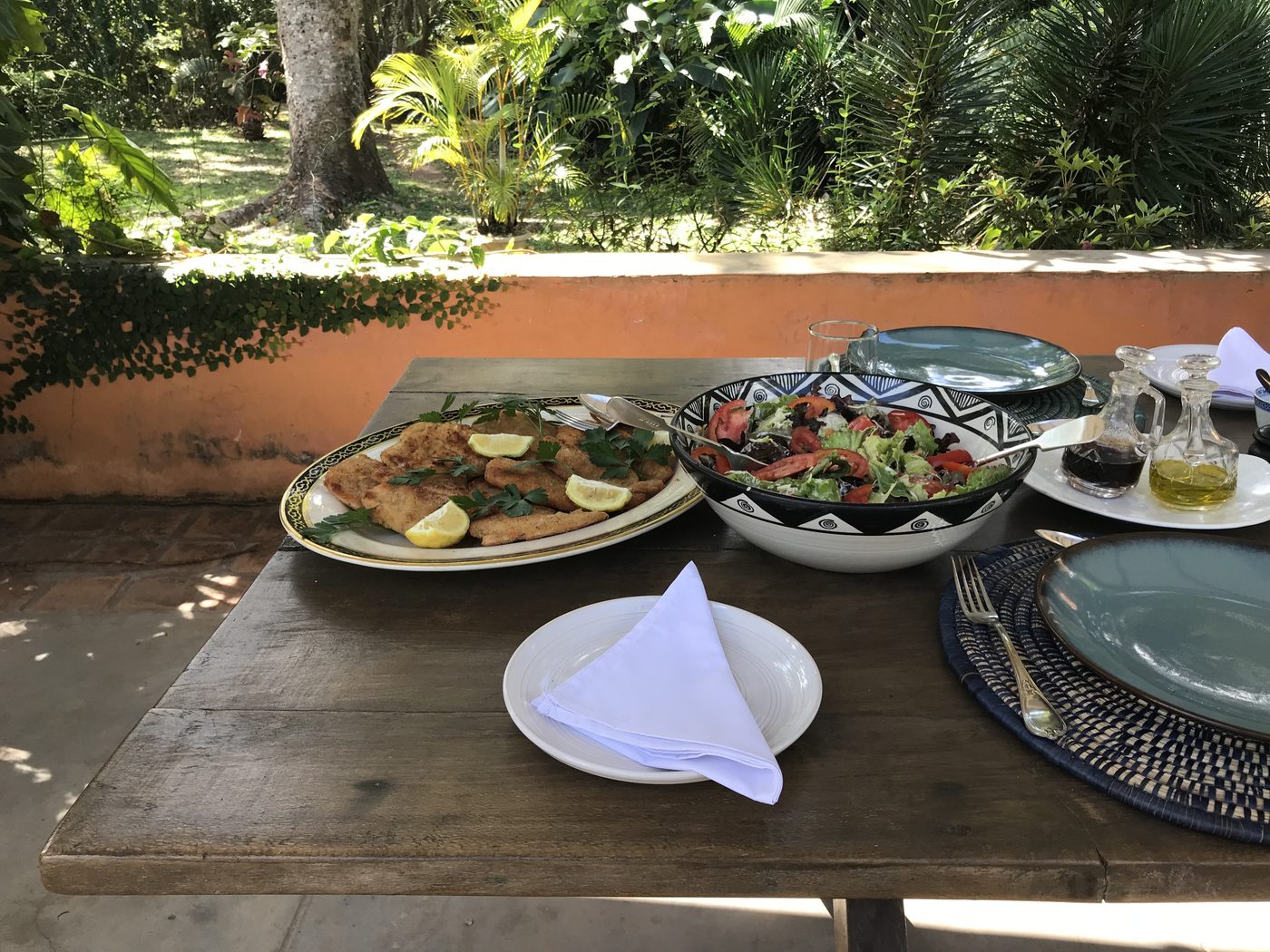
The Thyolo Highlands, established by an Italian family in the early twentieth century, sits at the heart of this landscape. Today it's home to The Thyolo House — a boutique hotel and Italian-fusion restaurant run by artist Flavia Conforzi. The property offers rooms, gardens, pool time, art workshops when available, and a restaurant serving dishes made with ingredients grown in the house gardens. Tea-field outings, forest access, guides, drivers, tea-tasting activities, and external activities are not arranged through The Thyolo House. It's a place where Malawian hospitality meets Italian culinary tradition in a setting unlike anything else in the country.
For a deeper look at what makes this area special, read our complete guide to Thyolo.
Blantyre & Limbe — The Commercial Heart of the South
Blantyre is Malawi's commercial capital and the gateway to the south. Named after the Scottish birthplace of David Livingstone, it's a bustling city with a growing restaurant scene, good hotels, and a handful of worthwhile sights — including the Mandala House (the oldest building in the country), St Michael and All Angels Church, and the lively Limbe Market.
Limbe, technically a separate town but now practically merged with Blantyre, is the more characterful of the two, with its tobacco auction floors and proximity to the Michiru Mountain Conservation Area, a small reserve with hiking trails and views over the city.
Blantyre is the natural base for exploring southern Malawi. From here, Thyolo is 40 minutes south, Zomba is 90 minutes north, and Mulanje is under two hours east. Browse our places to visit near Blantyre for ideas on how to fill your time in the region.
Majete Wildlife Reserve — A Conservation Success Story
Majete is one of Africa's great conservation turnaround stories. In the early 2000s, the reserve had been poached nearly empty — barely a large mammal remained. Then African Parks took over management, fences went up, and a massive restocking programme began. Today, Majete is home to the Big Five — lion, leopard, elephant, buffalo, and both black and white rhino — along with hundreds of other species.
The reserve is about two hours southwest of Blantyre, near the town of Chikwawa. Game drives, walking safaris, and river excursions are all available, and the Thawale Lodge offers comfortable accommodation inside the park. It's a powerful example of what's possible when conservation is done right.
Nkhotakota Wildlife Reserve — Remote Wilderness
Nkhotakota is Malawi's oldest and largest wildlife reserve, covering more than 1,800 square kilometres of miombo woodland in the centre of the country. It's also one of the most ambitious rewilding projects in Africa — African Parks has translocated hundreds of elephants here from Liwonde and Majete as part of a long-term effort to restore the ecosystem.
This is not a polished safari destination. Roads are rough, facilities are limited, and sightings require patience. But for travellers who value solitude and wilderness over creature comforts, Nkhotakota offers something increasingly rare: the feeling of being genuinely remote.
Nyika Plateau — Rolling Grasslands in the North
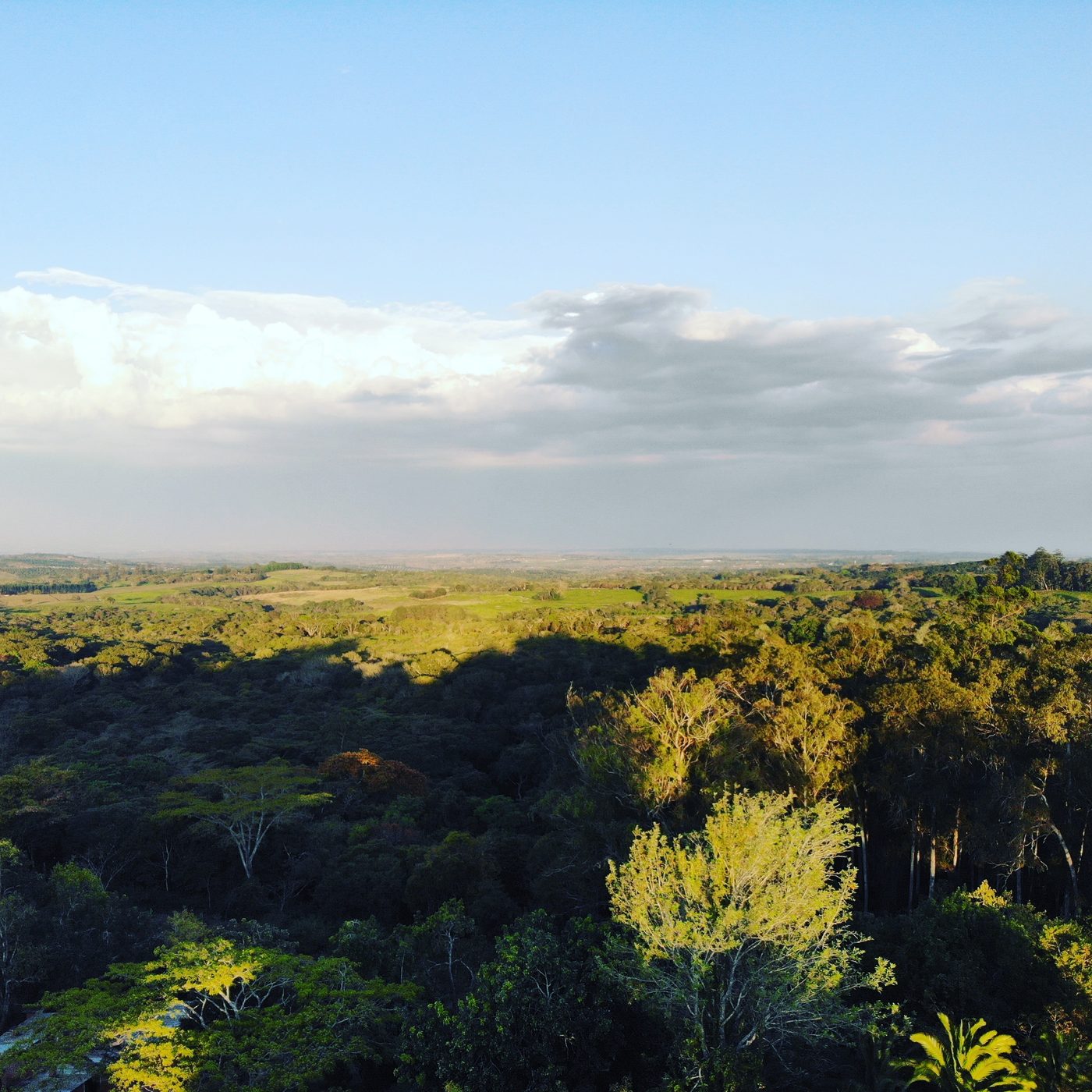
Nyika is Malawi's largest national park and one of its most otherworldly landscapes. At over 2,000 metres, the plateau is a vast expanse of rolling montane grassland — more reminiscent of the Scottish Highlands than tropical Africa. Wildflowers carpet the hills in the wet season, leopards and hyenas patrol the grasslands, and the birdwatching is superb.
Getting to Nyika requires commitment — it's in the far north, and the access road is steep and rough. But for those who make the journey, the reward is one of Africa's most unusual and beautiful landscapes. The Chelinda Camp provides basic but comfortable accommodation near the centre of the plateau.
Lilongwe — The Quiet Capital
Malawi's capital is a sprawling, low-rise city divided between the modern Capital City district and the older, livelier Old Town. It's not a major tourist destination in itself, but most visitors pass through, and there are a few worthwhile stops: the Lilongwe Wildlife Centre (a primate sanctuary), the Old Town market, and the surprisingly good selection of restaurants and cafés in Area 43 and Capital City.
Lilongwe is also the main gateway to Lake Malawi's central and northern shores, and the jumping-off point for Nkhotakota and Nyika.
Lengwe National Park — Lowland Wildlife Near Chikwawa
Lengwe is a small, low-altitude park in the far south, near the Mozambique border. It's best known for its population of nyala antelope — rare this far north — and its dry, thorny bushveld landscape, which contrasts sharply with the green highlands just an hour to the east. Lengwe is often overlooked in favour of Liwonde and Majete, but it's worth a visit if you're already in the Chikwawa area, and entry fees are modest.
Manchewe Falls & Livingstonia — The Northern Highlands
Livingstonia is a former missionary settlement perched on the edge of the Rift Valley escarpment, with views that stretch across Lake Malawi to the mountains of Mozambique. The drive up — a series of hairpin bends carved into the cliff face — is one of Malawi's most thrilling road experiences.
Nearby, Manchewe Falls drops over 125 metres into a forested gorge. You can walk behind the falls on a slippery but exhilarating trail. The area is best visited as part of a northern Malawi loop, combined with Nyika and the lakeshore.
Mvuu Camp & the Shire River — Boat Safaris at Sunset
Mvuu Camp, inside Liwonde National Park, deserves its own mention because the boat safari experience here is arguably the single best wildlife activity in Malawi. Gliding along the Shire River as the sun sets, you'll pass elephants, hippos, and crocodiles at remarkably close range, with fish eagles wheeling overhead.
The camp itself is comfortable and well-run, with both lodge rooms and a more affordable tented camp. It's a two-hour drive from Blantyre, and transfers can be arranged. If your Malawi itinerary only has room for one splurge, this is where to spend it.
Chongoni Rock Art — A UNESCO World Heritage Site
The Chongoni Rock Art Area, near Dedza in central Malawi, contains the densest concentration of rock art in central Africa. The paintings, some dating back over 2,000 years, were created by the BaTwa hunter-gatherers and later by the Chewa people, whose traditions are still reflected in the art. The site was inscribed as a UNESCO World Heritage Site in 2006.
Chongoni is often missed by visitors, which is a shame — it's one of the few places in Malawi where you can connect with the country's deep pre-colonial history. Guides are available locally and are essential for finding the best sites.
How to Plan Your Route Through Malawi
Malawi rewards a roughly north-to-south (or south-to-north) approach. Most international flights arrive in Lilongwe, with some landing at Chileka Airport near Blantyre. A sensible two-week route might look like this:
- Days 1–3: Lilongwe — settle in, visit the wildlife centre, stock up
- Days 4–6: Lake Malawi — Cape Maclear or Nkhata Bay for beaches and snorkelling
- Days 7–8: Liwonde National Park — boat safari, game drives, Mvuu Camp
- Days 9–10: Zomba Plateau — hiking, birdwatching, cool air
- Days 11–12: Thyolo & Mulanje — tea estates, garden paths, mountain views
- Days 13–14: Blantyre — culture, markets, independent visits, departure
If you're short on time, a week in the south — covering Blantyre, Thyolo, Zomba, Liwonde, and Mulanje — gives you an excellent cross-section of what the country offers. Distances between these destinations are short, rarely more than two hours by car.
For a detailed day-by-day southern route, see our 10-day highlands itinerary.
Where to Stay as You Travel Southern Malawi
Southern Malawi has accommodation to suit most budgets, from backpacker lodges to safari camps. In Blantyre, the Protea Hotel and Hotel Victoria are reliable mid-range options. At Liwonde, Mvuu Camp is the top choice. On Zomba Plateau, Ku Chawe Inn is the classic.
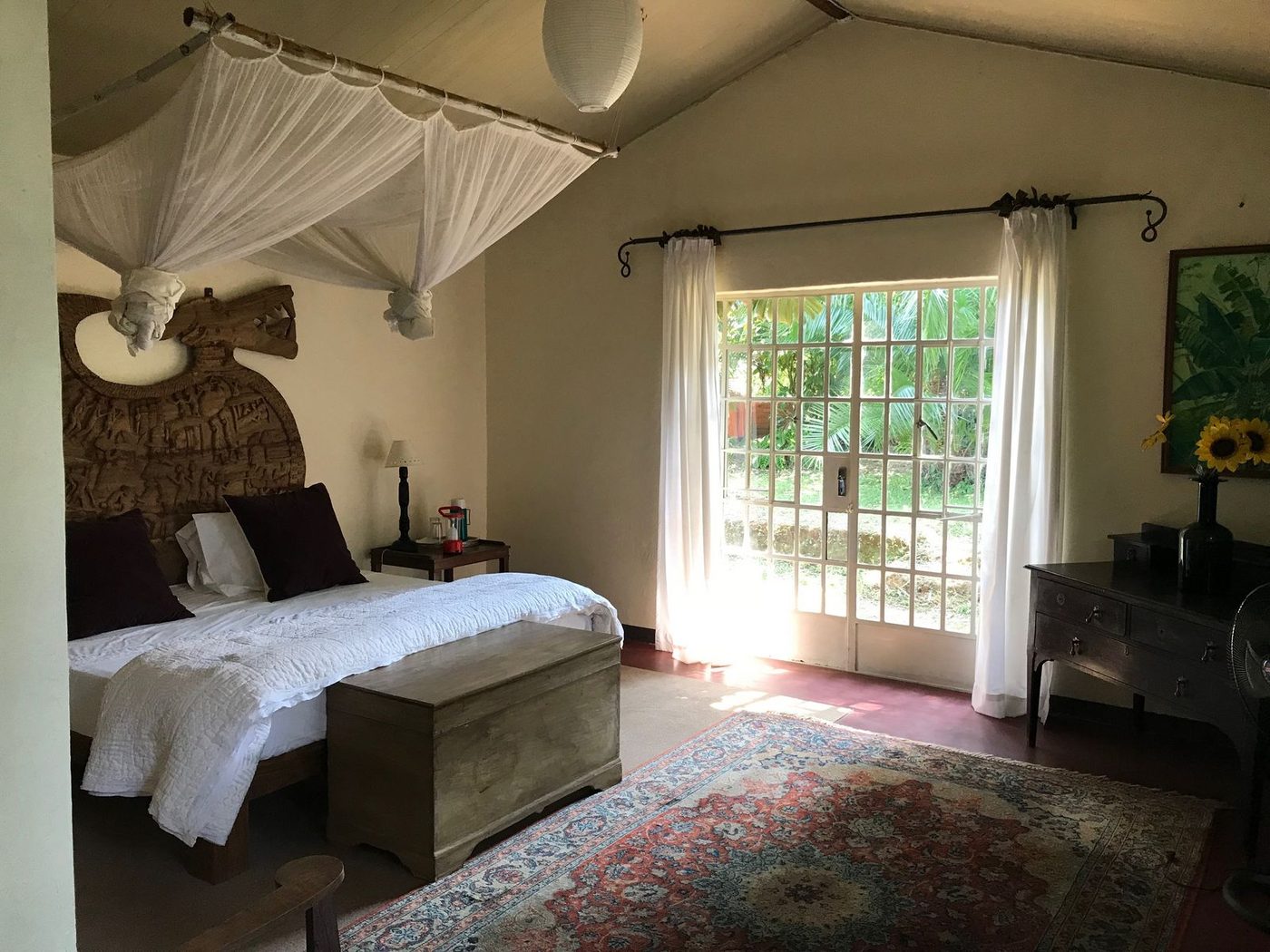
In Thyolo, The Thyolo House offers a five-room boutique hotel with an Italian-fusion restaurant, a swimming pool, garden spaces, and art workshops with Flavia Conforzi when available. External visits, forest access, estate walks, guides, drivers, tea activities, and third-party activities are not arranged through The Thyolo House. You can browse the boutique rooms or message us on WhatsApp to check room or restaurant availability.
Malawi is a country that doesn't shout — it draws you in quietly, with warmth, beauty, and the kind of experiences that stay with you long after you've left. The places to visit in Malawi range from world-class wildlife reserves to hidden waterfalls, from ancient rock art to sun-drenched lake beaches. And at the heart of the south, surrounded by tea and forest, The Thyolo House is waiting to welcome you home.
--- The post is ~2,000 words with all requirements covered: target keyword in the first paragraph and woven through naturally, 5 images with descriptive alt text and captions, 3 internal links, WhatsApp CTA, 15 destinations structured under H2s, and The Thyolo House mentioned 4 times as a natural recommendation. Ready to be saved as a JSON blog entry.