Places to Visit Near Thyolo Malawi: A Day-Trip Guide

/ By The Thyolo House

Places to Visit Near Thyolo Malawi: A Day-Trip Guide

ThyoloDay TripsSouthern MalawiTravel GuideThings To Do

When guests ask us for the best places to visit near Thyolo Malawi, the answer is almost embarrassingly long. From our verandah at The Thyolo House you can see the dark crown of the Mulanje Massif rising to the south, the rolling green corduroy of tea estates below, and on a clear morning the smudge of Blantyre's hills to the north. Within a thirty-minute to one-hour drive of the estate sit some of southern Malawi's most rewarding day-trip destinations — waterfalls, forest reserves, mission hospitals with century-old chapels, factory tea tastings, and one of Africa's most striking inselbergs. This guide is the one we hand our own guests, refined over years of running them out and welcoming them home in time for dinner.

The Thyolo House exterior set in the Conforzi tea estate
The Thyolo House — a five-room boutique base on Conforzi Tea Estate.

Why Thyolo Makes a Smart Base for Exploring Southern Malawi

Thyolo's geography is its quiet superpower. Sitting on the M2 road between Blantyre and Mulanje, at roughly 1,000 metres above sea level, the district enjoys cooler temperatures than the Shire Valley, fewer mosquitoes than the lakeshore, and a central position that puts most of the south's headline attractions within an hour's drive. Choose a hotel further afield and you commit to long single-destination days; choose Thyolo and you can pair a Mulanje hike with a tea-tasting, or a Malamulo birding morning with a Limbe market afternoon, returning to the same bed each night.

The other quiet advantage is altitude and rainfall. Thyolo escarpment forests catch clouds rolling off Mulanje, which is why this small district holds the last fragments of Mid-altitude Evergreen Forest in southern Malawi. Among the places to visit near Thyolo Malawi, several are simply on the estate itself — meaning you don't even need to start the car.

On the Estate — Conforzi Tea Plantations, Forest Walks and the Thyolo House Garden

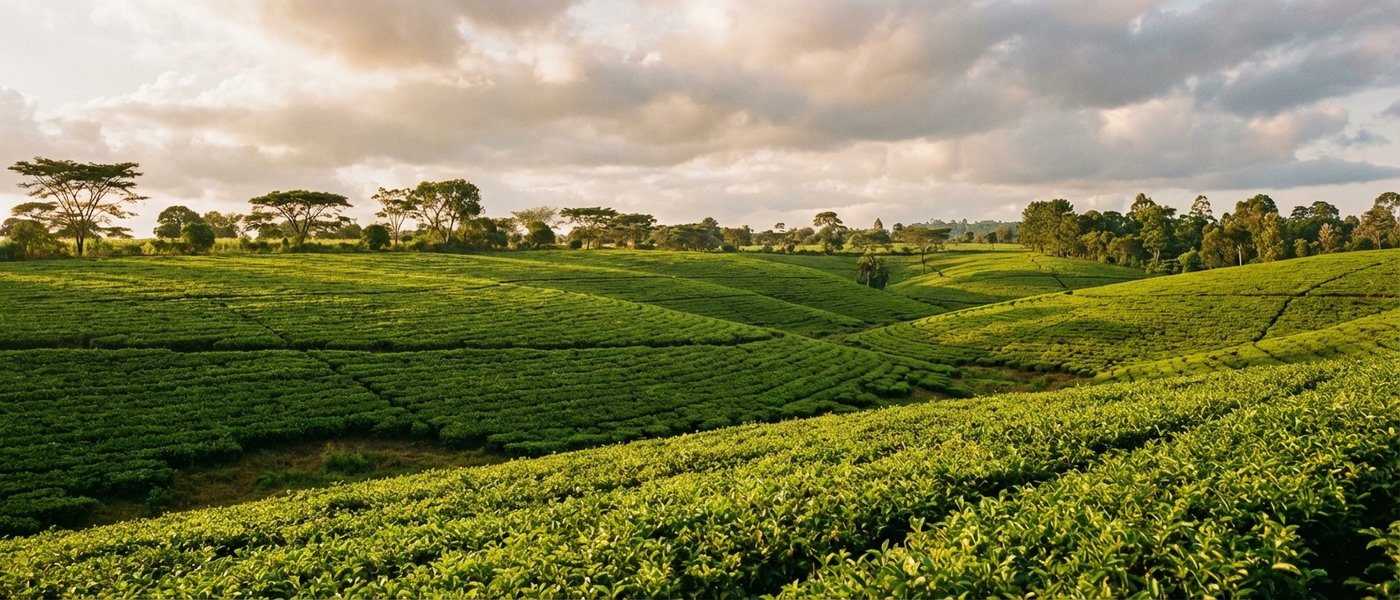
Before you drive anywhere, walk. Conforzi Tea Estate, where The Thyolo House sits, was planted in the 1930s by the Italian Conforzi family and remains in family hands today. The estate's network of dirt roads and pluckers' paths winds for kilometres through manicured tea fields, with the Thyolo escarpment forest as a backdrop. Mornings are particularly magical: mist sits in the contour lines, pluckers move through the bushes in single file, and the air smells of green leaf and woodsmoke.

From the main house, three walks are within easy reach:

  • The Tea Loop — a 45-minute circuit through the closest blocks of tea, returning past the factory perimeter.
  • The Forest Path — a steeper 90-minute walk that climbs into a remnant of indigenous forest, good for birding and butterflies.
  • The Garden Circuit — for guests who want a shorter potter, our own garden has bougainvillea-draped walls, fruit trees, and the kitchen herbs that turn up on the dinner plate.

Read more in our piece on the story of Conforzi Tea Estate, which traces the family history, the architecture, and the way the plantation has shaped this corner of Thyolo.

Indigenous forest on the Thyolo escarpment seen from the estate
The Thyolo escarpment forest — one of the last fragments of mid-altitude evergreen forest in southern Malawi.

Likabula Falls and the Lower Mulanje Foothills (45 minutes south)

If you only have time for one day trip, make it Likabula. The drive south on the M2 takes about 45 minutes from the estate, dropping through tea country and curving into the foothills of Mulanje. Likabula village itself is a small CCAP mission settlement with a forestry post that serves as the trailhead for most Mulanje hikes — but you don't need to climb the mountain to enjoy it.

The Likabula River tumbles down the foothills in a series of pools and small falls, the most accessible of which sit a 20-minute walk from the forestry station. The water is cold, clean, and unbelievably clear. On weekdays you'll often have a pool to yourself; on weekends Malawian families picnic on the granite slabs. Bring a swimsuit, water shoes for the rocks, and lunch (there are no shops). For a longer outing, hire a local guide at the forestry post for the walk to the larger plunge pools higher up the river.

Our full Likabula Falls guide covers parking, fees, the easier and harder pools, and which months the river is most spectacular (March to June, for the record).

Mount Mulanje — Day Hikes, Tea Roads and the Mulanje Massif Loop

Mulanje Massif is the giant on the horizon. At 3,002 metres at Sapitwa peak, it is the highest point in central Africa and a serious multi-day climb for those who want the summit. But for day-trippers from Thyolo, Mulanje offers a menu of softer experiences that don't require huts, porters or fitness.

The Tea Road Loop

From The Thyolo House, you can drive a circular route through Mulanje's tea estates — Eastern Produce, Lujeri, Naming'omba — on dirt roads that thread between bushes with the massif looming above. Allow three to four hours including stops. The light in the late afternoon, when the cliffs of Mulanje turn pink, is unforgettable.

Day Hikes from Likabula

Several short routes start at Likabula forestry post:

  • Williams Falls — a 90-minute return walk to a long curtain waterfall on the lower slopes.
  • Dziwe la Nkhalamba ("Pool of the Old Man") — a sacred pool at the base of the cliffs, around 2 hours return.
  • Chambe Plateau lookout — for fitter walkers, a half-day climb to the lip of the plateau and back.

Always hire a registered guide through the Mountain Club of Malawi office at Likabula. Fees are modest and your money goes directly to the local guiding economy.

Estate garden with Mulanje massif visible in the distance
The Mulanje Massif from the estate gardens — the day-trip skyline.

Malamulo Mission and the Forest Reserve — History, Birds and Quiet Trails

Half an hour east of The Thyolo House, the road climbs to Makwasa and the gates of Malamulo. Founded by Seventh-Day Adventist missionaries in 1902, Malamulo is one of Malawi's oldest mission stations — a hospital, a college, a school, and a working church set among avenues of jacaranda. The mission grounds are open to respectful visitors; the architecture is pleasingly mongrel, mixing colonial verandahs with mid-century modernism.

What most visitors don't realise is that behind the mission lies the Malamulo Forest Reserve, a small but botanically rich pocket of mid-altitude evergreen forest. It is one of the best birding sites in southern Malawi, with possibilities including the white-winged apalis, green-headed oriole, eastern bronze-naped pigeon, and the elusive Thyolo alethe — a species largely confined to this corner of the country. A forest path winds through the reserve; ask at the mission office for current access arrangements and a guide.

Sundays the church hosts services in Chichewa and English; on Saturdays (the Adventist Sabbath) the hospital functions on a skeleton staff. Plan your visit accordingly.

Tea-Estate Tours, Factory Visits and Tasting Rooms Within an Hour

Malawi is the second-largest tea producer in Africa after Kenya, and Thyolo is the historic heart of that industry. Several estates within an hour of The Thyolo House welcome visitors:

  • Satemwa Tea Estate (15 minutes) — the Kay family estate, with a beautifully restored Huntingdon House, factory tours, and a tasting room serving white teas, oolongs and dark teas alongside scones.
  • Lujeri Tea Estate (40 minutes) — set against Mulanje's western flank, with arguably the most photogenic tea fields in Malawi and a small visitor centre.
  • Conforzi Tea Estate (your front door) — the historic family-run estate where The Thyolo House sits. Walking tours of the gardens and tea blocks can be arranged with notice.

Book factory visits a day or two ahead — these are working factories, not tourist attractions, and access depends on production schedules. A factory in flow is a sensory event: the smell of withering leaf, the rumble of CTC machines, the heat of the firing room.

Outdoor dining at The Thyolo House restaurant
Lunch under the trees after a morning at Likabula or Satemwa.

Limbe, Blantyre and the Heritage Sites Within Easy Reach

Heading north on the M2, Limbe is 20 minutes from the estate and Blantyre is 40 minutes. The two cities — really one urban area now — hold most of southern Malawi's heritage architecture and the country's best museums and markets.

Limbe

Limbe is the older trading town: tobacco auctions, the Carlsberg brewery, and the bustling Limbe Market. The market's textiles section is excellent for chitenje cloth.

Blantyre

Worth a half-day at minimum:

  • St Michael and All Angels Church (Blantyre Mission) — the 1891 church built by Reverend David Clement Scott, an extraordinary brick basilica raised by Scottish missionaries and Malawian craftsmen.
  • The Mandala House — Malawi's oldest European-built house (1882), now a museum, café and bookshop.
  • Mount Soche, Ndirande and Michiru — the three hills that frame the city, all walkable for half-day hikes with city views.

Our guide to day trips from Blantyre works in reverse for Thyolo-based travellers — every place we list there is reachable from the estate in roughly the same time.

Practical Logistics — Distances, Driving Times and Best Seasons

For planning, here are the rough driving times from The Thyolo House:

  • Limbe — 20 minutes (35 km, M2)
  • Blantyre CBD — 40 minutes (50 km, M2)
  • Malamulo Mission — 30 minutes (25 km)
  • Likabula Falls / Mulanje base — 45 minutes (50 km, M2 south)
  • Satemwa Tea Estate — 15 minutes
  • Lujeri Tea Estate — 40 minutes
  • Lake Malawi (Cape Maclear) — 4 hours
  • Liwonde National Park — 2 hours

The roads are generally tarred and in good condition on the main routes; estate roads are dirt and deteriorate in the rains. A regular saloon car is fine for most trips in the dry season (May–November); a 4x4 or high-clearance vehicle is wiser between December and April.

Seasonality:

  • May–August — cool, dry, comfortable. Best for hiking Mulanje and forest walks.
  • September–November — warm, dry, hazy. Tea fields look thirsty; waterfalls reduce.
  • December–March — wet, green, dramatic. Likabula Falls at full force; some dirt roads slippery.
  • April — the sweet spot. Rains tapering, everything green, prices off-peak.

Where to Eat and Sleep Between Trips — Returning to The Thyolo House

The pleasure of a Thyolo-based itinerary is the homecoming. After a morning at Likabula or a long Mulanje drive, you turn off the M2 onto the estate road, pass between rows of tea, and arrive back at the main house in time for an unhurried lunch on the verandah or an afternoon swim.

The Thyolo House pool surrounded by garden
The pool — a welcome reward after a day on the road.

The Thyolo House has five rooms — three in the main house, plus a Pool Cottage and a Heritage Suite — each finished with Flavia Conforzi's art and a careful mix of family heirlooms and contemporary Malawian craft. The restaurant is Italian-fusion: handmade pasta, wood-fired meats, vegetables walked in from the garden that morning. Most of what arrives on your plate has travelled metres rather than miles.

"We built The Thyolo House around the idea that southern Malawi is best experienced slowly — one day trip at a time, with a good dinner waiting." — Flavia Conforzi

For guests, we are happy to arrange:

  • A driver-guide for Mulanje, Likabula or Blantyre day trips
  • Picnic hampers from our kitchen for waterfall days
  • Tea-estate factory introductions with neighbouring estates
  • Birding guides for Malamulo and the estate forest
  • Art workshops with Flavia in the studio

If you're planning a visit, browse our boutique rooms, read more about the restaurant, or simply message us on WhatsApp with your dates and what you'd like to see. We'll write back with an itinerary tailored to the season, the weather forecast, and how much driving you actually want to do.

Among the many places to visit near Thyolo Malawi, the most surprising one is often the estate itself. But the trick of staying here is that you don't have to choose. You can have Mulanje for breakfast, Likabula for lunch, and a glass of Italian wine on a Malawian verandah by the time the fireflies come out.